Israel By The Numbers

Israel is discussed with hyperbole and adjectives: massive settlements, enormous American aid, rampant settler violence, Jewish encroachment, disproportionate war.

It’s a fiction. A ruse.

Skip the adjectives. Look at the numbers.

750,000 → 5.9 Million;
850,000 → 0
— Two Refugee Populations

Between 700,000 and 750,000 Palestinian Arabs became refugees when they fled the battlefield as they awaited fellow Muslim Arab armies to destroy the nascent Jewish State during the 1948-9 war. In the same era, roughly 850,000 Jews left or were expelled from Arab countries with many more leaving non-Arab Muslim countries like Iran and Afghanistan.

Even though the Jewish refugee population was larger, we never speak of it today.

Today, UNRWA registers 5.9 million Palestinian Arab refugees, predominantly consisting of descendants of the original refugees, and those who married or were adopted by refugees. The comparable number of registered Jewish refugees from Arab and Muslim countries and their descendants is zero.

The Jews were absorbed as citizens of Israel and other countries. Their children, grandchildren and great-grandchildren were not perpetuated as refugees, they way Palestinian Arabs have been forced by those same “brotherly” Arab countries which went to war with Israel in 1948-9, in order to perpetuate the war they initiated and lost.

650 Times
— Arab League Territory to Israel

Israel covers roughly 22,000 square kilometers and the 22 members of the Arab League collectively cover roughly 13–14 million square kilometers.

The territory of the Arab League is approximately 650 times the size of Israel.

127 Times
— Muslims to Jews

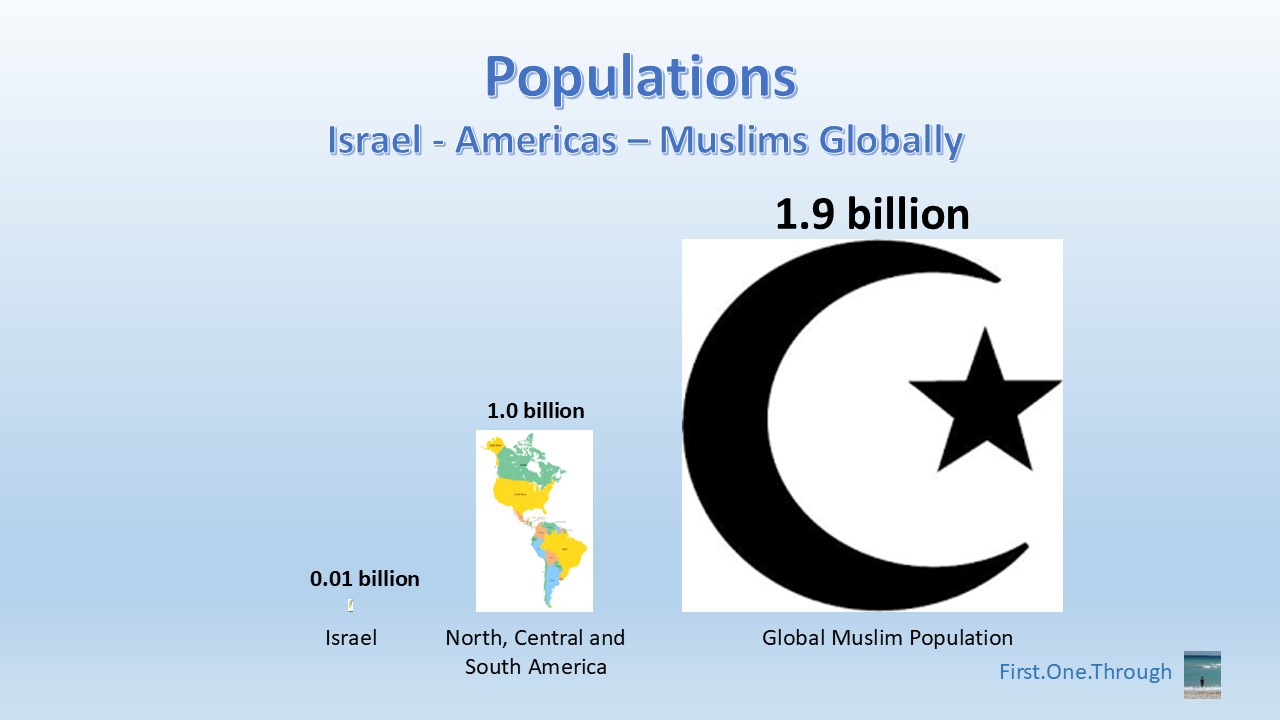
There are roughly 2 billion Muslims in the world, twice the size of the entire populations of North, Central and South America.

There are roughly 15.8 million Jews.

That is approximately 127 Muslims for every Jew.

Muslims account for roughly one-quarter of humanity. Jews account for about 0.2%.

Yet people in the West refer to Muslims as a “minority.”

60 to 1
— Muslims to Jews Ascending the Temple Mount

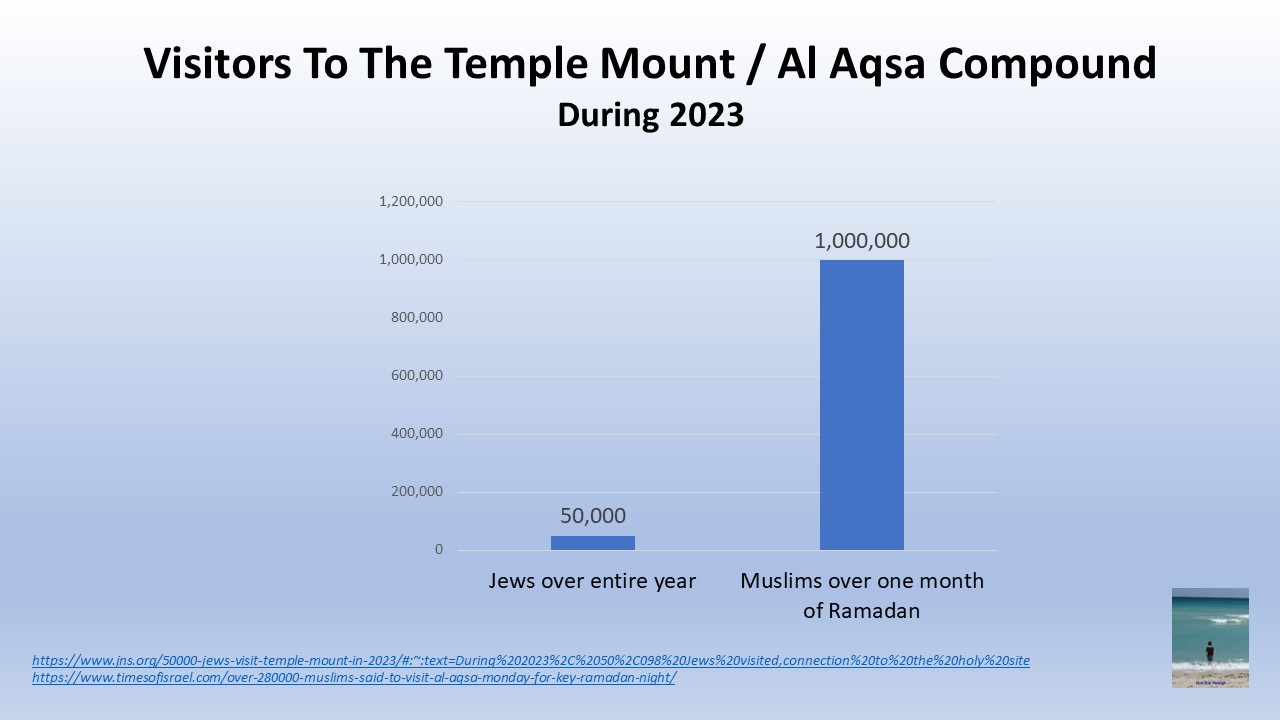
Before COVID, roughly 1.8 million to 2 million Muslims visited the Temple Mount annually, compared with approximately 30,000 Jewish visits in 2019. That is roughly 60 Muslim visits for every Jewish visit.

The more recent figures of 2025 after the October 7 massacre launched by Gazans has roughly halved the visits by Muslims and doubled those by Jews, lowering the figure to about 15 times at Judaism’s holiest site.

57 to 1
— OIC States to the Jewish State

There are 57 countries in the Organisation of Islamic Cooperation that perpetually lambasts Israel. There is one Jewish state.

The Jewish state exists alongside a Muslim world dozens of times larger in countries, population and territory.

25 to 1
— American Defense Spending Outside Israel

Israel receives about $3.8 billion annually under the U.S.-Israel security assistance agreement. For every dollar America spends annually on Israel’s defense, roughly $25 is spent on defense elsewhere—defending the United States, maintaining forces abroad, supporting allies and providing security assistance around the world.

Even more striking, there are over 220,000 military personnel stationed around the world, of which slightly over 100 are in Israel. The baseline ratio is over 1,500-to-1, rising to 2,200-to-1 when reserve personnel are included.

The anti-Israel discussion focuses solely on Israel while ignoring the enormous American monies and personnel in Japan, Qatar, Germany and elsewhere.

14 Times
— The Growth of Israel’s Arab Population

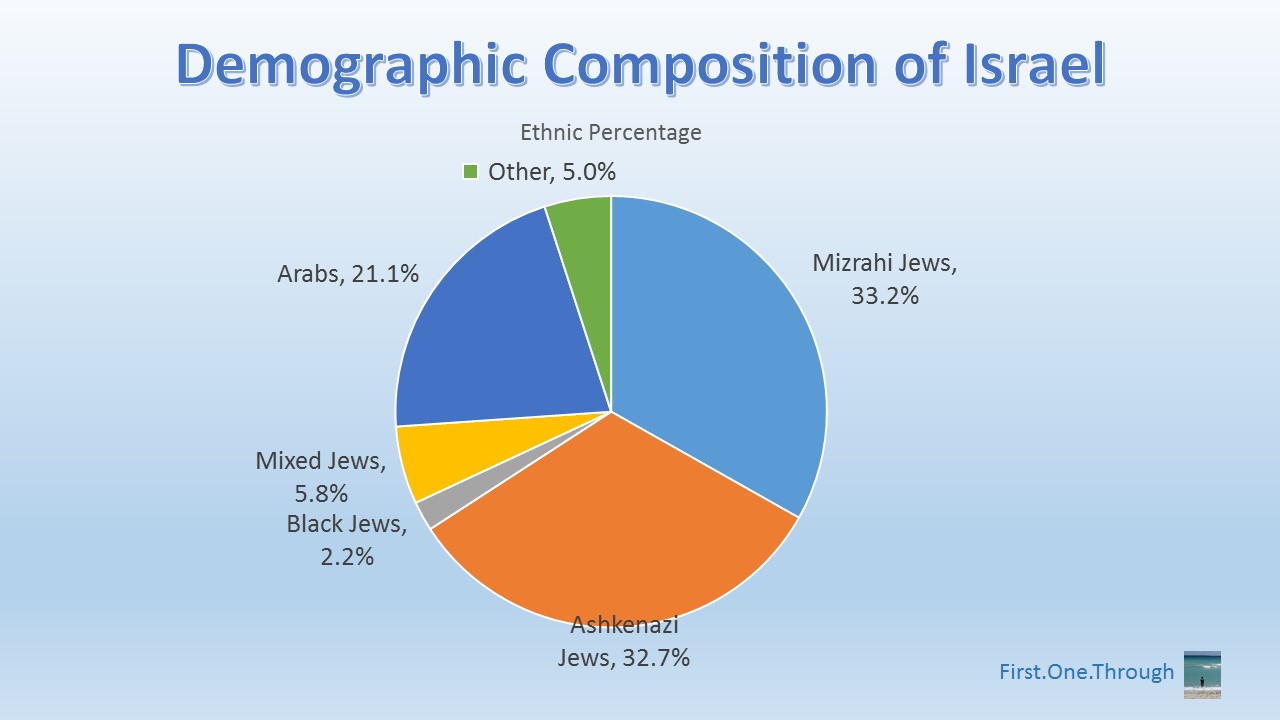
Approximately 156,000 Arabs lived in Israel in 1948 when the modern Jewish State was reestablished. Today, approximately 2.16 million Arabs live in Israel.

Israel’s Arab population has grown almost 14-fold since the establishment of the Jewish state. Meanwhile, the number of Jews inside Israel hasn’t even grown 12-times in that same time.

And people accuse Israel of “ethnic-cleansing.”

12 Times
— Israeli Arabs Killed by Israeli Arabs
Versus West Bank Arabs Killed by West Bank Jews

Thus far in 2026, Arab Israelis are murdered by other Arab Israelis at roughly 12 times the number of Palestinian Arabs killed by West Bank Jewish civilians in Judea and Samaria.

Hundreds of Arab Israelis have been murdered amid the organized-crime epidemic inside Israel over the last few years. Yet the international narrative solely focuses on settler violence.

10 to 1
— Muslim Gates to the Jewish Entrance

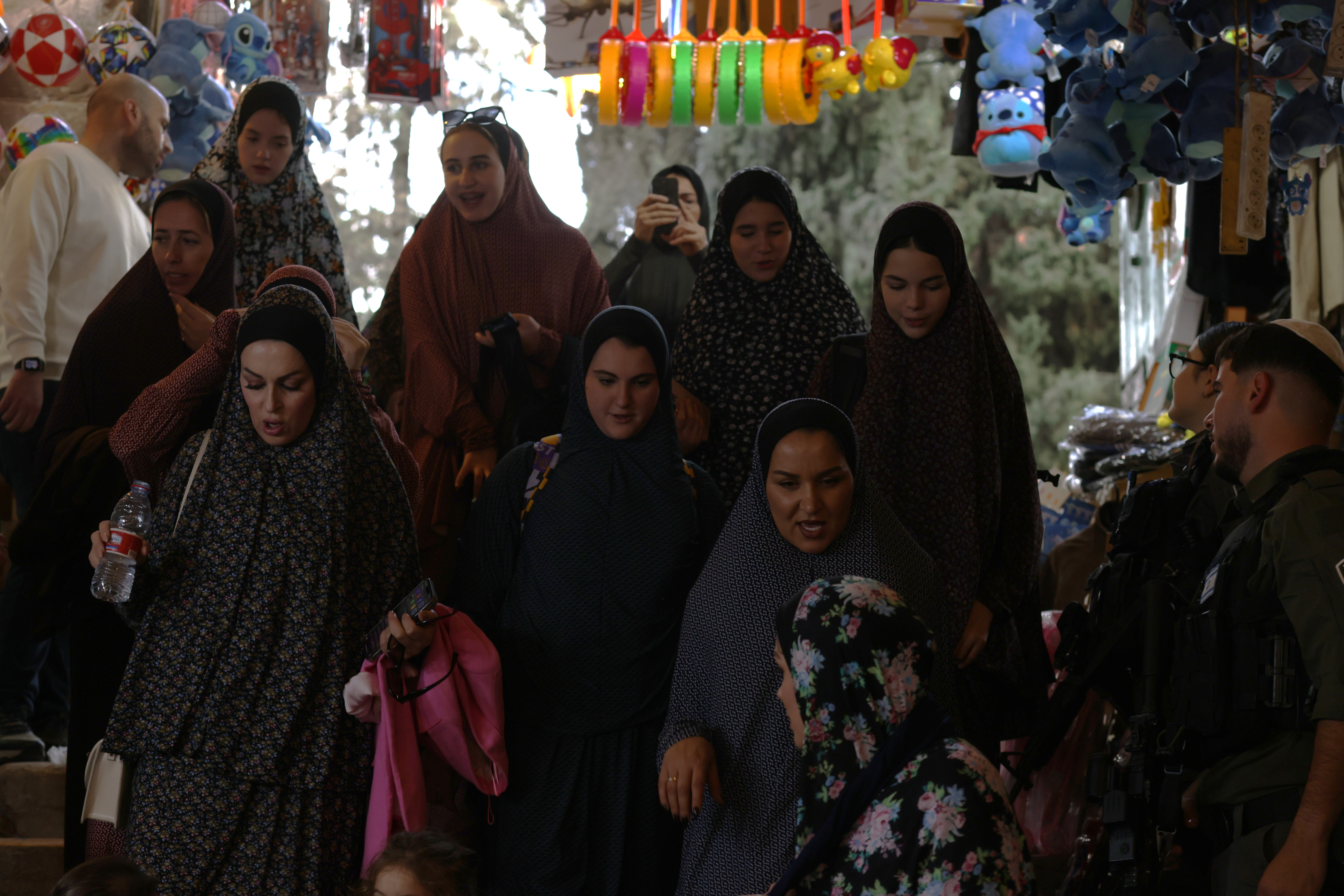
Muslims have access to the Jewish Temple Mount in the Old City of Jerusalem through ten gates. Jews and other non-Muslims enter through one: the Mughrabi Gate. There, Jews must pass through metal detectors and security clearance at only specified times of the day, even as Muslims ascend and descend at will through every other portal.

Muslim women descending from the Temple Mount through one of the many gates exclusively available for Muslims (photo: First One Through)

9
— Number of Times Hamas Charter Refers to Jews and Judaism

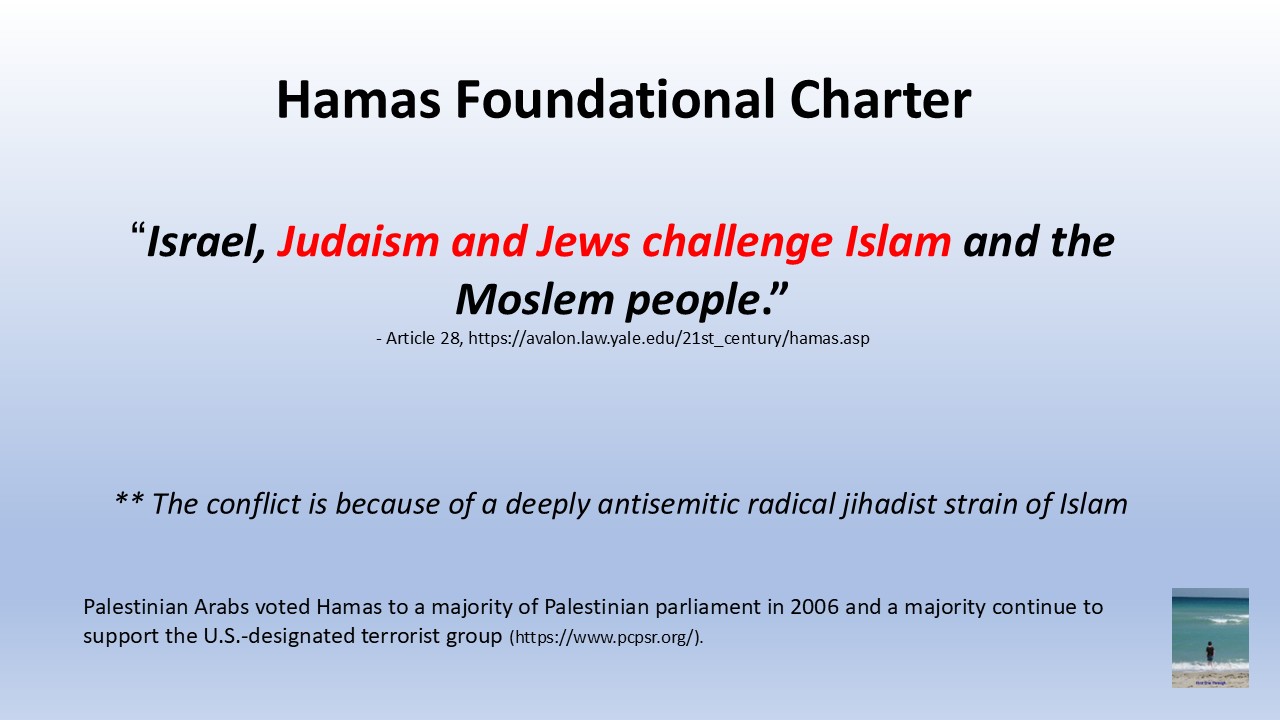
Hamas’s 1988 foundational charter is replete with antisemitic rhetoric. The opening lines begin with “Our struggle against the Jews…” and continues throughout its genocidal jihadist call to wipe out the Jewish people and Jewish State.

While the anti-Israel crowd pretends that the conflict is merely over land which can easily be compromised and carved up, they ignore the deep antisemitic ideology embedded in the Palestinian Arab culture.

8 Times
— U.S.’s Ukraine War Spending Versus Gaza War Spending

The United States has spent roughly eight times more in connection with the Ukraine war with Russia than the Gaza war against Israel.

America has made roughly $195 billion available for Ukraine since Russia’s 2022 invasion. American expenditures associated with Israel and the Gaza war are a fraction of that amount.

Yet it is spending associated with Israel that is routinely presented as uniquely extraordinary.

6 to 0
— UN Bodies for Palestinians Versus Israelis

The United Nations maintains six standing bodies, offices or mechanisms focused specifically on Palestinian Arabs and Israel’s treatment of said Arabs: UNRWA; the Committee on the Exercise of the Inalienable Rights of the Palestinian People; the Division for Palestinian Rights; the Special Committee to Investigate Israeli Practices; the Special Rapporteur on the Palestinian territories; and the Human Rights Council’s permanent Agenda Item 7.

There is no comparable UN agency, committee or permanent agenda item devoted to protecting Israelis from the conflict, nor is there any group in the entire world (think the Kurds) so over-represented at the global organization.

5
— Gaza Wars Since Hamas Took Control

Israel withdrew every Jewish civilian and military asset from Gaza in 2005. Hamas subsequently took control of Gaza in 2007. Since then, it has launched five major rounds of war with Israel: in 2008–09, 2012, 2014, 2021, 2023-.

Five wars in sixteen years.

2.5 to 1
— Israel Versus the Rest of the World at the UN

In 2024, the UN General Assembly adopted 18 resolutions focused on Israel. It adopted seven country-specific resolutions concerning the rest of the world combined.

That is roughly 2.5 to 1. One country received more than twice as many resolutions as every other country combined.

1 to 1
— An Equivalency of 15 Kilometers Which Matters for One But Not the Other

At its narrowest along the pre-1967 lines, Israel is roughly 15 kilometers wide. It is a stretch that continues along its major population centers.

After Ma’ale Adumim to Jerusalem’s east, the remaining West Bank corridor is also roughly 15 kilometers wide at a single narrow point where virtually no West Bank Arabs live.

15 kilometers versus 15 kilometers. Over a million Jews in the narrow stretch versus a few thousand Arabs.

Israel’s narrow waist is never described as dangerously vulnerable, while the West Bank neck is cast as making a two-state solution “impossible.”

1
— The Jewish State Whose Capital the World Challenges

There is only one country in the world whose national anthem is all about its capital.

Israel’s national anthem, Hatikvah, expresses the Jewish people’s ancient longing for Zion and Jerusalem.

The Knesset is there. The president is there. The prime minister is there. The Supreme Court is there. The government ministries are there.

Yet most countries still refuse to locate their embassies in Jerusalem or fully accept Israel’s designation of Jerusalem as its capital.

The numbers are there. Before accepting the narrative which is infused with anti-Israel bias, look at them.

The Religious Formula for Ethnic Cleansing Jews

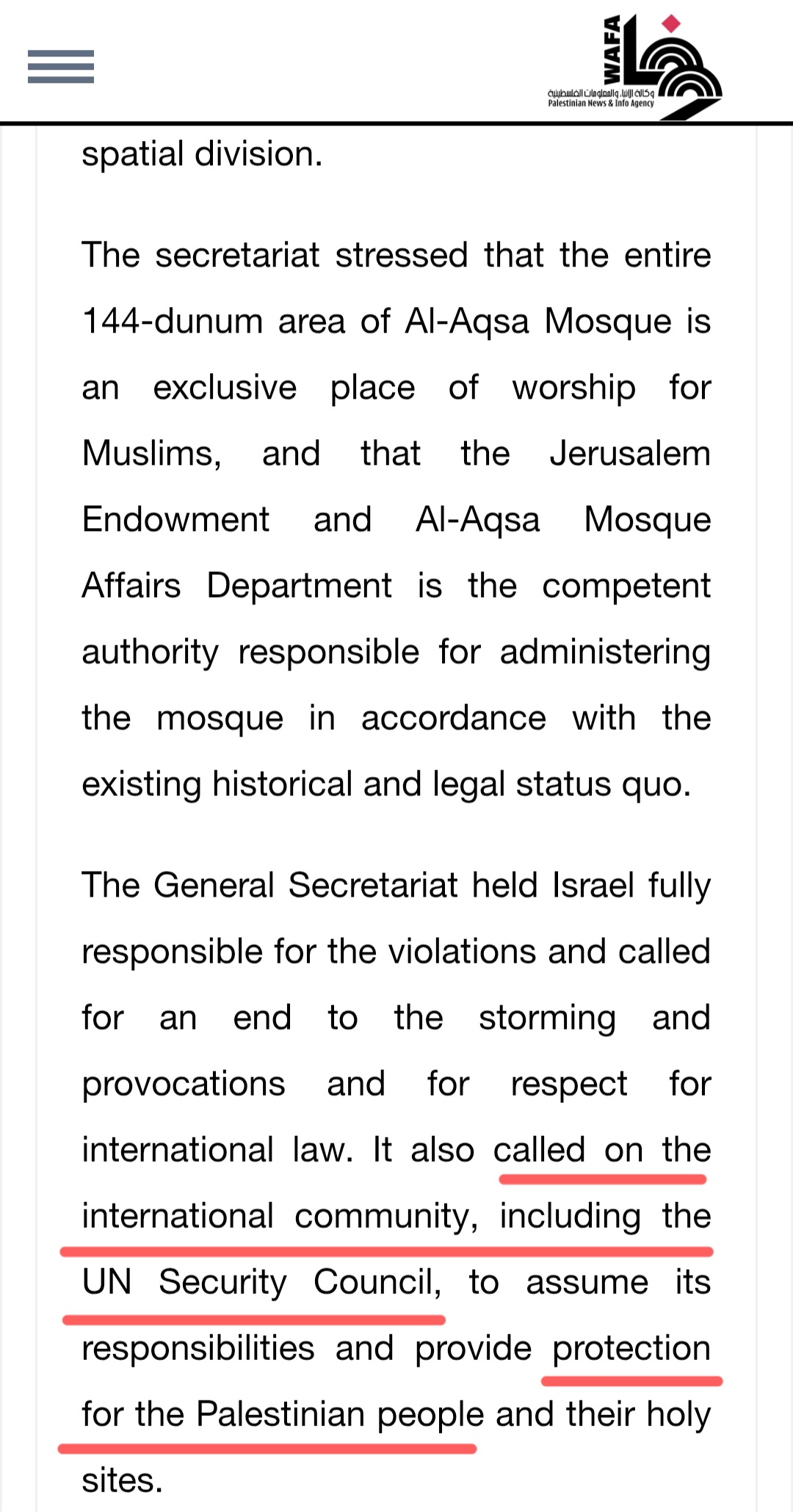
WAFA, the Palestinian Authority’s official media, has spent years describing Jews who enter the Temple Mount as “storming Al-Aqsa.” I have written about that linguistic sleight of hand before.

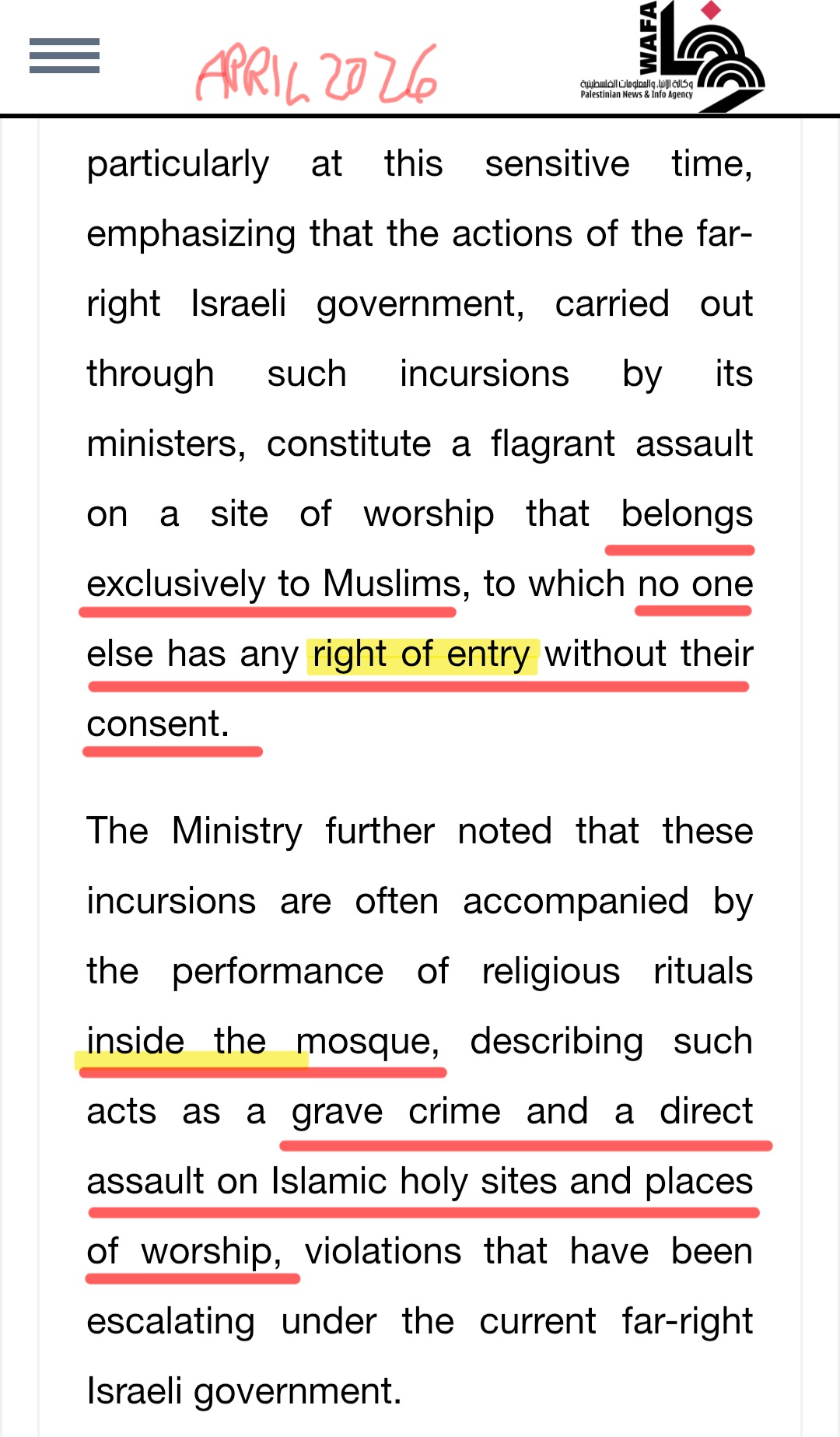
Now WAFA is promoting something more dangerous: that Jews have no right to enter Judaism’s holiest site without Muslim permission, and that Jewish worship there is an assault on Islamic sanctity.

In April 2026, WAFA reported a Palestinian statement declaring the site one that belongs exclusively to Muslims, to which no one else has any right of entry without their consent.

On August 13, WAFA carried an Arab League statement condemning Jews entering the site and performing religious rituals as a blatant violation of the sanctity of the mosque.”

WAFA promoted several lies:

  • Muslims do not control entry. Israel controls security and access to the Temple Mount. The Jordanian-backed Waqf administers Muslim religious affairs there. Presenting Muslim consent as a prerequisite for Jewish entry is totally false.
  • The compound does not “belong exclusively to Muslims.” That is a religious and political claim masquerading as settled fact about the Temple Mount—the holiest site in Judaism.
  • Jewish presence does not inherently violate Islamic sanctity. Islam does not have a general rule that a Jew entering Muslim sacred space desecrates it. Restrictions on Jewish prayer under the status quo are one issue; declaring Jewish worship itself an assault on Islam is another.

Then comes another sleight of hand.

Having defined Jewish presence as an offense against Islam, these organizations pivot to demanding action by the international community on behalf of Palestinians.

But those categories – Muslims and Palestinian Arabs – are not interchangeable.

Some 1.85 million Muslims live in Israel, nearly one-fifth of the country’s population. And the Muslim religious administration of the Temple Mount is handled by the Jordanian-backed Waqf. Palestinian Arabs do not exercise control over entry to the site, nor do they represent all Muslims in the region.

So why transform an asserted Muslim religious grievance into a Palestinian national claim demanding international intervention?

Because the lies are the tell.

The argument is no longer about protecting Muslim worship. It takes an assertion of Muslim religious exclusivity, converts it into a Palestinian territorial right, and then asks the world to enforce that right against Israel and Jews.

The implications become darker when the same logic is applied beyond the Temple Mount. Hamas’s 1988 charter declared all of Palestine an Islamic waqf. Combine that doctrine with the claim being promoted around Al-Aqsa—that Jewish physical presence and worship offend Islamic sanctity—and expelling Jews can be transformed into protecting Muslim holy land.

“the land of Palestine is an Islamic Waqf consecrated for future Moslem generations until Judgement Day. It, or any part of it, should not be squandered: it, or any part of it, should not be given up.” – Hamas Foundational Charter, Article 11

That is why the Arab League and WAFA’s language matters. By repeatedly publishing these false assertions, it helps turn a Palestinian territorial claim into a purported Islamic prohibition against Jewish presence.

And it begins at the most perverse possible location: Judaism’s holiest site.

The progression is stark:

  • Declare the Jewish holy site exclusively Muslim.
  • Deny Jews the right to enter without Muslim permission.
  • Call Jewish presence and worship a desecration of Islam.
  • Turn that religious claim into a Palestinian territorial right.
  • Ask the world to enforce it.

The Arab League and Palestinian Authority are building a religious and political case for removing Jews from their own holy land.

Changing the Map, Changing the Politics

The Israeli-Palestinian conflict is often described as frozen. It isn’t.

Both Israelis and Palestinians appear to believe that now is NOT the moment for a final peace agreement. Instead of negotiating, each side is using this period to improve its position for whatever comes next.

They have adopted two very different strategies.

Israel’s strategy is physical.

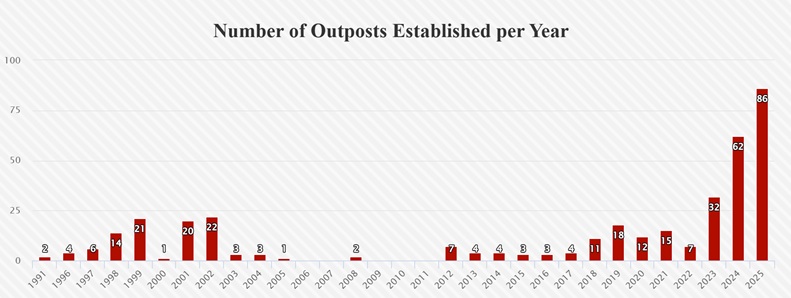
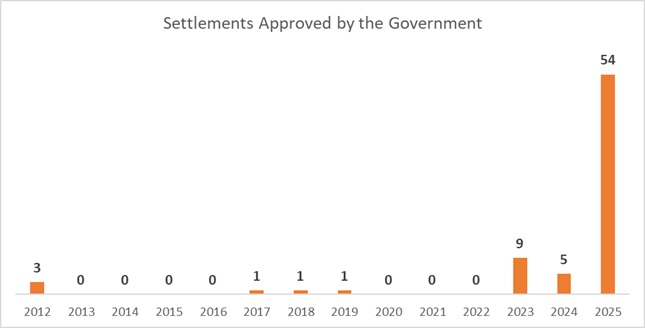
The settlement movement is racing to create new facts on the ground – approving settlements, establishing outposts, extending infrastructure, and expanding the Israeli presence in disputed territory of Judea and Samaria. The calculation is straightforward: when negotiations eventually resume, the map itself will have changed.

The pace has been striking.

ACTION20252026 (through April)What it Measures
Official settlements approved5434 additional approvals (bringing the current government’s total to 102 since January 2023)Government approval of new settlements or legalization of existing communities.
New unauthorized outposts established86Total outposts reached 363, with 212 created under the current governmentNew communities established before formal authorization.
Agricultural (herding) outposts60Continued expansionAgricultural communities that often extend practical control over large surrounding areas through grazing, roads, fencing, and infrastructure.
Outposts established in Judea and Samaria since 1991, according to Peace Now

Every month that passes without negotiations leaves more roads, homes, infrastructure, and communities for future negotiators to contend with.

New communities in Judea and Samaria approved by Israel according to Peace Now

The Palestinian strategy is political.

Rather than altering the geography, Palestinian leaders have concentrated on shifting international opinion. They have sought additional recognition from foreign governments, expanded support within international organizations, pursued legal and diplomatic campaigns against Israel, and strengthened ties with constituencies – particularly within the U.S. Democratic Party – that may wield greater influence under a future American administration. Their calculation is equally straightforward: when negotiations eventually resume, the political environment will have changed.

That effort has also produced measurable gains.

Diplomatic MilestoneSince October 7, 2023Why It Matters
New recognitions (2024)Norway, Ireland, Spain, Slovenia, Armenia, Bahamas, Barbados, Jamaica, Trinidad & TobagoExpanded formal recognition beyond the Global South.
Major Western powers (2025)France, United Kingdom, Canada, AustraliaFirst major Western/G7 countries to recognize Palestine, signaling a shift among traditional allies of Israel.
International legal initiativesExpandedIncreased reliance on the UN, the International Court of Justice, and the International Criminal Court to advance Palestinian objectives.
Political supportIncreasedGrowing support in parts of Europe and among segments of the U.S. Democratic Party.

Measured by their own objectives, both sides can point to progress. Israel has expanded its physical footprint while the Palestinians have expanded their diplomatic footprint. One strategy seeks to change the map while the other seeks to change the politics surrounding the map.

What is striking is what neither side is emphasizing.

Neither is devoting comparable energy to the difficult work of strengthening governance at home: confronting corruption, reforming institutions, addressing political dysfunction, or building the domestic political consensus that any lasting agreement would ultimately require.

Instead, each is attempting to improve its negotiating position by changing the external environment. It is a race between geography and diplomacy.

The next round of negotiations will not begin where the last one ended. It will begin with a new map and a new political landscape.

Fiction vs. Fact: Palestine 1948 and PLO 1964

There is a popular belief that Palestine was a country stolen and occupied by invading Jews in 1948. This has no basis in fact.

When the British Mandate ended in May 1948, there was no sovereign Palestinian Arab government waiting to assume power. There was no functioning Arab parliament, cabinet, constitution, or national administration prepared to govern an independent state.

The Jewish community took a different path. Over decades it had built the institutions of self-government: representative political bodies, courts, schools, hospitals, financial institutions, and a defense force. When Britain withdrew, those institutions became the foundation of the State of Israel.

The local Arab leadership did not establish comparable institutions of national government. Not before 1948 nor after.

Instead, neighboring Arab armies invaded the newly declared Jewish state. Transjordan assumed control of the West Bank. Egypt administered Gaza. A short-lived All-Palestine Government was announced later that year, but it exercised little authority and never became an effective sovereign government.

For the next sixteen years, there was no effort to start a Palestinian State.

Only in 1964 did the Arab League create the Palestine Liberation Organization.

Even its name is revealing.

It was not called the State of Palestine. It was not called the Government of Palestine. It was called the Palestine “Liberation” Organization.

Governments are created to govern. Liberation movements are created to liberate territory from an existing sovereign.

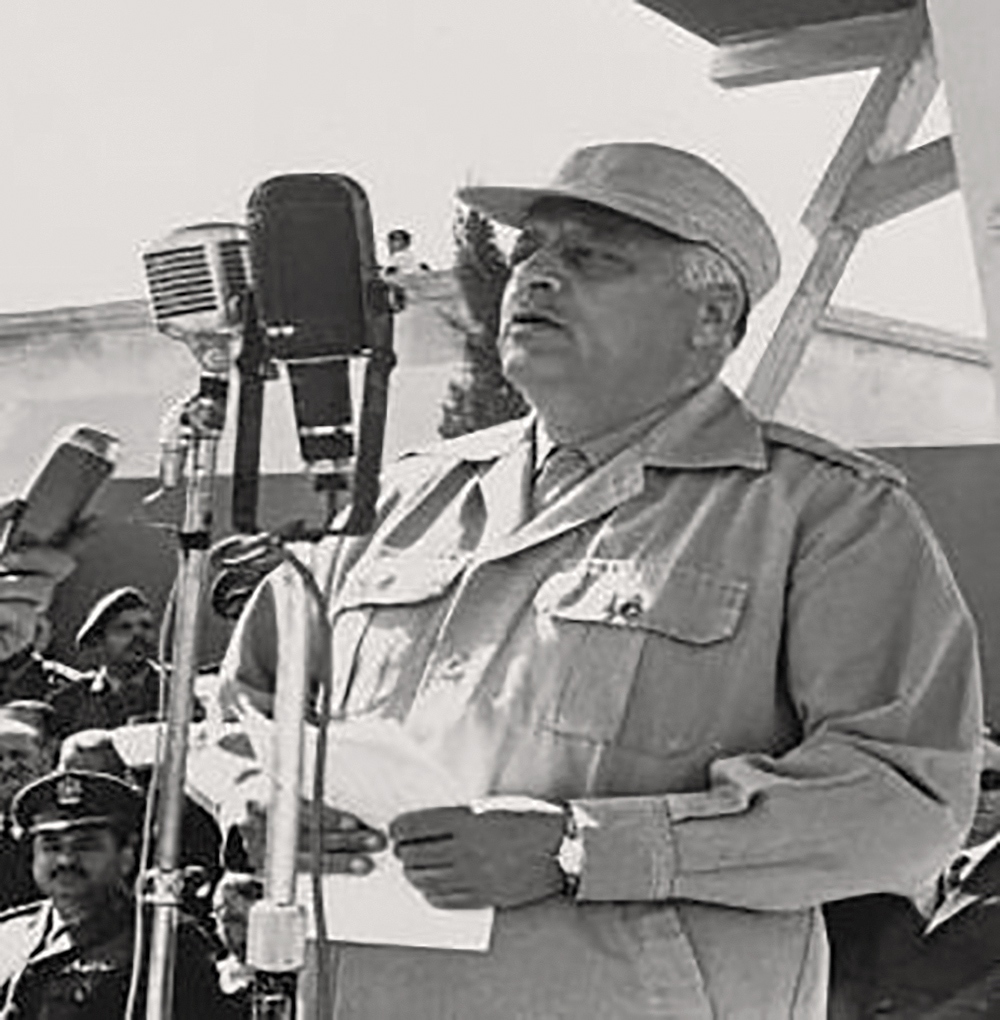
First Chairman of the PLO, Ahmad al-Shukeiri, was born in Lebanon and served as both Syrian and Saudi Arabian delegate to the United Nations at different times. He had to resign in shame after failing to destroy Israel in 1967.

The PLO’s founding charter reinforces that distinction. Rather than outlining the institutions of a future Palestinian state, Article 24 declared:

“This Organization does not exercise any regional sovereignty over the West Bank in the Hashemite Kingdom of Jordan, on the Gaza Strip, or in the Himmah Area [where Israel, Jordan and Syria meet].”

The PLO’s founding charter expressly declined to claim sovereignty over the parts of historic Palestine then under Arab administration. Yet throughout the document, its central mission was the “liberation of Palestine” – a struggle directed at Israel, the Jewish State. At its core, local Arabs wanted Arab rule, wherever it may come from. They opposed the so-called “Zionist invasion” and Jewish sovereignty “in any part of Palestine.

When the first lasting Palestinian national organization finally appeared in 1964, it was constituted not as a government-in-waiting or a reclamation government but as a liberation movement, and its own charter expressly disclaimed sovereignty over the West Bank and Gaza while solely focusing its mission on Israel.

Within three years of its founding, the PLO and surrounding Arabs countries initiated their plan to wipe Israel off the face of the earth. They failed then as they failed in 1948.

The Palestinian “liberation” movement is a pan-Arab effort to remove the Jewish state first and foremost. Current efforts to portray it as a people seeking to reclaim their historic country is without any basis in fact.

One UN Agency for Every Nation in Waiting

If you want to understand an institution, don’t begin with its speeches. Begin with its organization chart.

Permanent agencies, permanent committees, permanent staff, permanent budgets, and permanent mandates reveal what an institution considers exceptional.

The United Nations generally operates through universal institutions. Refugees fall under the UN High Commissioner for Refugees (UNHCR). Racism is addressed through broad human rights mechanisms. Humanitarian crises are handled through agencies with global mandates.

Except in one case.

The Palestinian cause has an institutional architecture unlike any other.

Palestinian refugees have their own dedicated refugee agency, UNRWA. Every other refugee population in the world falls under UNHCR.

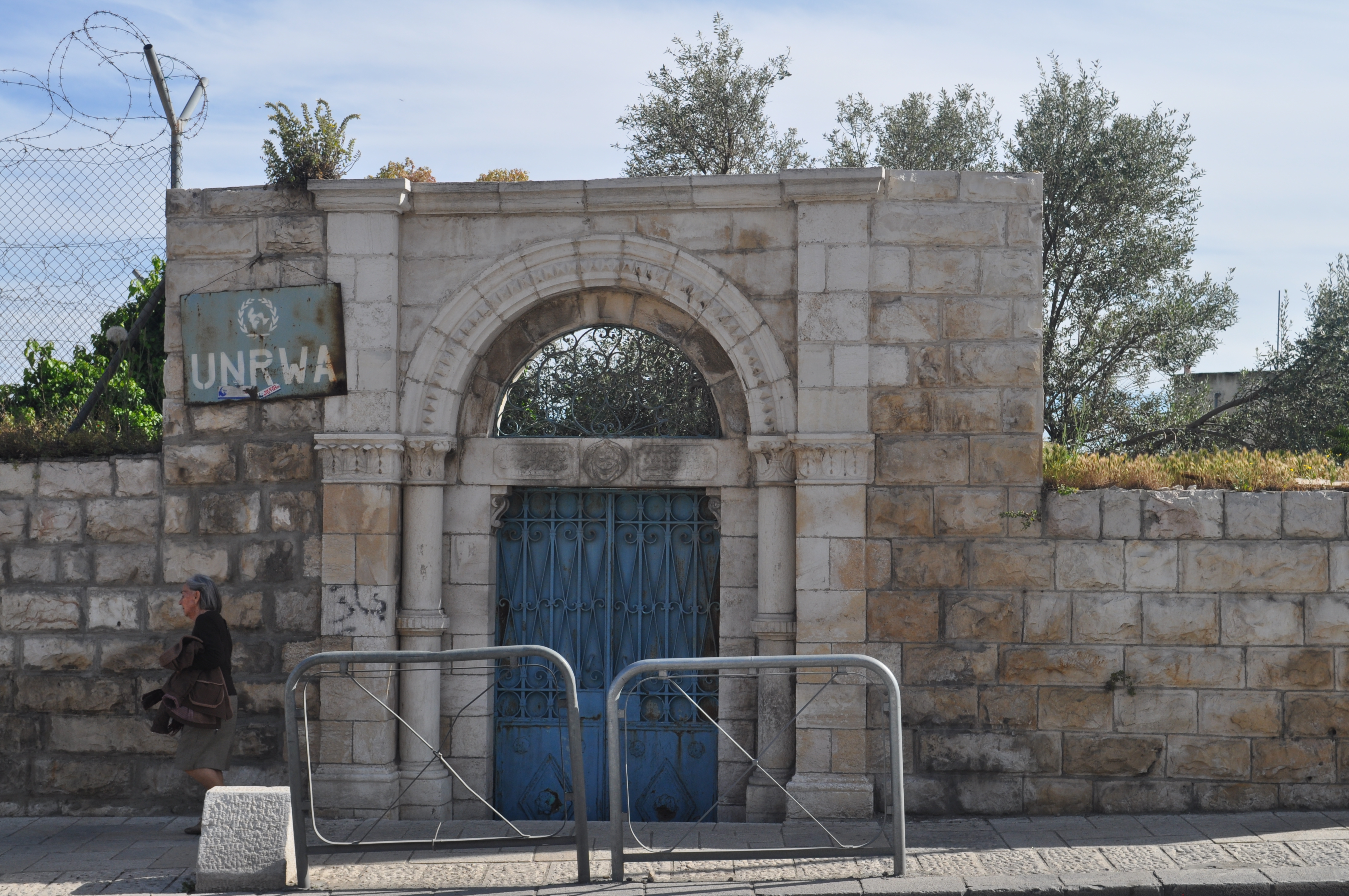
UNRWA offices in Jerusalem (photo: First One Through)

The General Assembly maintains the Committee on the Exercise of the Inalienable Rights of the Palestinian People, supported by the Division for Palestinian Rights within the UN Secretariat. Their mission is not to monitor or audit the Palestinian national movement, but to advance Palestinian rights, organize conferences, maintain documentation, and sustain international engagement.

The Human Rights Council appoints a permanent Special Rapporteur on the situation of human rights in the Palestinian territories occupied since 1967, dedicated exclusively to that issue. The Office for the Coordination of Humanitarian Affairs maintains a permanent office for the occupied Palestinian territory. The Human Rights Council also has Agenda Item 7, the only standing country-specific agenda item focused on a single member state.

That is the institutional asymmetry.

Institutions produce what they were built to produce. Permanent offices generate permanent reports. Permanent committees convene permanent meetings. Permanent mandates create permanent attention. The result shapes which stories are told, which voices are amplified, and which narratives become part of the world’s diplomatic conversation.

Since October 7, Palestinian voices have benefited from this enduring institutional infrastructure, while Israeli victims have had fewer dedicated mechanisms through which their experiences are consistently presented.

This institutional framework for the vilification of Israel was built over decades, setting the stage for antisemitism to permeate societies thousands of miles from the Middle East and those with no Jews even living there.

It is time for a fundamental change.

The United Nations is home to MANY peoples who aspire to statehood.

Kurds. Somalilanders. Sahrawis in Western Sahara. Tibetans. Kosovars. Taiwanese. Independence movements persist in Catalonia, Scotland, Greenland, the Faroe Islands, and elsewhere.

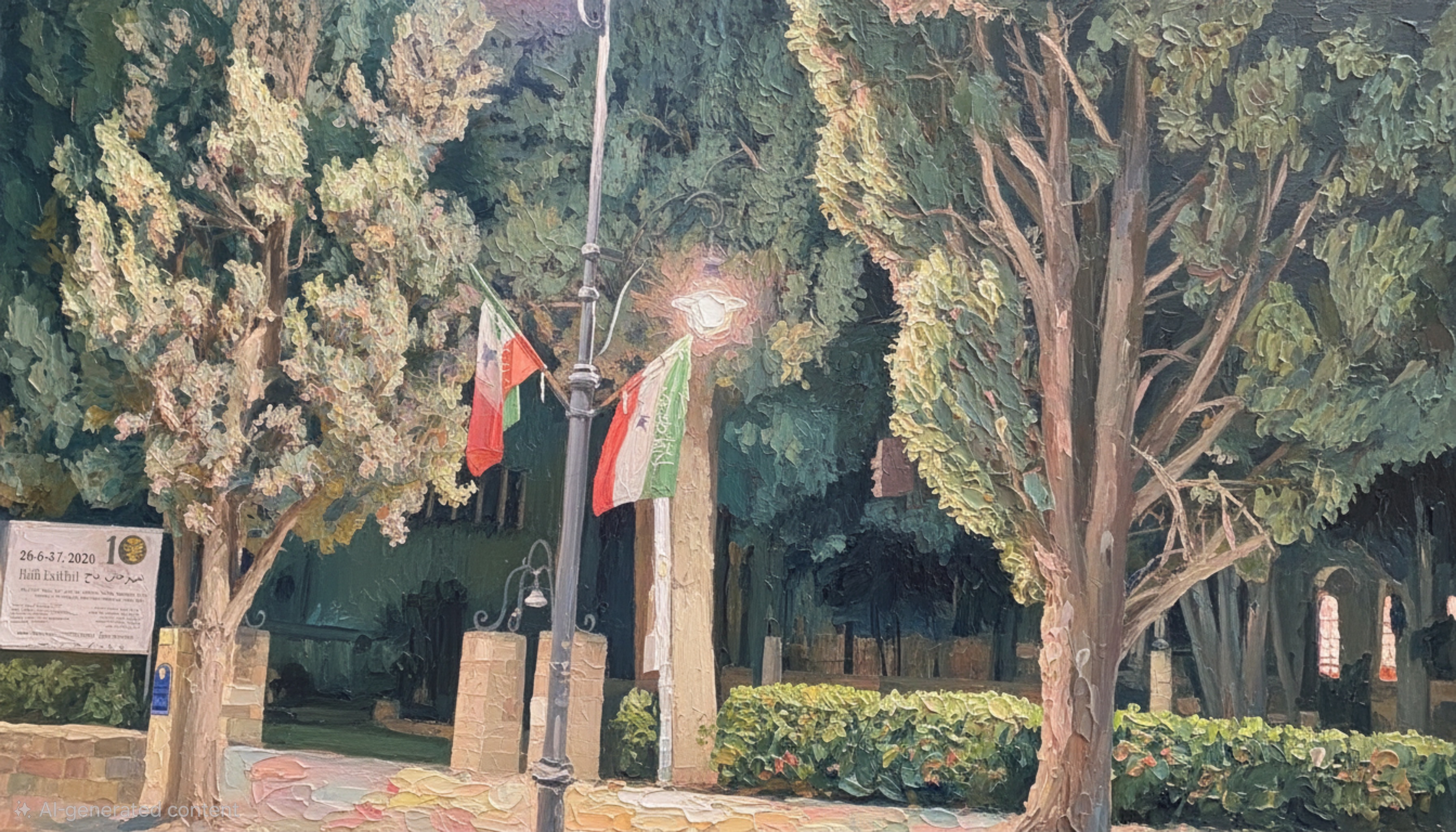
Flags of Somaliland hang in streets of Jerusalem, June 2026 (created by First One Through)

If the United Nations truly believes in the universal principle of self-determination, it should apply that principle universally.

Abolish the maze of Palestinian-specific institutions and replace them with a single body: The United Nations Agency for Nations in Waiting (UNNW).

Its mission would be straightforward: evaluate every national movement using the same transparent standards: effective governance, respect for human rights, peaceful conduct, democratic legitimacy, protection of minorities, and economic viability.

The Stateless Arabs from Palestine would remain part of the process – but alongside Kurds, Somalilanders, Tibetans, Sahrawis, Taiwanese, Kosovars, and every other people seeking recognition.

One standard. One agency. No exceptions.

Such a reform would move the UN away from political favoritism and toward institutional fairness. It would reward good governance instead of diplomatic influence and demonstrate that universal principles truly are universal.

If the United Nations wishes to champion nations in waiting, it should do so for all of them – not just one, and stem the tide of antisemitism at the same time.

Why Doesn’t Anyone Call for a State of Boko Haram?

For more than fifteen years, Boko Haram has waged one of the world’s deadliest terrorist insurgencies. Since 2009, the group has been responsible for the deaths of more than 35,000 people, with some estimates placing the toll significantly higher when indirect deaths from the conflict are included. It has massacred civilians in villages, churches, mosques, schools, and marketplaces. It has bombed public places, murdered those who refused to submit to its rule, and driven millions from their homes across Nigeria and neighboring countries.

Kidnapping has been one of its defining tactics. The 2014 abduction of 276 schoolgirls from Chibok drew worldwide attention, but it was only one of thousands of kidnappings. Women and girls have been forced into marriage and been raped. Boys have been recruited as child soldiers. Entire communities have lived for years under the constant threat of murder, abduction, and terror.

Boko Haram rejects the legitimacy of Nigeria, a United Nations-member state. It seeks to replace it with its own extremist Islamist regime.

Yet almost no one argues that Boko Haram deserves its own country. No demonstrations demand that its leaders be rewarded with sovereignty. No governments argue that decades of massacres, hostage-taking, and terrorism should culminate in international legitimacy.

And then there is Hamas. The Palestinian Islamic Jihad. Dozens of other Palestinian terrorist groups. And the Palestinian Authority that pays for terrorist acts they commit.

The Bibas family taken hostages and murdered by Hamas on October 7, 2023

As Israelis buried over 1,000 people brutally killed by Hamas, anti-Israel activists took to Times Square and college campuses to express their glee. As Hamas supporters in Iran, Lebanon and Yemen joined the fight against Israel, the United Kingdom, Canada and Australia recognized the State of Palestine.

There are now 157 countries that recognize Palestine. That look at the war between Israel and Palestine as one between two sovereign states, one which invaded another, raped and burned people alive, and took 251 hostages. These nations didn’t pause to question whether Palestine has a right to exist, but got three more countries to join in their sadistic effort.

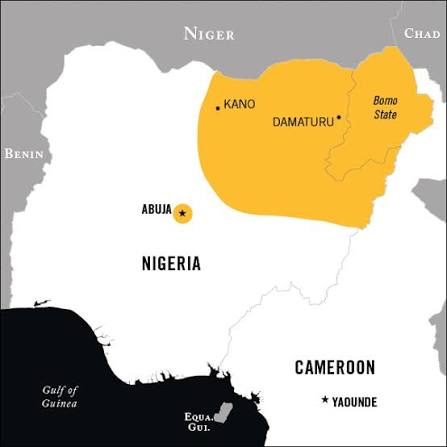
Perhaps it is time for the 36 countries which do not recognize Palestine to put a resolution before the UN to recognize Boko Haram as the legitimate government of Nigeria, or at least a breakaway state in the northeastern corner which they control.

Boko Haram in Nigeria

UNRWA Is Not What You Think It Is

Most people think UNRWA exists to care for Palestinian refugees until a Palestinian state is created.

Not so.

If that were its purpose, its schools, healthcare, and social services would have gradually been transferred to the Palestinian Authority as Palestinian self-government expanded these past many years, especially in the “West Bank” / East of the 1949 Armistice Lines.

UNRWA’s mission would shrink as Palestinian institutions grew stronger. Instead, UNRWA has remained a permanent parallel system that continues to grow every year.

Unlike every other refugee agency in the world, UNRWA passes refugee status across generations, creating an ever-growing population of registered refugees. That population’s political claim is not to a future Palestinian state, but to a claimed so-called “right of return” to towns in Israel.

That distinction is critical.

A “two-state solution” is based on two peoples exercising self-determination in two states. A mass movement of millions of Arabs who never lived in Israel into Israel would produce 1.5 states for Arabs and 0.5 states for Jews. Further, stripping Israel of its right to determine who gets to enter its country means it doesn’t have basic sovereignty.

While UN Secretary-General Antonio Guterres claims that “UNRWA is a stabilizing force” it is precisely the opposite. As he urges the world to fund the immoral project, he lies that the agency is the force for “countering the hopelessness that can fuel insecurity.”

UNRWA has fed the lie that – and demands that it will continue to exist until – 6 million Arabs will move into Israel. Such mission is precisely opposite the goal of an Arab and Jewish state living in coexistence.

At its core, UNRWA is a political organization that negates Israel’s sovereignty, cloaked as a humanitarian organization. If the goal is truly a Palestinian state living alongside Israel, then UNRWA must be closed permanently as well as the discussion of a so-called “right of return” .

UK and Canada Sanction Foreign Speech and Ideology. Sometimes

Europe spent twenty years explaining that Hamas had a “political wing.” Hezbollah too. The bomb throwers were one thing, the parliamentarians another. The rocket launchers belonged in one legal bucket, the social service offices reserved for a different one. Western diplomats performed intellectual yoga worthy of Cirque du Soleil to preserve the distinction. The “military wing” was terrorist while the “political wing” was complicated. Nuanced. An unavoidable interlocutor for peace.

Britain finally gave up the act in 2019 with Hezbollah. The distinction, it concluded, was largely fictional. Same leadership, same financing, same ideology, same organization. Europe still technically preserves some of these distinctions in various legal frameworks, but fewer people pretend anymore that the “armed wing” and “political branch” emerge from separate planets.

Which makes the growing sanctions campaign against Jewish housing rights groups so fascinating.

Because now the question flips. Suddenly Europe is no longer carefully distinguishing between ideology and violence. Advocacy for controversial positions – not for violence – can suddenly become complicity in terrorism. Entire categories of speech are treated as unlawful conduct even absent anything remotely resembling the classic terrorism that justified Hamas and Hezbollah designations in the first place.

Take Nachala. It is not Hamas. It does not have brigades. It does not launch rockets. It does not run suicide bombing cells. It is an ideological movement advocating Jewish settlement in disputed territory. One may agree with it or despise it. One may view Jews living in land the Stateless Arabs from Palestine (SAPs) want as a future Palestinian state as historic justice or catastrophic policy. But that is precisely the point. The dispute is fundamentally political and ideological.

For decades Europe insisted ideology alone was not terrorism. Supporting Palestinian “resistance” rhetorically was not enough. Calling for the destruction of Israel was grotesque but still politics. The line was violence. Actual violence. Material support for violence. Operational involvement in violence.

That was the principle.

Until suddenly the principle became inconvenient.

Now the standard appears to be evolving into something far murkier: movements may be sanctioned not necessarily for carrying out terrorism, but for contributing to environments viewed as extremist or against government foreign policy. Perhaps that standard is morally justified. Perhaps some Israeli activists have crossed legal and moral lines. But if this is the new doctrine, then the West should at least admit the doctrine changed.

Nachala’s Daniella Weiss

If ideology itself is now sanctionable, Western governments cannot apply the principle selectively.

For years crowds across London, Paris, Barcelona and university campuses have openly chanted for the elimination of the Jewish state “from the river to the sea.” Activists routinely declare that Israeli Jews should “go back to Poland,” despite the fact that millions of Israeli Jews descend from families expelled from Arab countries, Ethiopia, Iran and elsewhere. Imagine any other minority in Europe being told to leave the country and “go back” to lands where many never lived, or to where their families were annihilated. Authorities would instantly recognize the ethnic character of the demand.

If Israelis arguing that Jews should again live in Gaza constitutes sanctionable extremism, then what exactly should Britain call organizations openly advocating a “right of return” designed to flood Israel demographically out of existence? If the standard is advocacy for the removal or replacement of another national group, then the principle cannot stop with some Jewish activists in the West Bank.

London protest against Israel in 2021, including rap song

If the line is now ideological support for demographic elimination, then governments must police the radicalism inside their own societies with equal vigor.

That means groups explicitly advocating the destruction of Israel should face the same scrutiny directed at Jewish expansionist movements. Organizations and individuals promoting the forced removal of Jews from the Middle East “from the river to the sea” should not receive a special exemption dressed up as mere “anti-Zionism,” as if Israel is a concept and not a reality. Calls for the end of the Jewish State are not sophisticated geopolitical critiques. They are ethnic slogans calling for violence. And if governments now believe rhetoric itself creates dangerous ecosystems, they cannot pretend those ecosystems exist only on one side of the conflict.

Anti-Israel protesters in Rome, Oct. 28, 2023, shortly after the October 7 massacre and abduction of Israelis by thousands of Gazans. (AP Photo/Andrew Medichini)

The irony is extraordinary. Europe once bent over backwards to separate terrorism from politics when the movements in question were Palestinian or Islamist. Now governments increasingly collapse politics into extremism to be sanctioned only when the movements are Jewish nationalist.

Europe spent decades insisting that ideas were not terrorism. If it now believes otherwise, it should say so openly and explain where the line will be drawn for everyone else.

Which Arab Murders Count?

Some murders become international incidents. Others become statistics.

That is what makes the numbers in Israel and the West Bank so revealing.

As of early May 2026, roughly 98 Israeli Arabs have been murdered this year, overwhelmingly by fellow Arabs in gang violence, organized crime, and clan feuds. In that same period, about 16 Stateless Arabs from Palestine (SAPs) in the West Bank were killed by West Bank Jews.

The deaths are a tragedy. In each location.

Among the dead in Israel were a young Arab man and his fiancée in Yarka, shot dead together just weeks before their wedding. They were building a home, planning a life, and in a moment both were gone.

Their murders did not trigger an emergency session at the United Nations Human Rights Council. No international campaign formed around their names. No protests filled campuses demanding justice.

But the ratio matters.

For every SAP killed by a West Bank Jew this year, more than six Israeli Arabs have been killed by fellow Arabs.

Yet only one category reliably commands international attention.

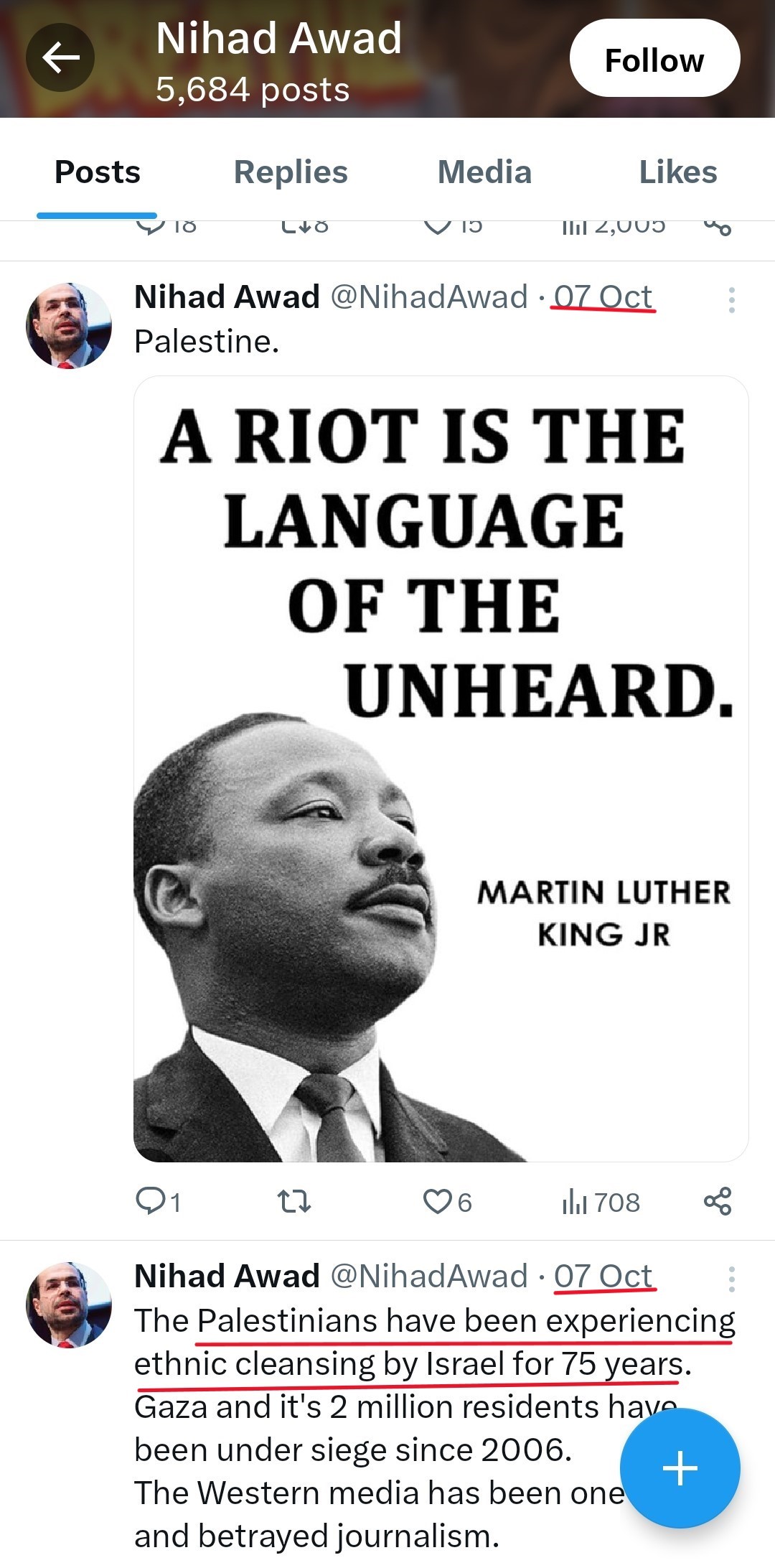
When Jews kill Arabs, the broader human rights ecosystem reacts swiftly. The UN warns of “ethnic cleansing.” Condemnations follow. Activists mobilize.

Francesca Albanese, UN special rapporteur on human rights in the Palestinian territories, attends a side event during the Human Rights Council at the United Nations in Geneva on March 26, 2024.
Photo: Reuters / Denis Balibouse

When Arabs kill Arabs, the deaths rarely travel beyond the local crime blotter.

If Arab life matters, it should matter regardless of who pulls the trigger.

Israelis protest in Haifa, Israel, against the crime wave impacting their community, on August 31, 2025. An estimated 252 Israeli Arabs were killed by fellow Arabs in 2025. (photo: Kareem Khadder/CNN)

A human rights system that treats one dead Arab as an international crisis and six dead Arabs as a local inconvenience is not organized around human dignity.

It is organized around narrative.

Somewhere in Yarka, two families are mourning a wedding that will never happen.

And the world moved on because no Jew could be blamed.

A Culture of Building and a Culture of Destruction

Two words sit on the same date and define the cultures of the respective people.

Yom Ha’atzmaut – Independence Day in Hebrew – marks the moment a dispersed people executed a long-planned return to sovereignty. The modern engine was Zionism, but the impulse runs far deeper. A people with an ancient memory chose to translate that memory into institutions, borders, and power. The declaration in 1948 was the culmination of a project that built governing bodies, an economy, and a military before the flag went up. It was construction with intent.

Across the same date sits Nakba – “catastrophe” in Arabic. The word is used to describe a collapse that followed a war. In 1947, the United Nations Partition Plan for Palestine offered a fork in the road: two states, side by side. Jewish leadership accepted a constrained map and moved to build. Arab leadership rejected the partition and moved to prevent a Jewish state from coming into existence in “any part of Palestine.” Local forces and surrounding Arab states chose war at the point of birth.

This is the hinge that still carries the weight.

One side organized for sovereignty and then defended it. The other side organized to block that sovereignty and then defined its politics around that goal. The result was not an abstract failure. It was a battlefield outcome with lasting consequences.

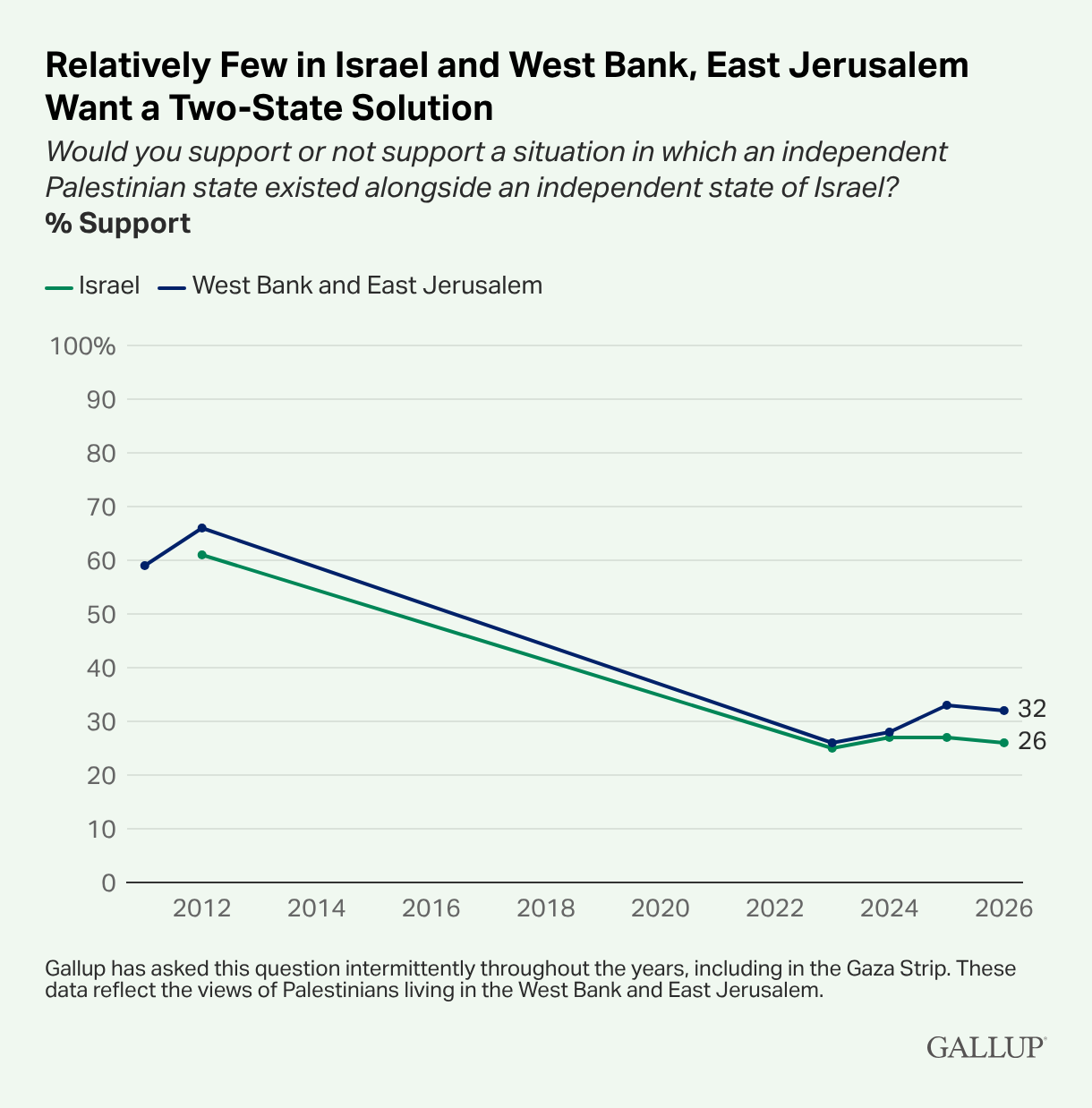
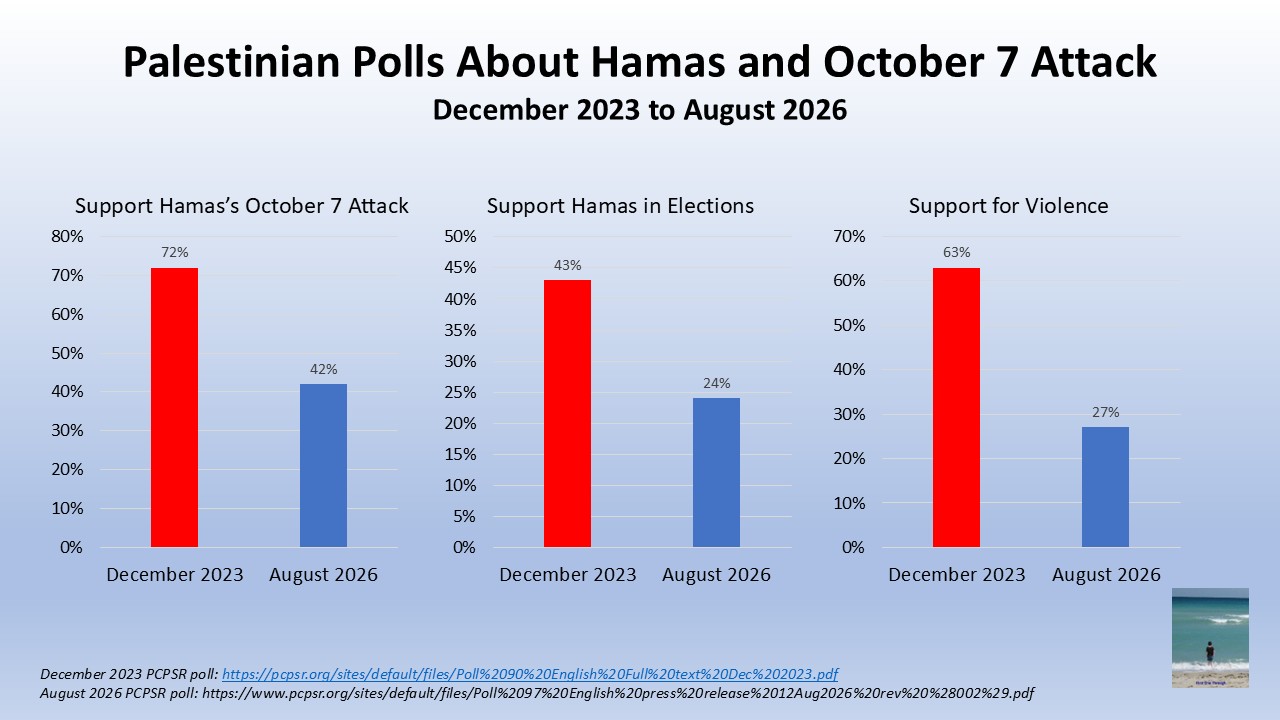
The pattern did not end in 1948. It hardened into a language and culture of rejection—of undoing the Jewish state rather than existing alongside it—reappears across decades, sometimes dressed in diplomacy, often in violence. When you look at public opinion at key moments, you see the persistence of that horizon. In surveys like those conducted by the Palestinian Center for Policy and Survey Research in June 2023 (before the October 7 massacre), the majority of Arabs in West Bank and Gaza expressed confidence that Israel would not endure to its centennial and endorsed continued “resistance” (violence) as the path forward. The expectation is not coexistence after compromise. It is reversal over time.

A standard question in Palestinian quarterly polls like the one above (Q67) asked whether people supported “armed attacks against Israeli civilians.” In Gaza, the percentage was 76.7%

This is where the narratives diverge in a way that matters for the future.

The Israeli story is anchored in a completed act of construction that must be maintained. It argues from existence. It invests in capacity—military, economic, technological—because survival depends on it. It measures success in what stands and functions.

The dominant current in Palestinian politics has been anchored in an unfinished act of negation. It argues from a horizon in which Israel is temporary. It invests in leverage—diplomatic pressure, internationalization, and violence—because the objective is to change the end state rather than to consolidate its own future alongside it.

You can trace every failed negotiation back to that split. Offers are read through different endgames. Concessions are weighed against different destinations. One side asks what it takes to secure a state that already exists. The other asks what it takes to transform the map.

There is a moral discomfort here that people try to smooth over with softer language. It doesn’t hold. History keeps intruding with hard edges. A decision to reject partition and wage war in 1948 set a trajectory. Repeated bets on pressure and violence to force a different outcome have reinforced it. Each round that ends without destroying Israel strengthens the very state the strategy set out to undo.

A century is a long time in politics and a short time in memory. The Jewish project marked its independence by building a country that persists. The opposing project has too often measured progress by how close it can get to erasing that country. That is a strategy that has not delivered a state.

The calendar will keep bringing the same day back. One side will celebrate a construction that proved durable. The other will revisit a war whose objective still shapes its politics. The future will turn on whether the goal shifts from ending a state to building one of its own.