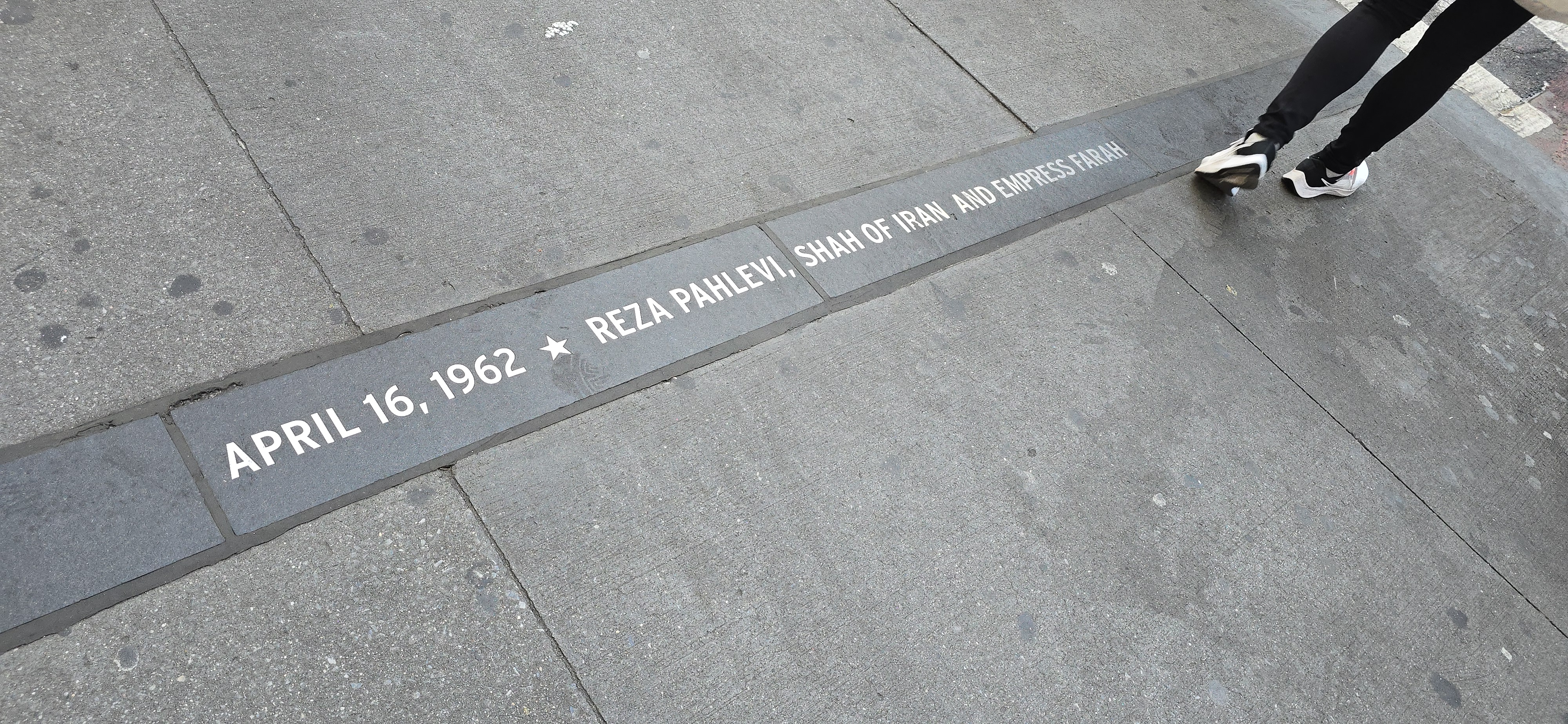
On April 16, 1962, New Yorkers lined Broadway to welcome Mohammad Reza Pahlavi, the Shah of Iran, and Empress Farah. The ruler of a Muslim-majority American ally received a ticker-tape parade through Lower Manhattan’s Canyon of Heroes. A plaque embedded in the sidewalk still commemorates their visit.
Marker on downtown Broadway sidewalk commemorating ticker tape parade for Shah of Iran and his wife (photo: First One Through)
Seventeen years later, the Islamic Revolution overthrew the Shah. Ayatollah Khomeini established a theocratic regime that called America the Great Satan, sought Israel’s destruction and held 52 Americans hostage for 444 days.
America had welcomed a Muslim ally. The jihadists who seized power declared America their enemy.
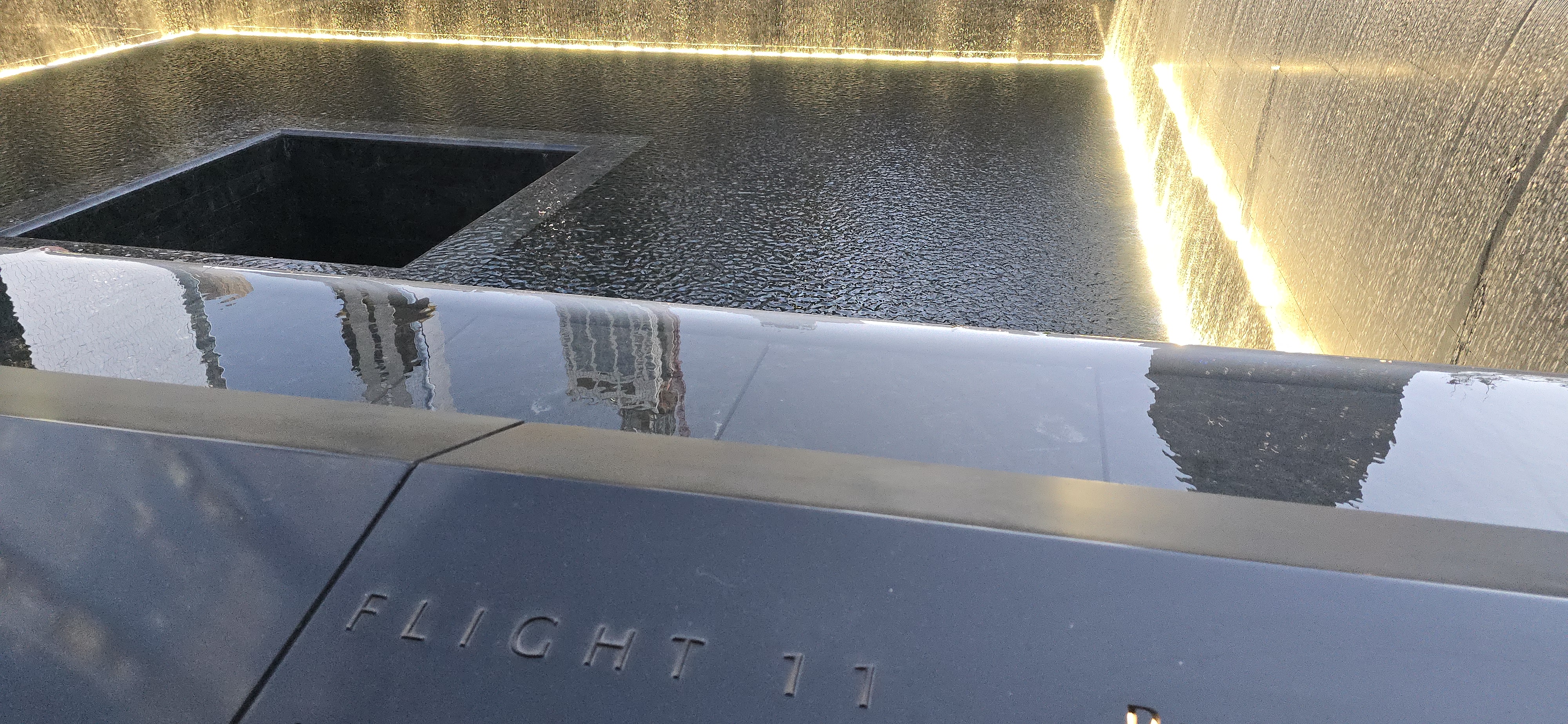
Their war against the West did not remain in the Middle East. Iranian revolutionaries seized Americans in Tehran, while Sunni jihadists carried their violence to American soil. Just blocks from the Shah’s parade route, Islamist terrorists bombed the World Trade Center in 1993 and destroyed its towers on September 11, 2001, murdering nearly 3,000 people.
World Trade Center memorial for those who died in the jihadi war on America on September 11, 2001 (photo: First One Through)
Different branches of radical Islam pursued their own visions of religious domination. ISIS declared a caliphate spanning national borders. Hamas, supported by Iran, sought an Islamist Palestine in place of Israel, massacring approximately 1,200 people and abducting 251 on October 7, 2023.
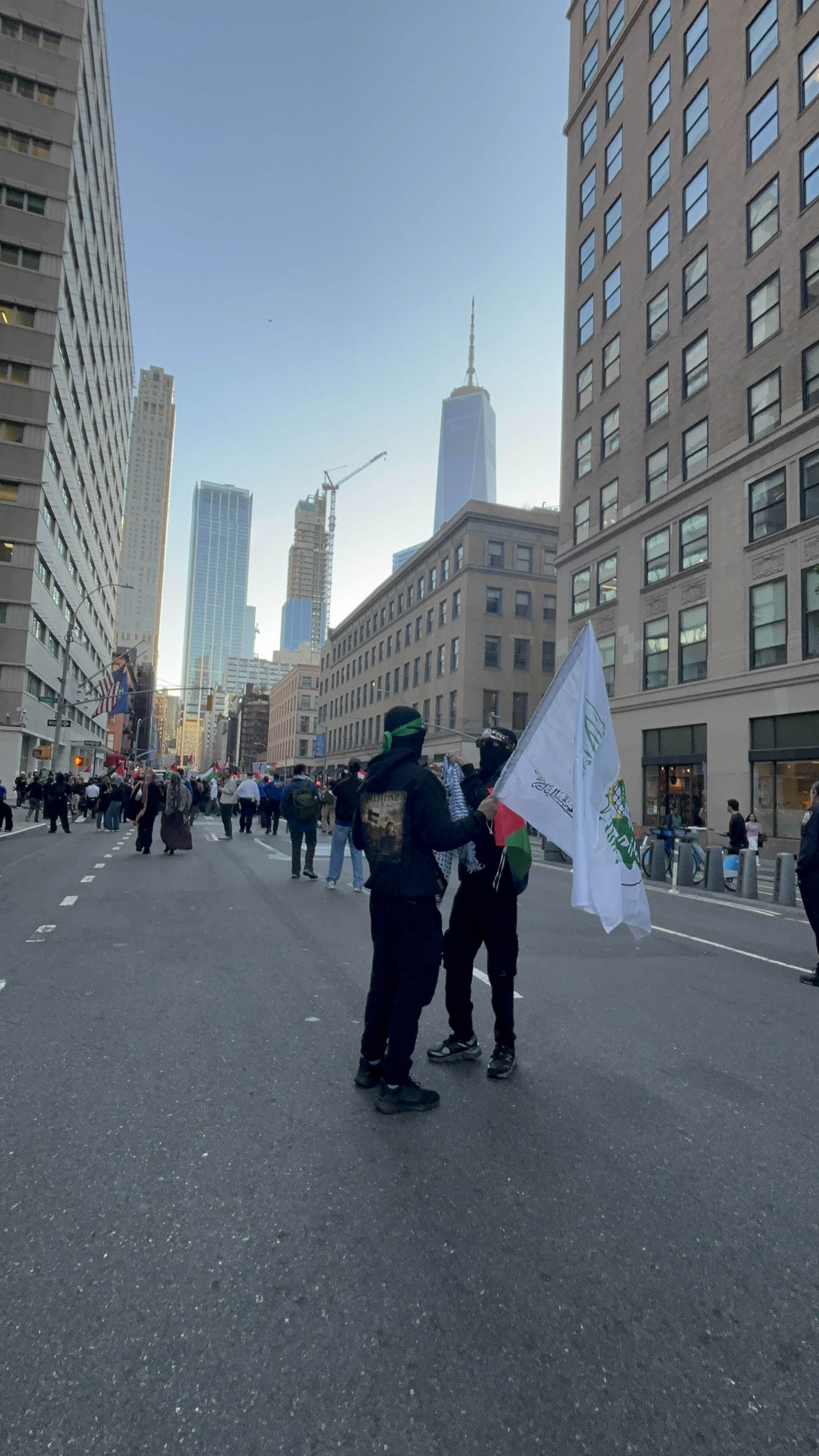
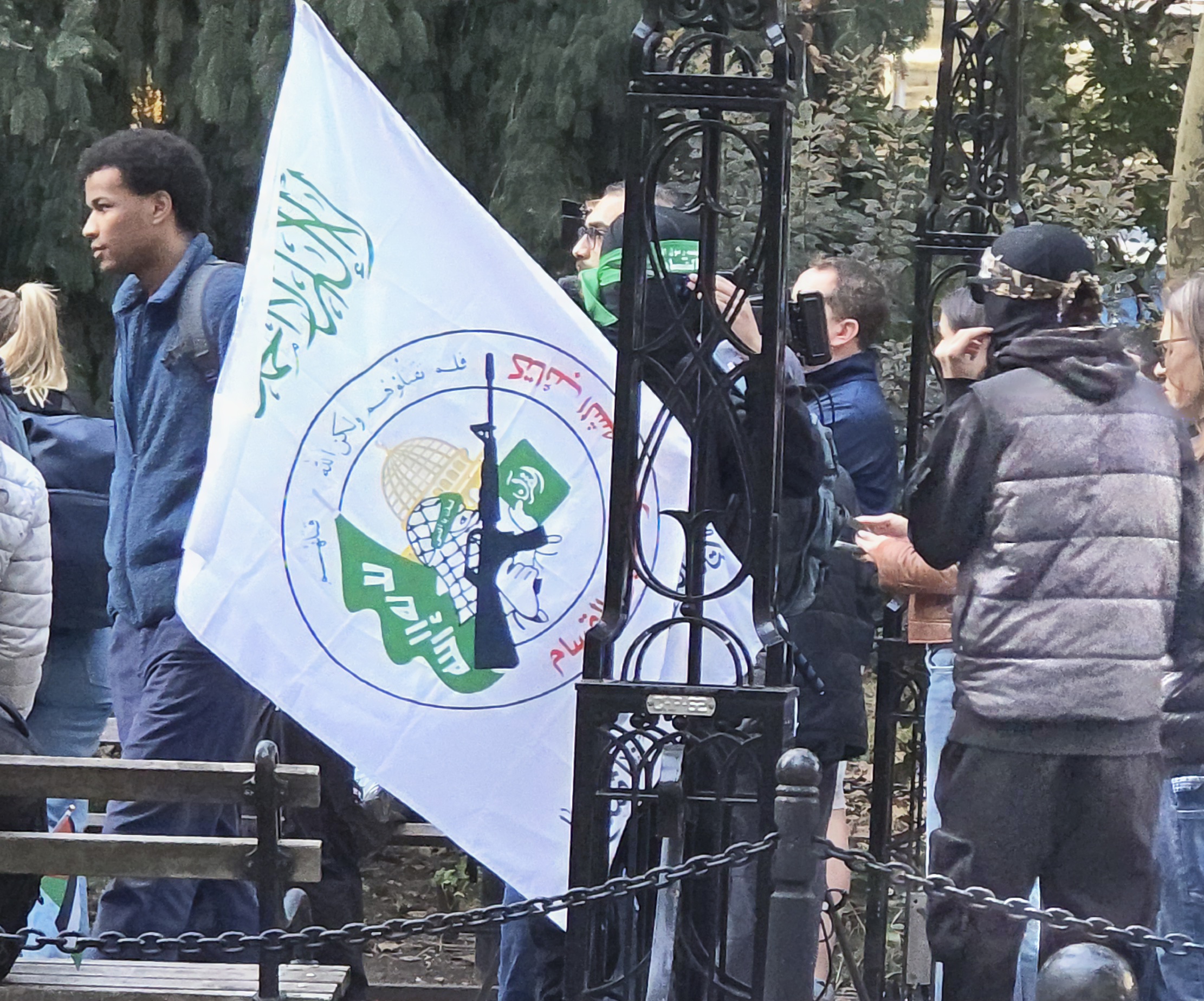
Three years later, masked demonstrators wearing green headbands marched along Lower Broadway displaying Hamas-associated symbols, with City Hall nearby and the rebuilt One World Trade Center rising behind them.
Young men with faces covered and Hamas headbands sporting jihadi flag, stand on Broadway before the World Trade Center to call for the continued war on Israel on the third anniversary of the October 7, 2023 jihadi massacre in Israel (photo: Gideon Askowitz)
Within a few blocks, the Canyon of Heroes had become the setting for three extraordinary encounters: Americans celebrating a Muslim ally, mourning the victims of Islamist terrorism and tolerating demonstrators displaying the symbols of a jihadi movement responsible for massacring Jews.
For decades, America has welcomed Muslims as allies, immigrants and citizens, embracing religious freedom and coexistence. At the same time, jihadist movements have declared their own war against the West, seeking religious and political domination. They carried that confrontation beyond the Middle East, taking American hostages, destroying American landmarks and massacring American allies.
The intersections of narrow streets in downtown Manhattan seemingly have compressed history into a web of toxins poisoned by Islamic radicals. Coexistence will only be permissible “under the wing of Islam,” as their “struggle” is perpetual and voracious.
“under the wing of Islam followers of all religions can coexist in security and safety where their lives, possessions and rights are concerned. In the absence of Islam, strife will be rife, oppression spreads, evil prevails and schisms and wars will break out.” – 1988 Hamas foundational charter
The West is in a defensive war against radical Islam. One can see the progression clearly on the streets of lower Broadway.
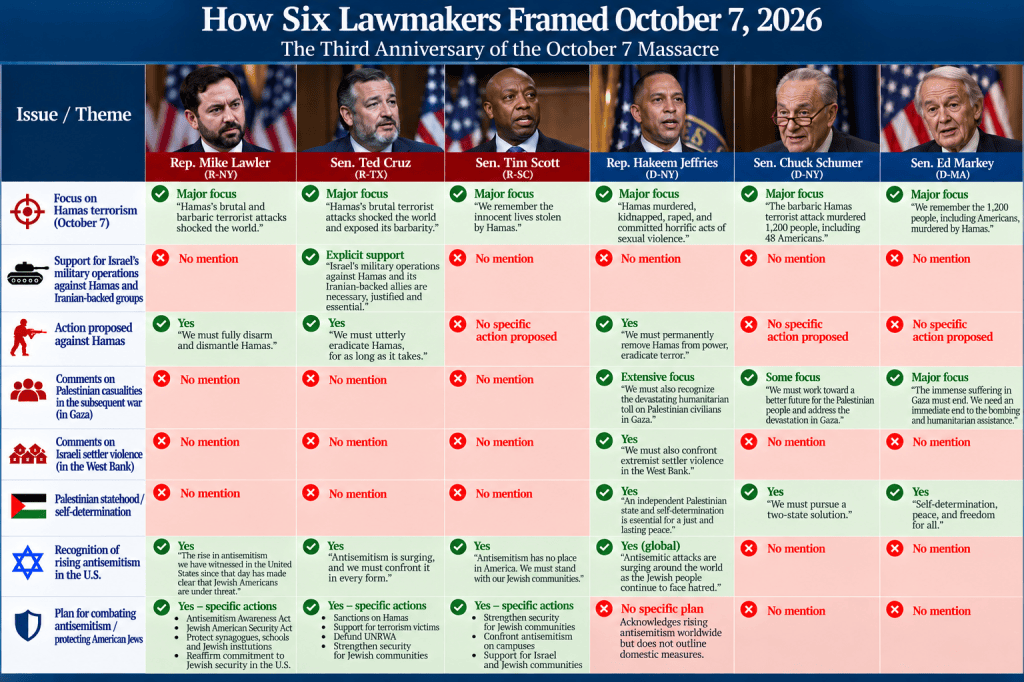
Three years after Hamas invaded Israel and slaughtered roughly 1,200 people, leading Democrats marked October 7 by remembering the murdered Israelis… but then immediately called out Palestinian Arabs who suffered in the war that they launched while condemning Israel.
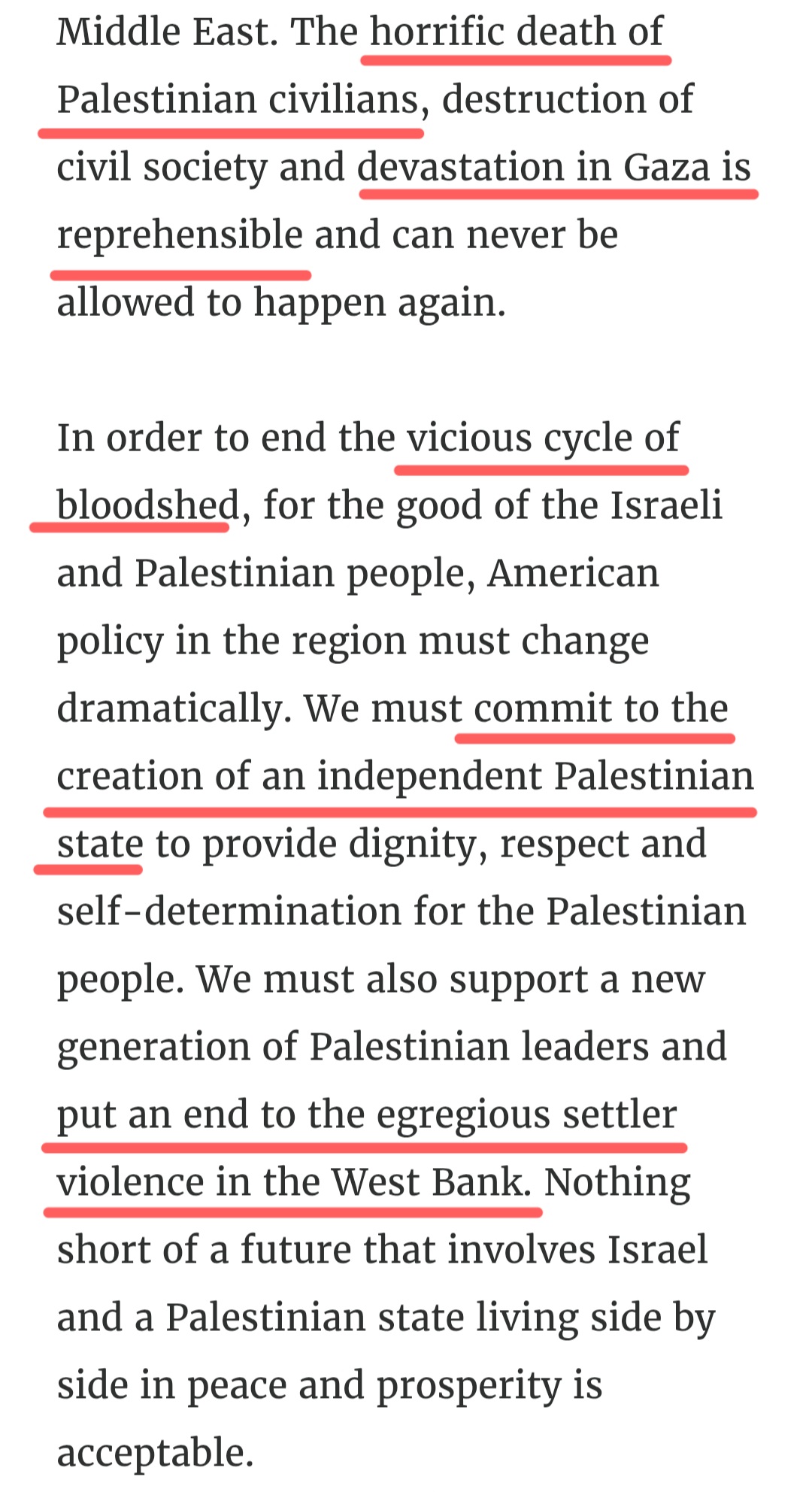
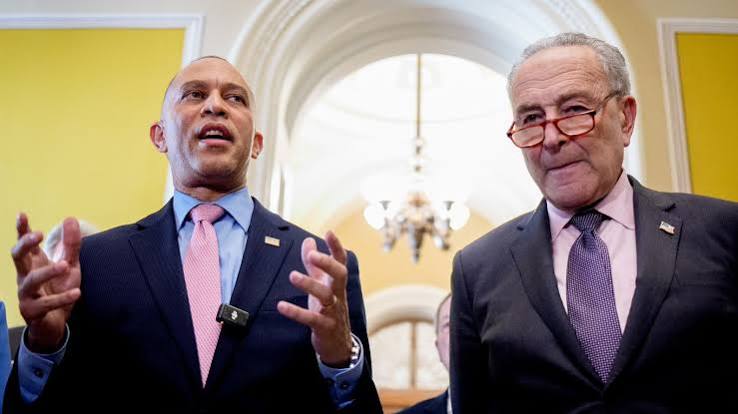
House Democratic Leader Hakeem Jeffries (D-NY) began appropriately. He described “Hamas terrorists intent on destroying Israel” who murdered, kidnapped and raped innocent civilians. Then he turned the anniversary toward Palestinians, calling civilian deaths and the devastation of Gaza “reprehensible,” demanding the “creation of an independent Palestinian state” and condemning Israeli settler violence.
Senator Ed Markey (D-MA) similarly remembered Hamas’s “heinous terror attack,” the 1,200 murdered and the hostages. Then came the turn: “Three years into the brutality of the war in Gaza,” followed by demands to stop the bombing, deliver aid and secure Palestinian self-determination.
Senate Democratic Leader Chuck Schumer (D-NY) devoted most of his statement to the massacre and hostages, but his conclusion expanded the October 7 commemoration to “the aid and well-being of the Palestinian people,” Gaza’s devastation, reconstruction and Palestinian statehood.
Hakeem Jeffries and Chuck Schumer
Apparently, commemorating a terrorist massacre now requires remembering the people who suffered when the country that was attacked went to war.
Well… only when it comes to the massacre of Jews.
Just four weeks ago, Markey commemorated the 25th anniversary of 9/11. He remembered the nearly 3,000 people murdered, the families in Massachusetts who lost loved ones, America’s resilience and the need to prevent another terrorist attack. He used the anniversary to demand better funding for the TSA.
Afghans and Iraqis never entered his statement.
Jeffries has followed the same convention. His 9/11 statement remembered the 2,977 people murdered by Al Qaeda and then extended the remembrance to first responders who became sick from exposure at Ground Zero. He noted that more FDNY responders had died from 9/11-related diseases than were killed in the attack itself.
Iraqis and Afghans never entered his statement.
Schumer went even further this September. In a lengthy address marking 25 years since 9/11, he remembered the dead, their families, sick first responders, people who developed cancer after working at Ground Zero, the rebuilding of Lower Manhattan and America’s resilience.
Iraqis and Afghans never entered his statement either.
And there were plenty of them to remember.
Brown University’s Costs of War project estimates that more than 940,000 people were killed directly in the major post-9/11 war zones, including more than 432,000 civilians. When indirect deaths from destroyed health systems, infrastructure, food insecurity and other consequences of war are included, Brown estimates 4.5 million to 4.7 million people died. More than 38 million people were displaced. Brown says the number wounded or made ill was higher still.
Yet nobody apparently told Jeffries, Markey or Schumer that a September 11 remembrance had to be balanced by those that Americans killed.
Because they knew that September 11 belongs to the people murdered on September 11. It belongs to the passengers who boarded airplanes that morning, the people who went to work in the World Trade Center and Pentagon, the families who never saw them again and the firefighters and police officers who ran toward burning buildings.
There are other days to debate Afghanistan, Iraq, American military policy and the enormous suffering those wars produced. But not the anniversary of the heinous jihadi terrorism.
These leading Democratic politicians know that. But they don’t care to apply the same decency when Jews are slaughtered and raped.
Jews slaughtered in their homes must share their anniversary with an accounting of their country’s subsequent conduct. The young people murdered at a music festival in Israel must make room for Gaza policy. The women sexually assaulted by Hamas terrorists must share the day with discussions of Palestinian statehood. The hostages dragged into Gaza become the introduction to a statement about Palestinian suffering.
These LEADING DEMOCRATS REVERSED THEIR BASIC HUMAN INSTINCT FOR COMPASSION in just a couple of weeks when the victims were Jews.
Why, when the victims are Jews, must the anniversary of their massacre become a day to remember everyone except just them?
In the 20th century, the term “G.I. Joe” was meant to describe the average American serviceman. He was the embodiment of a regular patriot fighting for America and American values.
Alas, today’s generation has Jihad Joe.
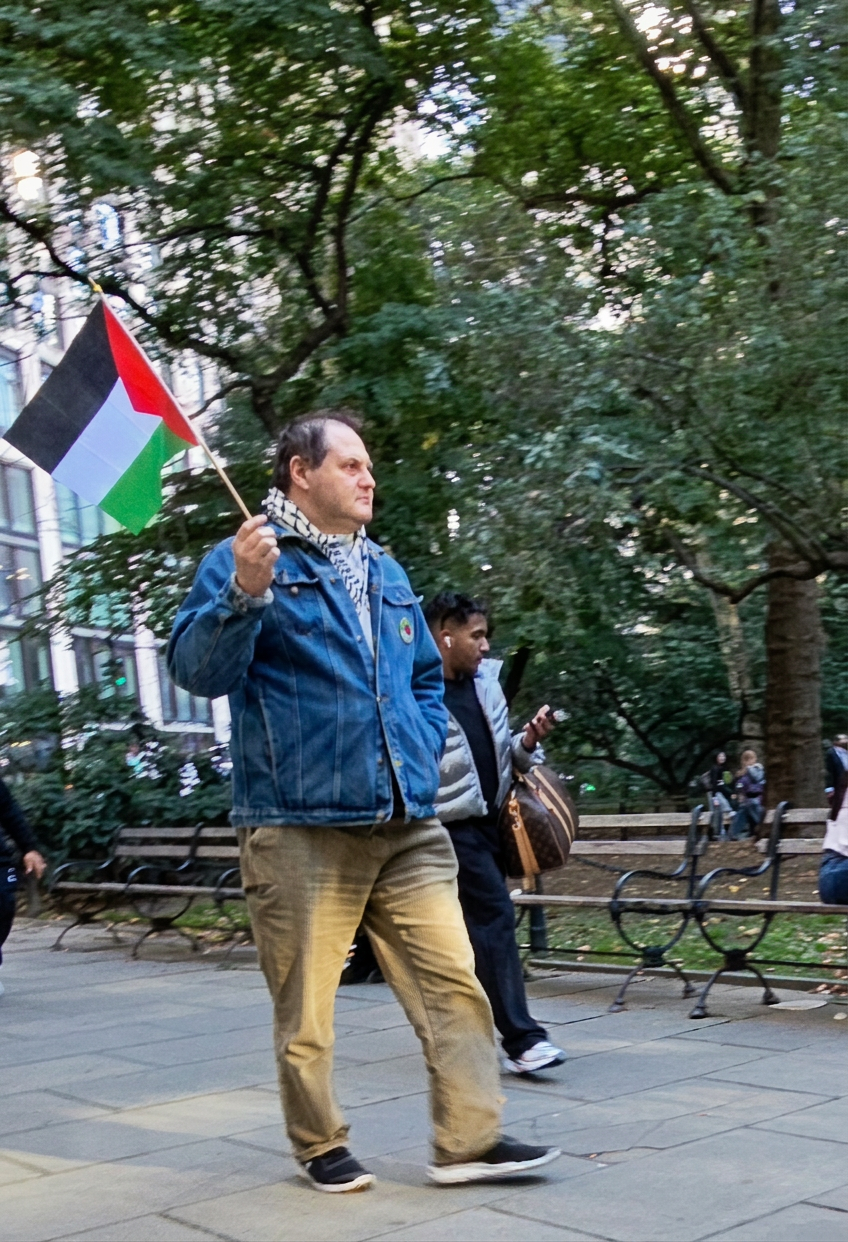
Pro-Palestinian man heading to protest Israel in front of City Hall in Manhattan on October 7, 2026 (photo: First One Through)
Jihad Joe celebrates the murder of Americans and American allies. He/ she uses anniversaries of the massacres of civilians – like 9/11/01 and 10/7/23 – to mock the death of thousands of innocent civilians. The Jihad Joes cheer ISIS, Hamas and the Islamic Republic of Iran.
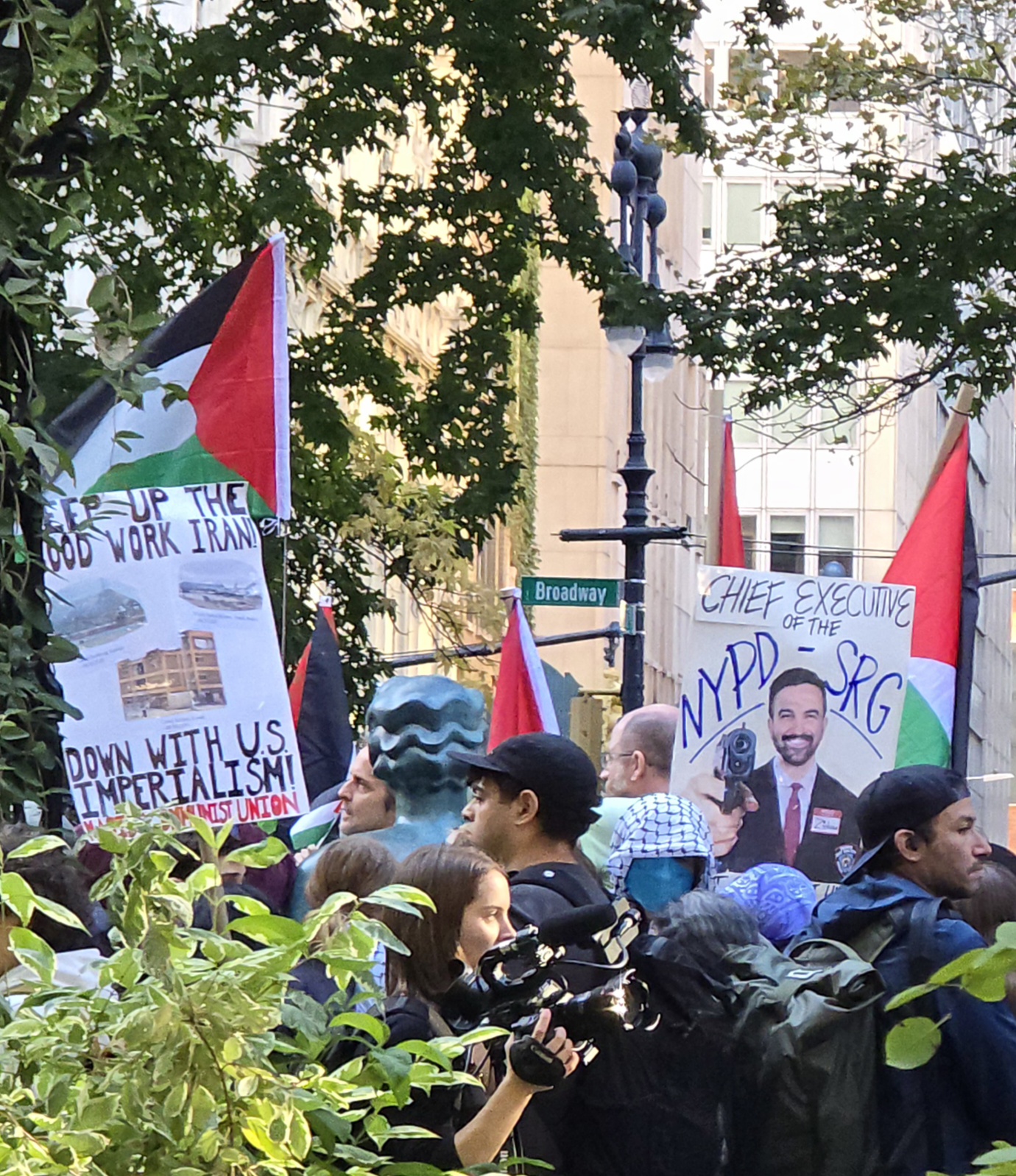
Anti-Israel protestors at City Hall in NYC on October 7, 2026 with posters mocking Mayor Zohran Mamdani as a Zionist and “Keep up the good work Iran! Down with U.S. Imperialism!” (photo: First One Through)
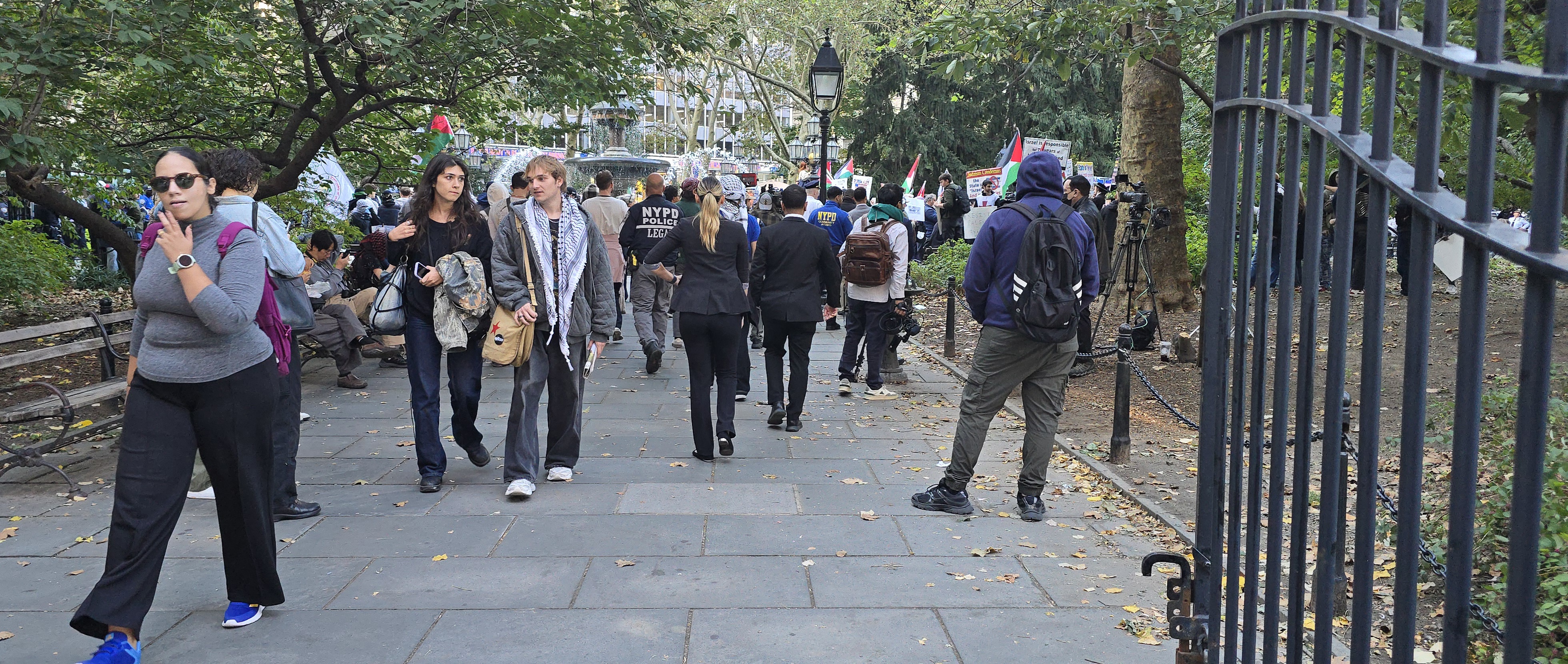
The crowd that gathered on October 7, 2026 at City Hall in New York City was mixed, with religious Muslims and anti-Israel Neturei Karta posing for the media. But there were also many White people in their 20s to 40s sporting Hamas headbands, chanting for the destruction of Israel, and that Jews are pedophiles.
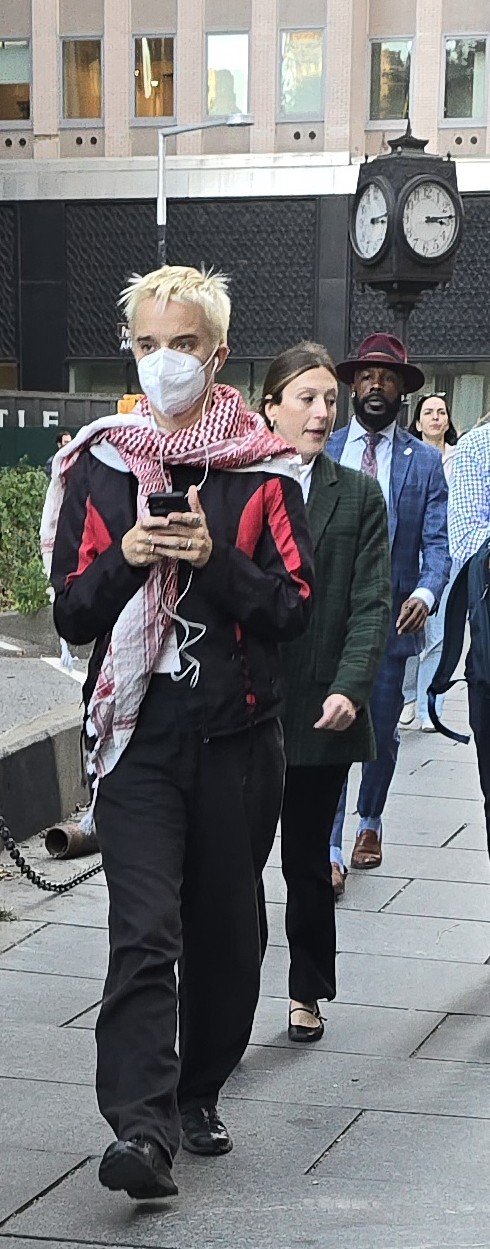
Woman with press credentials sporting a keffiyeh walking to anti-Israel protest at City Hall on October 26, 2026, ahead of group from Neturei Karta holding a Palestinian flag (photo: First One Through)Woman getting ready to join the anti-Israel protest, pulling out her keffiyeh at City Hall on October 7, 2026 (photo: First One Through)
A group of students from nearby Pace University came by with placards to “Free Palestine” and “Zionism is not Judaism.” They joined crowds yelling things much more violent:
“Intifada revolution!”
“Zionism will fall!”
“Liberation is near!”
“We don’t want two states. We want ’48!”
“Mobilize the Intifada!”
Students from Pace University join an anti-Israel protest at City Hall on the anniversary of the slaughter of roughly 1,200 people in Israel and seizure of 251 hostages,on October 7, 2026 (photo: First One Through)
Today’s Jihad Joe doesn’t put his life at risk for America, American allies or American values. He mocks all of those things. Jihad Joe wishes them vanquished, celebrates their setbacks and chants for the jihadi vision for the U.S. and Israel, all from the quiet and comfortable streets that affords the freedom of speech and assembly not found in Islamic republics.
Jihad Joe sees G.I. Joe as an old and racist dead White man.
Two young men covering faces and sporting headbands with Hadiths for MohammedYoung men waving flag of armed Arab before Dome of the Rock
Imagine Canadians holding a march on September 11, 2026 cheering the work of the jihadists who killed nearly 3,000 people in the U.S., calling for the destruction of America. Yes, it is protected speech; but so what? It is repulsive and sick.
More, it reveals the depravity of a significant swath of Americans.
Crowd of people scream support for the antisemitic genocidal jihadists of Hamas, on third anniversary of the October 7 massacre (photo: First One Through)
Eighty years ago, America produced the Greatest Generation. G.I. Joe was its everyman: the ordinary American who put on his country’s uniform, crossed an ocean and fought against fascism and tyranny. Today we see a very different American archetype walking the streets of New York. He puts on the keffiyeh, embraces the symbols and slogans of foreign jihadist revolutionary movements, and mocks America, its allies and the rape and slaughter of its citizens.
In less than a century, we have descended from G.I. Joe to Jihad Jane.
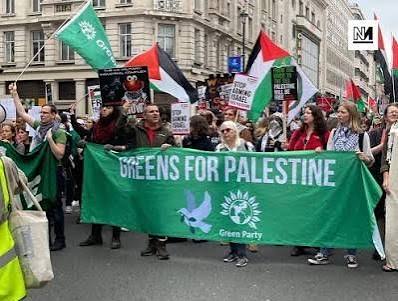
The Green Party charted a new course in British politics, calling for an end of the Jewish State of Israel and demanding a boycott of the country until it allows millions of Arabs into the territory and become a binational state. The alt-left group was immediately rebuked by members of the other British political parties.
Labour’s Bridget Phillipson, the equalities minister said the Green vote “crosses a line” and was “fundamentally wrong.” She explicitly connected her objection to the two-state solution saying “It is shameful to vote against a two-state solution for Israel and Palestine.”
David Pinto-Duschinsky, centre, and Bridget Phillipson, right, meet with Jewish school in London with the school’s headteacher
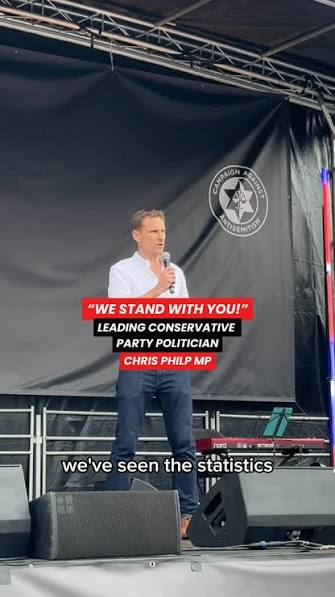
Conservatives shadow home secretary Chris Philp said of the Green vote “I think that’s completely wrong.” He called the resolution a “stereotypical and potentially antisemitic characterisation” and said the Greens needed to do more to combat antisemitism in their ranks. The Conservative Party subsequently issued an even more directly relevant statement through Philp: “British Jews should not have to disclaim a belief in Jewish self-determination and the existence of Israel.”
Liberal Democrats MP Luke Taylor MP said “This is a divisive motion that pours fuel on the fire of tensions in the UK,” and said it would leave many British Jews feeling less safe. Lib Dem foreign-affairs spokesman Calum Miller called the Green vote “deeply wrong” and a “deeply harmful failure of judgement.” Former leader Tim Farron said the Greens had been “captured.”
Green councillor Hau-Yu Tam (centre) pictured alongside Green Party deputy leader Zack Polanski (left). Photo Credit: London Green Party
“Zionism is pure evil and must be abolished.” “Zionism was undoubtedly and unquestionably the Nazism of our time.” – Green Party’s Hau-Yu Tam
Perhaps it is therefore time to move beyond making statements about the Green Party vote and push forward clear countering platforms: one that unequivocally expresses support for British Jews and their heritage and history in the Jewish Promised Land. And a second that declares that every country – including Israel – has an unambiguous right to decide who to permit into its country and to admit as citizens. As such, there is absolutely no so-called “right of return” of descendants of Arabs who once lived in the territory of Israel.
The Greens put their position to a vote. Now Labour, the Conservatives and Liberal Democrats should do the same. At their next party conferences, each should introduce resolutions affirming these two simple principles.
Condemning the Greens is easy. Put the alternative on the ballot and let British political parties tell the country – and British Jews – where they actually stand.
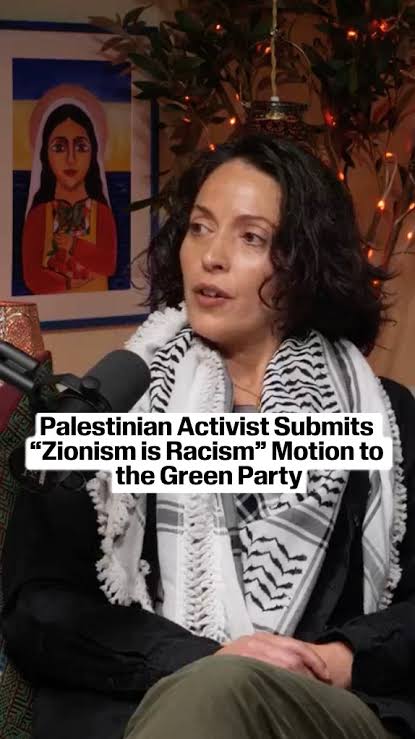
On October 4, 2026, as Jews marked Simchat Torah and the third Jewish-calendar anniversary of the Hamas-led massacre that killed about 1,200 people and saw 251 taken hostage, Britain’s Green Party voted to declare Zionism a form of racism.
By 1,022 votes to 813, the party formally declared itself anti-Zionist and endorsed replacing Israel with a single Palestinian state throughout the pre-1948 region of Palestine.
An earlier vote at the same conference was even more revealing about the party’s attitude towards Jews.
Jewish Green member Sam Alston proposed an amendment protecting Jewish members from being pressured or disciplined because they belonged to synagogues and other Jewish institutions associated with Zionism. He warned that without such protection the policy could result in “indirect religious discrimination.”
The Greens rejected his safeguard, 1,026 to 684.
So at this same conference, Jewish members were provided a safe room because some feared for their safety during the debate about Jews and the Jewish State, while rejecting their proposed protection from its new racism policy.
“We continue to see antisemitic sentiment appearing with increasing frequency,” – Laurence Taylor, the head of counter-terrorism policing
There may also be a legal problem.
Adam Wagner KC, a prominent British human-rights barrister, has warned of a “strong risk” that the resolution contravenes the Equality Act 2010. British law protects qualifying philosophical beliefs, and Wagner argues that Zionism is likely capable of qualifying for that protection.
There is already precedent from the other direction. David Miller, the former University of Bristol professor, successfully established before an employment tribunal that his anti-Zionism qualified as a protected philosophical belief under the Equality Act. Greens for Palestine cited the Miller case in defending anti-Zionist beliefs before the conference.
British law may already protect both the anti-Zionist and the Zionist.
The Green Party is no longer a fringe environmental entity. Membership has surged above 200,000, tripling its total in a single year.
Their electorate also looks markedly different from Britain as a whole. Analysis of the 2024 Green vote found an average age of 42 compared with 49 across the electorate. Green voters were more female, much more likely to be university graduates and less likely to own their homes. They were also twice as likely to be Muslim – 6 percent versus 3 percent nationally – and considerably more likely to have no religion.
The two conference votes reveal something more troubling.
While the voters against Zionism and protection for Jews stayed roughly the same – 1,022 and 1,026, respectively – 16 percent of those supporting Israel did not vote on protections for Britain’s Jewish community.
That leaves a question extending well beyond this conference: As hostility to Zionism moves deeper into the politics of the alt-left, who will insist on protecting Jews whose religious and communal lives remain connected to it?
Two Iranian men – Salam Ahmadyan, 36, and Rahman Salehi, 34 – charged with attempting to bomb a synagogue in Manchester on Yom Kippur 2026, one year after other Jews were stabbed to death in the city
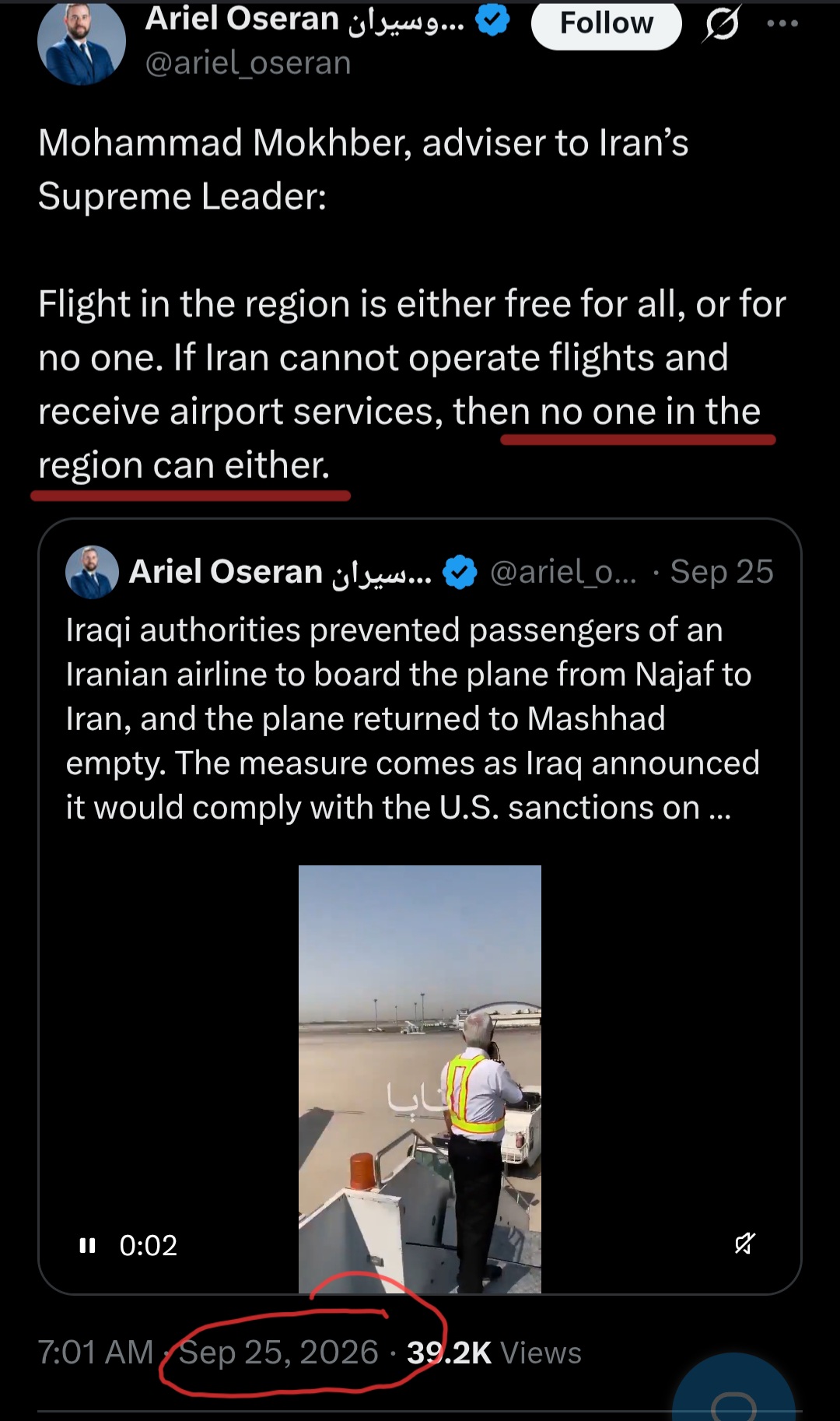
Major news organizations covering the extraordinary Flydubai incident have omitted a striking piece of context: five days earlier, a senior adviser to Iran’s Supreme Leader warned that if Iranian aircraft could not use regional airports, nobody else should expect to fly either.
On September 25, Mohammad Mokhber, Iran’s former acting president and current adviser to Ayatollah Ali Khamenei, declared:
“Flight in the region is either free for all, or for no one.”
He added: “If Iran is denied the possibility of flight and access to airport services, no country in the region will have this possibility either.”
Days earlier, another senior Iranian official, Mohsen Rezaei, had issued a similar warning concerning neighboring airports.
Five days after Mokhber’s statement, a Flydubai aircraft carrying mostly Israelis from Dubai to Tel Aviv suffered an attempted hijacking. The captain was attacked, the aircraft rapidly lost altitude and the flight made an emergency landing in Saudi Arabia. The motive remains under investigation. There is no immediate evidence connecting Iran to the incident.
But Iran’s warning is missing from major coverage reviewed from Reuters, the Associated Press, the Guardian, Al Jazeera and The National. Reuters had itself reported Mokhber’s statement when he made it.
That omission is difficult to understand. A senior Iranian official had publicly warned that regional aviation could be disrupted. Five days later, an Emirati aircraft carrying over one hundred Israelis is put at risk by an Omani pilot.
Consider that Al Jazeera and the Guardian continue to say that Israel is at war with Iran even though that hasn’t been true for many months. They insert Israel into the war against Iran while they leave Iran out of the discussion about a potential killing of nearly two hundred Israelis.
Readers are being lied to by acts of insertion and omission, especially about Israel and Iran. It is critical to understand those basic facts and begin to ask why.
Resilience is a word we use so casually that we sometimes forget what it actually means. It comes from the idea of springing back: absorbing a blow without allowing the blow to determine what comes next.
Israel received an extraordinary demonstration of it Wednesday morning.
Flydubai Flight FZ1073 was flying from Dubai to Tel Aviv carrying roughly 150 Israelis when something went terribly wrong in the cockpit. The plane plunged rapidly, eventually transmitted the international code for unlawful interference and diverted to Saudi Arabia. Israeli officials now say they are investigating the incident as an attempted terrorist attack. According to Israeli officials cited in press reports, a pilot was stabbed during the cockpit struggle, and passengers and crew helped overpower the attacker. Everyone aboard survived.
The investigation is continuing, and some details remain unsettled. But the response aboard the aircraft is striking. A plane full of people suddenly drops thousands of feet. There is violence in the cockpit. Passengers realize their lives may depend upon what happens in the next few minutes. People act and the attacker is subdued. The aircraft lands.
That is resilience in its most compressed form.
Inside the cockpit chaos: Passengers describe blood, screams on Flydubai flight
For a slower version, look at Kibbutz Be’eri.
On October 7, 2023 Be’eri suffered a horrific massacre at the hands of jihadists from Gaza. Nearly three years later, its residents are rebuilding houses, schools and community facilities and preparing for a broader return. Most of the community says it wants to return. The rebuilding effort describes its purpose in the simplest possible terms: returning home rather than allowing jihadi terror to decide whether the community continues to exist.
That is resilience too. Not forgetting or forgiving. Not pretending nothing happened nor escaping grief. Rebuilding anyway.
There is another way some societies and movements can process grievance, and it has almost the opposite dynamic.
A grievance can become something to preserve rather than overcome. Suffering becomes justification for retaliation. Retaliation produces a counterattack. The counterattack becomes a new grievance. That grievance then justifies another attack. Instead of absorbing catastrophe and trying to restore ordinary life, the political ideology continually replenishes itself from catastrophe.
There is a name for this process: grievance-fueled radicalization. Over the course of a century, it has become the mantra of Palestinian Arabs.
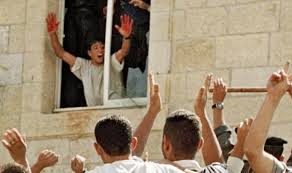
Palestinian Arabs mutilate Israelis in Ramallah and hold bloody hands aloft to cheering crowd at start of Second Intifada in October 2000
And it is impossible to understand Hamas and Palestinian Islamic Jihad without understanding how powerfully this mechanism operates within their ideology.
Hamas’ foundational charter did not merely object to particular Israeli borders or governments. It presented Palestine as an Islamic waqf that could not be surrendered and described the struggle over the land in explicitly religious terms. It was a call to “cleanse” the land of Jews and “Crusaders.”
Palestinian Islamic Jihad is even less ambiguous. The U.S. State Department has described PIJ as committed to Israel’s destruction and the creation of an Islamic state throughout historic Palestine, including present-day Israel.
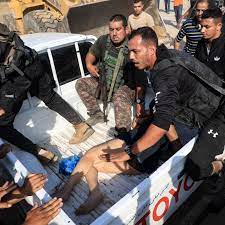
Hamas and PIJ bring back body of dead woman to cheering crowds in Gaza on October 7, 2023
The Palestinian jihadi movement built around grievance can interpret the consequences of its own violence as additional evidence for the grievance that justified the violence in the first place.
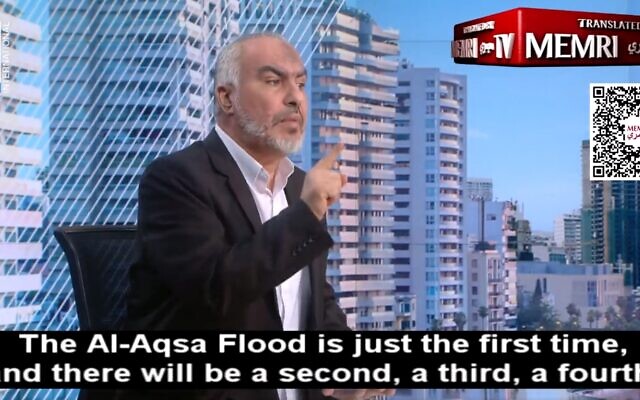
Hamas political bureau member Ghazi Hamad supplied an unusually stark example after October 7. He argued that Israel itself was responsible for the bloodshed, said Hamas would repeat October 7 again and again, and rejected the idea that Israel had a legitimate place on the land.
Consider the circularity. Israel’s existence is a grievance > Hamas attacks Israel is resistance > Israel response is a new grievance.
The cycle reproduces itself indefinitely because almost every possible outcome feeds it.
That is fundamentally the opposite of resilience.
Resilience does not require forgetting a grievance. Israelis certainly have not forgotten October 7, just as the people of Be’eri have not forgotten what happened in their homes. Resilience is the decision that suffering will not become the organizing principle of everything that follows.
The passengers on FZ1073 did not have the luxury of theorizing about any of this. Their aircraft was falling. They fought for control of it.
Be’eri has been doing essentially the same thing for three years, only much more slowly: taking back control of what comes next.
Israel has built resilience around what comes after catastrophe: survive, rebuild and move forward. Palestinian jihadist movements have built their cause around grievance that must be preserved, intensified and avenged. Coexistence becomes possible only when their stated mission to eliminate the Jewish state no longer governs the conflict.
One points to June 1967 for borders, East Jerusalem and the West Bank.
Another points to 1948 for refugees and their descendants.
Another reaches to 1947, before the United Nations proposed dividing Mandatory Palestine into Jewish and Arab states.
Another reaches to 1917, before the Balfour Declaration endorsed a Jewish national home in Palestine.
And when even that is too late, the clock can be wound back to the Ottoman era, when Palestine was governed by a Muslim empire.
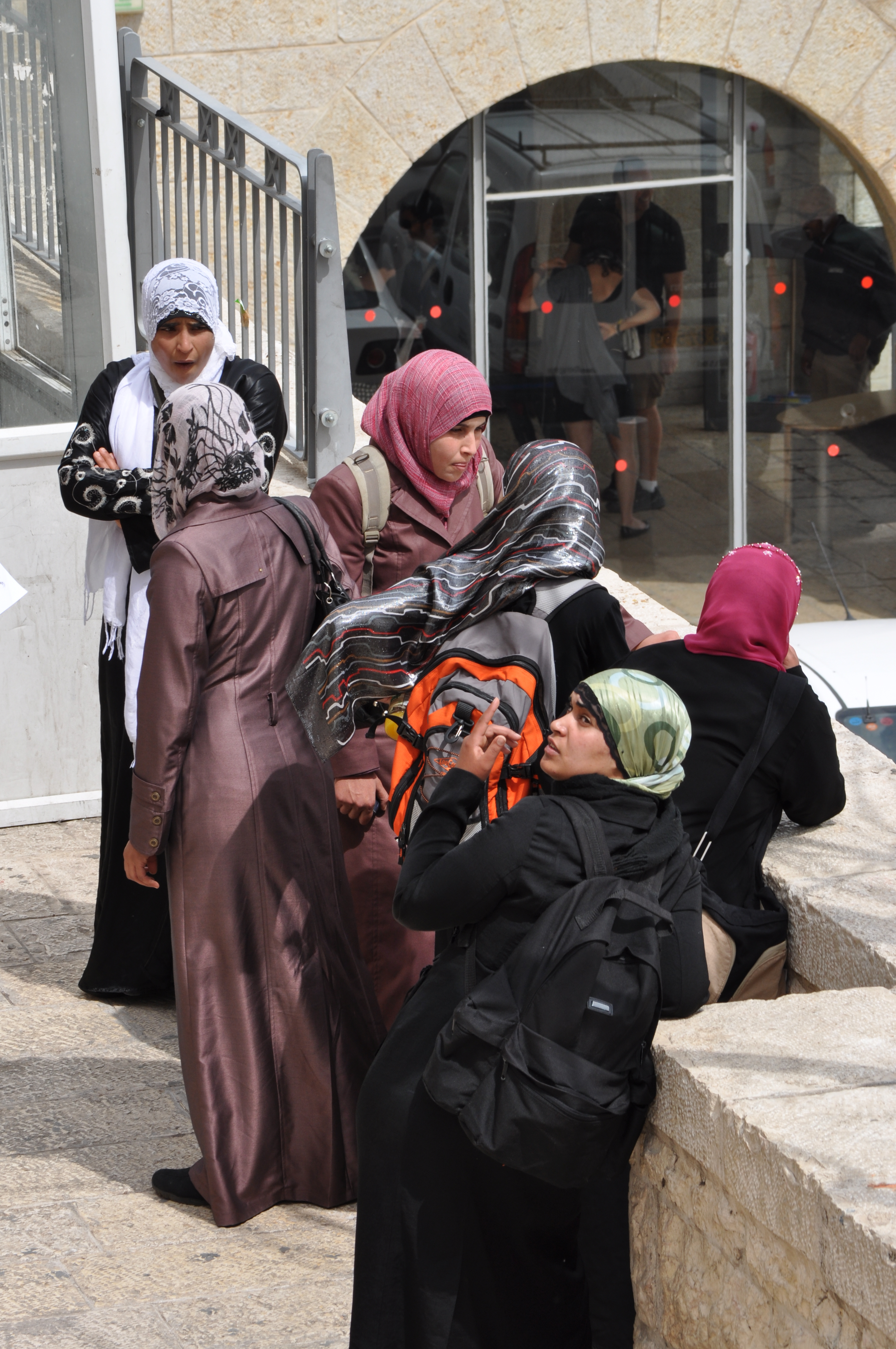
Muslim women prepare to enter the Western Wall Plaza in 2010 (photo: First One Through)
The hands do not need to agree. They serve different purposes.
The President of the Palestinian Authority, Mahmoud Abbas has spent decades demonstrating how it works.
1967: The Border Hand
For the borders of a Palestinian state, Abbas is precise.
In his 2016 address to the United Nations, he said the PLO had accepted a Palestinian state on the “4 June 1967 borders with East Jerusalem as its capital.”
He has repeated the formulation for years. In 2014, he called for Palestinian independence over the “entire Palestinian Territory occupied in the 1967 war,” with East Jerusalem as its capital. In 2022, standing beside President Joe Biden, Abbas again called for a Palestinian state “with East Jerusalem as its capital, on the 1967 borders.”
Why June 4, 1967? Look at the picture the clock produces.
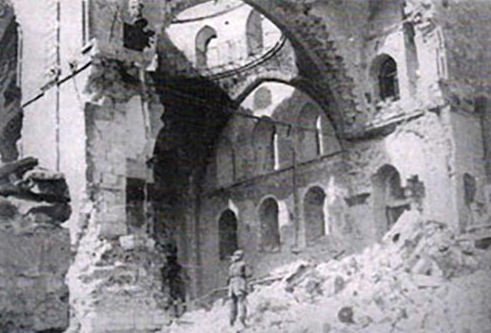
There were no Jews living in the Jewish Quarter of the Old City. Its Jewish residents had been expelled after the Quarter fell to Jordanian forces in 1948. By June 1967, Hebron’s centuries-old Jewish community no longer existed either, evacuated after Palestinian Arabs massacred them in 1929.
Jordanian soldiers destroyed the Hurva Synagogue in the Old City of Jerusalem
So June 4, 1967 creates a remarkably convenient baseline. The Jewish communities that exist today in eastern Jerusalem, Hebron and throughout the West Bank disappear from the photograph.
But the Palestinian clock has another hand.
1948: The Refugee Hand
When Abbas talks about Arab refugees, June 1967 suddenly becomes useless. So the clock jumps backward another nineteen years.
In 2021, Abbas appeared before the United Nations holding up the deed to his family’s property and said Palestinians still possess deeds and keys to their former homes. He argued that Palestinian refugees have the right to “return to their homeland” and recover their properties.
In 2025, he was even more explicit. Abbas said there were now more than seven million Palestine refugees and declared that the “right of return” was an inalienable right that Palestinian Arabs “will not forsake.”
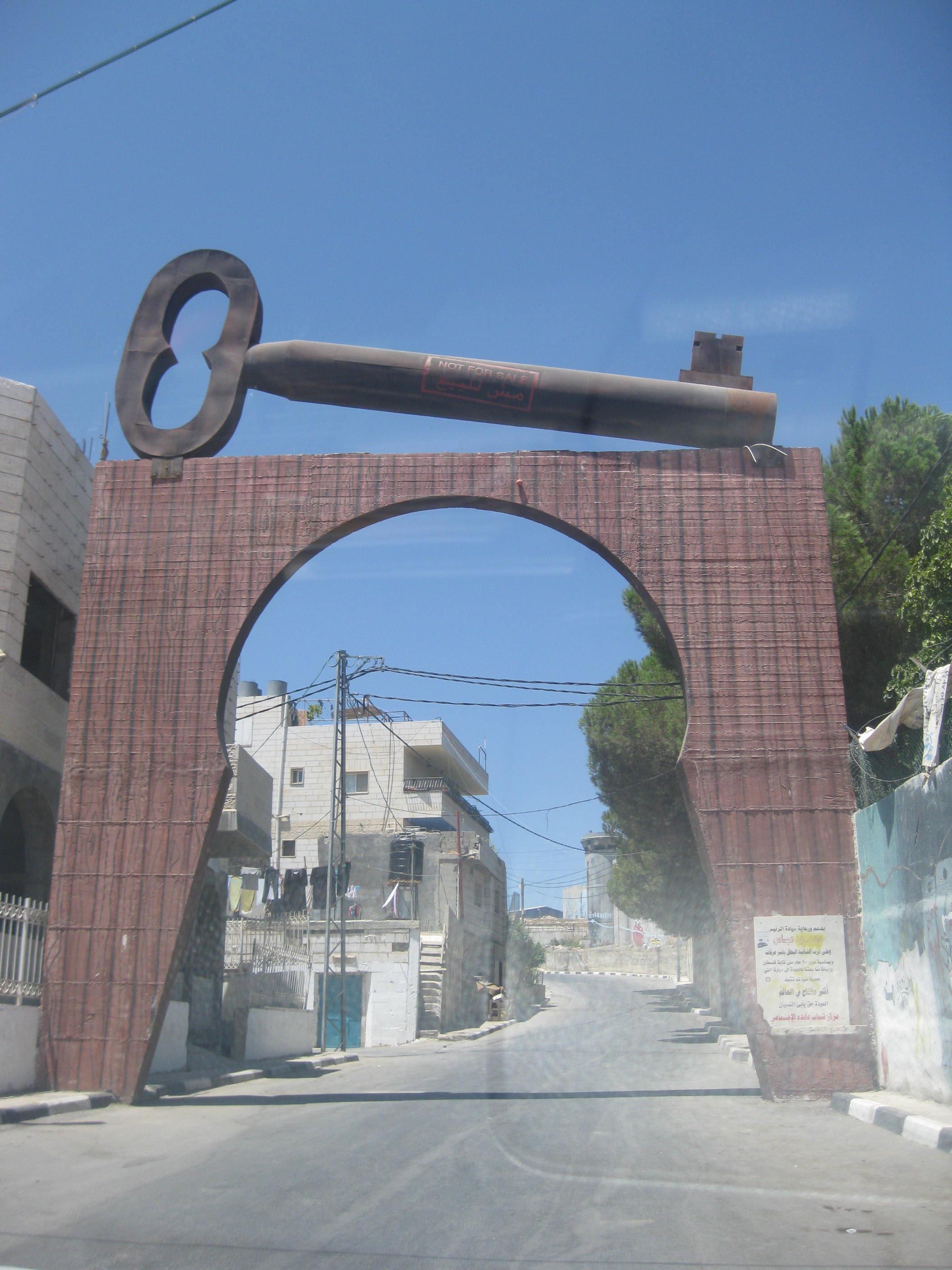
Entrance to UNRWA “refugee camp” in Bethlehem with a key on top representing that UNRWA is the portal for descendants of internally displaced Arabs to move into grandparents’ houses in Israel
Watch the hands.
For the territory of a new Palestinian state, the clock says 1967.
For Palestinians claiming homes and property inside Israel, it says 1948.
Apply 1967 consistently and the mass refugee claim reaching into Israel loses its 1948 baseline. Apply 1948 consistently and Jewish communities and property claims erased by the 1967 baseline return to the picture.
The clock cannot stay on either date.
It has to move with the argument.
1947: The Sovereignty Hand
Israel already exists in 1948, a bone in the throat of Palestinian Arabs, or a “painful settlement” to quote Abbas. So the sovereignty hand moves to 1947.
In November of that year, the United Nations proposed partitioning Mandatory Palestine into a Jewish state and an Arab state. So the clock reaches a moment before Israeli sovereignty.
But international recognition of Jewish national aspirations predates partition by decades.
Move the hand again.
The Holocaust: The Colonial Hand
Abbas wrote his doctoral thesis on Holocaust denial. He dismisses the entire victimization of Jews and argued that Jews brought the Holocaust upon themselves – and Palestinian Arabs have been forced to pay the price for it.
In an April 2018 speech in Ramallah he said “the reason for the hatred of the Jews is not their religion but their function in society…. So the Jewish question, which was prevalent in all European countries, the anti-Jewish (sentiment) was not because of their religion, but because of their function in society, which had to do with usury, banks, and so on…. So their narrative about coming to this country because of their longing for Zion, or whatever – we’re tired of hearing this. The truth is that this is a colonialist enterprise, aimed at planting a foreign body in this region…”
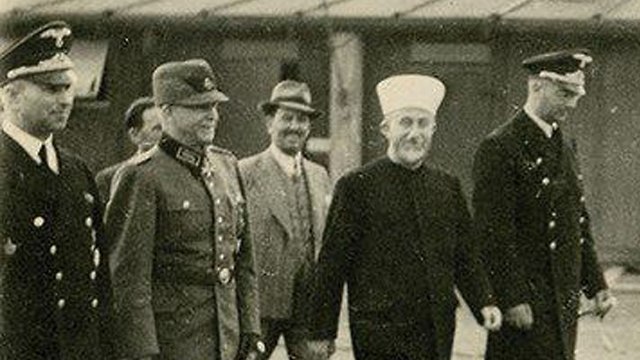
Haj Amin al-Husseini, the Grand Mufti of Jerusalem, visiting Nazi Germany in 1943
1917: The Zionism Hand
In his 2016 United Nations address, Abbas attacked not the borders created by the 1967 war or the displacement of 1948, but the Balfour Declaration of 1917.
He called it the “notorious Balfour Declaration” and demanded that Britain apologize for the “catastrophes, miseries and injustices” he said it had created.
Look how far the clock has moved. A century.
A time when there was no modern state of Israel. There was no 1948 refugee crisis. There was no occupation resulting from the 1967 war. There wasn’t even a British Mandate for Palestine yet.
The objection has reached the international recognition of Jewish national aspirations themselves.
Still too late.
The Ottoman Hand
Before Balfour, Palestine was part of the Ottoman Empire. Even though there was no sovereign Palestinian Arab state, the land was totally controlled by Muslims. Jews remained a small minority.
Abbas’ longtime adviser on Religious and Islamic Affairs and the PA’s Supreme Shari’ah Judge, Mahmoud al-Habbash said in 2014 that “The entire land of Palestine is [Islamic] waqf and is blessed land… it is prohibited to sell, bestow ownership or facilitate the occupation of even a millimeter of it.” In 2016 he said about Jerusalem “We cannot allow or agree to it being under sovereignty that is not Muslim sovereignty.”
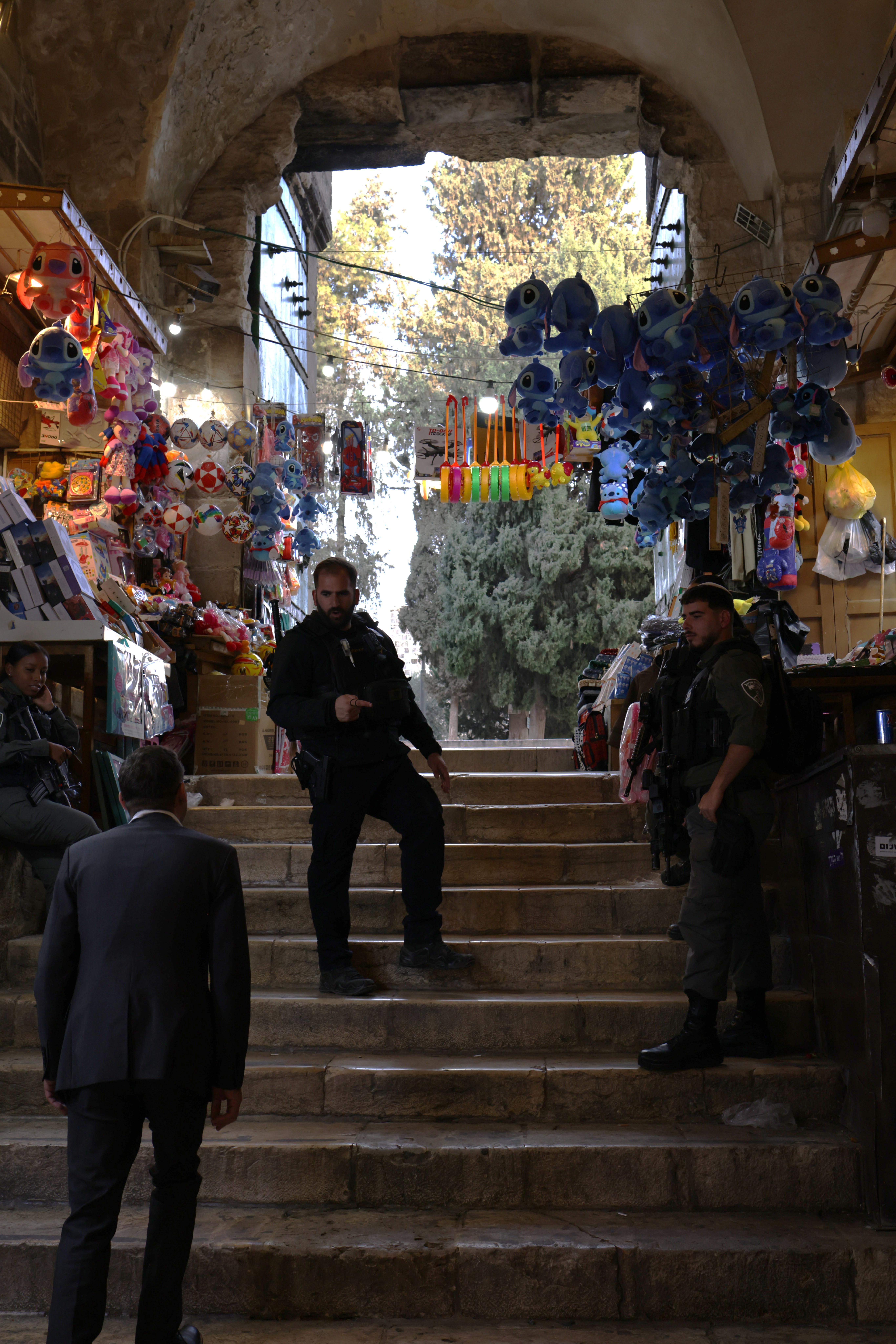
Israeli police block Jewish man from ascending to the Temple Mount because he is a Jew, in Novemnber 2025 (photo: First One Through)
Abbas referenced the Ottoman period in a speech in 2014 when he said “Jews, Christians and Muslims have lived peacefully together in Palestine for centuries. So peace between religions runs through the heart of the most sacred City in the world, Jerusalem. Peace between the world’s religions runs through Jericho the Oldest City on Earth. Peace between the world’s religions runs through Palestine.”
Hamas’s 1988 foundational charter makes the point clear: “raise the banner of Allah over every inch of Palestine, for under the wing of Islam followers of all religions can coexist in security and safety where their lives, possessions and rights are concerned. In the absence of Islam, strife will be rife.”
Watch the Hands
There is one time the Palestinian clock rarely points to: today. Because today leaves too many Jews in the picture.
Jews live in Jerusalem, Hebron and throughout the West Bank. Israel exists as a Jewish state. Jewish sovereignty and self-determination are facts rather than historical proposals.
To say openly that Jews should be removed from those places, that the Jewish state is illegitimate or that Jews should be denied national rights would make the prejudice difficult to disguise.
History offers a more respectable vocabulary. Just choose an earlier date when the particular Jews, Jewish sovereignty or Jewish rights inconvenient to the argument were absent.
That is why the Palestinian clock needs so many hands. No single date erases everything neatly.
History provides the dates. Antisemitism chooses the hand.
An Israeli construction company sees a government tender to build residential housing. It prepares a bid and submits it.
It does not have to win the tender or break ground. Merely submitting the bid would be enough to expose it to American sanctions.
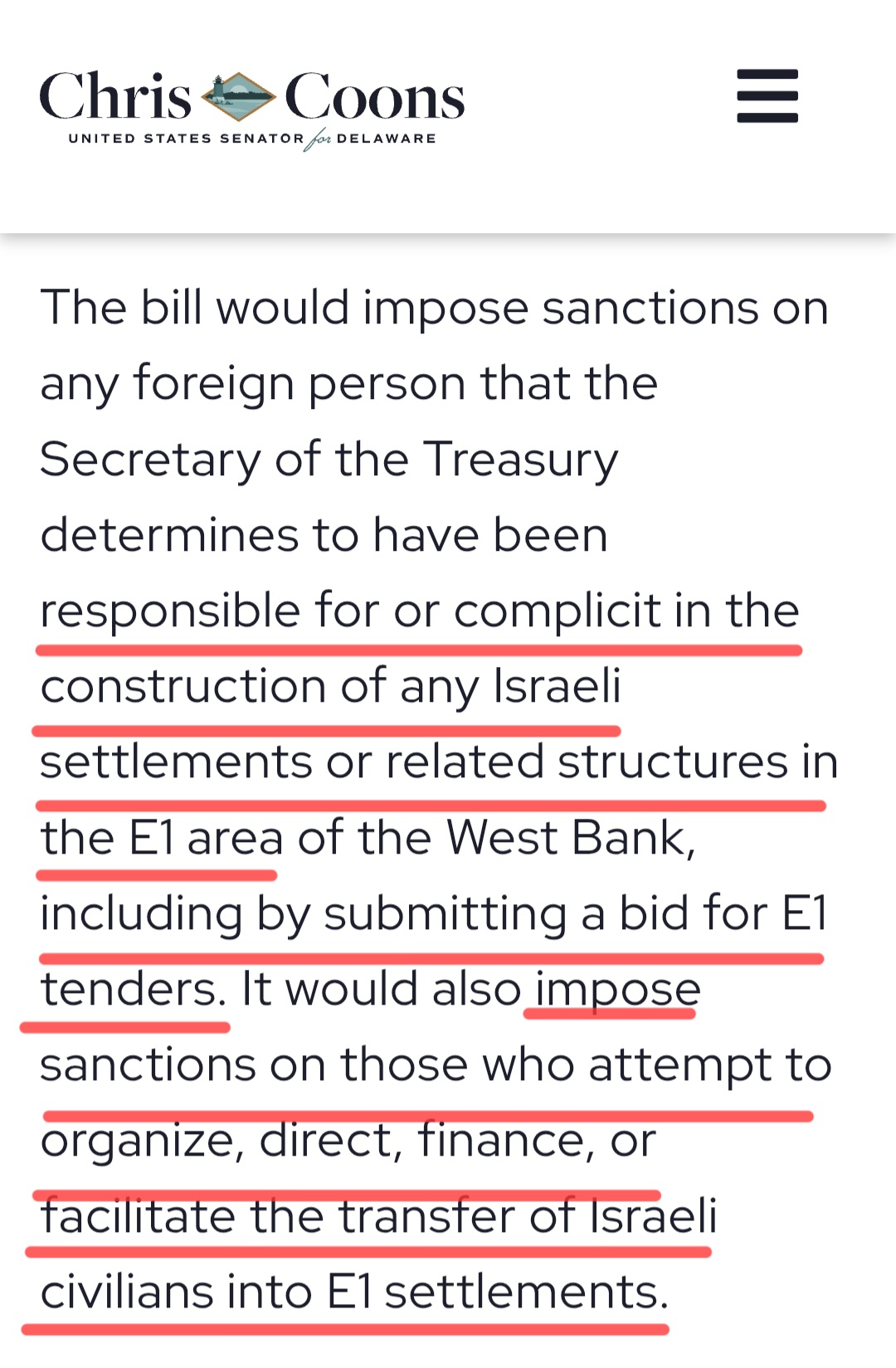
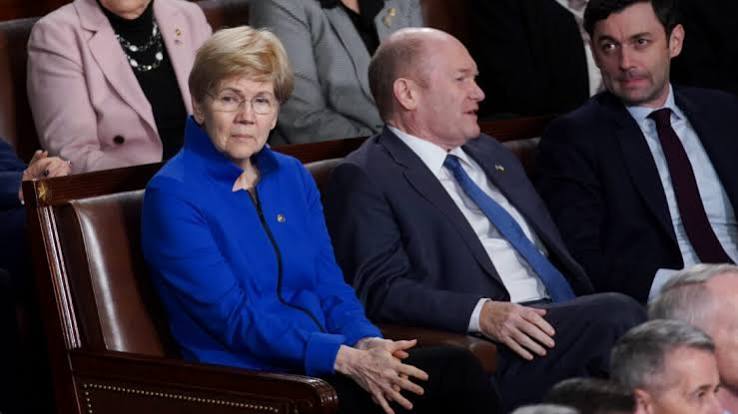
Senators Chris Coons (Delaware), Elizabeth Warren (Massachusetts), Ron Wyden (Oregon) and Ruben Gallego (Arizona) have introduced legislation targeting construction in E1, the area between Jerusalem and Ma’ale Adumim. The legislation would impose sanctions on foreign persons involved in construction there, expressly including those “submitting a bid for E1 tenders.”
Warren makes the consequence explicit: those who facilitate construction in E1 should understand that they “risk losing access to the U.S. financial system.”
That is an extraordinary penalty for bidding to build homes in an allied country.
And the piece of land that has generated this response is remarkably small. E1 covers roughly 12 square kilometers, or 4.6 square miles. The entire West Bank is roughly 5,655 square kilometers. E1 therefore represents about 0.2% of the West Bank—roughly one five-hundredth of its territory.
And that sliver of undeveloped land has generated calls to reach for one of America’s most powerful economic weapons.
The United States has long used its dominance of the international financial system as one of its most powerful foreign-policy tools. Iran has faced sanctions over its nuclear program and other activities. North Korea has been subjected to extensive sanctions over its nuclear and ballistic-missile programs. Russia has faced sweeping sanctions connected to its military aggression.
American sanctions can also reach companies outside those countries. Do business with an American adversary and a foreign company may discover that it has to choose between that relationship and access to the American financial system.
Congress has occasionally been willing to impose that choice on allies.
Turkey is a NATO member. Yet the United States sanctioned Turkey’s Presidency of Defense Industries after Ankara purchased Russia’s S-400 air-defense system from Rosoboronexport, Russia’s state arms exporter. The transaction involved an advanced weapons system, an American adversary and concerns about the security of American military technology.
European companies encountered the same American financial power over Nord Stream 2. Congress enacted sanctions aimed at companies participating in construction of the pipeline, including businesses from American allies, for engaging with a Russian pipeline carrying Russian gas into Europe. Congress viewed it as increasing European dependence on Russian energy and strengthening Moscow’s geopolitical leverage.
E1 presents something completely different.
There is no Russia on the other side of the transaction. No Iran. No North Korea. No weapons purchase or nuclear technology. No American adversary receiving the proceeds.
There is an Israeli government tender to construct residential homes in the immediate suburb of its capital.
Nor is this simply an initiative of four senators.
Fifteen additional Democratic senators have joined them: Michael Bennet (Colorado), Tammy Duckworth (Illinois), Martin Heinrich (New Mexico), Tim Kaine (Virginia), Mark Kelly (Arizona), Andy Kim (New Jersey), Jeff Merkley (Oregon), Chris Murphy (Connecticut), Patty Murray (Washington), Jack Reed (Rhode Island), Brian Schatz (Hawaii), Adam Schiff (California), Elissa Slotkin (Michigan), Chris Van Hollen (Maryland) and Peter Welch (Vermont).
That brings the proposal’s Democratic Senate support to 19 senators.
Senators Elizabeth Warren and Chris Coons
The United States developed financial sanctions to confront hostile states, weapons programs and transactions with American adversaries. It is a powerful tool meant to confront grave risks to America. Yet in this proposal, the triggering transaction is an Israeli housing project occupying roughly one five-hundredth of the West Bank, which poses zero threat to the United States.
The Democratic senators sponsoring the legislation describe E1 construction as a threat to a future Palestinian state, presumably because the Palestinian Authority demands a country devoid of any Jews and it must include Jerusalem. Their proposed response is to make companies and individuals participating in that construction grounds for exclusion from the American financial system.
For these 19 Democratic senators, countering Palestinian Arab aspirations has become a threat to the United States.
That is the question their bill puts before Congress: Should the financial weapon America has used against adversaries and national-security threats now be turned against businesses of a close ally because they bid to build homes on 0.2% of the West Bank?
ACTION ITEM
Contact these senators about their proposed bill on E1 and find out whether the Democratic Party has become so unmoored from its mission of protecting Americans that it is using its greatest financial weapon to serve Palestinian Arabs objecting to Jewish homes.
Sen. Chris Coons Washington office (202) 224-5042, Wilmington (302) 573-6345, Dover (302) 736-5601
Sen. Elizabeth Warren Washington office (202) 224-4543, Boston (617) 565-3170, Springfield (413) 788-2690
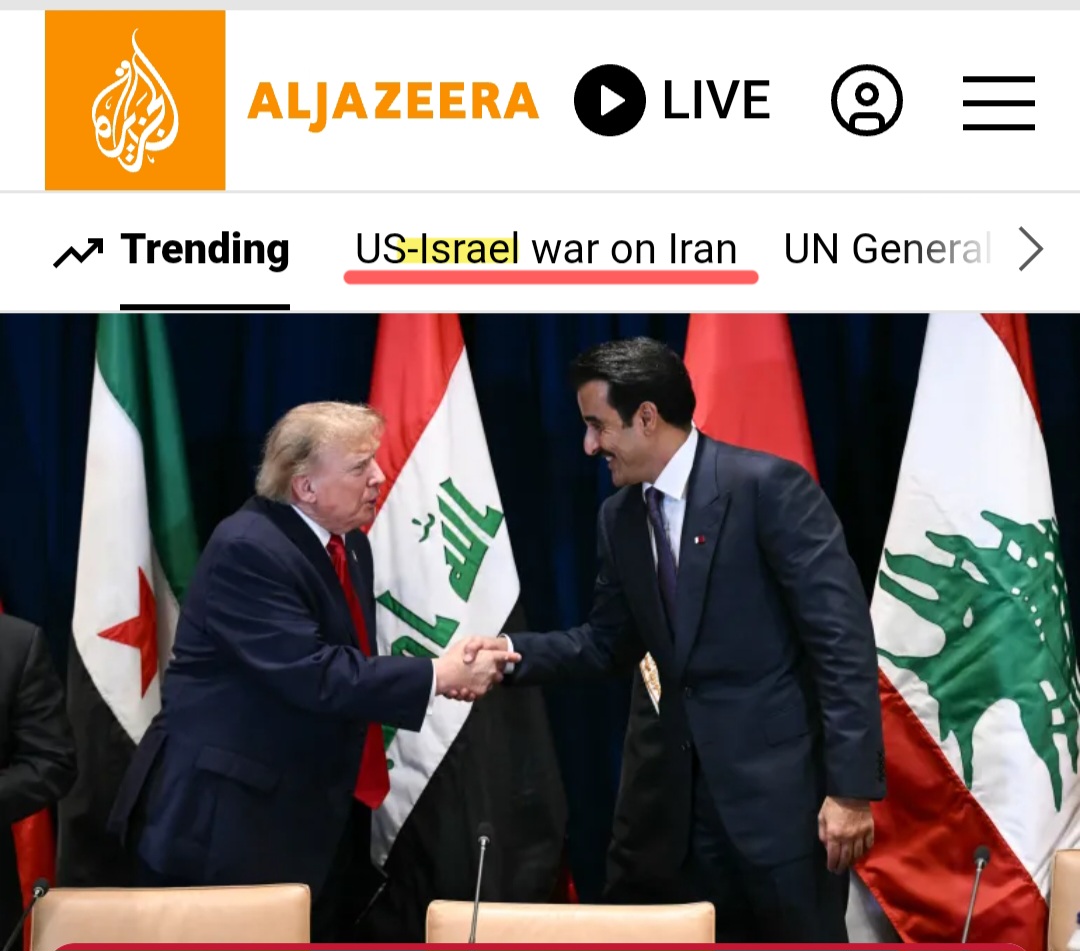
The Guardian continues to place its Iran coverage under the banner: “US-Israel war on Iran.”
Al Jazeera uses the same formulation.
It was an accurate description when the war began. It isn’t anymore.
The United States and Israel attacked Iran on February 28. Iran retaliated against both countries. For the opening weeks, the United States and Israel were both directly at war with Iran. That fighting ended with the April 8 ceasefire.
There was one brief interruption. In June, after Israel attacked Hezbollah in Beirut, Iran fired missiles at Israel. Israel responded by striking Iran. The exchange lasted roughly two days ans stopped.
The Congressional Research Service says the June 7–8 fighting “appears to be the last direct exchange of fire between the two countries as of September 2026.”
The United States and Iran, meanwhile, have continued fighting.
That makes the media labeling increasingly strange.
The Guardian and Al Jazeera maintain an entire section called “US-Israel war on Iran” even when it is clear even in their own articles that Israel is no longer involved. Even more, it is Iran and its proxies that have waged war ON ISRAEL, not the reverse.
Why?
Does keeping Israel permanently attached to the war serve a purpose — reinforcing the idea that every American bomb dropped on Iran is also somehow an Israeli bomb, and every American decision to continue the war is part of an Israeli-American campaign? That every spike in energy prices is Israel’s fault?
For outlets whose audiences are already intensely hostile toward Israel, the distinction is not trivial. It is propaganda to inflame millions.