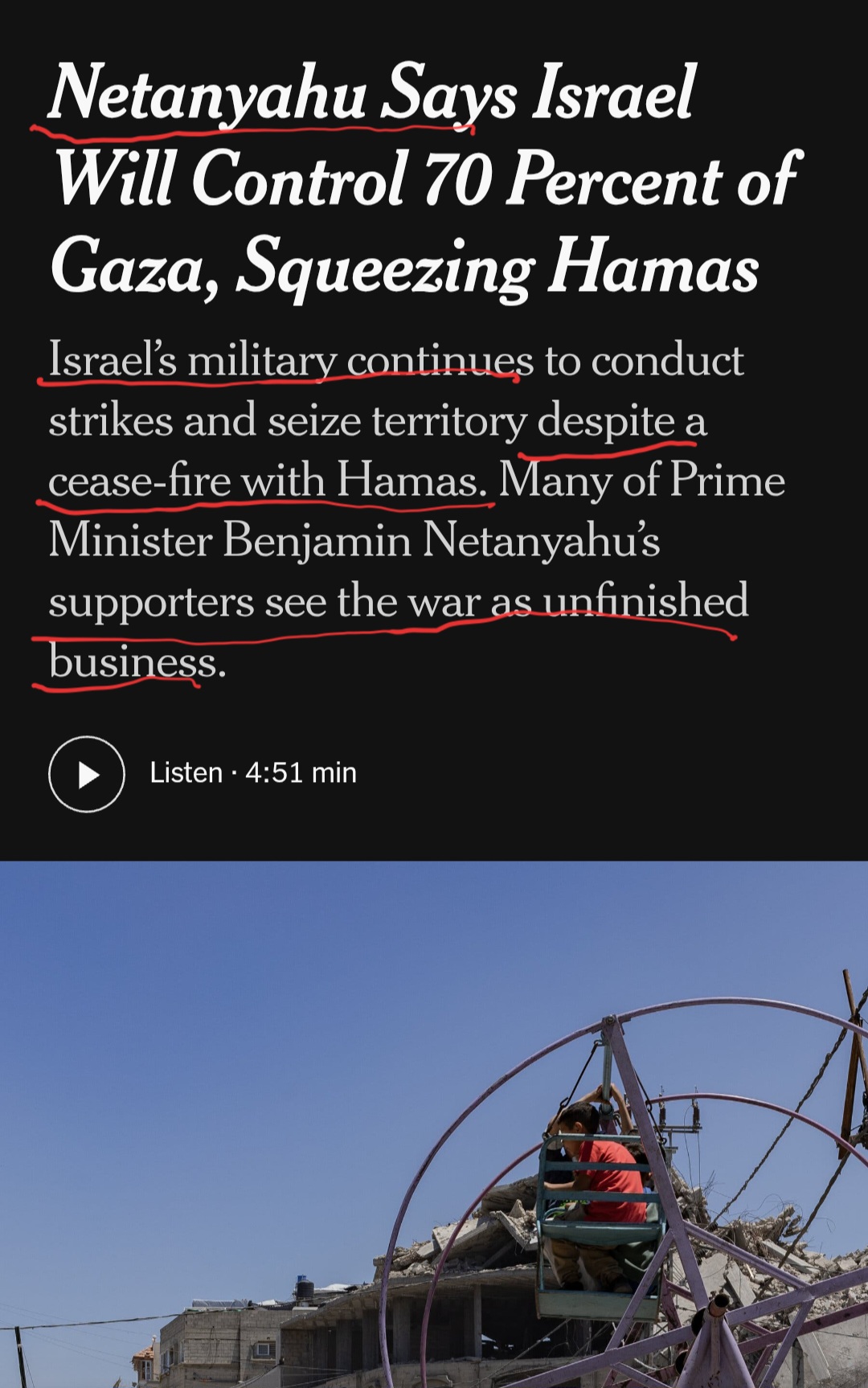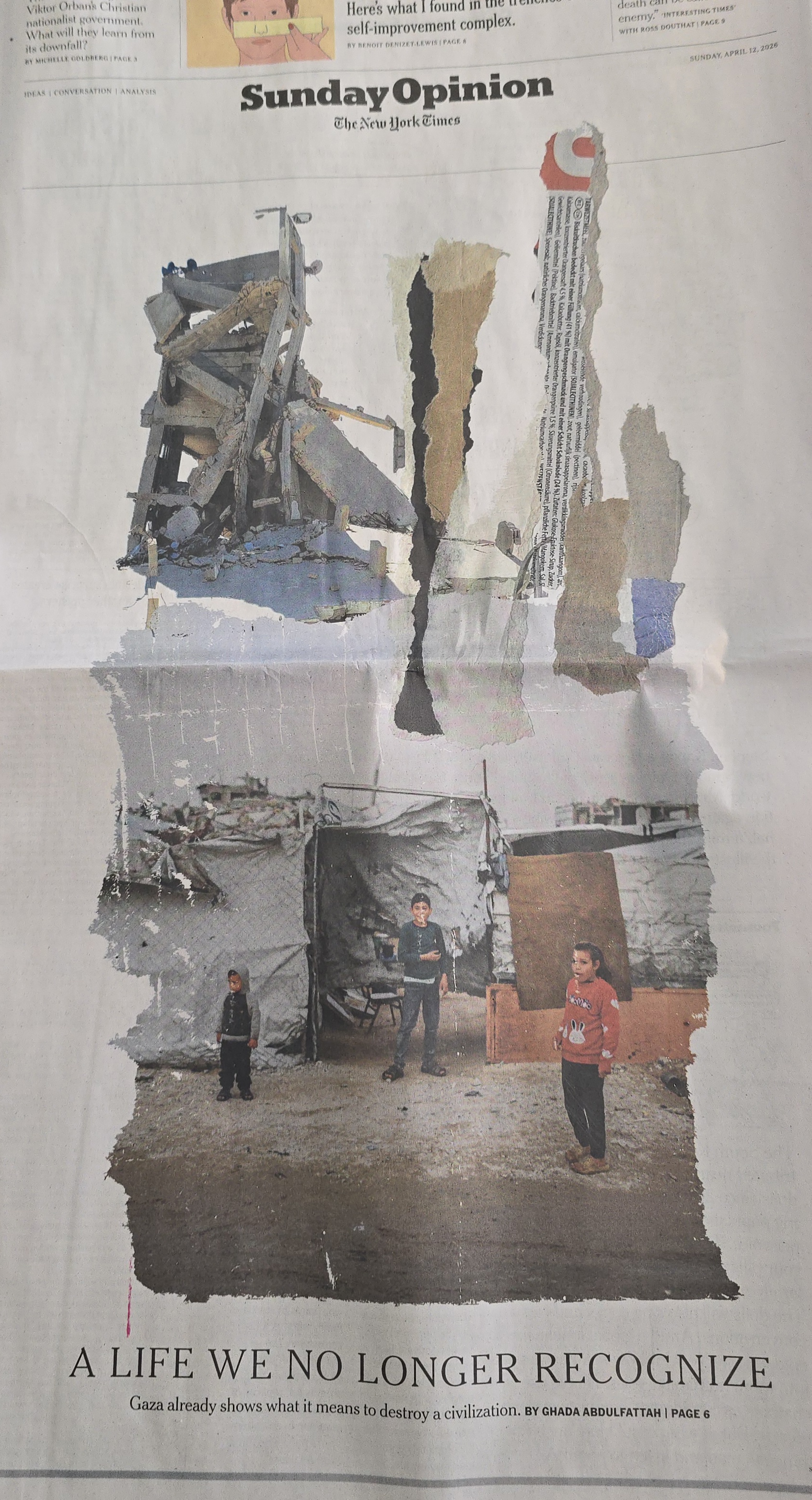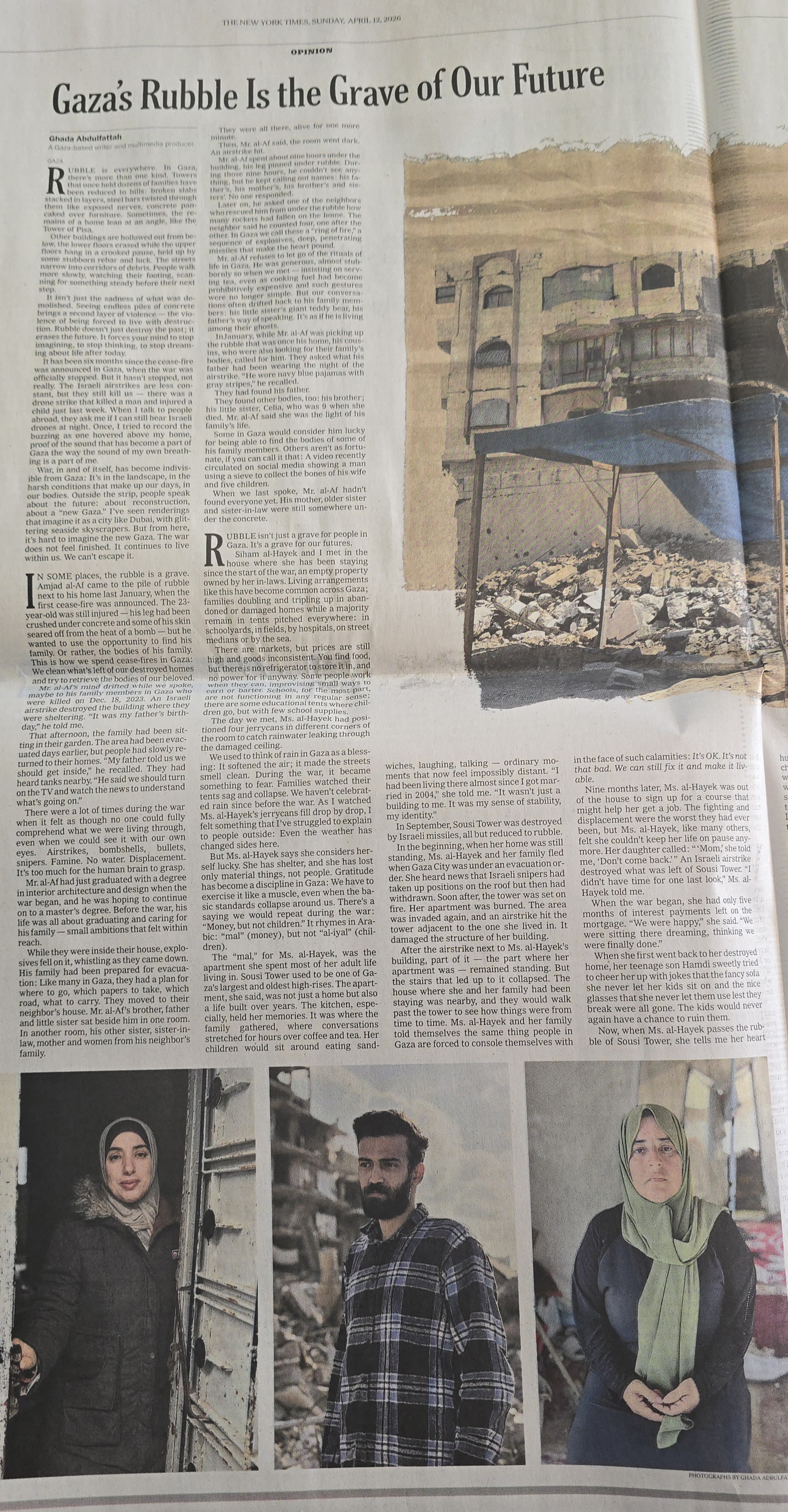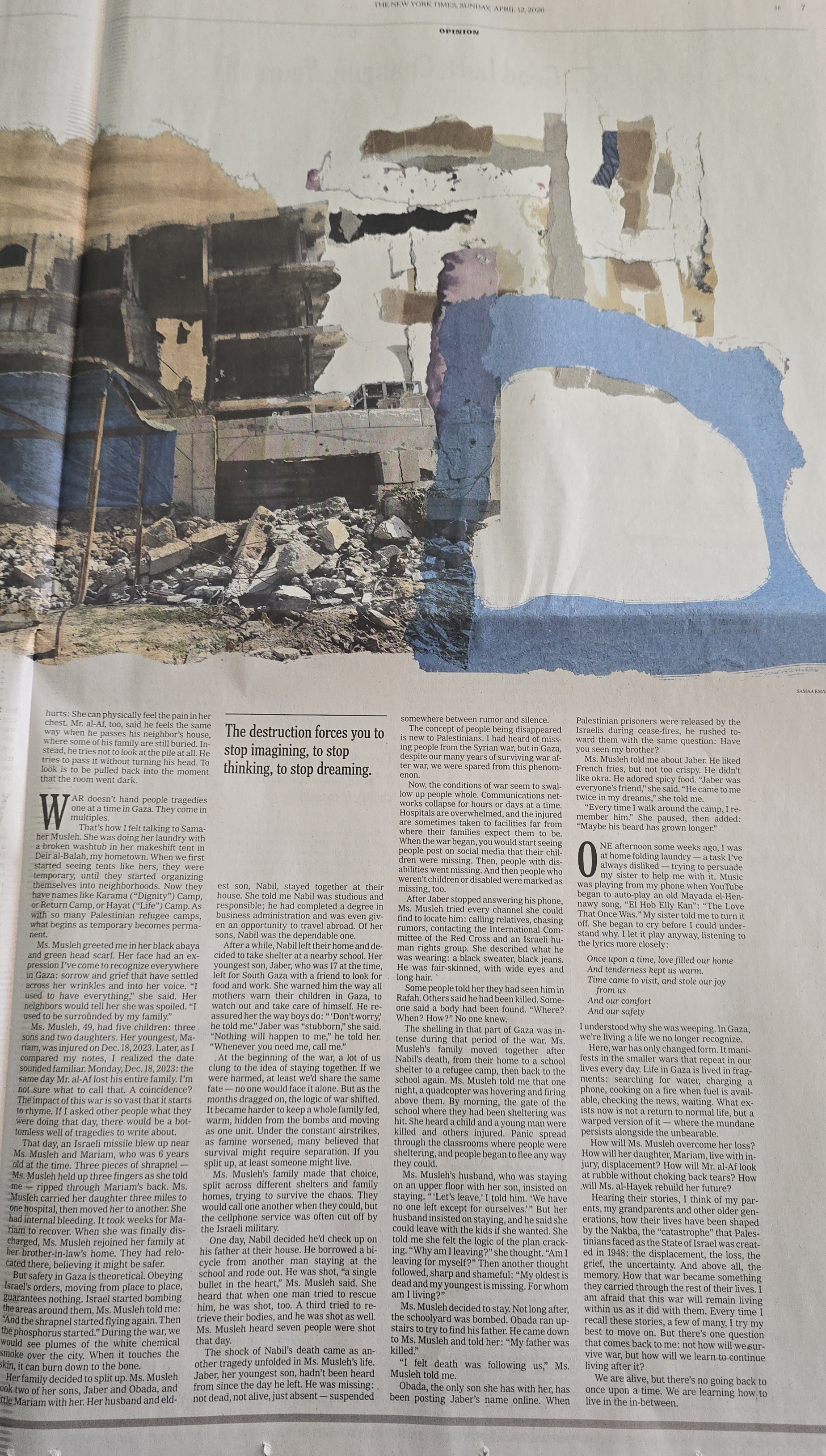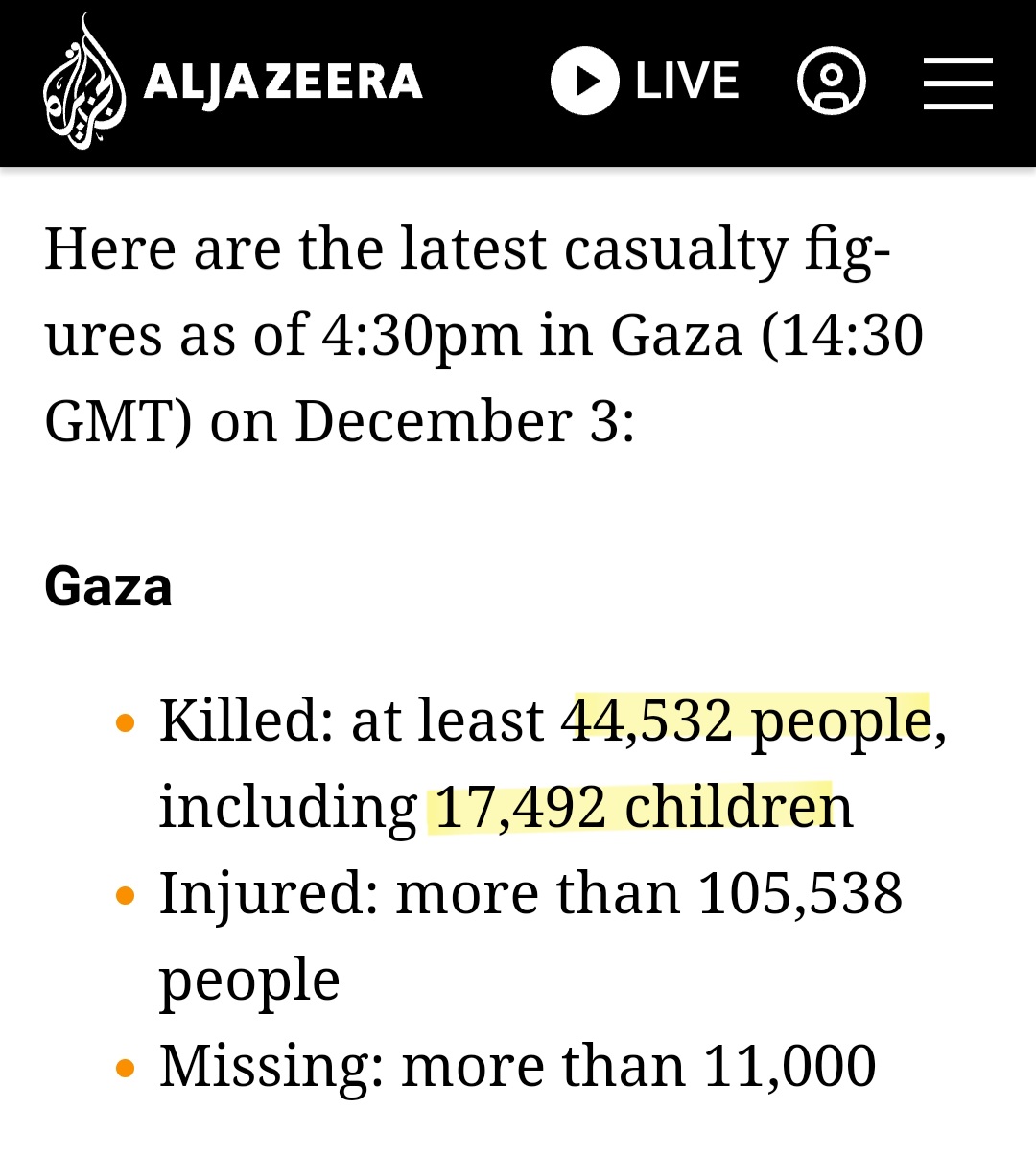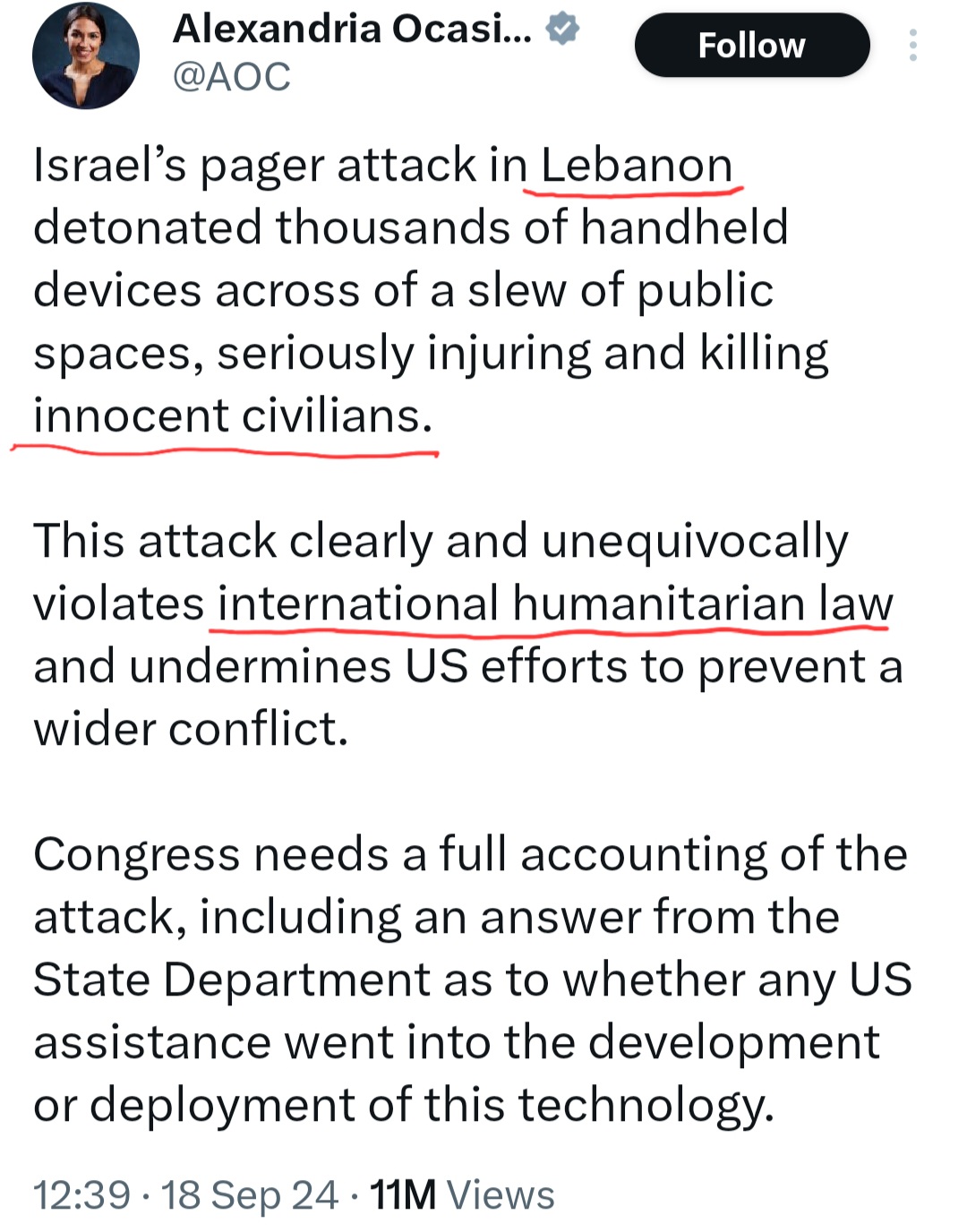
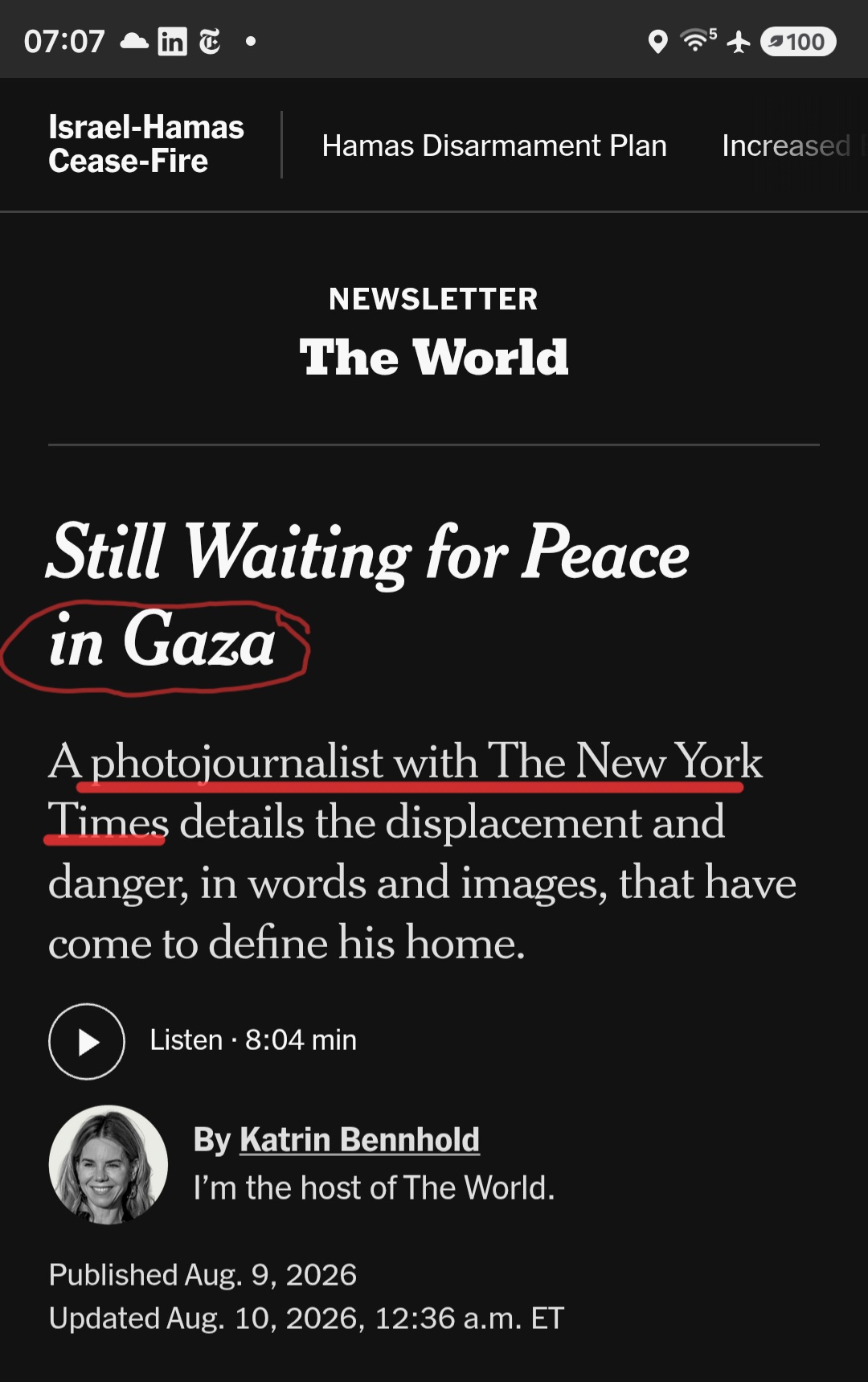
The New York Times published a photo essay under the headline “Still Waiting for Peace in Gaza.” Its Palestinian Arab photojournalist documents the world around him: shattered buildings, displaced families, rubble and danger. The photographs powerfully show what war looks like from inside Gaza.
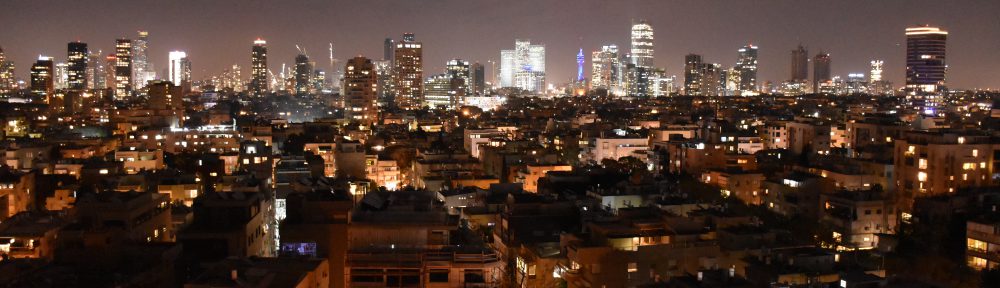
But what does peace look like?
For Israelis living a few miles away, peace means sleeping without rockets overhead. It means children not watching their parents gunned down before them. It means young adults attending a music festival without being hunted, families living on kibbutzim without gunmen entering their homes, and civilians never again being murdered or dragged across the border as hostages.
Those images are outside the Times’ frame. And their absence raises the central question: Are Gazans waiting for peace with Israel, or peace from Israel?
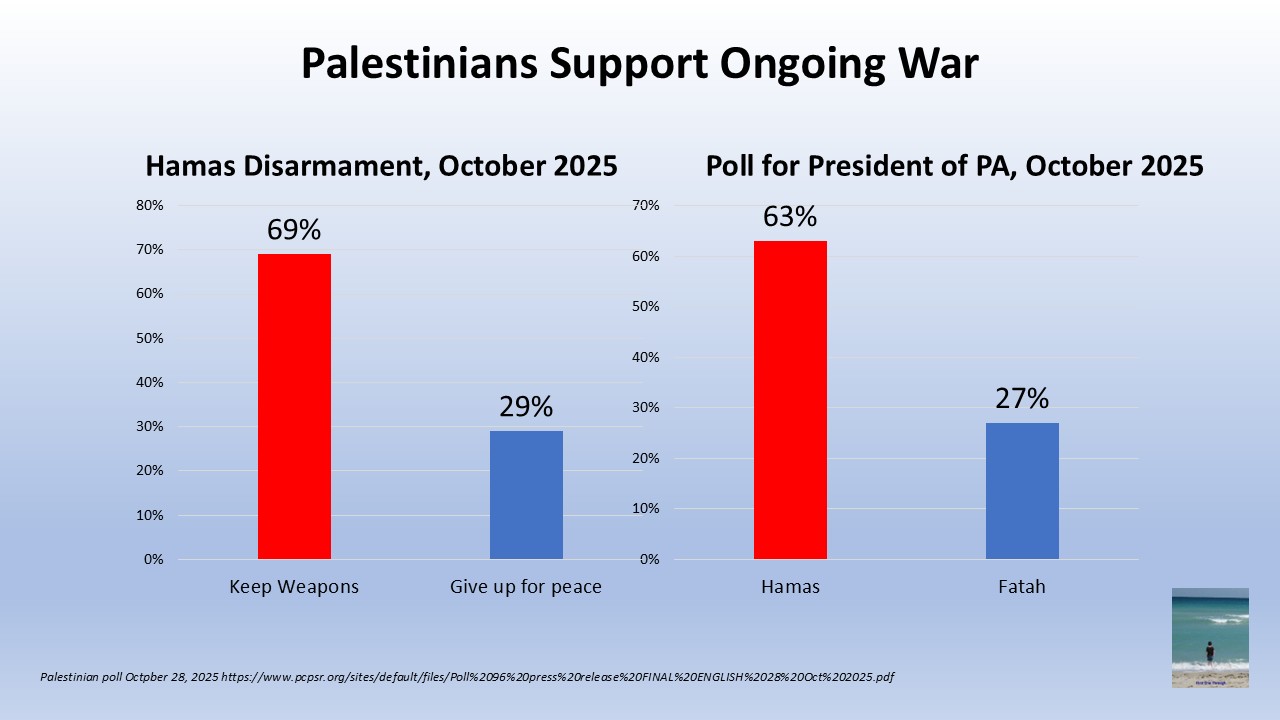
Palestinian Arab polling makes the distinction important. After October 7, the Palestinian Center for Policy and Survey Research repeatedly asked whether Hamas had been correct to launch its attack. In March 2024, 71 percent of Gazans said yes. Three months later, after enormous destruction inside Gaza, 57 percent still considered the decision correct. Support showed a desire to live with violence inside Gaza if it led to the destruction of Israel.
The pattern predates October 7. Palestinian polling over decades has repeatedly recorded substantial support for attacks against Israelis, including civilians. The question of peace therefore cannot be answered simply by photographing people who desperately want the war around them to end.
Peace is reciprocal. It requires imagining security for the people across the border as well as for oneself.
A revealing photo essay would turn its lens outward. Ask Gazans whether Jewish families should live safely in Sderot and Kfar Aza. Whether Israelis should be able to dance near Gaza without fear of armed Palestinian Arabs crossing the border. Whether rockets should stop permanently. Whether Hamas should disarm. Whether the future they envision includes Jews living securely beside them.
Those answers would tell us whether Gazans are waiting for an end to war or waiting for peace.
And this is where the New York Times itself enters the frame. This is the newspaper’s own photojournalist, presented under the Times’ own headline and editorial framing. By calling the desire for calm inside Gaza “waiting for peace,” the newspaper takes one side’s desire for relief from war and gives it the language of reconciliation between two parties. It portrays the Palestinian Arabs as desirous of coexistence when it is plainly not so.
That framing is particularly consequential when the war began with Hamas crossing into Israel on October 7 to murder and abduct civilians. When thousands of Arab civilians invaded Israel to rape women and abduct children and spit on their corpses as they arrived in Gaza. Removing Israel from a story about “peace” reduces peace to what happens to Gaza after the attack, rather than what Gazans want to happen to Israelis in the future.
The Times reinforces a distorted understanding of the conflict: Palestinian peace becomes the absence of Israeli violence against Palestinians, while the Palestinian attitude toward violence against Israelis disappears beyond the edge of the photograph.
A camera pointed only into Gaza can show us what Gazans want to stop seeing. Peace begins with asking what they want Israelis to stop seeing too.