The parade of international dignitaries has left New York City. The various leaders from the free and non-free world came to speak at the United Nations General Assembly as they do every September.
They left behind the smell of an organism rotting.
The global agency has long had a history of inept bureaucracy. That is, and likely will always be, a defining characteristic of thousands of politicians and diplomats from so many cultures and philosophies convening together. Arguably, its inability to do anything should be viewed as a protective relief, not failure.
The problem I see is well beyond the simmering war between the Global South and the Global North, where regions are competing for a greater share of economic and political power. That is politics on a grand scale.
The rot is stemming from an institution that is increasingly dividing the world between Muslims and “non-Muslims.”
Azerbaijan has Muslim and “non-Muslim” communities
The UN presses whether Kuwait is “abolishing all legal provisions that discriminate against non-Muslim women”
Iraq law states clearly that “No Muslim woman may marry a non-Muslim man.”
The UN notes how Malaysia has different laws for non-Muslims
The UN asked the Maldives whether it has repealed laws preventing non-Muslims from becoming citizens
The UN questions whether Qatar continues to have different laws for non-Muslims
UN report on Somalia: “Non-Muslims report that they cannot practise their religions openly.”
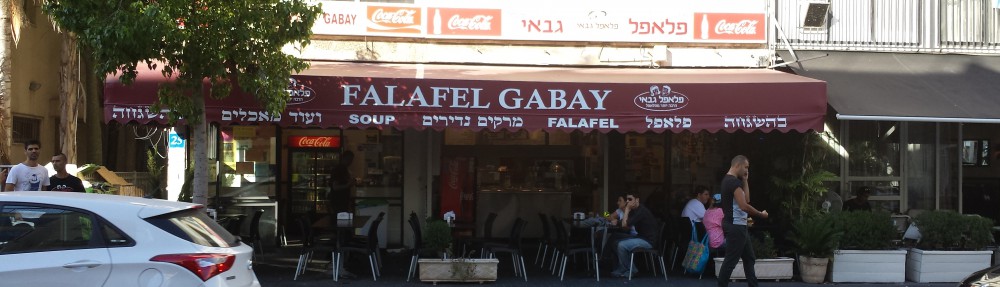
United Arab Emirates has a federal law “regulating places of worship for non-Muslims”
The list goes on.
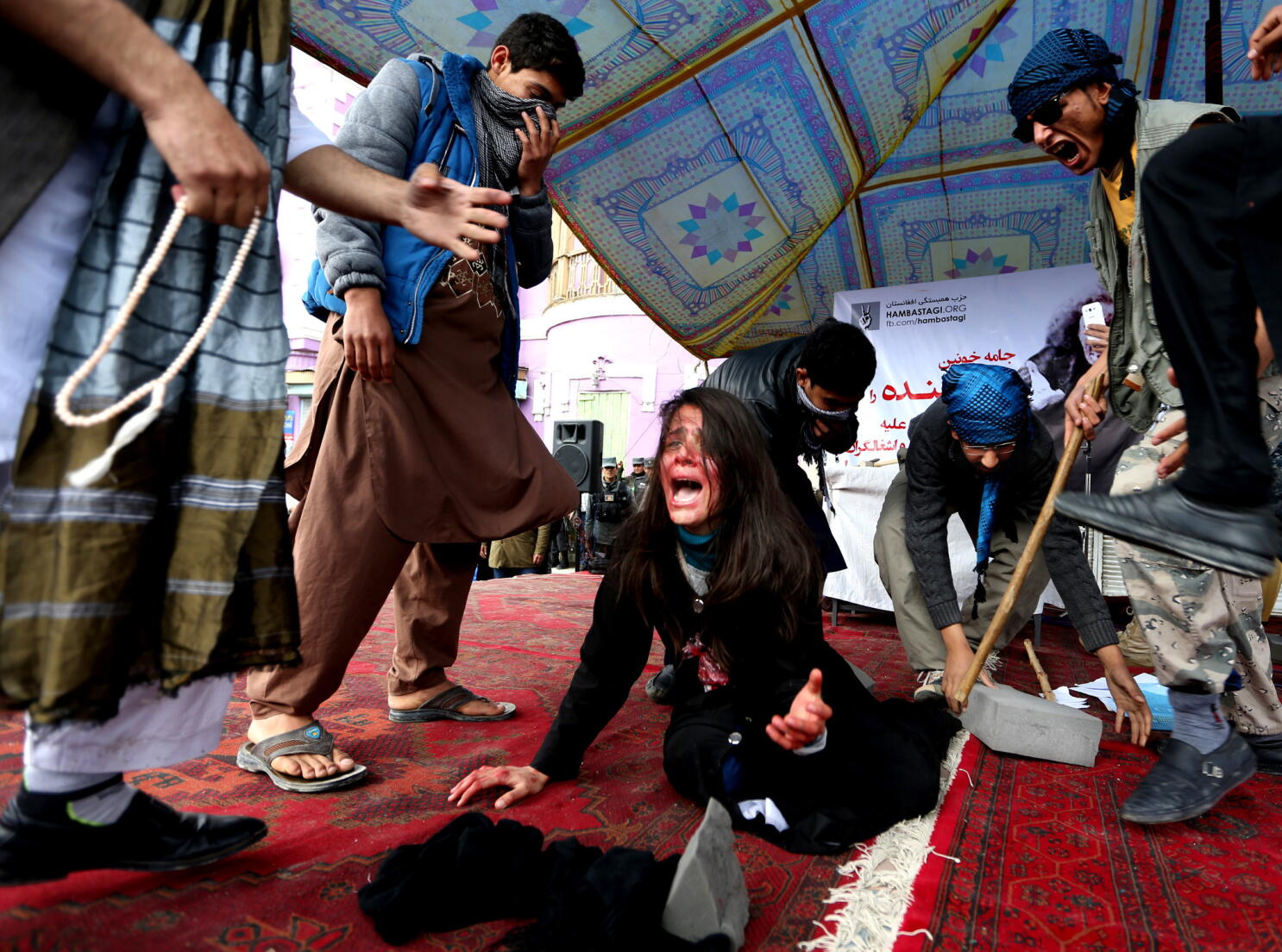
Farkhunda Malikzada (actually a Muslim woman) was beaten and lynched in Afghanistan in 2015, falsely accused of burning a Koran. In the aftermath of Malikzada’s lynching, a number of Muslim clerics and Afghan government officials stated that she had desecrated Islam in order to gain American citizenship.
Leaders of the United Nations agencies similarly use the divide:
No other religion has such frequent use at the United Nations. Try to find “non-Christian”, “non-Hindu” or any other division of people and law and you will find barely a handful.
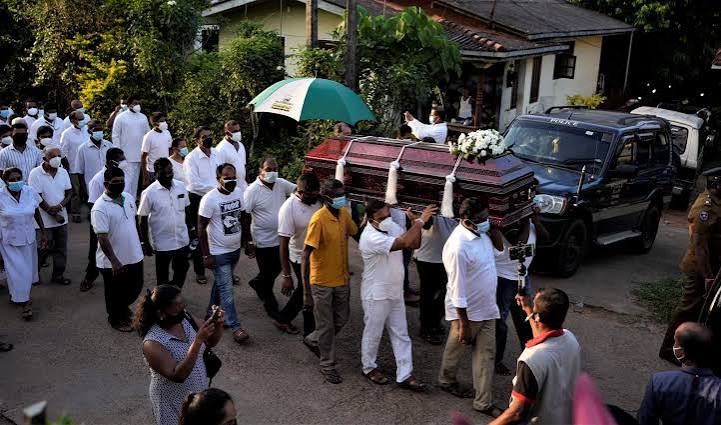
Priyantha Kumara, a Sri Lankan Buddhist living in Pakistan, was accused of blasphemy and a mob beat him to death and set his body on fire in 2021
RAMIFICATIONS
The prevalence of the term “non-Muslims” does several things at once. It places Muslims at the center of the religious world, elevates Islam as the dominant religious reference point, and erases everyone else into a single category of “other.” Christians, Baha’is, Hindus, Jews, Buddhists and countless other religious communities lose their distinct identities, histories and belief systems. They become defined solely by what they are not: Muslim.
This linguistic centering of Islam is a subtle form of Islamic supremacy. The steady repetition of “non-Muslim” is a form of colonizing the mind, conditioning people to see Islam as the standard against which all other faiths are measured. Language shapes assumptions, and repetition makes those assumptions seem natural. Eventually, a religious hierarchy becomes so embedded in everyday vocabulary that people cease to notice it.
The distance between the polite bureaucratic term “non-Muslim” and the radical Islamist characterization of others as “infidels” is smaller than it first appears. The words carry different meanings and implications, but both can frame humanity around a single religious dividing line: those who belong to Islam and those who do not. For radicals who seek Islamic domination, that division is foundational.
The United Nations was established to recognize the equal dignity of all peoples. Yet its own vocabulary repeatedly places one religion at the center and relegates the rest of humanity to the margins.
The United Nations is subtly surrendering the world’s religions to Islam. Right in front of us.
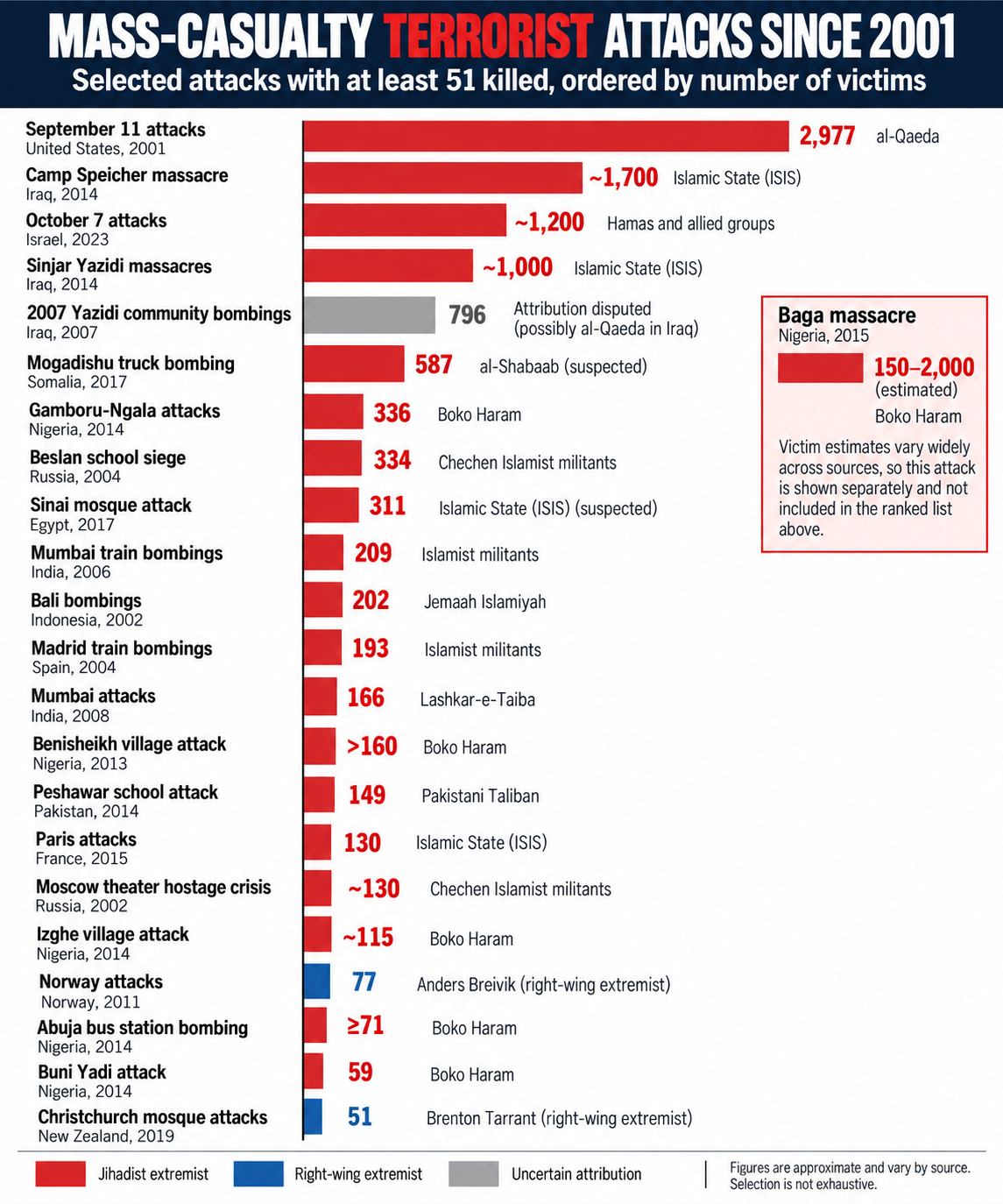
After 51 Muslims were murdered in Christchurch, the UN established an international day against Islamophobia. Jihadists have murdered thousands more, including Muslims, yet there is no equivalent day dedicated to combating jihadism.
On March 15, 2019, a white supremacist murdered 51 Muslims praying at two mosques in Christchurch, New Zealand. Three years later, the United Nations General Assembly designated March 15 the International Day to Combat Islamophobia. Pakistan introduced the resolution on behalf of the Organization of Islamic Cooperation, and the General Assembly adopted it by consensus.
Consider the terrorist atrocities of recent decades:
On September 11, 2001, al-Qaeda murdered 2,977 people in the United States.
Jemaah Islamiyah murdered 202 in Bali in 2002.
Islamist terrorists killed 193 commuters aboard Madrid trains in 2004.
Lashkar-e-Taiba murdered 166 people in Mumbai in 2008, including six Jews at the Chabad House.
In 2014, ISIS massacred approximately 1,700 Iraqi military cadets at Camp Speicher.
That same year, the Pakistani Taliban murdered 149 people, including 132 schoolchildren, at a school in Peshawar.
In 2015, al-Shabaab murdered 148 people at Kenya’s Garissa University, separating Christian students from Muslims before killing them.
Months later, ISIS murdered 130 people across Paris.
In 2019, Islamist suicide bombers murdered approximately 269 people at churches and hotels in Sri Lanka on Easter Sunday.
On October 7, 2023, Hamas-led terrorists murdered approximately 1,200 people in Israel, including families in their homes and young people attending a music festival.
These were different countries and different jihadist movements. The victims included Muslims, Christians, Jews and of other backgrounds. Every attack killed more people than Christchurch, sometimes by orders of magnitude.
The United Nations has established annual observances for victims of terrorism generally, on August 21, and victims of religious violence, on August 22. None of these massacres has its own comparable UN international day tied to its anniversary.
Yet Christchurch received something these other massacres did not: a permanent place on the UN calendar dedicated to combating the hatred behind the attack.
The contrast is especially striking because jihadists have slaughtered so many fellow Muslims. The victims at Camp Speicher and Peshawar were overwhelmingly Muslim. ISIS, al-Qaeda, the Taliban and their ideological counterparts have terrorized Muslim populations for decades, murdering those who resisted their demands for religious submission.
The UN created an International Day to Combat Islamophobia. It is long past time for an International Day to Combat Jihadism. Its victims include the very Muslims the UN claims to protect.
In July, 2026 the United Nations and the Organization of Islamic Cooperation convened a conference in Cairo devoted to Jerusalem. The UN described Jerusalem as sacred to the three monotheistic religions and the conference as an “important platform for interreligious dialogue.”
Then it offered a remarkable description of what that dialogue looked like: “Muslim and Christian leaders reflected on Jerusalem’s profound significance to the three monotheistic faiths.”
Three religions. Two of them discussing what Jerusalem means to all three.
This was not a conference where religion was incidental. Its first substantive session was a two-hour panel titled “Saving the Holy City, Safeguarding the historic status quo at the Holy Sites.” The speakers included representatives of the Hashemite Fund for the Restoration of Al-Aqsa Mosque and the Dome of the Rock, Al-Azhar, the Latin Patriarchate, the Jerusalem Awqaf and Al-Aqsa, and the Coptic Orthodox Church.
There was no Jewish religious representative.
That absence was consistent with the conference’s design. The UN announcement said the gathering would highlight the “concerns of Christian and Muslim leaders regarding restrictions on worship and threats to Holy Sites.”
Not Jewish leaders.
That left an empty chair at precisely the discussion where a Jewish voice might have asked some uncomfortable questions.
Start with the name of the place being discussed.
The conference repeatedly spoke of Al-Aqsa Mosque and Al-Haram al-Sharif. But this same 144-dunam platform is the Temple Mount, location of the First and Second Temples and the holiest site in Judaism. Yet throughout the conference, the Islamic name and Islamic religious administration were the starting point for discussing the site. Where was the Temple Mount? A conference devoted to Jerusalem’s “multireligious character” could have acknowledged both names.
Then there is the considerably larger question of worship.
The Cairo conference repeatedly invoked freedom of worship and access to sacred places. Yet the historic status quo it sought to protect has restricted Jewish prayer on the Temple Mount. Muslims worship there. Jews have historically been allowed to visit only during restricted periods but denied the same right to pray.
At Cairo, former Jerusalem Awqaf official Atallah Naser warned about “settler incursions and rituals” and what he considered an emerging “temporal and spatial division” of Al-Aqsa. Another speaker complained about increased “religious rituals” by Jews at the site.
At a conference about religious freedom, that should have produced an obvious question: Why is peaceful Jewish prayer at Judaism’s holiest site itself treated as a threat?
Nobody on the panel was there to ask it.
Nor was anyone there to ask why the practical restrictions on Jewish worship received so little attention:
Why should Jewish visits be confined to particular hours?
Why are Jews only allowed to enter the Temple Mount via single portal while Muslims can use any?
Why should Jewish religious practice require close police management?
Why does a conference concerned with restrictions imposed upon Muslim and Christian worshippers not apply the same scrutiny to restrictions affecting Jews?
Then there is the question of who administers the site.
Cairo speakers repeatedly defended the Islamic Waqf and Jordan’s Hashemite custodianship. The Waqf retains the central religious administrative role at a site that is the holiest place in Judaism. Why?
Why should Judaism’s holiest site have an Islamic religious authority but no corresponding Jewish religious authority? Why should Jewish representatives have no formal role in decisions involving Jewish worship there? Why not shared administration? Why not a multifaith governing or consultative structure? Why not Muslim administration of the mosques alongside recognized Jewish religious rights elsewhere on the enormous platform?
Those possibilities were apparently not part of Cairo’s “interreligious dialogue.”
Instead, the conference treated preservation of the “historic status quo” and protection of “freedom of worship” as though they necessarily meant the same thing.
They do not.
If the status quo restricts the religious practice of one faith at its holiest location, preserving that restriction is not the same question as protecting religious freedom.
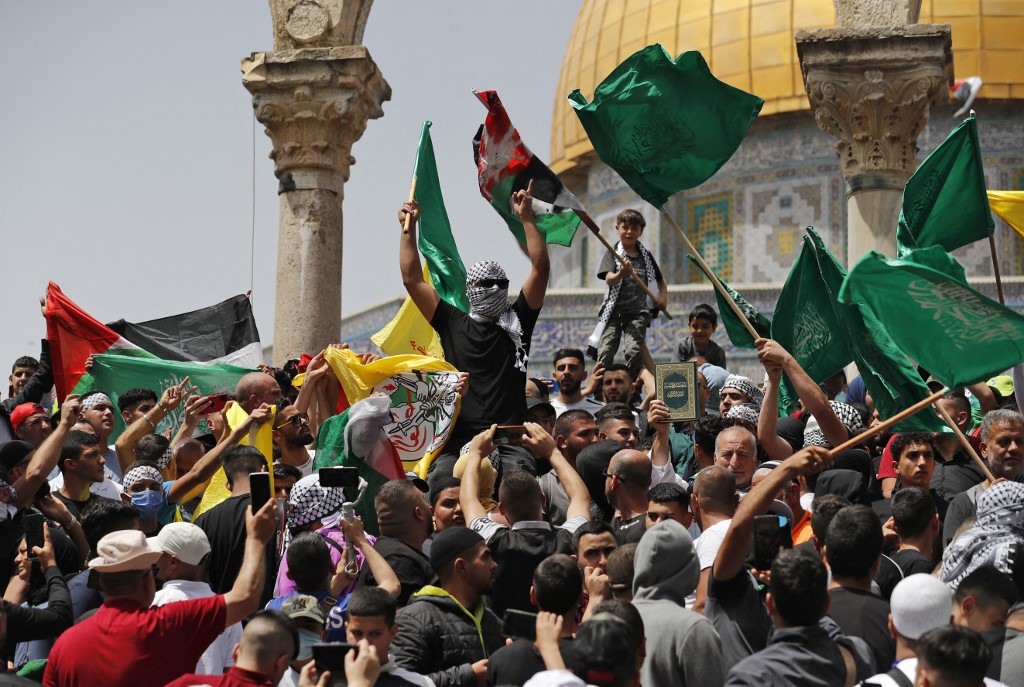
Palestinian protesters wave Palestinian and Islamic flags as they rally at the Dome of the Rock following the last Friday prayers of the Muslim month of Ramadan, on April 29, 2022. (Photo by Ahmad GHARABLI / AFP)
UN Committee Chairman Coly Seck supplied the principle that should have started this discussion. “For Muslims, Christians and Jews,” he said, “Jerusalem carries prayers, history and hope.” He declared that freedom of worship is a right and that “No worshipper should be stopped because of who they are. No community should feel that its faith is being pushed out of its own city. Jerusalem’s religious character must not be used as a tool of control. It must remain a bridge connecting people from the three major faiths. A meeting point. A shared responsibility.”
Those words raise obvious questions about Jewish worship on the Temple Mount.
Cairo simply lacked someone at the table to ask them.
The United Nations called Jerusalem sacred to three religions and convened an interreligious dialogue in Cairo about protecting their holy places. But only Muslim and Christian representatives came. They pretended to discuss the religious interests of three faiths, while using it as an opportunity to blame all religious tension on the Jews not in the room.
At 10:15, she invoked Gaza and said “if borders can be changed by force, if sovereignty can be set aside when inconvenient, or upheld only when politics allows, then no Member State can sleep peacefully anymore.” She repeated Gaza alongside Ukraine as she closed her remarks at 17:00.
Israel is a UN member state. Gaza is not. Palestine is not. Yet the UN increasingly discusses this war as though those roles were reversed.
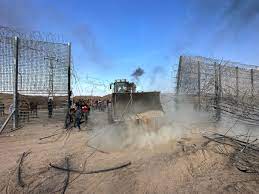
On October 7, 2023, Hamas, the government of Gaza alongside thousands of Gazans invaded Israel. Thousands of terrorists attacked communities and military installations, killed roughly 1,200 people and abducted 251 into Gaza.
Members of Hamas tear down fence and invade Israel on October 7, 2023
If Baerbock wanted an example of a member state’s border being violated by force, she had one.
Instead, the UN performs a remarkable double inversion. It starts the clock after October 7, making the war appear to begin with Israel’s campaign in Gaza. Then it treats Gaza as the territory whose sovereignty and borders are paramount, while the actual member state that was invaded becomes the accused.
Territorial integrity cannot be a foundational principle when Russia enters Ukraine and an inconvenient technicality when Gazans invade Israel. A rule whose application depends upon who is doing the invading is not a principle. It is politics dressed up as international law.
The organization created to protect member states has demonstrated that when Israel, a member state, is invaded and its civilians raped, slaughtered and kidnapped, by some evil orchestration and institutional design, the terrorist enclave from which the attack emerged can be turned into the aggrieved party.
The UN has not merely failed its own basic test. It has exposed the fine print in its supposedly universal principles: borders are inviolable, sovereignty is sacred, and member states must be protected – unless the member state is Israel.
Hamas terrorist in Israeli kibbutz on October 7, 2023
Twenty-five years after September 11, the United Nations remembered the 2,977 people murdered in what it called the “heinous terrorist attacks” of September 11, 2001, “an assault on humanity itself.” It declared that “the fight against terrorism is a shared, unfinished task.”
But something rather important was missing.
Who were the terrorists? What did they believe? Why did they do it?
There was no al-Qaeda. No Osama bin Laden. No Islamist extremism. No jihadism. Nothing about an ideology whose most famous declaration called for jihad against “Jews and Crusaders.”
Perhaps the United Nations simply avoids attaching ideologies to terrorism. It does not.
After a white supremacist murdered 49 Muslims at two Christchurch mosques in 2019, the UN spoke explicitly about “anti-Muslim hatred,” “anti-Islamic sentiments” and Islamophobia. Secretary-General António Guterres described the Pittsburgh Tree of Life massacre as the “worst antisemitic attack in the history of the United States.” Discussing the Halle synagogue attack and related violence, the UN warned about “antisemitic hatred,” “Neo-Nazis and white supremacists” and their “poisonous ideology.”
That is exactly what an institution confronting extremism should do. Terrorism is an act; ideology can explain its motivation.
Then consider Sri Lanka.
On Easter Sunday 2019, radical Islamist suicide bombers attacked churches and hotels, killing roughly 270 people. Sri Lanka subsequently told the UN that the terrorists had been “inspired and indoctrinated” by extremist organizations including ISIL/Daesh and had “specifically targeted churches.”
Yet on the seventh anniversary in 2026, the UN remembered the victims of the “Easter Sunday attacks.” Not terrorist attacks. Not ISIS-inspired terrorism. Not jihadism or Islamist extremism. Not anti-Christian hatred. The killers’ ideology had vanished.
That makes the 9/11 omission considerably harder to dismiss as an unfortunate choice of words. When Muslims are murdered by an anti-Muslim extremist, the ideology matters. When Jews are murdered by antisemites or neo-Nazis, the ideology matters. But when jihadists murder Americans or ISIS-inspired suicide bombers slaughter Christians at Easter, the UN retreats into the bloodless vocabulary of “terrorism” and “attacks.”
The problem is not that the UN says Islamophobia, antisemitism, white supremacy or neo-Nazism. The problem is its apparent inability to apply the same principle to jihadism.
That is no longer merely a question of consistency.
A 2024 study by the French think tank Fondapol catalogued 66,872 Islamist terrorist attacks since 1979, killing nearly 250,000 people. Roughly 243,000 of those deaths occurred after 2001. Almost 89 percent of the dead were killed in Muslim-majority countries. The Taliban, Islamic State, Boko Haram, al-Shabaab and al-Qaeda accounted for more than four-fifths of the victims.
“Islamist attacks around the world are more numerous today than ever before.” – Fondapol study
Jihadist ideology is therefore hardly an extinct doctrine being dredged up to explain a 25-year-old atrocity. Al-Qaeda survives. ISIS and its affiliates survive. Jihadist organizations continue to recruit and kill around the world, with Muslims overwhelmingly among their victims.
Calling that ideology jihadist or Islamist extremism no more condemns Muslims generally than calling an ideology neo-Nazi condemns Germans. In fact, refusing to make that distinction does Muslims no favor. It obscures an extremist ideology that has slaughtered enormous numbers of Muslims themselves.
Nor are the extremists coy about what they believe. They publish it, preach it, recruit with it and murder in its name. It is the international institutions confronting them that increasingly seem afraid to repeat what the killers themselves say.
So the UN should answer a straightforward question: Why can it say “white supremacist” and “neo-Nazi,” but not “jihadist”?
Has fear of accusations of Islamophobia—or pressure from states and organizations determined to shield Islamist ideology from scrutiny—become so powerful that jihadist supremacy alone receives a linguistic sanctuary at the United Nations?
Whatever the explanation, the consequence is dangerous. An ideology does not become less lethal because international institutions refuse to name it. It simply becomes harder to confront.
When terrorists can proclaim their ideology more plainly than the United Nations can describe it, sensitivity has crossed the line into surrender.
Israel is discussed with hyperbole and adjectives: massive settlements, enormous American aid, rampant settler violence, Jewish encroachment, disproportionate war.
Between 700,000 and 750,000 Palestinian Arabs became refugees when they fled the battlefield as they awaited fellow Muslim Arab armies to destroy the nascent Jewish State during the 1948-9 war. In the same era, roughly 850,000 Jews left or were expelled from Arab countries with many more leaving non-Arab Muslim countries like Iran and Afghanistan.
Even though the Jewish refugee population was larger, we never speak of it today.
Today, UNRWA registers 5.9 million Palestinian Arab refugees, predominantly consisting of descendants of the original refugees, and those who married or were adopted by refugees. The comparable number of registered Jewish refugees from Arab and Muslim countries and their descendants is zero.
The Jews were absorbed as citizens of Israel and other countries. Their children, grandchildren and great-grandchildren were not perpetuated as refugees, they way Palestinian Arabs have been forced by those same “brotherly” Arab countries which went to war with Israel in 1948-9, in order to perpetuate the war they initiated and lost.
650 Times — Arab League Territory to Israel
Israel covers roughly 22,000 square kilometers and the 22 members of the Arab League collectively cover roughly 13–14 million square kilometers.
The territory of the Arab League is approximately 650 times the size of Israel.
127 Times — Muslims to Jews
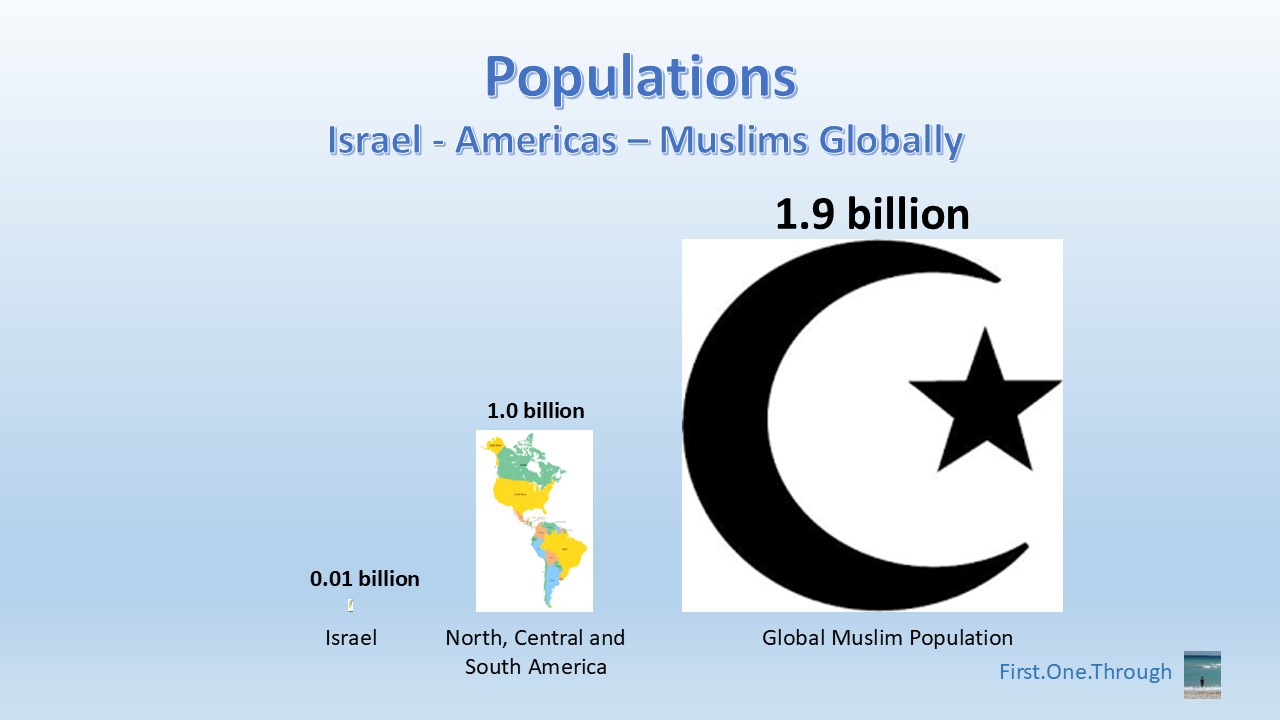
There are roughly 2 billion Muslims in the world, twice the size of the entire populations of North, Central and South America.
There are roughly 15.8 million Jews.
That is approximately 127 Muslims for every Jew.
Muslims account for roughly one-quarter of humanity. Jews account for about 0.2%.
Yet people in the West refer to Muslims as a “minority.”
60 to 1 — Muslims to Jews Ascending the Temple Mount
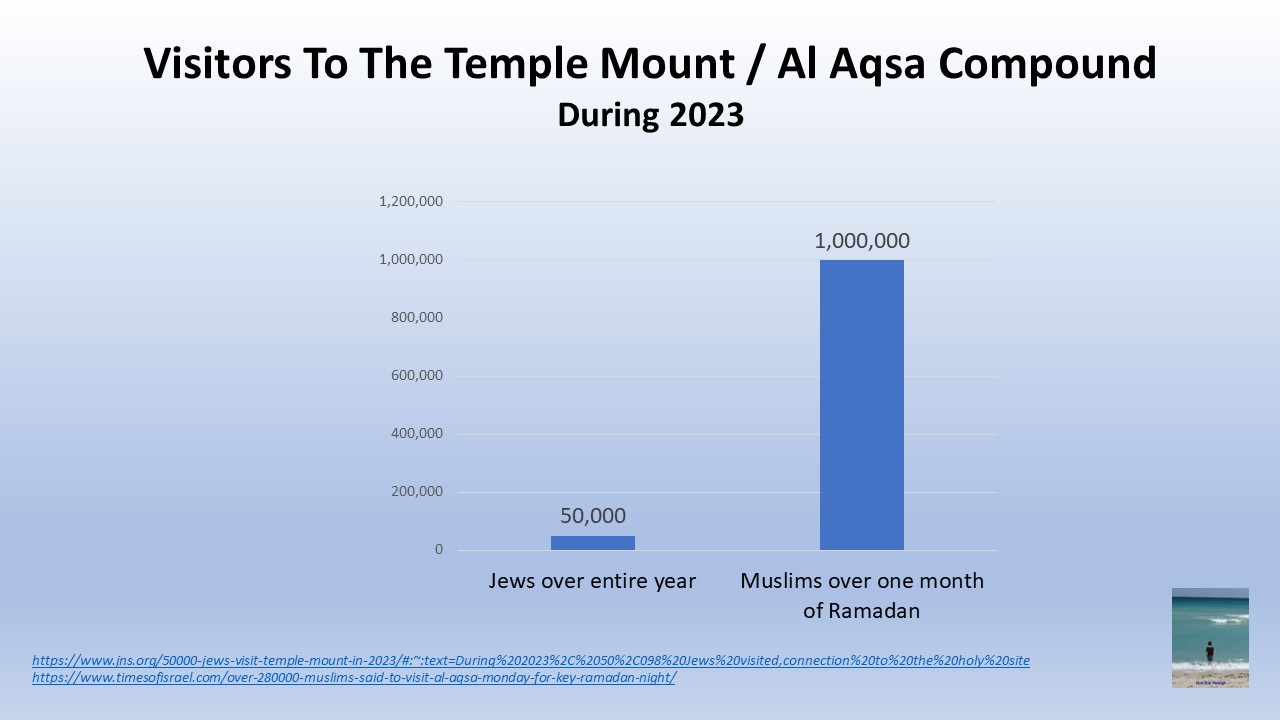
Before COVID, roughly 1.8 million to 2 million Muslims visited the Temple Mount annually, compared with approximately 30,000 Jewish visits in 2019. That is roughly 60 Muslim visits for every Jewish visit.
The more recent figures of 2025 after the October 7 massacre launched by Gazans has roughly halved the visits by Muslims and doubled those by Jews, lowering the figure to about 15 times at Judaism’s holiest site.
57 to 1 — OIC States to the Jewish State
There are 57 countries in the Organisation of Islamic Cooperation that perpetually lambasts Israel. There is one Jewish state.
The Jewish state exists alongside a Muslim world dozens of times larger in countries, population and territory.
25 to 1 — American Defense Spending Outside Israel
Israel receives about $3.8 billion annually under the U.S.-Israel security assistance agreement. For every dollar America spends annually on Israel’s defense, roughly $25 is spent on defense elsewhere—defending the United States, maintaining forces abroad, supporting allies and providing security assistance around the world.
Even more striking, there are over 220,000 military personnel stationed around the world, of which slightly over 100 are in Israel. The baseline ratio is over 1,500-to-1, rising to 2,200-to-1 when reserve personnel are included.
The anti-Israel discussion focuses solely on Israel while ignoring the enormous American monies and personnel in Japan, Qatar, Germany and elsewhere.
14 Times — The Growth of Israel’s Arab Population
Approximately 156,000 Arabs lived in Israel in 1948 when the modern Jewish State was reestablished. Today, approximately 2.16 million Arabs live in Israel.
Israel’s Arab population has grown almost 14-fold since the establishment of the Jewish state. Meanwhile, the number of Jews inside Israel hasn’t even grown 12-times in that same time.
And people accuse Israel of “ethnic-cleansing.”
12 Times — Israeli Arabs Killed by Israeli Arabs Versus West Bank Arabs Killed by West Bank Jews
Thus far in 2026, Arab Israelis are murdered by other Arab Israelis at roughly 12 times the number of Palestinian Arabs killed by West Bank Jewish civilians in Judea and Samaria.
Hundreds of Arab Israelis have been murdered amid the organized-crime epidemic inside Israel over the last few years. Yet the international narrative solely focuses on settler violence.
10 to 1 — Muslim Gates to the Jewish Entrance
Muslims have access to the Jewish Temple Mount in the Old City of Jerusalem through ten gates. Jews and other non-Muslims enter through one: the Mughrabi Gate. There, Jews must pass through metal detectors and security clearance at only specified times of the day, even as Muslims ascend and descend at will through every other portal.
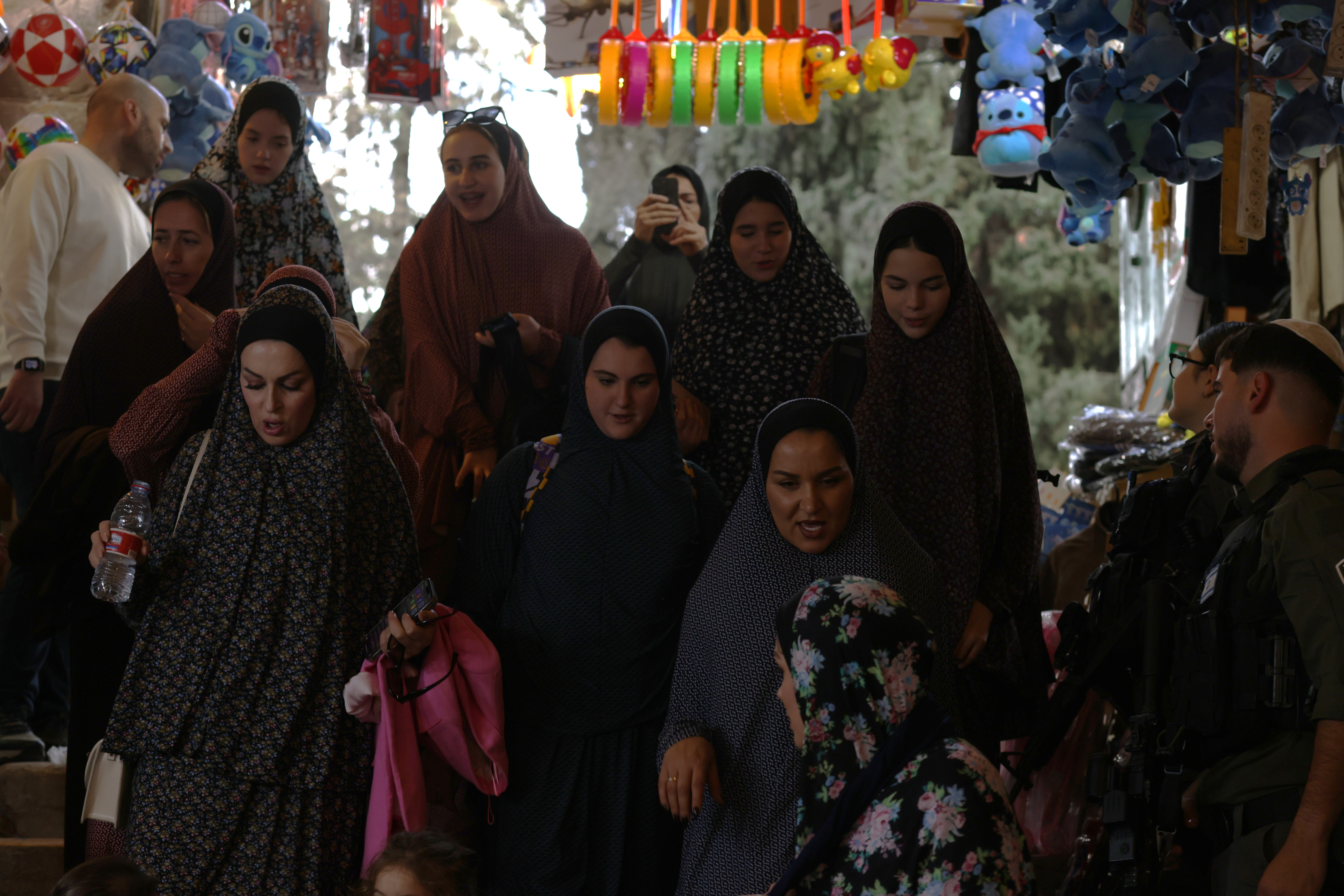
Muslim women descending from the Temple Mount through one of the many gates exclusively available for Muslims (photo: First One Through)
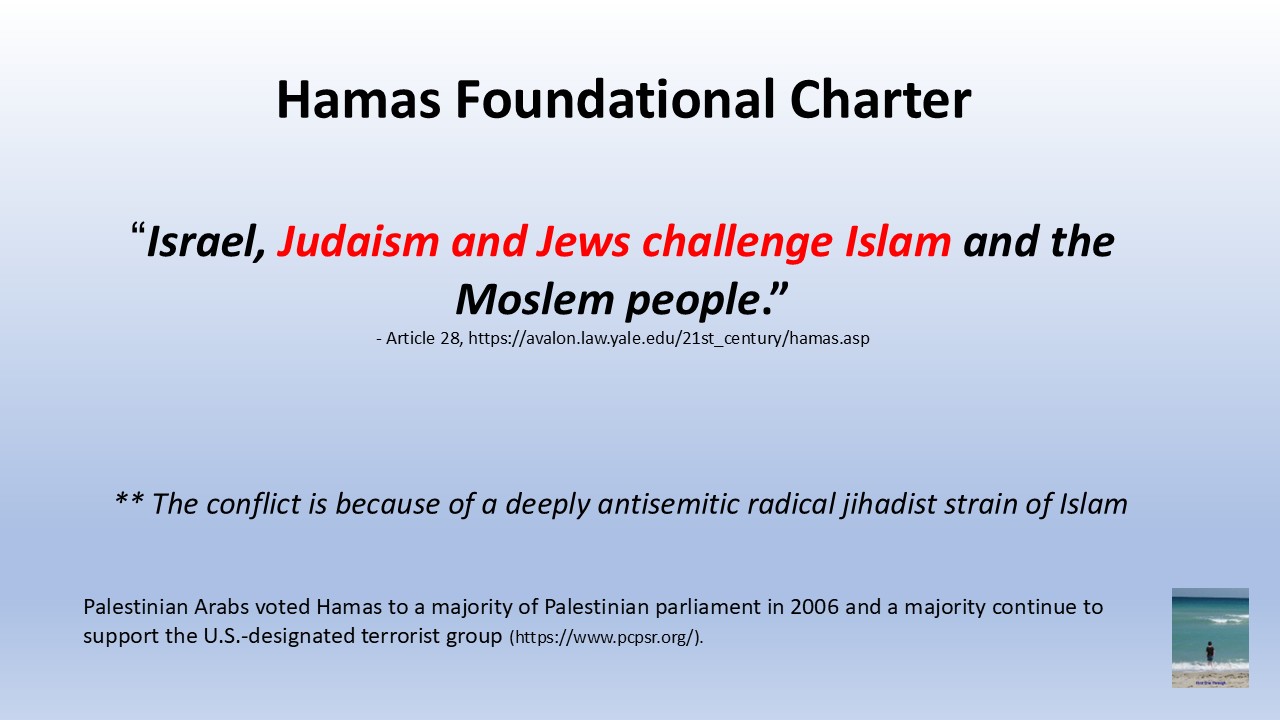
9 — Number of Times Hamas Charter Refers to Jews and Judaism
Hamas’s 1988 foundational charter is replete with antisemitic rhetoric. The opening lines begin with “Our struggle against the Jews…” and continues throughout its genocidal jihadist call to wipe out the Jewish people and Jewish State.
While the anti-Israel crowd pretends that the conflict is merely over land which can easily be compromised and carved up, they ignore the deep antisemitic ideology embedded in the Palestinian Arab culture.
8 Times — U.S.’s Ukraine War Spending Versus Gaza War Spending
The United States has spent roughly eight times more in connection with the Ukraine war with Russia than the Gaza war against Israel.
America has made roughly $195 billion available for Ukraine since Russia’s 2022 invasion. American expenditures associated with Israel and the Gaza war are a fraction of that amount.
Yet it is spending associated with Israel that is routinely presented as uniquely extraordinary.
6 to 0 — UN Bodies for Palestinians Versus Israelis
The United Nations maintains six standing bodies, offices or mechanisms focused specifically on Palestinian Arabs and Israel’s treatment of said Arabs: UNRWA; the Committee on the Exercise of the Inalienable Rights of the Palestinian People; the Division for Palestinian Rights; the Special Committee to Investigate Israeli Practices; the Special Rapporteur on the Palestinian territories; and the Human Rights Council’s permanent Agenda Item 7.
There is no comparable UN agency, committee or permanent agenda item devoted to protecting Israelis from the conflict, nor is there any group in the entire world (think the Kurds) so over-represented at the global organization.
5 — Gaza Wars Since Hamas Took Control
Israel withdrew every Jewish civilian and military asset from Gaza in 2005. Hamas subsequently took control of Gaza in 2007. Since then, it has launched five major rounds of war with Israel: in2008–09, 2012, 2014, 2021, 2023-.
Five wars in sixteen years.
2.5 to 1 — Israel Versus the Rest of the World at the UN
In 2024, the UN General Assembly adopted 18 resolutions focused on Israel. It adopted seven country-specific resolutions concerning the rest of the world combined.
That is roughly 2.5 to 1. One country received more than twice as many resolutions as every other country combined.
1 to 1 — An Equivalency of 15 Kilometers Which Matters for One But Not the Other
At its narrowest along the pre-1967 lines, Israel is roughly 15 kilometers wide. It is a stretch that continues along its major population centers.
After Ma’ale Adumim to Jerusalem’s east, the remaining West Bank corridor is also roughly 15 kilometers wide at a single narrow point where virtually no West Bank Arabs live.
15 kilometers versus 15 kilometers. Over a million Jews in the narrow stretch versus a few thousand Arabs.
Israel’s narrow waist is never described as dangerously vulnerable, while the West Bank neck is cast as making a two-state solution “impossible.”
1 — The Jewish State Whose Capital the World Challenges
There is only one country in the world whose national anthem is all about its capital.
Israel’s national anthem, Hatikvah, expresses the Jewish people’s ancient longing for Zion and Jerusalem.
The Knesset is there. The president is there. The prime minister is there. The Supreme Court is there. The government ministries are there.
Yet most countries still refuse to locate their embassies in Jerusalem or fully accept Israel’s designation of Jerusalem as its capital.
The numbers are there. Before accepting the narrative which is infused with anti-Israel bias, look at them.
The United Nations speaks constantly of justice, equality and freedom of worship in Jerusalem. Yet when confronted with the denial of the most basic religious freedom at Judaism’s holiest site, it demands that the discrimination continue.
This is not the position of one committee or one conference. It is the official position of the United Nations.
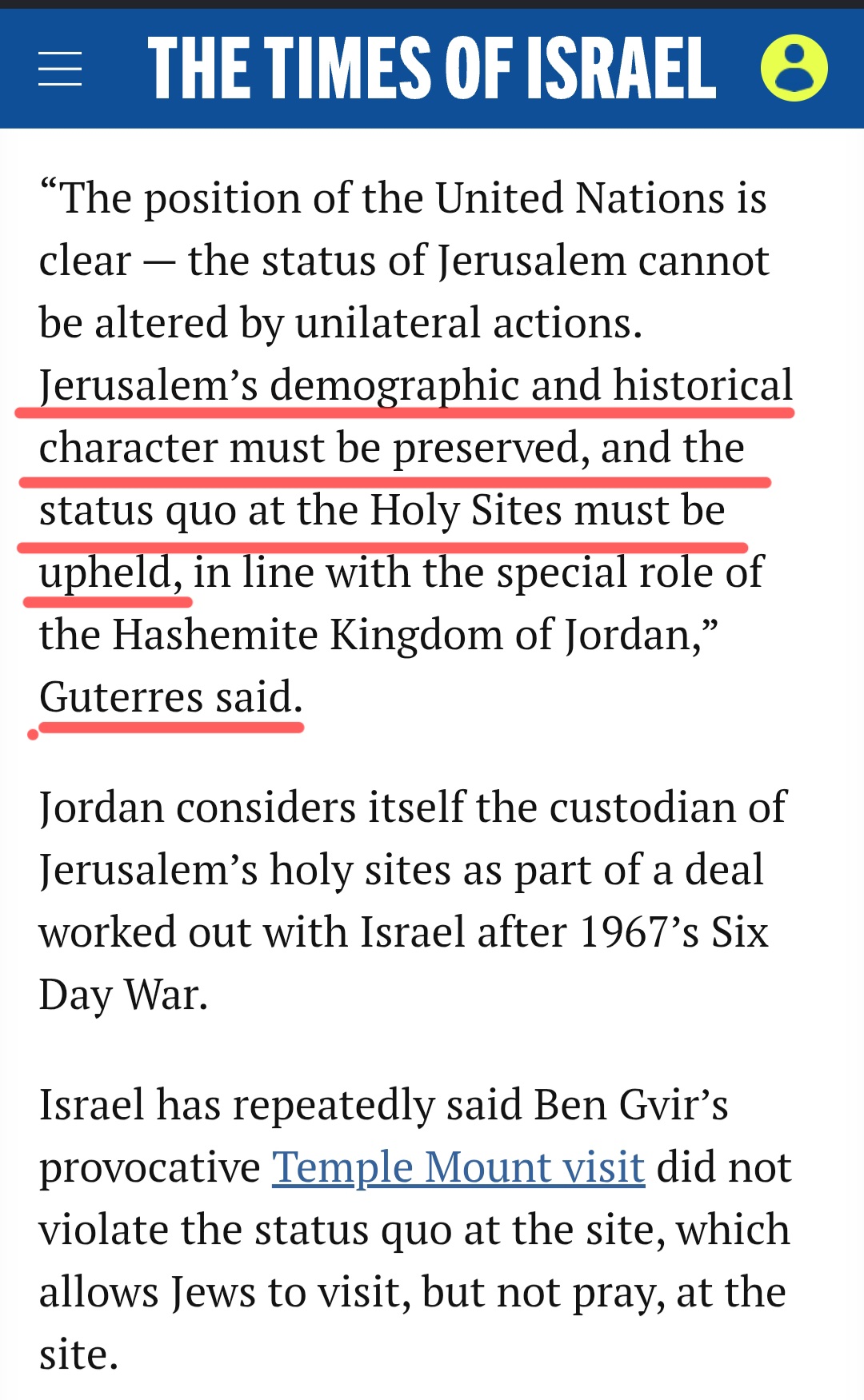
Following a recent visit by Israel’s National Security Minister to the Temple Mount, Secretary-General António Guterres declared that “the status quo at the Holy Sites must be upheld.” His spokesman, Stéphane Dujarric, went further on July 23, insisting that “there is a status quo regarding the holy sites of Judaism, Christianity and, of course, Islam in Jerusalem” and that “the faithful of all religions are able to interact with those sites… in a free manner.”
Those statements cannot both be true.
On the Temple Mount—the holiest site in Judaism—the “status quo” bars Jews from praying openly. Jews may visit during limited hours, but they are prohibited from conducting public prayer under the religious administration of the Islamic Waqf.
The United Nations therefore advocates preserving a system that denies Jews the freedom to pray at their holiest site while simultaneously claiming that people of all faiths are able to worship freely.
That is not religious equality. It is institutionalized religious discrimination.
Imagine the United Nations calling for the preservation of a system that prohibited Christians from praying at the Church of the Holy Sepulchre or Muslims from praying at the Al-Aqsa Mosque. Such a position would rightly be condemned around the world. Yet when the restriction applies to Jews, it is described as preserving the “status quo.”
The phrase has become a euphemism for unequal rights. For sanctioned antisemitism.
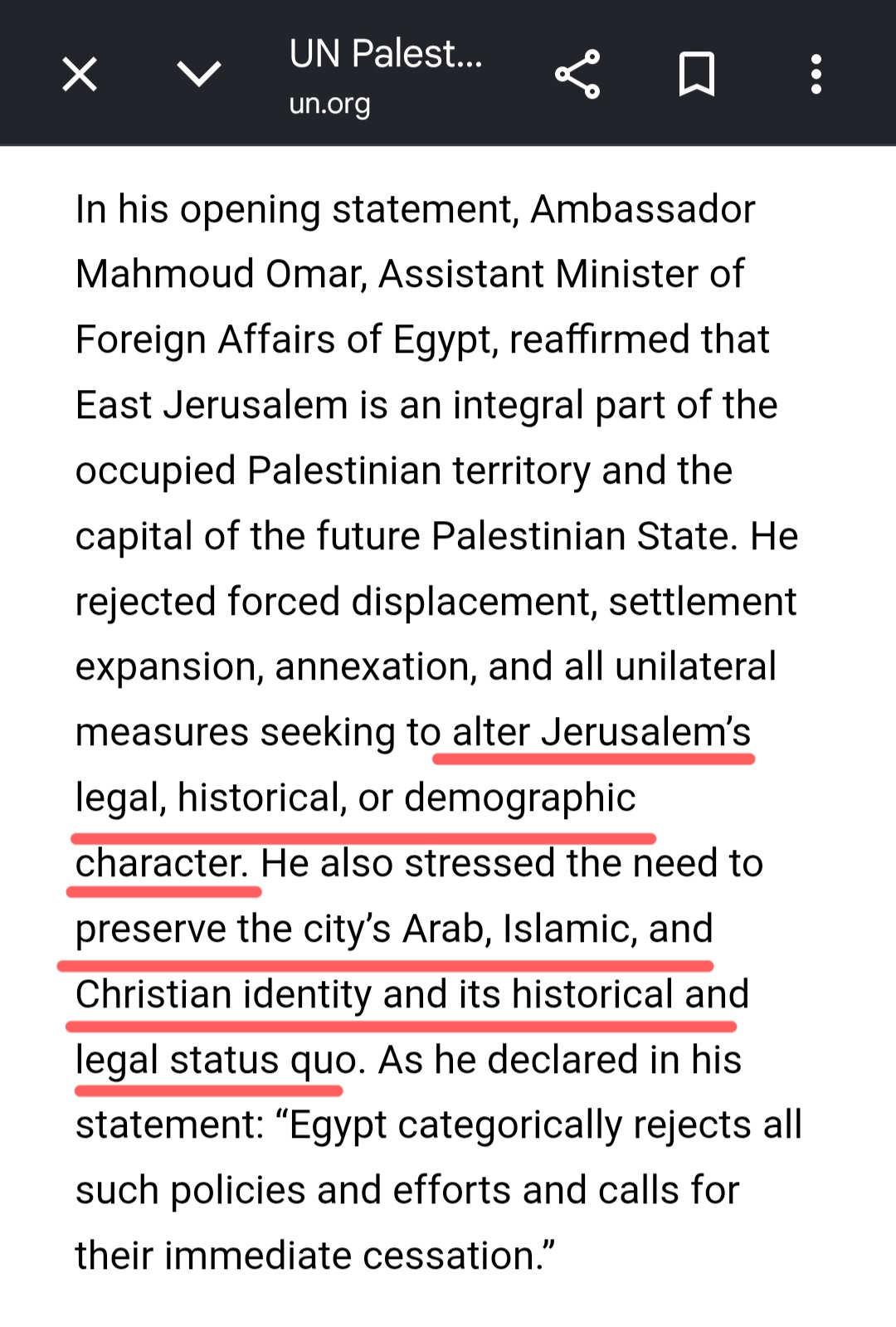
The UN states that the “Palestinian people” have “inalienable rights” in Jerusalem, while insisting that Jews have none
Peace is not built by requiring one religion alone to surrender the right to pray at its holiest place.
The United Nations should stop demanding preservation of the Temple Mount status quo and instead demand its reform.
The UN Human Rights Council should establish a permanent agenda item asking a single question: Why are Jews still barred from praying openly at Judaism’s holiest site?
Every report by the Secretary-General on Jerusalem should state whether that prohibition remains in force.
Every General Assembly debate on Jerusalem should require Jordan and the Islamic Waqf to explain why the ban continues and what concrete steps are being taken to end it.
Every UNESCO discussion of the Temple Mount should address not only Jewish history at the site, but whether Jewish freedom of worship is being respected there today.
Every UN conference on Jerusalem should repeat the same demand until the answer changes:
End the prohibition on peaceful Jewish prayer on the Temple Mount.
The United Nations cannot credibly champion freedom of worship while defending a religious order that denies Jews that very freedom at Judaism’s holiest site.
If you want to understand an institution, don’t begin with its speeches. Begin with its organization chart.
Permanent agencies, permanent committees, permanent staff, permanent budgets, and permanent mandates reveal what an institution considers exceptional.
The United Nations generally operates through universal institutions. Refugees fall under the UN High Commissioner for Refugees (UNHCR). Racism is addressed through broad human rights mechanisms. Humanitarian crises are handled through agencies with global mandates.
Except in one case.
The Palestinian cause has an institutional architecture unlike any other.
Palestinian refugees have their own dedicated refugee agency, UNRWA. Every other refugee population in the world falls under UNHCR.
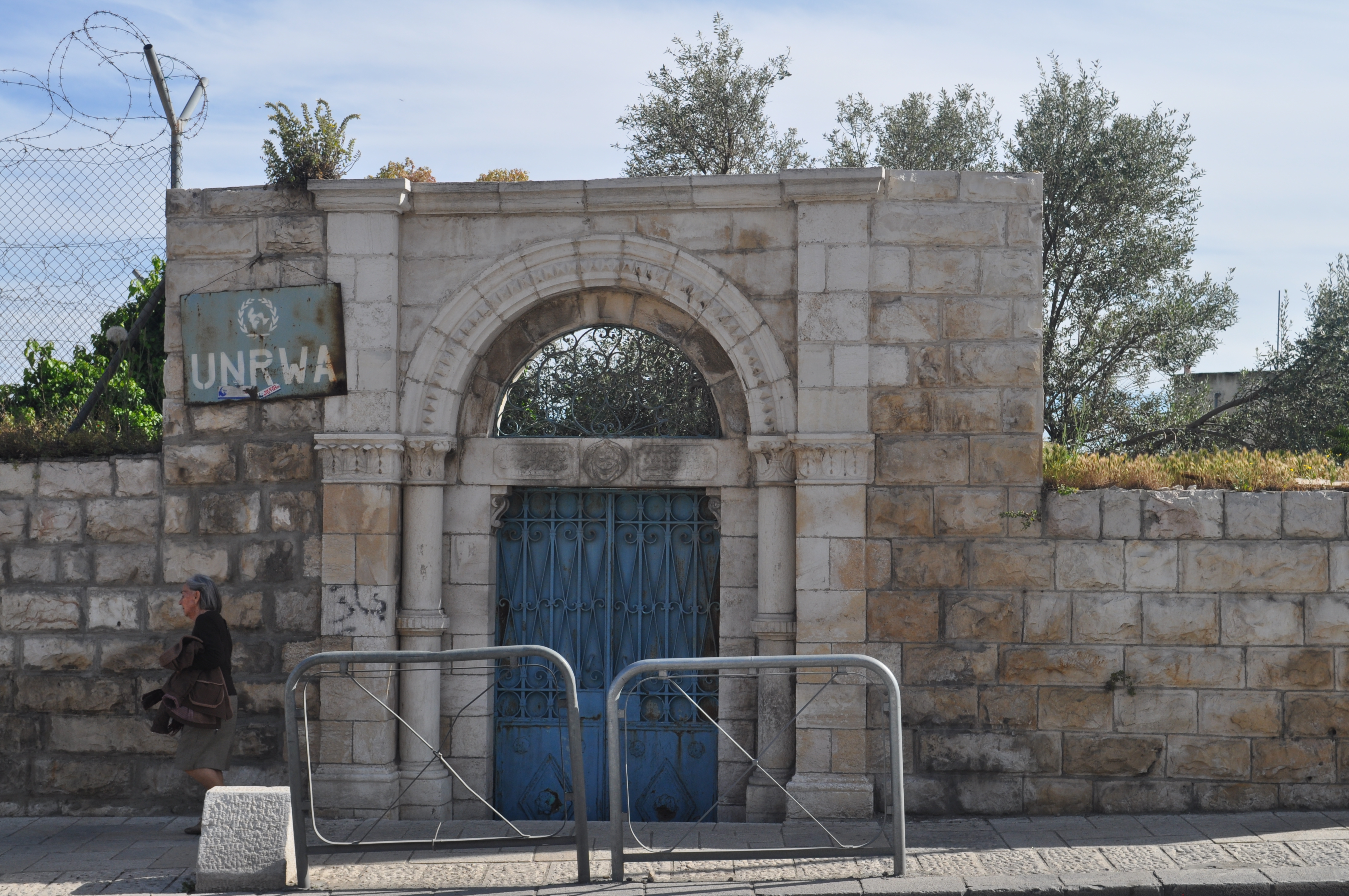
UNRWA offices in Jerusalem (photo: First One Through)
The General Assembly maintains the Committee on the Exercise of the Inalienable Rights of the Palestinian People, supported by the Division for Palestinian Rights within the UN Secretariat. Their mission is not to monitor or audit the Palestinian national movement, but to advance Palestinian rights, organize conferences, maintain documentation, and sustain international engagement.
The Human Rights Council appoints a permanent Special Rapporteur on the situation of human rights in the Palestinian territories occupied since 1967, dedicated exclusively to that issue. The Office for the Coordination of Humanitarian Affairs maintains a permanent office for the occupied Palestinian territory. The Human Rights Council also has Agenda Item 7, the only standing country-specific agenda item focused on a single member state.
That is the institutional asymmetry.
Institutions produce what they were built to produce. Permanent offices generate permanent reports. Permanent committees convene permanent meetings. Permanent mandates create permanent attention. The result shapes which stories are told, which voices are amplified, and which narratives become part of the world’s diplomatic conversation.
Since October 7, Palestinian voices have benefited from this enduring institutional infrastructure, while Israeli victims have had fewer dedicated mechanisms through which their experiences are consistently presented.
This institutional framework for the vilification of Israel was built over decades, setting the stage for antisemitism to permeate societies thousands of miles from the Middle East and those with no Jews even living there.
It is time for a fundamental change.
The United Nations is home to MANY peoples who aspire to statehood.
Kurds. Somalilanders. Sahrawis in Western Sahara. Tibetans. Kosovars. Taiwanese. Independence movements persist in Catalonia, Scotland, Greenland, the Faroe Islands, and elsewhere.
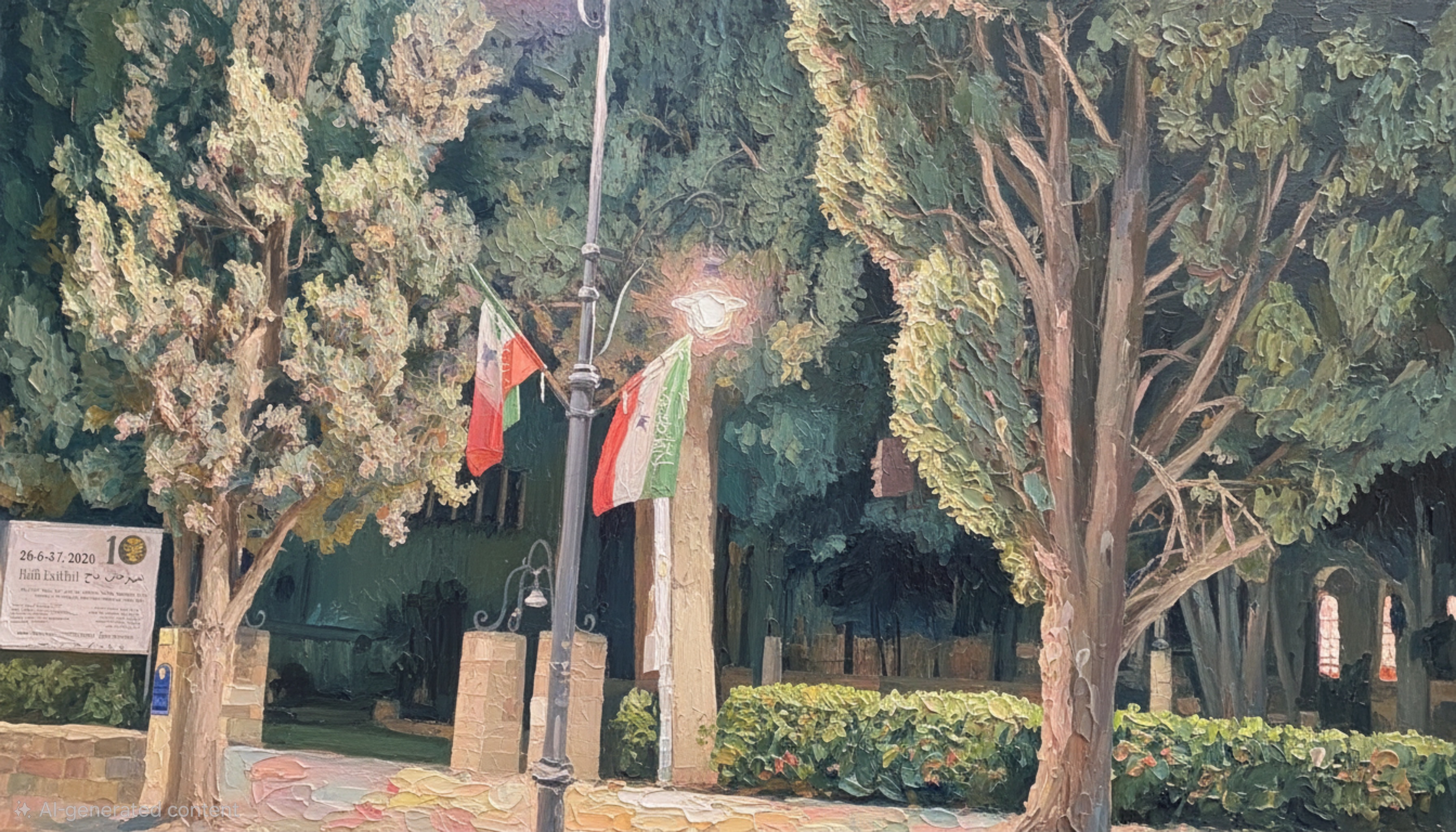
Flags of Somaliland hang in streets of Jerusalem, June 2026 (created by First One Through)
If the United Nations truly believes in the universal principle of self-determination, it should apply that principle universally.
Abolish the maze of Palestinian-specific institutions and replace them with a single body: The United Nations Agency for Nations in Waiting (UNNW).
Its mission would be straightforward: evaluate every national movement using the same transparent standards: effective governance, respect for human rights, peaceful conduct, democratic legitimacy, protection of minorities, and economic viability.
The Stateless Arabs from Palestine would remain part of the process – but alongside Kurds, Somalilanders, Tibetans, Sahrawis, Taiwanese, Kosovars, and every other people seeking recognition.
One standard. One agency. No exceptions.
Such a reform would move the UN away from political favoritism and toward institutional fairness. It would reward good governance instead of diplomatic influence and demonstrate that universal principles truly are universal.
If the United Nations wishes to champion nations in waiting, it should do so for all of them – not just one, and stem the tide of antisemitism at the same time.
This week, the UN will commemorate the genocide at Srebrenica under the theme “From Words to Violence.“ The lesson is that language is never merely language. The words societies choose shape how they understand people, history, and ultimately what actions become acceptable.
That lesson should not stop with Srebrenica.
Over the past month, another campaign of words has accelerated – not directly aimed at the destruction of lives, but at the erasure of history.
A month ago, I wrote about the battle over Solomon’s Pools. At the time, the concern was that one of Judaism’s great archaeological treasures was being detached from the people who built it.
Today, the campaign has moved far beyond stewardship.
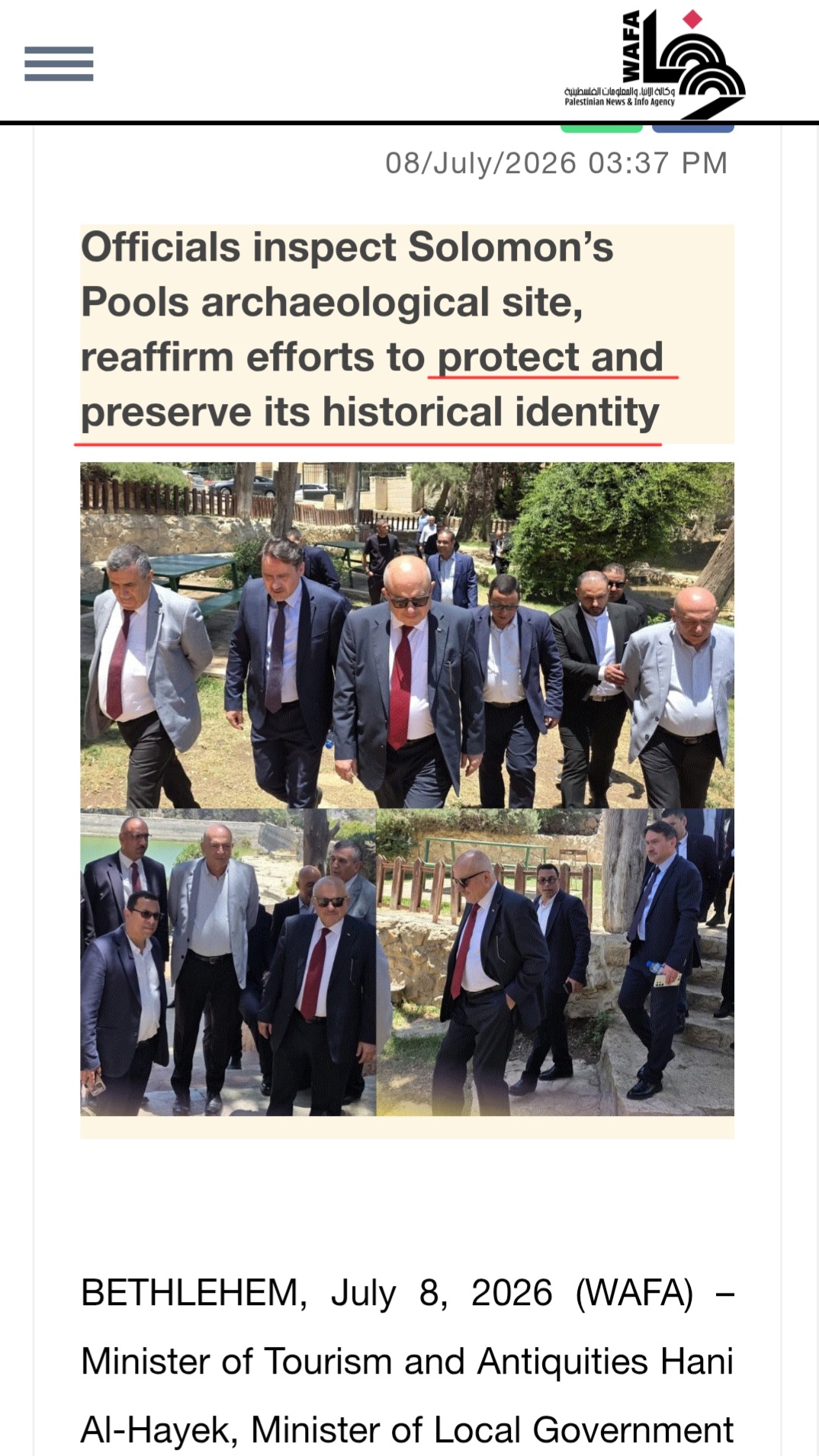
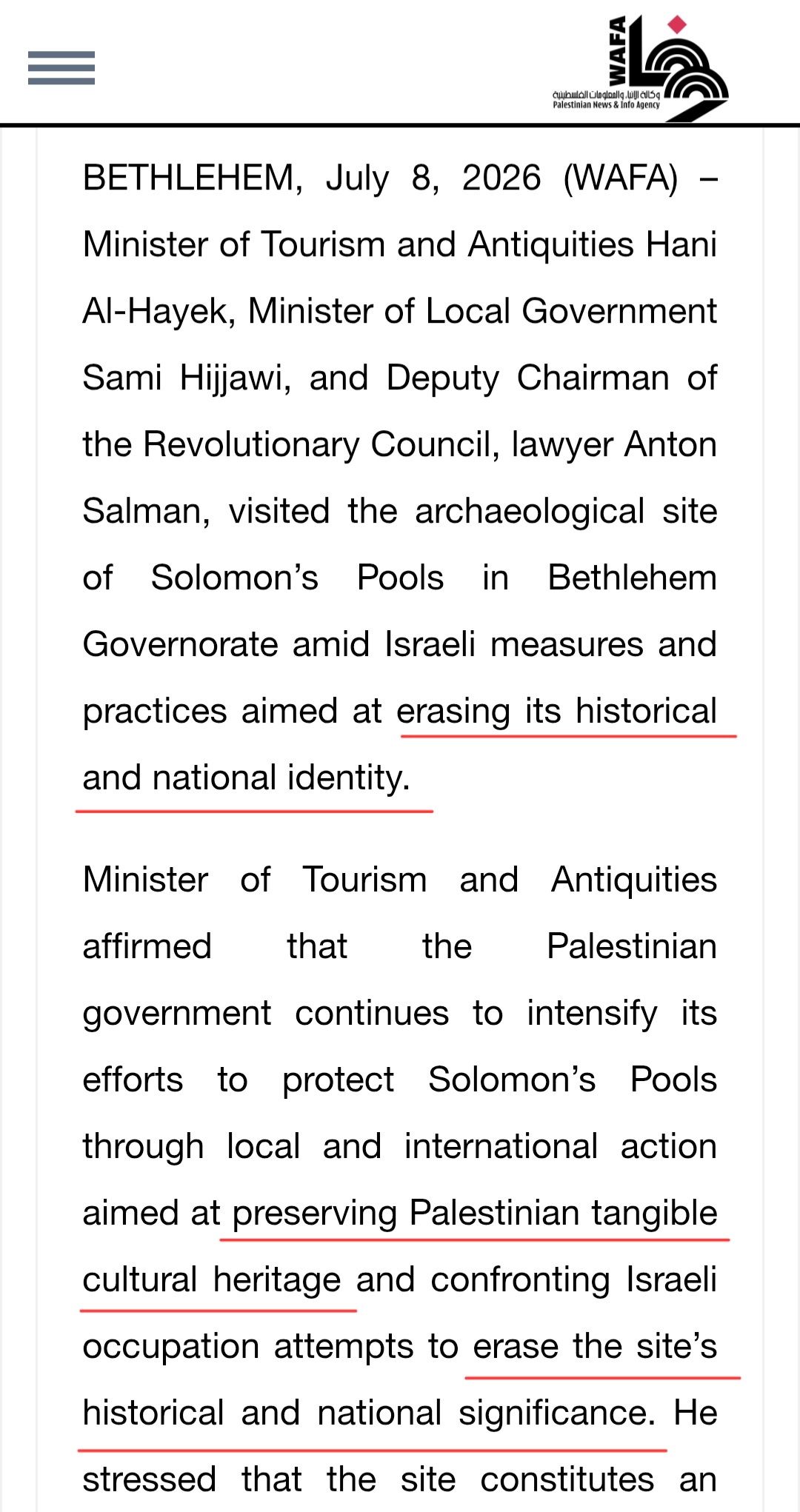
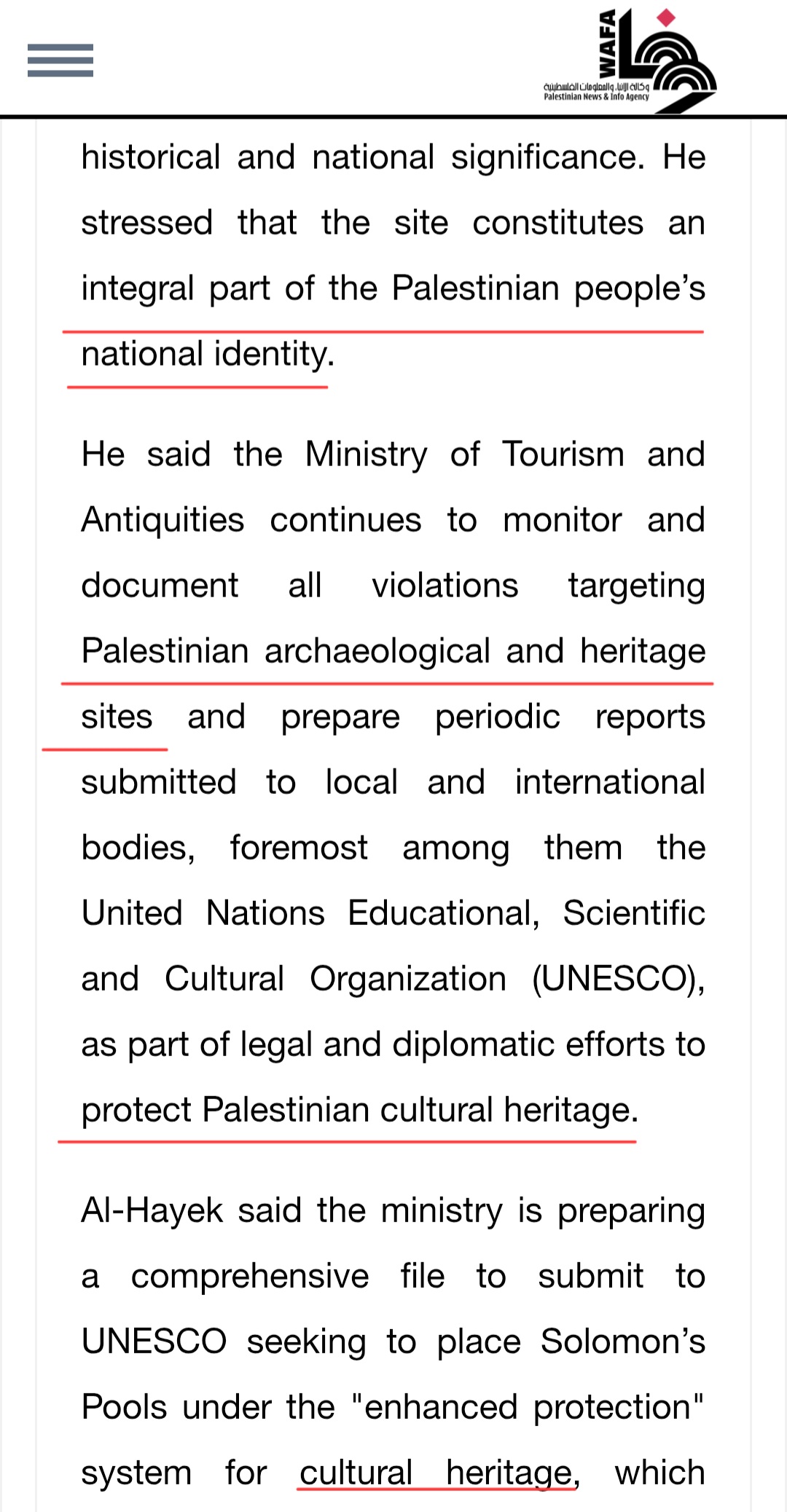
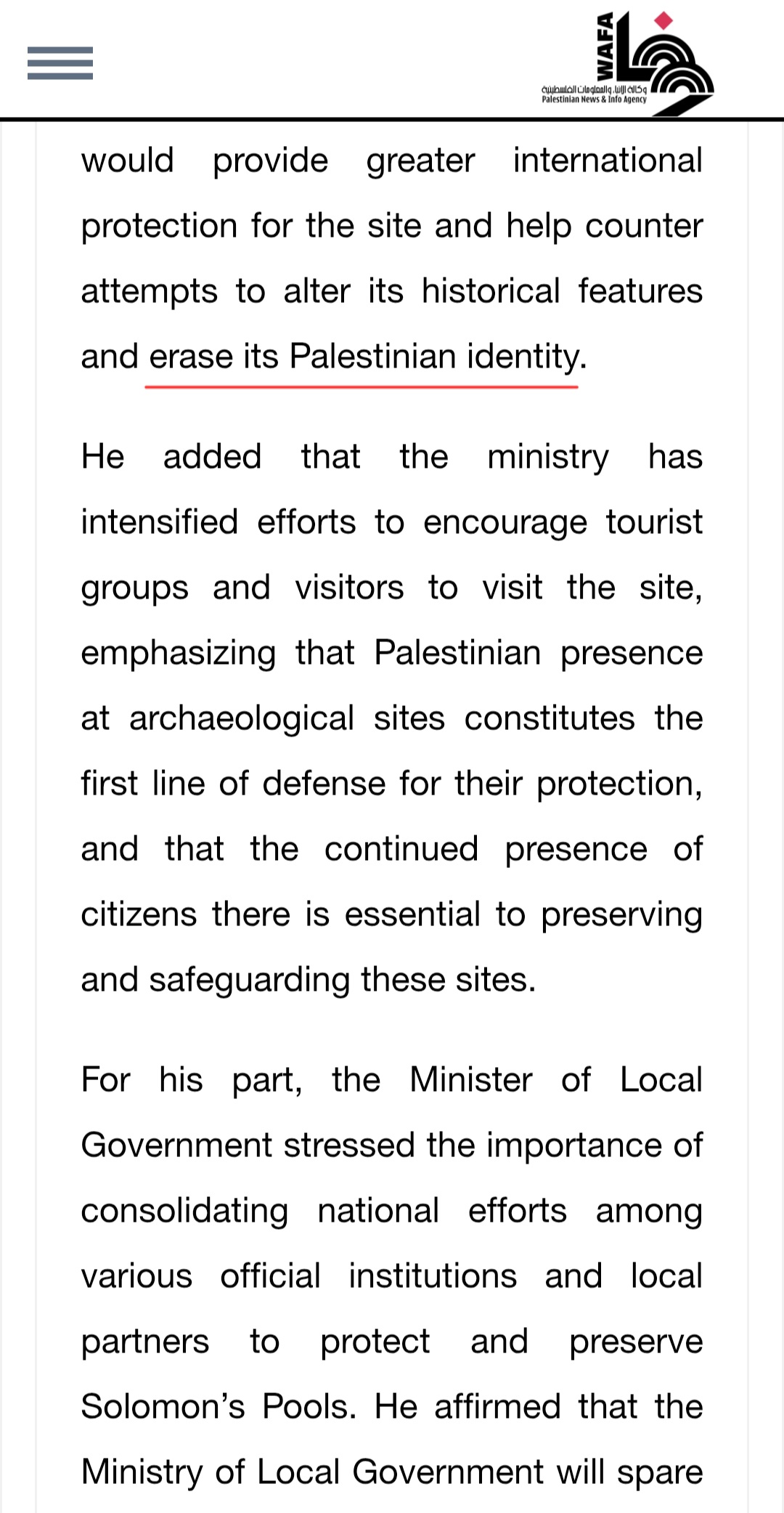
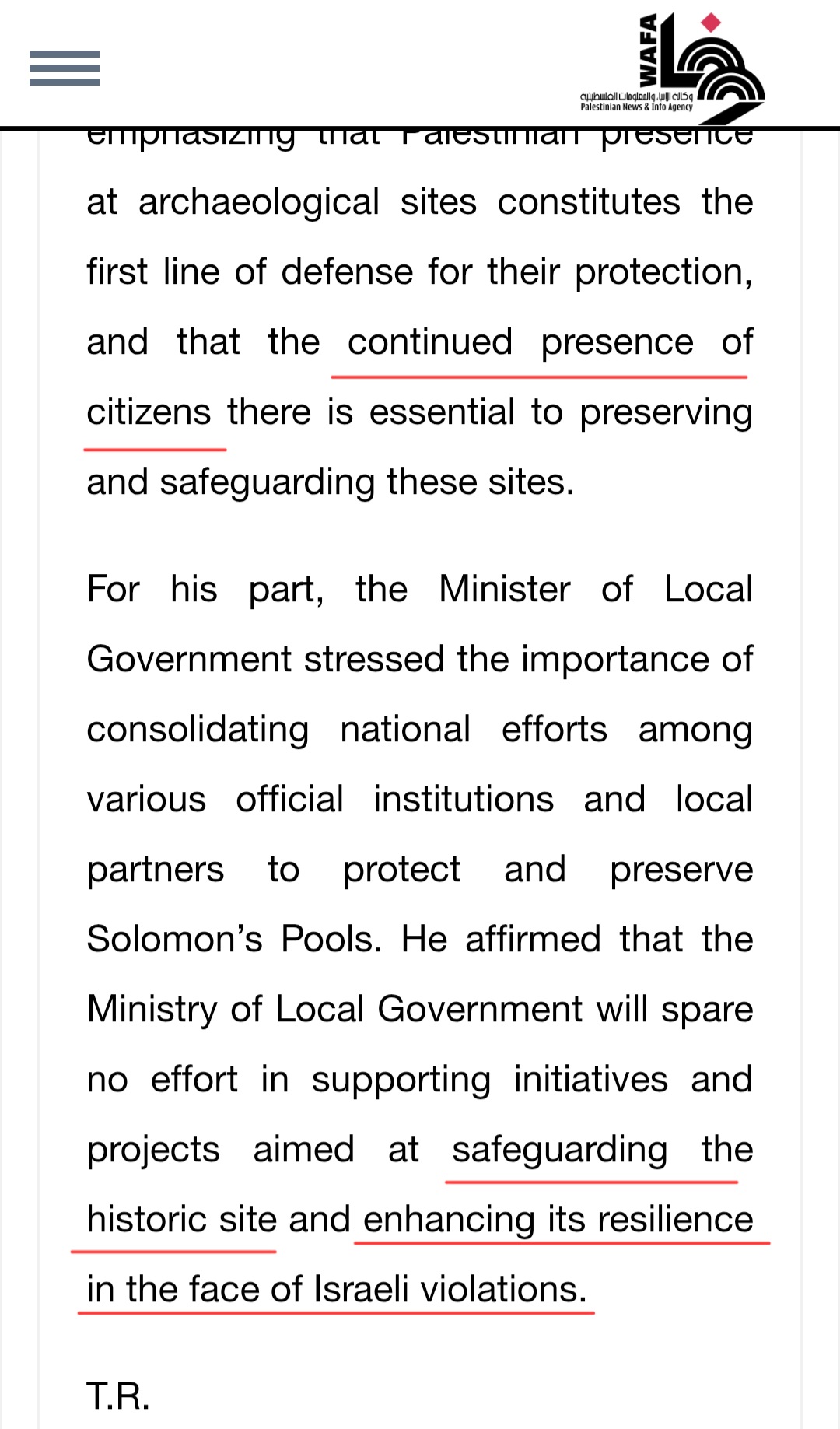
The Palestinian Authority’s official news agency, WAFA, now repeatedly describes Solomon’s Pools as “Palestinian archaeological and heritage sites,” “Palestinian cultural heritage,” and “an integral part of the Palestinian people’s national identity.” It accuses Israel of attempting to erase the site’s Palestinian identity while announcing plans to seek UNESCO protection for that very narrative.
This is historical revisionism.
For more than two thousand years, Solomon’s Pools have been recognized as part of the ancient water system that supplied Jerusalem and the Second Temple. Yet the new narrative increasingly erases that Jewish history while attempting to replace it with a Palestinian Arab one.
That is how historical erasure begins, with words.
It continues with cultural appropriation – taking another civilization’s achievements and presenting them as one’s own. A site built to sustain Jewish Jerusalem is no longer described as part of Jewish civilization, but as an expression of “Palestinian national identity.”
Solomon’s Pools is not an isolated example.
Over the years, Palestinian rhetoric has increasingly described biblical figures and ancient Jewish sites through a Palestinian national lens.
The Jewish Temples are falsely described as being located in Yemen.
Ancient Jewish heritage sites have increasingly been recast as Palestinian heritage, such as the Jewish Temple Mount being only called the “al Aqsa Complex” and as a purely Islamic site to prevent Jews from praying at their holiest site.
Individually these statements may appear rhetorical. Collectively they reveal a sustained and malicious effort to replace one people’s historical memory with another’s national story.
When a people’s documented history is systematically erased, it reveals a bigotry directed not only against living Jews but against Jewish civilization itself. It reflects national chauvinism, elevating one national identity by absorbing the achievements of another.
And it does this with particular purpose: to strip Jews of their indigeneity in their holy land, to recast them as interlopers and “European settler colonizers” which is deeply infused with a righteous sense of xenophobia.
That is why UNESCO’s role matters.
An organization created to preserve humanity’s cultural heritage should never become an instrument of historical revisionism. If it legitimizes narratives that obscure the well-documented Jewish origins of sites like Solomon’s Pools, it is no longer merely protecting monuments. It is helping redefine what future generations believe those monuments represent.
Turkish media TRT lies to the world that Solomon’s Pools are a 6,000 year-old Canaanite site, as Palestinian Arabs have attempted to recast themselves as ancient Canaanites to pre-date the Jewish forefather Abraham
The danger is larger than a single archaeological site. Words are attempting to erase Jewish history and heritage throughout the Jewish homeland.
The United Nations is correct: words can lead to terrible consequences.
And these words and actions have a particularly dangerous strain of antisemitism. It does not involve attacking Jews physically, which Palestinian Arabs have done repeatedly at scale. It is an insidious attempt to get the world to endorse a narrative that Jews are foreigners in the land to frame a future without the Jewish State. This is the destruction and genocide that emerges from language.
When international institutions lend their authority to that process, they cease to be guardians of history and become participants in its erasure.
Most people think UNRWA exists to care for Palestinian refugees until a Palestinian state is created.
Not so.
If that were its purpose, its schools, healthcare, and social services would have gradually been transferred to the Palestinian Authority as Palestinian self-government expanded these past many years, especially in the “West Bank” / East of the 1949 Armistice Lines.
UNRWA’s mission would shrink as Palestinian institutions grew stronger. Instead, UNRWA has remained a permanent parallel system that continues to grow every year.
Unlike every other refugee agency in the world, UNRWA passes refugee status across generations, creating an ever-growing population of registered refugees. That population’s political claim is not to a future Palestinian state, but to a claimed so-called “right of return” to towns in Israel.
That distinction is critical.
A “two-state solution” is based on two peoples exercising self-determination in two states. A mass movement of millions of Arabs who never lived in Israel into Israel would produce 1.5 states for Arabs and 0.5 states for Jews. Further, stripping Israel of its right to determine who gets to enter its country means it doesn’t have basic sovereignty.
While UN Secretary-General Antonio Guterres claims that “UNRWA is a stabilizing force” it is precisely the opposite. As he urges the world to fund the immoral project, he lies that the agency is the force for “countering the hopelessness that can fuel insecurity.”
UNRWA has fed the lie that – and demands that it will continue to exist until – 6 million Arabs will move into Israel. Such mission is precisely opposite the goal of an Arab and Jewish state living in coexistence.
At its core, UNRWA is a political organization that negates Israel’s sovereignty, cloaked as a humanitarian organization. If the goal is truly a Palestinian state living alongside Israel, then UNRWA must be closed permanently as well as the discussion of a so-called “right of return” .