
If you want to understand an institution, don’t begin with its speeches. Begin with its organization chart.
Permanent agencies, permanent committees, permanent staff, permanent budgets, and permanent mandates reveal what an institution considers exceptional.
The United Nations generally operates through universal institutions. Refugees fall under the UN High Commissioner for Refugees (UNHCR). Racism is addressed through broad human rights mechanisms. Humanitarian crises are handled through agencies with global mandates.
Except in one case.
The Palestinian cause has an institutional architecture unlike any other.
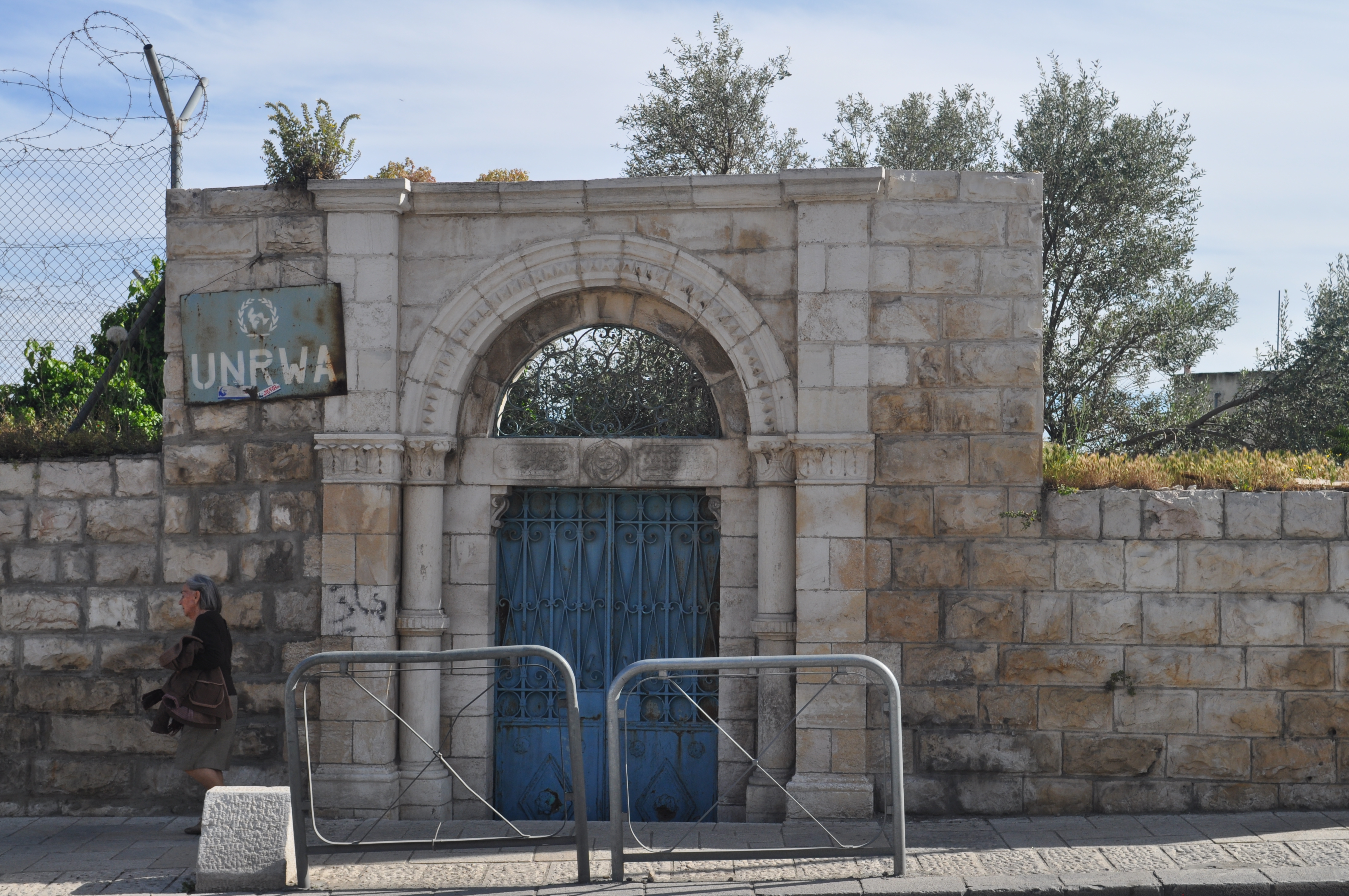
Palestinian refugees have their own dedicated refugee agency, UNRWA. Every other refugee population in the world falls under UNHCR.
The General Assembly maintains the Committee on the Exercise of the Inalienable Rights of the Palestinian People, supported by the Division for Palestinian Rights within the UN Secretariat. Their mission is not to monitor or audit the Palestinian national movement, but to advance Palestinian rights, organize conferences, maintain documentation, and sustain international engagement.
The Human Rights Council appoints a permanent Special Rapporteur on the situation of human rights in the Palestinian territories occupied since 1967, dedicated exclusively to that issue. The Office for the Coordination of Humanitarian Affairs maintains a permanent office for the occupied Palestinian territory. The Human Rights Council also has Agenda Item 7, the only standing country-specific agenda item focused on a single member state.
That is the institutional asymmetry.
Institutions produce what they were built to produce. Permanent offices generate permanent reports. Permanent committees convene permanent meetings. Permanent mandates create permanent attention. The result shapes which stories are told, which voices are amplified, and which narratives become part of the world’s diplomatic conversation.
Since October 7, Palestinian voices have benefited from this enduring institutional infrastructure, while Israeli victims have had fewer dedicated mechanisms through which their experiences are consistently presented.
This institutional framework for the vilification of Israel was built over decades, setting the stage for antisemitism to permeate societies thousands of miles from the Middle East and those with no Jews even living there.
It is time for a fundamental change.
The United Nations is home to MANY peoples who aspire to statehood.
Kurds. Somalilanders. Sahrawis in Western Sahara. Tibetans. Kosovars. Taiwanese. Independence movements persist in Catalonia, Scotland, Greenland, the Faroe Islands, and elsewhere.
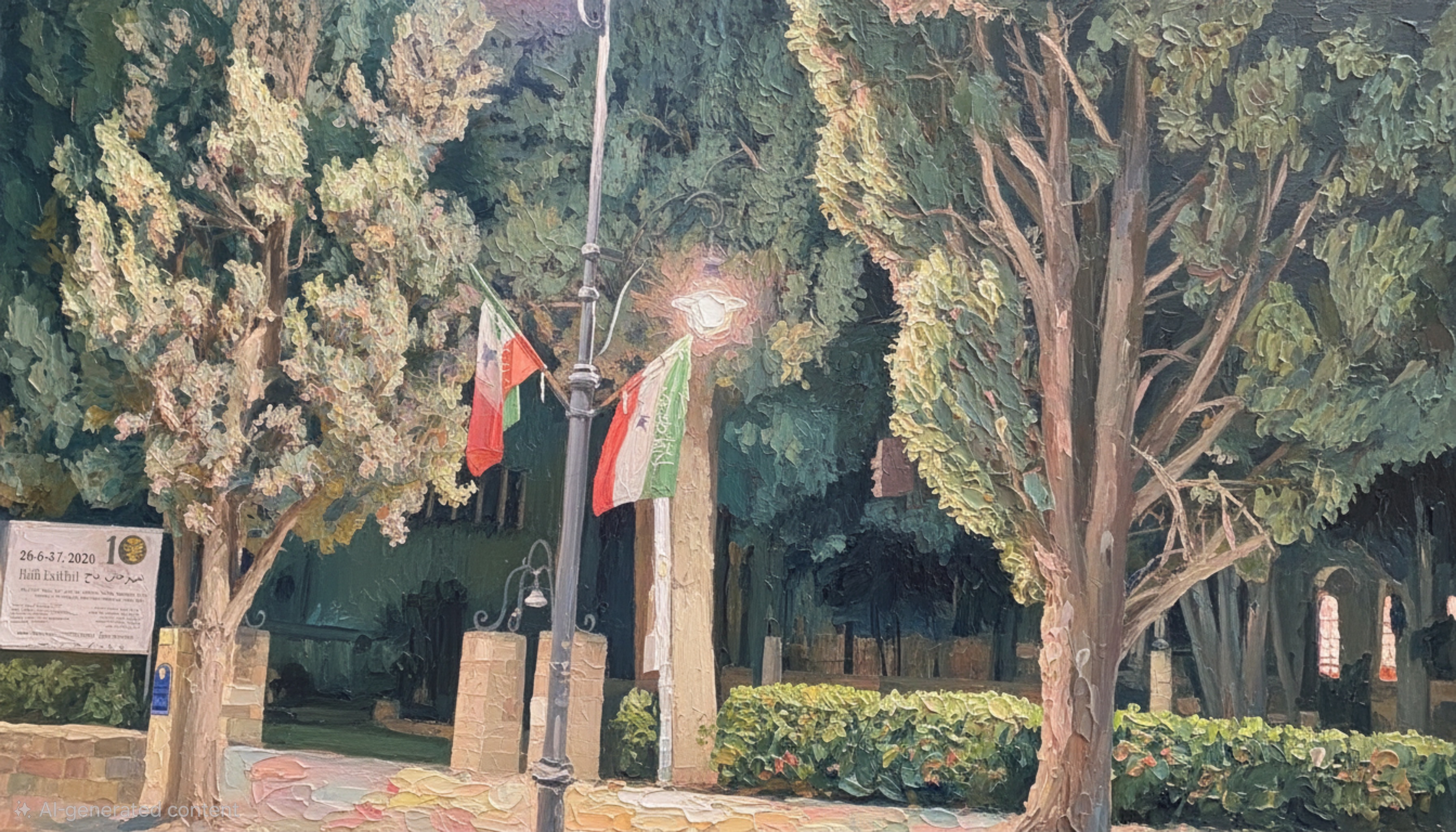
If the United Nations truly believes in the universal principle of self-determination, it should apply that principle universally.
Abolish the maze of Palestinian-specific institutions and replace them with a single body: The United Nations Agency for Nations in Waiting (UNNW).
Its mission would be straightforward: evaluate every national movement using the same transparent standards: effective governance, respect for human rights, peaceful conduct, democratic legitimacy, protection of minorities, and economic viability.
The Stateless Arabs from Palestine would remain part of the process – but alongside Kurds, Somalilanders, Tibetans, Sahrawis, Taiwanese, Kosovars, and every other people seeking recognition.
One standard. One agency. No exceptions.
Such a reform would move the UN away from political favoritism and toward institutional fairness. It would reward good governance instead of diplomatic influence and demonstrate that universal principles truly are universal.
If the United Nations wishes to champion nations in waiting, it should do so for all of them – not just one, and stem the tide of antisemitism at the same time.


Pingback: Eine UNO-Organisation für jede Nation in spe | abseits vom mainstream - heplev