The United Nations has a Pact for the Future. It looks ahead to artificial intelligence, digital governance, climate change, sustainable development, financing, debt and even discussions of global taxation. The underlying premise is that humanity faces challenges unlike those of previous generations and that international cooperation must evolve accordingly.
Yet there is one omission that is difficult to ignore. While the international community has developed increasingly sophisticated frameworks to protect biodiversity, endangered languages, cultural artifacts and World Heritage Sites, it has produced no comparable vision for preserving one of humanity’s oldest living inheritances: its religions.
We have become remarkably good at preserving the products of civilization. Archaeologists restore temples after earthquakes. UNESCO protects historic churches, synagogues and mosques. Museums conserve ancient manuscripts while linguists race to document disappearing languages before the last native speakers die. We understand instinctively that once these treasures are lost, they cannot truly be recreated. Yet we devote far less attention to the living communities that gave those monuments meaning. A restored monastery is no substitute for the monks who once prayed there. An ancient synagogue is just beautiful stone if the Jewish community that sustained it for centuries has vanished. Preserving the architecture while allowing the faith itself to disappear is to save the shell while losing the civilization.
This is no longer a hypothetical concern. In only a generation, ISIS nearly exterminated the Yazidis while devastating ancient Christian communities whose roots stretched back to the earliest centuries of Christianity. The Taliban’s return to power accelerated the disappearance of Afghanistan’s Hindu and Sikh communities and forced Christians even deeper underground. Across parts of Africa, jihadist movements have burned churches, murdered clergy and displaced entire Christian villages. Indigenous and tribal religions continue to fade through modernization, migration and demographic collapse, while Jewish communities that had flourished across much of the Middle East and North Africa (MENA) for two millennia have largely disappeared. These are different stories unfolding on different continents, but together they reveal the same pattern: humanity’s religious diversity is steadily shrinking.
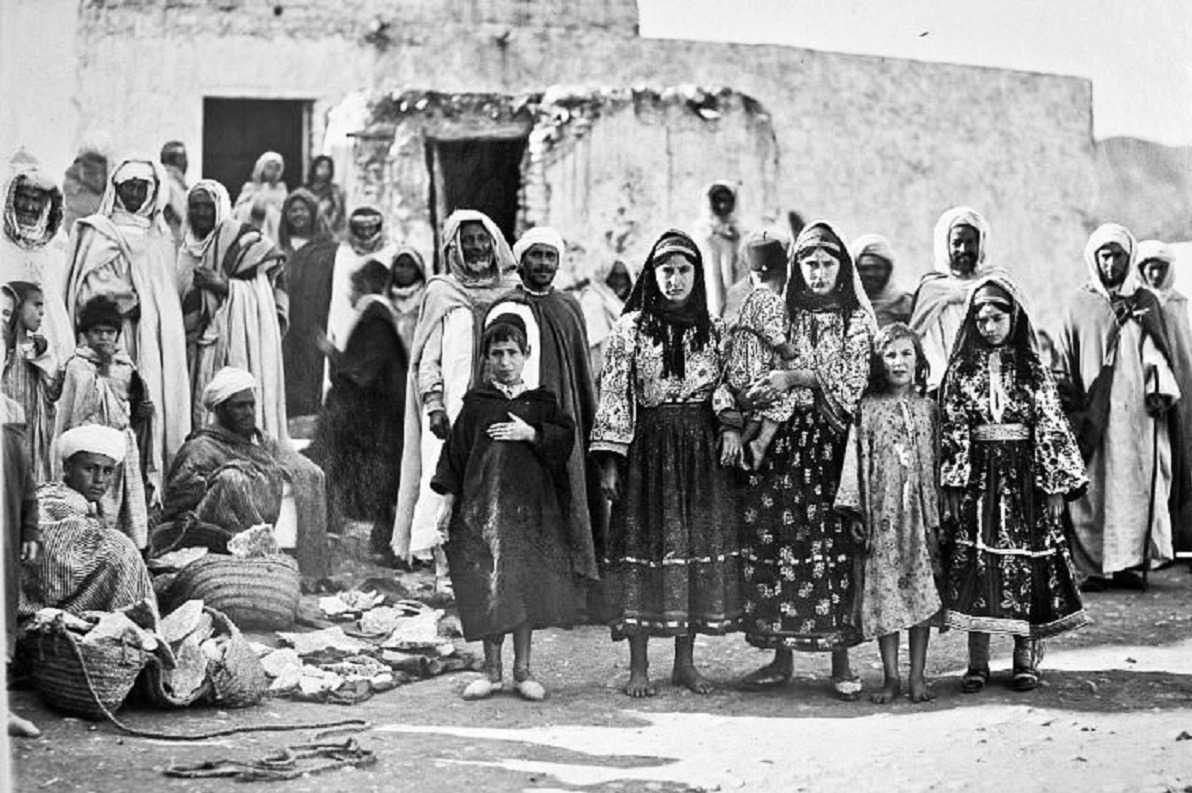
Recent years have demonstrated how fragile minority religious and ethnic groups can be. Christians have seen ancient churches destroyed or emptied by war. Pilgrimages have been disrupted by conflict in multiple regions. Jews continue to be barred from praying openly at the Temple Mount in Jerusalem, the holiest site in Judaism.
The legal foundations for religious liberty already exist. Article 18 of the Universal Declaration of Human Rights recognizes the freedom of thought, conscience and religion, including the right to change one’s religion. Yet millions still live where that freedom exists only on paper. Apostasy remains punishable under law or through the application of religious law in several countries, while blasphemy laws continue to imprison people or expose them to severe punishment simply for changing or expressing their beliefs. At the same time, digital surveillance, online incitement and transnational extremist movements have created entirely new forms of religious persecution that the architects of the postwar human rights system could scarcely have imagined.

Perhaps the world needs a Pact for the Future of Religious Heritage – one that treats living religious communities with the same urgency that we reserve for endangered species, disappearing languages and historic monuments. Such a framework would protect sacred sites, preserve endangered faith traditions, defend freedom of conscience, encourage the repeal of laws criminalizing apostasy and blasphemy, establish rapid international responses to religious persecution, and affirm that followers of every religion should be able to freely, safely and openly worship at their sacred sites and undertake traditional pilgrimages.
Civilizations are remembered not only for the monuments they leave behind, but for the beliefs that inspired them and the communities that kept those beliefs alive. Humanity has learned to preserve forests, wildlife, manuscripts and archaeological treasures. The next step is to preserve something even older and even more fragile: the living faiths that have shaped civilizations for thousands of years.


