
New York has embraced an important idea: identity deserves respect.
Its laws explicitly protect both gender identity and gender expression, recognizing that identity is not merely an internal characteristic but something people live and communicate publicly through appearance, speech, names, clothing, and behavior.
That principle is admirable but is it applied consistently?
The Jewish people also possess an identity that is both internal and external. Jews express that identity through religion, language, holidays, history, culture, family traditions, symbols, and connection to their ancestral homeland.
For many Jews, that expression includes Zionism.
Contrary to its frequent caricature, Zionism is not a political opinion. It rests on two historical facts and one political principle: Jews are a people; they originated in the Land of Israel; and therefore they are entitled to national self-determination and sovereignty in their ancestral homeland.

Like wearing a kippah, lighting Shabbat candles, speaking Hebrew, or displaying a Star of David, affirming the Jewish people’s right to their homeland is, for many Jews, a basic expression of Jewish identity.
Yet this expression is increasingly treated as unacceptable.

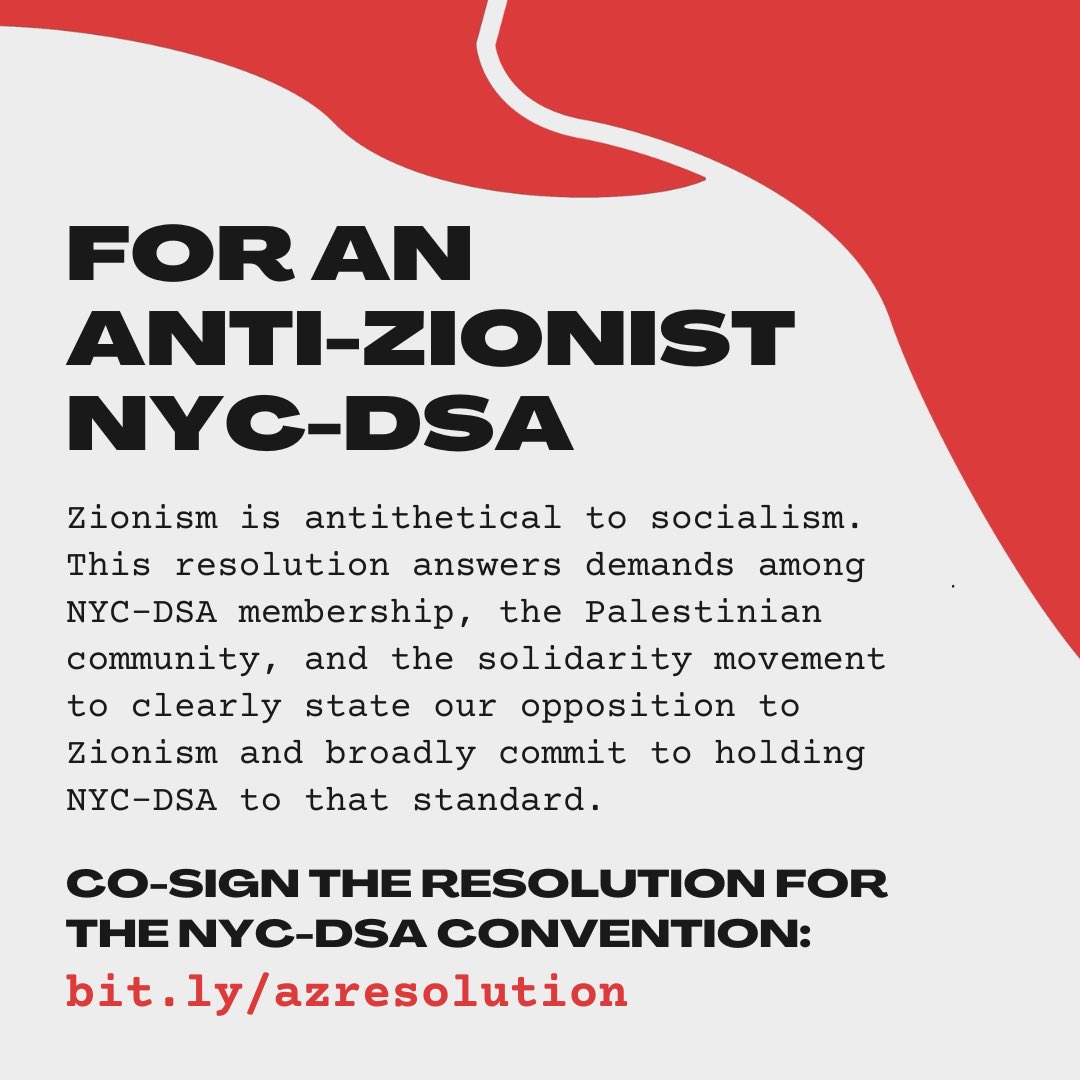
Across universities, workplaces, and public institutions, “Zionist” is often used to describe a political viewpoint and as a label for exclusion. Students are told Zionists are unwelcome. Employees are pressured to distance themselves from Zionism. Organizations adopt anti-Zionist litmus tests that, for many Jews, require repudiating a central expression of their identity.
If society recognizes that identity includes both who a person is and how that person expresses that identity, why should that principle stop with gender?
No one should be expected to abandon a central expression of identity in order to participate in public life, attend a university, or feel welcome in a workplace.
“Zionists don’t deserve to live,” and “Be grateful that I’m not just going out and murdering Zionists.” – Columbia University student Khymani James

This is not a request for special treatment. It is a request for consistency.
If identity deserves dignity, then every community’s identity deserves dignity. If expression deserves respect, then that principle should not end where Jewish identity begins.


Pingback: “Citizen Vigilante” Is Not About One Movie. It Is About What Happens When People Stop Trusting the State. | First One Through