
For nearly three years, Spain positioned itself as one of Israel’s sharpest critics in Europe.
Prime Minister Pedro Sánchez repeatedly condemned Israel’s conduct in Gaza, recognized a Palestinian state, pressed for European measures against Israel, and framed the conflict primarily through the language of humanitarian obligation. Israeli officials responded that Spain had become increasingly detached from the security realities Israel faces and was rewarding Hamas diplomatically after October 7.
Then Spain found itself confronting a border crisis of its own.
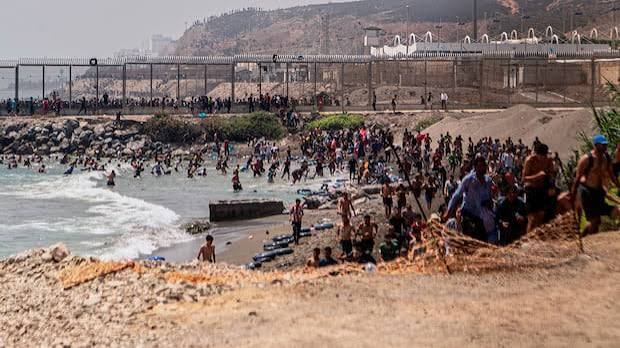
An estimated 49,000 migrants surged into Spain’s North African enclave of Ceuta in a single day, overwhelming local authorities and forcing Spain to deploy troops to restore order. Overnight, the country’s political conversation shifted from humanitarian ideals to border control, sovereignty, and national security.
Israel noticed immediately.
Israeli officials pointed to Ceuta as evidence of something they had argued for years: it is easy to lecture another democracy about borders until your own border collapses.
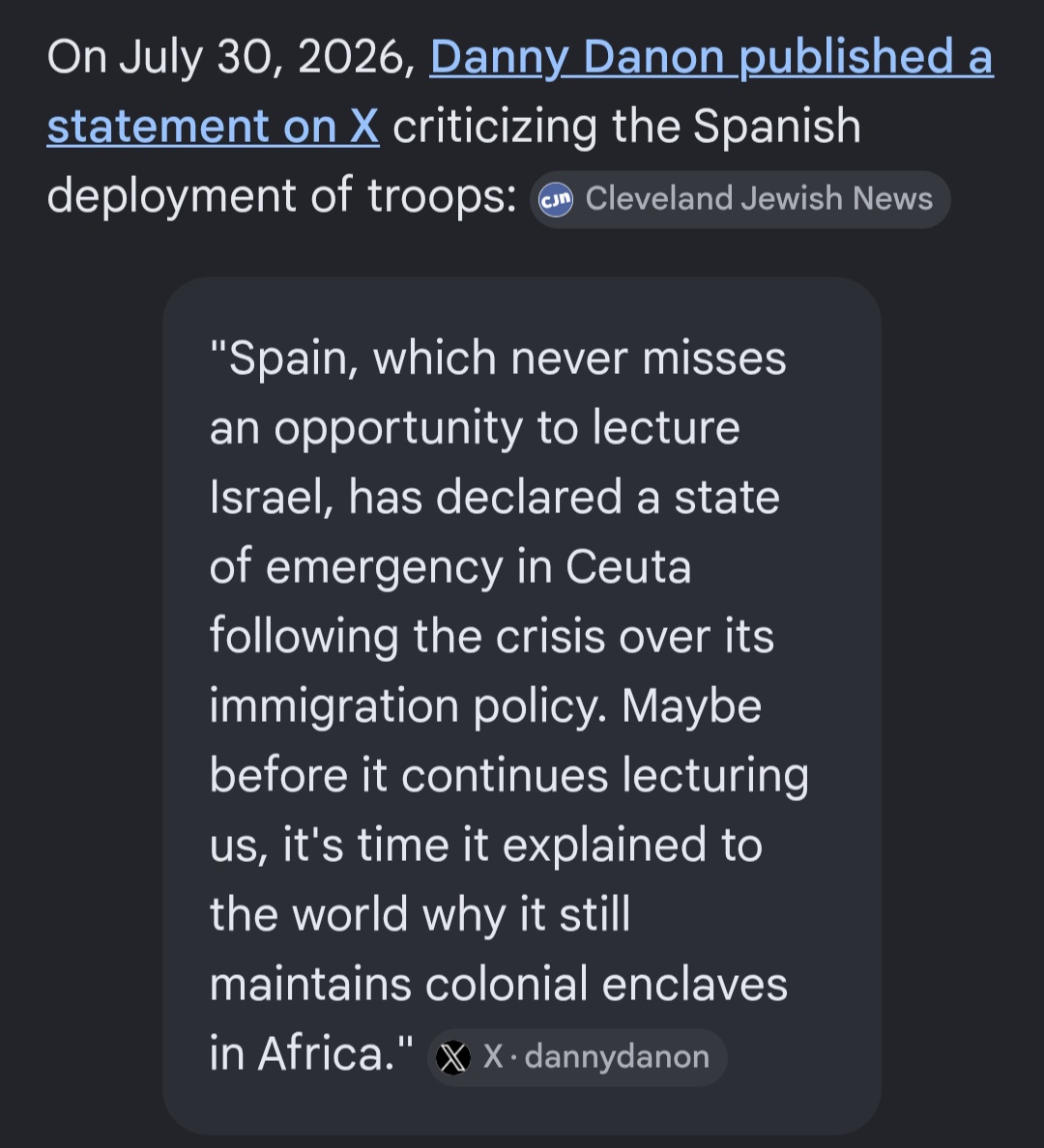
There was an unmistakable sense of schadenfreude in parts of the Israeli reaction. The same government that had spent months criticizing Israel for emphasizing security suddenly found itself insisting that no sovereign nation can simply allow tens of thousands of people to cross its frontier without control.
Every democracy must balance compassion with sovereignty. Every democracy must decide whether humanitarian obligations can coexist with meaningful border enforcement. Israel has argued for years that they must. Spain is now discovering how difficult that balance becomes when events unfold on its own frontier.
There is another irony.
Spain’s immediate security now depends heavily on Morocco’s cooperation. Rabat’s willingness to police its side of the border has become essential to Spain’s stability. Yet Morocco chose a dramatically different path from Spain in its relationship with Israel. It joined the Abraham Accords, expanded security, intelligence, and economic cooperation with Israel, and demonstrated that pragmatic regional partnerships can coexist with support for Palestinian aspirations.
Spain and Morocco have moved in opposite diplomatic directions with Israel. Yet today Spain needs Morocco more than ever.
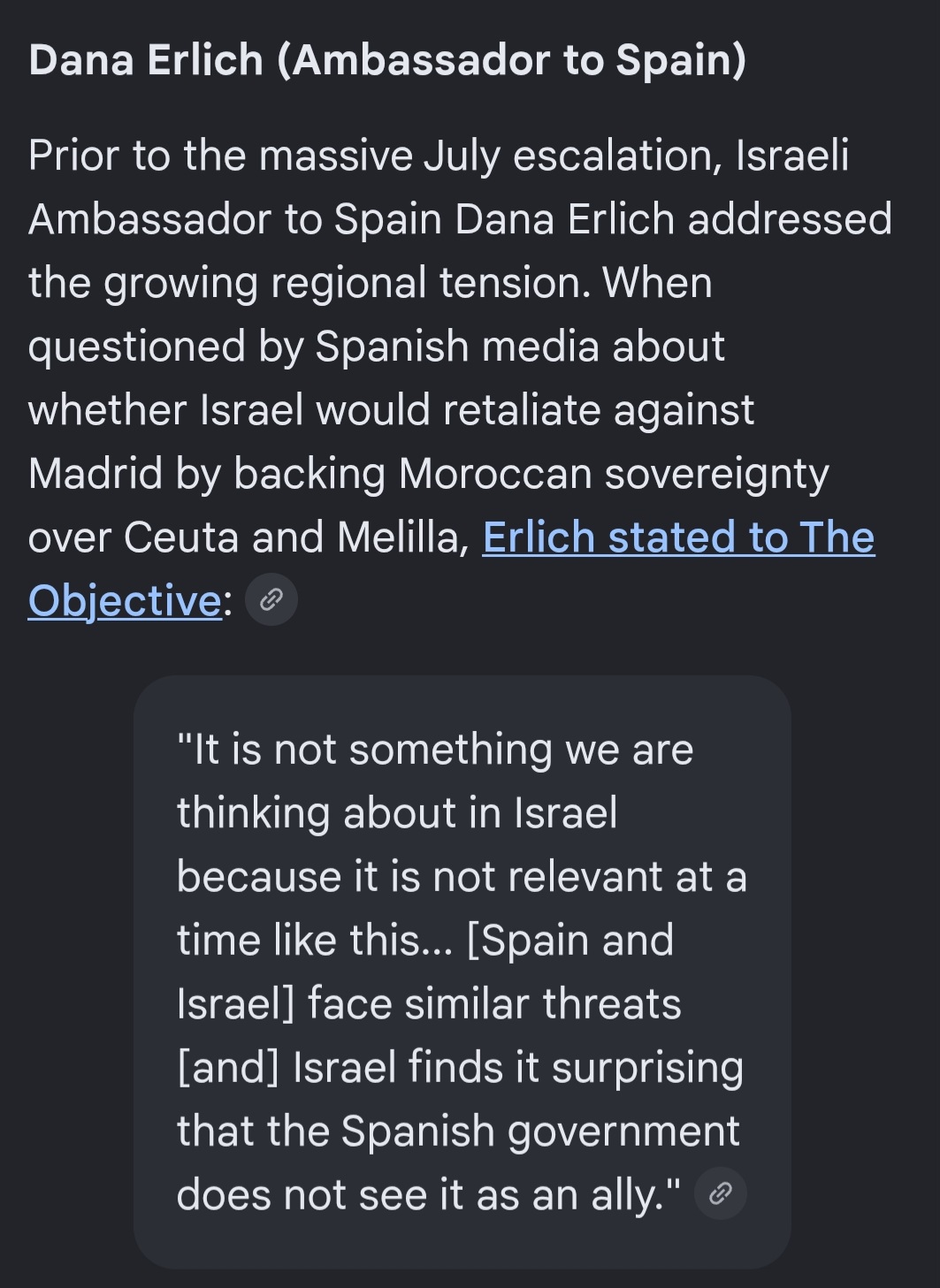
Israel, however, should resist celebrating too loudly.
If Ceuta marks the beginning of sustained migration pressure into Europe, the political consequences are unlikely to stop with Spain. Across the continent, immigration has already fueled the growth of nationalist parties and intensified debates over identity, sovereignty, and integration. Another large migration wave could accelerate those trends even further.
History offers a warning for Jews.
Periods of political instability and polarization have rarely benefited Jewish communities. When societies become more fractured, antisemitism often finds new expression—from parts of the far right, from extremist Islamist movements, and from other ideological currents. Europe has already experienced a sharp rise in antisemitic incidents since October 7, 2023. Additional social upheaval could place Jewish communities under even greater pressure.
Israel can fairly point out the irony of Spain’s predicament. It can argue that Ceuta demonstrates the complexity of governing borders that are easier to criticize than to defend.
If Europe enters another prolonged period of political instability, no one should assume European Jews will remain untouched by the consequences. Those victims will not be amused by Israel nor protected by smug Israeli diplomats saying I told you so.


