NYC, Now It’s at Your Front Door

It looked like a technical vote. In New York City, a proposed buffer zone around houses of worship. A few feet of space so people could enter synagogues, churches, and mosques without confrontation.

And the Democratic Socialists of America bloc on the City Council voted no.

Shahana Hanif (District 39), Alexa Avilés (District 38), Tiffany Cabán (District 22), Chi Ossé (District 36), and Kayla Santosuosso (District 47) held the same line. Protect protest at all costs. Treat any restriction as a threat to speech. Keep the sidewalks open, no matter what is happening on them.
Shahana Hanif (District 39)

On paper, that sounds principled. In practice, it lands somewhere else entirely.

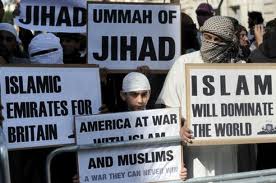
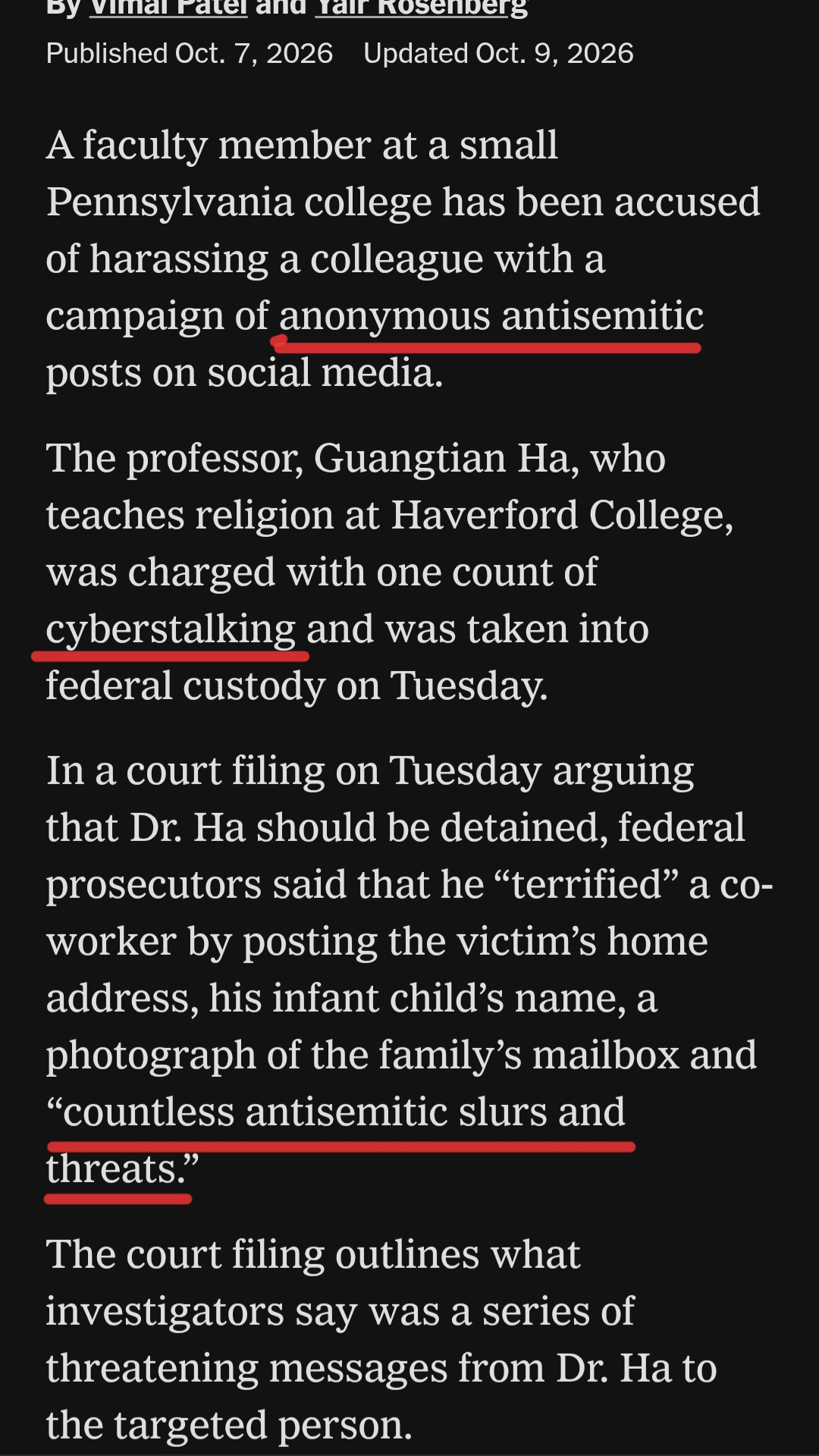
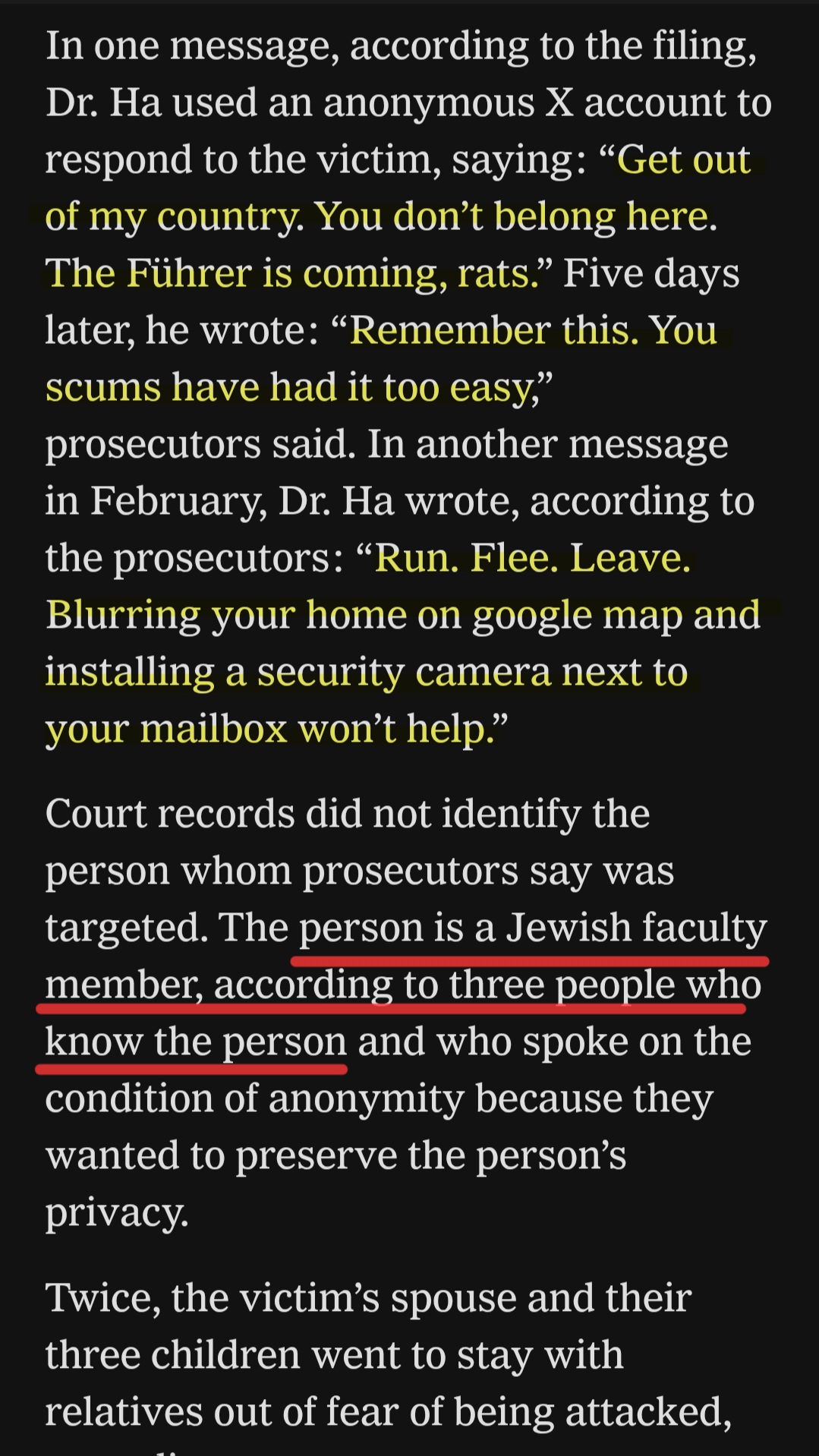
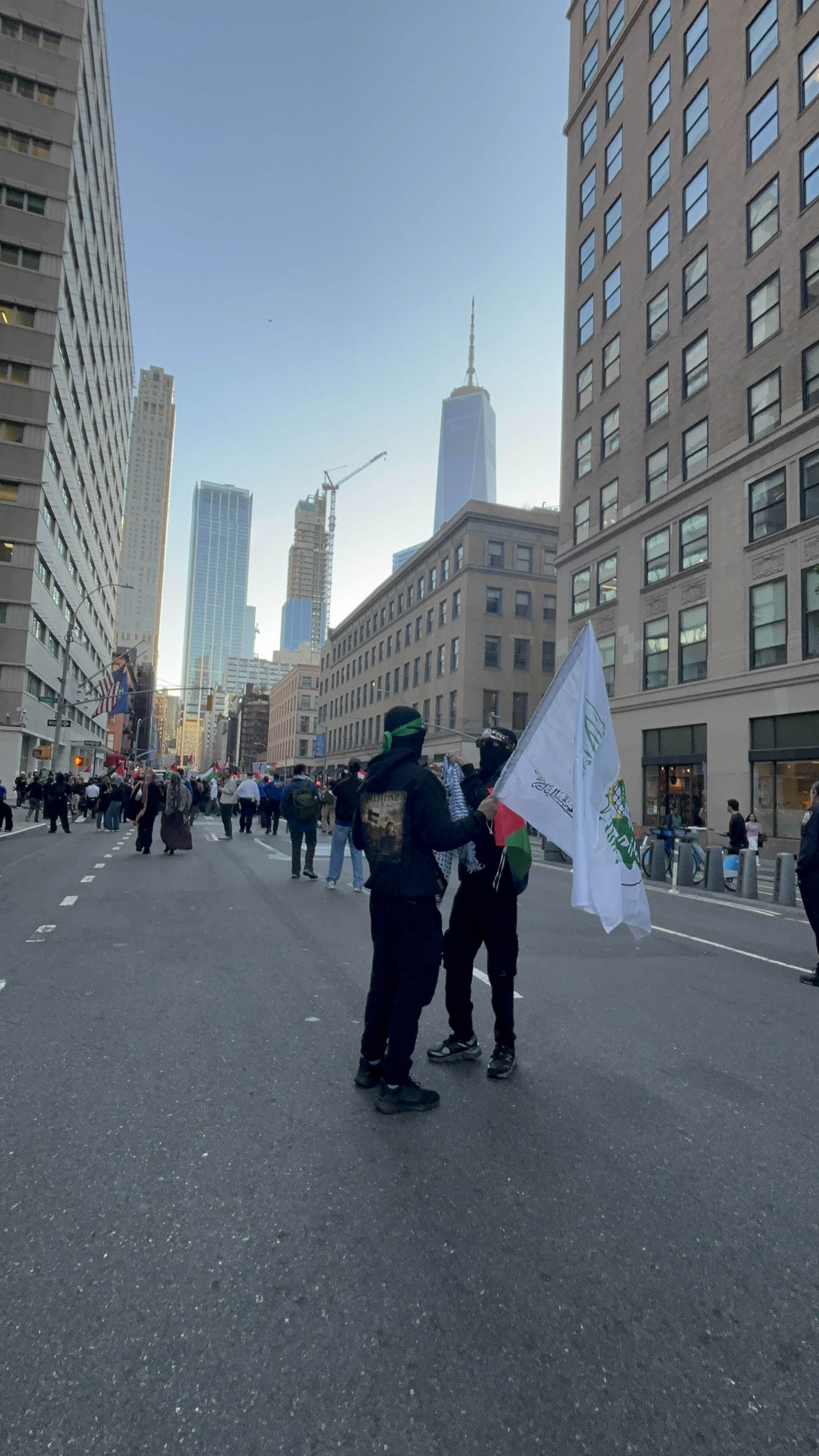
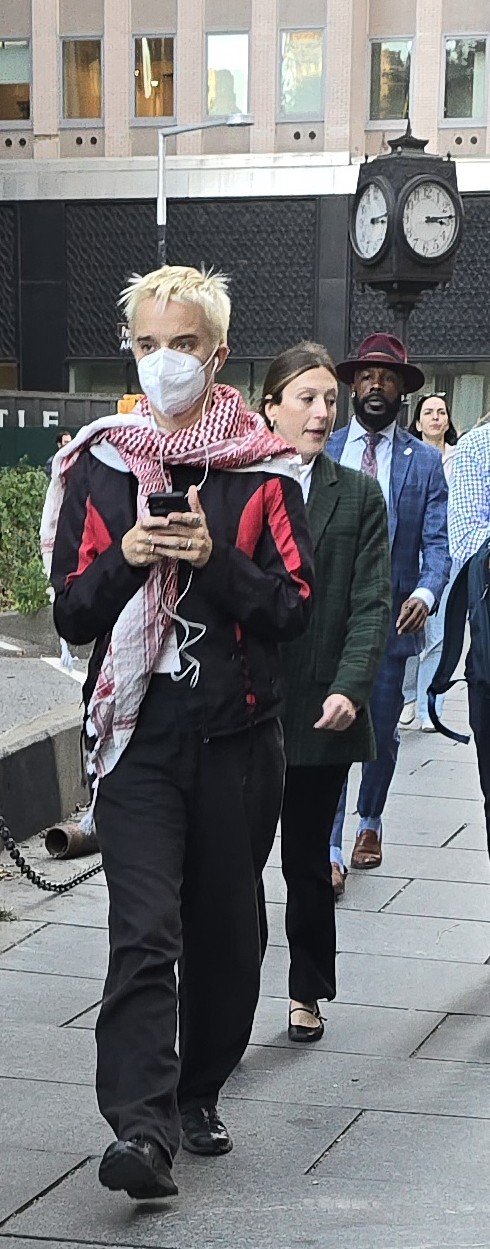
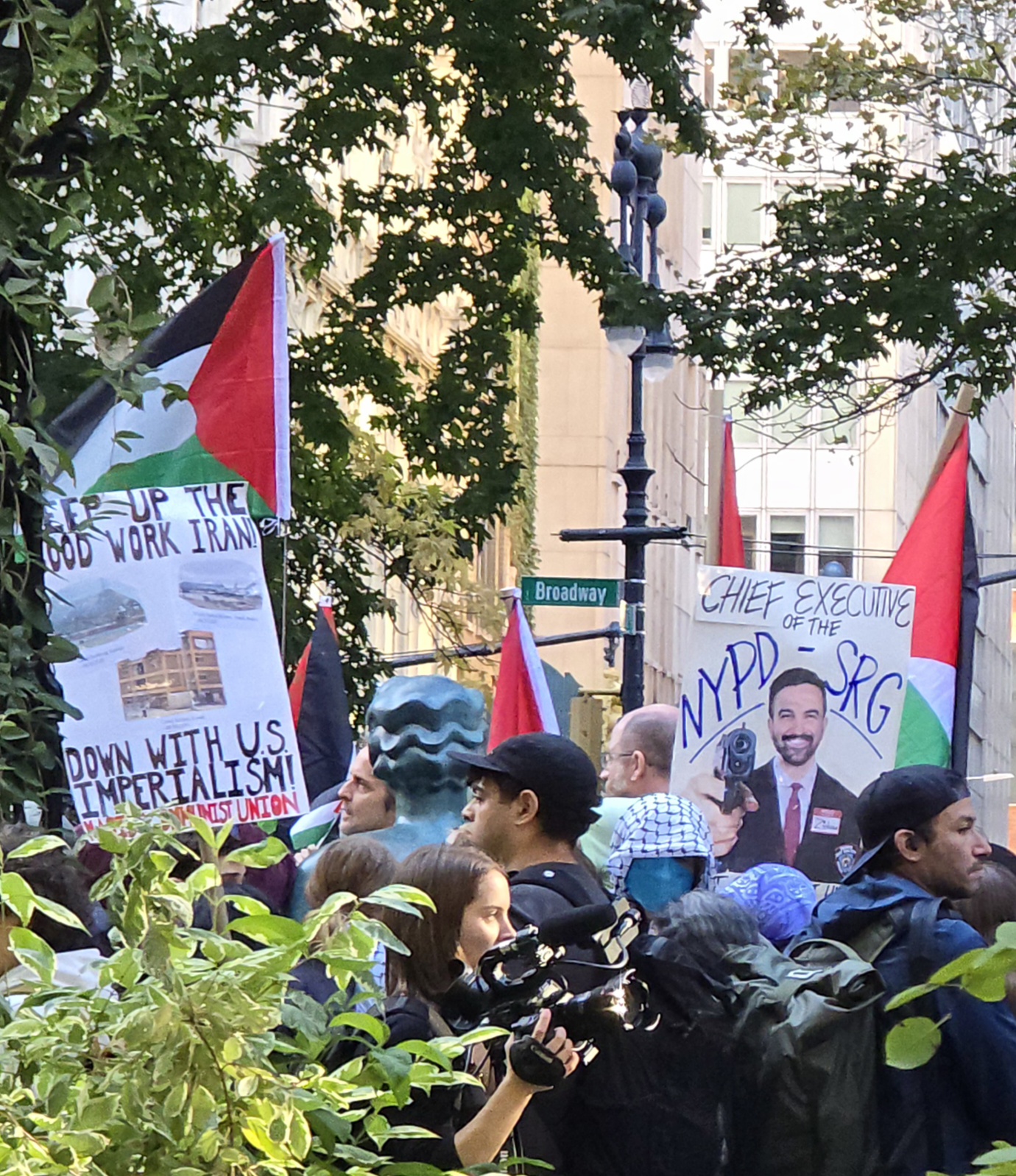
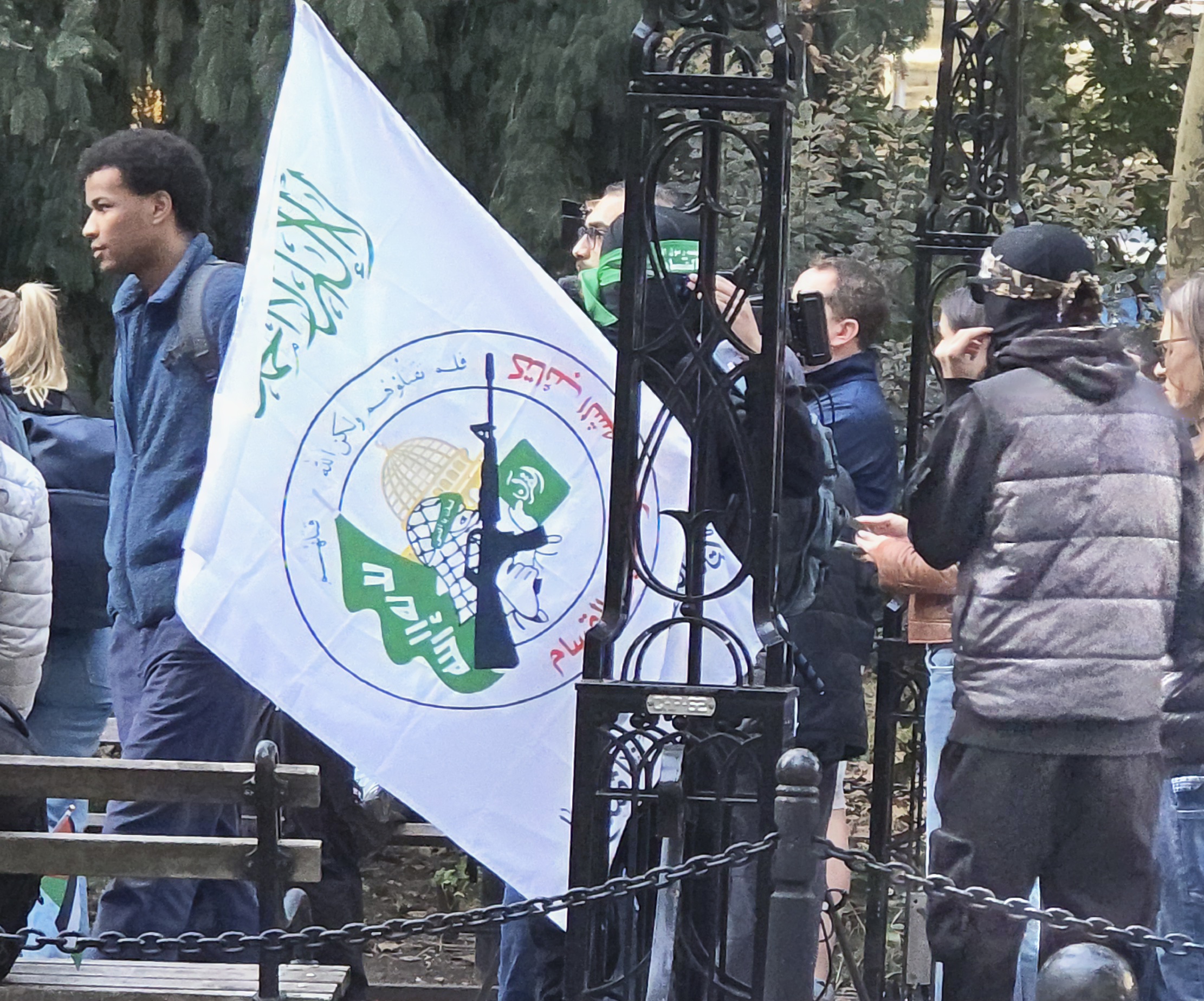
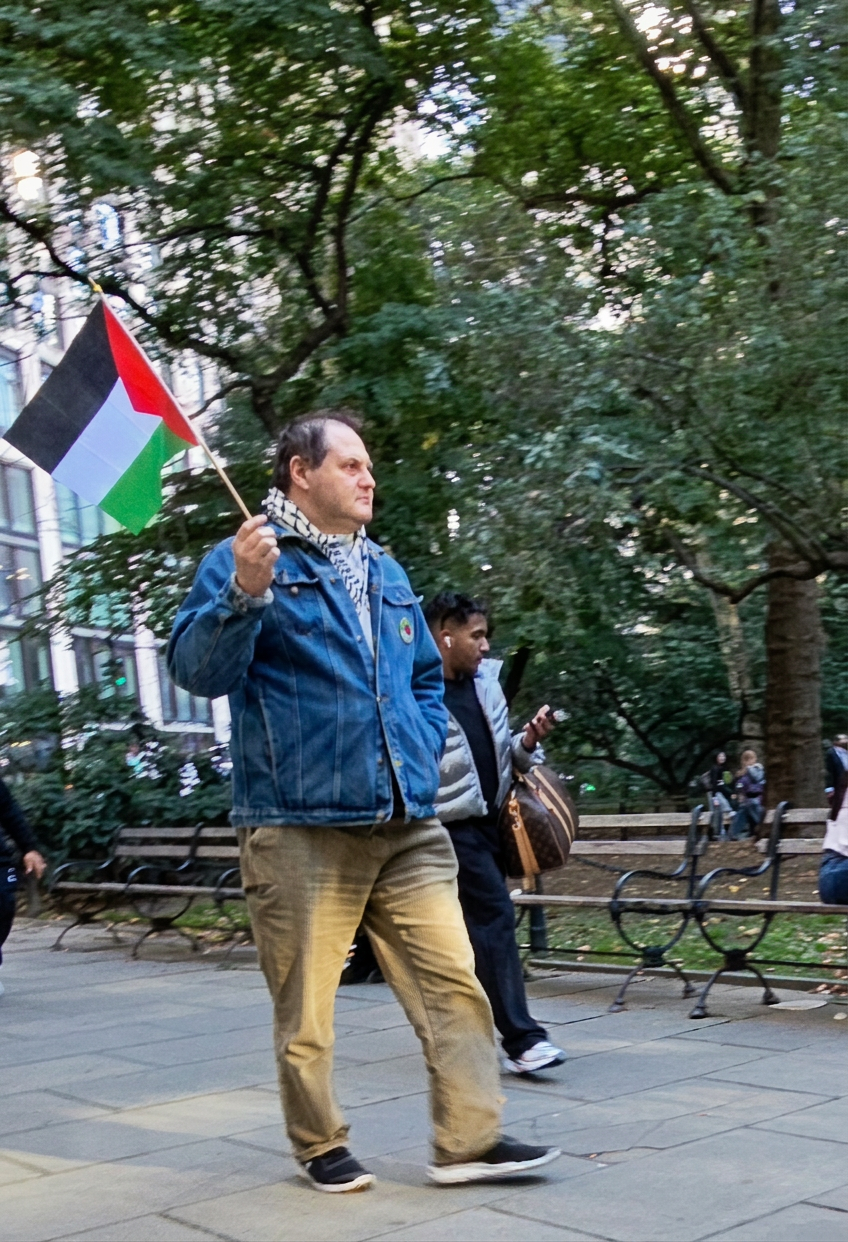
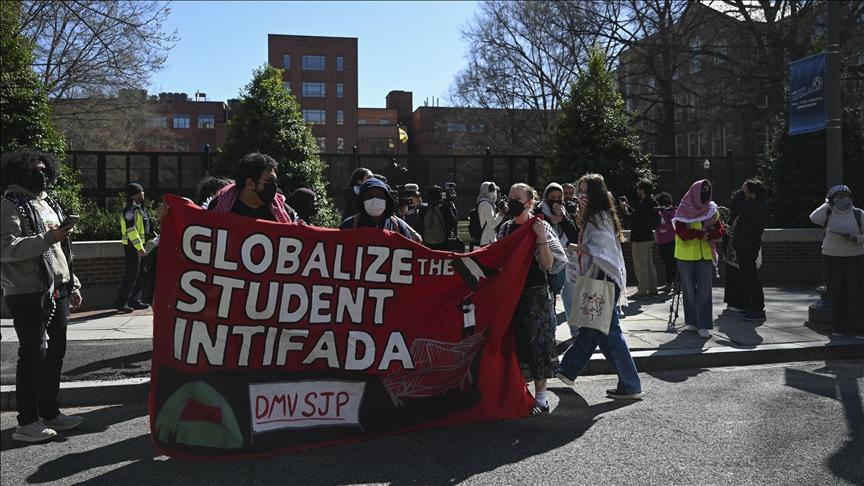
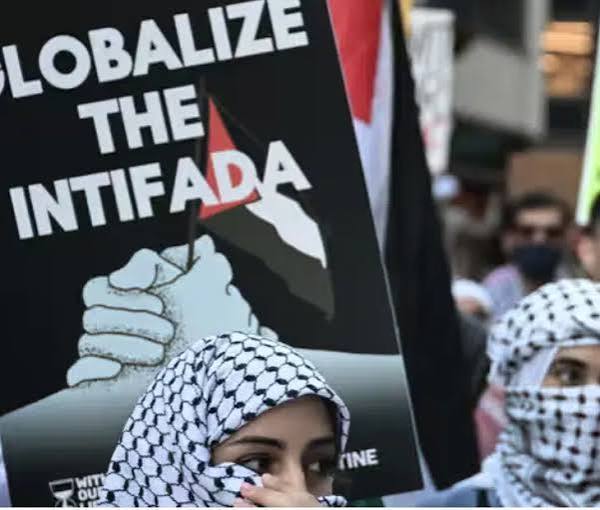
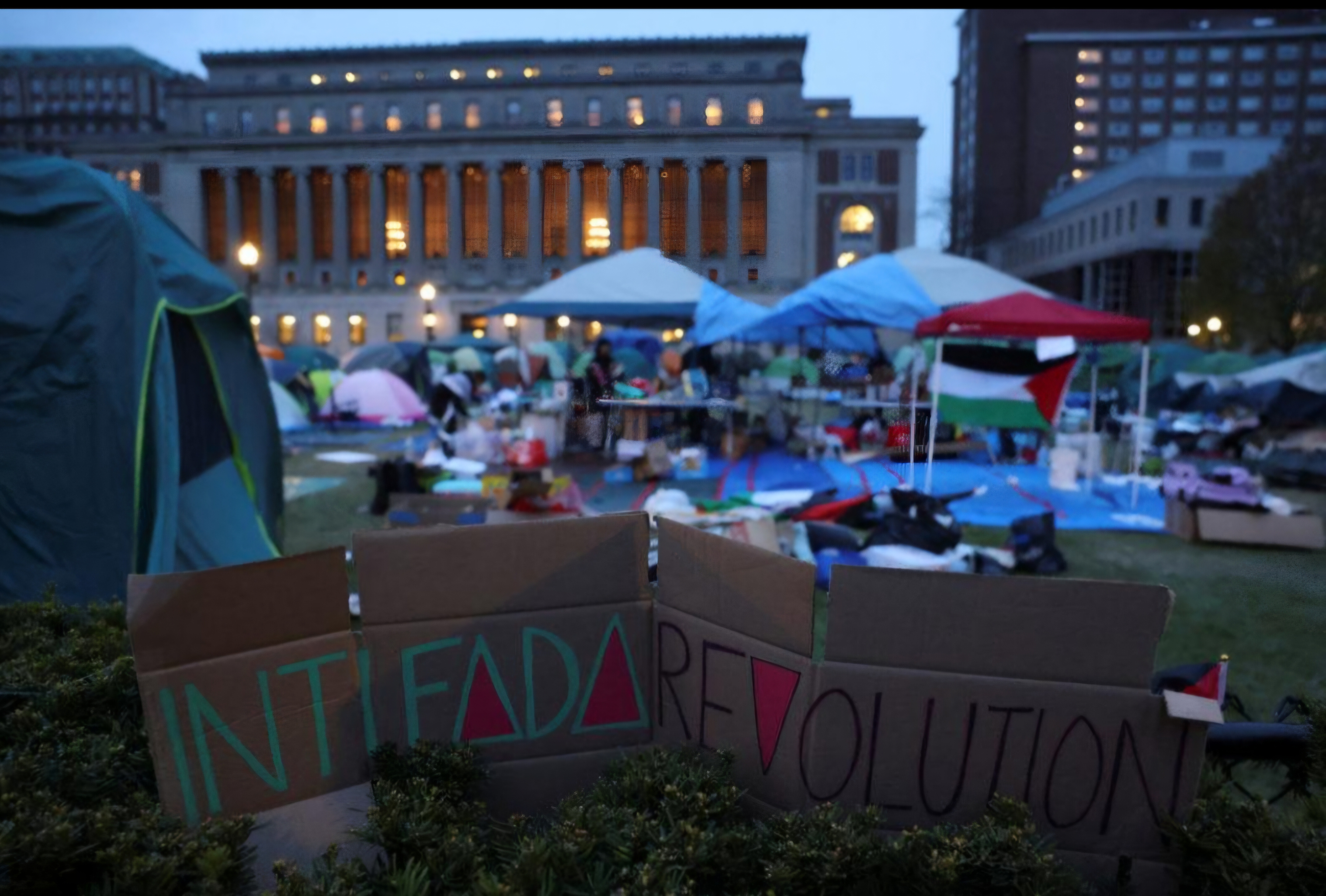
Because in this city, right now, protests are not showing up randomly. They are showing up outside synagogues in growing numbers. The line between Israel and the Jew has been erased, and the synagogue has become a stand-in.

This is where ideology stops being abstract.

For years, the DSA has defined itself through opposition to Israel. That posture has moved from foreign policy into local reality. When Zionism is framed as uniquely illegitimate, and most Jews see it as part of who they are, the translation is inevitable. The target shifts.

No manifesto is needed. The pattern speaks for itself.

Vote against a resolution recognizing hatred against Jews. Argue about the sponsors instead of the substance. Reject a minimal buffer around houses of worship at a moment when Jewish institutions in New York are under visible pressure.

That movement is no longer adjacent to power in New York City; it has the power. With Zohran Mamdani as the city’s new mayor, the worldview is moving from activist circles into the city’s governing core.

New York City Mayor Zohran Mamdani is a member of the DSA

And the expansion is already underway.

On Tuesday April 28’s special primary day, Mamdani has backed Lindsey Boylan, a member of the DSA to take another seat on the City Council. Jewish City Council Speaker Julie Menin has endorsed Carl Wilson in an effort to stop the radical left gaining even more power in New York.

In the June primaries, NYC-DSA is backing a coordinated slate:

  • Darializa Avila Chevalier (Upper Manhattan/Bronx)
  • Claire Valdez (Brooklyn/Queens)
  • David Orkin (Queens)
  • Diana Moreno

—alongside a broader Assembly slate backed by the same network.

Endorsements from figures like Jamaal Bowman and Mamdani for radical anti-capitalists, anti-west, anti-Israel DSA members like Aber Kawas reinforce the same ideological through-line—where opposition to Israel is no longer one issue among many, but a defining filter.

Aber Kawas has long supported the dismantling of the Jewish State, now running as part of the DSA to gain a seat in the New York State Senate. She is backed by Zohran Mamdani and Jamaal Bowman

This is how local elections stop being local.

When protests move from slogans to synagogue doors in Brooklyn, Queens, and Manhattan, who holds the line?

Will NYPD treat intimidation outside Jewish institutions as a line to be enforced—or a situation to be managed?

Power shapes behavior. When activists see their worldview reflected in City Hall and Albany, boundaries loosen. What once felt marginal begins to feel sanctioned. The distance between protest and confrontation narrows.

The question is no longer what DSA believes about Israel where they believe every man, woman and child is a fair target for violence. The question for New York voters is what they are comfortable normalizing here.

On sidewalks outside synagogues. At the doors of people trying to pray. In the space between protest and intimidation.

The City Council vote on buffer zones answered part of that question.

The rest will be answered this coming Tuesday and in June—at the ballot box, and on the sidewalks outside your door.

ACTION ITEM

Support Carl Wilson in the primary on April 28.

Support opponents to the DSA candidates in the June elections.

Related:

Bring Israel Into NATO’s Orbit

Wars do not simply end; they force institutions to confront whether they still address the world they are meant to secure.

As the regional war against Israel recedes from its most intense phase, one conclusion is increasingly difficult to ignore: Israel has been operating inside the West’s security perimeter while remaining formally outside the principal institution designed to defend it.

That institution is the North Atlantic Treaty Organization, NATO.

This gap is structural—and increasingly consequential.

When Iran shut down the Strait of Hormuz, crippling access to one-fifth of the global oil supply, the countries inside of NATO barely budged. Spain went so far as to send the United States a big middle finger.

Only Israel worked together with the U.S. in managing this global threat.

Israel already maintains deep bilateral ties with key NATO members, particularly the United States. Intelligence sharing, joint exercises, and technological collaboration are well established. The problem is that this cooperation remains fragmented, dependent on individual relationships rather than embedded within NATO’s institutional framework. In an era defined by interconnected threats, fragmentation is a liability.

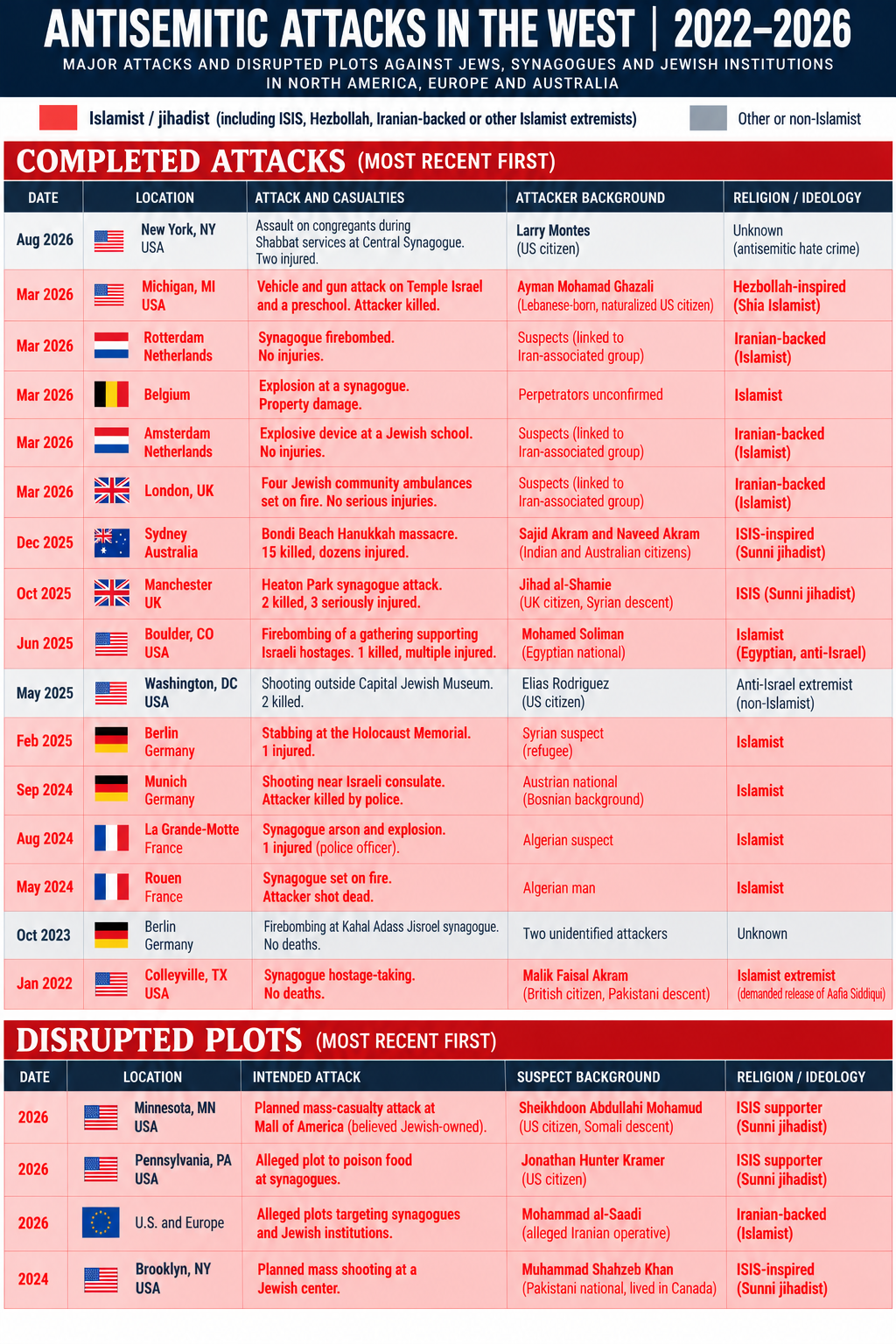
Those threats no longer arrive neatly organized by geography. For more than two decades, Europe has experienced the effects of Islamist extremism within its own borders. Attacks tied to networks such as ISIS in Paris, Brussels, and Berlin were not isolated events. They reflected a broader system—ideological, financial, and operational—that crosses borders with ease. That same ecosystem includes actors such as Hamas, whose attacks triggered the current war.

These are not separate challenges. They are different manifestations of two networks confronting the western world: the jihadi axis of Iran, Hezbollah, Hamas and Houthis, as well as the national threats from Russia, China and Iran.

Israel has been confronting the jihadi network as a whole—mapping it, disrupting it, and adapting to it in real time. Europe, by contrast, has often encountered it in fragments.

Memorial for people killed from jihadi bombing at Ariana Grande concert

The two confrontational axis are linked by Iran. A NATO established to be a defense against Russia and communism must adapt to the new reality that the Russia-China-Iran alliance is buttressing jihadi regimes and terrorist groups to destabilize the west.

NATO, as currently structured, is positioned to respond to effects—naval patrols, sanctions, diplomatic signaling—but lacks a formal mechanism to integrate with the actor most deeply engaged in countering the source.

Israel is not a peripheral partner. It is a central node of capability.

Its missile defense systems operate under continuous pressure. Its counter-drone technologies are refined in live environments. Its intelligence capabilities integrate multiple theaters into a single operational picture. Its cyber operations are embedded directly into conflict environments that NATO is still working to fully integrate.

This is a partner NATO needs.

Geography reinforces the argument. NATO’s traditional focus on its eastern flank remains essential, particularly in relation to Russia. But the critical infrastructure of modern security—energy routes, maritime corridors, and digital networks—runs through the Eastern Mediterranean, the Red Sea, and the Gulf. Stability in these regions is now directly tied to European and transatlantic security.

Israel sits at that intersection with capability, proximity, and alignment.

At the same time, pressures within the alliance itself are becoming more visible. U.S. political leaders—most notably Donald Trump—have underscored a structural imbalance: the United States continues to underwrite a disproportionate share of European defense while facing expanding global demands. That pressure reflects a broader need for NATO to adapt—both in burden sharing and in how it structures partnerships to address evolving threats.

Parallel to this, U.S. policy has begun to shift in the Middle East. Efforts to draw regional actors, including emerging leadership in Syria, away from Russian influence and toward Western engagement signal a changing geopolitical landscape. The region is no longer peripheral to transatlantic security. It is central to it.

Against that backdrop, integrating Israel into NATO’s partnership structure is not an isolated step. It is part of a broader realignment responding to the growing influence of Russia and Iran across multiple theaters.

This does not mean that Israel should join NATO as a full member with Article 5 protections. This proposal refers to formal integration within NATO’s Enhanced Opportunities Partner framework. It does not create automatic military obligations, nor does it commit NATO forces to regional conflicts.

It creates structure where there is currently fragmentation.

NATO should take three immediate steps.

  • First, designate Israel as an Enhanced Opportunities Partner, formalizing its integration into NATO planning, intelligence, and interoperability frameworks.
  • Second, establish a standing NATO–Israel coordination mechanism focused on counter-drone warfare, missile defense, cyber operations, and maritime security.
  • Third, integrate Israel into NATO’s southern and maritime operational planning, particularly in relation to the Eastern Mediterranean, Red Sea, and Gulf energy corridors.

These steps would not expand NATO’s defense obligations. They would enhance its operational effectiveness.

Wars clarify.

This one has clarified that European security is shaped by forces operating far beyond its borders and that the countries are not up to the task of dealing with their own security needs. That terrorism, energy coercion, and hybrid warfare now form a single continuum. That regional boundaries no longer define strategic risk.

And that Israel is already operating at the center of that reality.

NATO was built to defend the system. It now needs to include those already defending it.

The Pressure Carrot

The talks in Gaza are stuck on a single question: when does Hamas disarm? Hamas wants Israeli withdrawal first. Israel wants the dismantling of Hamas’s military capacity. Gazans want Hamas to retain weapons. Every side is waiting and pointing.

So the sequence matters.

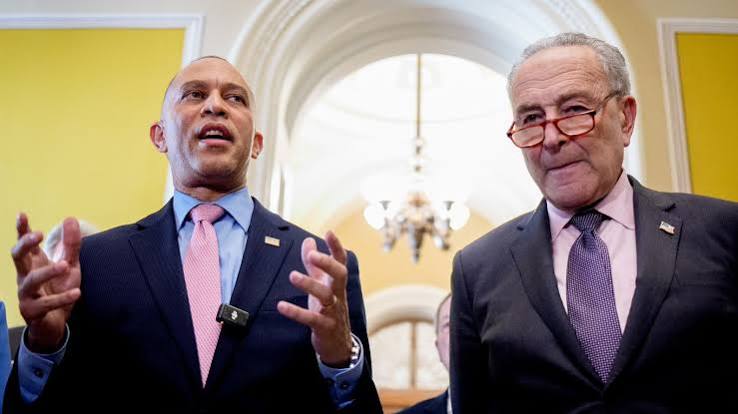
In Washington, the argument has hardened around pressure on Israel. Democratic senators like Bernie Sanders, Chris Murphy, Tim Kaine, and Chris Van Hollen have pushed versions of the same idea: use U.S. leverage to change Israeli behavior now. The assumption is clear. The U.S. can influence Israel. It cannot influence Hamas.

It is backed by far-left pro-Palestinian groups like J Street. It is juvenile, dangerous and devoid of critical strategic thinking.

J Street, once again, on the wrong side of history

If all the pressure is on Israel, Hamas learns the simplest lesson in negotiation: wait. Let outside actors squeeze your opponent. Hold your position. Time becomes leverage.

That is where the current approach sits and breaks. And everyone suffers.

A negotiation like this needs a visible incentive on both sides. Hamas has faced pressure only from Israel – military and economic – but almost no credible pathway that links its own actions to a reduction in the conflict.

That is the missing piece.

Set a clear rule: as Hamas verifiably disarms, Israel correspondingly reduces its military posture and need for resupply. Less threat, less armament.

Now the logic runs forward, and resets the debate in Washington. The current fight among Democrats—arm Israel or restrain it—misses the hinge. If Hamas is disarmed, Israel needs fewer arms. That is mechanics, not politics.

Using a pressure stick as the far-left senators are attempting, rewards the antisemitic genocidal terrorist group, ensuring the fighting never ends. Using a pressure carrot entices Hamas to give up its weapons, allowing the US to pull weaponry from Israel.

The world has long only thought of pressure as a stick with the only variable being to whom to apply it. It is time to imagine a pressure carrot, especially when the party with the greatest power believes it has no influence on the entity that blocks every path forward.

Spain Breaks With Israel, Not Washington

In a sharp escalation of transatlantic tension, Donald Trump threatened to cut off trade with Spain, accusing Madrid of refusing to support operations against Iran and failing to meet its defense obligations within NATO.

Spain rejected the criticism, citing sovereignty and international law and refusing to allow U.S. forces to use Spanish bases in operations tied to the Iran conflict.

Yet at the same time Madrid made a different diplomatic move. Spain permanently withdrew its ambassador from Israel, citing the widening regional war.

The contrast is striking.

The military campaign against Iran has been led by the United States, with Israel acting alongside it. If participation in that conflict justified downgrading diplomatic relations, the same logic would apply first to Washington, yet Spain withdrew no ambassador from the United States.

Even after Trump threatened sweeping trade retaliation, Madrid left its diplomatic posture toward Washington unchanged.

Instead, the rupture fell on Israel alone.

The reason is not difficult to see. Confronting the United States carries consequences. The American economy dwarfs Spain’s, and Washington anchors the NATO security system protecting Europe. Spain benefits from that umbrella while contributing among the lowest shares of national income to defense within the alliance.

Angering Washington carries risk. Angering Israel carries almost none.

Spain frames its decision as moral protest. But if war with Iran is the offense, the United States leads it. If regional escalation is the concern, Spain still maintains diplomatic relations with Iran itself, the leading state sponsor of terrorism.

If Spain were to look in the mirror, what would it see? A principled stand against war? That is the language Madrid uses.

But the reflection suggests something else. Spain keeps its ambassador in Washington, maintains relations with Tehran, and breaks with Jerusalem — the smallest actor in the conflict.

Spain is a nation of nearly fifty million compared to Israel, a country of ten million, a small state surrounded by hundreds of millions of Muslims where hostility toward Israel goes back to the Jewish State’s reestablishment.

That asymmetry will not go unnoticed in Washington or among Israel’s allies. Spain already faces pressure to increase its NATO defense spending. If Madrid is willing to rupture relations with Israel over the Iran war while maintaining relations with Iran itself, the contradiction may soon move from rhetoric to diplomacy.

The question could become blunt:
restore normal relations with Israel, end trade with Iran, and meet NATO defense commitments — or risk losing the security umbrella Spain depends on.

A nation looking honestly in the mirror might call that geopolitics. Or antisemitism.

What $3 Billion a Year Buys

Every year, critics ask the same question about the roughly $3 billion in American military assistance to Israel. What does the United States get for it?

This week provided a reminder.

For decades that funding has supported joint missile defense systems, intelligence sharing, aircraft integration, cyber capabilities, and deep operational coordination between the two countries. American and Israeli militaries train together, build systems together, and prepare for the same threats.

The result is something unique in the Middle East.

The United States maintains major bases across the Gulf. American ships patrol the region. American aircraft fly from Qatar, Bahrain, and Kuwait. But the United States has no bases in Israel.

It does not need them.

Israel itself functions as one of America’s most capable strategic partners in the region. Its fighters, intelligence networks, cyber units, and missile defenses are deeply integrated with American systems and strategy.

When Washington faces a threat like Iran, Israel is already positioned on the front line. Already armed. Already aligned.

That alignment was built over decades. American assistance helped develop some of the most advanced missile defense systems in the world. Israeli intelligence cooperation has repeatedly protected American lives and interests. Joint technology programs have shaped modern air defense, battlefield awareness, and cyber security.

There are many countries that receive American aid. None return value like this.

Israel is the only country in the Middle East whose military doctrine, intelligence culture, and technological infrastructure are so closely integrated with that of the United States that they can effectively act as a unit to dismantle the military capabilities of the leading state sponsor of terrorism which has sworn to destroy both countries.

It is one of the most effective strategic investments the United States has ever made.

Seventy Five Jeffrey Epsteins in Rhode Island and No One Cares

The United States is transfixed by the ghost of Jeffrey Epstein.

Television panels speculate endlessly about “the list.” Politicians demand the release of files. Commentators hint darkly that powerful businessmen, politicians, and celebrities visited Epstein’s island. Careers tremble under suspicion. Executives resign after their names appear in documents that often contain little more than travel records or social introductions.

Whether many of those people committed any crime remains uncertain. Allegation alone is enough to ignite a media inferno.

Yet at the very same moment, a report in Rhode Island revealed something far more concrete and horrifying.

Over seventy five yearsseventy five Catholic priests abused more than three hundred boys.

The pattern was systematic.
Church leaders knew.
The archdiocese moved priests from parish to parish.
The abuse continued.

And the national reaction?

A shrug.

Cathedral of Saints Peter and Paul, which serves as the home church of the Roman Catholic Diocese of Providence, is seen Tuesday Feb. 24, 2026, in Providence, R.I. (AP Photo/Charles Krupa)

The report appeared in the news cycle and disappeared almost immediately. No nightly television countdown. No congressional hearings. No endless speculation panels demanding accountability from the powerful institutions involved.

Three hundred boys were abused. Seventy five priests participated. And church officials helped conceal it.

Yet the story barely registers in a culture obsessed with Epstein.

Why?

The contrast is staggering. The Epstein saga revolves largely around possible connections between elites and a predator. In Rhode Island, the perpetrators are known. The victims are documented. The institutional cover up is described in detail.

Still, outrage seems muted.

Perhaps the victims being boys rather than girls dulls the reaction. Society speaks often about protecting girls from predators. The suffering of boys receives far less attention. Their trauma rarely becomes a political cause.

Perhaps the alleged villains also matter.

Epstein’s story offers the intoxicating possibility of bringing down the rich and powerful. Gossip channels thrive on the suggestion that celebrities, billionaires, or politicians might be implicated. It carries the thrill of scandal and the promise of humiliation for elites.

The Rhode Island report offers none of that entertainment. The perpetrators are priests in small parishes. The victims were children in pews and classrooms decades ago. The institution involved is uncomfortable to confront directly.

So the response becomes a quiet “tsk tsk.”

In a functioning moral order, the consequences would be seismic.

An organization that knowingly allowed dozens of predators to operate for decades would face institutional collapse. Civil authorities would pursue accountability not just for the abusers but for the officials who enabled them. Legislators would demand sweeping reforms to protect children.

Instead, the archdiocese continues its work much as before.

The silence extends to politics as well. Members of Congress regularly hold press conferences about Epstein and demand investigations into wealthy acquaintances who might have attended a party or taken a flight.

Where are the congressional speeches about protecting boys from predatory clergy?

Where are the national commissions examining institutional abuse in religious organizations when 1,000 boys were found to have been abused by 300 priests in Pennsylvania a few years ago?

They do not exist.

The indictment therefore extends beyond the church. It reaches into the culture itself.

Our society claims to be obsessed with protecting children. Yet when hundreds of boys are abused inside “respected” institutions over generations, the outrage fades quickly.

The spectacle of scandal against powerful figures excites us, while the slow, ugly reality of abused children at the hands of clergy demands difficult moral confrontation.

So the culture chooses spectacle.

Three hundred boys in Rhode Island testify to something deeply uncomfortable: the nation is less interested in protecting children than in watching powerful people fall.

Seventy five Jeffrey Epsteins operated in plain sight and almost no one seems to care.

The New Model of a Modern Major General

Gilbert and Sullivan once mocked a Major General who knew everything except how to wage war. He dazzled with recitations while sidestepping reality. The humor lived in the gap between words and consequences.

That song has inverted.

With the coordinated U.S. and Israeli strikes that killed Iran’s Supreme Leader, Ayatollah Ali Khamenei, the model shifted. Fleets were moved. Air defenses aligned. Hardened targets were hit. Decades of negotiation, sanction cycles, enrichment disputes, and proxy escalation culminated in direct consequence.

For forty years, the Islamic Republic built power through Hezbollah, Hamas, Iraqi militias, and the Houthis while advancing missile capability and nuclear enrichment. Diplomacy stretched. Deadlines slipped. Centrifuges continued spinning.

At some point deterrence must be visible.

The modern major general is no longer measured by speeches about red lines but by whether adversaries recalculate. Does sponsorship of terror slow. Does enrichment reverse.

Does escalation pause.

Khamenei’s death marks a rupture. It introduces instability, succession uncertainty, and the risk of retaliation. It also forces Tehran to confront survival in ways it has avoided for decades.

The nineteenth century satire mocked leaders who substituted knowledge for action. The twenty first century test asks whether action, applied decisively, can alter the behavior of a regime that fused revolutionary ideology with missile technology.

This is not opera. There is no chorus to soften it.

The new model of a modern major general does not sing about military matters.
He imposes them.

Rep. Rashida Tlaib (D-MI) tried to cast America and Israel as racist, and invert the reality of the fight against genocidal jihadists

Passport Hyperbole

The outrage over the U.S. offering passport services in Efrat, in Area C east of the 1949 Armistice Lines (E49AL) as “normalizing annexation” is manufactured.

For many decades, the United States operated a consular office in the western part of Jerusalem on 18 Agron Street, providing passport and visa services to Palestinian Arabs. It was situated in the area that Israel assumed control of in 1949, not 1967 when the “West Bank”/E49AL came under Israeli authority in the country’s defensive war against Transjordan. Still, some countries considered western Jerusalem “disputed” and subject to future negotiations.

Yet when the U.S. ran consular services there, it was treated as routine diplomacy.

Former U.S. office for Palestinian Arabs located in “Western Jerusalem” which has been part of Israel since the end of the 1948-9 War

Now the U.S. offers passport services in Efrat and suddenly it’s a diplomatic crisis.

Why? Because the issue is not passports. It is Jews living beyond the 1967 lines.

The U.S. action is “a dangerous precedent and a blatant alignment with the enemy’s Judaization plans… a practical recognition of the legitimacy of settlements and the enemy’s control over the West Bank.” – HAMAS, a U.S. designated foreign terrorist organization regarding the passport office in Efrat

Disputed means disputed. It cannot mean “routine” when Palestinians receive services in western Jerusalem but “provocation” when Jews receive services in Area C.

Efrat sits in Area C under the Oslo Accords, territory left for final-status negotiations. It was not designated sovereign Palestinian land, and was a Jewish community before the regional Arabs launched a war to destroy Israel at its founding in 1948. In multiple Israeli peace offers, the Gush Etzion bloc – including Efrat – was to be incorporated fully into Israel through land swaps.

Passport services mean nothing about recognizing sovereignty. The hysteria reveals a double standard: Jewish civilian life in contested areas must remain politically radioactive, even when identical administrative acts for Arabs elsewhere pass without comment.

The U.S. decision is “a clear violation of international law” and “participation in the crime of silent annexation.” – Palestinian Islamic Jihad, a U.S. designated foreign terrorist organization

The controversy is not about diplomacy. It is about delegitimizing the presence of Jews.

And demanding that Jews be barred from living somewhere – anywhere, let alone in their holy land – is plainly antisemitic.

The Vilifiers of Raped and Kidnapped Jewish Women Get Political Power

New York City Mayor Zohran Mamdani just appointed Ana Maria Archila of the Working Families Party to lead the Mayor’s Office of International Affairs. She will serve as the city’s chief liaison to the United Nations and the State Department.

She doesn’t care much for Israeli Jews.

In 2018, Archila became a national symbol of “believe survivors” during the confirmation fight over Brett Kavanaugh. She demanded that allegations of sexual violence be treated with complete moral seriousness.

Yet in June 2024, she had no issue championing Rep. Jamaal Bowman who had taken to the streets of his district after the heinous October 7, 2023 Arab massacre of Israelis to yell to a crowd that the story of Hamas raping Jewish women was a lie.

To add toxic fuel to the fire, while dozens of Jewish Israeli women remained captive in the terror tunnels of Gaza by the Palestinian leadership, Archila yelled at the Bowman rally (4:47) that “we end foreign policy that keeps Palestinian people in shambles and Palestine in shackles.” That is not an exaggeration: she came out to a rally to support a rape denier and yelled that the victims of kidnapping were actually the perpetrators.

Now Mayor Zohran Mamdani is elevating Archila into an international-facing role for New York City, the city with the largest Jewish population outside Israel.

In the alt-left political establishment in New York City today, raped Jewish women are not to be believed, their kidnapping is to be mocked, and their tormentors are to be canonized before cheering crowds.

Berlin 1936: When Racism and Antisemitism Shared the Track

The story of the 1936 Summer Olympics is usually told as a duel between tyranny and talent.

  • Adolf Hitler builds a showcase for Aryan supremacy.
  • Jesse Owens wins four gold medals.
  • The German hateful ideology collapses.

But Berlin was more complicated. The Games revealed two prejudices at once: Nazi racial doctrine and American racism and antisemitism. While very different in scale and intensity, both were present on both sides of the Atlantic.

Two Jewish-American sprinters – Marty Glickman and Sam Stoller – were expected to run the 4×100 relay. Yet hours before the race, they were removed from the lineup and replaced by Owens and Ralph Metcalfe.

The official explanation was tactical: field the fastest possible team. The United States won gold in world-record time.

Yet the context was unavoidable. Glickman and Stoller were the only two Jewish runners on the U.S. track squad. Nazi Germany had already stripped Jewish athletes of meaningful participation. Their removal ensured that no Jewish athlete would stand on the Berlin track podium.

Glickman later said:

“I’ve always believed that we were taken off the relay team because we were Jews.”

Stoller observed:

“The only two Jews on the team were replaced.”

No archival proof confirms American coordination with Nazi officials. But antisemitism did not need a written agreement to operate. In the 1930s, American universities maintained Jewish quotas. Elite institutions limited Jewish membership. Prejudice was structural, even if unofficial.

Berlin exposed it.


Owens and Segregated America

Owens’ victories shattered Nazi racial mythology in the stadium but did not dissolve racial barriers in America.

The popular tale claims Hitler snubbed Owens. Owens himself redirected the accusation:

“Hitler didn’t snub me—it was our president [Franklin D. Roosevelt] who snubbed me. The president didn’t even send me a telegram.”

Owens continued:

“I wasn’t invited to shake hands with Hitler, but I wasn’t invited to the White House to shake hands with the President either.”

And when he returned home:

“After those stories about Hitler snubbing me, I had to live under segregation.”

In Berlin, Owens stayed in the same hotel as white teammates. In parts of the United States, he entered through separate doors.


Two Systems, One Lesson

Nazi Germany codified antisemitism and racism into law and would soon escalate that hatred into genocide. While the United States did not operate extermination camps, it did operate segregated schools, restricted neighborhoods, Jewish quotas, and closed clubs.

The differences in scale and brutality were enormous. The presence of prejudice in both societies was real.

One of those hatreds remains embedded in American history, while the other has been buried.

The common narrative that Owens and Team America gave a big middle finger to Hitler’s Germany in the 1936 Olympics by showcasing Black talent is incomplete. In many ways, the real lasting insult and pain was to Jews, not Nazis.