
Imagine a congressional candidate proposing detention camps for members of another minority group.
Imagine accusing that group of criminality, depravity, and collective guilt. Imagine that candidate finishing first in a major-party primary and having a realistic path to Congress.
What would journalists focus on? The candidate? Or everyone around her?
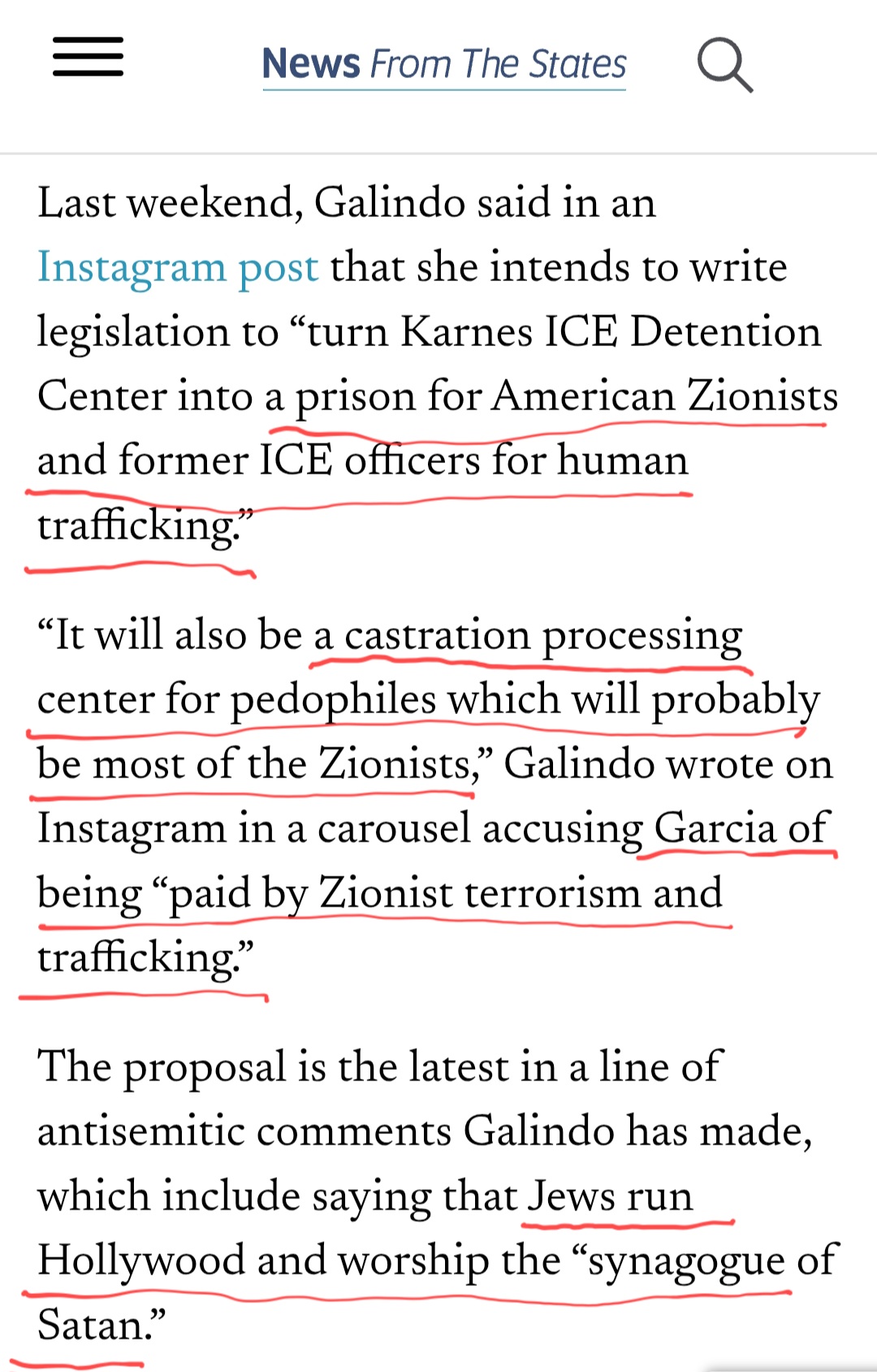
“turn Karnes ICE Detention Center into a prison for American Zionists” – Maureen Galindo, leading Democrat for TX-35
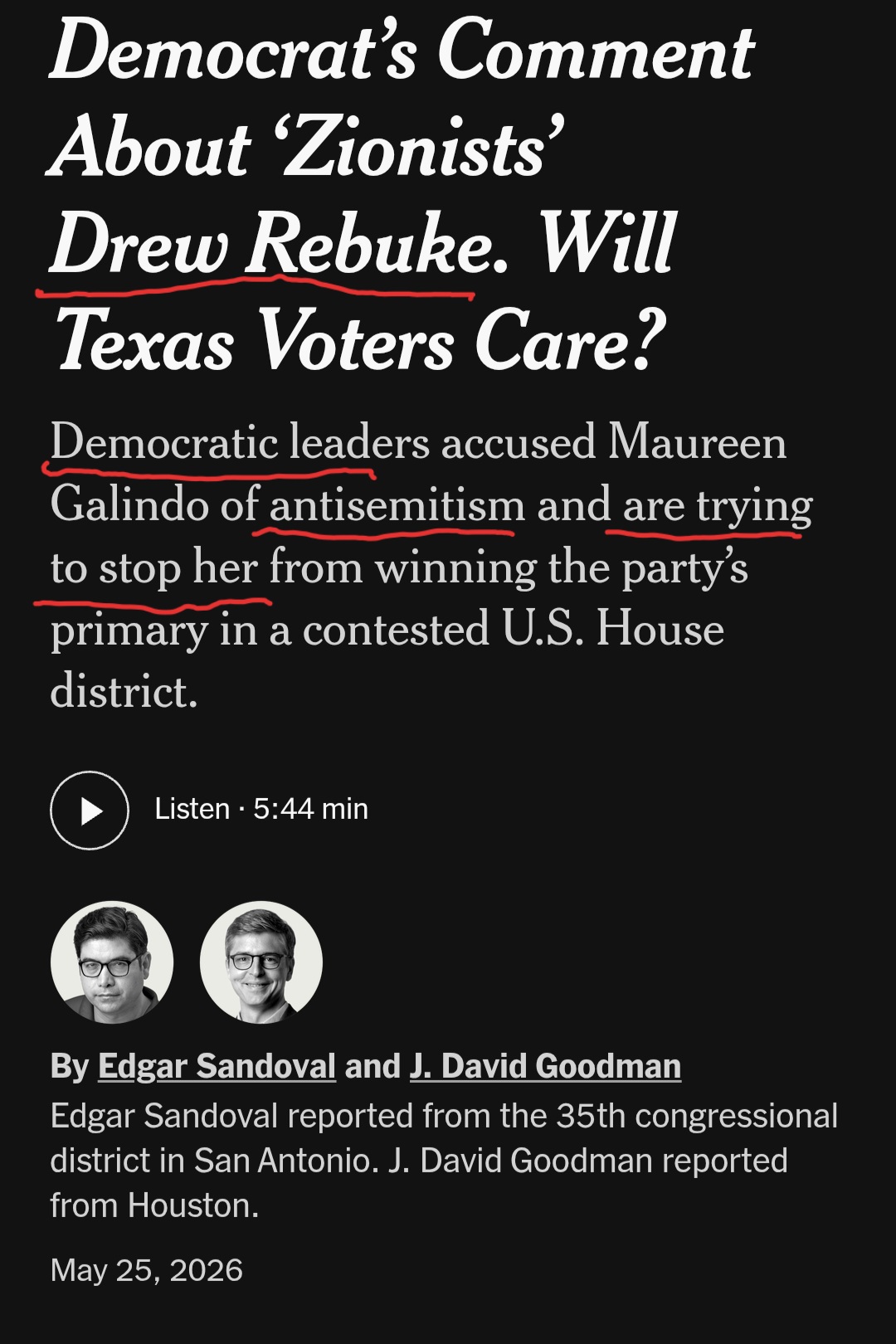
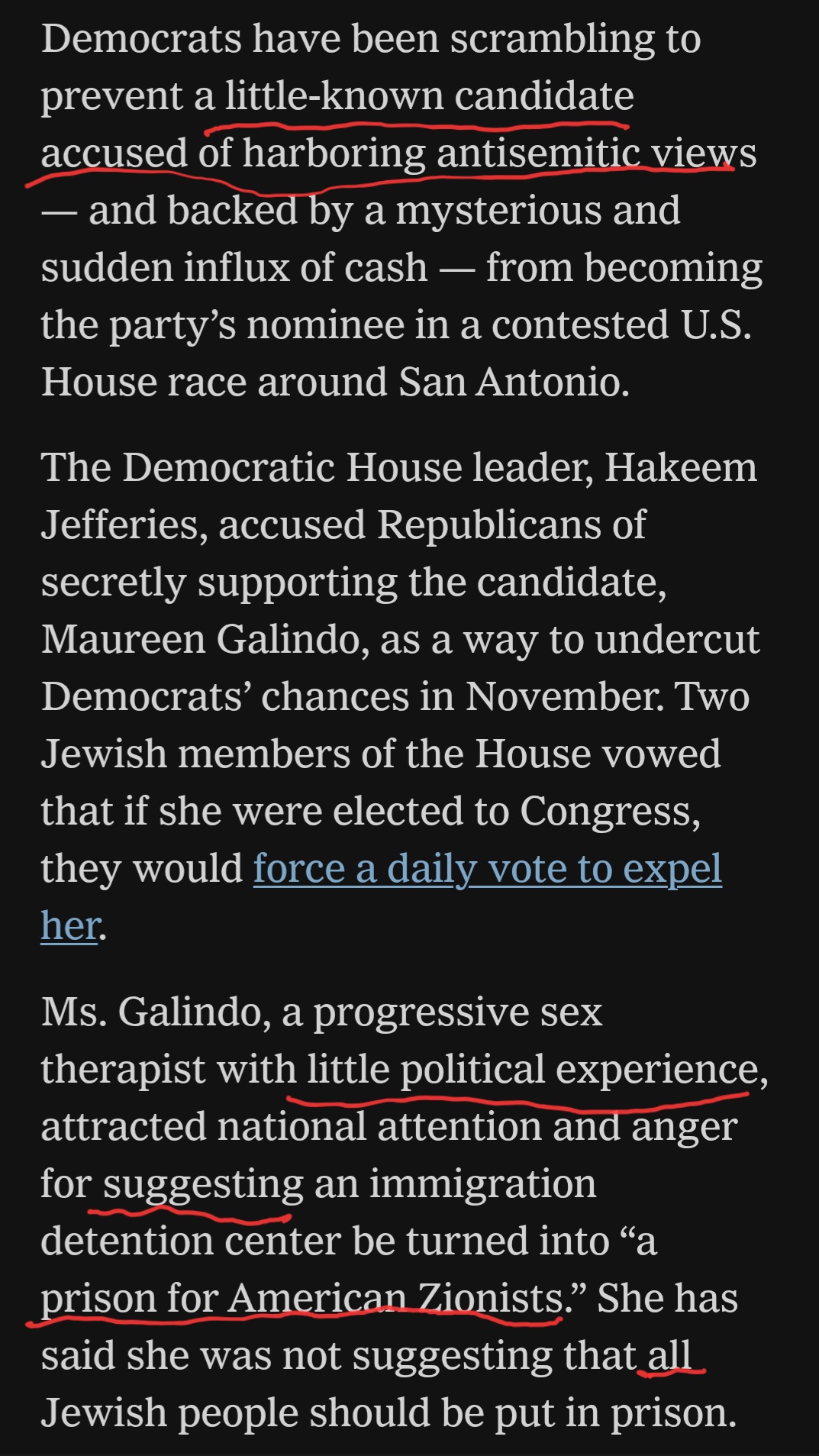
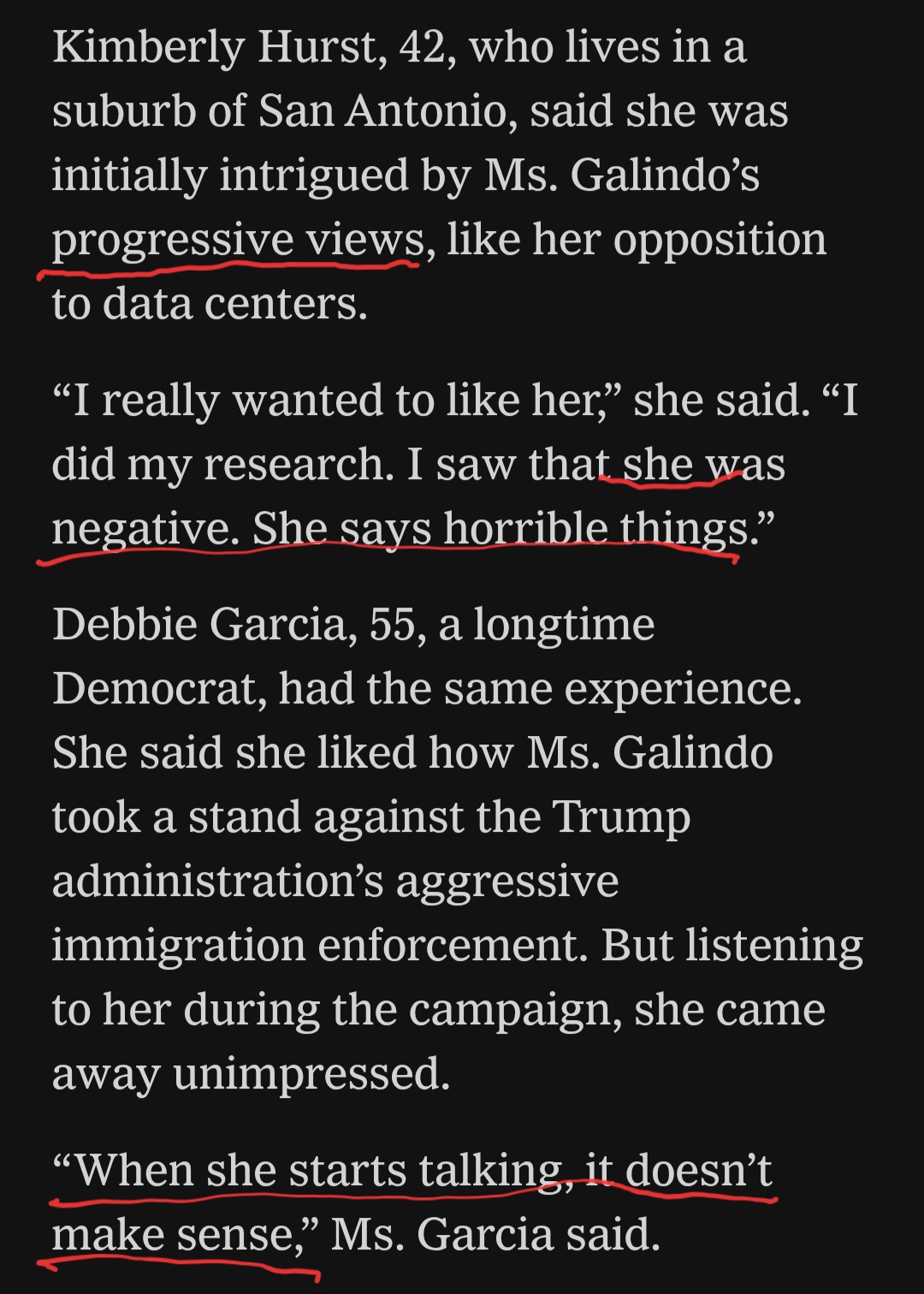
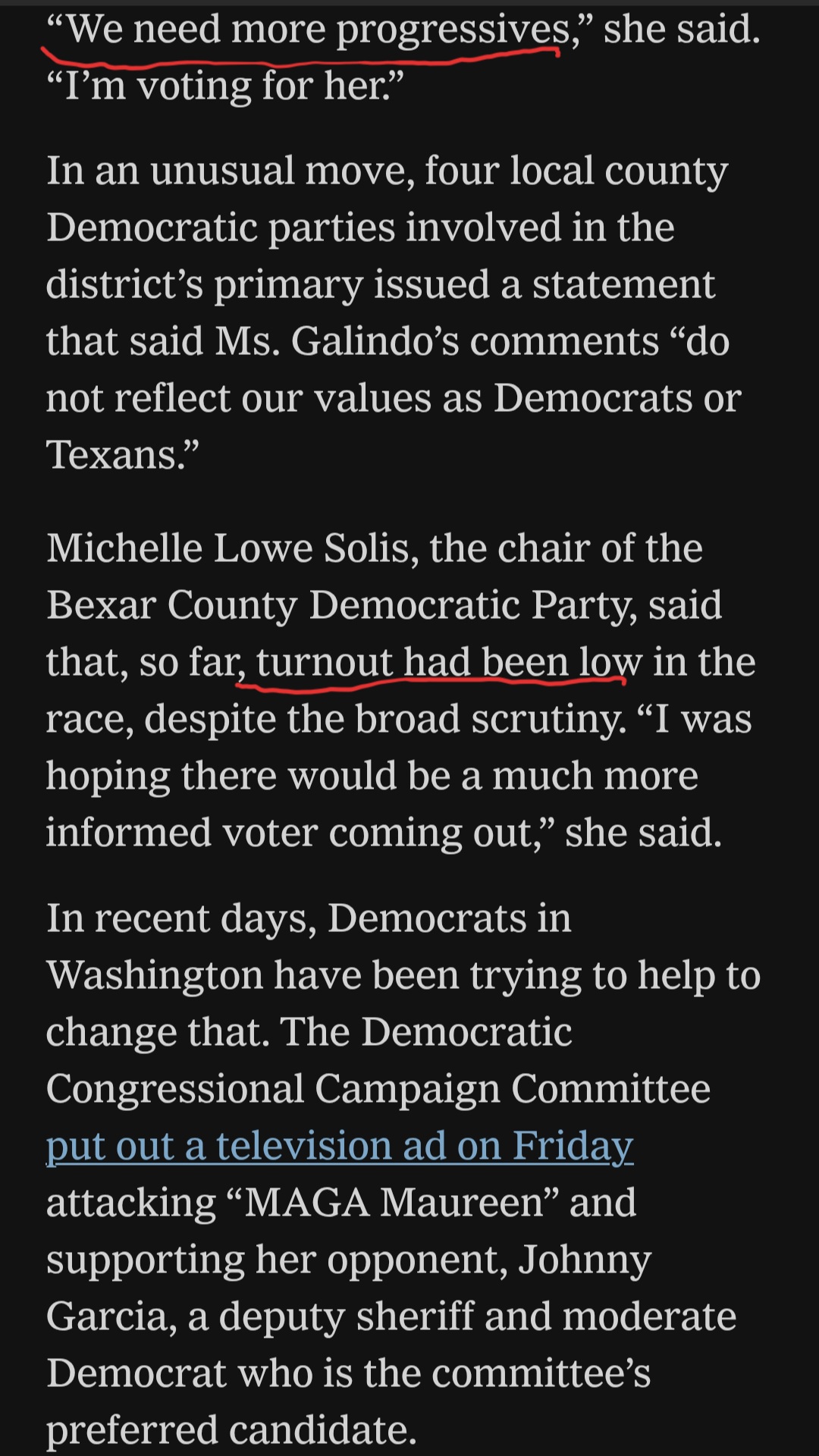
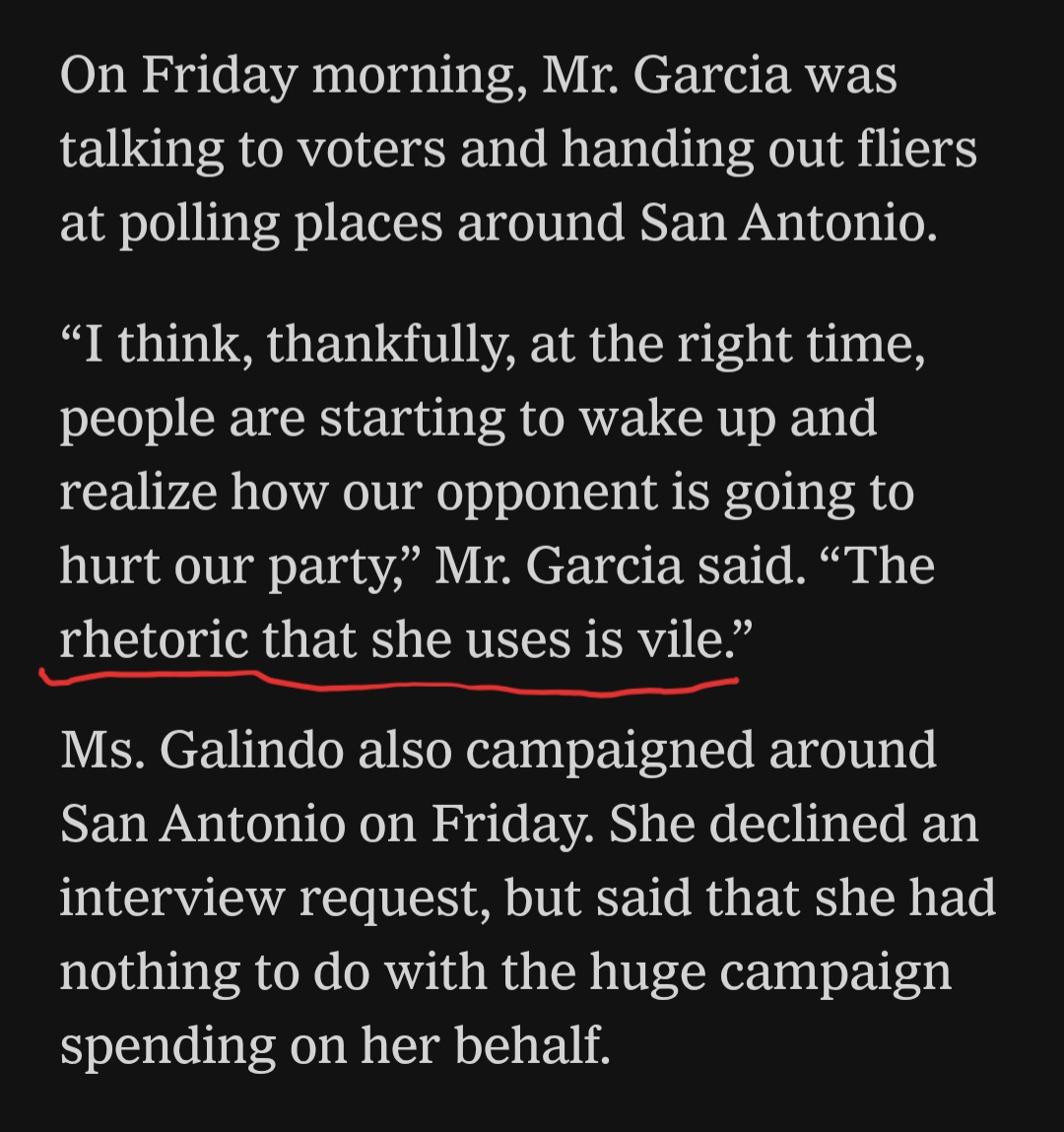
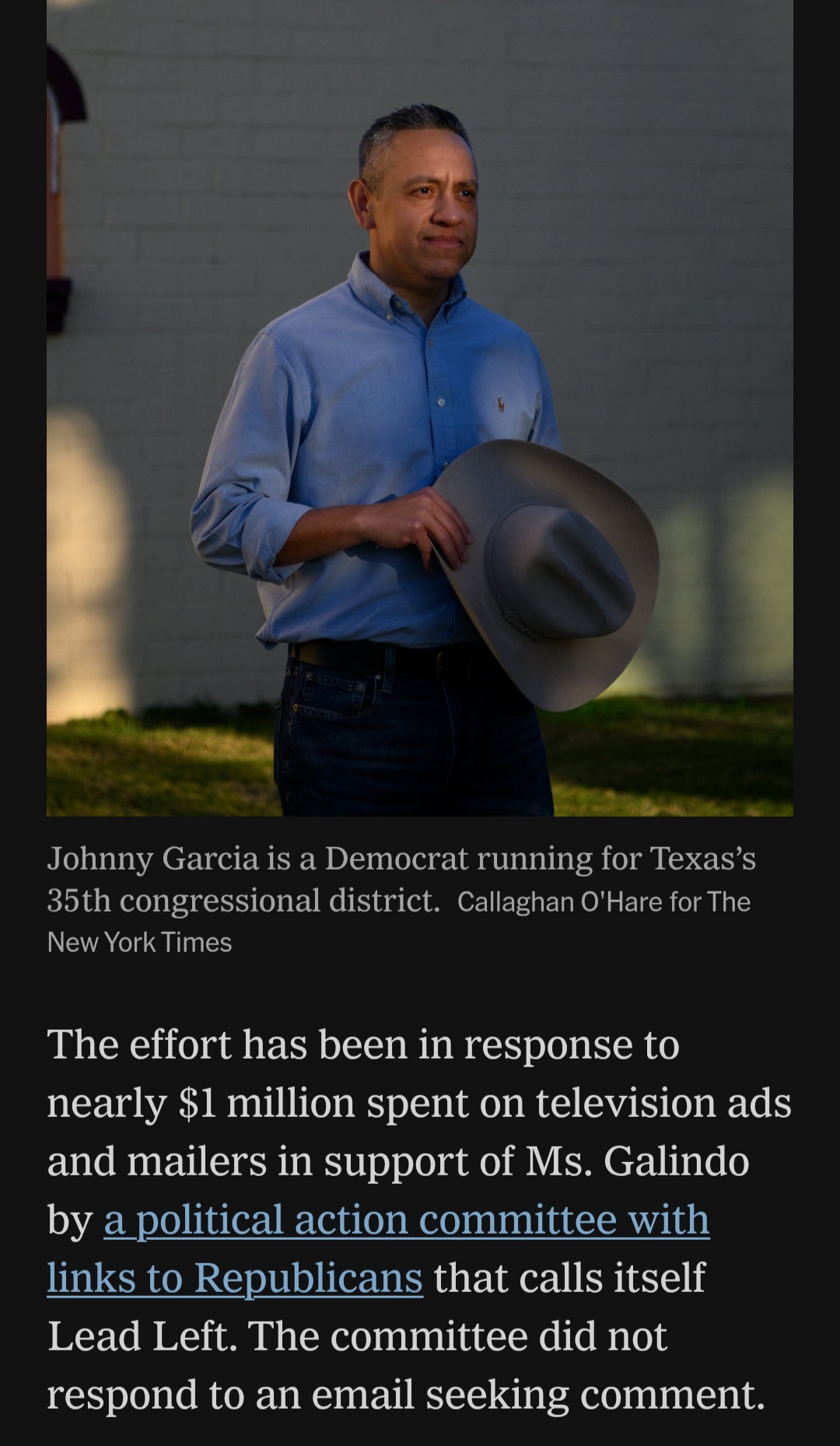
That question hovered over the New York Times coverage of Texas congressional candidate Maureen Galindo. Readers learned about Republican efforts to boost her candidacy. They learned that Democratic leaders denounced her. They learned of fears that she could become a liability for her party.
What they largely did not receive was a full accounting of Galindo herself.
accused her opponent of being “paid by Zionist terrorism and trafficking.” – Maureen Galindo, leading Democrat for TX-35
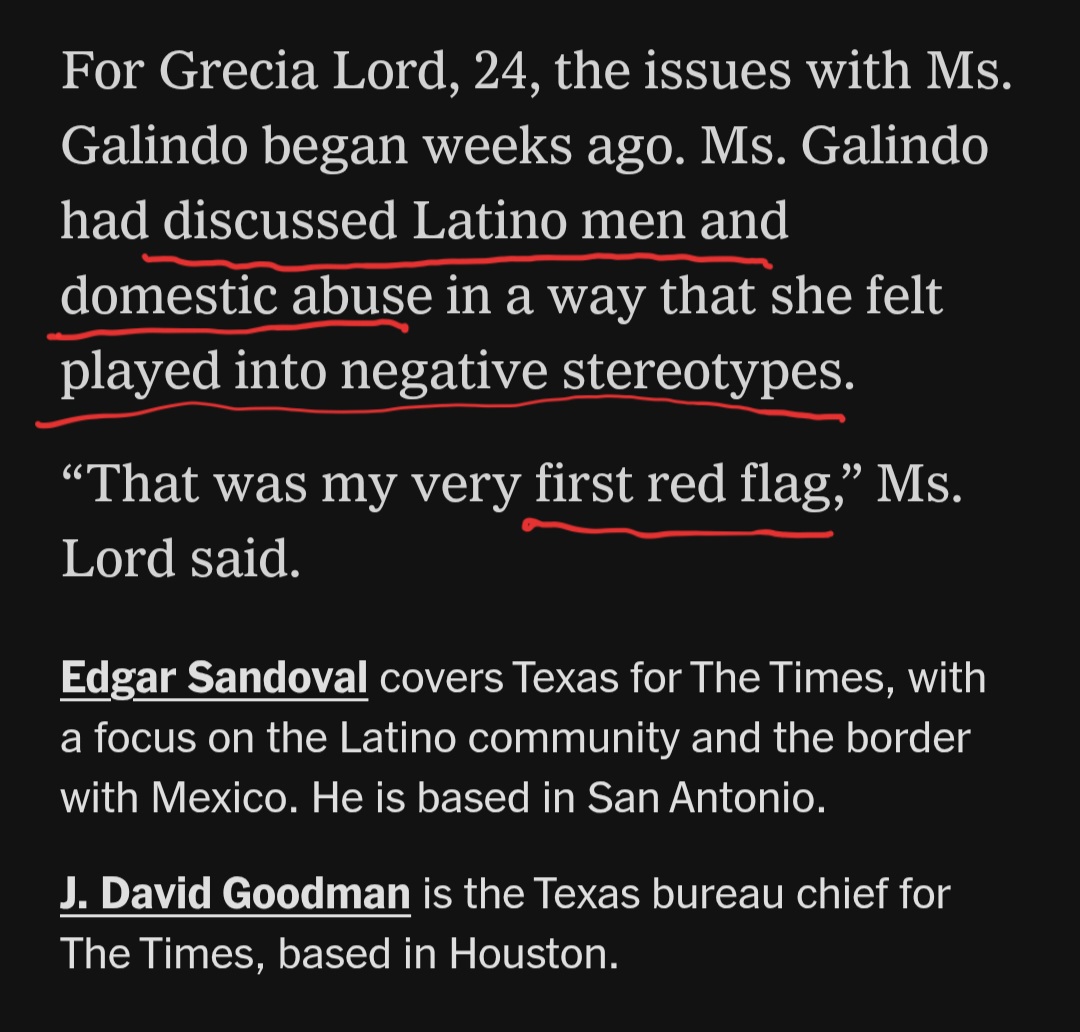
The article informed readers that Galindo had made inflammatory remarks. It offered a glimpse of the controversy. Yet it spent remarkably little time exposing the breadth and character of the rhetoric that made her candidacy so extraordinary. Galindo’s own words appeared only in fragments. Her worldview remained mostly offstage.
The effect was subtle but significant. Readers were encouraged to view Galindo as a political problem rather than as a political phenomenon.
Jews run Hollywood and worship at the “synagogue of Satan.” – Maureen Galindo, leading Democrat for TX-35
The frame became Republican meddling.
The story should have been why thousands of Democratic voters found her acceptable.
Republican spending may have increased Galindo’s visibility. Democratic leaders may have condemned her. Neither explains why a candidate whose rhetoric would once have ended a political career finished first in a Democratic primary.
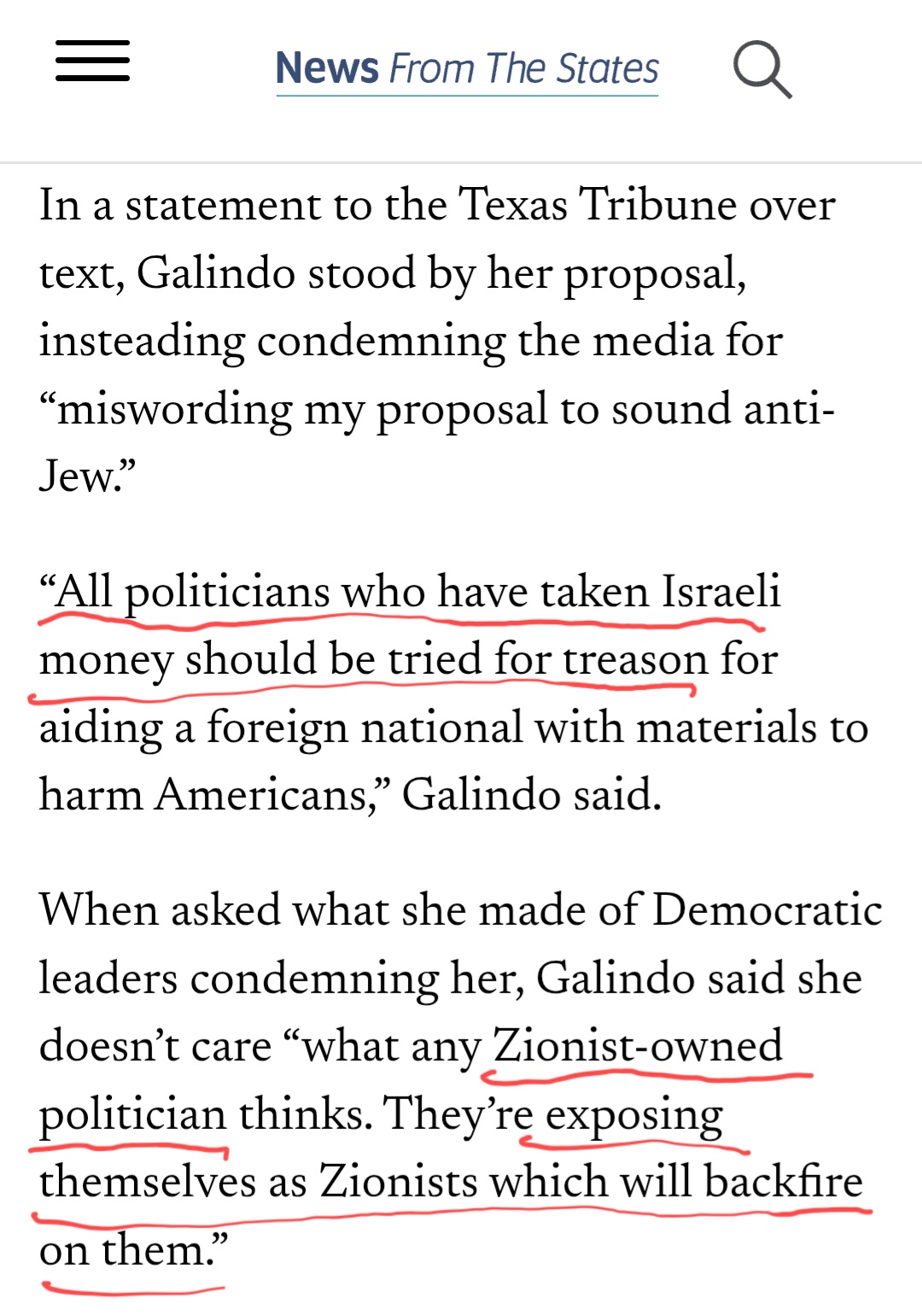
“All politicians who have taken Israeli money should be tried for treason” – Maureen Galindo, leading Democrat for TX-35
That is the question the article never seriously explored.
The answer may lie in a reality that many journalists remain reluctant to confront that antisemitism is increasingly treated differently from other forms of prejudice.
When politicians target most minority groups, journalists lead with the offensive remarks themselves. Readers see the words and judge them accordingly.
When Jews or Zionists are the target, the instinct often shifts toward explanation. The discussion moves to grievances, movements, funding, coalitions, and historical forces. The prejudice becomes something to interpret rather than confront.
I don’t care “what any Zionist-owned politician thinks. They’re exposing themselves as Zionists which will backfire on them.” – Maureen Galindo, leading Democrat for TX-35
This pattern has become particularly visible in discussions surrounding Zionism. For years, much of the political and academic world insisted that anti-Zionism and antisemitism occupy entirely separate categories. One concerns a state. The other concerns a people.
Galindo’s rhetoric collapses that distinction.
Her remarks are not primarily arguments about settlements, borders, military policy, or diplomatic arrangements. They concern Zionists in the United States. They assign collective characteristics to an enormous population. They transform a political identity into a moral category. They depict entire groups as uniquely dangerous and deserving of extraordinary treatment.
That is why her candidacy matters.
Not because she is representative of all progressives. She clearly is not.
Not because every critic of Israel shares her views. They plainly do not.
She matters because she demonstrates how rhetoric that would be instantly recognized as bigotry in almost any other context can find an audience when directed at Zionists and Jews.
And that audience is no longer hypothetical.
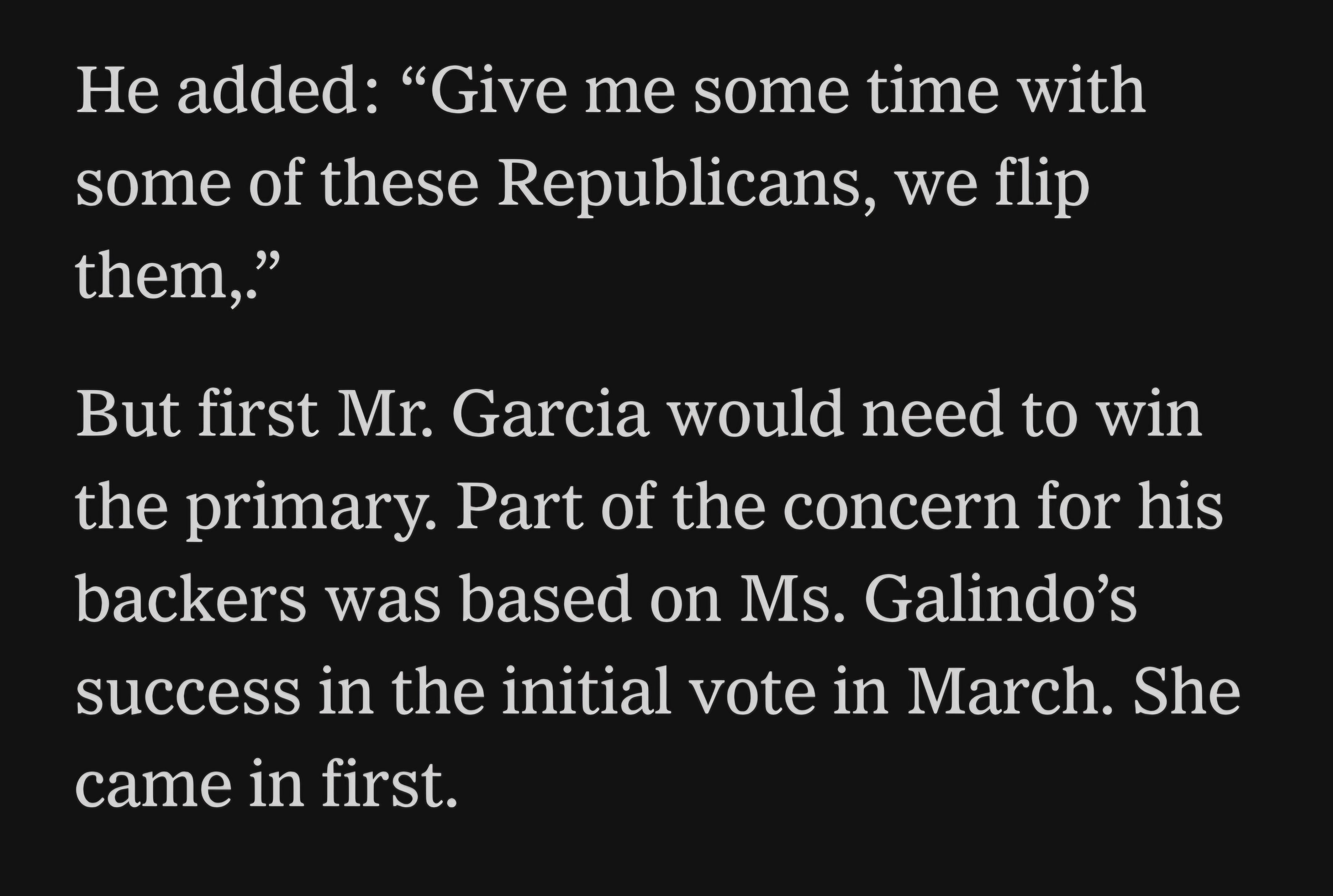
Galindo finished first because real voters chose her. That fact should have been the center of the story.
Instead, the NY Times coverage drifted toward a more comfortable explanation: Republicans boosted her campaign because they wanted to embarrass Democrats.
Perhaps they did.
Political parties routinely try to elevate weak or extreme opponents. There is nothing novel about the tactic.
What is novel is the assumption that the tactic itself explains the outcome. It does not.
A campaign contribution can buy advertising. It cannot manufacture belief. A mailer can increase awareness. It cannot create enthusiasm where none exists. Electoral manipulation may shape margins, but it does not explain why a message resonates.
To understand Galindo’s success requires examining the movement that produced her supporters rather than the operatives who noticed them.
That inquiry would lead into uncomfortable territory. It would require asking why anti-Israel activism increasingly attracts rhetoric that once belonged on the fringes of political life. It would require examining how language once considered antisemitic is repackaged as moral virtue. It would require acknowledging that hatred can emerge from the left no less than from the right.
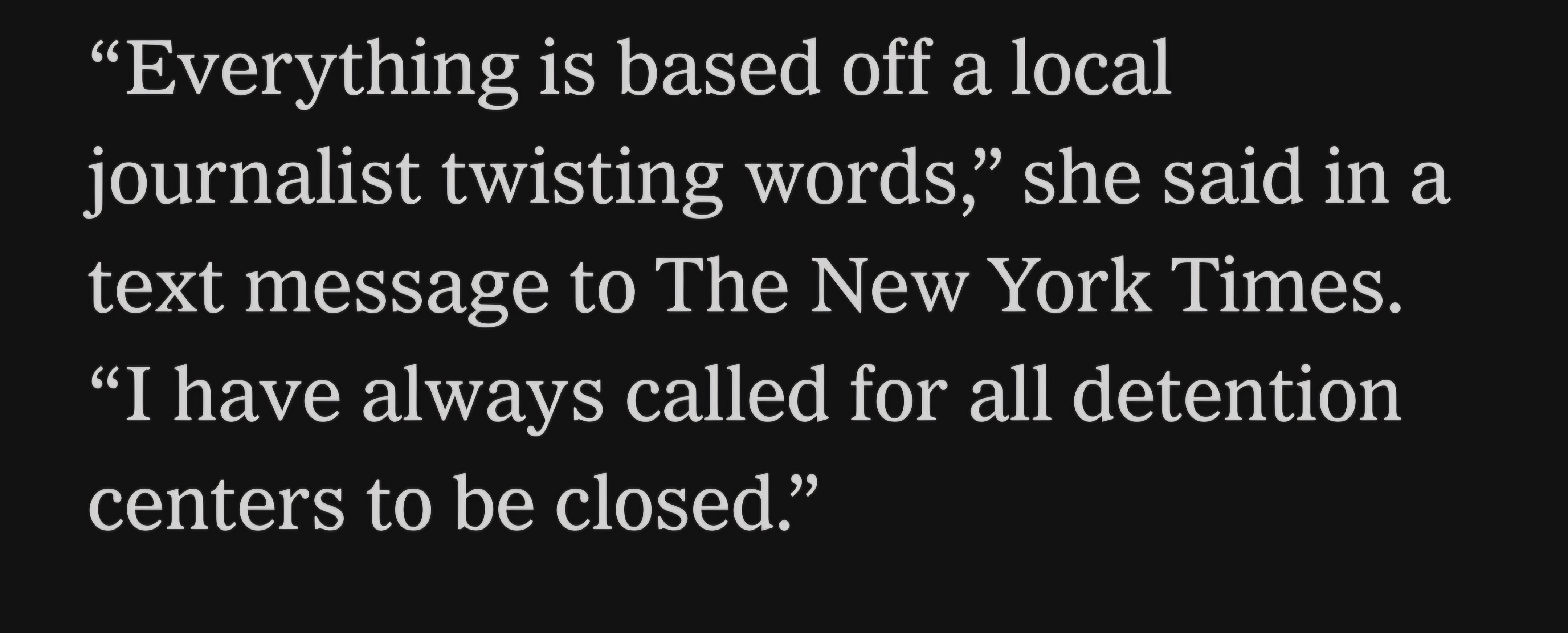
Instead, the Times watered down the belief system of Galindo’s voters. It argued that the bile had “significantly less attention in Texas’s 35th congressional district.” It claimed that “most were unaware of the controversy,” and “knew little about the specifics.” It quoted a progressive who heard about Galindo’s smears “but brushed them as a political attacks.”
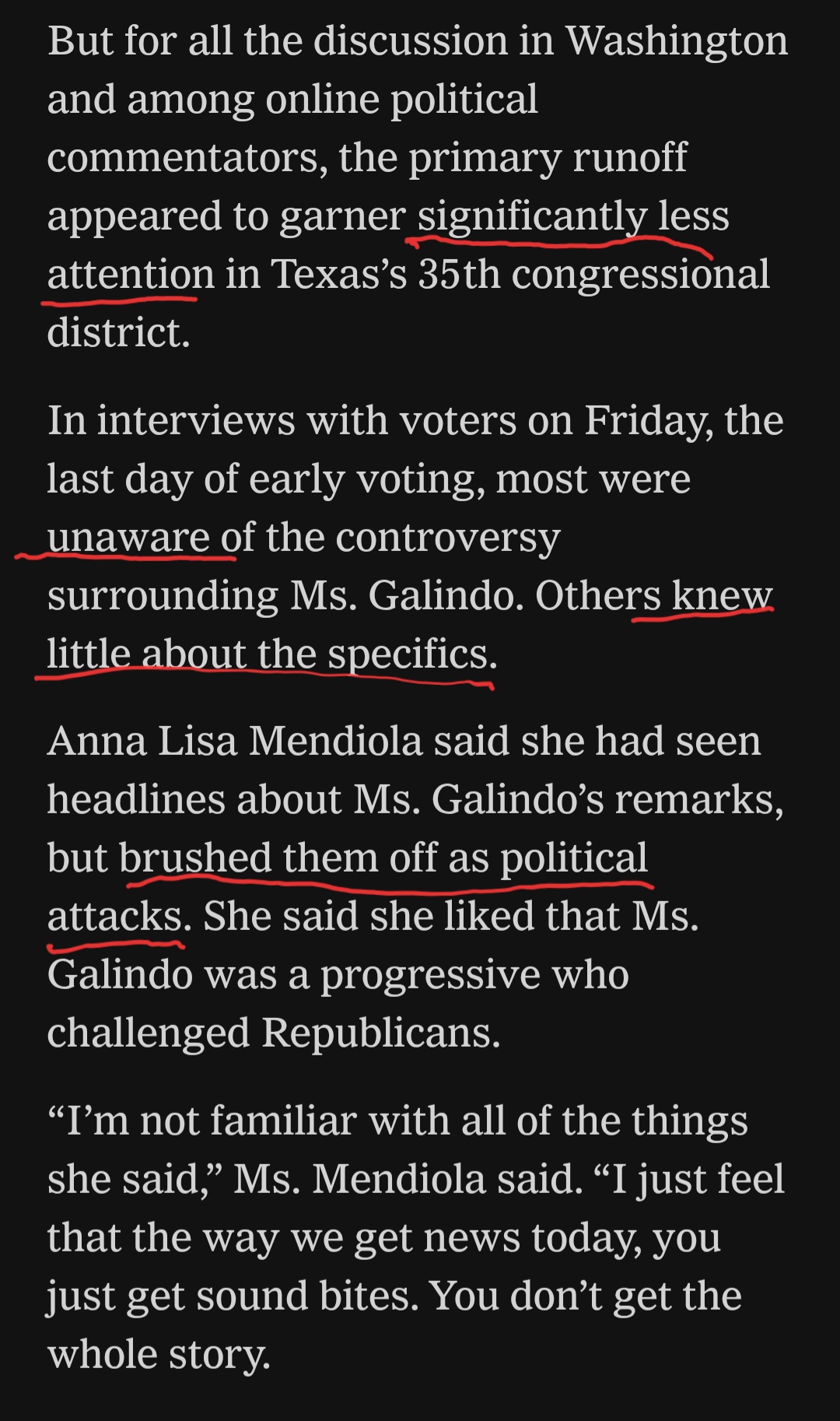
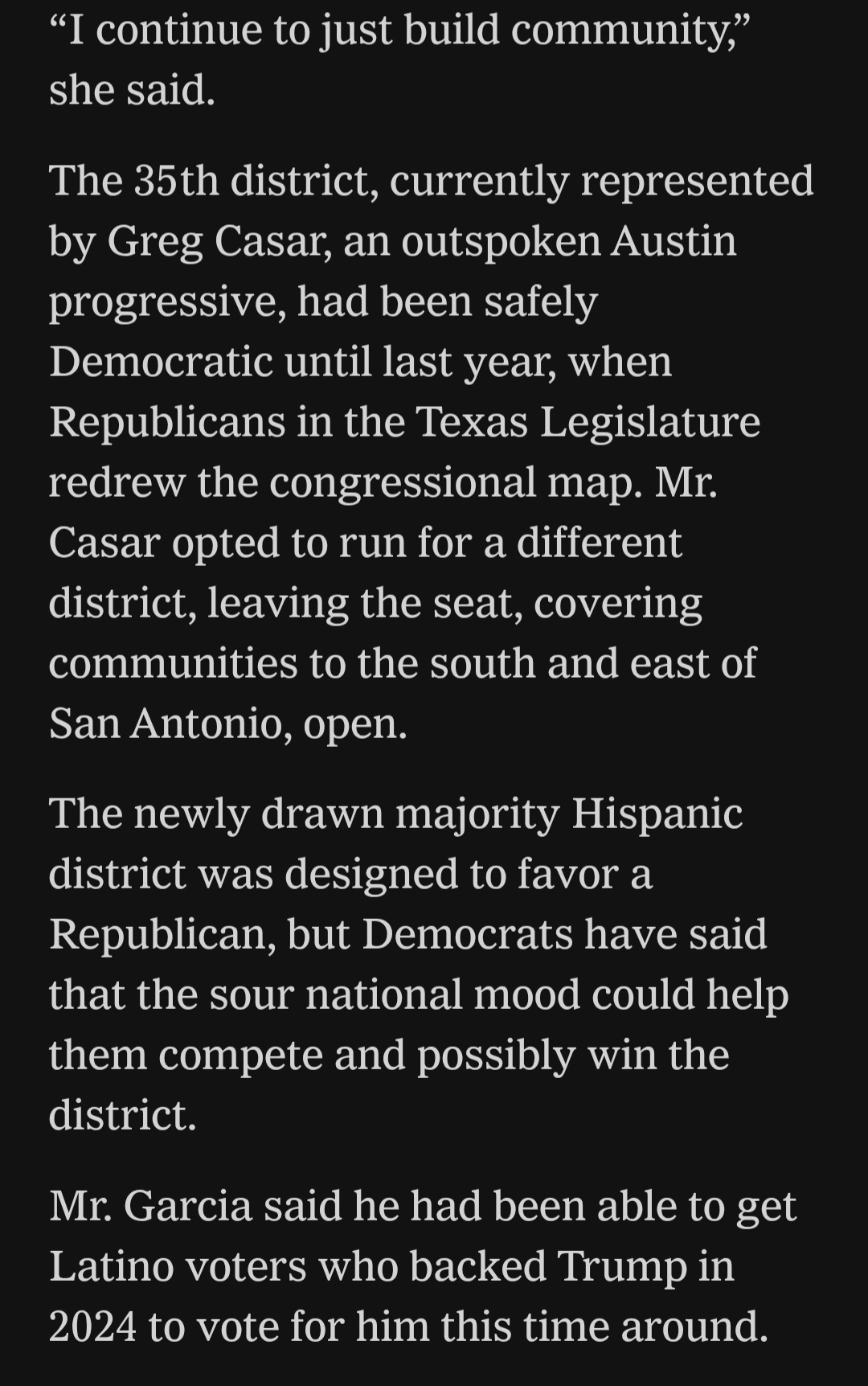
In other words, the Times deliberately sought to portray the progressive voters for Galindo as NOT antisemitic nor anti-Israel, just unaware.
This is journalistic malfeasance. It would never happen for any other minority group, and certainly not one experiencing a wave of hate crimes.
Journalists are trained to recognize certain forms of extremism instantly and warn readers about their implications.
The danger is not only the prejudice they recognize. It is also the prejudice they explain until it begins to sound normal.
Maureen Galindo may or may not win her race. What matters is that a candidate who trafficked in rhetoric that would have dominated headlines if directed at almost any other minority group finished first in a Democratic primary.
Yet the discussion focused elsewhere: Republican strategy, Democratic embarrassment, campaign spending, electoral tactics.
Everything surrounding the candidate became the story.
The candidate – and her supporters – became someone else’s story.


