
Part 2 of Democracy Is Beautiful. Politics Is Ugly. What holds a divided society together when citizens lose faith in their future, their institutions and one another?
The United States has operated under the same Constitution since 1789. It has endured wars, depressions, assassinations, political scandals and profound disagreements over the meaning of freedom and equality. It also suffered a catastrophic Civil War that demonstrated how completely a nation can fracture.
What allows people with fundamentally different beliefs and interests to remain committed to the same country?
A constitution establishes the rules of government. It cannot guarantee that citizens trust those rules, believe they have a future within the system or feel any obligation toward people with whom they disagree.
For more than two thousand years, political philosophers have examined the conditions that sustain a republic. Their insights reveal five foundations that extend beyond constitutional design.
A Stake in the Future
Aristotle (384–322 BCE) warned in Politics that deep divisions between rich and poor could destabilize government. He believed a substantial middle class moderated competing economic interests and helped preserve political stability.
America has long been sustained by the expectation that hard work could produce a better life. Homeownership, entrepreneurship, education and the opportunity to provide more for one’s children gave people a personal stake in the country’s success.
But that confidence weakens when housing becomes unaffordable, healthcare and education consume family incomes, and younger generations question whether they can achieve the standard of living their parents enjoyed.
The problem extends beyond inequality. People can tolerate considerable differences in wealth when they believe advancement remains possible. Resentment grows when opportunity appears closed and economic rewards seem disconnected from effort.
A republic becomes vulnerable when citizens stop believing they have a future worth investing in.
Confidence in Fair Institutions
John Locke (1632–1704) argued that legitimate government exists to protect fundamental rights through established laws and impartial administration of justice.
Citizens can accept decisions they dislike when they believe the rules are fair. But when courts, elections, law enforcement and government agencies are viewed as instruments of political or economic favoritism, dissatisfaction becomes a challenge to the system itself.
Trust in Washington has fallen dramatically. Pew Research Center’s historical series shows that 73% of Americans trusted the federal government to do what is right most or all of the time in 1958, compared with just 17% in September 2025.
The more troubling development is the tendency to judge institutions by whether they produce politically desirable outcomes.
A court is considered legitimate when it rules favorably and corrupt when it does not. Elections are celebrated when preferred candidates win and questioned when they lose.
The danger arises when citizens lose confidence that the rules apply equally to everyone.
The Bonds That Make a Nation
Alexis de Tocqueville (1805–1859), writing in Democracy in America, admired Americans’ extraordinary willingness to form churches, charities, schools, local organizations and voluntary associations.
These institutions taught cooperation. Neighbors could disagree about national politics while working together to improve their communities.
Tocqueville feared that isolated individuals would increasingly depend upon centralized government as local associations weakened.
Today, political identity increasingly reaches into friendships, families, schools, religious institutions and businesses. Social media encourages people to surround themselves with those who share their opinions while regarding political opponents with suspicion.
The danger is that citizens begin to lose relationships that transcend politics.
A nation needs more than a common government. It needs communities in which people learn to live and work together despite their differences.
A Shared Understanding of Reality
Hannah Arendt (1906–1975), in her 1967 essay Truth and Politics, examined the importance of factual truth to public life.
People can disagree about policies, values and the interpretation of events. But meaningful debate requires some common understanding of what actually happened.
Today’s information environment offers unprecedented access to knowledge while allowing competing political communities to inhabit entirely different accounts of reality.
Traditional media, partisan commentators, social platforms and artificial intelligence can reinforce existing beliefs and spread misleading claims.
When citizens cannot agree on basic facts or recognize credible evidence, persuasion becomes difficult. Every disagreement can become another accusation of deception.
“In a world where facts are extraneous, we are only left with a clash of emotions.” – First One Through, “Eyes Wide Shut” November 2016
A republic requires more than freedom to express competing opinions. It needs a public capable of distinguishing facts from arguments about those facts.
The Character Required for Self-Government
John Adams (1735–1826) understood that republican institutions depended upon civic virtue as well as laws.
In Thoughts on Government (1776), he emphasized representative institutions, impartial justice and the responsibilities of citizenship.
No constitution can anticipate every circumstance in which citizens or political leaders must choose between immediate advantage and the integrity of the system. People must sometimes accept electoral defeat, respect unfavorable court decisions and defend principles that benefit their opponents. When political disagreement becomes moral hostility, such restraint becomes harder. Political victory may begin to appear more important than the rules governing competition.
The republic depends upon citizens willing to preserve institutions even when those institutions prevent them from getting what they want.
When the Foundations Begin to Fail
These five foundations reinforce one another.
- Economic opportunity gives citizens a stake in the future.
- Fair institutions give them confidence in the rules.
- Community creates belonging. S
- hared facts make disagreement manageable.
- Civic virtue sustains the willingness to preserve the system.
Their erosion can create a dangerous cycle.
People who believe they cannot get ahead may blame institutions they consider unfair. Social isolation makes it easier to view other groups as responsible. Competing information environments reinforce hostility. Political leaders and citizens become more willing to sacrifice restraint in pursuit of victory.
America has endured such pressures before. The Great Depression tested confidence in economic opportunity. The civil rights movement challenged a system that denied equal rights to millions. The Civil War demonstrated the catastrophic consequences when competing visions of the nation could no longer be reconciled peacefully.
These crises also reveal that constitutional endurance depends upon reform, institutional legitimacy and the ability to rebuild a shared national purpose.
The Constitution remains in place today. The more important question is whether the conditions that sustain it are growing weaker.
What Makes the Republic Worth Preserving?
A nation cannot remain united merely because its citizens are governed by the same laws.
They must believe that opportunity remains possible, that institutions operate fairly and that their neighbors’ success does not require their own failure.
The deepest danger arises when citizens conclude that their future depends upon defeating, excluding, depriving or stealing from other Americans rather than building a society in which they can all prosper.
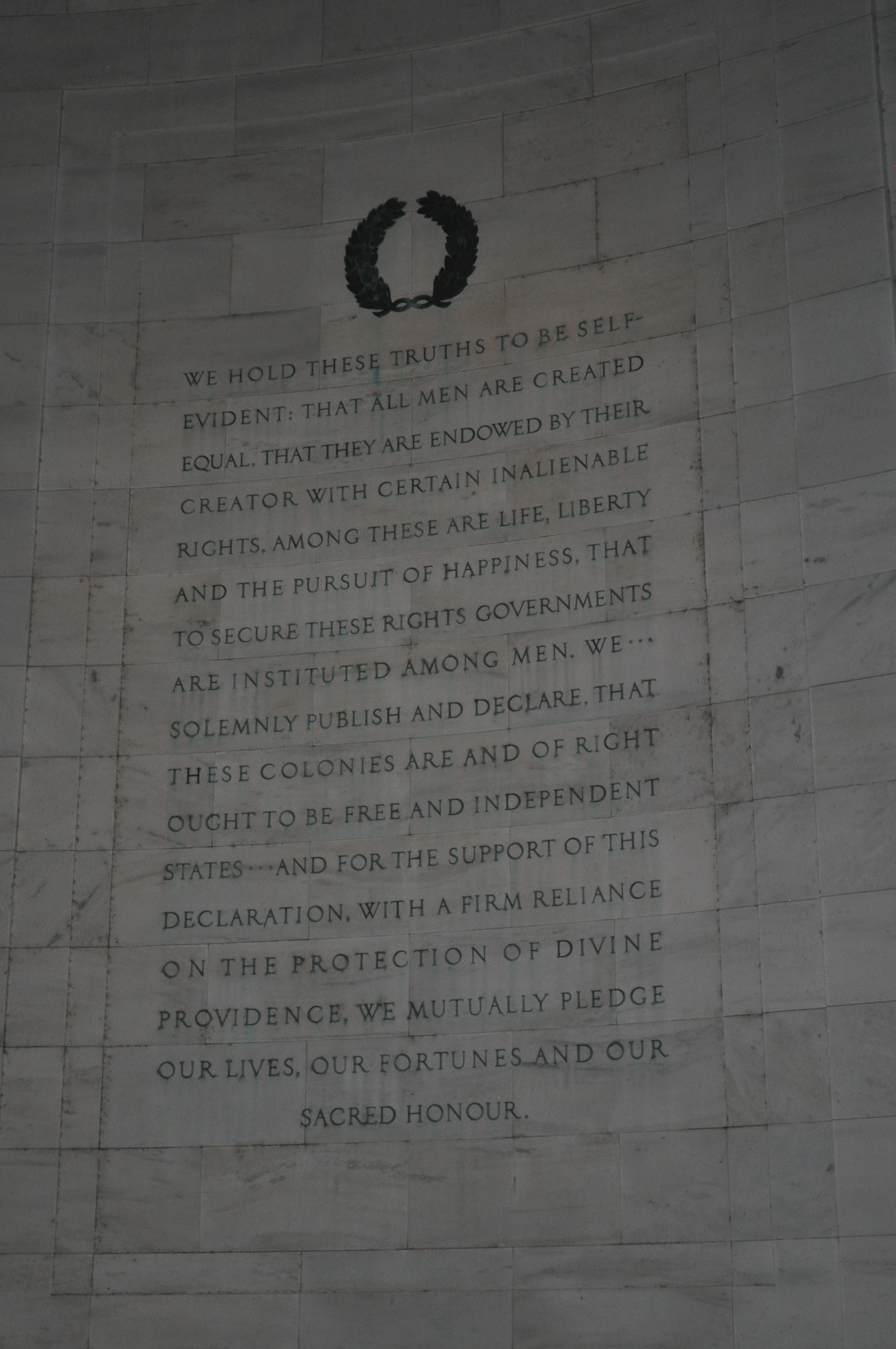
The ultimate test of a republic is whether its citizens still recognize one another as legitimate participants in a shared national future. When political opponents become enemies who must be defeated at any cost, elections cease to be a means of resolving disagreement and become battles over who has the right to govern.
A constitution can establish the rules of that contest. Only the citizens can decide whether those rules—and the republic itself—remain worth preserving.


