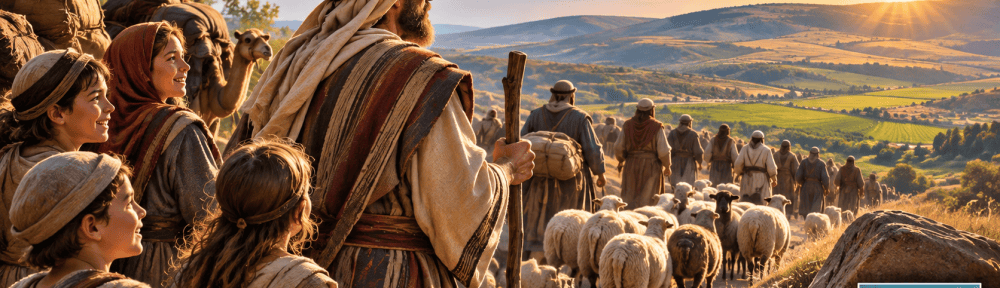
The Jewish people have spent much of their history outside the Land of Israel. They built extraordinary communities, raised generations of children, accumulated wealth and contributed to civilizations across the world. Some communities flourished for centuries. Others vanished.
Yet their homeland never changed.
This paradox appears in Vayetzei, at the beginning of the Jewish people’s formation.
Abraham secured a burial place in the Promised Land. Isaac reopened his father’s wells to sustain life there. But Jacob, whose twelve sons would become the tribes of Israel, built almost his entire family in Haran, far from the land promised to his fathers.
Eleven of his twelve sons were born there. Despite Laban’s deception and hostility, Jacob prospered, establishing a family and acquiring considerable wealth. Twenty years later, God commanded him to return.
Jacob was not returning because he had failed abroad. He was returning after succeeding.
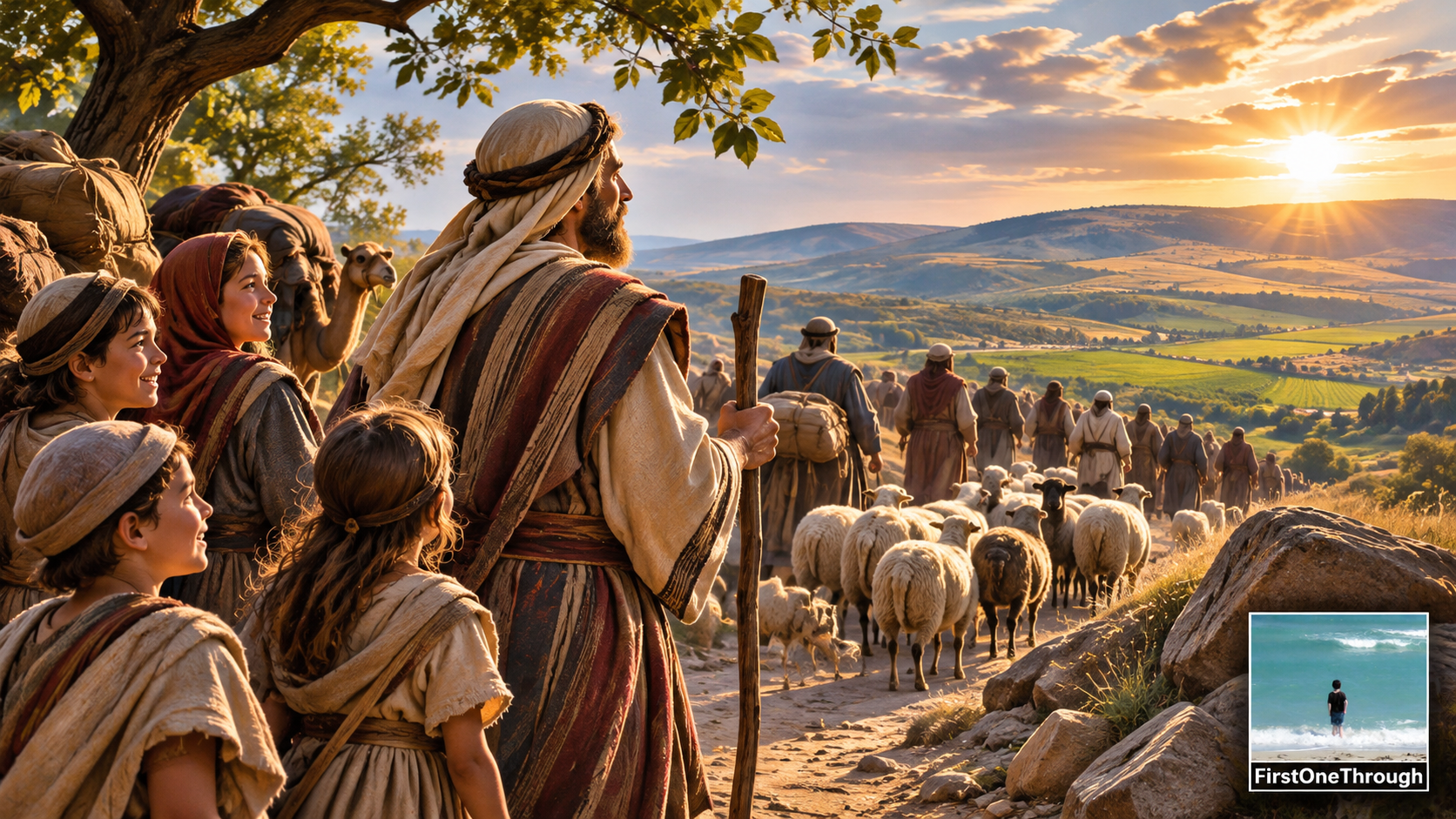
The pattern continued in Egypt. Jacob’s extended family of seventy descended into Egypt, where their descendants multiplied into a nation numbering hundreds of thousands. Their greatest population growth occurred outside their homeland, yet their national journey led back to the land promised to their ancestors.
Centuries later, Jewish communities flourished in Babylon, Spain, Poland, Britain, America and countless other places. They created centers of learning, commerce and culture, often becoming deeply attached to their adopted countries.
But prosperity abroad never erased their connection to their ancestral homeland.
The diaspora was not simply an interruption of Jewish history. It was one of its great engines of growth, beginning with Jacob himself.


