When New Yorkers hear “private schools,” many still picture the old stereotype: elite Manhattan prep schools, hedge-fund families, sprawling campuses, and tuition bills that rival college.
That image is politically useful for progressives. It makes any fight over “private school funding” sound like a fight over privilege.
But in New York City, that is no longer the reality.
The largest private-school system in the city is not Dalton, Horace Mann, or Trinity School. It is the yeshiva system.
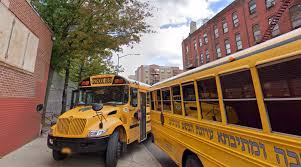
More than 100,000 students in New York City attend Jewish day schools and yeshivas (45% of the total in private schools), making them the largest single bloc in the city’s private education sector. Catholic schools, once the backbone of private education in the city, now rank second with 29% of the total. The political image of private education has not caught up with the demographic reality.
And that reality matters.
Because when politicians like Zohran Mamdani talk about cutting back the flow of public money into private education, yeshivas are not a side issue. They are the center of the story.
The latest battleground is special education reimbursement.
These are not subsidies for luxury education. They are legal remedies for families of children with disabilities whose needs the public-school system failed to meet. Under federal law, when the city cannot provide an appropriate education, parents can seek private placement and reimbursement.
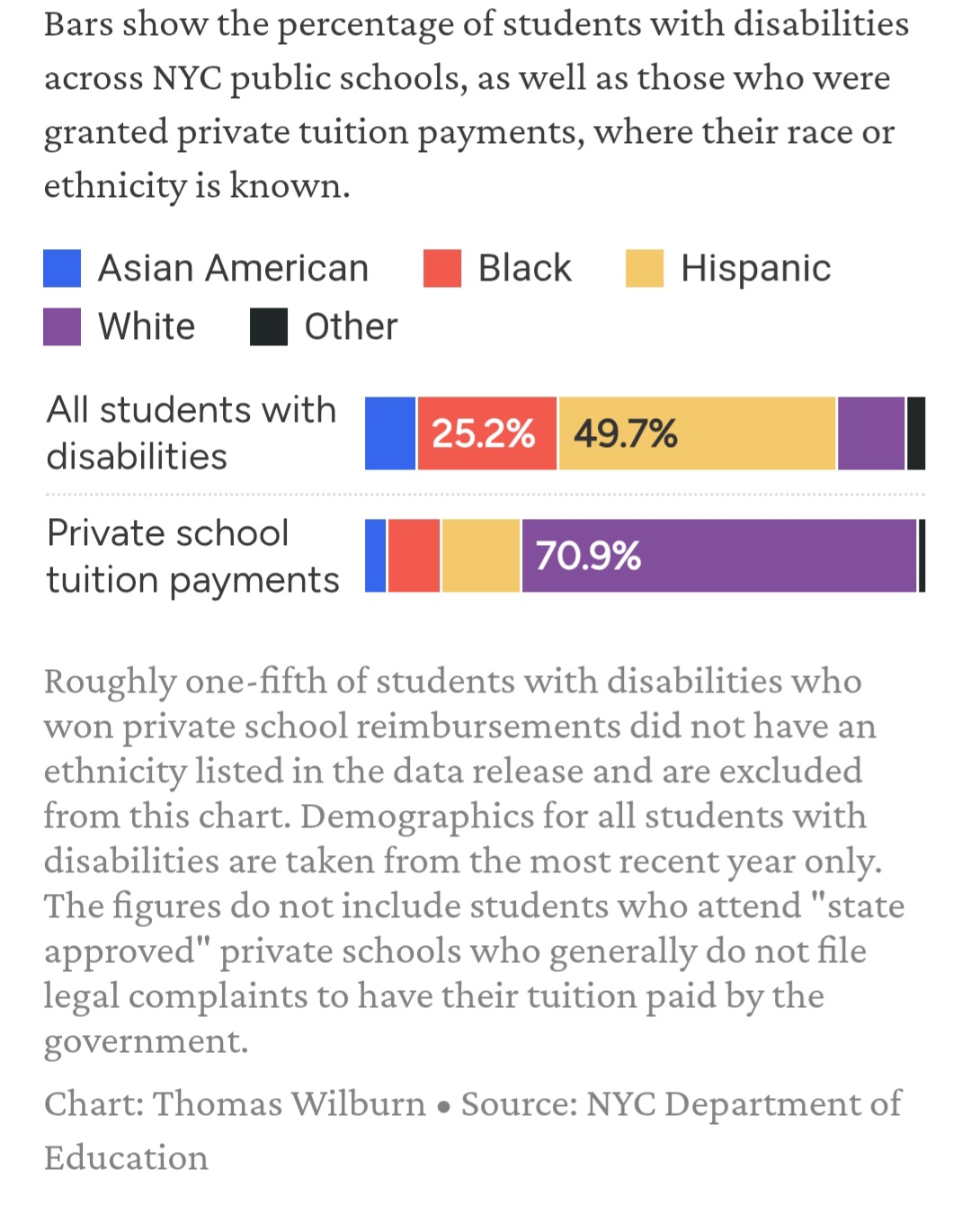
That system has grown dramatically in cost. Critics argue it disproportionately benefits families with the resources to hire lawyers, navigate hearings, and front tuition costs. And White families in particular.
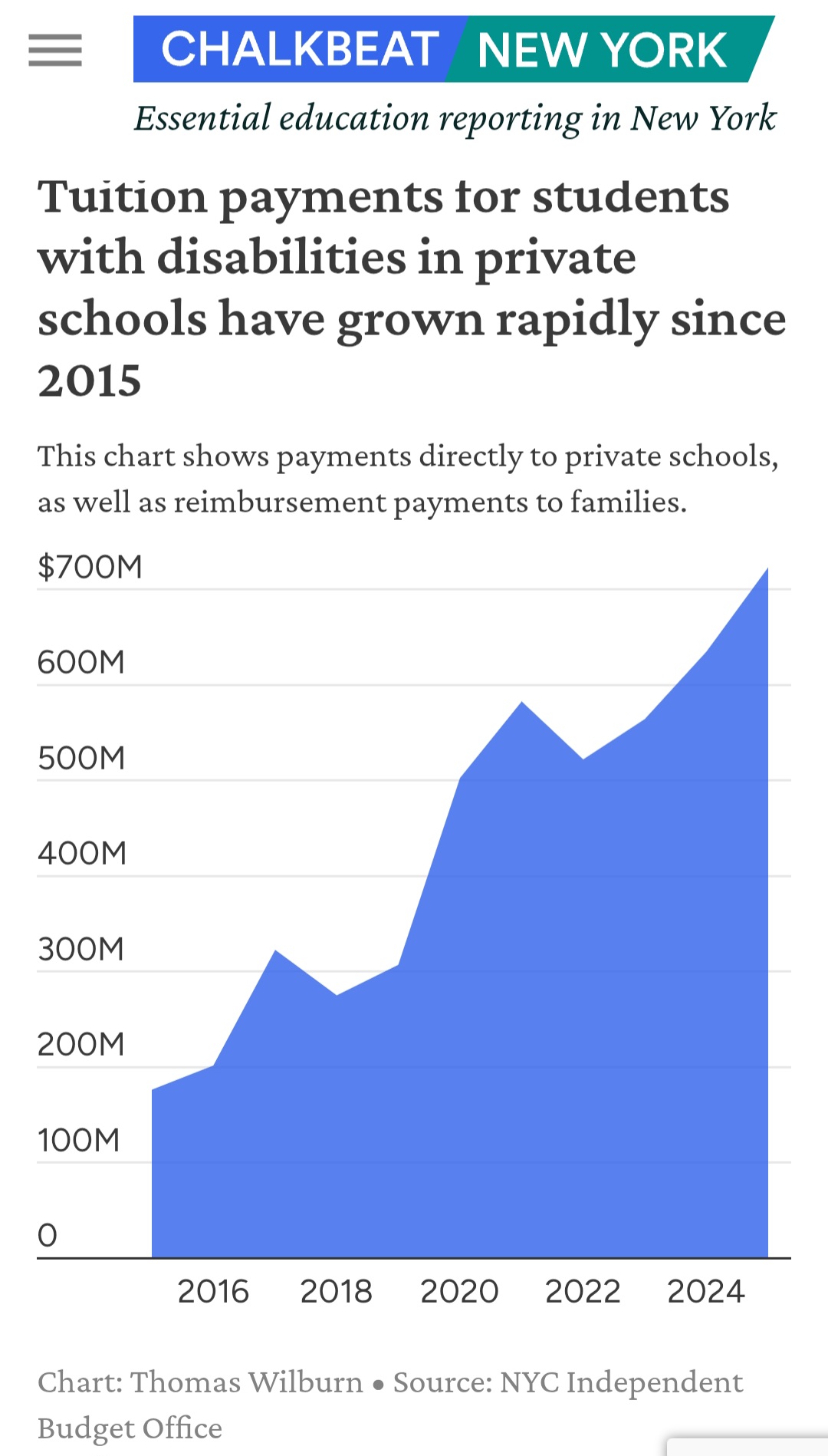
The rising cost is a legitimate policy concern.
But the answer cannot be to jump to the conclusion that yeshiva kids are taking too much; it must be to evaluate the various needs of children and figure out how to provide for them.
Unfortunately, we are living in a time and with a mayor in New York City who prefers class and racial warfare and is portraying this as a matter of “equity” and confronting “private-school privilege.” It is not. It would primarily target students with special needs at Jewish and Catholic schools.
It would hit communities that already shoulder the cost of religious education while also paying taxes into a public system they largely do not use.
It would hit families with children who need specialized services.
And it would hit institutions that serve as the backbone of Jewish continuity in New York.
Because yeshivas are not just schools. They are where tradition is transmitted, where Hebrew is spoken, where Torah is learned, where identity is formed, and where Jewish continuity is secured across generations. It is civilizational infrastructure.
And once government begins treating private educational alternatives as a fiscal problem rather than a parental right, the pressure rarely stops with one category. First special education reimbursements. Then transportation. Then security funding. Then textbooks. The pattern is familiar: reduce the supports, increase the burden, narrow the choice.

Zohran Mamdani built his politics around redistribution and expanding public provision. His next target seems to be thousands of Jewish children with special educational needs.


