No Hashtag for Khartoum or Mogadishu

Before October 7 reordered the world’s attention, a war in Sudan had already begun killing at scale. April 15 marked the three year anniversary of the latest incarnation of war. It has since produced one of the largest humanitarian crises on earth—millions displaced, famine conditions spreading, entire cities shattered. Over 2,000 healthcare workers killed. And yet it has generated almost none of the global mobilization that defines our era of outrage.

No encampments. No slogans. No sustained moral urgency that travels.

Two forces—the Sudanese Armed Forces and the Rapid Support Forces—fight for control. Civilians are not incidental to the conflict; they are its terrain. Hospitals are looted, neighborhoods erased, aid convoys blocked. Darfur, a name once synonymous with “never again,” has quietly returned to the same vocabulary of mass killing.

The scale should compel attention. It doesn’t.

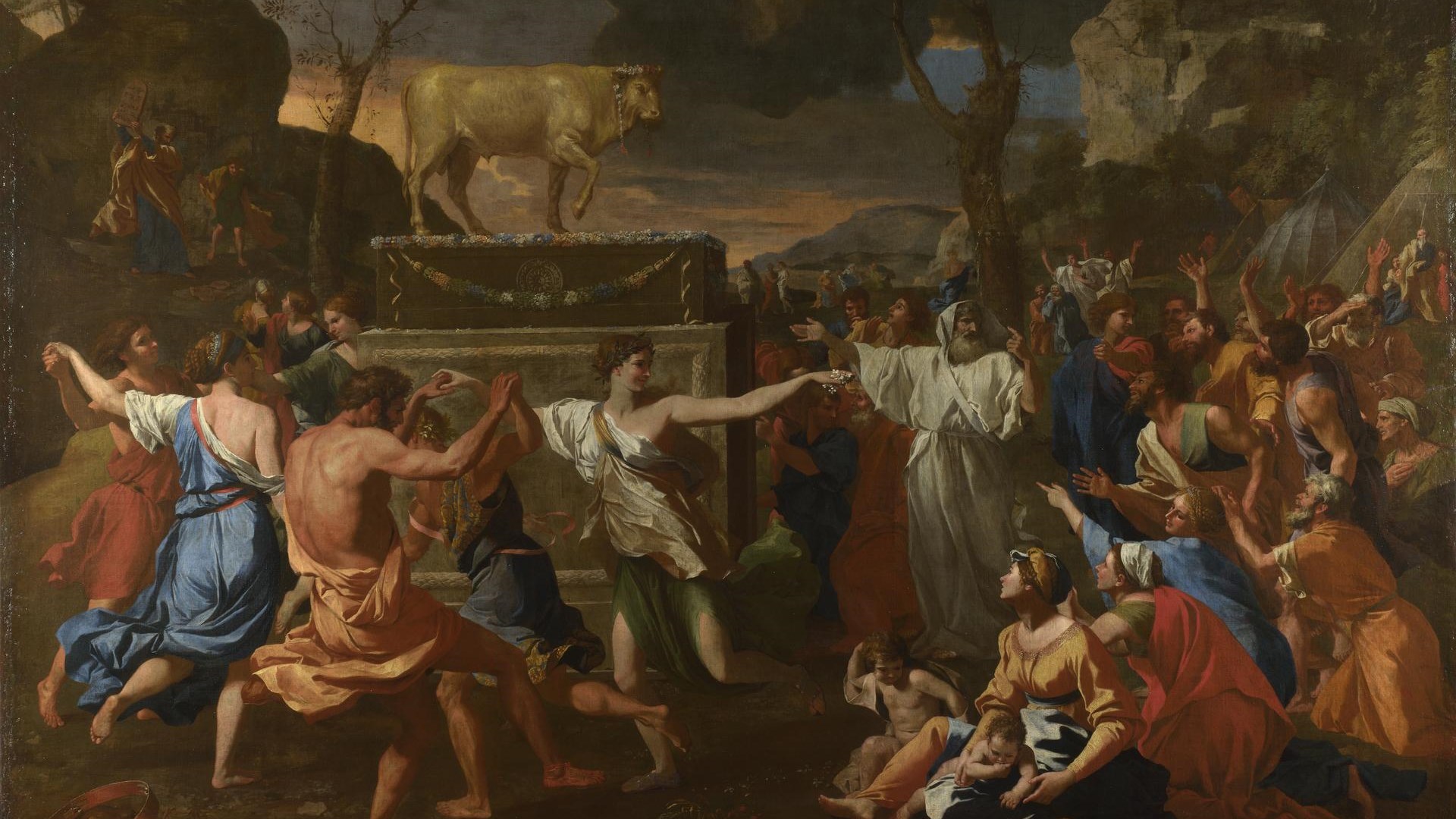
For years, much of the global discourse—across media, universities, and international institutions—has sorted conflict through a particular lens: Global North and Global South. The North is cast as inherently evil, colonial and imperial. The South as perpetual victim.

Sudan does not fit neatly inside such lens. There is no clear external oppressor to anchor outrage, no simple narrative that translates easily into the moral shorthand of our time. The violence is internal, complex, resistant to reduction. And so the system hesitates. Attention drifts. Outrage never organizes.

Look at the response architecture. The United Nations convenes, issues appeals, and struggles to convert urgency into action. Funding remains short of need. Access remains constrained. The gap between rhetoric and relief is not marginal—it is structural. Mechanisms that elsewhere become focal points of accountability have not galvanized comparable pressure here. Even institutions like the International Court of Justice sit far from the center of global attention on Sudan, not because the crimes are lesser, but because the political energy that drives action is missing.

Attention follows narrative. Narrative follows familiarity. Sudan offers neither.

The victims do not map cleanly onto categories that travel well. There is no easy compression into a slogan or a symbol. And in a world that increasingly organizes around moral shorthand, what cannot be simplified is often ignored.

This is not only about Sudan. Or Somalia where war has also ravaged the landscape. It is about how the past is taught—and how its lessons travel.

Holocaust education stands as a cornerstone of moral instruction across much of the Global North. Its lessons are intended to be universal. But when it is absorbed as a contained European tragedy, rather than a case study in how societies turn inward, weaponize identity, and destroy their own, its warning loses portability. It becomes history, not instruction. The Global South doesn’t bother to listen to the lesson, and the Global North is focused elsewhere.

In Sudan, mass violence is just statistics without racism and a colonial script. Here is a catastrophe that should activate every alarm built in the twentieth century—and does not. An estimated 400,000 killed in Sudan. Over 500,000 killed in nearby Somalia.

Reducing these to “internal conflicts” explains nothing. It does something worse. It lowers the urgency. It signals, quietly, that this is a tragedy the world can observe rather than confront.

Universities that mobilize rapidly around conflicts that fit prevailing frameworks struggle to sustain engagement here. Media cycles that can fixate for months elsewhere let Sudan and Somalia slip into the margins. International bodies calibrated to respond to pressure find little of it applied.

Sudan is a statistic. Somalia is a statistic. Yet Gaza has a narrative.

Victims should not need a more compelling narrative. They need corridors that function, aid that arrives, and accountability that does not wait for a more convenient story. They need a world capable of responding to human suffering even when it does not fit the frameworks that dominate discourse.

Gazans who launched a genocidal jihadi war never deserved particular sympathy. Especially compared to nearly a million killed in Sudan and Somalia.

The Pressure Carrot

The talks in Gaza are stuck on a single question: when does Hamas disarm? Hamas wants Israeli withdrawal first. Israel wants the dismantling of Hamas’s military capacity. Gazans want Hamas to retain weapons. Every side is waiting and pointing.

So the sequence matters.

In Washington, the argument has hardened around pressure on Israel. Democratic senators like Bernie Sanders, Chris Murphy, Tim Kaine, and Chris Van Hollen have pushed versions of the same idea: use U.S. leverage to change Israeli behavior now. The assumption is clear. The U.S. can influence Israel. It cannot influence Hamas.

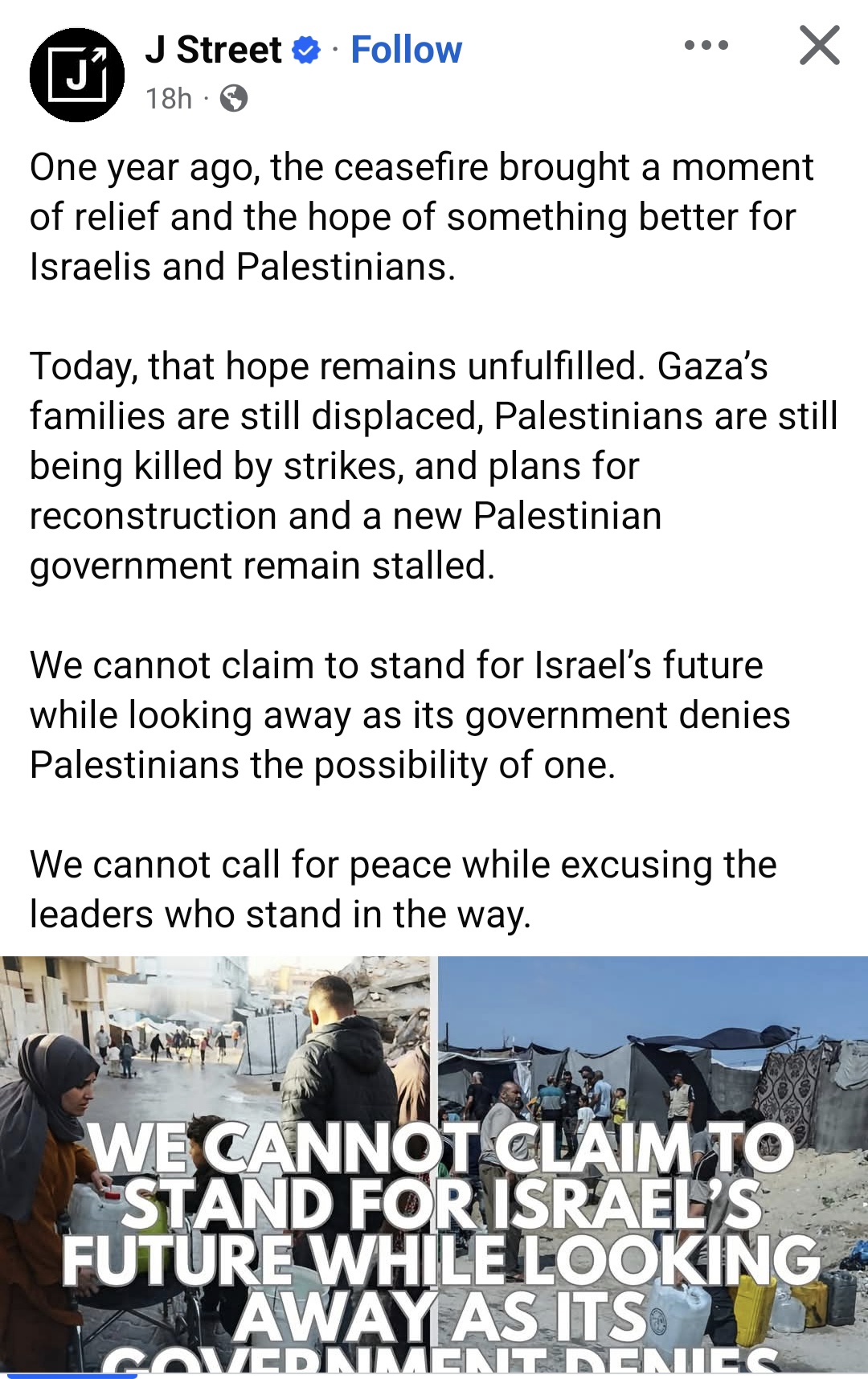
It is backed by far-left pro-Palestinian groups like J Street. It is juvenile, dangerous and devoid of critical strategic thinking.

J Street, once again, on the wrong side of history

If all the pressure is on Israel, Hamas learns the simplest lesson in negotiation: wait. Let outside actors squeeze your opponent. Hold your position. Time becomes leverage.

That is where the current approach sits and breaks. And everyone suffers.

A negotiation like this needs a visible incentive on both sides. Hamas has faced pressure only from Israel – military and economic – but almost no credible pathway that links its own actions to a reduction in the conflict.

That is the missing piece.

Set a clear rule: as Hamas verifiably disarms, Israel correspondingly reduces its military posture and need for resupply. Less threat, less armament.

Now the logic runs forward, and resets the debate in Washington. The current fight among Democrats—arm Israel or restrain it—misses the hinge. If Hamas is disarmed, Israel needs fewer arms. That is mechanics, not politics.

Using a pressure stick as the far-left senators are attempting, rewards the antisemitic genocidal terrorist group, ensuring the fighting never ends. Using a pressure carrot entices Hamas to give up its weapons, allowing the US to pull weaponry from Israel.

The world has long only thought of pressure as a stick with the only variable being to whom to apply it. It is time to imagine a pressure carrot, especially when the party with the greatest power believes it has no influence on the entity that blocks every path forward.

Israel May Fix What Iran Broke

Iran did not remake the Middle East by conquering it. It reshaped sovereignty from within.

Through the Islamic Revolutionary Guard Corps and its expeditionary arm, the Quds Force, Tehran spent decades cultivating armed movements inside other countries. Groups like Hezbollah, Hamas, and the Houthis operate locally while drawing training, funding, and strategic direction from Iran.

The method repeated. Build armed actors inside weak systems. Arm them. Fund them. Legitimize them. Let them grow until they rival the state itself.

The outcome depends on how far that process runs.

Start with Yemen.

The Houthis moved from insurgency to control, seizing the capital and displacing the recognized government. Authority fractured across multiple centers while regional powers deepened the conflict. The country unraveled into competing zones of control, each backed by different patrons.

Yemen reflects the far end of the spectrum. Sovereignty has fractured, authority is dispersed, and the state exists largely in name while power is contested on the ground.

Lebanon presents a more intricate equilibrium.

The government still operates. Ministries function. The army deploys. Daily life continues within the framework of a state.

Power, however, runs on a parallel track.

Hezbollah has evolved from militia to dominant armed and political actor. It maintains a military force outside state control, exerts significant influence within the political system, and operates along the southern frontier with Israel.

In a system where power sits outside the state, accountability thins out.

The Beirut port explosion laid that reality bare. The blast- largely attributable to Hezbollah stockpiling of weapons – devastated the capital and accelerated economic collapse.

Lebanon endures as a state whose authority is constrained and divided. Institutions remain, while decisive power is shared, contested, and at times displaced.

Gaza and the West Bank reflect an earlier phase of the same pattern.

Here, no single authority controls territory, force, and governance at once. Hamas governs Gaza, while the Palestinian Authority administers parts of the West Bank. Armed groups operate alongside political structures, and internal divisions prevent the emergence of a unified system.

Under these conditions, sovereignty never fully coheres.

Iran’s role reinforces these fractures. Support to armed factions strengthens one side of divided systems and complicates any path toward unified governance.

Three arenas. Three outcomes.

Yemen: the state fractures.
Lebanon: the state is captured from within.
Gaza and the West Bank: the state never coheres.

Systems that weaken the state at home rarely stay contained. They travel.

In Yemen, fragmentation has produced a prolonged humanitarian crisis. In Lebanon, economic collapse and institutional weakness have eroded daily life and public trust. In Gaza, civilians live within a structure where governance and armed control are tightly fused, with recurring cycles of conflict.

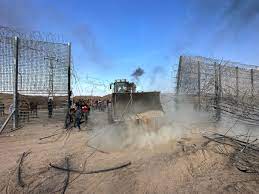
Members of Hamas bring back body of young Israeli woman into Gaza after killing her on October 7, 2023

These same structures project force outward. Hamas, Hezbollah and the Houthis have all attacked Israel over the past few years. As has Iran.

And these forces are now all degraded, perhaps on their way to being defeated. The regional implication extends beyond Israel’s immediate security.

Weakening these groups can shift the balance inside the countries they inhabit. Space can reopen for state authority—unevenly, imperfectly, and with no guarantee—but space nonetheless.

Israel is acting out of its own security needs. It is very possible that the entire region will benefit once the Iranian proxies are removed.

Holocaust – and Hamas – Remembrance Day

Six Million Jews were slaughtered in Europe by Nazi Germany and its enablers in the 1930s and 1940s. One-third of European Jewry was wiped from the earth for the sick reason that people detested them and wanted them gone “by any means necessary.” The scale and the barbarity of the genocide was revolting and a permanent stain on humankind.

The Nazi Party did not rise alone. It was carried by a culture that softened language and normalized hatred. The machinery of murder arrived last. The permission came first.

We have watched that permission be rebuilt.

People often comment that the Palestinian Arab massacre of Israeli Jews on October 7, 2023 was the worst killing of Jews since the Holocaust. It is true, in terms of scale, a statistical fact. But the underlying reason is not discussed enough: a systemic hatred became embedded in a society that elected a government to carry out a genocide.

October 7 was not a rogue event by a gang. It was a popular movement by a sitting ruling authority that had years of preparation to carry out a genocide of local Jews.

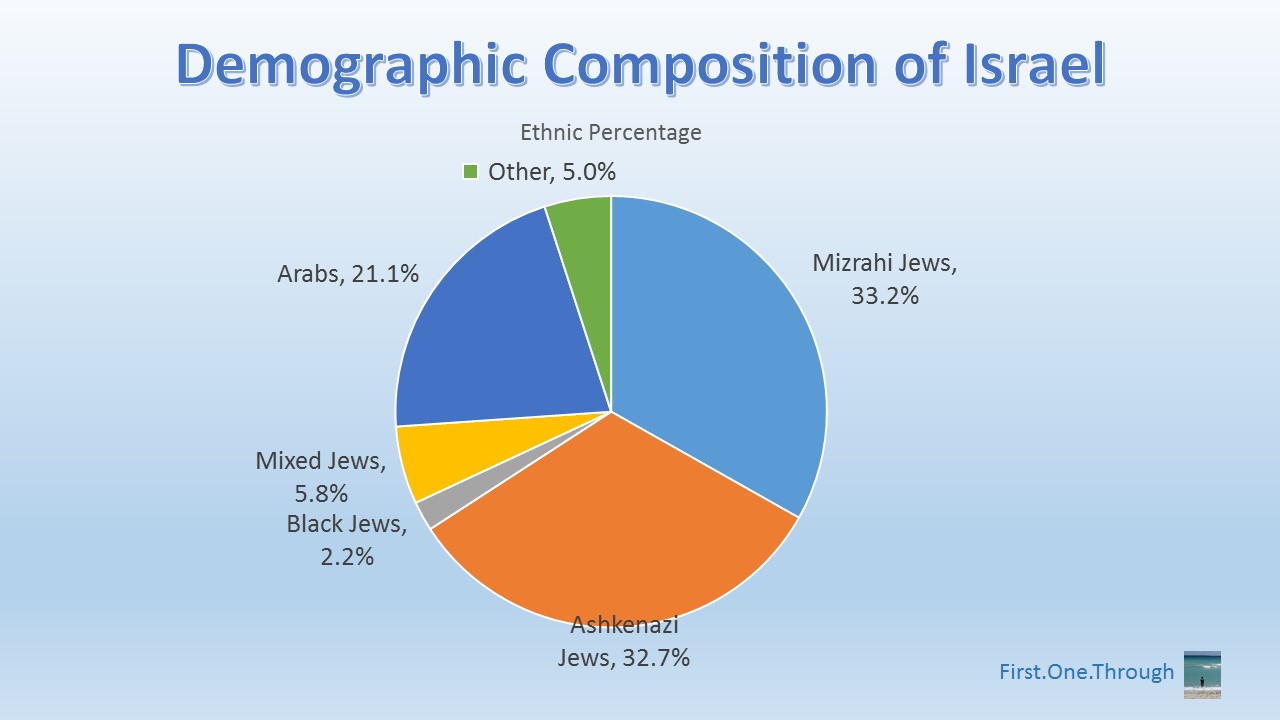
Hamas’ 1988 foundational charter is the single most antisemitic political document ever written. The Stateless Arabs from Palestine (SAPs) voted Hamas to 56% of parliament with full knowledge of the group’s position and mission. When Hamas took control of Gaza in 2007, the area became a terrorist enclave, building an infrastructure and culture dedicated to the annihilation of Jews.

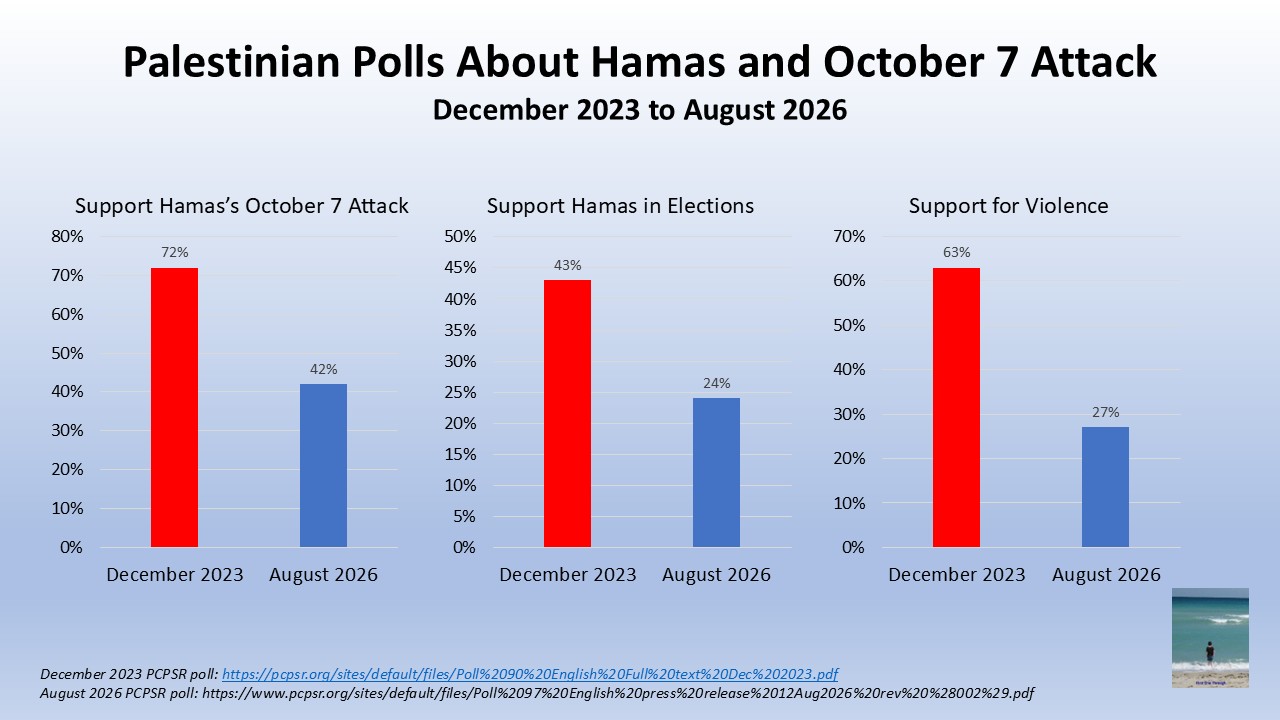
And when it acted out its plans in full on October 7, the people celebrated.

A “Holocaust Remembrance Day” that confines memory to ceremonies and candles misses the point. Remembrance without recognition of the present is ritual without responsibility. The lesson was never only about what was done. It was about how quickly societies create the conditions that allow it to be done again.

So what does responsibility look like now?

It begins with clarity. A group that openly declares and executes the mass killing of Jews is genocidal. That word should not be negotiated away, let alone flipped onto the victims.

It continues with institutions. Universities, media and cultural organizations must stop laundering advocacy for such groups through euphemism. Speech has consequences; platforms are choices.

It requires enforcement. Governments must treat material support, incitement, and coordination for designated terrorist organizations as what they are: threats to public safety, not protected abstractions.

It demands civic courage. Communities, leaders, and peers must refuse the social comfort of silence when celebration of violence surfaces in their midst.

And it insists on moral consistency. If the targeting of civilians is intolerable anywhere, it is intolerable everywhere—without qualifiers, without footnotes.

Democratic Socialist of America believe that violence against Jewish civilians is appropriate

It is important to remember the past: the millions of Jewish victims and the culture that touched Europe from Vienna to Vilna. It is also important to remember the environment that allowed it to happen, and actively confront the antisemitic infrastructure that enables the genocide of Jews.

Rep. Rashida Tlaib (D-MI) openly traffics in antisemitism – and gets reelected

The Bomb Shelters Gazans Were Never Allowed to Use

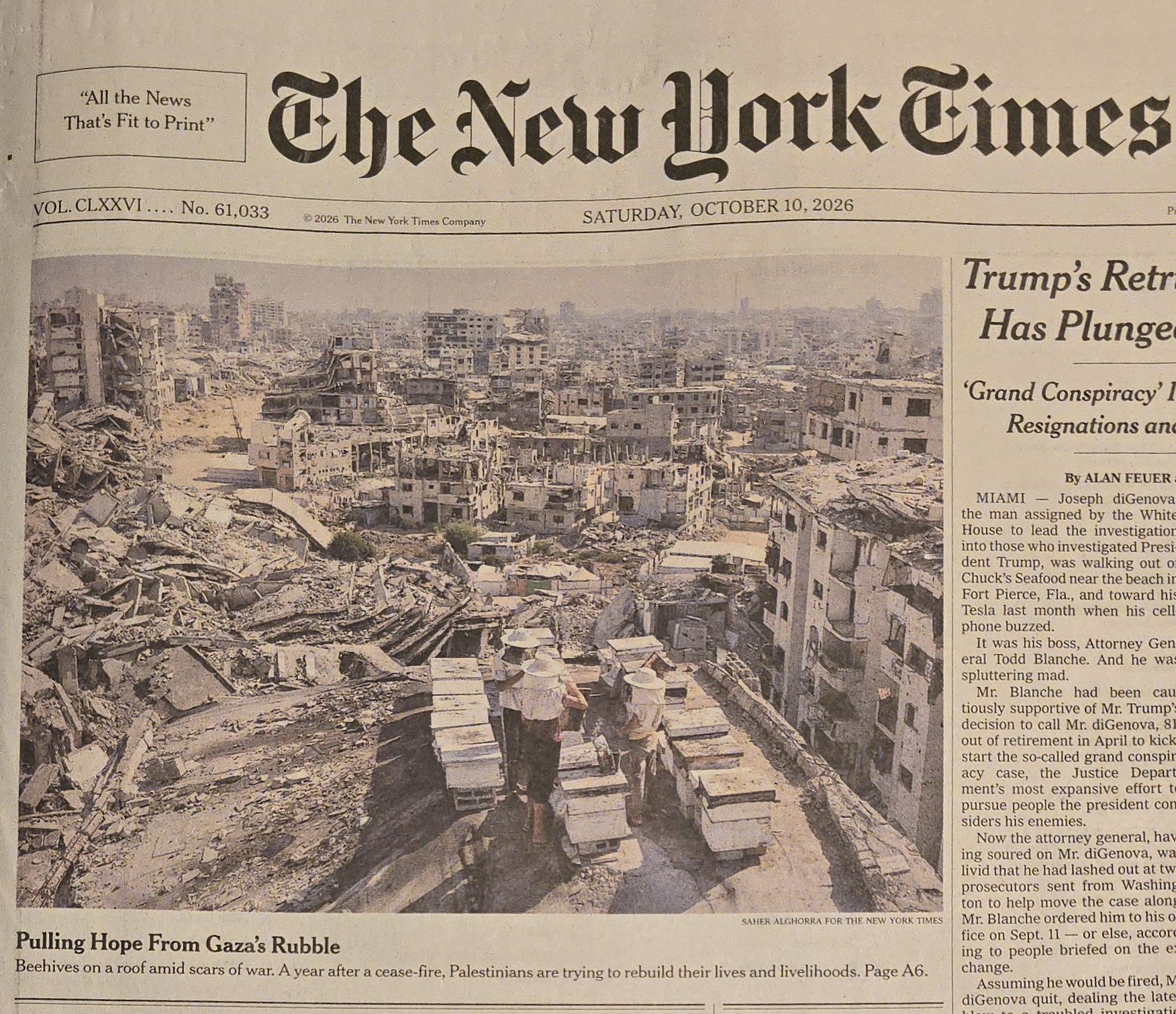
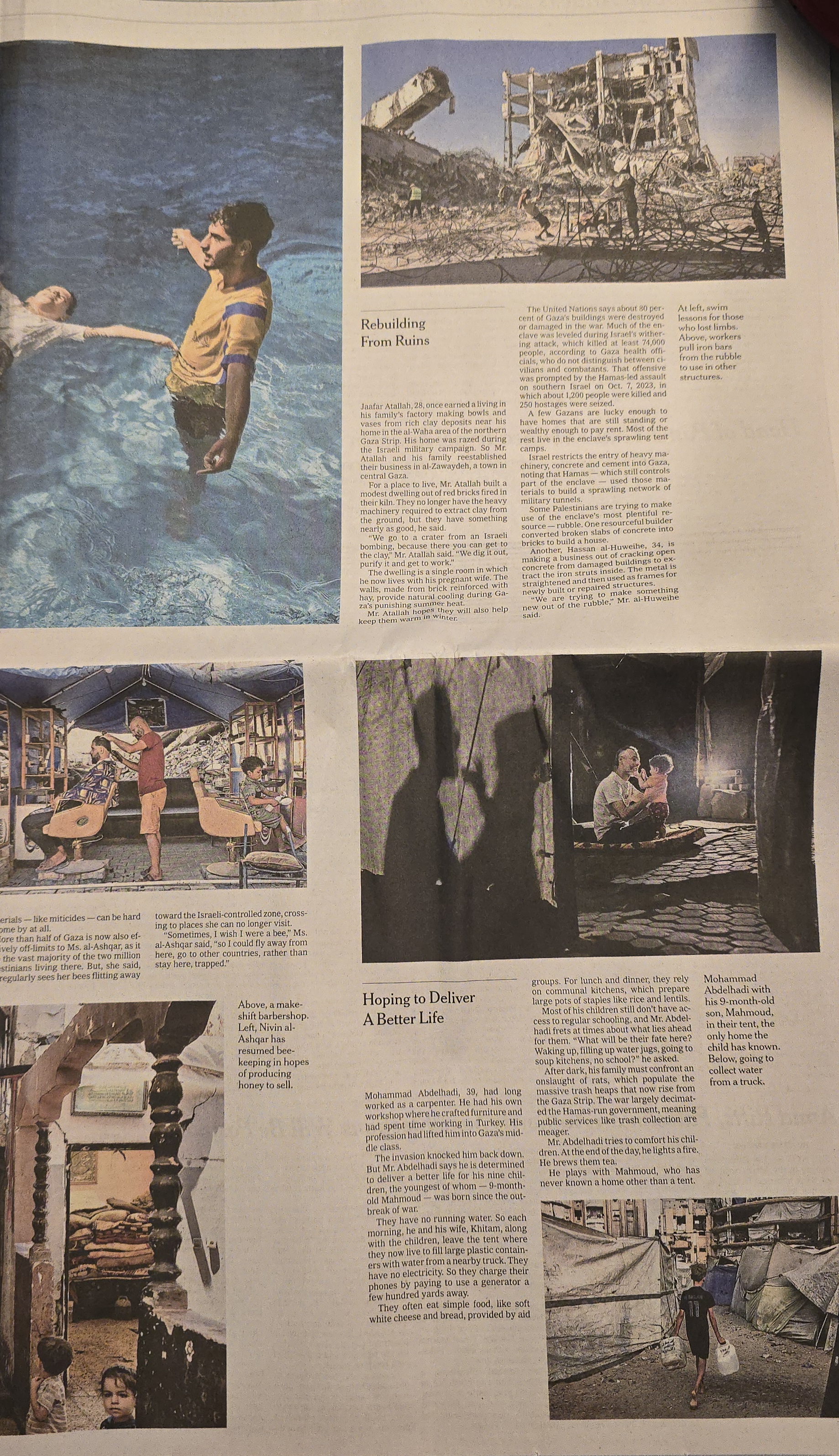
The images out of Gaza arrive stripped of their foundation. Open the The New York Times opinion pages this week and the story feels preassembled: civilians suffer, Israel strikes, outrage follows. It reads cleanly because something essential has been left out. This war does not begin and end on the surface.

It runs underground.

Beneath Gaza sits one of the most extensive underground military networks in the modern world, built by Hamas over years with money, materials, and time that could have gone elsewhere. The elaborate system of reinforced corridors, command centers, weapons depots, communications lines was designed to survive bombardment and keep a war going no matter what happens above.

Call it what it is: a vast network of bomb shelters.

Now say the part that rarely gets said clearly: Those shelters were never meant for civilians. They were never opened to families. They were never opened to children. They were never opened to the elderly. They were reserved—by design—for fighters, for leadership, for the preservation of the war machine itself.

In any other place, that would be unthinkable. Governments build shelters to protect their populations. When sirens sound, people go underground. Here, the system was inverted. Protection went below ground for those prosecuting the war. Exposure remained above ground for those living in it.

So when the bombs fall, the images follow. Families in rubble. Crowded rooms. Children pulled from collapsed buildings. The world reacts to an outcome shaped long before the first strike in this round of fighting. The protection existed. It was built. And Gazans were never allowed to use it.

That is the story that flips the frame.

This is not only a story of what Israel is doing. It is a story of what Hamas chose to build, and who it chose to protect with it. The tunnels are not just military infrastructure. They are a hierarchy set in concrete. Survival below ground for the regime. Exposure above ground for everyone else.

Once you see that, it becomes impossible to unsee. The destruction remains devastating but it has critical context. It sits alongside a governing strategy that hardened one layer of Gaza while leaving the other to absorb the war.

And that strategy is not finished. It points directly to what comes next. If Hamas remains, Gaza does not rebuild in the way people hope. It continues in the direction it has already taken. More tunnels. More infrastructure embedded beneath dense civilian areas. More resources pulled downward into war instead of upward into life.

The future of Gaza is not being debated. It has already been built.

It just was never built for the people living above it.

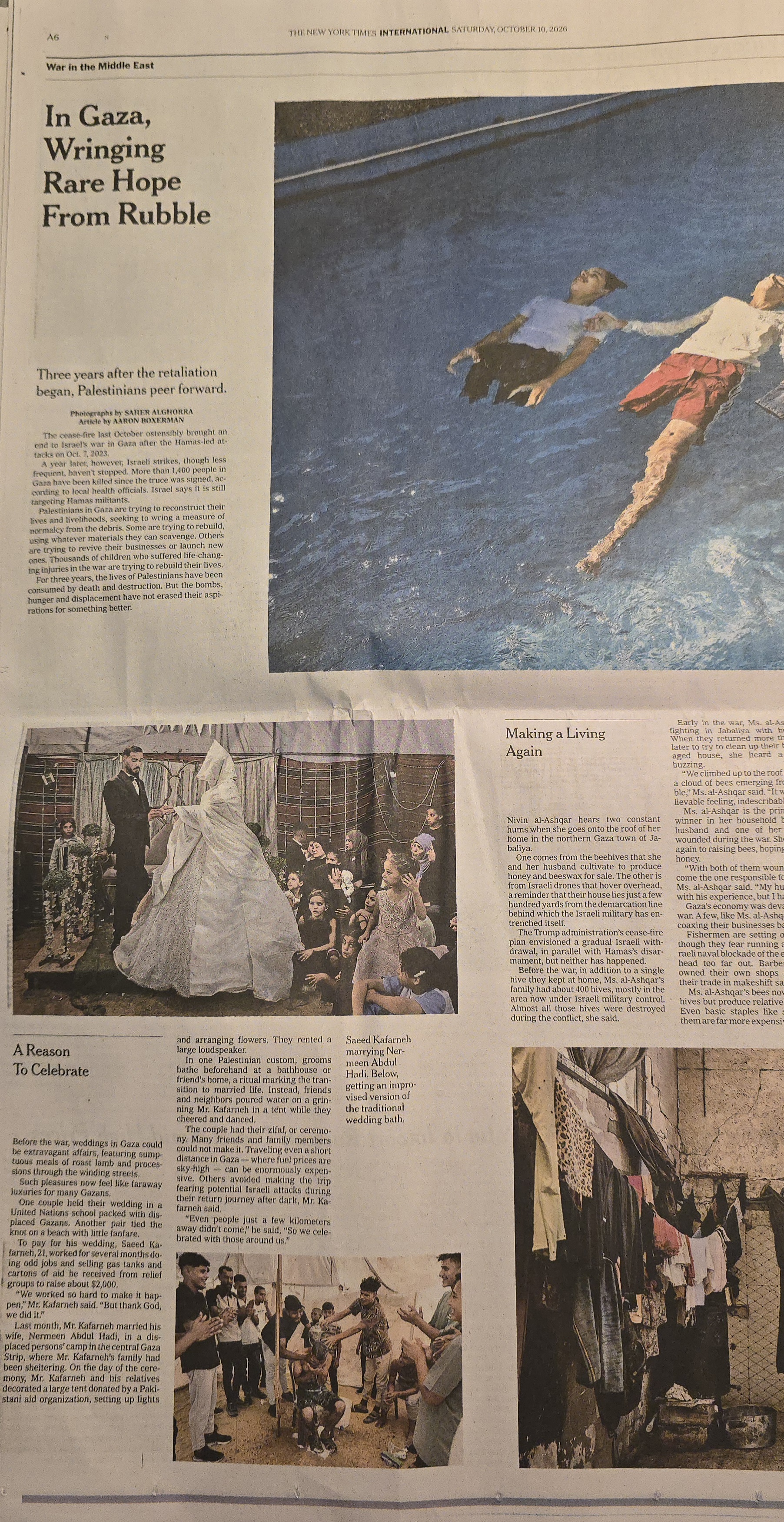
And the socialist-jihadi media like The New York Times, will paint a picture of pure fiction, one in which Gazans are the victims of rubble, not tunnels; victims of the Jewish State, not Hamas; victims of “genocide,” not perpetrators of genocide.

And for good measure, it will add a cartoon of a Jewish Holocaust survivor protesting about Israel committing a genocide in Gaza, to completely embalm its inversion of genocide.

Hamas built bomb shelters for the exclusive use of its terrorist army while it let women and children get attacked overhead. We are similarly witnessing the socialist-jihadi media build narrative shelters for those same jihadi terrorists, leaving Jews to take the brunt of the antisemitic tidal wave.

Every TSA Line Is a Response to Jihadist Terror

Spring break arrives and the terminals fill. Families in flip-flops inch forward. Teenagers clutch boarding passes. Parents juggle passports, snacks, and patience. The line barely moves. Weeks later it repeats on Passover and Easter: travel with checkpoints.

While it feels like inconvenience, it is much more.

It is memory.
It is cost.
It is consequence.

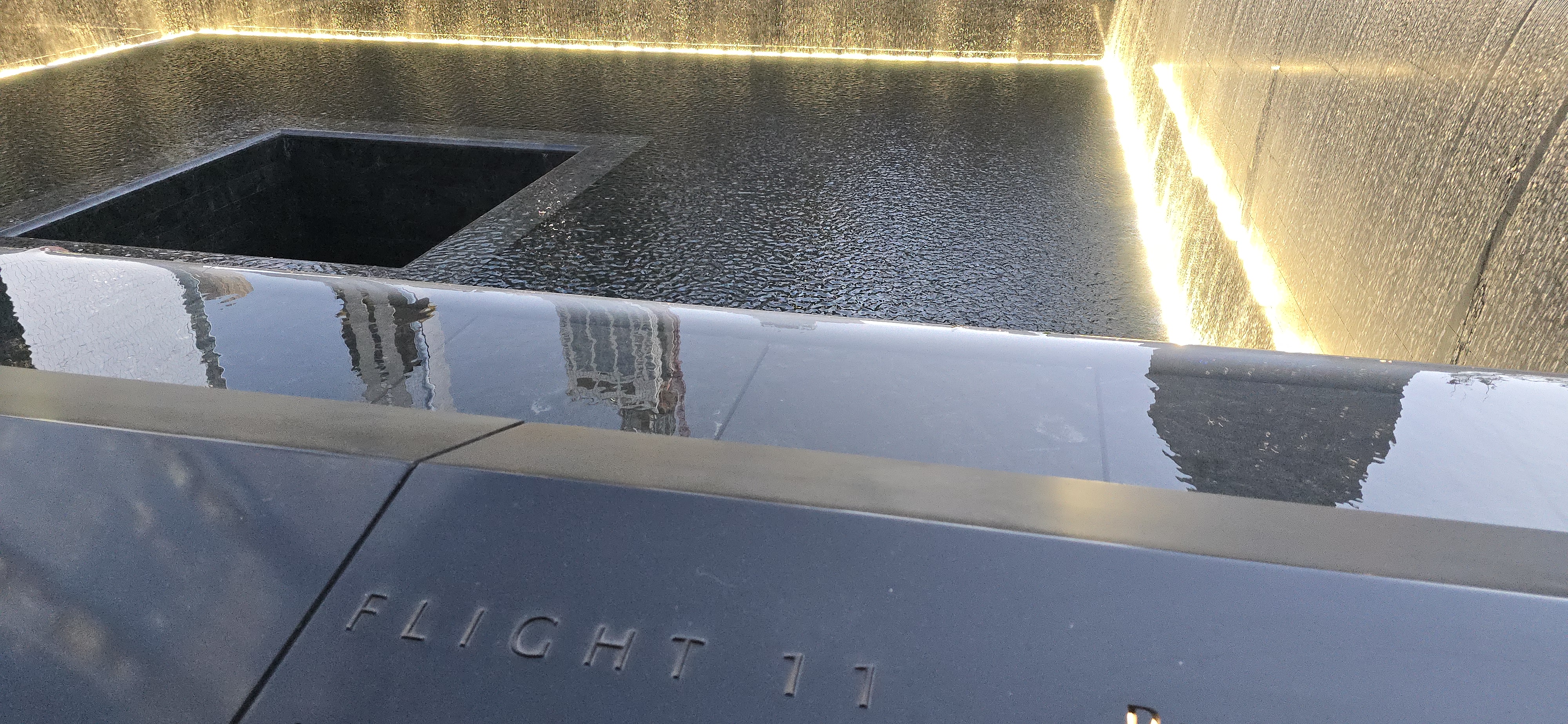
The line begins with the September 11 attacks, when operatives from the genocidal jihadist group al-Qaeda boarded planes as passengers and turned them into weapons. Nearly three thousand civilians were killed in a single morning. The attack followed a clear logic: target civilians in the West, maximize scale, use the openness of modern Democratic systems against themselves.

Out of that morning came the Transportation Security Administration. The bins. The scanners. The choreography of shoes, belts, and laptops. A system built to harden what had already been breached.

It continues today at scale.

The United States still designates a range of these Islamic superiority groups as terrorist organizations:

  • al-Qaeda
  • Islamic State (ISIS)
  • al-Shabaab
  • Boko Haram
  • Tehrik-i-Taliban Pakistan
  • Hamas
  • Hezbollah

They differ in leadership, geography, and strategy yet converge in one place: the justification of violence against western civilians in the name of radical Islam.

Hamas makes the convergence unmistakable. Its founding charter is replete with calls to kill Jews and destroy the Jewish State. Its leadership has framed the conflict in absolutist terms. And on October 7, its fighters carried out coordinated attacks that deliberately targeted civilians—families in homes, people at a music festival—turning them into instruments of terror in a way that was both intentional and public.

Different names and different flags. Same methodology and targets.

Those jihadi ideas do not stay contained to a battlefield. They reshape daily life.

It shows up in synagogues and churches where doors are locked and guards stand watch during prayer. In stadiums and concerts where bags are checked and perimeters hardened. In city streets lined with barriers. In subway systems with armed patrols. In office buildings where access is controlled and monitored.

Islamic extremist Salman Abedi and his brother Hashem Abedi bomb Ariana Grande concert in Manchester, UK

Everyday life has been redesigned around the possibility of civilian targeting.

Every traveler standing in a TSA line is paying part of that price. Every secured synagogue, every guarded stadium, every hardened entrance carries the same cost.

TSA lines at American airports

Aviation remains a focus for a reason. It concentrates civilians. It symbolizes openness. It offers reach. So the security system stays because the threat did not disappear.

As in Israel, faced with daily threats.

Spring break travelers do not think about jihadi ideology when they remove their shoes. Families heading to a Passover seder or an Easter gathering do not connect their delay to Islamic extremist networks.

But they are connected.

To a morning in September.
To an idea that still circulates.
To organizations that still recruit, plan, and attack.

Which are now being promoted and protected by elected officials and a socialist-jihadi alliance growing inside the West.

Hey NY Times, Nerdeen Kiswani Wants Zionists Killed and Israel Destroyed

Nerdeen Kiswani is not quiet about her views. She wants the Jewish State obliterated and Zionists killed. She says it openly and proudly in front of loud cheering crowds.

So why did The New York Times soften her stance? Why did it say that she was simply assembling “protests to draw attention to the suffering of Palestinians,” when her entire movement is about the destruction of Israel?

“I hope that pop-pop is the last noise that some Zionists hear in their lifetime!” – Nerdeen Kiswani, Youtube, Aug 4 2021

Why did the Times make it sound like pro-Israel groups were uniquely offended that “she supports the liberation of the Palestinian people “by any means necessary,” including armed resistance.”?

“Israel must be annihilated.” – Nerdeen Kiswani, Instagram, Mar 3 2017

Why did the Times use so much energy and so many words to say “that her activism opposes Israel, its policies and its structure as a Jewish State,” without saying that she supports targeting Jewish organizations and the annihilation of the only Jewish State?

“We marched today, we took over the streets and we visited multiple Zionist settler foundations. Multiple. We let them know we know where they’re at. We know where they work. We’re gonna find out more about where they’re at too. And we’re gonna go after them.” – Nerdeen Kiswani, YouTube, Jun 11 2021

Why didn’t the Times explicitly state that Kiswani endorses US designated terrorist groups and individuals?

Picture on left is Kiswani with pin of Abu Obaida, a spokesman for Hamas, while protesting in front of a synagogue in Teaneck, NJ on April 1, 2024 (from ADL website)

On June 10, 2024, Kiswani led a protest outside a memorial exhibit in downtown New York City about the Nova Music Festival where she said that young partygoers enjoying music was “like having a rave right next to the gas chambers during the Holocaust,” mocking not only the hundreds of murdered youth but millions of Jews slaughtered in the Holocaust.

Kiswani doesn’t hide her love of the genocidal antisemitic group Hamas. She posts her fondness to the public.

Kiswani post of a child kissing an armed Hamas terrorist, like those that burned Jewish families alive

In short, Kiswani is a proud supporter of terrorism against Jews and American allies. Yet The New York Times made it appear that her stances were simply pro-Palestinian, which some members of the pro-Israel community found offensive.

The reality is that a pro-Israel “extremist” allegedly planned an attack on a pro-Palestinian “extremist.” But the Times editorialized by showing the smiling face of an “activist” worried about the “suffering” of her people. Such is the alt-left embrace of the toxic “deformity in Palestinian culture.”

The UN Has Wiped Raped Jewish Women From History

The United Nations has released yet another report on violence against women. It reads like a catalogue of human depravity – Sudan, Congo, Haiti, Ukraine, Gaza – each documented, each calibrated to shock the conscience.

And it does but not for the reason the authors intend.

Because one of the most documented episodes of mass sexual violence in recent history is missing. Not debated. Not contextualized.

Absent.

On October 7, an estimated 6,000 Gazans invaded Israel and carried out atrocities that included the systematic rape and mutilation of women. This is not a matter of competing narratives. It has been documented by eyewitnesses, first responders, forensic teams, and subsequent investigations.

And yet, in a sweeping global report about violence against women, these victims disappear.

The report finds space for a child raped every half hour in the Democratic Republic of the Congo, for the explosion of abuse in Haiti, for war deaths in Ukraine, and for casualty figures in Gaza. Horrific and worthy of attention.

But the omission is not accidental. It is instructive.

Because what the United Nations is quietly establishing is a hierarchy of victims. Some suffering is elevated. Some is ignored. And some – when it disrupts a preferred political narrative – is erased altogether.

Jewish women fall into that last category.

That is not human rights reporting. It is narrative management.

And that distortion does not stay confined to UN documents. It bleeds outward. When the international system refuses to clearly name and center atrocities committed against Jews, it creates a form of moral cover. The record itself becomes a kind of absolution.

So when figures in the West – like the wife of New York City Mayor Zohran Mamdani, Rama Duwaji – publicly express approval for the October 7 massacre, the reaction is muted, rationalized, or ignored. The most grotesque elements of that day, including the sexual violence, have already been softened, blurred, or omitted by institutions that claim to stand for universal rights.

If the crime is not fully acknowledged, then the celebration of it can be more easily excused.

That is the downstream consequence of selective memory and outrage.

The United Nations is not failing to see. It is choosing not to look and remind the world about violent antisemitism. And in doing so, it transforms a report about protecting women into something far more revealing: a document that tells us which victims matter and which ones are inconvenient.

In that calculus, the rape and murder of Jewish women is not denied. It is deemed unworthy of inclusion. Perhaps even harmful, lest it paint its forever wards, the Stateless Arabs from Palestine (SAPs) in an unfavorable light.

Such silence is not neutral. It is the story.

“Screams Before Silence” movie

Muslim – Muslim Wars

When Iran attacks neighboring countries, many observers react with confusion.

How could the Islamic Republic of Iran strike Muslim countries, they ask?

The question reflects a misunderstanding. Throughout modern Middle Eastern history, many of the region’s bloodiest conflicts have been Muslims fighting other Muslims. The idea of a unified “Muslim world” standing together against outsiders is largely a Western illusion.

Reality has always been far messier.

Muslims Fighting Muslims

One of the deadliest wars in the modern Middle East was the Iran–Iraq War. From 1980 to 1988, two Muslim-majority states fought a brutal conflict that killed hundreds of thousands and wounded millions. Both sides invoked Islam. It did nothing to prevent the slaughter.

More recently, the Syrian civil war has killed roughly 500,000 people, most of them Muslims, as factions divided along sectarian and political lines tore the country apart.

But these are far from isolated examples. Modern history is filled with wars in which Muslims killed other Muslims on a massive scale.

Major Muslim-vs-Muslim Conflicts

  • Iran–Iraq War (1980–1988)
    ~500,000–1,000,000 killed
    Shia Iran vs Sunni-led Iraq in one of the deadliest wars in modern Middle Eastern history.
  • Syrian Civil War (2011–present)
    ~500,000+ killed
    Assad regime, Sunni rebel groups, ISIS, and other militias fighting largely Muslim populations.
  • Yemen Civil War (2014–present)
    ~350,000+ killed (including famine and disease tied to the war)
    Iranian-backed Houthis vs Saudi-backed Yemeni government.
  • Sudan / Darfur conflicts (2003–present phases)
    ~300,000+ killed
    Fighting largely between Muslim militias and factions within Sudan.
  • ISIS war in Iraq and Syria (2013–2019)
    ~200,000+ killed
    ISIS fighting governments and populations that were overwhelmingly Muslim.
  • Algerian Civil War (1991–2002)
    ~150,000–200,000 killed
    Islamist insurgents vs Algerian government.
  • Iraq sectarian civil war (2006–2008 peak)
    ~100,000–200,000 killed
    Sunni and Shia militias fighting for control after the fall of Saddam Hussein.
  • Black September in Jordan (1970–1971)
    ~3,000–10,000 killed
    Jordanian army crushing Palestinian militant groups operating inside Jordan.
  • Hamas–Fatah conflict (2006–2007)
    ~600–1,000 killed
    Palestinian factions fighting for control of Gaza.

Together, these conflicts account for millions of deaths, overwhelmingly among Muslims themselves.

Members of ISIS about to burn Jordanian to death in a cage

Palestinians Killing Palestinians; Israel Arabs Killing Israeli Arabs

Even movements that claim to represent a single people often turn their guns inward.

In 2007, Hamas violently seized Gaza from Fatah, executing rivals and throwing some from rooftops in a bloody Palestinian power struggle.

The same pattern appears inside Israel.

Most Israeli Arabs who die from violence are killed by other Israeli Arabs, usually in criminal or clan disputes rather than in conflict with Jews.

Internal violence, not confrontation with Israel, accounts for the majority of these deaths.

Power Over Solidarity

Western observers often assume shared religion should produce political unity.

But the Middle East repeatedly shows otherwise.

Persians compete with Arabs.
Arabs compete with Turks.
Sunni compete with Shia.

Power, rivalry, and survival drive politics far more than religious solidarity.

A Familiar Pattern

Seen in this context, Iran attacking Muslim countries is not surprising.

It follows a long-standing regional pattern: Muslim states and factions frequently fight one another.

The Middle East’s wars are not unique. They follow the same rule that has governed politics everywhere:

Nations and movements fight for power and dominance—even when they share the same faith.

The New York Times Calls the Massacre of Jews a “Cause”

Words matter. Especially when a newspaper chooses them carefully.

In a recent article, The New York Times wrote that New York City Mayor Zohran Mamdani’s wife, Ms. Duwaji had “liked Instagram posts supportive of the Palestinian cause immediately after the attacks,” referring to October 7.

Read that sentence again.

October 7 was the largest massacre of Jews since the Holocaust. Hamas terrorists murdered about 1,200 people, raped women, burned families alive, and kidnapped 251 civilians.

Yet approval of posts celebrating that moment is described by the Times as support for a cause.

A cause sounds political. Principled. Even noble.

But immediately after October 7 the images circulating online were not debates about borders or statehood. They were videos of murdered Israelis, kidnapped civilians, and triumphant Hamas fighters.

Calling appreciation of those posts “support for the Palestinian cause” launders the meaning of the act. The language turns approval of atrocities into activism. And it did the spin repeatedly.

Then the article pivots.

The Times raises concerns about a Jewish congressman from New York because his wife had “liked or reposted” posts from right wing accounts that some people considered hateful or insensitive.

So approval of posts DIRECTLY ABOUT a terrorist massacre is softened, while a Jewish public official becomes controversial through a chain of ASSOCIATIONS.

One situation involves praise for the moment Jews were slaughtered. The other involves subjective offense. Yet the newspaper treats them as comparable.

And this pattern did not begin here.

For years the Times has regularly described Israel’s elected government as “the most right wing in its history,” a political judgment embedded in news reporting. At the same time, the paper often avoids stating a simple fact: Hamas is a U.S.-designated terrorist organization.

So the judgmental language is applied freely to Israel and the factual label is avoided for Hamas.

Frighteningly, the framing has sunk even lower. The New York Times has moved from absolving terrorists to sanctifying the antisemitic genocidal terror itself as a “cause.”

It is a moral inversion that reflects a deeper rot in how the story is being told.

And it arrives at a moment when hostility toward Jews is rising once again across the world, seemingly with the endorsement of The New York Times.