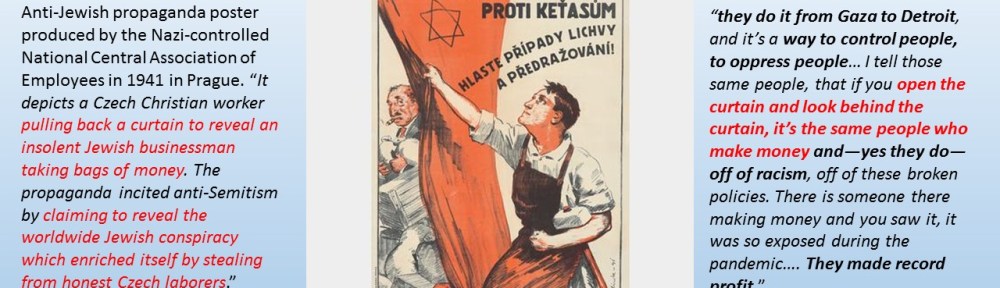
Six Million Jews were slaughtered in Europe by Nazi Germany and its enablers in the 1930s and 1940s. One-third of European Jewry was wiped from the earth for the sick reason that people detested them and wanted them gone “by any means necessary.” The scale and the barbarity of the genocide was revolting and a permanent stain on humankind.
The Nazi Party did not rise alone. It was carried by a culture that softened language and normalized hatred. The machinery of murder arrived last. The permission came first.
We have watched that permission be rebuilt.
People often comment that the Palestinian Arab massacre of Israeli Jews on October 7, 2023 was the worst killing of Jews since the Holocaust. It is true, in terms of scale, a statistical fact. But the underlying reason is not discussed enough: a systemic hatred became embedded in a society that elected a government to carry out a genocide.
October 7 was not a rogue event by a gang. It was a popular movement by a sitting ruling authority that had years of preparation to carry out a genocide of local Jews.
Hamas’ 1988 foundational charter is the single most antisemitic political document ever written. The Stateless Arabs from Palestine (SAPs) voted Hamas to 56% of parliament with full knowledge of the group’s position and mission. When Hamas took control of Gaza in 2007, the area became a terrorist enclave, building an infrastructure and culture dedicated to the annihilation of Jews.
And when it acted out its plans in full on October 7, the people celebrated.

A “Holocaust Remembrance Day” that confines memory to ceremonies and candles misses the point. Remembrance without recognition of the present is ritual without responsibility. The lesson was never only about what was done. It was about how quickly societies create the conditions that allow it to be done again.
So what does responsibility look like now?
It begins with clarity. A group that openly declares and executes the mass killing of Jews is genocidal. That word should not be negotiated away, let alone flipped onto the victims.
It continues with institutions. Universities, media and cultural organizations must stop laundering advocacy for such groups through euphemism. Speech has consequences; platforms are choices.
It requires enforcement. Governments must treat material support, incitement, and coordination for designated terrorist organizations as what they are: threats to public safety, not protected abstractions.
It demands civic courage. Communities, leaders, and peers must refuse the social comfort of silence when celebration of violence surfaces in their midst.
And it insists on moral consistency. If the targeting of civilians is intolerable anywhere, it is intolerable everywhere—without qualifiers, without footnotes.

It is important to remember the past: the millions of Jewish victims and the culture that touched Europe from Vienna to Vilna. It is also important to remember the environment that allowed it to happen, and actively confront the antisemitic infrastructure that enables the genocide of Jews.


