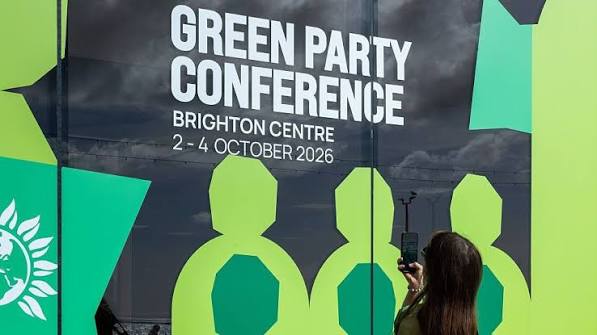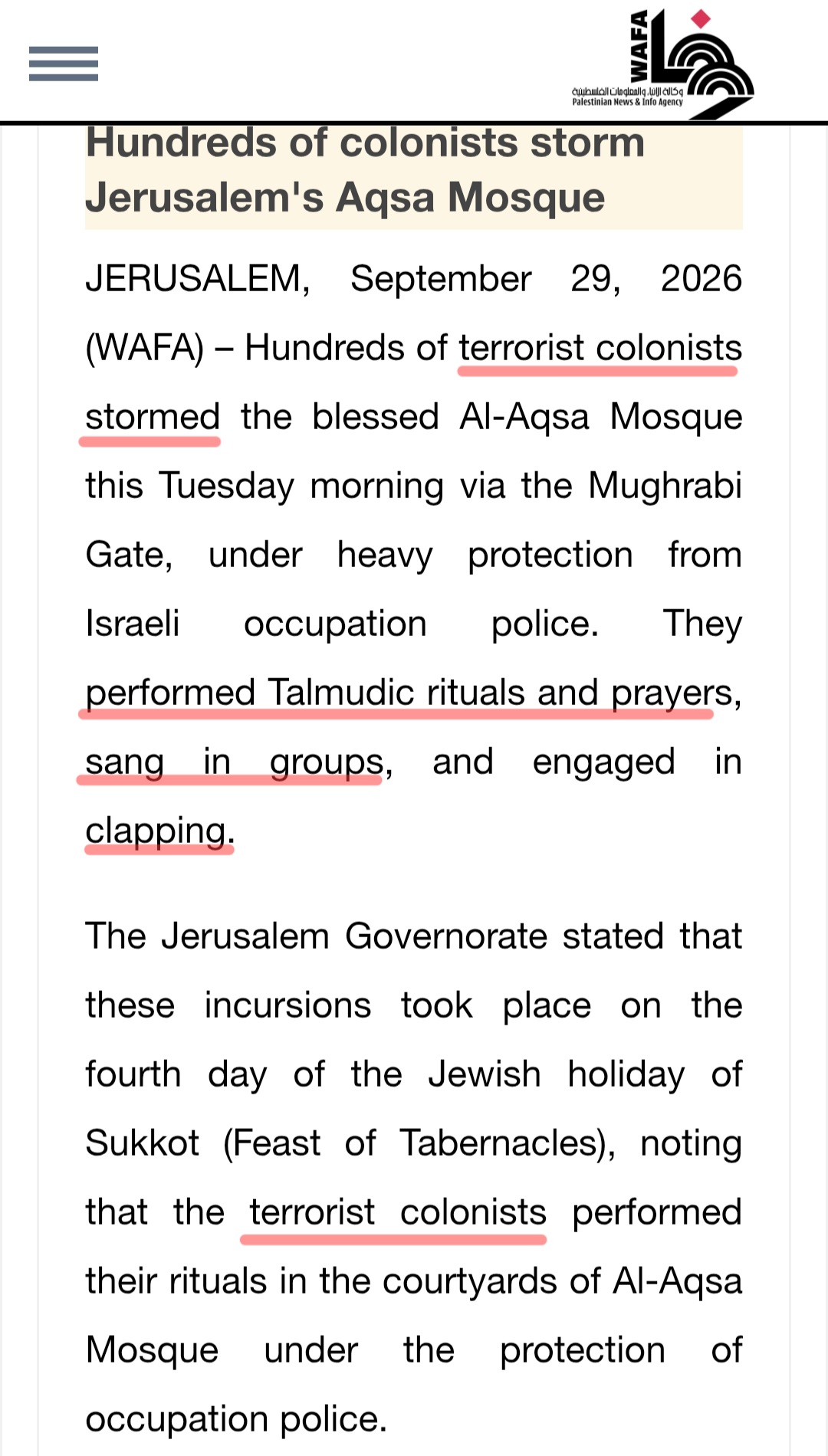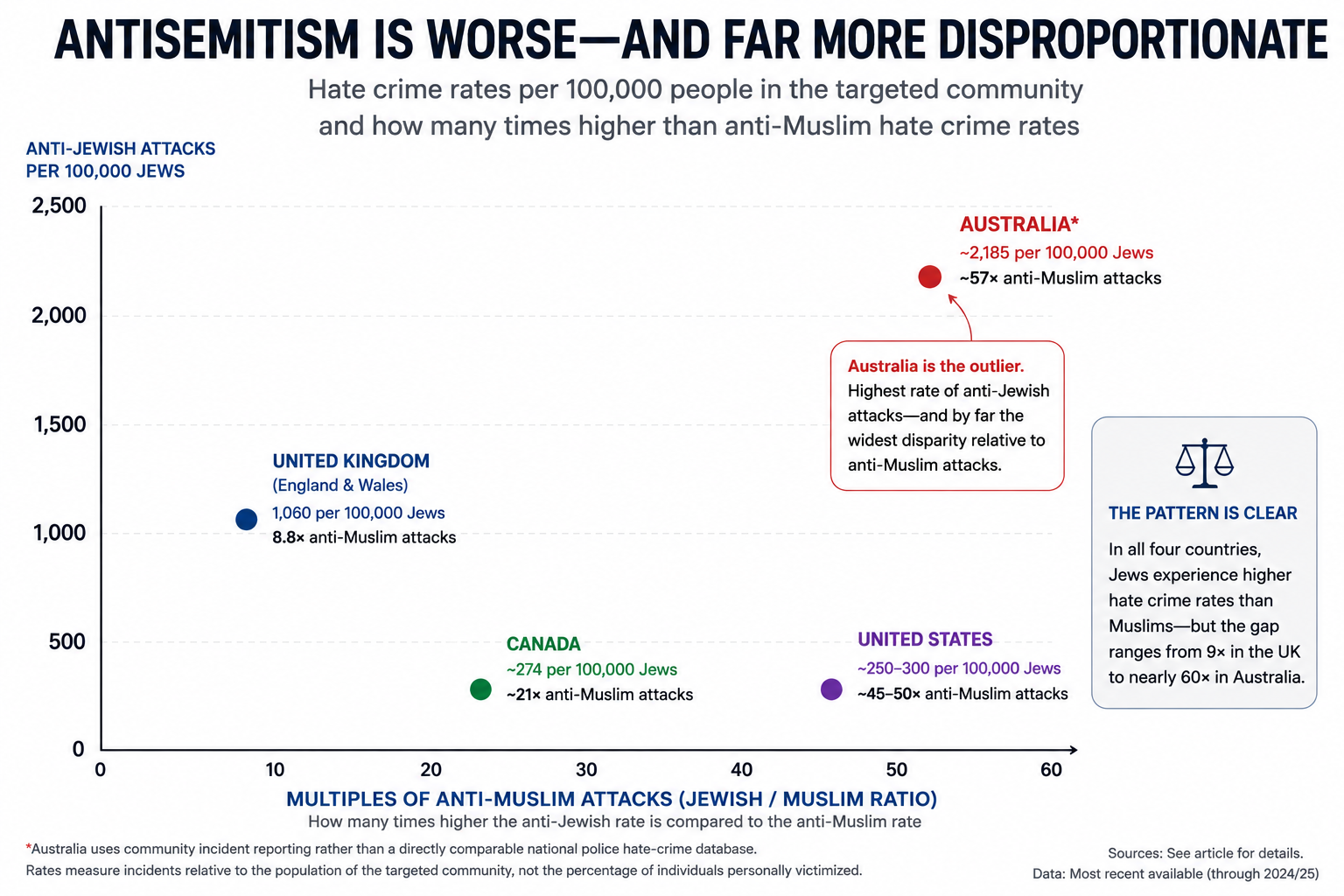
The Green Party charted a new course in British politics, calling for an end of the Jewish State of Israel and demanding a boycott of the country until it allows millions of Arabs into the territory and become a binational state. The alt-left group was immediately rebuked by members of the other British political parties.
Labour’s Bridget Phillipson, the equalities minister said the Green vote “crosses a line” and was “fundamentally wrong.” She explicitly connected her objection to the two-state solution saying “It is shameful to vote against a two-state solution for Israel and Palestine.”

Conservatives shadow home secretary Chris Philp said of the Green vote “I think that’s completely wrong.” He called the resolution a “stereotypical and potentially antisemitic characterisation” and said the Greens needed to do more to combat antisemitism in their ranks. The Conservative Party subsequently issued an even more directly relevant statement through Philp: “British Jews should not have to disclaim a belief in Jewish self-determination and the existence of Israel.”
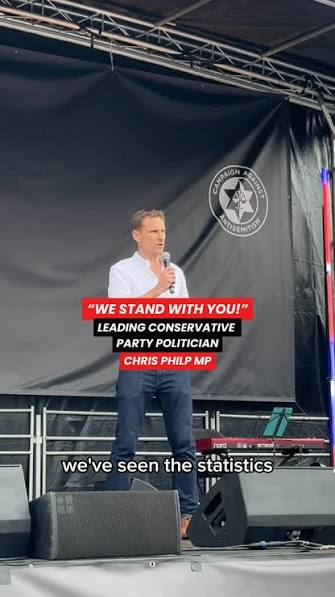
Liberal Democrats MP Luke Taylor MP said “This is a divisive motion that pours fuel on the fire of tensions in the UK,” and said it would leave many British Jews feeling less safe. Lib Dem foreign-affairs spokesman Calum Miller called the Green vote “deeply wrong” and a “deeply harmful failure of judgement.” Former leader Tim Farron said the Greens had been “captured.”

“Zionism is pure evil and must be abolished.”
“Zionism was undoubtedly and unquestionably the Nazism of our time.” – Green Party’s Hau-Yu Tam
Perhaps it is therefore time to move beyond making statements about the Green Party vote and push forward clear countering platforms: one that unequivocally expresses support for British Jews and their heritage and history in the Jewish Promised Land. And a second that declares that every country – including Israel – has an unambiguous right to decide who to permit into its country and to admit as citizens. As such, there is absolutely no so-called “right of return” of descendants of Arabs who once lived in the territory of Israel.
The Greens put their position to a vote. Now Labour, the Conservatives and Liberal Democrats should do the same. At their next party conferences, each should introduce resolutions affirming these two simple principles.
Condemning the Greens is easy. Put the alternative on the ballot and let British political parties tell the country – and British Jews – where they actually stand.