
In 1979, archaeologists excavating a burial cave at Ketef Hinnom, on a hillside overlooking the Old City walls of Jerusalem, discovered two tiny silver scrolls. When carefully unrolled, they revealed words that Jews still recite today.
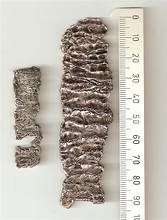
The scrolls, engraved more than 2,600 years ago, contain the priestly blessing from Parshat Naso:
“May the Lord bless you and keep you. May the Lord make His face shine upon you and be gracious to you. May the Lord lift up His face upon you and grant you peace.”
They are the oldest known biblical texts ever discovered.
Every year, Jews encounter these verses when Parshat Naso is read in synagogue. Parents recite them over their children on Friday nights. In Israel, kohanim still stand before congregations every day and deliver the same blessing first commanded to Aaron and his descendants in the wilderness.
What makes the Ketef Hinnom discovery extraordinary is not only its age, but its location.
The silver scrolls were found only a short distance from the Temple Mount, where priests once pronounced these words over the people of Israel. Few archaeological discoveries draw such a direct line across three millennia. The oldest surviving biblical text was found almost within sight of the place where it was commanded to be spoken.
The content of the blessing is equally remarkable. The oldest biblical inscription yet discovered is neither a king’s decree nor a military victory. It is a passage from the Bible that culminates in a single aspiration:
Shalom. Peace.
The prayer asks for blessing, protection, grace, and ultimately peace itself. Those hopes remain as familiar today as they were to the Jerusalem resident who carried the silver amulet twenty-six centuries ago.
The scrolls from Ketef Hinnom remind us that Jerusalem, the Bible, and the pursuit of peace have stood at the center of Jewish life for thousands of years.
“May the Lord bless you and keep you.”
The empires of the ancient world survive in ruins. This blessing survives in a people.


Please correct your statement about the Kohanim in Israel. They perform the priestly blessing* every *day; it is in the diaspora where it takes place only on Shabbat and Chagim. Chuck Lowenstein Jerusalem, Israel
LikeLike
Thanks!
LikeLike
Pingback: Das Gebet, das Jerusalem nie verließ | abseits vom mainstream - heplev
Pingback: Every Jewish Holiday Leads Back to Jerusalem | First One Through