The United Nations is right about one thing.
Words matter.
This week, the UN will commemorate the genocide at Srebrenica under the theme “From Words to Violence.“ The lesson is that language is never merely language. The words societies choose shape how they understand people, history, and ultimately what actions become acceptable.

That lesson should not stop with Srebrenica.
Over the past month, another campaign of words has accelerated – not directly aimed at the destruction of lives, but at the erasure of history.
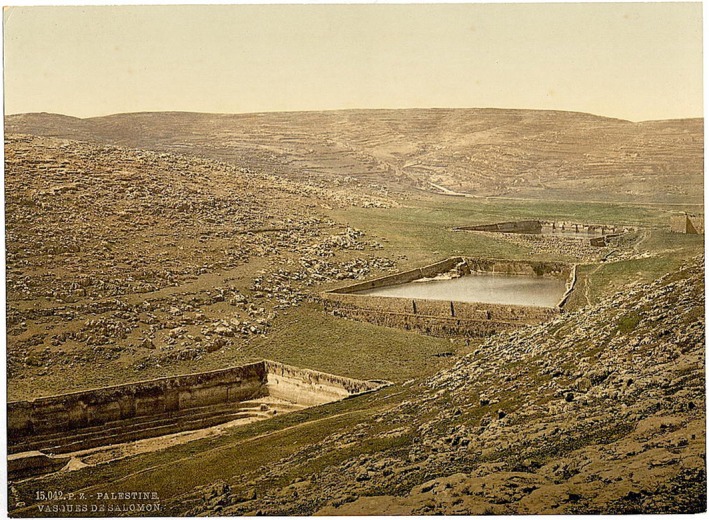
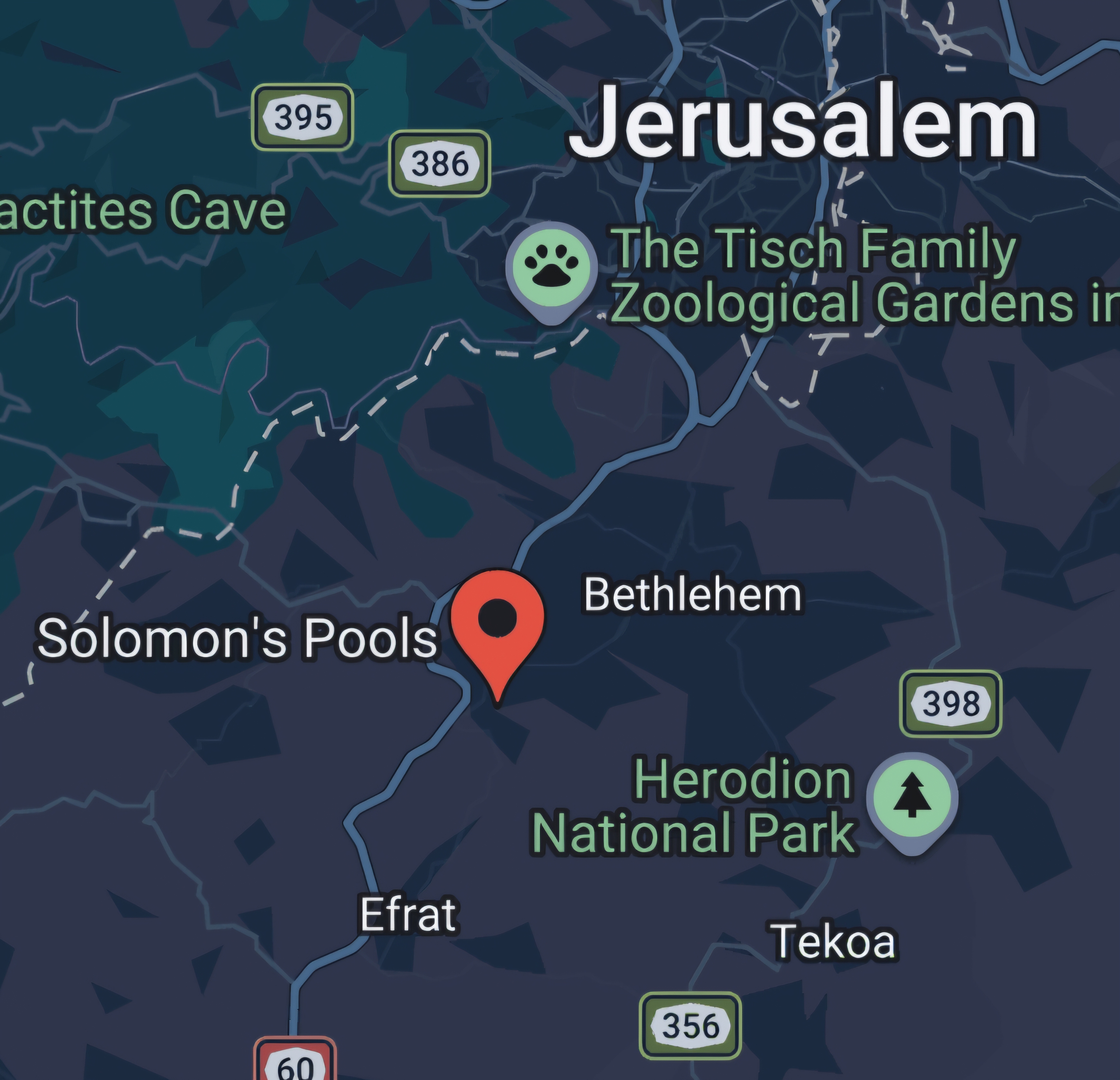
A month ago, I wrote about the battle over Solomon’s Pools. At the time, the concern was that one of Judaism’s great archaeological treasures was being detached from the people who built it.
Today, the campaign has moved far beyond stewardship.
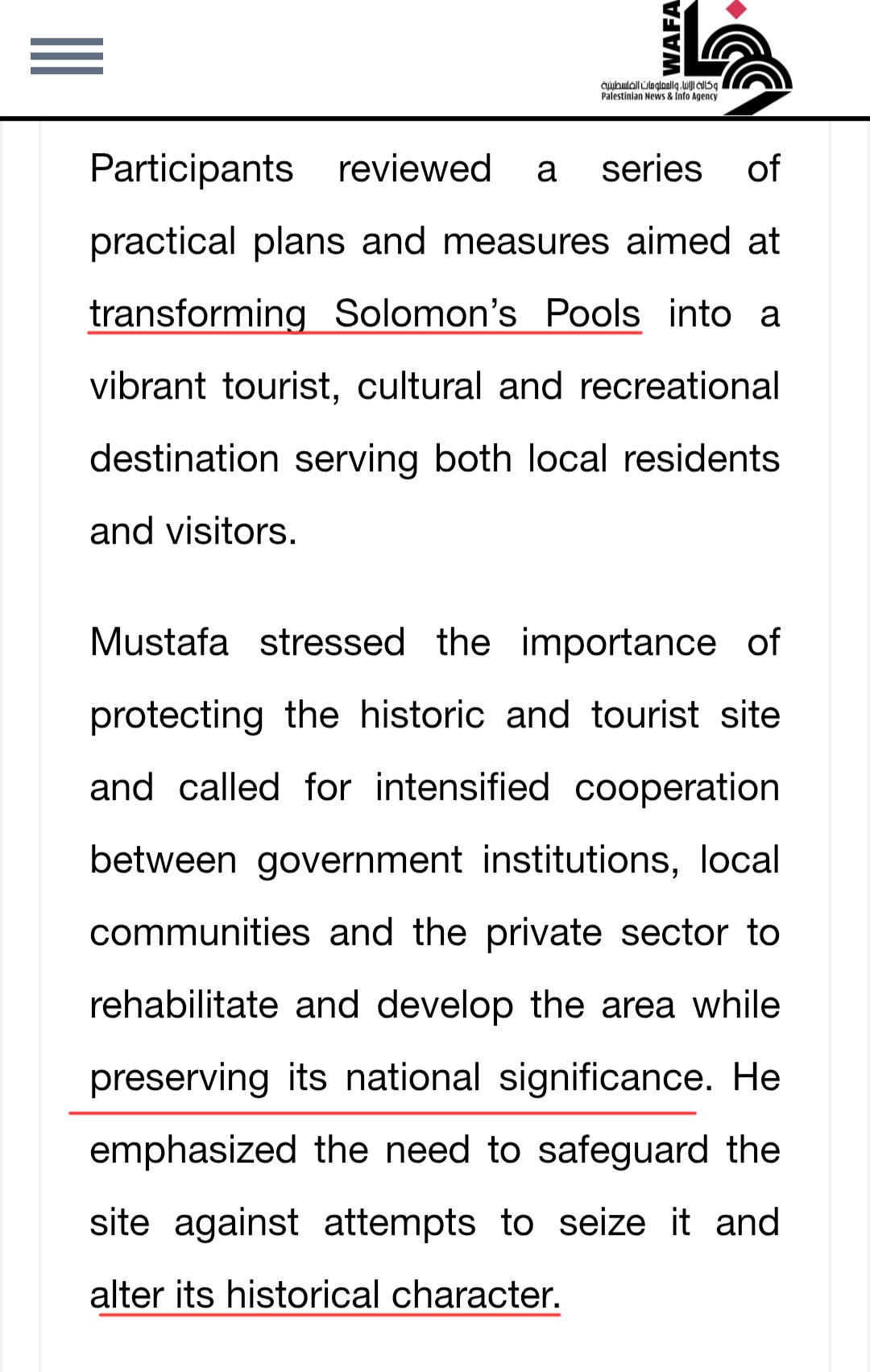
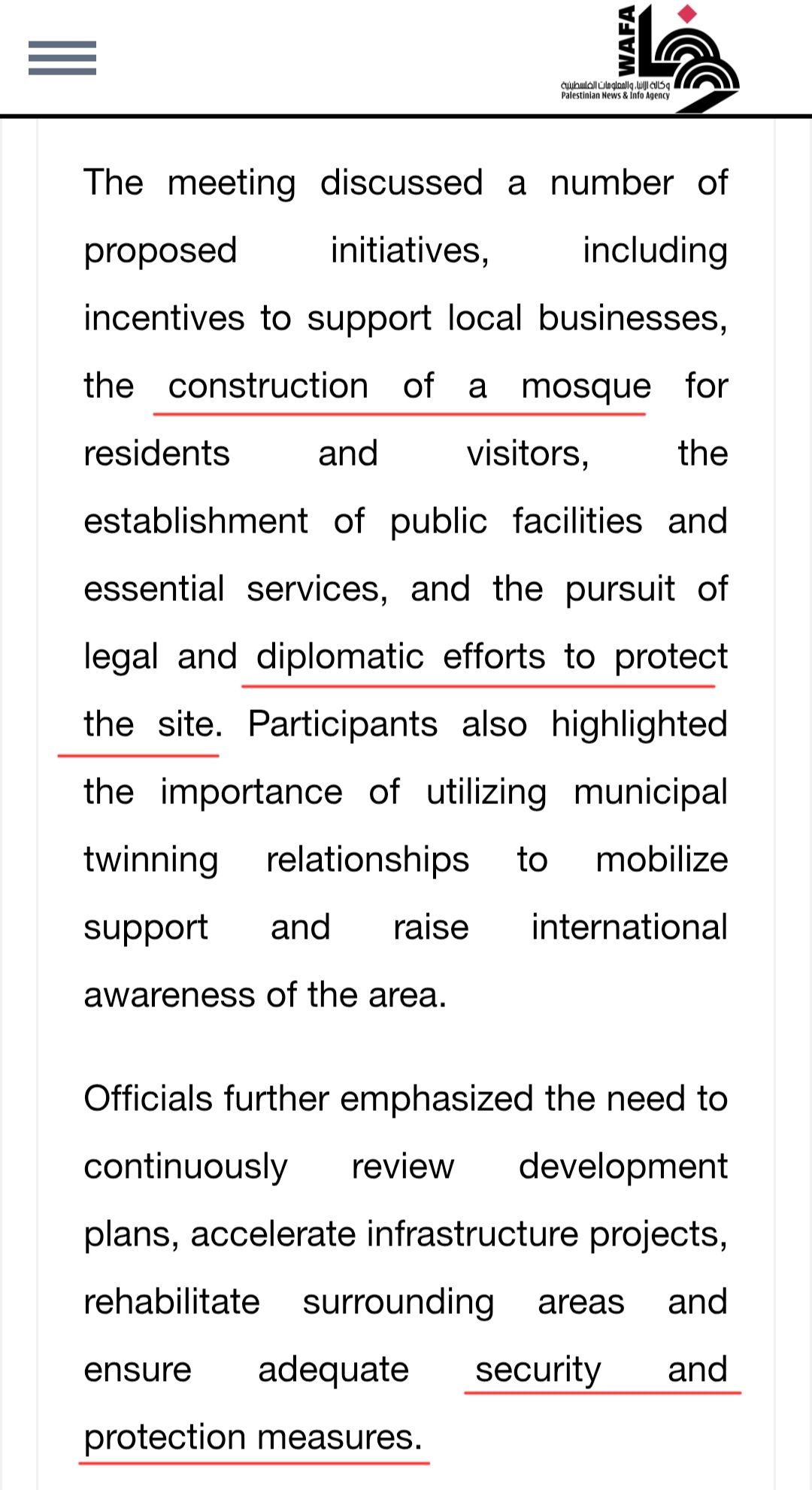
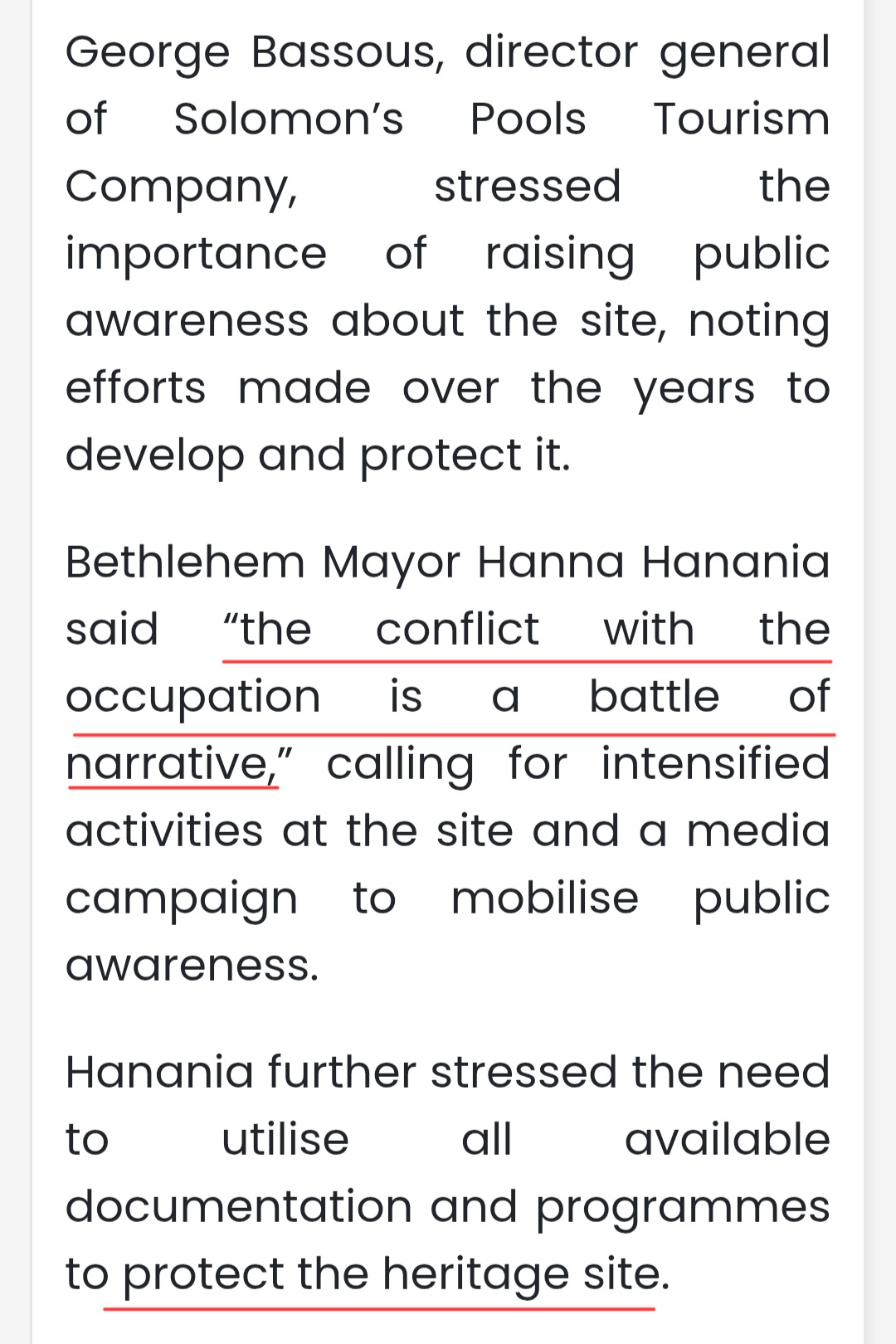
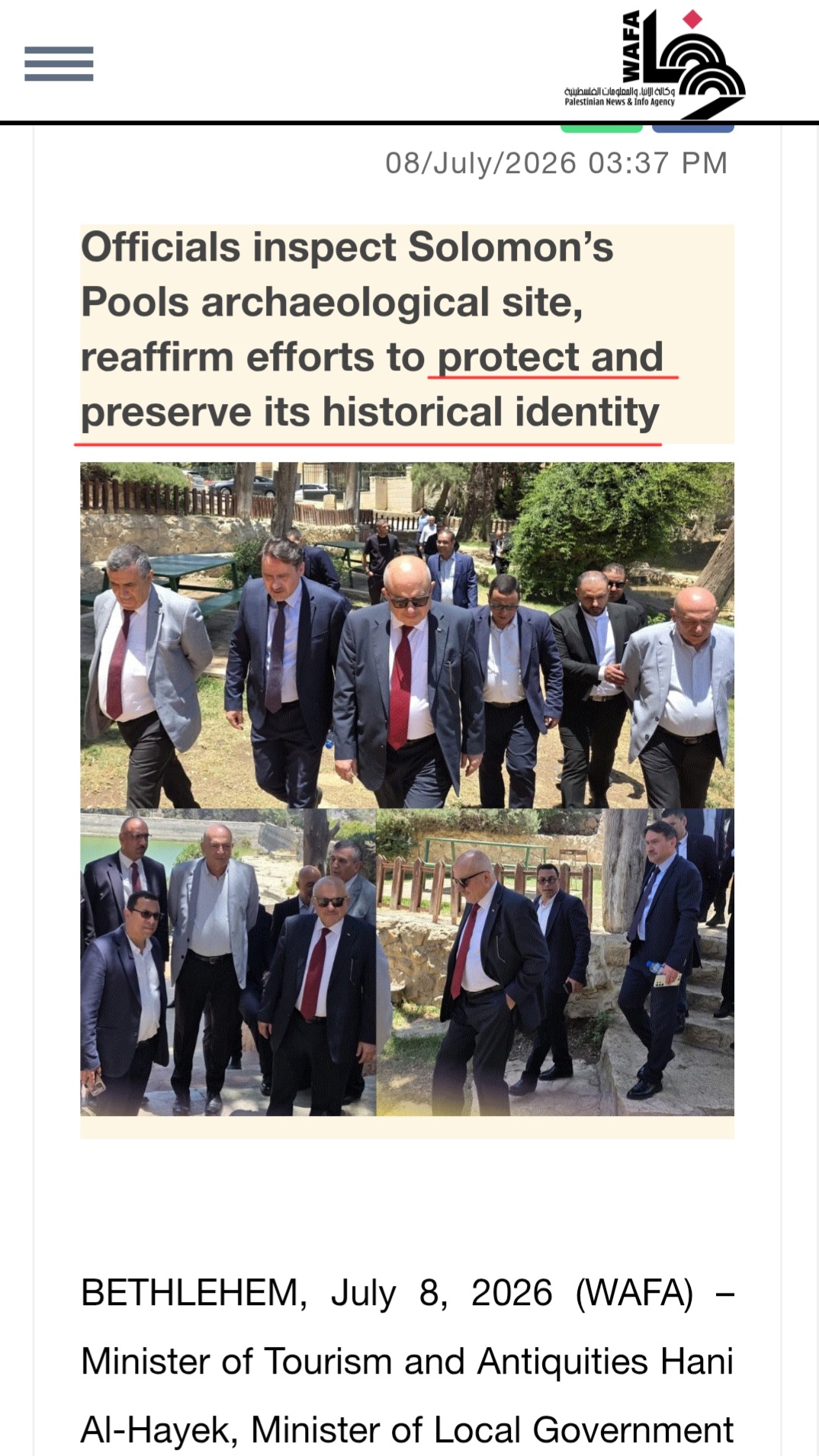
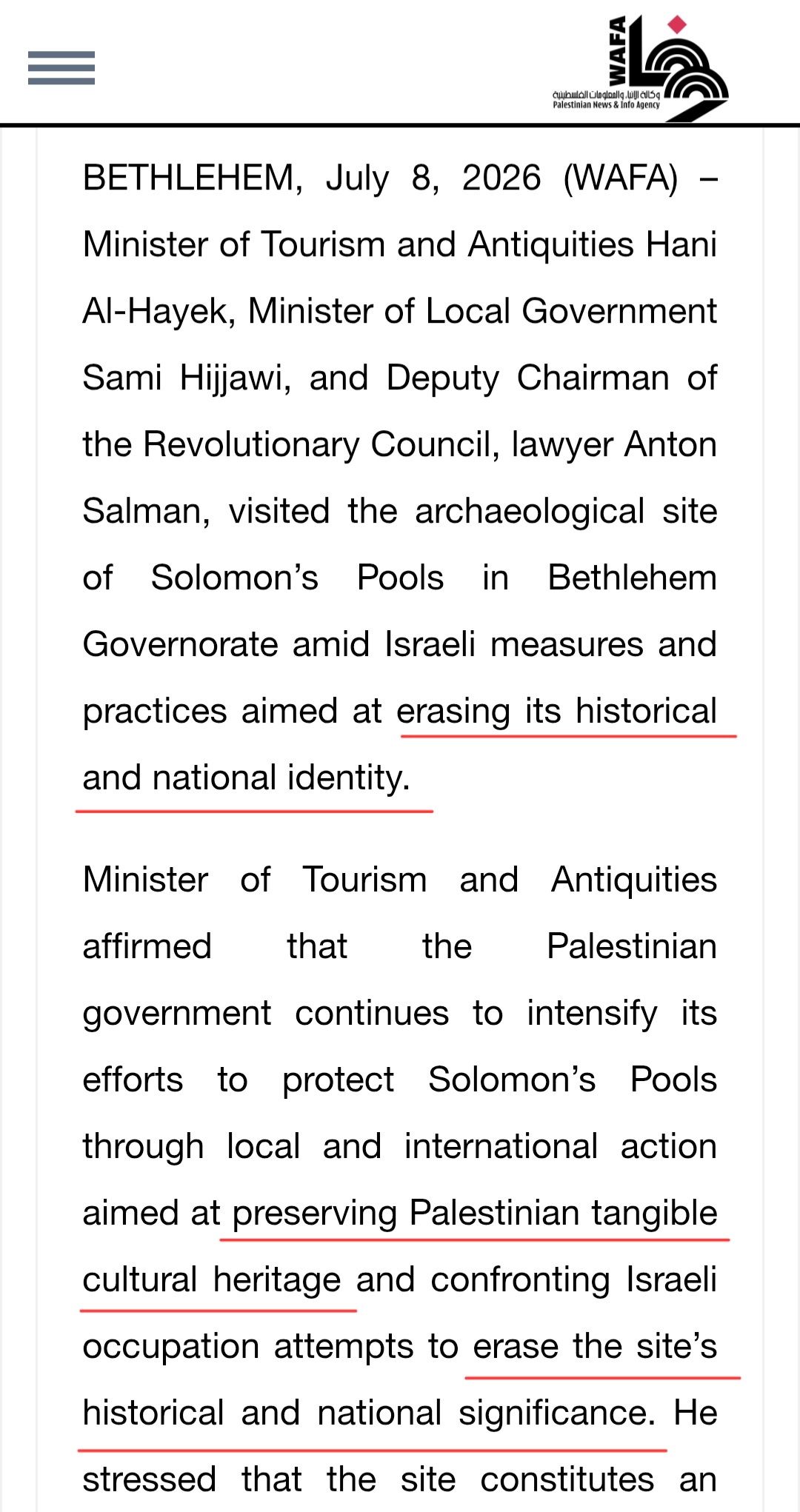
The Palestinian Authority’s official news agency, WAFA, now repeatedly describes Solomon’s Pools as “Palestinian archaeological and heritage sites,” “Palestinian cultural heritage,” and “an integral part of the Palestinian people’s national identity.” It accuses Israel of attempting to erase the site’s Palestinian identity while announcing plans to seek UNESCO protection for that very narrative.
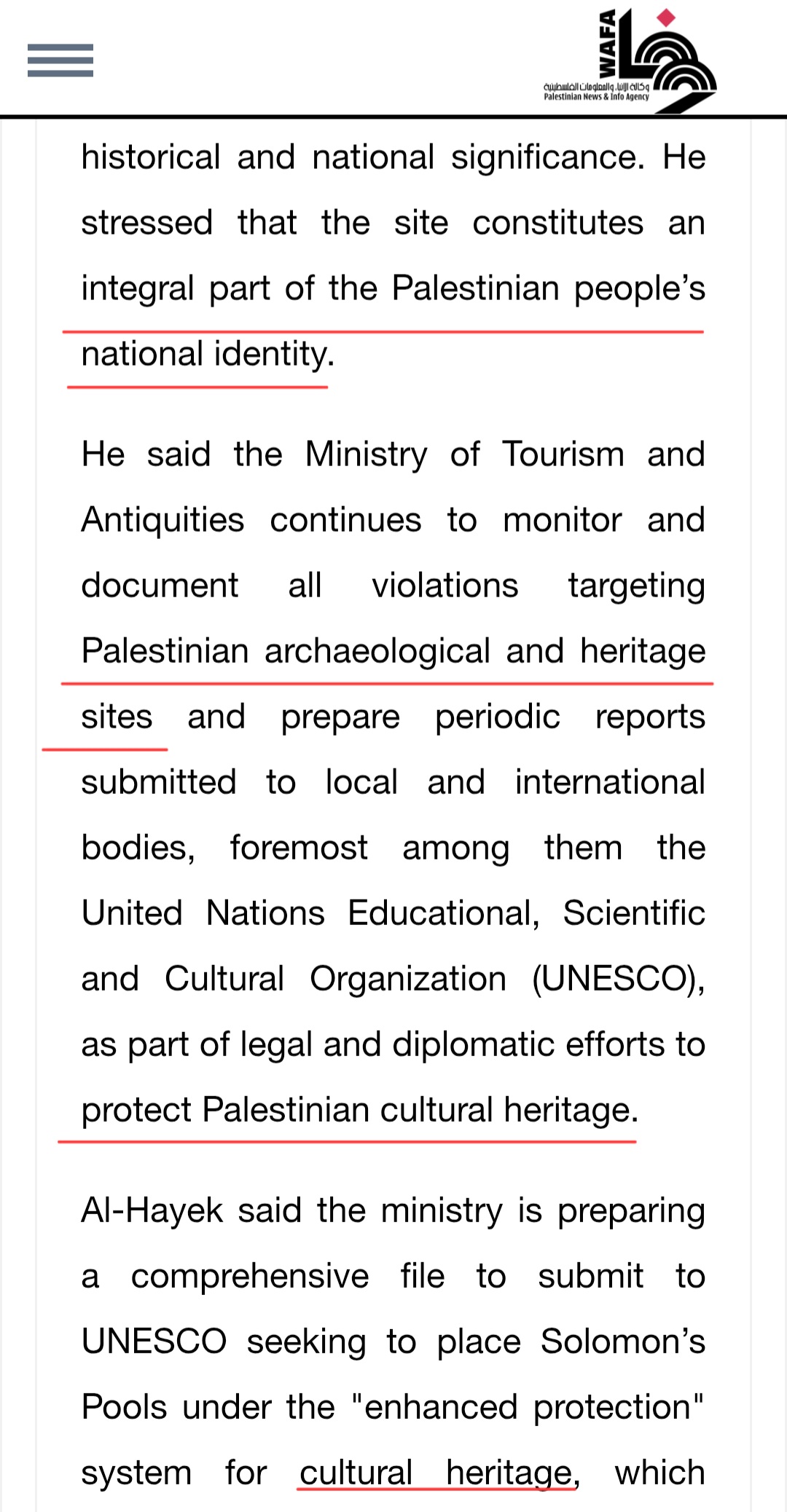
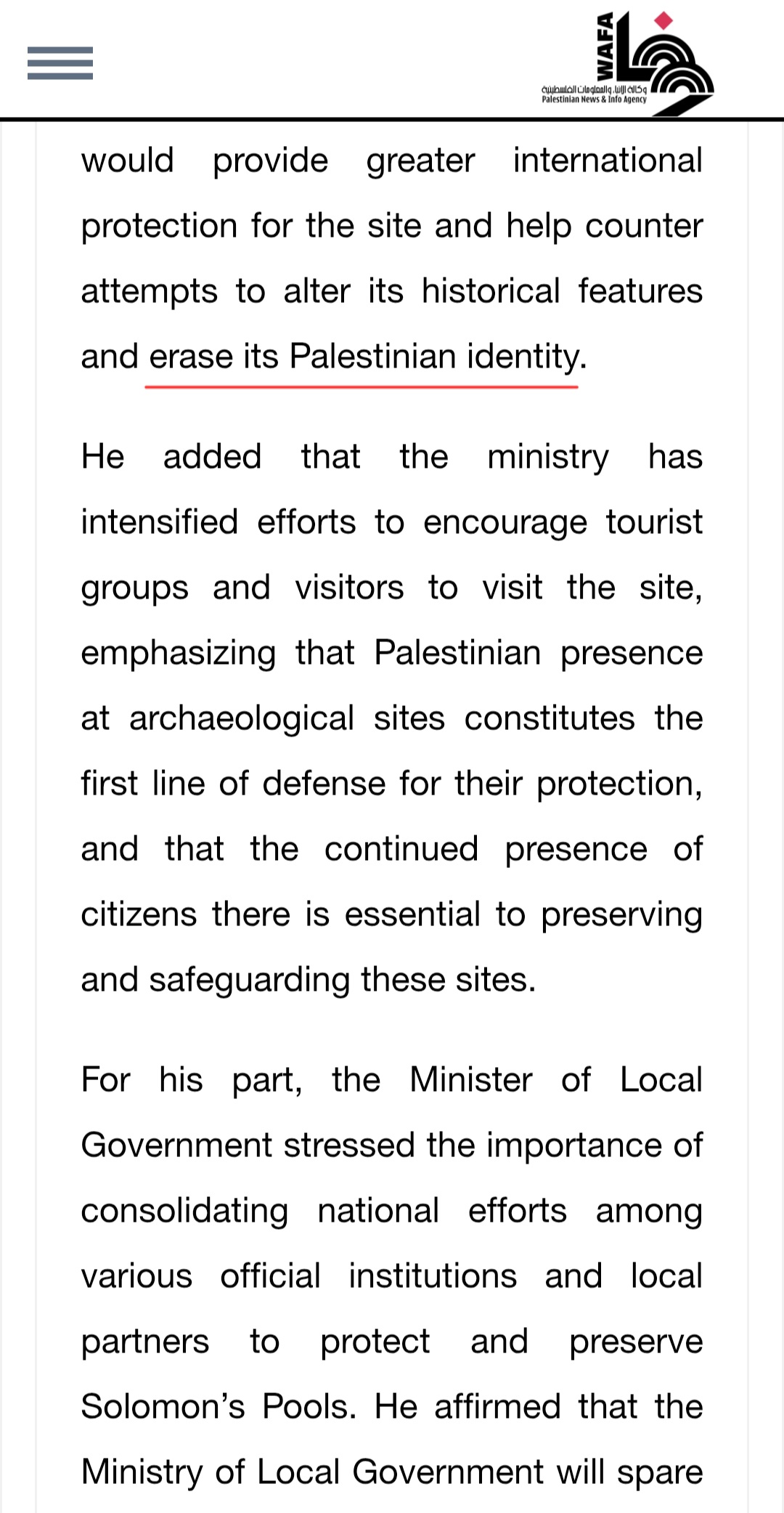
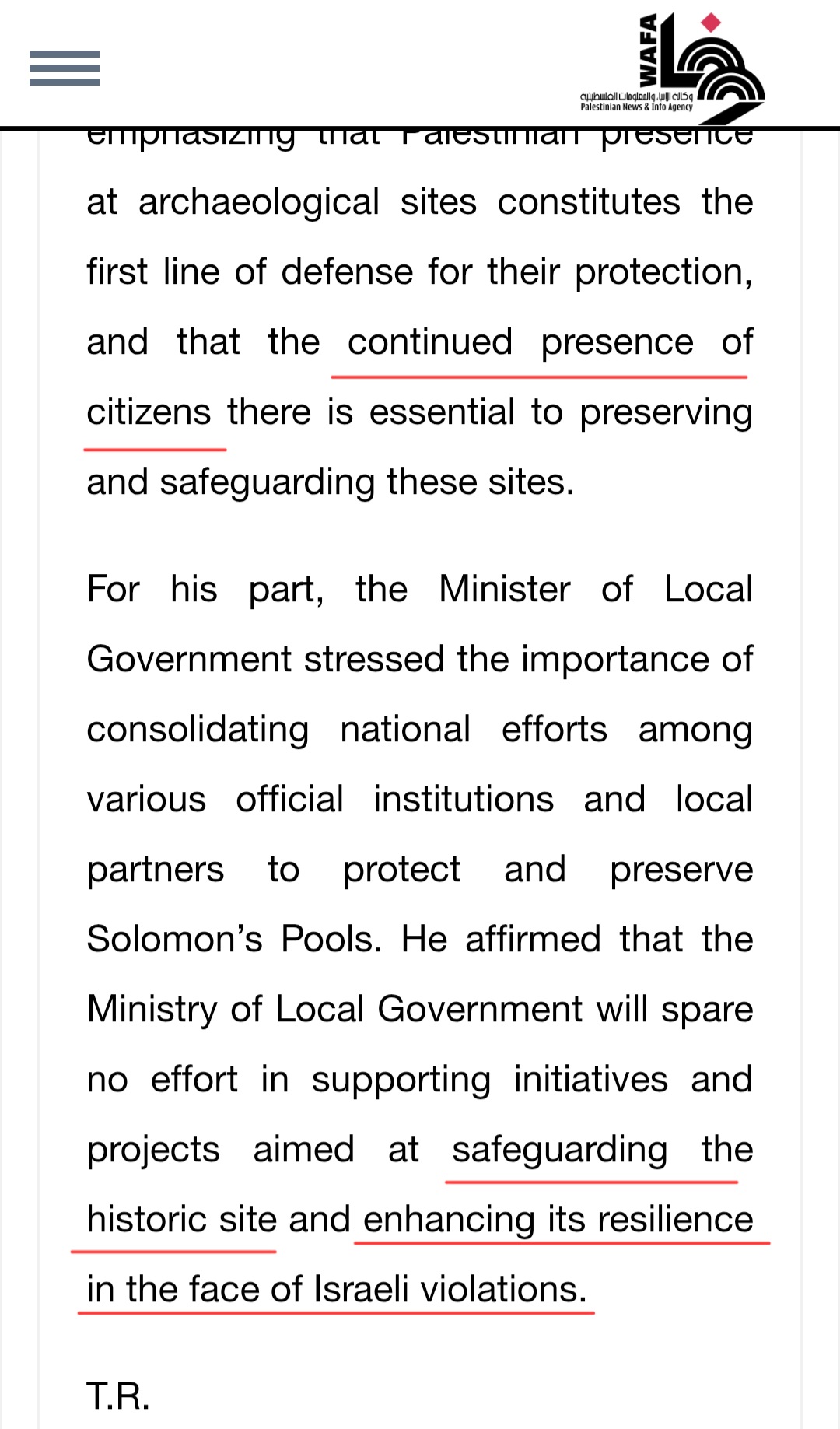
This is historical revisionism.
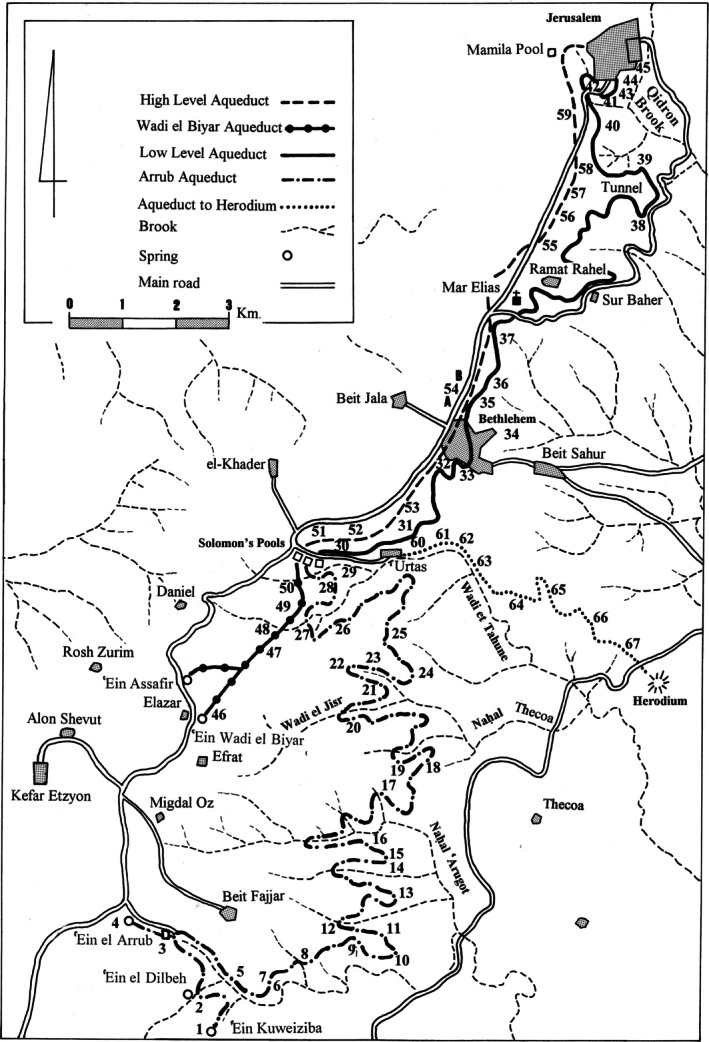
For more than two thousand years, Solomon’s Pools have been recognized as part of the ancient water system that supplied Jerusalem and the Second Temple. Yet the new narrative increasingly erases that Jewish history while attempting to replace it with a Palestinian Arab one.
That is how historical erasure begins, with words.
It continues with cultural appropriation – taking another civilization’s achievements and presenting them as one’s own. A site built to sustain Jewish Jerusalem is no longer described as part of Jewish civilization, but as an expression of “Palestinian national identity.”
Solomon’s Pools is not an isolated example.
Over the years, Palestinian rhetoric has increasingly described biblical figures and ancient Jewish sites through a Palestinian national lens.
- Ancient Israelites and Jews have been called “Palestinian Hebrews.”
- Jesus has been falsely recast as a Palestinian Arab.
- The Jewish Temples are falsely described as being located in Yemen.
- Ancient Jewish heritage sites have increasingly been recast as Palestinian heritage, such as the Jewish Temple Mount being only called the “al Aqsa Complex” and as a purely Islamic site to prevent Jews from praying at their holiest site.
- The Cave of the Jewish Patriarchs and Matriarchs in Hebron is only called “Ibrahimi Mosque”, also solely an Islamic site.
Individually these statements may appear rhetorical. Collectively they reveal a sustained and malicious effort to replace one people’s historical memory with another’s national story.
When a people’s documented history is systematically erased, it reveals a bigotry directed not only against living Jews but against Jewish civilization itself. It reflects national chauvinism, elevating one national identity by absorbing the achievements of another.
And it does this with particular purpose: to strip Jews of their indigeneity in their holy land, to recast them as interlopers and “European settler colonizers” which is deeply infused with a righteous sense of xenophobia.
That is why UNESCO’s role matters.
An organization created to preserve humanity’s cultural heritage should never become an instrument of historical revisionism. If it legitimizes narratives that obscure the well-documented Jewish origins of sites like Solomon’s Pools, it is no longer merely protecting monuments. It is helping redefine what future generations believe those monuments represent.
The danger is larger than a single archaeological site. Words are attempting to erase Jewish history and heritage throughout the Jewish homeland.
The United Nations is correct: words can lead to terrible consequences.
And these words and actions have a particularly dangerous strain of antisemitism. It does not involve attacking Jews physically, which Palestinian Arabs have done repeatedly at scale. It is an insidious attempt to get the world to endorse a narrative that Jews are foreigners in the land to frame a future without the Jewish State. This is the destruction and genocide that emerges from language.
When international institutions lend their authority to that process, they cease to be guardians of history and become participants in its erasure.