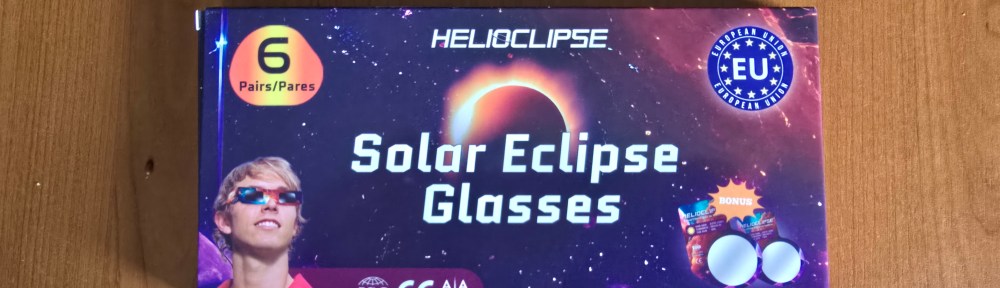
Staring at the sun is dangerous. It can permanently damage your eyes.
That is true today, during a solar eclipse. It was true yesterday. And it will be true tomorrow.
Yet almost no one spends an ordinary sunny day warning people not to stare at the sun. There are no news alerts. No public-service campaigns. No rush to buy protective glasses.
Then an eclipse arrives, and suddenly everyone is talking about retinal damage.
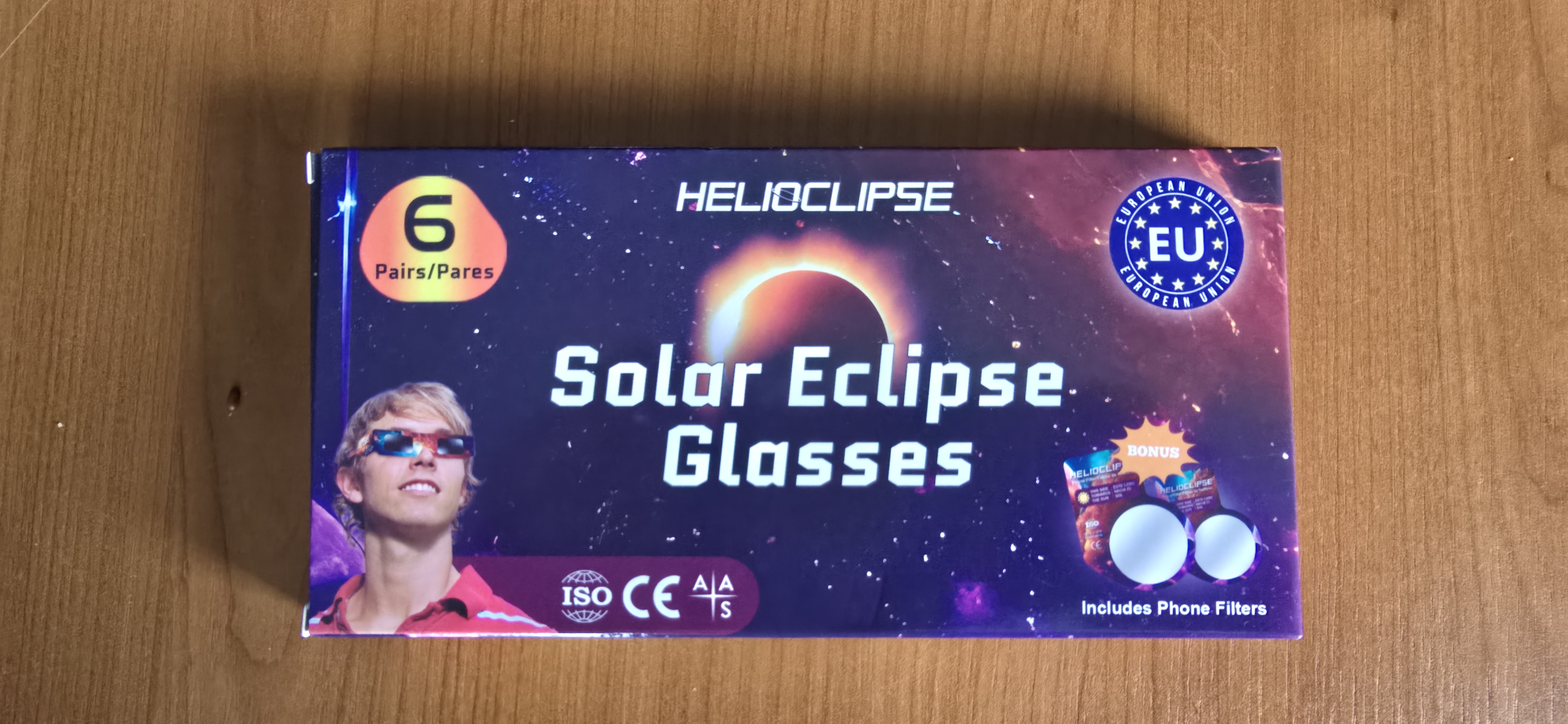
The eclipse does not make the sun more dangerous. It makes us more likely to look.
On an ordinary day, the sun is painfully bright. We instinctively turn away. During an eclipse, the moon covers much of that brightness. The sun becomes darker, stranger and irresistible. Curiosity tells us to keep looking precisely when the covering makes the danger easier to underestimate. We look at the danger precisely when the danger hides behind a mask.
The danger was always there. What changed was our behavior.
Violent jihad presents a darker version of the same phenomenon.
An ideology that glorifies murdering civilians, suicide bombings and religious war does not become less dangerous because something is placed in front of it. Yet organizations, activists and politicians can provide a kind of ideological eclipse—describing jihadist violence primarily through the language of “resistance,” “liberation” or Palestinian Arab self-determination.
October 7 should have been impossible to romanticize. Thousands of Hamas terrorists murdered families in their homes, slaughtered young people at a music festival and dragged hostages into Gaza. Yet almost immediately, people began searching for language that could place a covering over the horror.
“Palestinian self-determination” became one such covering. It transformed a discussion about what Hamas actually did and what it openly sought into a more familiar political argument about nationalism, borders and statehood. The words did not change the violence. They changed how people were invited to look at it.
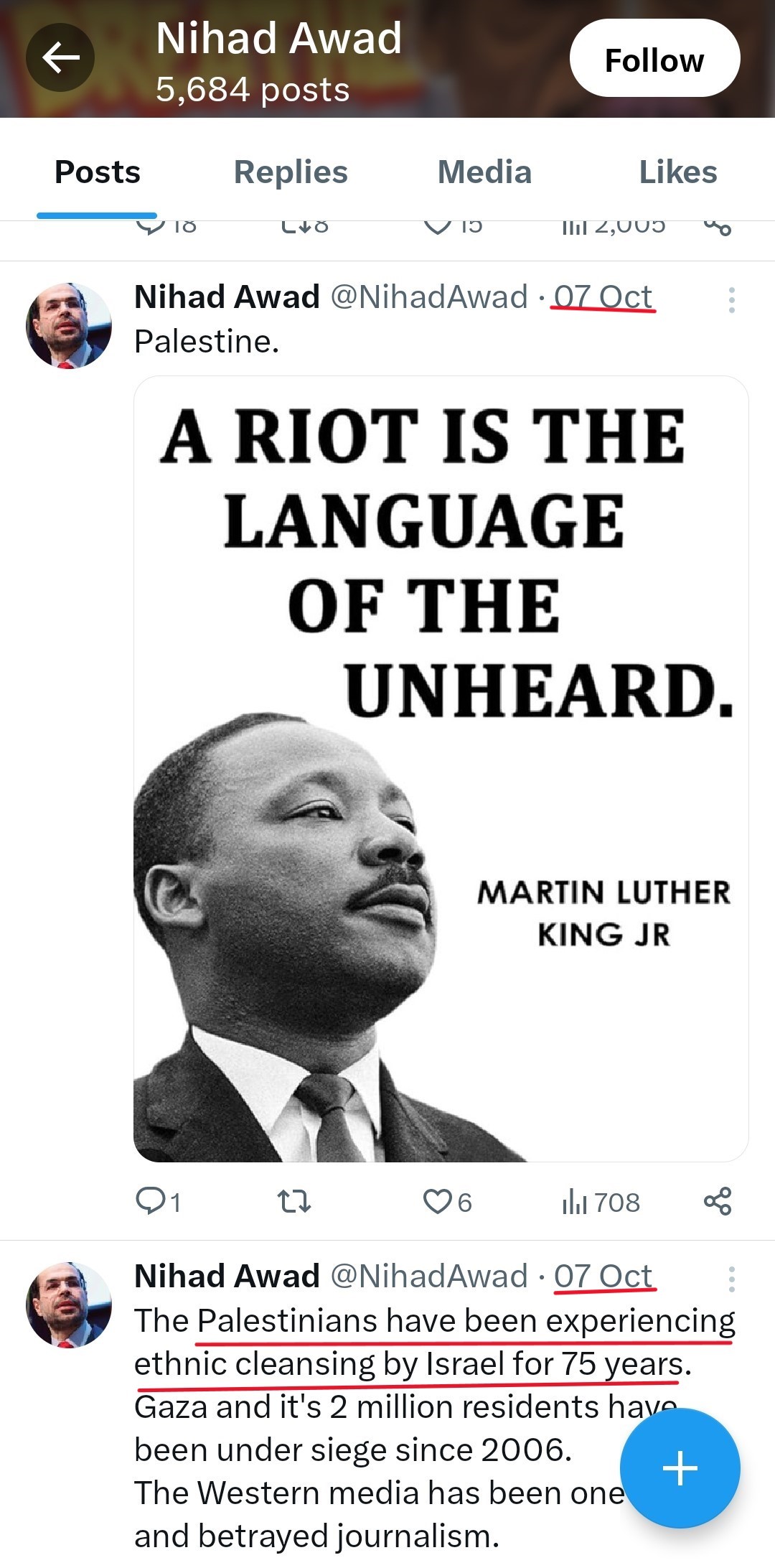
And once the horror is covered, something disturbing happens. What should repel people can become a passing fascination. Violence acquires slogans, symbols and intellectual rationalizations. Terrorists are recast as revolutionaries; psychopaths and cowards as heroes. People who would instinctively recoil from the naked ideology are encouraged to stare at a filtered version of it.
That is the danger of an eclipse. It does not destroy the source of the danger. It obscures enough of it to change human behavior.
The sun was dangerous before the moon passed in front of it. It will remain dangerous when the moon moves away.
Violent jihad was dangerous before October 7. It remained dangerous while people explained its atrocities through socialist-jihadi language. And it will remain dangerous after today’s political fascination moves somewhere else.
The eclipse does not change the sun nor does political covering change violent jihad. It only changes whether people recognize the danger when they look at it.


