Last week’s Torah portion, Chayei Sarah, described Abraham burying his beloved wife Sarah in the Cave of Machpelah in Hebron. In his grief, he insisted on purchasing the land at full price, securing a permanent resting place for his family in the land they called home.
This week’s portion, Toldot, moves from land for the dead to water for the living.
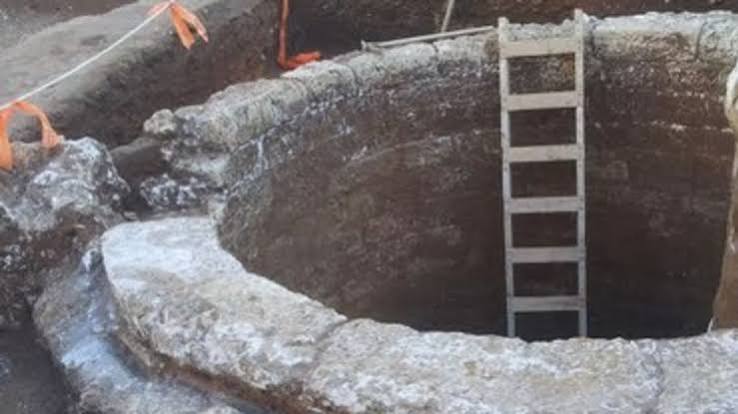
After Abraham’s death, the Philistines filled the wells he had dug. His son Isaac, facing hostility and pressure to leave the land, refused to abandon his father’s legacy. He reopened the wells, and the Torah adds an important detail: “He called them by the names that his father had called them.” (Genesis 26:18)
The medieval commentators Rashbam (1085-1158) and Abarbanel (1437-1508) recognized the significance of Isaac’s actions: preserving Abraham’s claims to the wells while resisting efforts to drive his descendants away.
Isaac’s servants then dug new wells, encountering further opposition. He named the first Esek (contention) and the second Sitnah (hostility). When they finally found water that nobody contested, he named the well Rehovot, thanking God for making room for his family to prosper.
Isaac preserved his father’s names and gave his own wells names that recorded the struggles of his generation. He would neither surrender the past nor disguise the present.
Names carry history. They connect people to places, preserve their accomplishments and record their struggles. When those names are erased or replaced, generations can lose their connection to the people who came before them.
For thousands of years, Jews have faced efforts to rename their places, challenge their history and deny their connection to their ancestral homeland. Isaac’s determination remains a lesson for every generation that inherits this history.
Abraham secured a place for Sarah to rest. Isaac secured the water his children would need to live. Neither would allow others to determine whether their family belonged in the land.
The graves of our ancestors and the lives of their descendants are chapters of the same history. We owe it to both to preserve their names, defend their legacy and ensure that the story continues.


