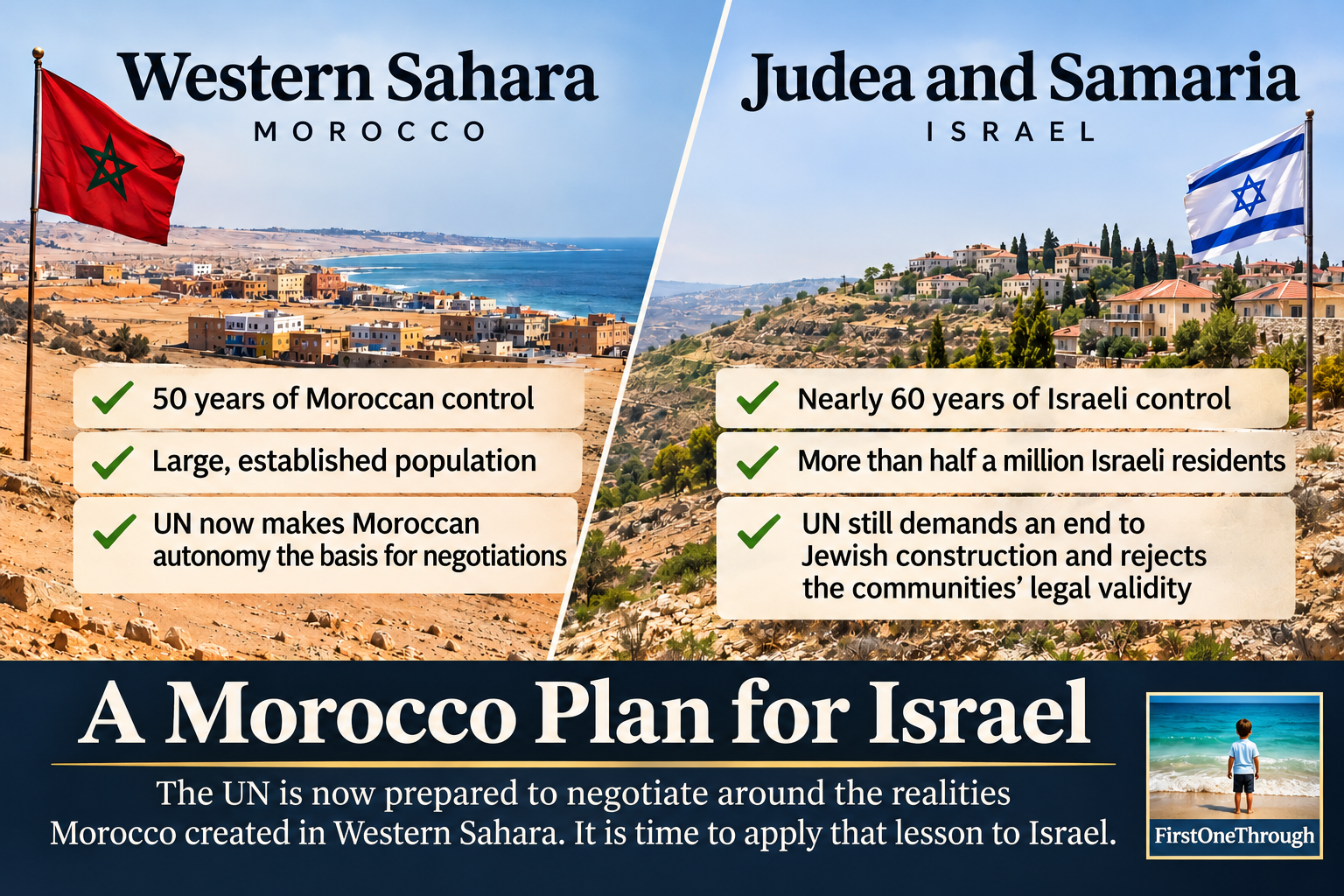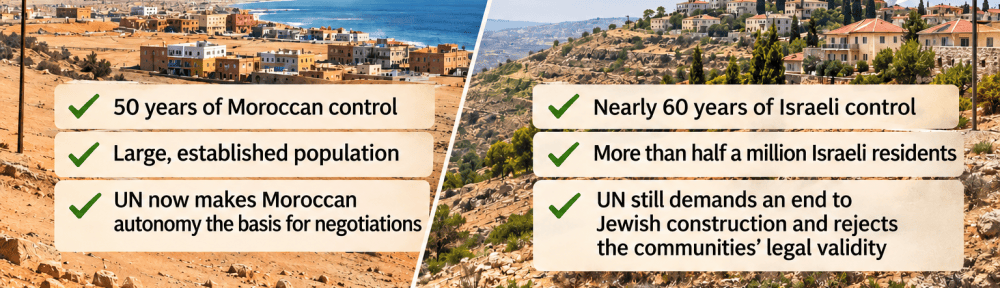
The United Nations may have discovered a new approach to resolving territorial disputes. It is called accepting reality.
For fifty years, Morocco has controlled most of Western Sahara, a former Spanish colony. It has built cities, roads, ports and businesses, and encouraged Moroccans to make their homes there. Their children and grandchildren have grown up knowing no other home.
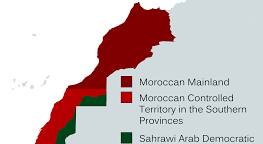
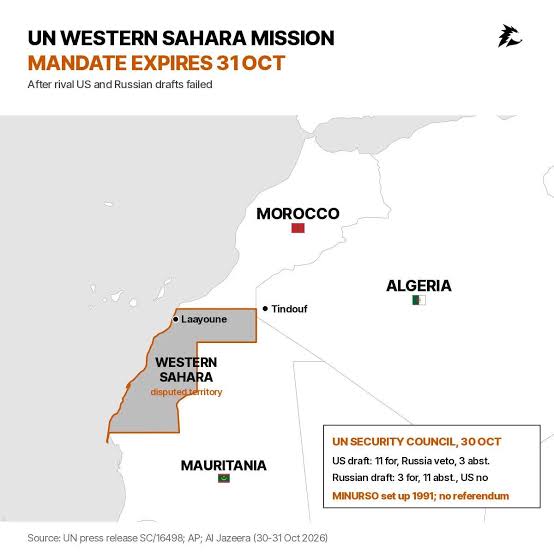
The indigenous Sahrawi people have long demanded independence. In 1991, the UN established a peacekeeping mission to organize a referendum on their future. The vote never happened.
So Morocco continued developing the territory while the UN continued demanding self-determination. For decades, neither side moved.
Recently, something remarkable happened.
In October 2025, the UN Security Council adopted Resolution 2797, making Morocco’s proposal for Sahrawi autonomy under Moroccan sovereignty the basis for negotiations. The UN was prepared to consider a future that accommodated Moroccan control rather than reversed it.
“a just, lasting, and mutually acceptable solution to the dispute; affirming
that genuine autonomy under Moroccan sovereignty could constitute a most feasible solution; and further welcoming the commitment of Council members to facilitate progress” – UNSC Resolution 2797
A year later, the Security Council failed to renew the referendum mission. After 35 years, the UN was closing a mission that had never held its referendum.
Consider what this means for Israel.
In 1967, Israel took control of Judea and Samaria, including eastern Jerusalem, from Jordan. Jordan had seized the territory in 1948 and annexed it in 1950, an illegal claim that received almost no international recognition. During Jordanian rule, Jewish communities were ethnically cleansed, including from the Old City of Jerusalem and Gush Etzion.
Jews had lived in these places long before 1948. Hebron, Bethlehem, Shiloh and Beit El are central to Jewish history and religion. The Jewish connection to these places predates Morocco, Spain and the United Nations. In modern times, the lands were central to the international Palestine Mandate establishing a Jewish homeland.
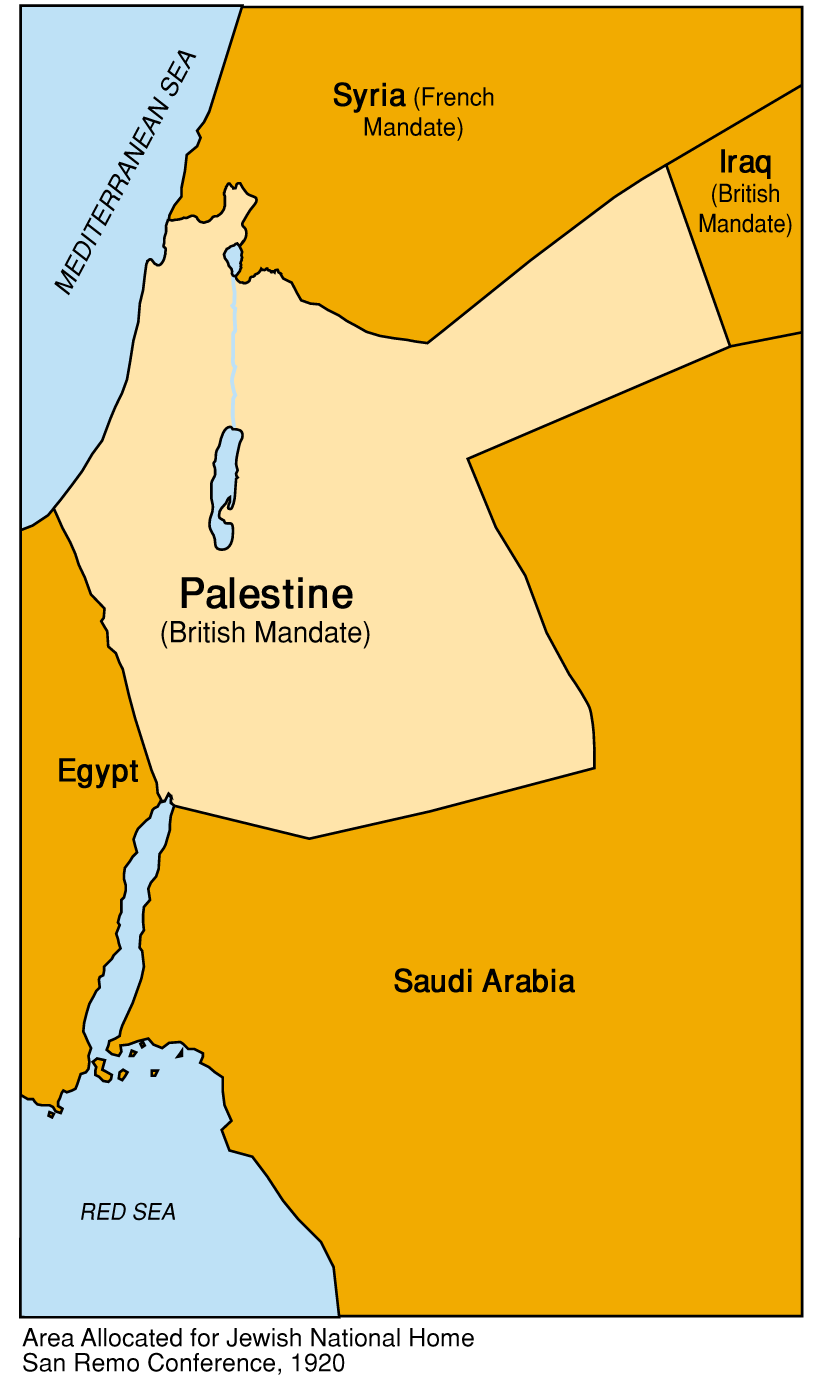
Today, more than half a million Jews live in Judea and Samaria. They have built communities, schools, synagogues and businesses. Their children and grandchildren have grown up knowing no other home.
Israel has not formally annexed Judea and Samaria, although some Israeli leaders advocate doing so. Yet the UN continues to demand an end to Jewish construction, including natural growth, and declares Jewish communities established since 1967 to have no legal validity.
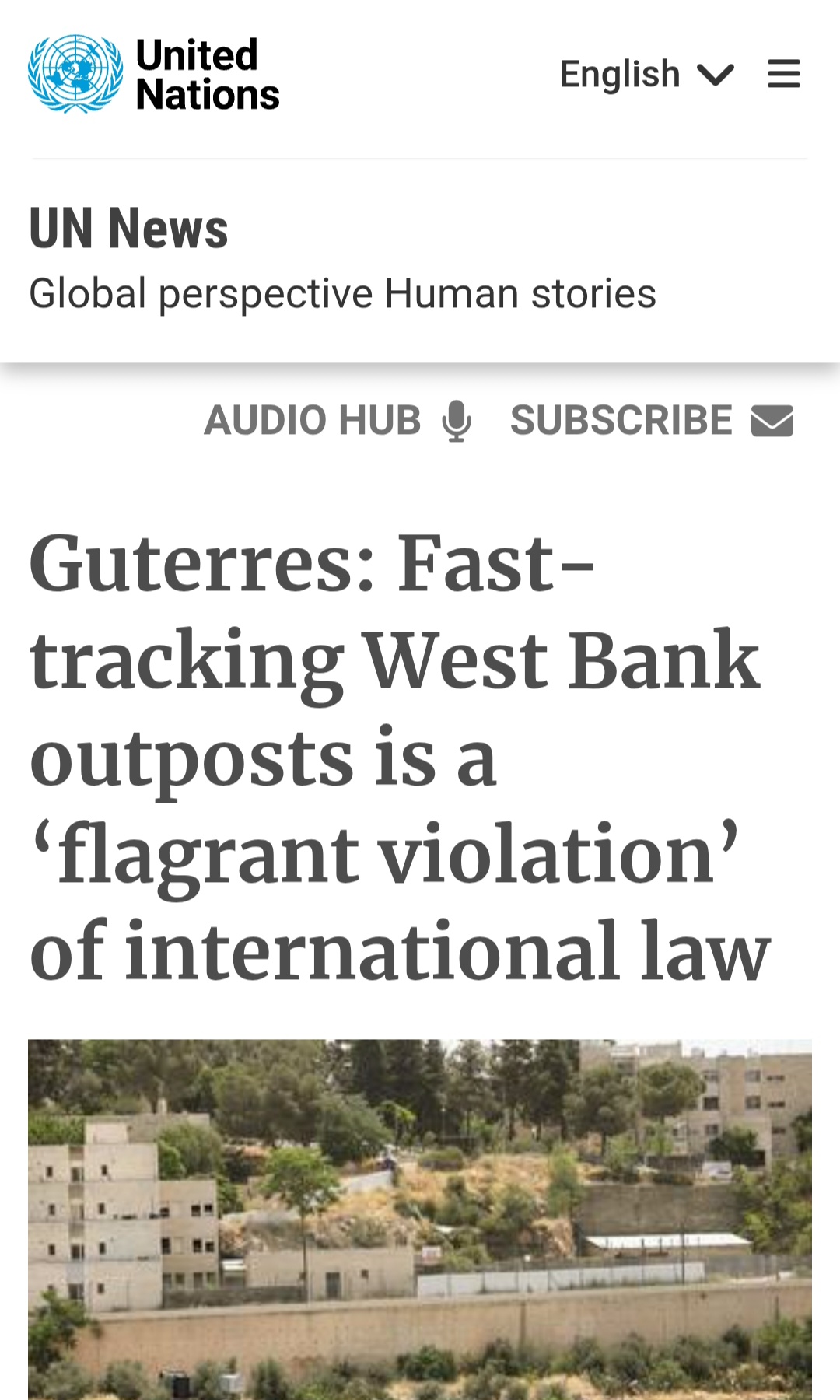
The UN is now prepared to negotiate a solution in which Sahrawis could govern their own affairs without requiring Moroccan families to abandon their homes. Why should the same possibility be excluded for Palestinian Arabs and Jews?
A Morocco Plan for Israel would begin with the people who actually live there. Palestinian Arabs would govern their own affairs, with meaningful political and civil rights. Jewish communities would remain. Sovereignty and security would be negotiated without making the removal of Jewish families a prerequisite.
For decades, the UN has condemned Israel for changing the demographic realities of Judea and Samaria. In Western Sahara, it has now made those same realities the starting point for negotiations.
Perhaps the UN has learned something from Morocco. It is time to apply that lesson to Israel.