
Chico Harlan wrote a beautiful article in The New York Times about Malawi, a poor African country struggling with devastating droughts, unpredictable flooding and the destruction of its agricultural economy. Joao Silva’s extraordinary photographs capture the beauty of the landscape and the hardships of the people who depend on it.
It is excellent journalism. But one passage is revealing.
Harlan quotes Malawi’s chief secretary, Justin Saidi, explaining that the government has been appealing to development banks and countries “like Britain and Australia” for assistance in implementing its El Niño preparedness plan.
Australia?
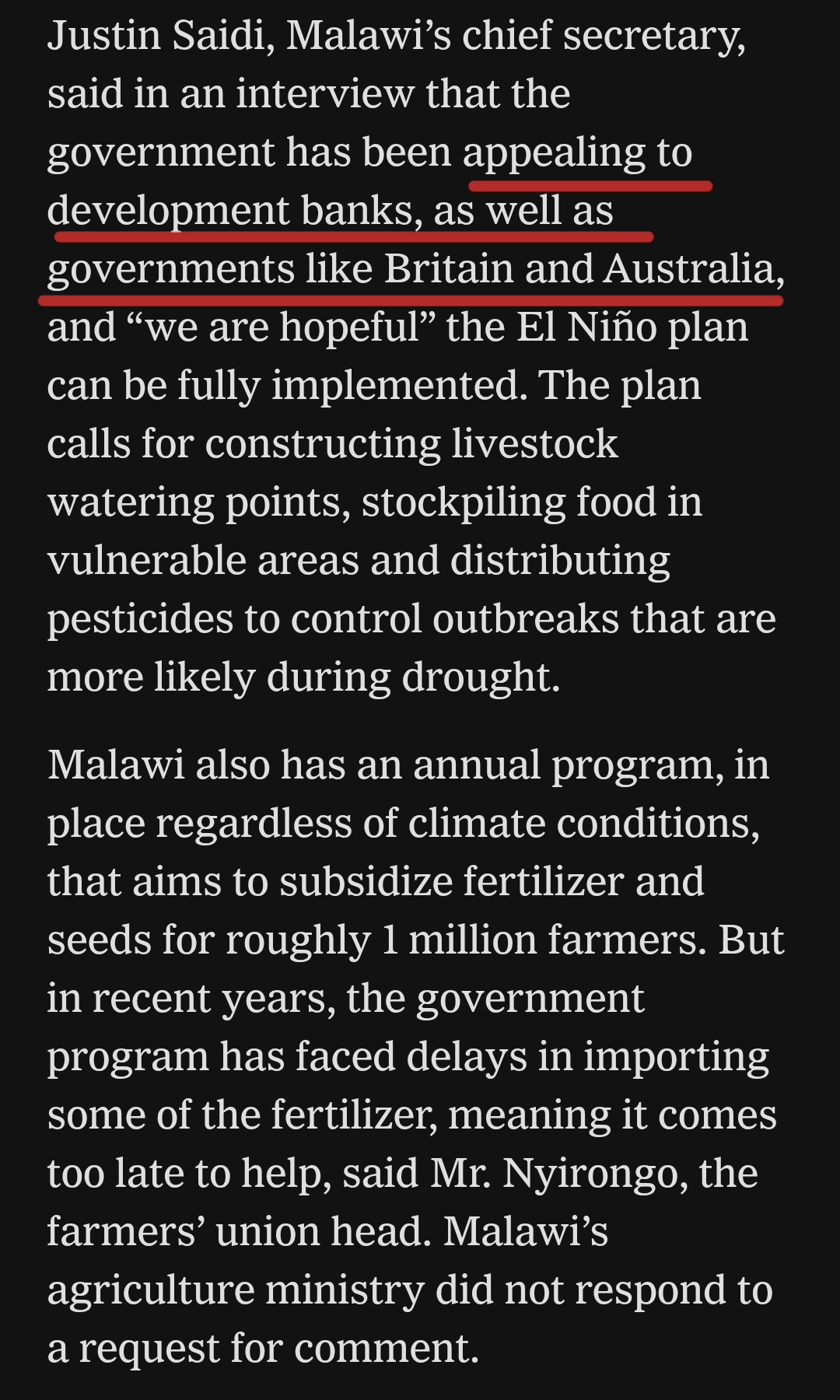
The United States has historically been Malawi’s largest bilateral donor, providing an average of more than $400 million annually between 2017 and 2023. America also contributed millions in emergency assistance during Malawi’s devastating 2024 El Niño drought. Britain has been another important donor, but Australia is nowhere near the top of the list.
Yet readers hear about Australia while America goes unmentioned in the discussion of international assistance.
Even more curious is the absence of Israel.
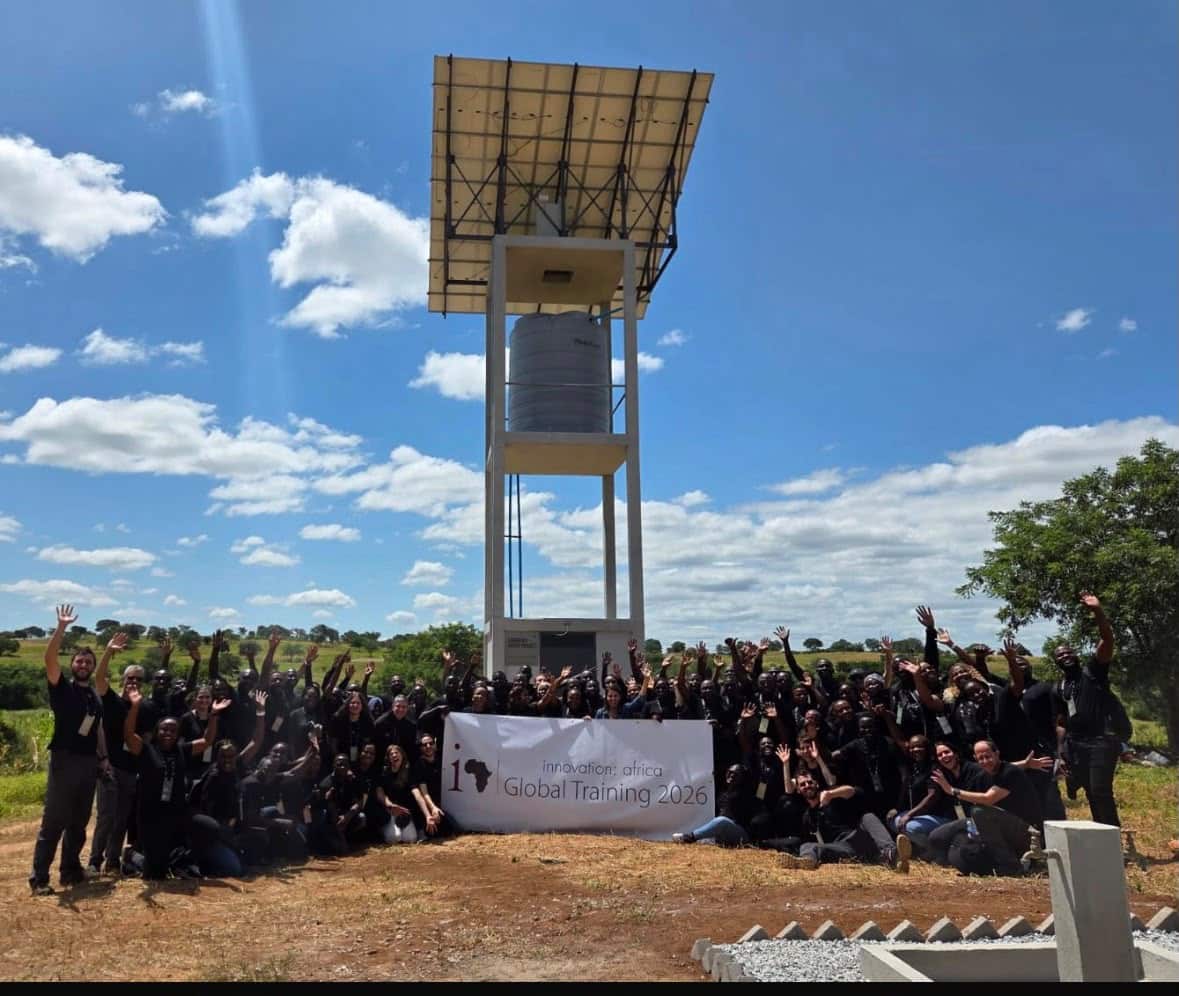
Israeli-founded Innovation: Africa led by Sivan Yaari has completed more than 200 solar and water projects in Malawi, reportedly benefiting approximately one million people. The organization uses Israeli technology to bring clean water and electricity to rural villages, installing solar-powered pumps and training local residents to maintain the systems.
IsraAID, another Israeli humanitarian organization, responded to Cyclone Freddy in 2023 by rehabilitating damaged boreholes and restoring clean water to more than 100,000 Malawians. Israeli medical organizations have treated children with serious heart conditions, trained healthcare workers and introduced medical technology. The two countries have also developed an agricultural employment partnership that allows Malawians to work in Israel and send money home.
Then there is the recent bonding of Israel and Malawi since the October 7 massacre by Gazans of Israelis. The two countries are becoming much more integrated.
Water, agriculture, healthcare and economic resilience. These are precisely the challenges Harlan describes so effectively.
Harlan is no stranger to either country. His recent reporting has repeatedly criticized American climate and foreign-aid policies, including the Trump administration’s retreat from international climate commitments. His 2018 reporting from Gaza focused on Palestinian casualties during confrontations with Israeli forces.
He also previously worked as a journalist in Sydney, Australia.
Perhaps Malawi’s chief secretary simply offered Britain and Australia as examples. We do not know what else was discussed during the interview or why those particular countries survived the editing process.
A journalist can report every fact accurately and still leave readers with a distorted understanding of the world. The selection of facts, the people interviewed, the questions asked and the information omitted all shape the story.
Harlan’s article makes Malawi’s suffering impossible to ignore. His photographs and reporting deserve praise. Yet readers come away knowing that Malawi is seeking help from Australia, without learning about America’s enormous financial contributions or the Israeli organizations already bringing water, electricity and medical care to Malawian communities.
The most revealing biases in journalism are sometimes found in the facts that never make it onto the page.


