Two decades ago, Israel had a Jewish mafia problem.
Crime families including the Abergils, Rosensteins, Abutbuls and Alperons fought over drugs, gambling and territory. Their wars spilled into public spaces. In 2003, an attempt to assassinate mob boss Zeev Rosenstein with a bomb in Tel Aviv killed three innocent bystanders and wounded about 50.
Israel responded aggressively. Police investigations, prosecutions and financial enforcement eventually broke much of the power of the major Jewish crime organizations.
But something unexpected followed.
An analysis by Israel’s Institute for National Security Studies (INSS) cites a comprehensive government report that “suggests that the collapse of Jewish crime organizations in the early 2000s transferred criminal activity to Arab towns, where police presence is lacking and enforcement is ineffective.”
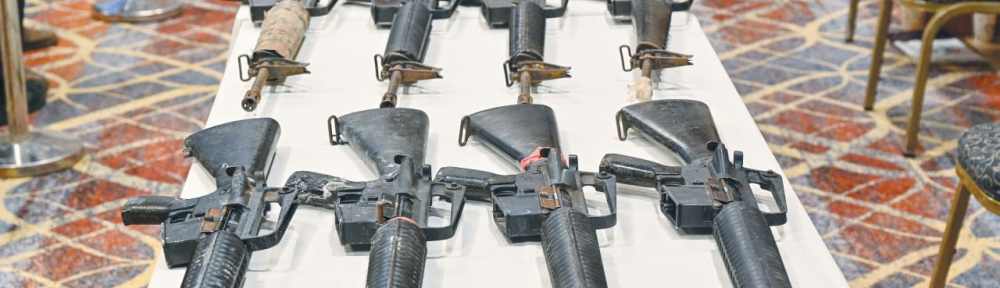
Arab communities offered criminal organizations opportunities to flourish: illegal weapons, black-market lending, protection rackets, socioeconomic problems and deep distrust of police.
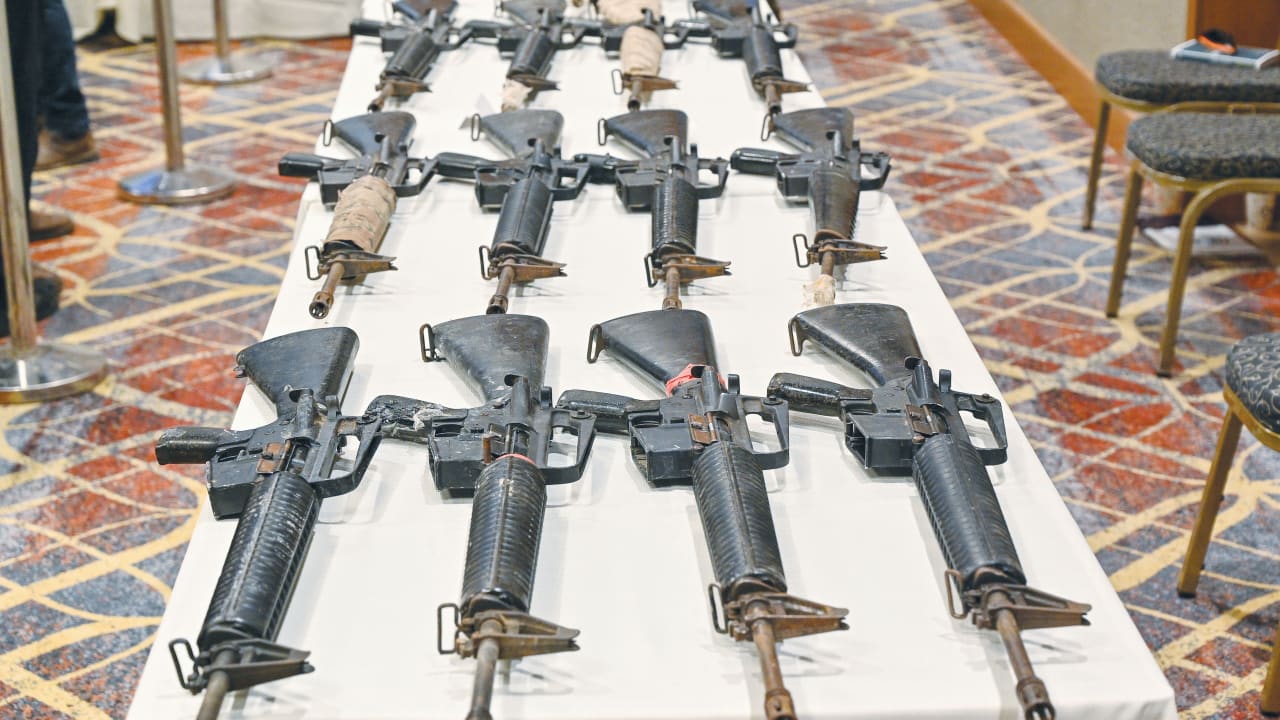
The enforcement gap was enormous. The State Comptroller found approximately 9,200 shooting incidents in 2019 alone, while indictments were filed in only 3% to 5% of investigated shooting cases between 2017 and 2019. Government gun-collection campaigns recovered just 15 weapons in 2017 and 19 in 2019.
Criminal organizations grew from gangs into economic powers.
In 2021, Public Security Minister Omer Barlev told the Knesset that crime families were infiltrating government spending intended for Arab communities by threatening bidders and extracting protection payments.
(photo: MICHAEL GILADI/FLASH90)
Four years later, Tira Mayor Mamoun Abd al-Hay told a Knesset committee: “The city is run today by the organized crime groups, not by the police.” He called organized crime “an economic enterprise for all intents and purposes.”
The Abraham Initiatives found that 71.7% of the Arab homicides it could classify in 2023 involved conflicts between criminal organizations or family and clan disputes. Some victims were innocent relatives murdered in revenge attacks.
Israel briefly showed that the trajectory could be reversed.
The Bennett-Lapid government launched Safe Track and Government Resolution 549, a five-year, roughly NIS 2.4 billion campaign against crime and violence in Arab society. Police worked with tax and financial authorities to attack the organizations rather than simply arrest individual shooters.
Arab crime deaths fell in 2022.
But the campaign did not dismantle the organizations. The death toll reached 244 in 2023 and remained above 200 in each of the next two years.
Now WAFA reports that 151 Arabs have already been killed in crime and violence inside Israel in 2026.
That number provides a striking update to the FirstOneThrough article Which Arab Murders Count? published in May. At the time, roughly six Arab Israelis were being murdered in internal violence for every West Bank Arab killed by a West Bank Jew.
The disparity has grown substantially. Using the UN’s broader count of 18 West Bank Arab deaths linked to settler attacks this year—including deaths attributed to Jewish civilians, Israeli forces or disputed responsibility—the comparison is now more than eight to one. Using only the 12 deaths the UN attributes directly to civilians, it exceeds twelve to one.
The Israeli government knows the dimensions of the problem. The State Comptroller launched another audit this year into organized crime and its penetration of municipal tenders after previously finding that nearly 90% of contractors were required to pay protection money. The Knesset National Security Committee has repeatedly examined organized crime, illegal weapons and the low rate at which Arab murders are solved.
Arab organizations blame inadequate policing, discrimination and underinvestment. Police point to illegal weapons, entrenched criminal organizations and witnesses afraid to cooperate.
All may be true. The question that remains is whether anyone will do anything about the runaway Arab Israeli violence that kills hundreds of people each year.


Pingback: Israel By The Numbers | First One Through