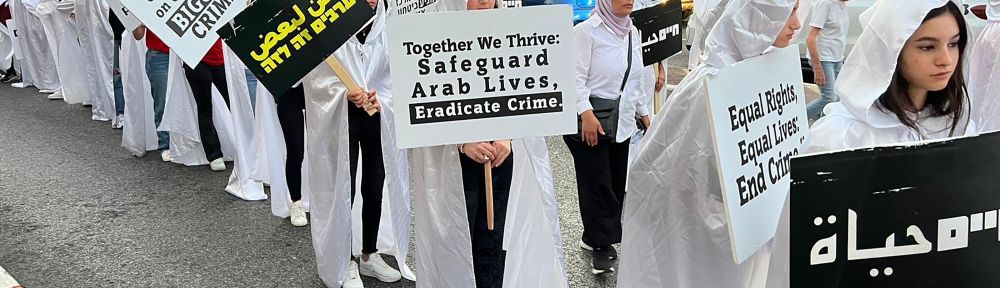
Some murders become international incidents. Others become statistics.
That is what makes the numbers in Israel and the West Bank so revealing.
As of early May 2026, roughly 98 Israeli Arabs have been murdered this year, overwhelmingly by fellow Arabs in gang violence, organized crime, and clan feuds. In that same period, about 16 Stateless Arabs from Palestine (SAPs) in the West Bank were killed by West Bank Jews.
The deaths are a tragedy. In each location.
Among the dead in Israel were a young Arab man and his fiancée in Yarka, shot dead together just weeks before their wedding. They were building a home, planning a life, and in a moment both were gone.
Their murders did not trigger an emergency session at the United Nations Human Rights Council. No international campaign formed around their names. No protests filled campuses demanding justice.
But the ratio matters.
For every SAP killed by a West Bank Jew this year, more than six Israeli Arabs have been killed by fellow Arabs.
Yet only one category reliably commands international attention.
When Jews kill Arabs, the broader human rights ecosystem reacts swiftly. The UN warns of “ethnic cleansing.” Condemnations follow. Activists mobilize.
Photo: Reuters / Denis Balibouse
When Arabs kill Arabs, the deaths rarely travel beyond the local crime blotter.
If Arab life matters, it should matter regardless of who pulls the trigger.
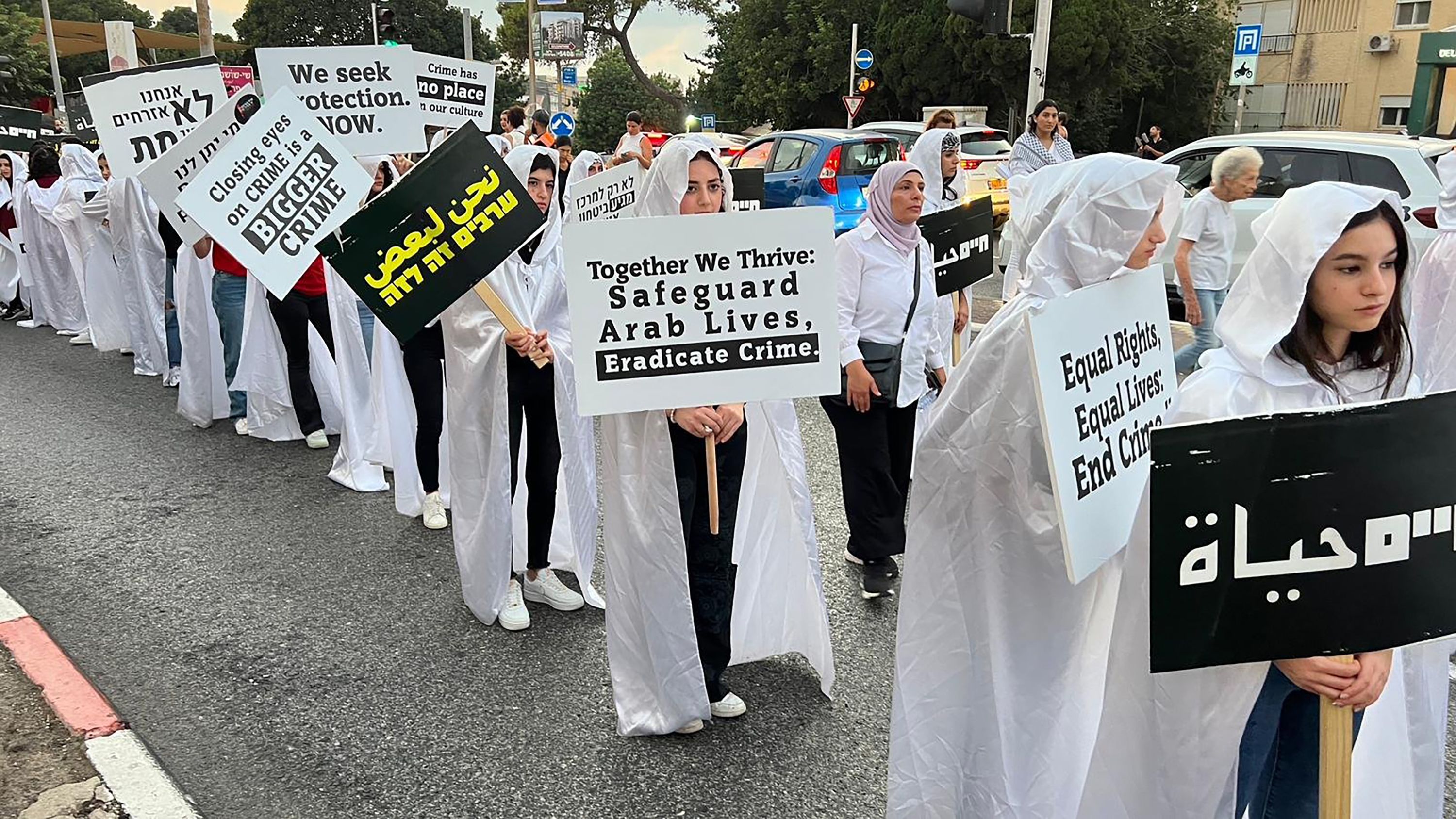
A human rights system that treats one dead Arab as an international crisis and six dead Arabs as a local inconvenience is not organized around human dignity.
It is organized around narrative.
Somewhere in Yarka, two families are mourning a wedding that will never happen.
And the world moved on because no Jew could be blamed.


Pingback: How the Arab Israeli Mafia Took Over | First One Through