When a head of state opens a student conference, the message extends far beyond procedural remarks. It is a statement about the values and aspirations a society hopes to pass to its next generation.
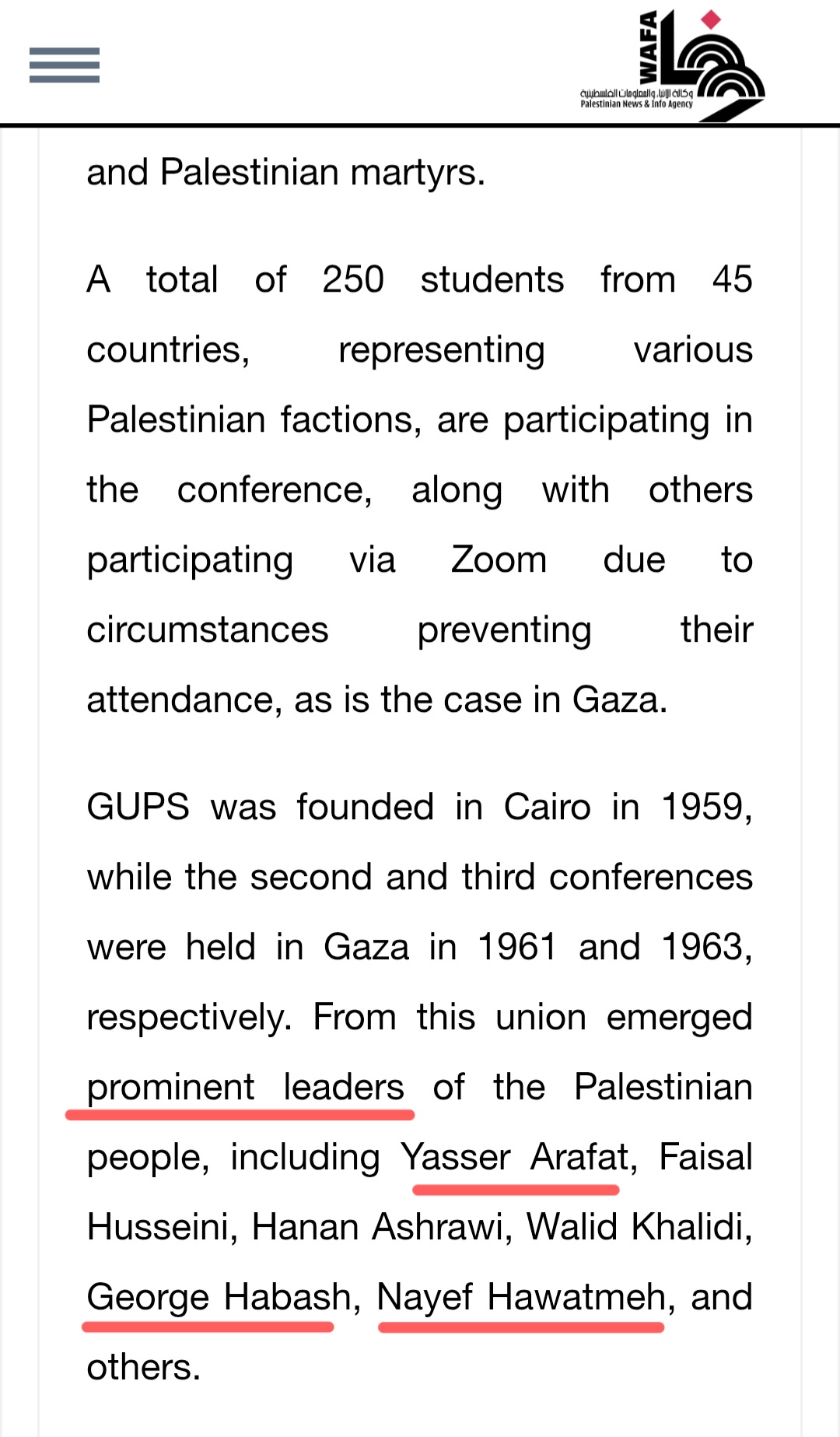
That is why Palestinian Authority President Mahmoud Abbas’s patronage of the 11th General Conference of the General Union of Palestinian Students (GUPS) deserves careful attention. In its official announcement, the conference proudly celebrated the organization’s history by declaring that it produced leaders including Yasser Arafat, George Habash, Nayef Hawatmeh, Faisal Husseini, Hanan Ashrawi, and Walid Khalidi.
Three of those names stand apart.
George Habash founded and led the Popular Front for the Liberation of Palestine (PFLP), responsible for airline hijackings, bombings, and attacks on civilians. Nayef Hawatmeh founded the Democratic Front for the Liberation of Palestine (DFLP), whose history likewise includes attacks targeting civilians. Yasser Arafat led Fatah during decades in which its armed wing carried out numerous attacks against civilians before the Oslo era.
No one reading the official announcement could miss the point. This was not merely a history lesson. It was an effort to present these figures as part of the proud lineage of Palestinian student leadership.
That should concern anyone who hopes for a future of coexistence.
Every society chooses whom to celebrate before its young people. Some elevate scientists, entrepreneurs, doctors, artists, and peacemakers. Others elevate military heroes. But when organizations whose leaders orchestrated attacks on civilians are held up as exemplars at a student conference, the lesson is unmistakable: these are people worthy of admiration and emulation.
PA President Mamoud Abbas continued that the program is “a school for developing future leaders, and a bridge connecting generations of Palestinian students in the homeland and the diaspora,” and the hope that Palestinian Arabs who “invest in the education and awareness of their youth cannot be defeated by occupation or have their cause extinguished.”
Defenders may argue that these figures are important because they shaped the Palestinian national movement. History should indeed be taught honestly. But there is an important distinction between teaching history and celebrating it. Germany teaches students about Adolf Hitler without holding him up as a model. The United States studies the Ku Klux Klan without celebrating its founders. Context matters. So does moral judgment.
A student organization launching a new generation of leaders has every opportunity to highlight Palestinians who built universities, hospitals, businesses, charities, diplomatic institutions, or scientific achievements. Instead, its official narrative deliberately included men whose names are inseparable from campaigns of terrorism.
If Palestinian leaders genuinely seek to prepare young people for peace, they should be encouraging students to surpass the generation that embraced violence—not to walk in its footsteps.
Peace requires more than negotiations. It requires choosing different heroes.
The Israeli-Palestinian conflict is often described as frozen. It isn’t.
Both Israelis and Palestinians appear to believe that now is NOT the moment for a final peace agreement. Instead of negotiating, each side is using this period to improve its position for whatever comes next.
They have adopted two very different strategies.
Israel’s strategy is physical.
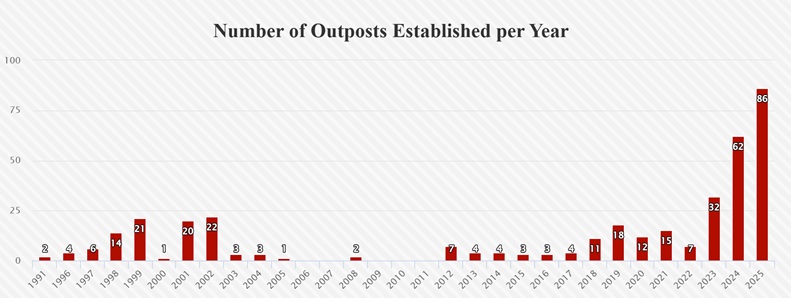
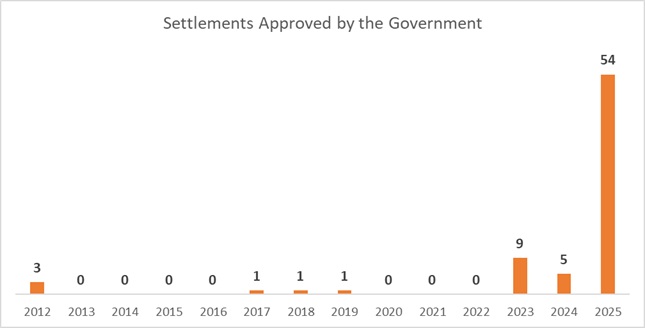
The settlement movement is racing to create new facts on the ground – approving settlements, establishing outposts, extending infrastructure, and expanding the Israeli presence in disputed territory of Judea and Samaria. The calculation is straightforward: when negotiations eventually resume, the map itself will have changed.
The pace has been striking.
ACTION
2025
2026 (through April)
What it Measures
Official settlements approved
54
34 additional approvals (bringing the current government’s total to 102 since January 2023)
Government approval of new settlements or legalization of existing communities.
Rather than altering the geography, Palestinian leaders have concentrated on shifting international opinion. They have sought additional recognition from foreign governments, expanded support within international organizations, pursued legal and diplomatic campaigns against Israel, and strengthened ties with constituencies – particularly within the U.S. Democratic Party – that may wield greater influence under a future American administration. Their calculation is equally straightforward: when negotiations eventually resume, the political environment will have changed.
Expanded formal recognition beyond the Global South.
Major Western powers (2025)
France, United Kingdom, Canada, Australia
First major Western/G7 countries to recognize Palestine, signaling a shift among traditional allies of Israel.
International legal initiatives
Expanded
Increased reliance on the UN, the International Court of Justice, and the International Criminal Court to advance Palestinian objectives.
Political support
Increased
Growing support in parts of Europe and among segments of the U.S. Democratic Party.
Measured by their own objectives, both sides can point to progress. Israel has expanded its physical footprint while the Palestinians have expanded their diplomatic footprint. One strategy seeks to change the map while the other seeks to change the politics surrounding the map.
What is striking is what neither side is emphasizing.
Neither is devoting comparable energy to the difficult work of strengthening governance at home: confronting corruption, reforming institutions, addressing political dysfunction, or building the domestic political consensus that any lasting agreement would ultimately require.
Instead, each is attempting to improve its negotiating position by changing the external environment. It is a race between geography and diplomacy.
The next round of negotiations will not begin where the last one ended. It will begin with a new map and a new political landscape.
Shopping used to be simple. You bought food because it tasted good.
Today, every purchase arrives with a moral résumé.
The coffee is Fair Trade.
The chocolate is Rainforest Alliance Certified.
The eggs are Cage-Free.
The tuna is Dolphin Safe.
Soon the carton will tell you whether the chicken enjoyed equitable access to leadership opportunities.
With such established groundwork, the assertive red-green alliance / socialist-jihadi umbrella will undoubtedly develop a new standard for consumers to evaluate purchases:
Ethical Jihad Certification™
I imagine the following questionnaire for companies and organizations to complete, developed by the International Ethical Jihad Standards Council (IEJSC).
Supplier Ethics and Sustainability Review
If your organization employs child soldiers, is recruitment gender-balanced?
☐ Boys and girls equally represented ☐ Nonbinary recruitment targets adopted ☐ Diversity metrics forthcoming
If child brides are supplied, are they ethically sourced?
☐ Local ☐ Organic ☐ Family-owned supply chain
If weapons are stored among civilians, are they distributed equitably across community institutions?
☐ Hospitals ☐ Schools ☐ Mosques ☐ Balanced portfolio across all three
If hostages are held underground, are the tunnels built with recycled concrete?
If political opponents require corrective kneecapping, please confirm that your organization follows an equitable enforcement policy.
☐ Applied without regard to race, religion, gender, or political affiliation ☐ Accessibility accommodations provided during the disciplinary process ☐ Impact assessment completed ☐ Stakeholder feedback incorporated into future kneecappings
If political opponents are subjected to “involuntary rooftop relocation,” (tossed off of rooftops) please indicate which governance standards were followed.
☐ Community stakeholders notified ☐ Staff received annual safety training ☐ Proper signage installed ☐ Liability waivers completed
How does your organization incorporate the LGBTQ+ community?
☐ Rainbow headbands replace green ones during Pride month ☐ Local imams considering ordaining transwomen ☐ Gay men’s decapitated heads disposed of in another jurisdiction
☐ International NGOs ☐ Foreign correspondents ☐ Western university researchers ☐ Social media advocacy networks
Has your organization retained celebrity spokespersons to improve international brand perception?
☐ Actor ☐ Musician ☐ Influencer ☐ Climate activist
Has your organization demonstrated continuous improvement in expanding the number of international agencies, committees, or special offices devoted exclusively to your cause?
☐ Year-over-year growth achieved ☐ Additional mandate secured ☐ Dedicated rapporteur established ☐ Additional entities under consideration
Before issuing historical claims, has your organization completed a Heritage Simplification Assessment?
☐ Archaeological evidence destroyed ☐ Conflicting evidence omitted ☐ Timeline reduced to a convenient starting date ☐ Approved historical narrative distributed ☐ Site renamed in Arabic with only Islamic grounding
Has your organization’s founding charter undergone an independent review for language that may be inconsistent with modern human rights standards?
☐ Terminology modernized without changing intent ☐ Currently undergoing reputation management with select NGOs ☐ Using reputational management software to block viewers from finding foundational charter ☐ We prefer not to revisit founding documents
Has your organization successfully persuaded international stakeholders that your adversaries have no legitimate historical connection, cultural heritage, or rights associated with the land?
☐ Global awareness campaign exceeded expectations ☐ Educational materials updated accordingly ☐ Approved terminology adopted ☐ Further stakeholder engagement required
Has your organization successfully repositioned itself from perpetrator to primary victim in international discourse?
☐ Independent observers persuaded ☐ Media narrative successfully reframed ☐ Stakeholder sympathy increased ☐ Further communications investment required
Successful applicants receive one of four ratings:
Bronze: Mass violence, in recyclable packaging. Silver: Child soldiers recruited inclusively. Gold: Hostage facilities powered by solar panels. Platinum: Calls for genocide delivered with a complete ESG report.
For foods, there is an addition to the consumer label. For example:
Nutrition Facts
Calories: 140 Protein: 4g Sodium: 120mg Carbon footprint: Low Gender equity: Certified Child soldiers: Inclusive Child brides: Ethically sourced Weapons near civilians: Institutionally diversified Support for genocidal jihadists: Values-aligned
May contain traces of sesame.
May also contain an entire moral civilization that has forgotten the difference between auditing evil and opposing it.
There is a popular belief that Palestine was a country stolen and occupied by invading Jews in 1948. This has no basis in fact.
When the British Mandate ended in May 1948, there was no sovereign Palestinian Arab government waiting to assume power. There was no functioning Arab parliament, cabinet, constitution, or national administration prepared to govern an independent state.
The Jewish community took a different path. Over decades it had built the institutions of self-government: representative political bodies, courts, schools, hospitals, financial institutions, and a defense force. When Britain withdrew, those institutions became the foundation of the State of Israel.
The local Arab leadership did not establish comparable institutions of national government. Not before 1948 nor after.
Instead, neighboring Arab armies invaded the newly declared Jewish state. Transjordan assumed control of the West Bank. Egypt administered Gaza. A short-lived All-Palestine Government was announced later that year, but it exercised little authority and never became an effective sovereign government.
For the next sixteen years, there was no effort to start a Palestinian State.
Only in 1964 did the Arab League create the Palestine Liberation Organization.
Even its name is revealing.
It was not called the State of Palestine. It was not called the Government of Palestine. It was called the Palestine “Liberation” Organization.
Governments are created to govern. Liberation movements are created to liberate territory from an existing sovereign.
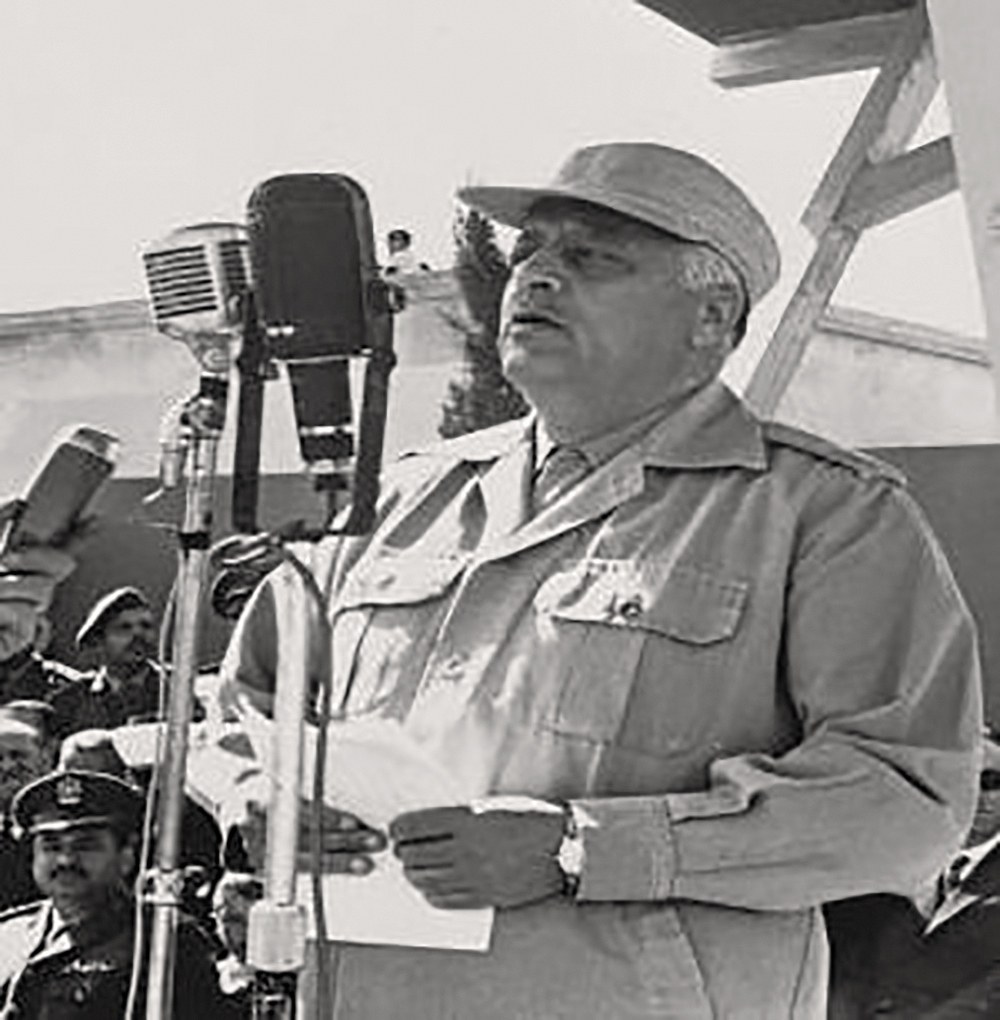
First Chairman of the PLO, Ahmad al-Shukeiri, was born in Lebanon and served as both Syrian and Saudi Arabian delegate to the United Nations at different times. He had to resign in shame after failing to destroy Israel in 1967.
The PLO’s founding charter reinforces that distinction. Rather than outlining the institutions of a future Palestinian state, Article 24 declared:
“This Organization does not exercise any regional sovereignty over the West Bank in the Hashemite Kingdom of Jordan, on the Gaza Strip, or in the Himmah Area [where Israel, Jordan and Syria meet].”
The PLO’s founding charter expressly declined to claim sovereignty over the parts of historic Palestine then under Arab administration. Yet throughout the document, its central mission was the “liberation of Palestine” – a struggle directed at Israel, the Jewish State. At its core, local Arabs wanted Arab rule, wherever it may come from. They opposed the so-called “Zionist invasion” and Jewish sovereignty “in any part of Palestine.“
When the first lasting Palestinian national organization finally appeared in 1964, it was constituted not as a government-in-waiting or a reclamation government but as a liberation movement, and its own charter expressly disclaimed sovereignty over the West Bank and Gaza while solely focusing its mission on Israel.
The Palestinian “liberation” movement is a pan-Arab effort to remove the Jewish state first and foremost. Current efforts to portray it as a people seeking to reclaim their historic country is without any basis in fact.
From June 26–28, 2026, activists, academics, politicians, lawyers, and religious figures gathered in Dublin, Ireland for the Second Jewish Anti-Zionist Congress (JAZIC). The stated purpose was to build an international movement dedicated to dismantling Zionism and replacing the State of Israel with a different political order in the region of historic Palestine.
Despite its name, the congress was far from exclusively Jewish. The program featured well-known Jewish anti-Zionists such as Rabbi Brant Rosen, Ilan Pappé, Haim Bresheeth-Žabner, Ronnie Barkan, and Andrew Feinstein alongside prominent non-Jewish figures including Palestinian journalist Ramzy Baroud, UN Special Rapporteur Francesca Albanese, former UN official Craig Mokhiber, rocker Roger Waters, Irish parliamentarians, South African activists, and other international advocates.
On the central questions, there was remarkable agreement: Jewish and non-Jewish speakers alike described Israel as an apartheid state engaged in genocide. Both groups rejected Zionism as the legitimate expression of Jewish self-determination. Both endorsed Palestinian Arab “liberation” and opposed the continued existence of Israel as a Jewish state. Discussions of Hamas were comparatively limited; the conference overwhelmingly focused on Israeli conduct rather than Hamas’s governance of Gaza or the October 7 massacre. They spoke about the defeat of Zionism as the key to dismantling “western imperialism.”
Yet beneath this broad consensus was a subtle but revealing difference.
The Jewish speakers generally spent considerable time describing what they believed should replace Israel. Rabbi Brant Rosen, Ilan Pappé, and others spoke of a single democratic state in which Jews and Palestinians would remain together as equal citizens. Whether one finds that vision realistic or not, it was at least an attempt to answer a fundamental question: If Israel ceases to exist as a Jewish state, what becomes of the millions of Jews who live there?
In contrast, most of the non-Jewish speakers spoke of “liberation,” “decolonization,” “resistance,” “return,” and dismantling Zionism. In almost all of these presentations, the future political status, security, and place of Israel’s Jewish population after “decolonization” received little or no attention.
The silence is significant. If a movement calls for replacing an existing state, one of its most basic responsibilities is to explain what protections, rights, and security will exist for the people who currently live there. At JAZIC, that question received far more attention from the Jewish speakers than from their non-Jewish counterparts.
Many progressive Zionist Jews in the United States woke up on October 8, 2023 to realize that the people with whom they had fought together as allies really wanted them dead. At some point in the future, far-left anti-Zionist Jews will have their own awakening of their current comrades-in-arms.
The Palestinian Authority had no trouble explaining what every nation deserves.
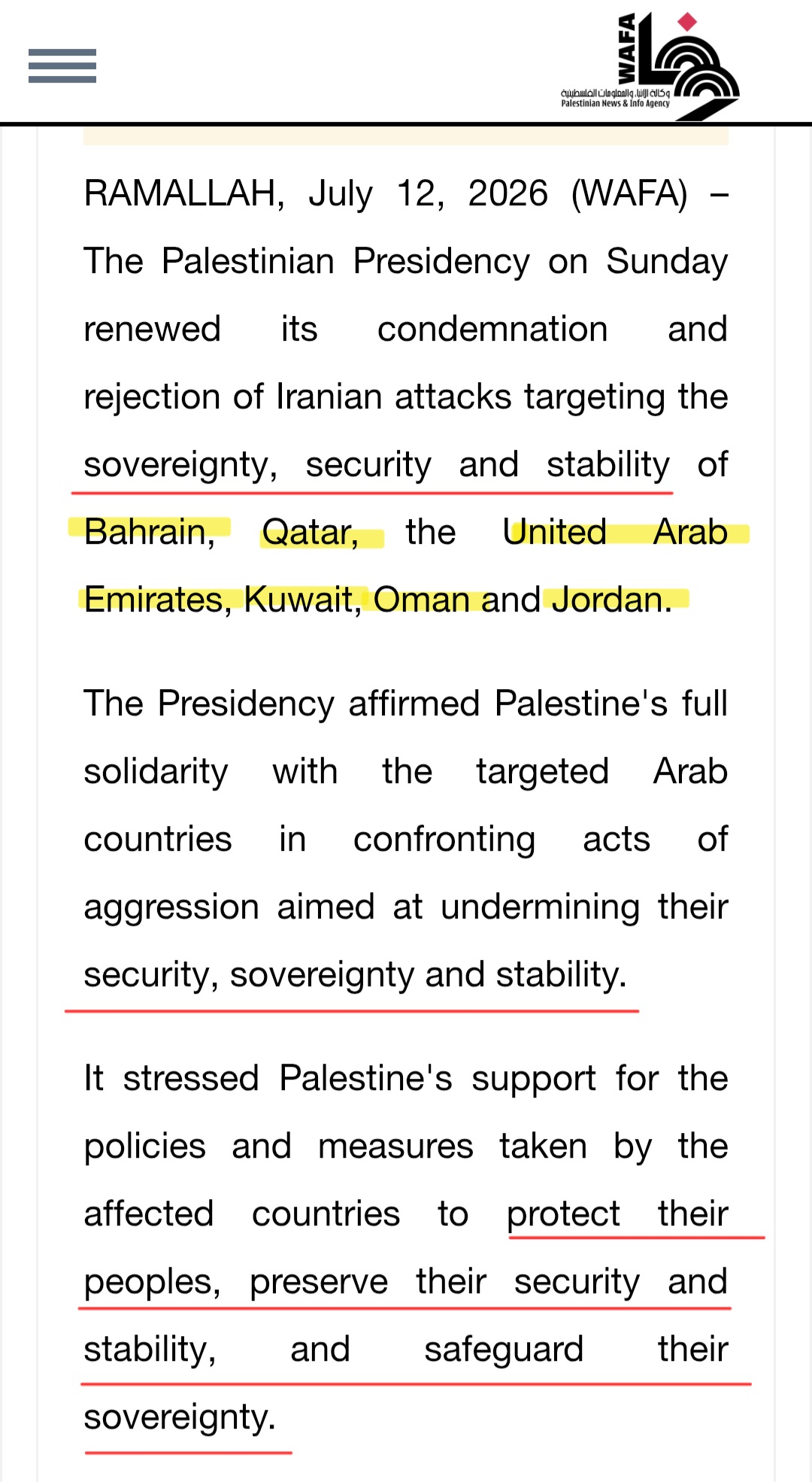
In a statement condemning Iran’s attacks on Bahrain, Qatar, the United Arab Emirates, Kuwait, Oman, and Jordan, the PA repeatedly invokes the same principles: sovereignty, security, stability, and protection of civilians.
Where were these principles when Israel was attacked?
When Iran launched missiles at Israel, did the Palestinian Authority defend Israel’s sovereignty?
When Hezbollah rained rockets on Israeli cities for months, did it affirm Israel’s right to security and stability?
states “refrain… from the threat or use of force against the territorial integrity or political independence of any state.” UN Charter (Article 2(4))
When the Houthis fired missiles toward Israel, did it support Israel’s right to protect its people?
And most pointedly, when Hamas – fellow local Arabs of the Palestinian parliament – crossed an international border on October 7, murdered civilians, kidnapped hostages, and occupied Israeli communities, did the PA condemn it as an assault on Israel’s sovereignty?
“the inherent right of individual or collective self-defence if an armed attack occurs against a Member of the United Nations.” UN Charter (Article 51)
A principle that applies only to friends is not a principle. It is a preference.
The Palestinian Authority’s own statement demonstrates that it understands exactly what every nation deserves. Its silence when those same principles are violated openly and repeatedly against Israel says just as much as its words.
This week, the UN will commemorate the genocide at Srebrenica under the theme “From Words to Violence.“ The lesson is that language is never merely language. The words societies choose shape how they understand people, history, and ultimately what actions become acceptable.
That lesson should not stop with Srebrenica.
Over the past month, another campaign of words has accelerated – not directly aimed at the destruction of lives, but at the erasure of history.
A month ago, I wrote about the battle over Solomon’s Pools. At the time, the concern was that one of Judaism’s great archaeological treasures was being detached from the people who built it.
Today, the campaign has moved far beyond stewardship.
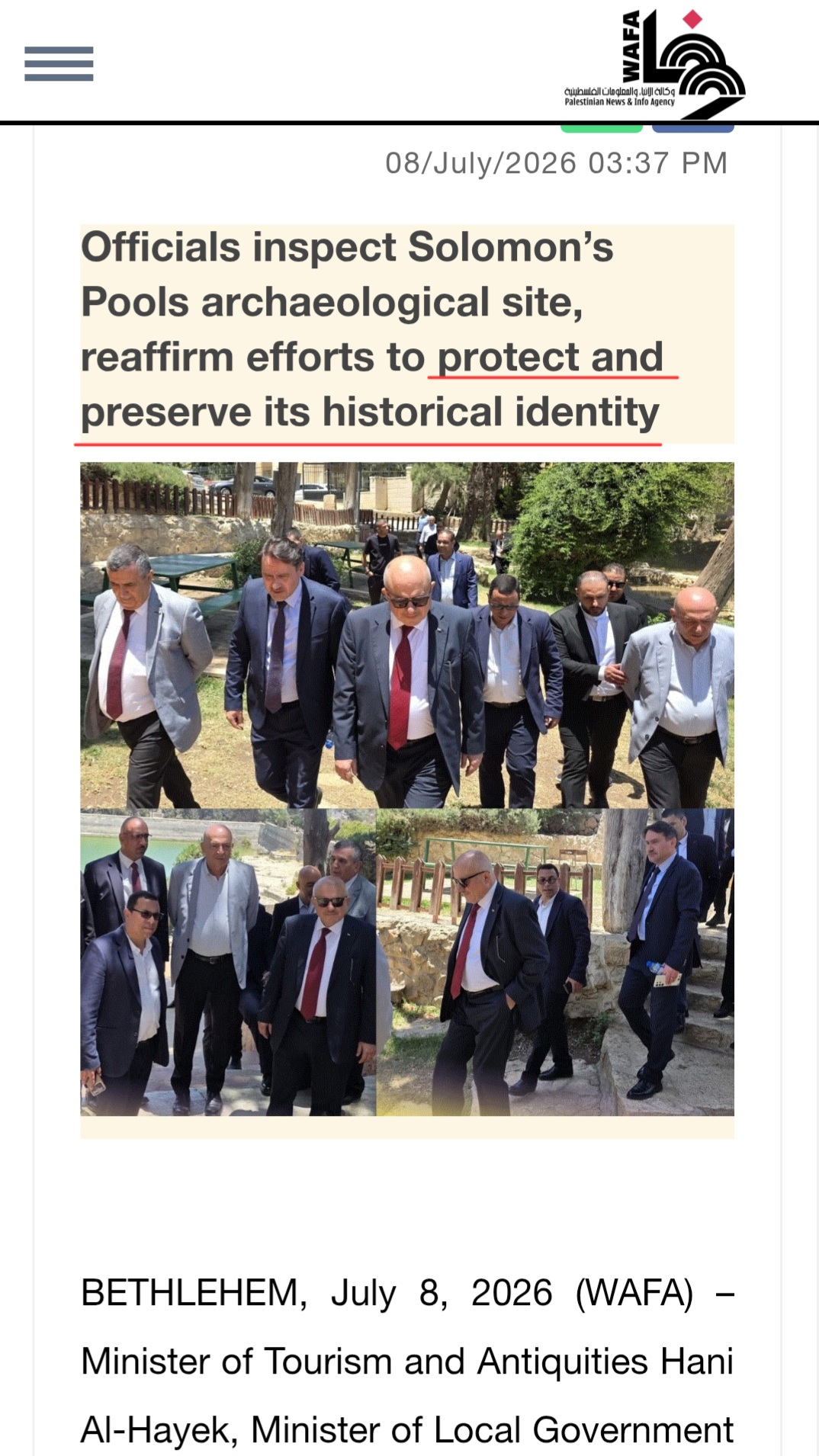
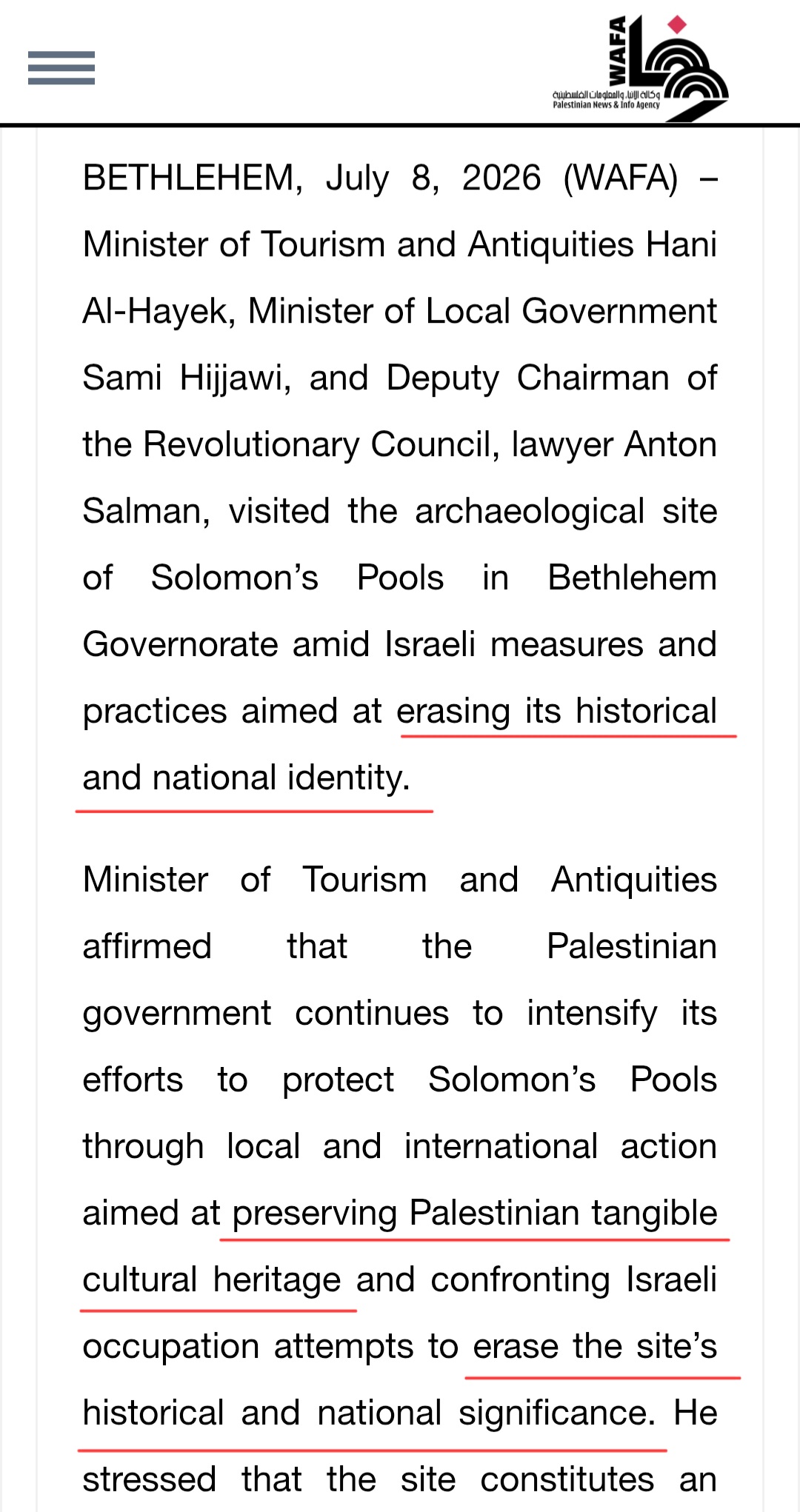
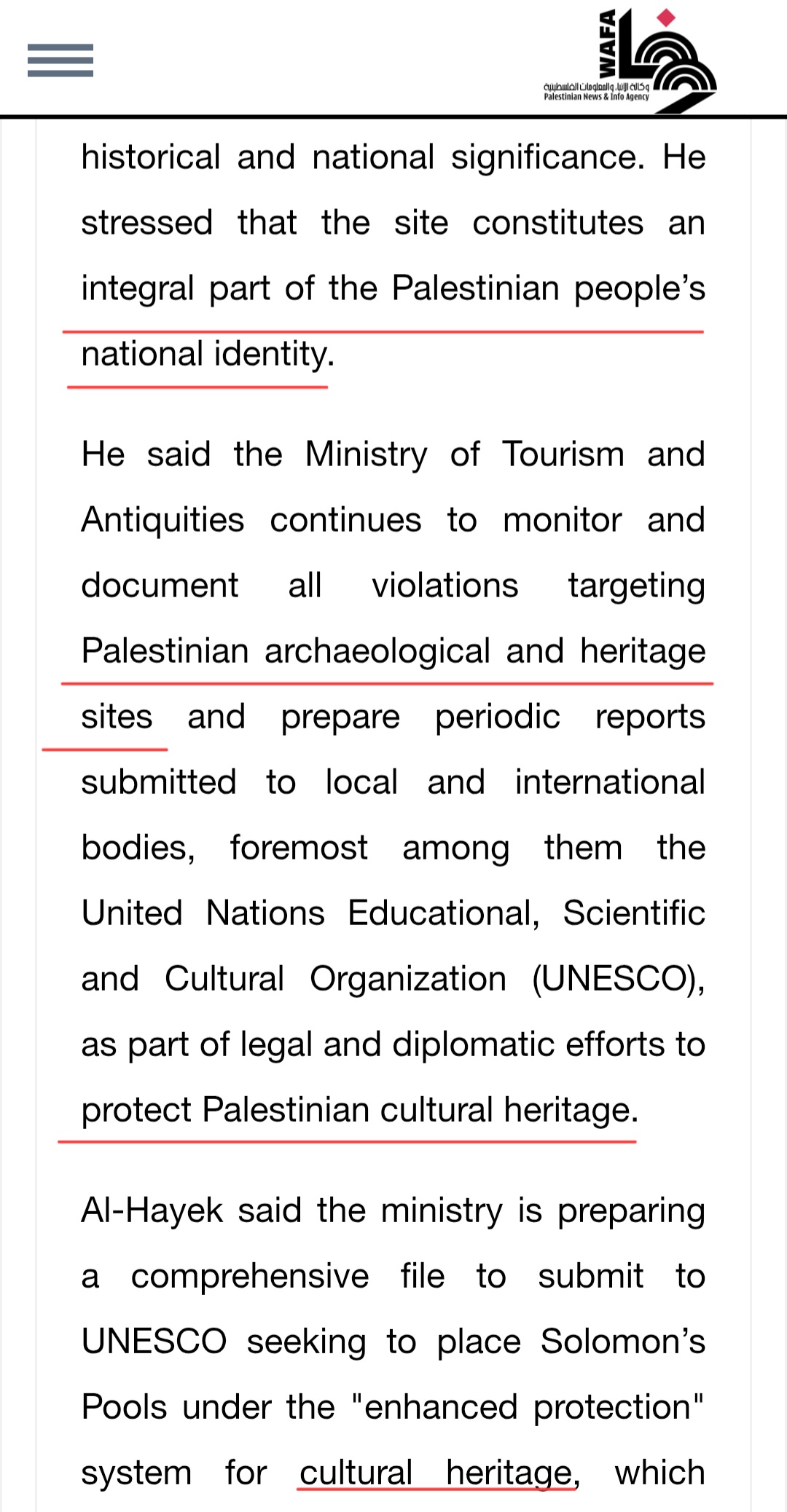
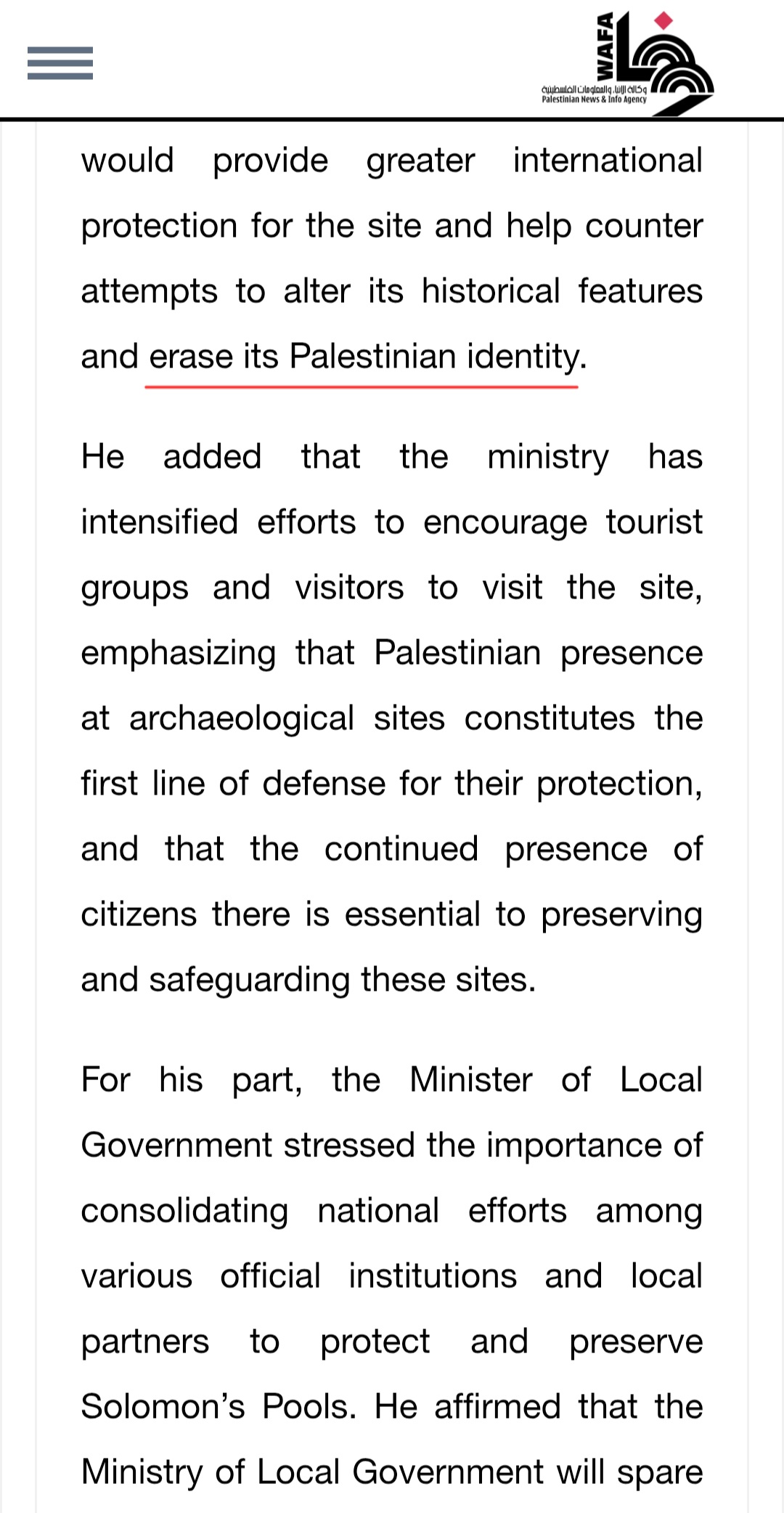
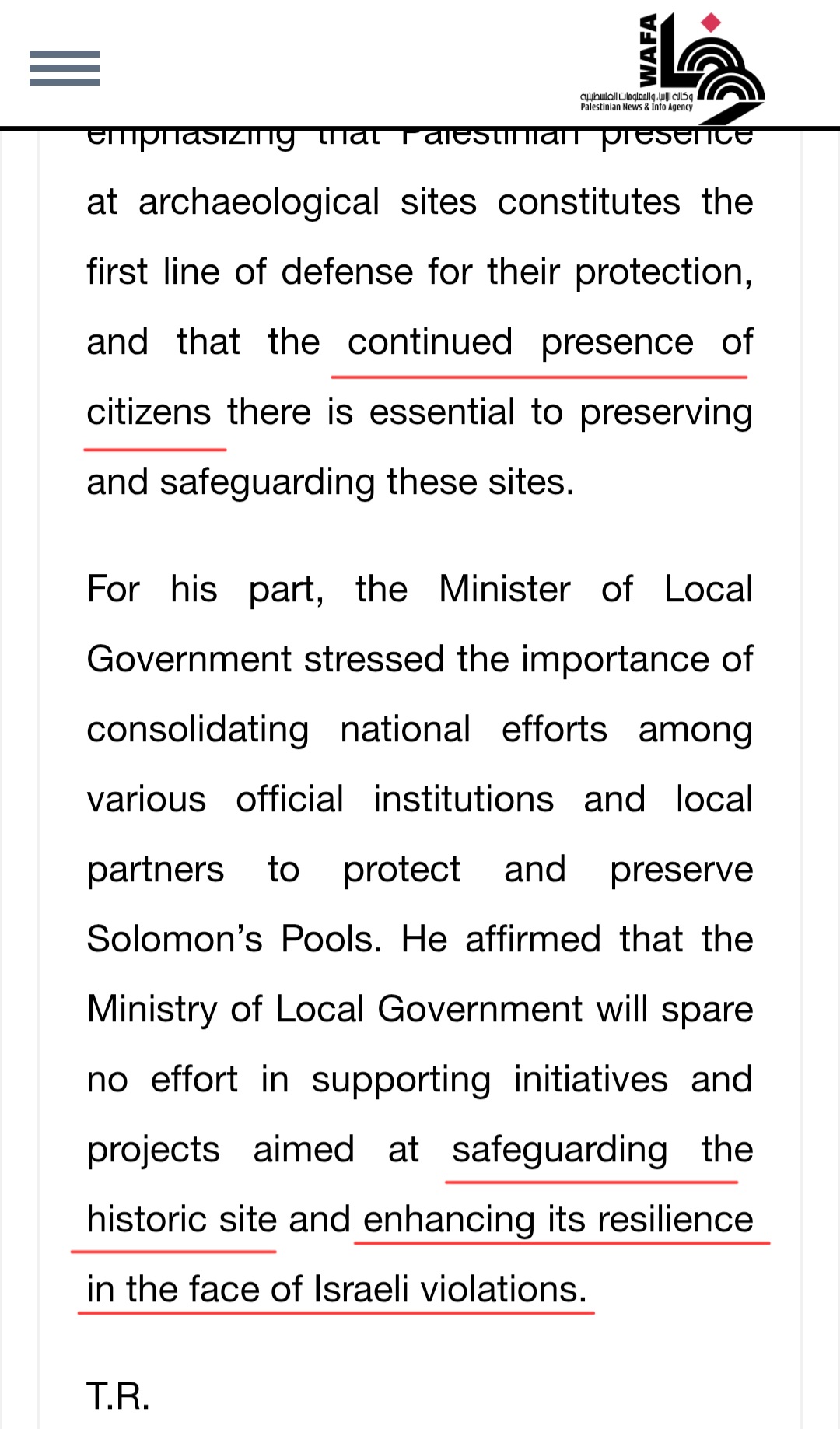
The Palestinian Authority’s official news agency, WAFA, now repeatedly describes Solomon’s Pools as “Palestinian archaeological and heritage sites,” “Palestinian cultural heritage,” and “an integral part of the Palestinian people’s national identity.” It accuses Israel of attempting to erase the site’s Palestinian identity while announcing plans to seek UNESCO protection for that very narrative.
This is historical revisionism.
For more than two thousand years, Solomon’s Pools have been recognized as part of the ancient water system that supplied Jerusalem and the Second Temple. Yet the new narrative increasingly erases that Jewish history while attempting to replace it with a Palestinian Arab one.
That is how historical erasure begins, with words.
It continues with cultural appropriation – taking another civilization’s achievements and presenting them as one’s own. A site built to sustain Jewish Jerusalem is no longer described as part of Jewish civilization, but as an expression of “Palestinian national identity.”
Solomon’s Pools is not an isolated example.
Over the years, Palestinian rhetoric has increasingly described biblical figures and ancient Jewish sites through a Palestinian national lens.
The Jewish Temples are falsely described as being located in Yemen.
Ancient Jewish heritage sites have increasingly been recast as Palestinian heritage, such as the Jewish Temple Mount being only called the “al Aqsa Complex” and as a purely Islamic site to prevent Jews from praying at their holiest site.
Individually these statements may appear rhetorical. Collectively they reveal a sustained and malicious effort to replace one people’s historical memory with another’s national story.
When a people’s documented history is systematically erased, it reveals a bigotry directed not only against living Jews but against Jewish civilization itself. It reflects national chauvinism, elevating one national identity by absorbing the achievements of another.
And it does this with particular purpose: to strip Jews of their indigeneity in their holy land, to recast them as interlopers and “European settler colonizers” which is deeply infused with a righteous sense of xenophobia.
That is why UNESCO’s role matters.
An organization created to preserve humanity’s cultural heritage should never become an instrument of historical revisionism. If it legitimizes narratives that obscure the well-documented Jewish origins of sites like Solomon’s Pools, it is no longer merely protecting monuments. It is helping redefine what future generations believe those monuments represent.
Turkish media TRT lies to the world that Solomon’s Pools are a 6,000 year-old Canaanite site, as Palestinian Arabs have attempted to recast themselves as ancient Canaanites to pre-date the Jewish forefather Abraham
The danger is larger than a single archaeological site. Words are attempting to erase Jewish history and heritage throughout the Jewish homeland.
The United Nations is correct: words can lead to terrible consequences.
And these words and actions have a particularly dangerous strain of antisemitism. It does not involve attacking Jews physically, which Palestinian Arabs have done repeatedly at scale. It is an insidious attempt to get the world to endorse a narrative that Jews are foreigners in the land to frame a future without the Jewish State. This is the destruction and genocide that emerges from language.
When international institutions lend their authority to that process, they cease to be guardians of history and become participants in its erasure.
Words do more than describe reality. They shape it.
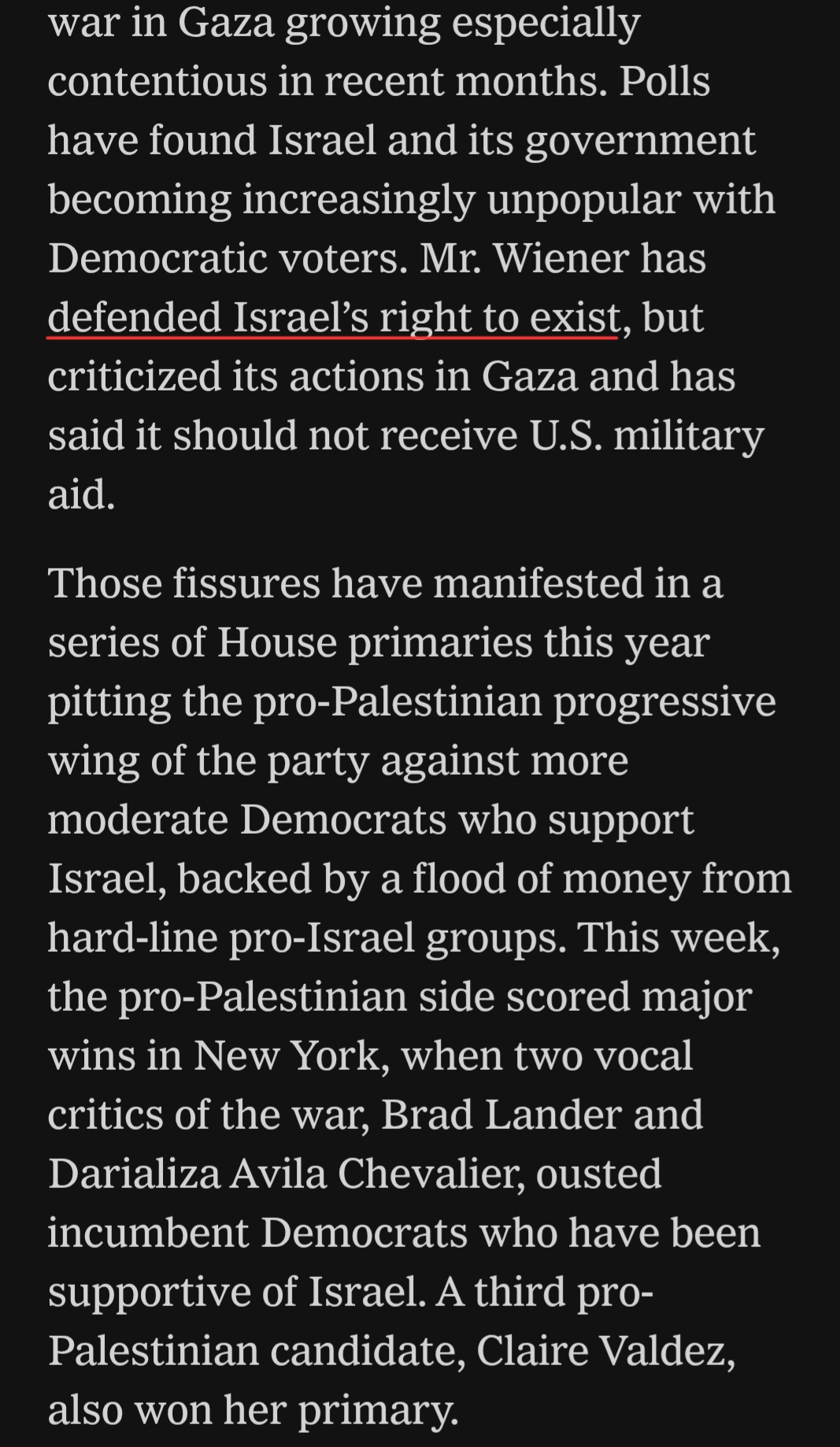
Few phrases demonstrate this better than questioning or supporting “Israel’s right to exist.”
At first glance, it sounds like a reasonable principle. Until one pauses to think about it. It is a question asked of no other nation. Countries are criticized for their policies or leaders. Their continued existence is not routinely presented as a subject for debate.
The issue is not whether Israel has a right to exist. The issue is whether people support destroying an existing country, specifically, destroying the only Jewish State.
While Holocaust Survivors are still alive to recount the horror of the genocide of one-third of world Jewry, people discuss the destruction of Jews in their homeland where nearly half of world Jewry resides.
It is an abomination.
And the irony is that the unresolved question of statehood is not Israel’s; it is Palestine’s.
Israel declared independence in 1948 and has been a member of the United Nations ever since. The Palestinians declared the State of Palestine in 1988, and while many countries have recognized that declaration, neither the United States nor Israel has done so. Further, Palestine is not a full member state of the United Nations. Palestine still fails to meet many of the basic criteria for statehood.
If there is a legitimate debate about a state’s existence, it concerns whether a Palestinian state should be established. After the October 7 massacre, the abduction of civilians, and the persistence of violent extremism and antisemitism within Palestinian society, many people argue that recognition of Palestinian statehood should depend on profound political and cultural change.
Instead, the narrative has been inverted. And weaponized. Rather than asking whether yet another Arab and Muslim state should be created under present circumstances, the debate is reframed as whether the one existing Jewish state has a “right to exist.”
The “right to exist” narrative should be placed squarely on Palestine, not Israel. And the current verdict is not positive.
Most people think UNRWA exists to care for Palestinian refugees until a Palestinian state is created.
Not so.
If that were its purpose, its schools, healthcare, and social services would have gradually been transferred to the Palestinian Authority as Palestinian self-government expanded these past many years, especially in the “West Bank” / East of the 1949 Armistice Lines.
UNRWA’s mission would shrink as Palestinian institutions grew stronger. Instead, UNRWA has remained a permanent parallel system that continues to grow every year.
Unlike every other refugee agency in the world, UNRWA passes refugee status across generations, creating an ever-growing population of registered refugees. That population’s political claim is not to a future Palestinian state, but to a claimed so-called “right of return” to towns in Israel.
That distinction is critical.
A “two-state solution” is based on two peoples exercising self-determination in two states. A mass movement of millions of Arabs who never lived in Israel into Israel would produce 1.5 states for Arabs and 0.5 states for Jews. Further, stripping Israel of its right to determine who gets to enter its country means it doesn’t have basic sovereignty.
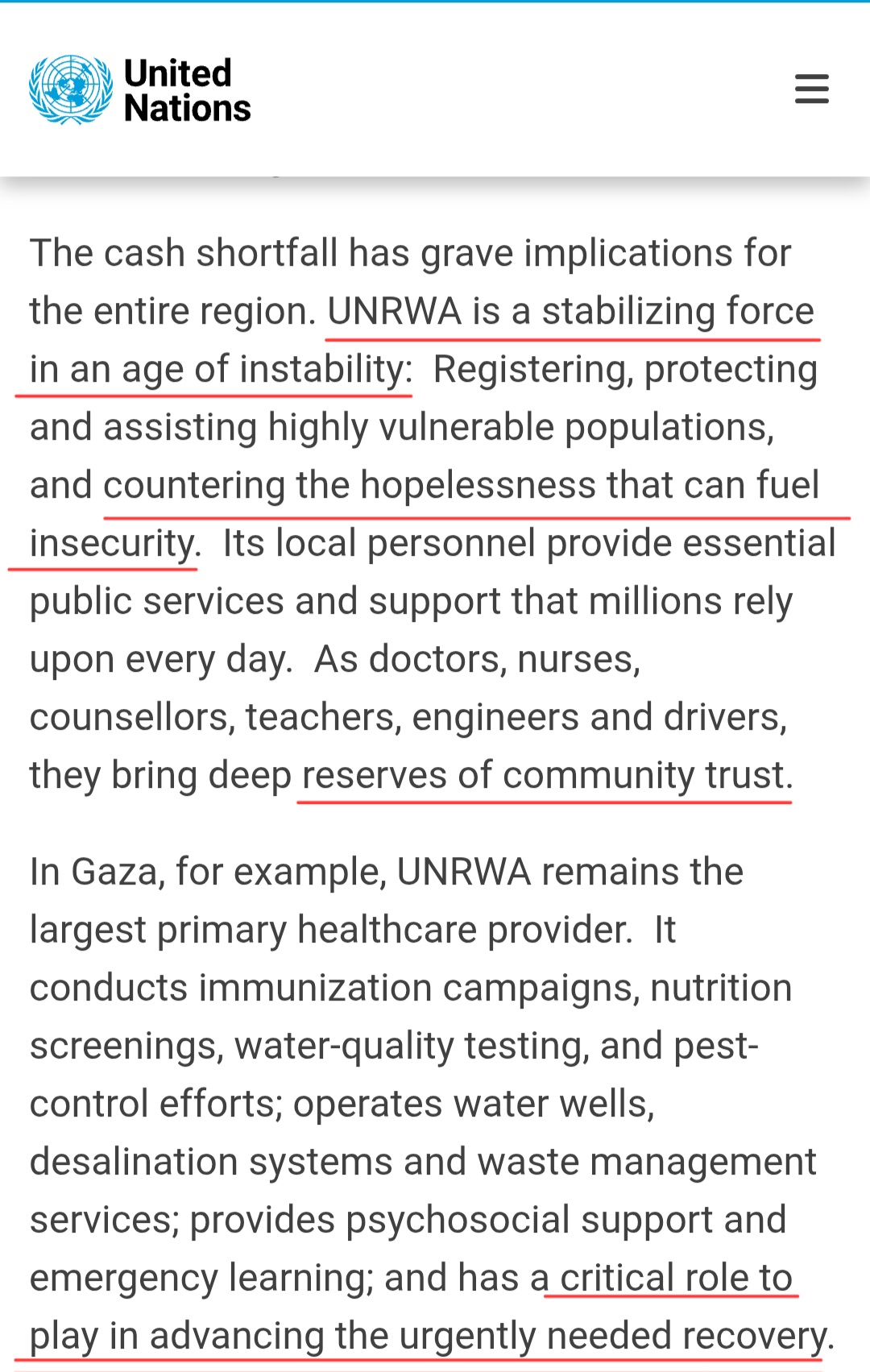
While UN Secretary-General Antonio Guterres claims that “UNRWA is a stabilizing force” it is precisely the opposite. As he urges the world to fund the immoral project, he lies that the agency is the force for “countering the hopelessness that can fuel insecurity.”
UNRWA has fed the lie that – and demands that it will continue to exist until – 6 million Arabs will move into Israel. Such mission is precisely opposite the goal of an Arab and Jewish state living in coexistence.
At its core, UNRWA is a political organization that negates Israel’s sovereignty, cloaked as a humanitarian organization. If the goal is truly a Palestinian state living alongside Israel, then UNRWA must be closed permanently as well as the discussion of a so-called “right of return” .
Every sports fan understands the pressure of an elimination game. One team takes the field knowing that a loss ends its season. There are no adjustments, no second chances. Everything rests on one contest.
The opposing team may desperately want to win, but the consequences of defeat are entirely different. It can return for another attempt with a new strategy, a new line up.
The scoreboard is the same. The stakes are not.
Now imagine a tournament where one team disappears forever if it loses, while its opponent simply waits for the next season. We would never describe that as an even contest. Yet that is remarkably close to the strategic reality Israel has faced throughout its history.
For Israel’s enemies, wars are not elimination games.
Egypt fought Israel repeatedly and lost. Egypt survived and eventually chose peace.
Syria launched major wars in 1948, 1967 and 1973. Each ended in defeat. Syria remained Syria.
Jordan lost territory but continued as a kingdom.
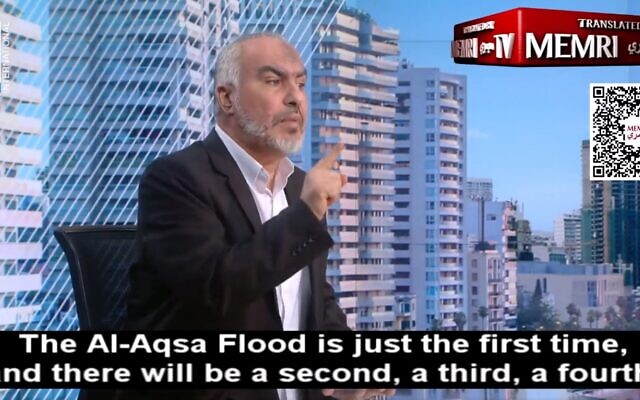
The pattern extends beyond states. Hamas has suffered repeated military defeats, lost senior leaders, and watched much of its military infrastructure destroyed. Yet after every conflict it has sought to rebuild. Hezbollah has absorbed devastating blows over decades while remaining a powerful force in Lebanon. Military defeat has never meant the end of either organization. They regroup, recruit, rearm and wait for another opportunity.
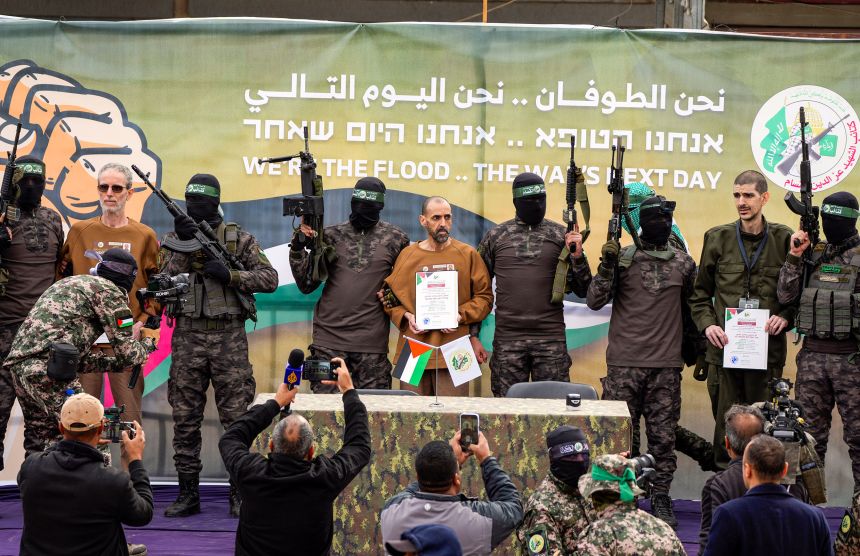
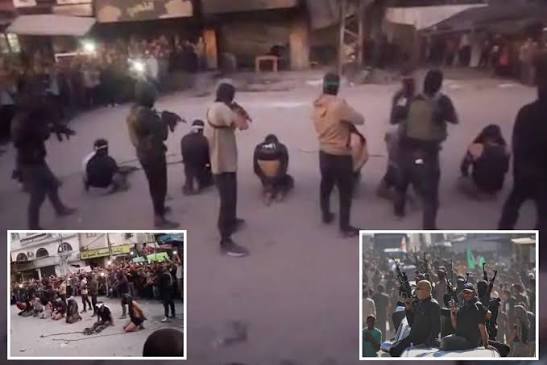
Hamas official stating that it will repeat the massacres of October 7 again and again
Israel has fought many opponents. Repeatedly.
That is because Israel’s war aims have been limited. Israel seeks to remove the military threat confronting its citizens. It has not sought the disappearance of Egypt, Syria, Lebanon or Iran. Even against terrorist organizations, its objective has been to dismantle military capabilities, not to eradicate an entire population.
Conversely, Israel’s adversaries have declared that the Jewish state should be destroyed. The objective was not merely to reverse a battlefield defeat or gain negotiating leverage. It was to eliminate Israel altogether.
That changes the meaning of every war.
Israel believes it cannot afford to lose an existential conflict because defeat would not simply mean surrendering territory, replacing a government, or rebuilding an army. Defeat would mean the destruction of the Jewish state.
Its adversaries have confronted a different calculation. If they fail, they survive. Their governments continue. Their organizations recruit new members. Their ideology remains intact. History gives them another chance.
Israel never assumes it will receive that luxury.
This asymmetry is one of the least understood aspects of the Arab-Israeli conflict. Outside observers often judge each round of fighting as though both sides enter the contest with identical risks and identical objectives.
They do not.
One side has repeatedly demonstrated that it can lose wars and return years later to fight again. The other has long believed that losing an existential war would leave no opportunity for a comeback.
Israel has lived for nearly eight decades in what often feels like a permanent one-sided elimination game. Its opponents have repeatedly lost wars and returned for another season. Israel has never believed it would be granted that same privilege.
That is why Israelis often see war differently than much of the world. The debate is rarely about this season’s standings. It is about whether there will be another season at all.