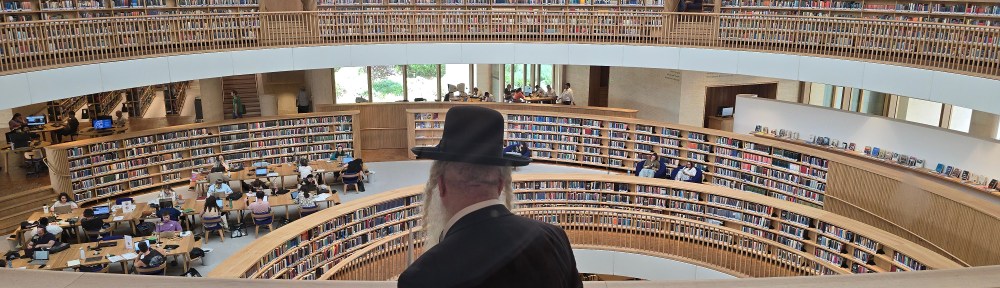
I have written nearly 2,400 articles on FirstOneThrough since starting the blog, totaling 1.8 million words. Together, they form a continuous chronicle of modern Jewry—its challenges, controversies and battles—written by a single author.
So why are people in China suddenly reading them?
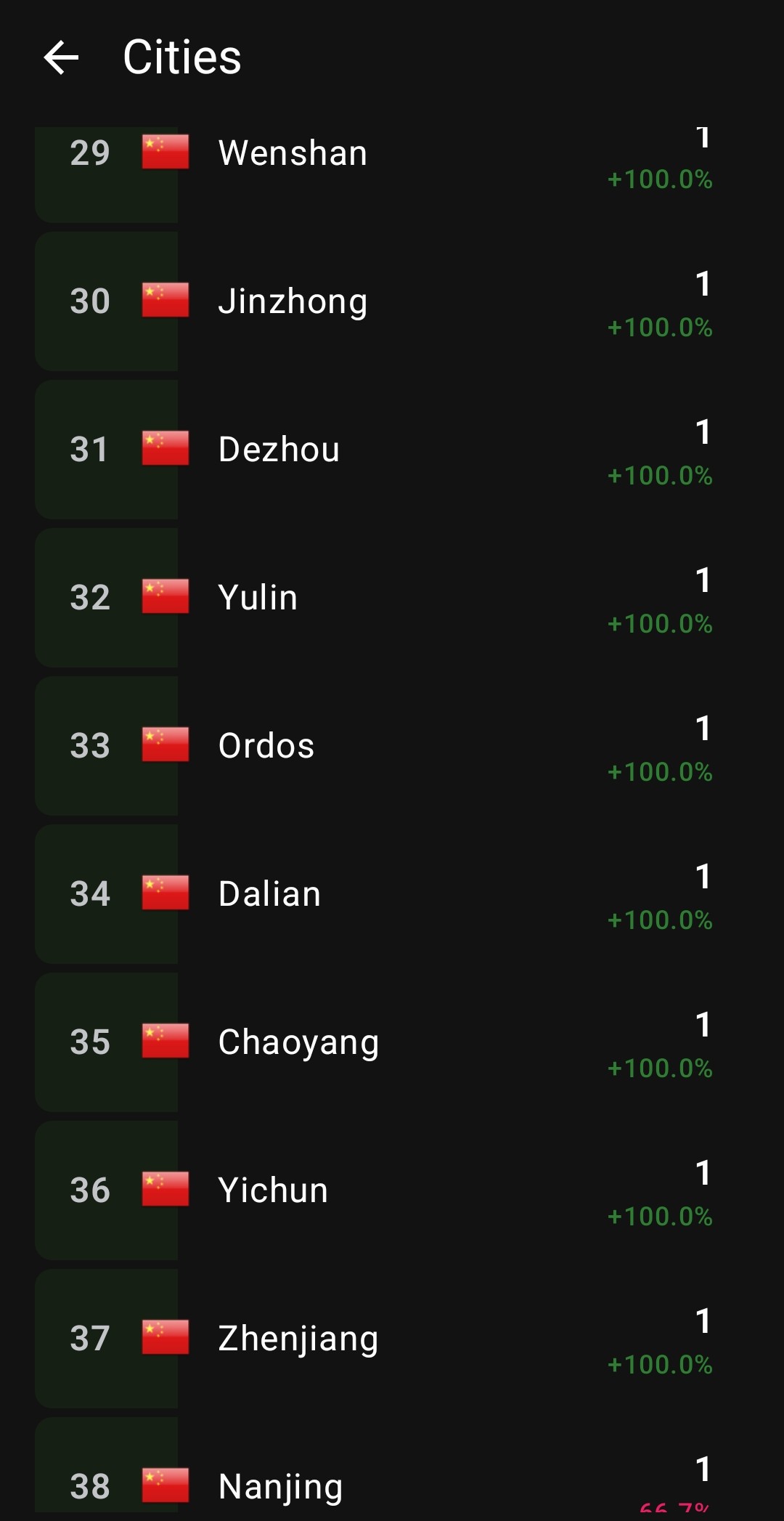
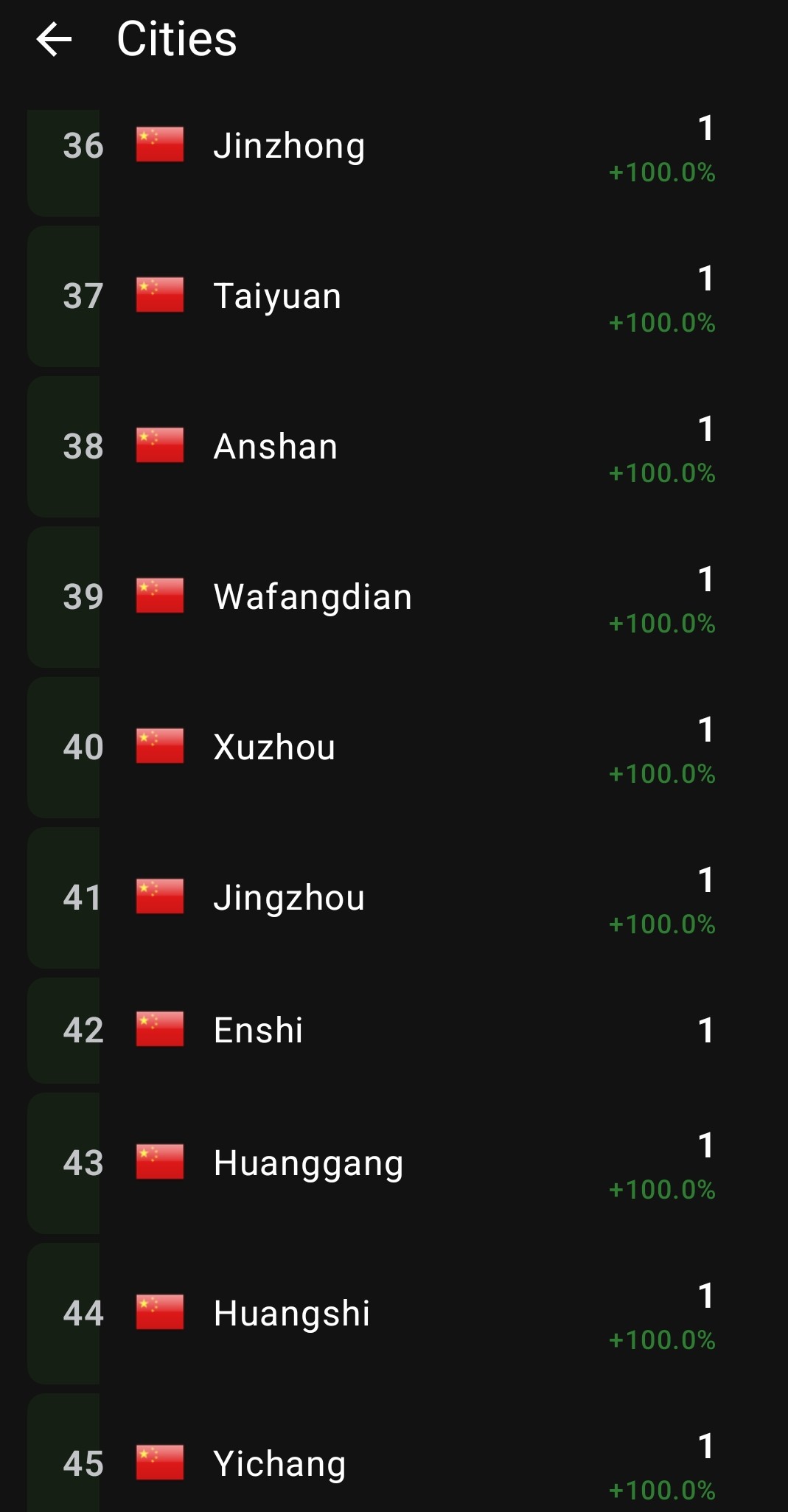
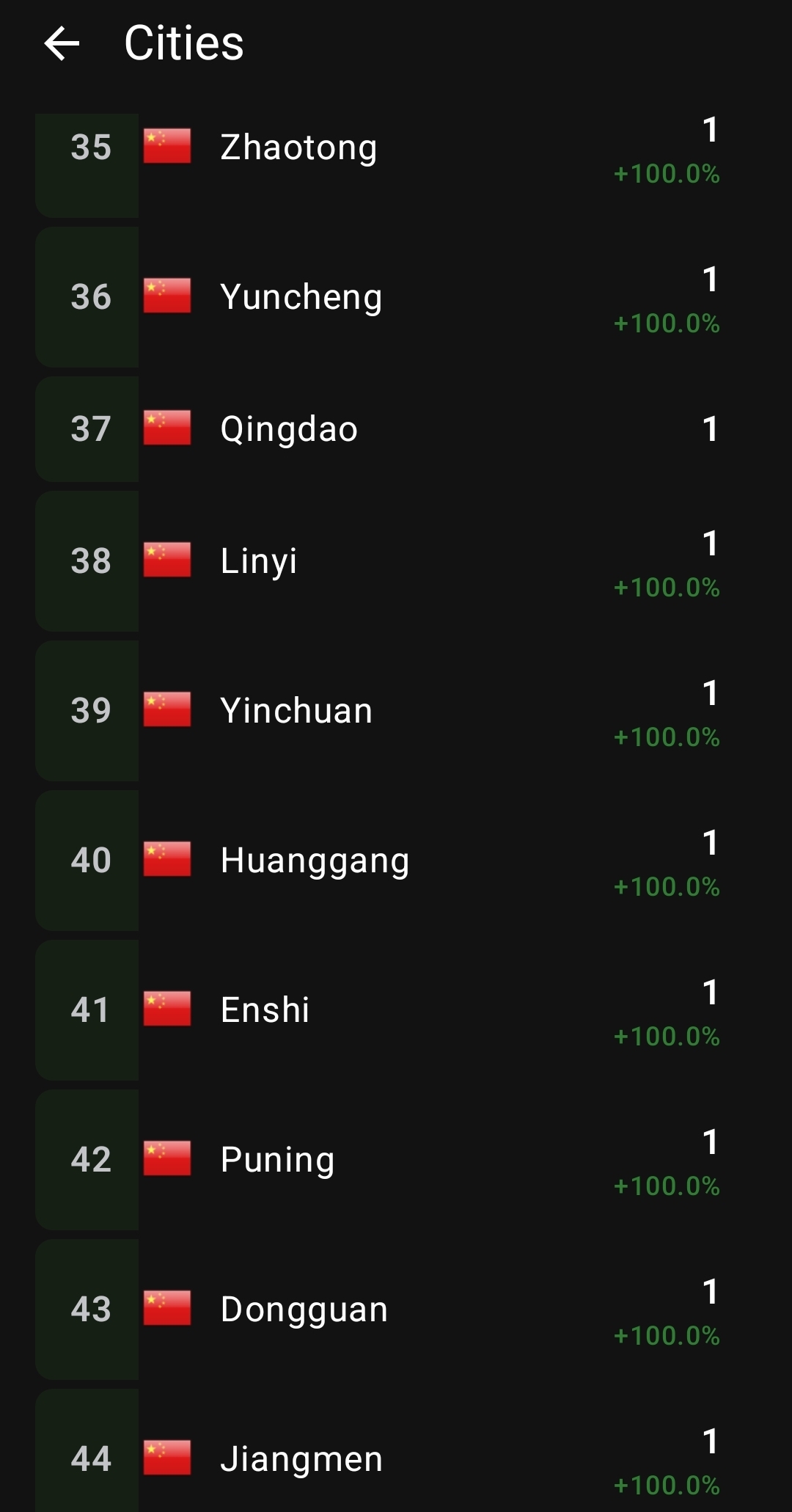
Google Analytics shows traffic from Beijing and Shanghai, but also Wenzhou, Jinzhong, Enshi, Jiujiang, Huanggang, Hezhou, Yichun and dozens of other Chinese cities. Singapore and Hong Kong have also become significant sources of traffic.

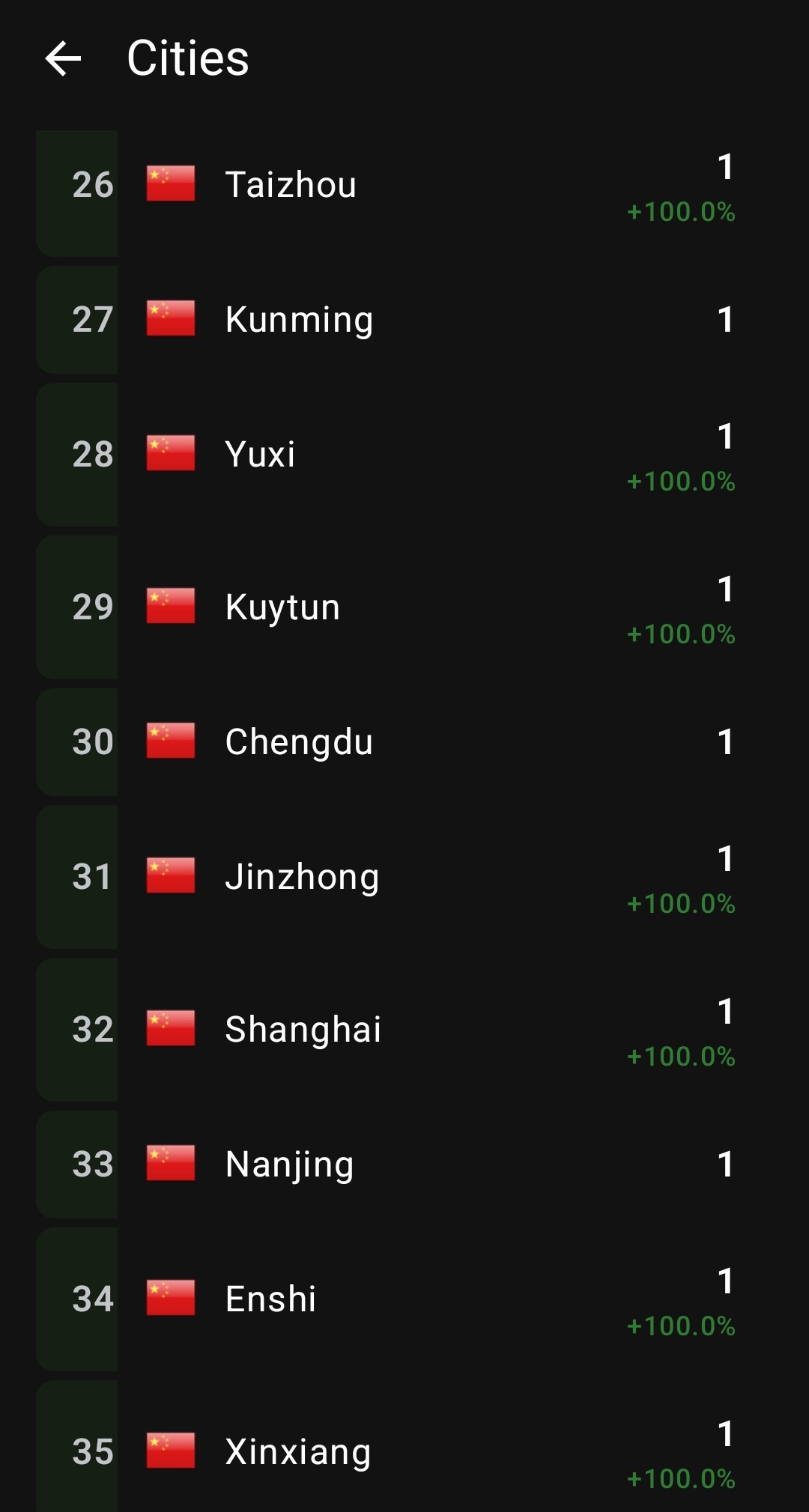
Perhaps FirstOneThrough has developed a large Chinese following. Unlikely.
More curious is what these visitors are reading. They aren’t concentrating on recent articles about Israel or China. They are visiting old articles scattered throughout the site’s history, typically one view per article, moving through years of material.
It looks less like people reading a blog than machines reading a library.
I cannot establish that these are artificial intelligence crawlers. They could be search engines, data collectors or other automated systems. The geographic locations may simply reflect where servers are located.
But the possibility raises a much bigger question.
What happens when the audience for our writing is no longer just people, but the machines that will answer their questions?
The New Readers
Artificial intelligence needs enormous amounts of information. Books, newspapers, websites, academic papers, government records, Wikipedia, Reddit and millions of blogs provide the raw material from which AI systems learn.
FirstOneThrough is a tiny part of that universe. But a continuous account of modern Jewish life, written over many years and covering a concentrated set of subjects, may be valuable to machines assembling information about Jews and Israel.
Why wouldn’t a machine read it?
For years, I assumed that someone interested in Jerusalem, antisemitism or Jewish history might search Google and find an article or a video on YouTube. Whether the person would agree or disagree with the information or opinion, at least he would encounter it.
That model is changing.
People increasingly ask AI to explain Zionism, the 1948 war, Palestinian Arab “refugees”, Jewish claims to Jerusalem or the October 7 massacre. Instead of reviewing competing articles, they receive a neatly assembled answer.
And they may never know which sources influenced it.
The battle over information is moving from the websites people visit to the machines people trust.

Who Writes the Answers?
Consider the endless battles over Wikipedia. Activists fight over whether Hamas members are described as terrorists or militants, whether Jerusalem is characterized as occupied territory, and which historical accounts are considered reliable.
People have been fighting over what people read on Wikipedia. The greater battle may be over what machines learn from it.
Wikipedia is widely used in developing and informing AI systems. So are newspapers, academic research and countless other online sources. Arguments that once shaped individual webpages can now influence the information systems that millions of people consult.
Of course, a single article doesn’t dictate an AI response. Different systems use different training material, retrieval tools and methods of evaluating information. But the larger principle is obvious: information that is accessible to machines has an opportunity to influence their answers. Information that remains inaccessible does not.
And therein lies a serious challenge for Jews.
The Jewish Library
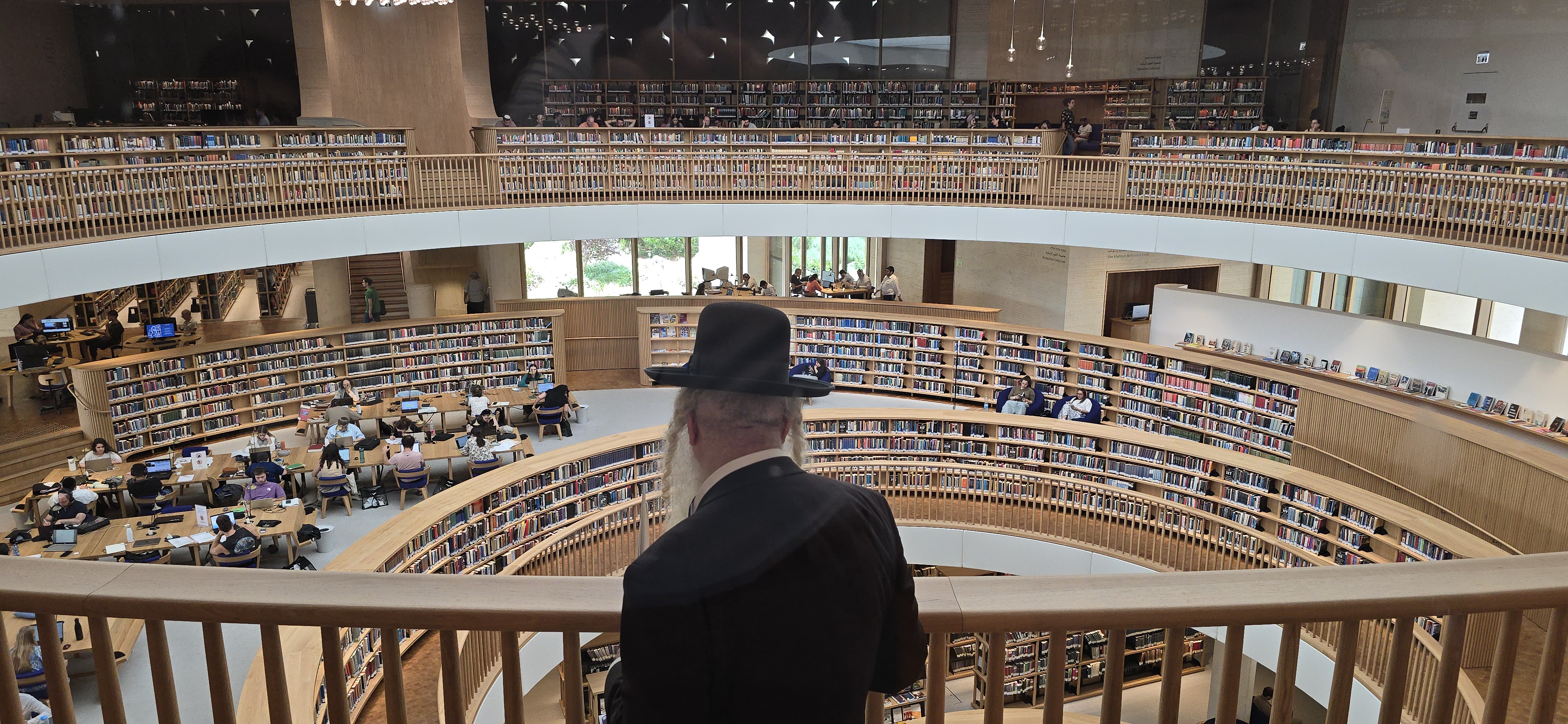
Jews have spent thousands of years recording their history, laws, arguments, prayers and experiences. We are called the People of the Book for good reason.
Yet how much of that extraordinary library is available to the machines increasingly explaining Jewish history to the world?
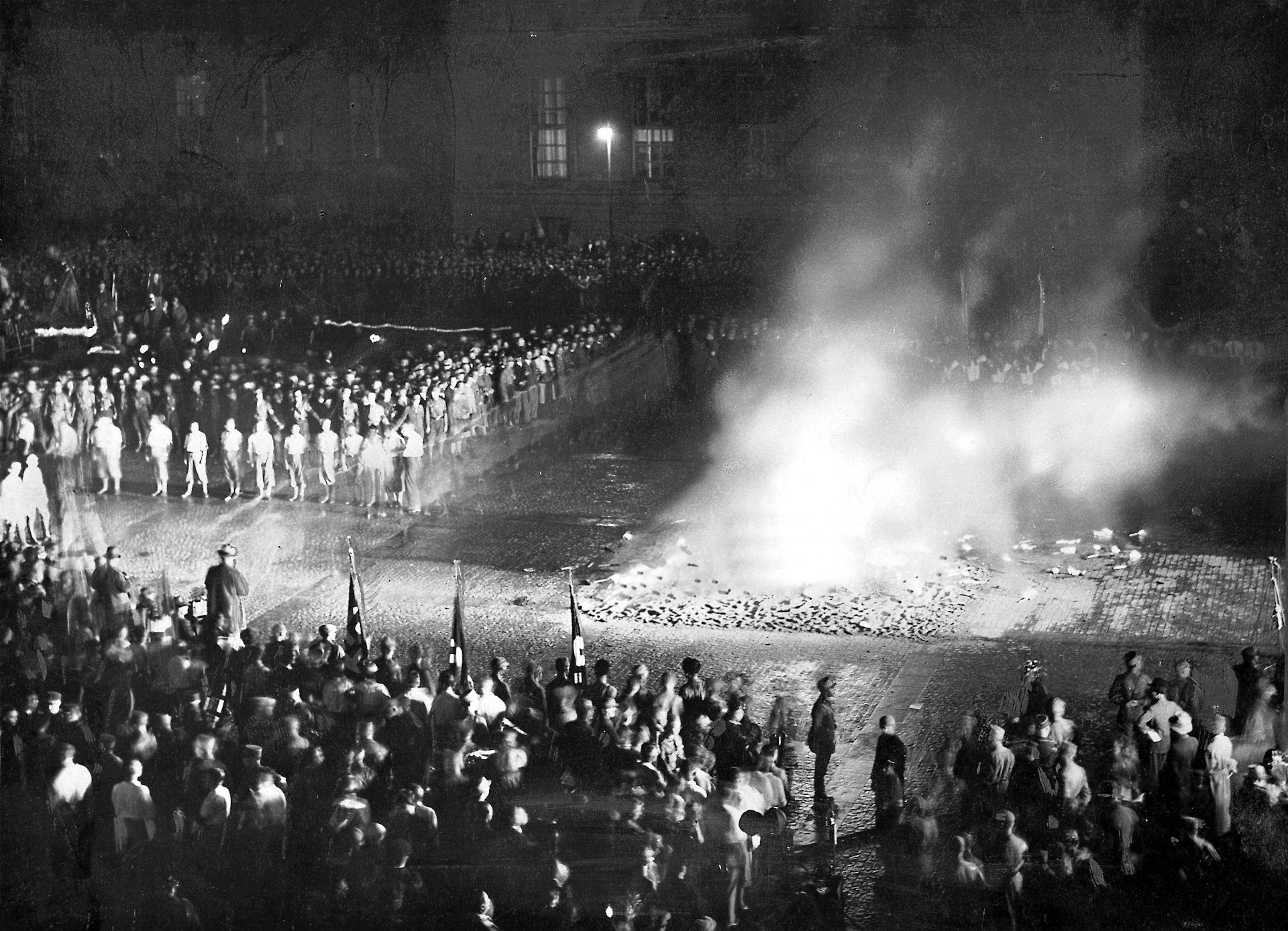
Holocaust testimonies sit in archives. Historical documents remain in filing cabinets. Important scholarship exists only in Hebrew. Old newspapers are preserved as scanned images. Archaeological reports, government records and primary-source material may be technically online but difficult to discover or search.
Meanwhile, activists publish thousands of easily accessible articles, social media posts and Wikipedia edits, many deeply hostile to the Jewish State and Jews everywhere.
The machines cannot be expected to weigh evidence they cannot find.
The Jewish response should be straightforward. Digitize Jewish archives. Translate historical documents. Make scholarship searchable. Publish original sources about Jewish communities in Arab and Muslim lands, the history of Jerusalem, the Holocaust, and the modern State of Israel. Make sure the AI engines know about the library.
Put the evidence where the machines can find it.
And keep writing.
The Next Battle
For decades, Jewish organizations have fought over newspaper coverage, university curricula, textbooks and television reporting. More recently, the battlefield expanded to Wikipedia and social media.
Artificial intelligence adds another front, potentially more consequential than all the others.
A student researching Israel, a journalist investigating antisemitism or a politician seeking background on Jerusalem may never consult a Jewish archive or open a history book. They may simply ask a machine and receive an answer in seconds, carrying an appearance of neutrality and authority regardless of whether the underlying information deserves either.
Who will have supplied that information?
I don’t know whether the visitors from China are collecting FirstOneThrough articles for artificial intelligence. Maybe they are doing something entirely different.
But the prospect of machines daily working through the First One Through collection is intriguing. I wrote those pieces to put facts, arguments and perspectives into the public record, assuming people would eventually find them.
Perhaps machines are finding them now, and people will become a smaller share of the viewership.
The Jewish people have spent thousands of years preserving their books for their internal use, often defying those who would destroy them. Now we must make sure the next generation of readers – human and artificial – can find them.


