On Trust

Trust is a curious thing. It can be so natural when it comes in small, unassuming packages. A neighbor offering a hand with the groceries. A stranger holding open a door. The innocent gaze of a child. These gestures, light as feathers, weigh more than they seem because they carry no hidden agenda.

Reading Sarah Tuttle-Singer on trust is like reading poetry. She writes with the hope that trust can bridge divides, that shared humanity can soothe ancient wounds. It’s tempting. It’s comforting. It makes us want to exhale and believe that the world really can turn softer, kinder, lighter.

But trust, in the realm of politics and war, is a word misused. Bus drivers and merchants may indeed know the art of coexistence, but their goodwill cannot stand against the fury of those consumed by hatred. History has shown this cruelly and clearly.

On October 7, Israel’s dreamers were shown what happens when trust meets rage. Peace-loving families along the Gaza envelope, who had spent years helping Gazans reach Israeli hospitals, were burned alive. Young people who came only for music and joy at the Nova festival were hunted, raped, and gunned down. Trust did not save them.

Leaders at war do not have the luxury of extending trust to enemies sworn to their destruction. Their duty is to protect their people, not to tell their adversaries where the defenses are weak or where to buy stronger weapons. In war, misplaced trust is not a virtue—it is a death sentence.

I like dreams. I enjoy Tuttle-Singer’s writings. But her kind of pre–October 7 dreaming feels like a dangerous nostalgia while Hamas still rules Gaza, while Israelis are still captives in tunnels, while so many Palestinian Arabs still celebrate the massacre and fantasize about taking over Israel itself.

Even more, I understand that I might have the luxury of fantasy, but the people in charge of keeping people safe do not.

Dreams belong in the safety of bed, not while driving a highway. Trust has a time and a place. For now, in the waking hours of the Middle East, those in charge with ensuring survival must act with clarity with dollops of charity.

It is better to trust in wartime leaders who are wide awake to reality than to believe in poets dreaming on the frontlines.

And to thank them for their service.

Eikev, On Consequences

Parshat Eikev is about consequences. Love God and cherish the land, and there will be abundance. Turn away from them, and the blessings will vanish. It’s not just poetic scripture—it’s a binding principle embedded in Jewish destiny.

In 2005, Israel withdrew from Gaza, handing the Strip to the Palestinian Authority. The move was framed as a step toward peace, but Palestinians internalized a different lesson from the Second Intifada: violence works. Within two years, Hamas was elected to a majority of the Palestinian parliament, seized power in Gaza, and rockets became Gaza’s chief export.

The same pattern played out decades earlier. In 1967, Israel reclaimed eastern Jerusalem from Jordan in a defensive war and reunified the city. Yet, instead of asserting Jewish sovereignty on the Temple Mount—the holiest site in Judaism—Israel handed day-to-day control to the Islamic Waqf which banned Jewish prayer there. The Muslim world absorbed the message: Jews do not value their holy places as deeply as Muslims do.

These choices raise the uncomfortable question: do Jews truly love the land and God in the way Eikev commands? The Bible is not just a Jewish text. Billions of non-Jews around the globe read it. They know its covenantal clauses and its warnings. They understand—at least in their own terms—the consequences that befall Jews when we turn from God’s love and from the eternal heritage of the land. Some may even see themselves as agents in delivering divine justice.

God knows. The world knows.

It is time for Jews to internalize this truth. The Shema’s first line is often recited aloud with pride. But the second section (starting at Deuteronomy 11:13), with its stark outline of blessings for faithfulness and curses for betrayal, is whispered—if said at all. Perhaps it’s time to say it aloud, not just with our lips, but with our lives: affirming an unbreakable commitment to God and to the holiness of the land.

In Israel, that would be building homes in the area known as “E1,” cementing all of Jerusalem including the Temple Mount as integral to Israel. In the diaspora, it means putting mezuzahs on doorposts and wearing tefillin (11:18-20).

The Old City of Jerusalem including the Jewish Temple Mount/ Al Aqsa Compound

Consequences are not an abstraction in the Torah—they are the lived reality of Jewish history. Eikev’s message is as urgent now as it was on the plains of Moab.

Al Jazeera’s Select And Distorted Concern For Children

Nothing so captures the European mindset like soccer. It’s a global sport with scant appreciation in North America, but Europeans are glued to it. Consequently, soccer (“football”) matches become backdrops for activists to shout their causes, knowing that it will attract millions – or perhaps billions – of eyeballs.

UEFA, the Union of European Football Associations, held its Super Cup in Udine, Italy on August 13, 2025. It was a match between Paris Saint-Germain of the Champions League and Tottenham Hotspur of the Premier League. It was quite a moment for Tottenham fans to be up against the big boys of soccer, especially for a club associated with Jews while the Jewish State is being besieged on all sides in its wars with Hamas, Hezbollah, Iran, Syria, Yemen and political foes.

It was a moment anti-Israel advocates would not pass up.

UEFA had been criticized by pro-Gazan agitators for not coming out against Israel during this war. On August 12, the day before the match, UEFA announced an expansion of its existing “support for the humanitarian efforts for children in conflict zones,” to include Gaza. The wording was careful to not criticize either Israel or Hamas, and just focused on children.

Whatever the adults waging wars think they are doing, the children are innocent. 

Aleksander Čeferin, UEFA President

UEFA took an added step during the match and had nine children from conflict zones where it supports humanitarian efforts – Afghanistan, Lebanon, Sudan, Syria and Yemen, and now Gaza – unfurl a banner on the field that read “stop killing children. stop killing civilians.”

Qatar-owned Al Jazeera would use the UEFA actions to generate its own anti-Israel story.

In an article titled “UEFA unfurls Gaza-related plea banner after Palestinian tribute fallout,” the pro-Hamas media site said that the banner was all about Gaza, even when children from multiple countries participated. The article pushed a Gaza narrative with “in the wake of heavy fallout over its meek tribute to a Palestinian player killed by Israel,” it mentioned Liverpool forward Mohamed Salah who condemned UEFA on August 10 for not calling out Israel in its statement.

Al Jazeera would then manufacture history, writing “Nine children refugees from Palestine, Afghanistan, Ukraine, and Iraq carried the banner onto the field of play before the game began.” But Afghanistan, Ukraine, and Iraq are actual countries, Palestine is not. The two children from Gaza who took part in the ceremony were in Milan receiving medical treatment, not fleeing persecution “owing to well-founded fear of being persecuted for reasons of race, religion, nationality, membership of a particular social group or political opinion,” which is the definition of a refugee according to the 1951 Convention on the Status of Refugees. Unless Al Jazeera believes these children are being targeted by Hamas.

Just days before this incident, on August 10, Al Jazeera had some of its journalists in Gaza killed by an Israeli strike. Israel said they were legitimate targets, as they were terrorists paid by Hamas. It was shocking to all that the media company which is owned by the wealthiest regime in the world needed its journalists to make some extra coin from an antisemitic genocidal organization that is supposedly “starving,” not that the journalists were terrorists, which was common knowledge.

The Qatari propaganda company has long accused Israel of committing a “genocide” in Gaza. It claims that “Israel kills an average 28 Palestinian children daily in Gaza,” attempting to make the Arab youth the primary victims and focus of the war, and portray Israel as a bloodthirsty monstrosity. It did not inform its readers that children under 18 account for 47% of the population of Gaza, but a much lower 31% of the fatalities according to OCHA, which gets its information from the Hamas run Ministry of Health (MoH) in Gaza.

When further considering that many of the children between 15 and 18 years old are part of the Hamas war machine, the much lower percentage of child fatalities points to Israel’s efforts to target Gazan fighters, not children. Even Hamas admits that nearly half of all fatalities in Gaza have been fighting-aged males (49%), even though they account for just one-quarter of the population (26%).

As for the 6,000 Gazans who invaded Israel on October 7, 2023, Al Jazeera had no concern for how they treated Jewish children. The Gazans killed 38 Israeli children in front of their parents. They took the same number as hostages to Gaza. What kind of people take babies as hostages as a matter of policy?

Bibas children Kfir and Ariel, with mother, Shiri, all taken as hostages by Gazans, later returned dead in an exchange for Gazan terrorists

Don’t kill children. Don’t kill civilians,” should be the understood motto of all civilized people and organizations. That Qatar and Al Jazeera continue to stand by Hamas after all they have done – and then attempt to misdirect the world towards Israel – makes them deeply complicit in the deaths of thousands.

Desire Doué and Ousmane Dembélé of France St. Germain lift the UEFA Super Cup Trophy, sporting jerseys embossed by their sponsor, Qatar Airways

Europe’s Summer of Graffiti Hate

For Americans and Israelis, a summer vacation in Europe is almost instinctive. A relatively short flight offers a world away—new languages, different currencies, distinct cuisines. The joy is in the immersion: wandering museums, hearing street musicians in centuries-old plazas, staring up at Gothic spires, and feeling the weight of two millennia of history.
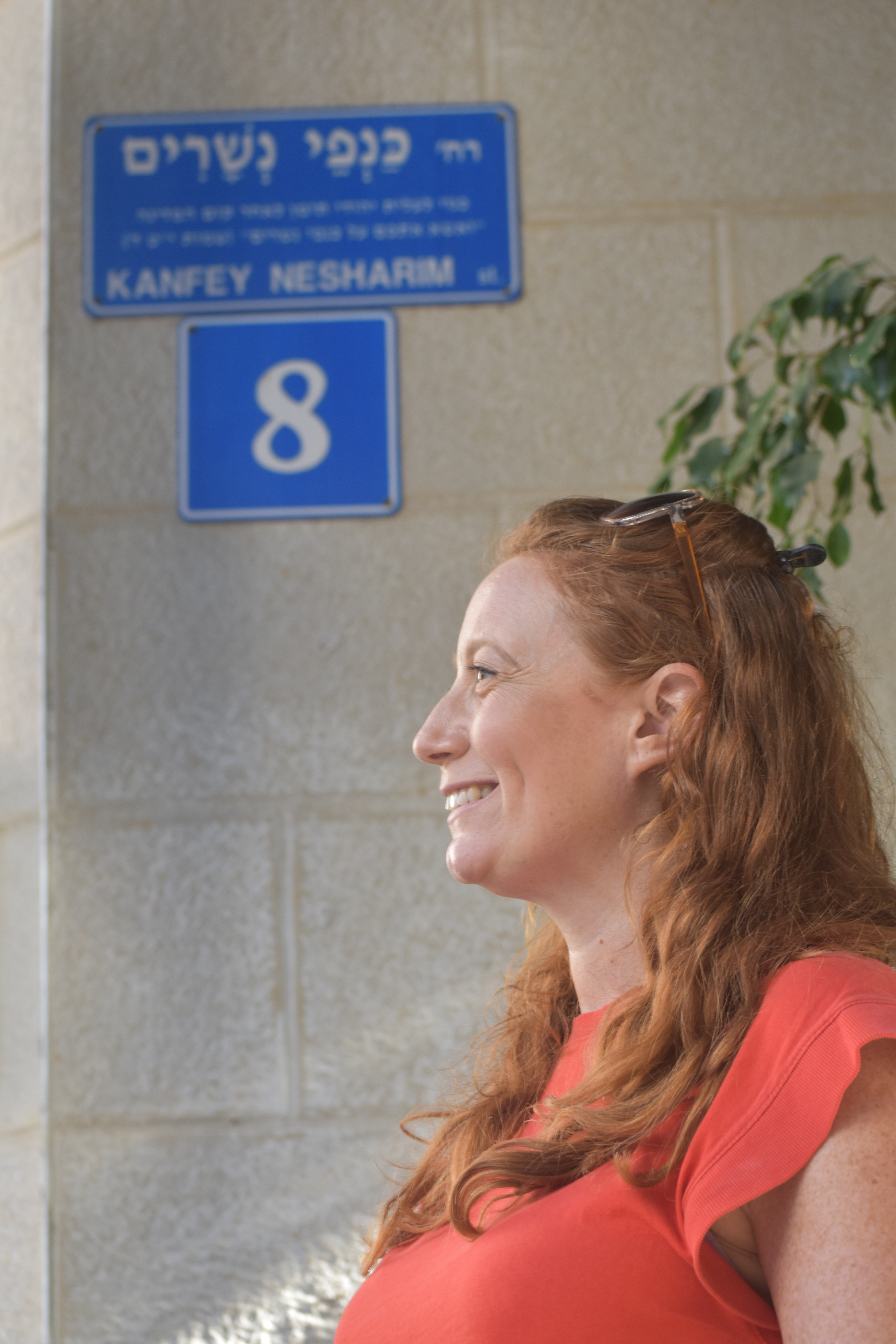
But the summer of 2025 was different. The walls of Europe’s cities told a darker story.
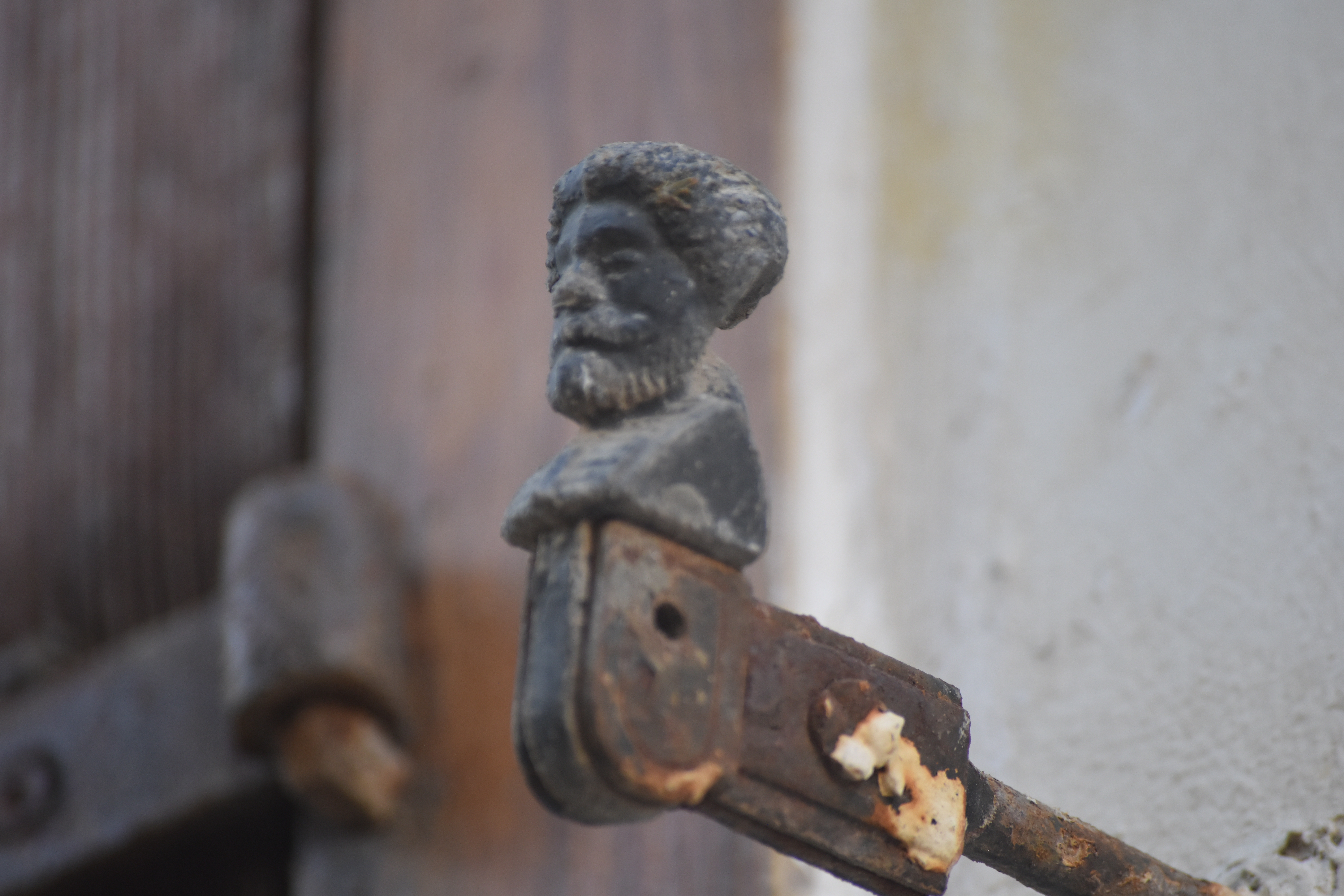
Alongside the usual student slogans and political tags were messages aimed squarely at one people and one country. Anti-Israel graffiti was everywhere—not just Palestinian flags but slogans in English declaring ” Smash Zionism” and “all Israeli soldiers are war criminals.” The words were not about policy disputes or borders. They were echoes of the Hamas charter, demanding the eradication of the Jewish state.

This was not the first time Europe’s streets had carried such messages. A century ago, it was pamphlets, posters, and shop signs. In the 1930s, “Kauft nicht bei Juden”—“Don’t buy from Jews”—was painted on storefronts. Nazi caricatures and blood libel imagery were plastered in public squares. These were not fringe ideas—they were mainstreamed into the civic landscape, normalizing antisemitism as part of public discourse.

Today’s slogans are more fluent in the language of modern activism, but the purpose is the same: to strip Jews of legitimacy and belonging. In the 1930s, the Jewish store owner was framed as a threat to society; in 2025, the Jewish state is framed as a threat to world peace. Then as now, the goal is erasure—economic, cultural, political, and, ultimately, physical.

What makes the present moment particularly jarring is its setting. The graffiti appears on the same walls that tourists pass on their way to see memorials to Europe’s murdered Jews. A plaque in the street may commemorate Jews deported to Auschwitz, but the wall above it proclaims “From the river to the sea,” a slogan advocating the removal of the Jewish State altogether. The contradiction is almost too much to process: “Never Again” in bronze, “Again Now” in spray paint.

Europe and the United States remain the last major powers to hold off on recognizing a Palestinian state somewhere in the Middle East. But that resistance is softening—not from a careful appreciation of the challenges of creating a peaceful, democratic state alongside Israel, but from the pressure of chants and hashtags lifted from jihadist manifestos. Politicians are not being persuaded by policy papers; they are being worn down by the relentlessness of street-level messaging and its seep into mainstream politics.

For Israeli and American Jewish tourists, the graffiti is not abstract. It’s aimed at them, personally. To walk through a city square and see your country branded as genocidal is not just uncomfortable—it’s alienating. It says: We know you’re here, and you’re not welcome IN HEBREW.

The tragedy is that many of the cities now hosting this wave of messaging were once vibrant centers of Jewish life, wiped out in living memory. The graffiti is a reminder that antisemitism, like the paint itself, seeps easily into old cracks, clings to old walls, and waits for the right political climate to dry in place.
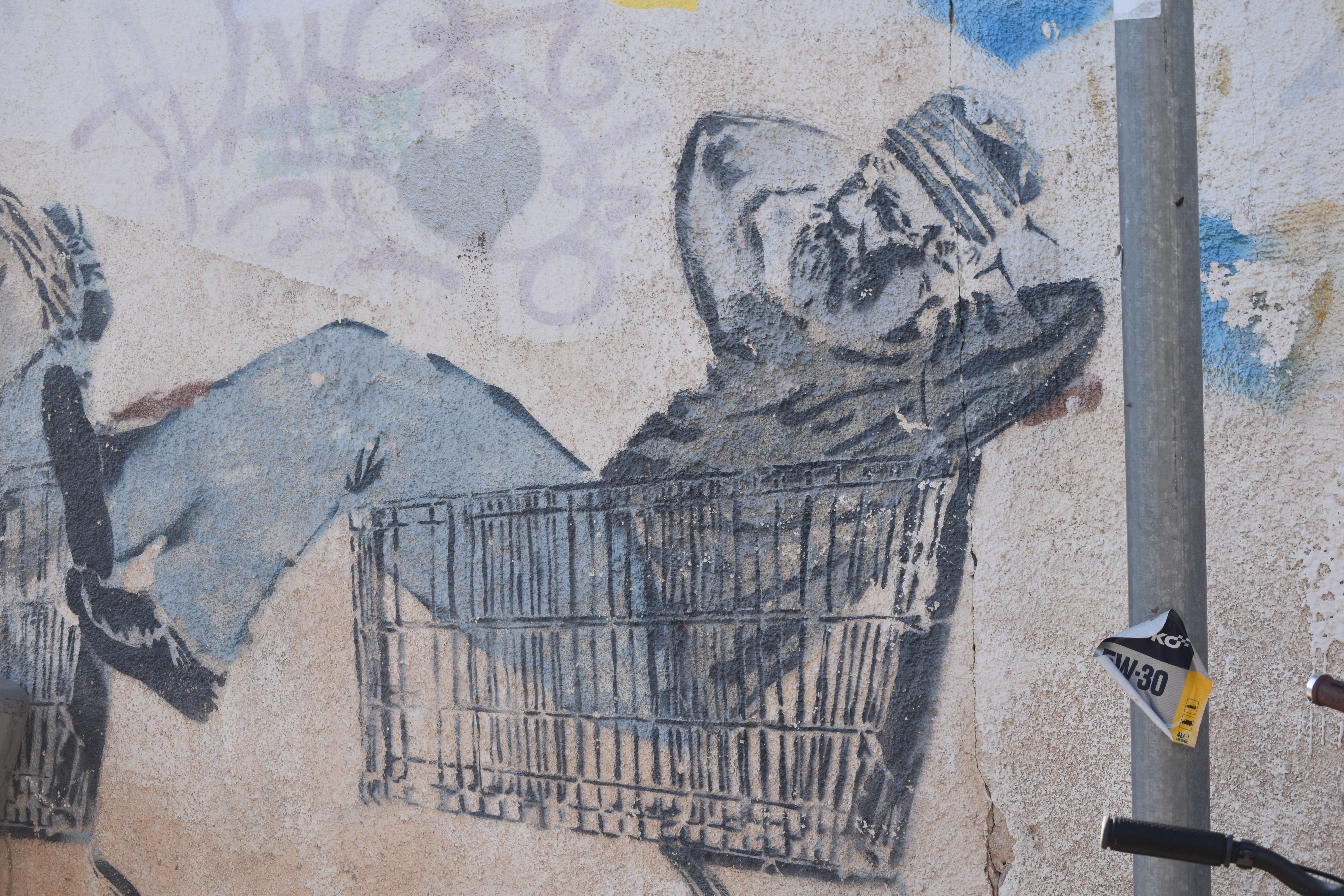
There was scant commentary on the streets about the antisemitic genocidal group Hamas that launched the war. When it appeared, it was very small and seemingly in reaction to pro-Palestinian paint. It was a tank-versus-switchblade graffiti street brawl. The conflicts in Ukraine, Sudan, Myanmar and elsewhere were nowhere to be seen.

In the summer of 2025, Europe’s walls have become more than stone: they are mirrors that reflect not just the continent’s history, but its willingness to embrace its darkest periods. A reminder that the high brow culture frequently sinks in moral depravity.

To Remember: Antisemitism to Inflame or Moderate Islam

Trieste’s Piazza Unità d’Italia is one of Europe’s great open-air salons, its grand architecture framing a breathtaking view of the Adriatic. On a sweltering August afternoon, only a handful of tourists dared cross the blazing expanse, hugging the shadowed strips along the colonnades for relief.

There, in the quiet underbelly of the central building’s portico, a plaque catches the eye. In large Hebrew letters: “Zachor”—Remember. A verse from the Torah commands the Jewish people for all generations to recall what Amalek did—attacking the weak and stragglers as the Israelites left Egypt. Beneath the Hebrew, the Italian inscription explains: this was the site where Benito Mussolini, in September 1938, delivered his edict of the “Racial Laws.” In his speech, Mussolini declared Jews “incompatible” with Fascist Italy and announced their expulsion from national life.

It was no accident he chose Trieste. The city’s 6,700 Jews—around 2.7% of the population—were prosperous, visible, and in his eyes, a perfect stage. Within five years, over 90% would be deported, murdered, or scattered to exile, never to return.

At the time, Time magazine cynically suggested Mussolini might be “bluffing,” seeking to please Hitler and “curry favor with Islam” in Palestine. Antisemitism, in this view, was not only about Jews—it was also geopolitical currency, among his people and traded to win influence with the Muslim world.

Time magazine, September 26, 1938

The plaque was installed in 2018, on the 80th anniversary of the Racial Laws. But memory is fickle. Five years later, in 2023, after Hamas terrorists and thousands of Gazans crossed into Israel to massacre 1,200 civilians in the most brutal ways imaginable, Italy’s leaders declared Hamas—not the Palestinian cause itself—the obstacle to peace. They argued that a two-state solution, minus Hamas, could integrate Israel into a broader Muslim world via expanded Abraham Accords. In their words, peace could “moderate Islam.”

Antonio Tajani, Deputy Italian Prime Minister, Foreign Minister in October 2023 about Hamas massacre

It’s a striking inversion of Trieste’s history: in 1938, antisemitism was weaponized to build a bridge to Germany and court the Muslim world; in 2023, peace with Israel is pitched as the tool to temper Jew-hatred. At the dawn of the Holocaust, ridding the Jews bound Europe and the Muslim world, while today, removing antisemitic genocidal Muslims and ensuring the permanence of the Jewish State could unite Europe and the Arab Middle East.

In each case, Jews are pawns, tossed on the Mediterranean Sea, to be submerged or floated in the grander political game. And there we must therefore ask, what are we remembering?

Dueling stickers in Trieste, Italy, fighting the Gaza War in 2025

A Million for Gaza While Jewish Life In America Burns

The United States is experiencing the worst wave of antisemitism in modern memory. Jews are attacked in the streets of New York, vilified on college campuses, and shunned in social circles simply for being Jewish or supporting Israel. Synagogues and community centers are fortifying themselves like military outposts, while families weigh whether their children are safe wearing a Star of David in public.

In the middle of this siege on Jewish life, the UJA-Federation of New York proudly announced it would send $1 million in aid to Gaza as a “Jewish imperative.” The money will be funneled through an Israeli rescue nonprofit, ostensibly to provide humanitarian relief.

The federation’s leadership points to precedent: they’ve sent funds abroad before—to Turkey after an earthquake, to Ukraine after the Russian invasion. But this is not Turkey. It is not Ukraine. It’s also not Canada and Australia undergoing horrible antisemitism.

Gaza is not a neutral disaster zone. Its people have elected and support leaders who openly call for the murder of Israeli Jews. Its ruling terror group, Hamas, slaughtered 1,200 people in Israel on October 7, 2023, and still holds hostages. Polling has long shown majority support among Gazans for killing Jewish Israeli civilians and to destroy Israel. This is not a passive bystander to tragedy; it is a society that has gone to war against the Jewish state again and again.

The difference matters. When the federation sends aid to a country struck by natural disaster, it’s an act of humanity. When it sends aid to a population whose political and militant factions seek Jewish extermination – while in the middle of a war – it’s an act freighted with moral confusion.

The leadership may believe that giving to Gazans proves Jewish compassion “even to our enemies,” or helps with global optics. But for Jews watching their own safety erode daily in the United States and in other communities around the world, it looks like a failure to stand with their own community. It risks alienating the very donors who built the federation in the first place.

Charity is not limitless. Every dollar has an opportunity cost. And while Jewish students are harassed on campus, Jewish businesses vandalized, and Jewish institutions desperate for security funding, this million-dollar gesture to Gaza sends a clear message: in our hour of greatest vulnerability, the suffering of those sworn to kill us will be prioritized alongside, or even above, our own survival.

The empathy swamp is drowning us, blessed by community leaders.

American Jewry had managed with peacetime leadership for decades but it is time to replace them as the environment has shifted, and leaders have proven that they are not up to the moment.

Gazans “are like locusts”

In April 2004, U.S. President George W. Bush sent a letter to Israeli Prime Minister Ariel Sharon essentially blessing Sharon’s proposed withdrawal from the Gaza Strip in exchange for the US backing Israel’s positions that the future contours of Israel would account for “new realities on the ground” and not follow “the armistice lines of 1949,” as well as ending the Palestinian so-called right-of-return by “settling of Palestinian refugees there [in a new Palestinian State], rather than in Israel.” In response to the letter, Israel withdrew all Jewish civilians from Gaza and its military in September 2005.

Gaza has ravaged itself since then.

As a charitable generous gesture, several Jewish and Israeli businessmen purchased Israeli greenhouses and related equipment, and gifted them to the Palestinian Authority (PA) which had elected Mahmoud Abbas as president in January 2005. The PA never was able to secure any of it. Palestinian security officials were overrun, saying that the Gazans looted it completely, leaving nothing behind “like locusts,” as soon as Israel pulled out.

News reports at the time were prescient regarding “concerns about Gaza’s future.”

Abbas made grand and empty proclamations. The PA did not have the respect of Gazans and the region would not be controlled by its leader from the Fatah party.

A few months later, Palestinians elected Hamas to 58% of parliament. Then, in 2007, a mini civil war broke out it Gaza which routed the PA and gave Hamas exclusive control of the strip. Amid the public failure of Abbas, United Nations Secretary General Ban Ki Moon stressed his full support for Abbas and the PA, while he worried about food and aid getting to Gaza’s civilian population.

Does any of this ring familiar? Gazans overrun the Palestinian Authority; PA makes grand and empty declarations; Gazans saddle up with Hamas; UN worries about food and aid.

In 2025, twenty years after Israel left the Gaza Strip, the situation repeats. Gazans loot food and aid trucks; the UN decries the situation; Abbas reads statements as though anyone respects and listens to him; and Hamas – or whatever is left of it – still has the support of the local population.

Gazans looting aid trucks

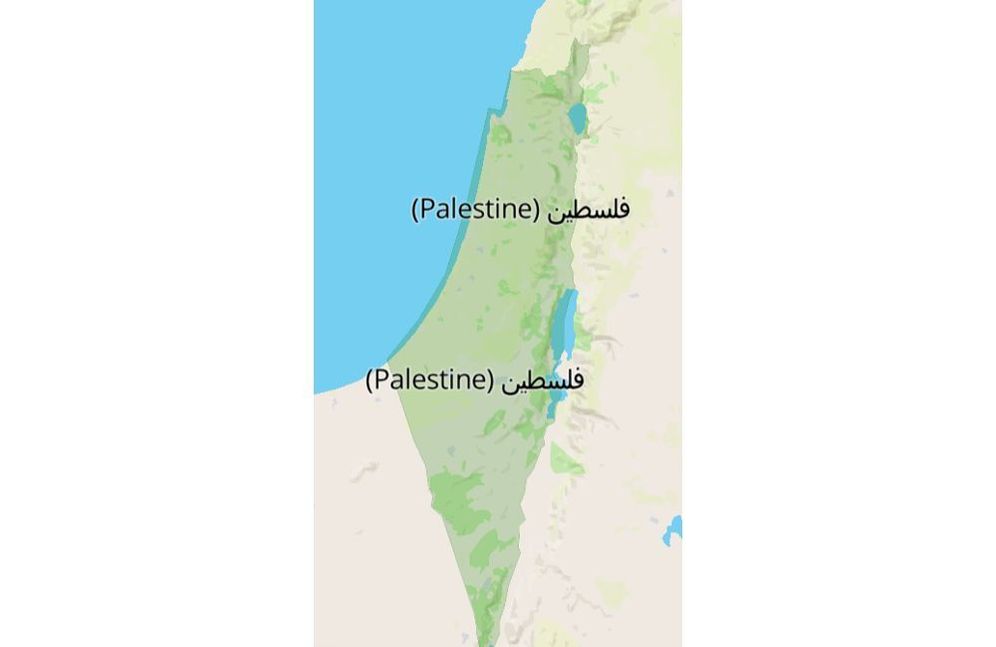
The underlying reality in Gaza is that the western-backed Palestinian Authority has never had a presence in the strip. The region has never truly been part of “Palestine” as envisaged by the many conferences over the last decades. How can there be a “two state solution” of Israel and Palestine, when the dreamed up “Palestine” is two distinct entities itself? What are countries “recognizing” when they cannot see reality?

The Greenhouses Swarm of 2005. The Fatah Swarm of 2007. The Israel Swarm of 2023. The Aid Swarm of 2025.

Gaza devours charity, donors, neighbors and itself so completely, that the request for ever more attention and aid is either completely nonsensical or understandable. Or both.

The Wrong Pressure

Israeli Prime Minister Benjamin Netanyahu has vowed that Israel will retake Gaza, dismantle Hamas, and free the hostages still held there. In response, the UK and France have rushed to apply diplomatic pressure — not on Hamas, but on Israel — pledging to recognize a Palestinian state in September. This move will only embolden Hamas to fight on, convinced it is winning a historic victory.

The flaw in this strategy is glaring: it’s not Israel that needs pressure — it’s Hamas, and that pressure must come from the Arab world, not just Europe. On July 30, 2025, Arab states took an overdue but welcome step, publicly calling on Hamas to disarm and hand authority over to the Palestinian Authority. This was a first in regional unity against Hamas.

Now Europe must pivot and press Arab states to go further: formally designate Hamas as a terrorist organization. This is not a radical suggestion. Egypt, Saudi Arabia, Bahrain, Jordan, Syria and the UAE already classify the Muslim Brotherhood as a terrorist group (the United States is on the cusp of doing so). Hamas is the Brotherhood’s Palestinian branch — extending the label is logical and overdue.

Such a declaration would signal to Hamas and to Stateless Arabs from Palestine (SAPs) that terrorism against Israel has no future and no backing in the Arab world, and that the region is moving towards normalization. It would also make it easier for the United States to advance pushing the United Nations Security Council to list Hamas alongside al-Qaeda and ISIS as a global pariah. To date, UN officials have described Hamas as a legitimate representative of the Palestinian people, keeping the terrorist group’s hopes alive.

Only then could Netanyahu ease military pressure, creating space for serious negotiations to dismantle Hamas and secure the return of the hostages.

Palestinian Terrorist Groups (July 2021)

To Stay In The Land: Investing In The Ten Commandments

When Moses addressed the Israelites in Parashat Vaetchanan, standing on the threshold of the Promised Land, his message was clear and urgent: Keep the commandments and you will live; abandon them and you will be driven from the land.

“You must observe His rules and His commandments that I am commanding you today, so that it may go well with you and your children after you, and so that you may endure in the land that God, your God, is giving to you forever.”

Deuteronomy 4:40

It wasn’t a political warning. It wasn’t about borders, treaties, or weapons. It was spiritual. Covenantal. National.

He reminded them: God didn’t choose you because you were many or mighty. He chose you because He loved you. And what does God ask in return? Not sacrifices, not empty rituals, but love expressed through loyalty. Loyalty shown in deeds—by keeping His commandments and walking in His ways.

That covenant stands today.

Amid a global spike in antisemitism, war in Israel, and growing divides between Jews in Israel and the Diaspora as well as secular and religious Jews in Israel, it’s time to return to the constitutional core of Jewish life: the Ten Commandments.

There are 613 commandments in the Torah, but these ten were spoken directly by God to the entire nation at Sinai. They were repeated again by Moses in Deuteronomy for a reason. They are not just laws—they are foundations.

If we want to stay in the Land we must invest in them.

Here are ten national action items for Israeli and Diaspora Jews alike to bring the Aseret HaDibrot back to life:

1. “I am the Lord your God” — Reclaim Faith

In Israel: Integrate emunah (faith) into national identity, not just religion. Teach the purpose of Jewish existence in the IDF, sherut leumi, and public schools.

In the Diaspora: Strengthen Jewish schools and programs that teach belief as something deeper than ethnicity or culture. Anchor identity in divine purpose.

The Shema prayer is in this parsha, a prayer to be read aloud with concentration. Let each session of the Knesset and Jewish  day schools begin with that first sentence.

2. No Other Gods — Confront Idolatry

In Israel: Take on modern idols—power, tech, money. Demand spiritual accountability from the startup- scaleup nation.

In the Diaspora: Counter the worship of celebrity and culture with Jewish meaning and humility. Lead with Jewish ethics, not trendiness.

Focus on Humble Faith to moderate the human tendency to exaggerate our worth and blind us to God’s gifts.

3. Do Not Take God’s Name in Vain — Elevate Speech

In Israel: Clean up public discourse. Hold politicians, rabbis, and influencers accountable for words that desecrate God’s name.

In the Diaspora: Promote reverence and honesty in all Jewish communication—online, in media, and in leadership.

We all carry a global megaphone with us at all times of the day. Beware of proclamations and defamations made in the name of Judaism.

4. Keep the Sabbath — Build National Unity

In Israel: The Haredi community must not sit out the war. They must serve through sherut leumi by helping others keep Shabbat—cooking meals, opening homes, dancing in the streets. Make Shabbat the shared joy of the nation.

In the Diaspora: Host Shabbat for unaffiliated Jews. Create communal spaces that let people taste sacred time—no judgment, just joy.

Jews have the special opportunity to show each other and the world the special nature of Shabbat. Make it holy for you and your family. From there, let it spread outward to the community, country and civilization.

5. Honor Your Father and Mother — Care for the Elderly

In Israel: Train Israeli youth in elder care. It’s a disgrace that our Holocaust survivors and parents are mostly cared for by foreign workers.

In the Diaspora: Create teen-elder programs that pass down memory and dignity. Jewish continuity depends on honoring the past.

Modern psychology has taught many of us to center our being on ourselves and blame parents for our situations. Even – or especially – if that’s true, spend time showing honor to parents and in-laws. It is a pathway for a healthy society.

6. Do Not Murder — Value All Life

In Israel: Try to end domestic violence and youth crime. Reclaim the sanctity of life as a national value, not just a slogan.

In the Diaspora: Jews must lead on mental health and abortion, the leading causes of preventable death.

Every life is a world. Whether one is in favor or opposed to abortion, treat life with the utmost respect and engage in debates that are centered on life.

7. Do Not Commit Adultery — Strengthen Families

In Israel: Fund pre-marriage education and family counseling. Healthy families are the front line of Jewish survival.

In the Diaspora: Promote Jewish relationships and marriage through values-based education—not just dating apps.

Reorient Friday night dinners away from invited company for two Sabbaths every month to focus on personal relationships.

8. Do Not Steal — Demand Integrity

In Israel: Tackle corruption. Ethical leadership is not optional in a holy land.

In the Diaspora: Teach financial and business ethics as part of Torah. Kiddush Hashem starts in the workplace.

At an early age, allow children to reserve certain toys for personal use as opposed to sharing with friends; it allows them to incorporate the idea of ownership and space both for themselves and others.

9. Do Not Bear False Witness — Seek Truth

In Israel: End the plague of slander and fake news in politics and media. Truth is a national security issue.

In the Diaspora: Speak with compassion and accuracy. Lashon hara is poison. Truth builds communities.

10. Do Not Covet — Practice Gratitude

In Israel: Reduce economic resentment by promoting gratitude and generosity. Envy destroys unity.

In the Diaspora: Celebrate others’ success. Give, volunteer, and stop keeping score.

Being truly grateful involves the public declaration of appreciation: to God in prayer, and fellow person in thanks. It centers the interplay between ourselves and the world in a healthy dynamic.

Conclusion: Choose Life

Moses didn’t say this for nothing. The land doesn’t tolerate injustice, idolatry, or apathy. If we want to remain in Eretz Yisrael, we must remember what kept us from here: the first tablets were shattered on diaspora rocks and we wandered in the desert for failing to believe in God’s gift.

We must also remember what brought us to the land: God’s love—and a call to respond in kind.

The Ten Commandments are not old laws. They are today’s mission.

The Old City of Jerusalem including the Jewish Temple Mount/ Al Aqsa Compound

Lanternflies and the Spread of Antisemitism

From nowhere they came — and now they’re everywhere. The spotted lanternfly, with its colorful delicate wings and destructive path, has infested the American landscape. It’s believed to have originated from China and, in just a few years, has spread across states, devastating crops and trees like the “tree of heaven,” its favorite host. The government seems incapable of containing it. Few natural predators exist. The infestation has become a symbol of bureaucratic failure and public resignation.

Spotted lanternfly

But some wonder: does this pestilence reflect something deeper, more corrosive — a cultural infestation?

In the wake of October 7, when thousands of Gazans crossed into Israel in a massacre they proudly broadcast around the world, antisemitism in America, Canada and Australia exploded. Synagogues were vandalized. Jewish cars were firebombed. Campus protests called for a “global intifada.” And the institutions tasked with standing guard — universities, governments, media — offered excuses, silence, or, worse, justifications.

Many point again to China, not just for the lanternfly, but for feeding antisemitism into western culture, especially through TikTok — a powerful delivery system for ideological poison. Others blame Qatar, which has poured billions into American universities that now shelter hatred under the guise of “free speech.” The Gaza war may have triggered the firestorm, but the kindling was laid long ago — through foreign influence, academic corruption, legal systems reluctant to confront hate when it wears the right colors and intersectional culture intent on vanishing Jews.

The response has been toothless. Protesters shut down airports and bridges with impunity. Cities release vandals hours after they’re arrested. Politicians decry antisemitism in speeches while voting to defund the very police tasked with protecting vulnerable communities. Universities who once claimed to be safe spaces now protect the mob instead of the beleaguered minority.

Like the lanternfly, antisemitism has become endemic. And just as officials tell us to stomp on the bugs as a civic duty, people now post videos taking down “protest” signs and washing off graffiti — not to eradicate the hate, but to vent helplessness.

We’ve reached a tipping point. Many have chosen to watch the wave rather than swim against it.

But Jews are not trees. Unlike the “tree of heaven,” the Jews have a history of moving, surviving, rebuilding. As America shrugs at the firebombs and broken windows, and as elected leaders dismiss Jewish fear as overreaction, a quiet migration begins. New York, Toronto, and Melbourne may look the same in ten years — but they will feel different. Not because the skyline will change, but because of the absence. The absence of a people whose presence once animated these places with faith, culture, and conscience.

Vienna was no longer Vienna after the Jews were rounded up and slaughtered, and French leaders know that France will no longer really be French if Jewish frustration and fear makes them move. But America has no such institutional memory. And as Americans elect younger and more inexperienced radical politicians, the destruction will accelerate.

Jews were forced to wear distinctive clothing in the Middle Ages and in Nazi Germany, and were tattooed in concentration camps before the annihilation was manifest. But it’s the moral corruption of the cities themselves that marks Jews for extinction; black sooty mold as the lanternflies feast and kill.

The last Jews will be those who see fellow Jews’ fears as fantasies, constellations drawn from a few distinct points like ancient mariners and pagans lost in heavenly thoughts. Perhaps those survivors will be the only Jews the West wants anyway: hearty crops which withstood the plague may have more in common with the new natural order.