The Devil Has a Winning Smile

The devil does not wear horns, a red cape and carry a pitchfork. That would make him far too easy to recognize.

In his 1942 book The Screwtape Letters, C. S. Lewis imagined a senior demon, Screwtape, instructing his nephew Wormwood on how to corrupt an ordinary man. The secret was not some spectacular act of evil, but a succession of seemingly harmless compromises.

“Indeed the safest road to Hell is the gradual one—the gentle slope, soft underfoot, without sudden turnings, without milestones, without signposts.”

Lewis was particularly perceptive about politics. Screwtape advised Wormwood to encourage either extreme patriotism or extreme pacifism. The ideology was unimportant. What mattered was making political allegiance more important than moral conviction.

“Once you have made the World an end, and faith a means, you have almost won your man.”

Lewis wasn’t warning that people would choose the wrong political ideology. He was warning that they would make their ideology the measure of right and wrong.

In 2026, Screwtape might find his work considerably easier.

Consider Zohran Mamdani and Abdul El-Sayed. The winning smiles, easy confidence and appealing promises of affordable housing, healthcare and social justice. Their supporters feel they are participating in something noble, standing up for the poor and vulnerable, making the world a better place.

A diverse group of protesters holding banners that read 'Socialism Beats Fascism' and 'New York City Democratic Socialists' during a demonstration in an urban setting.

But what happens when the people delivering that appealing message embrace allies who traffic in antisemitism and use such language themselves?

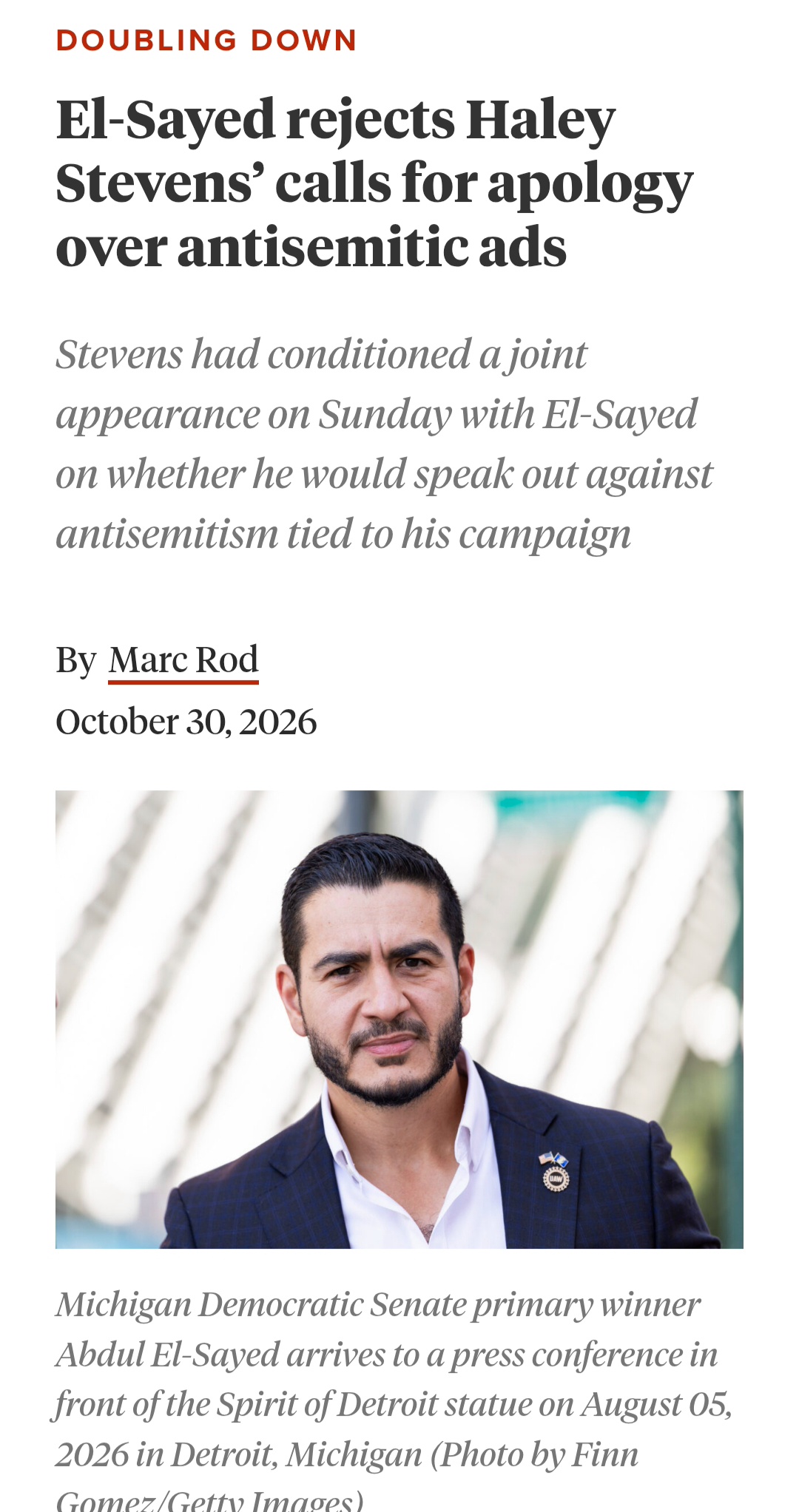
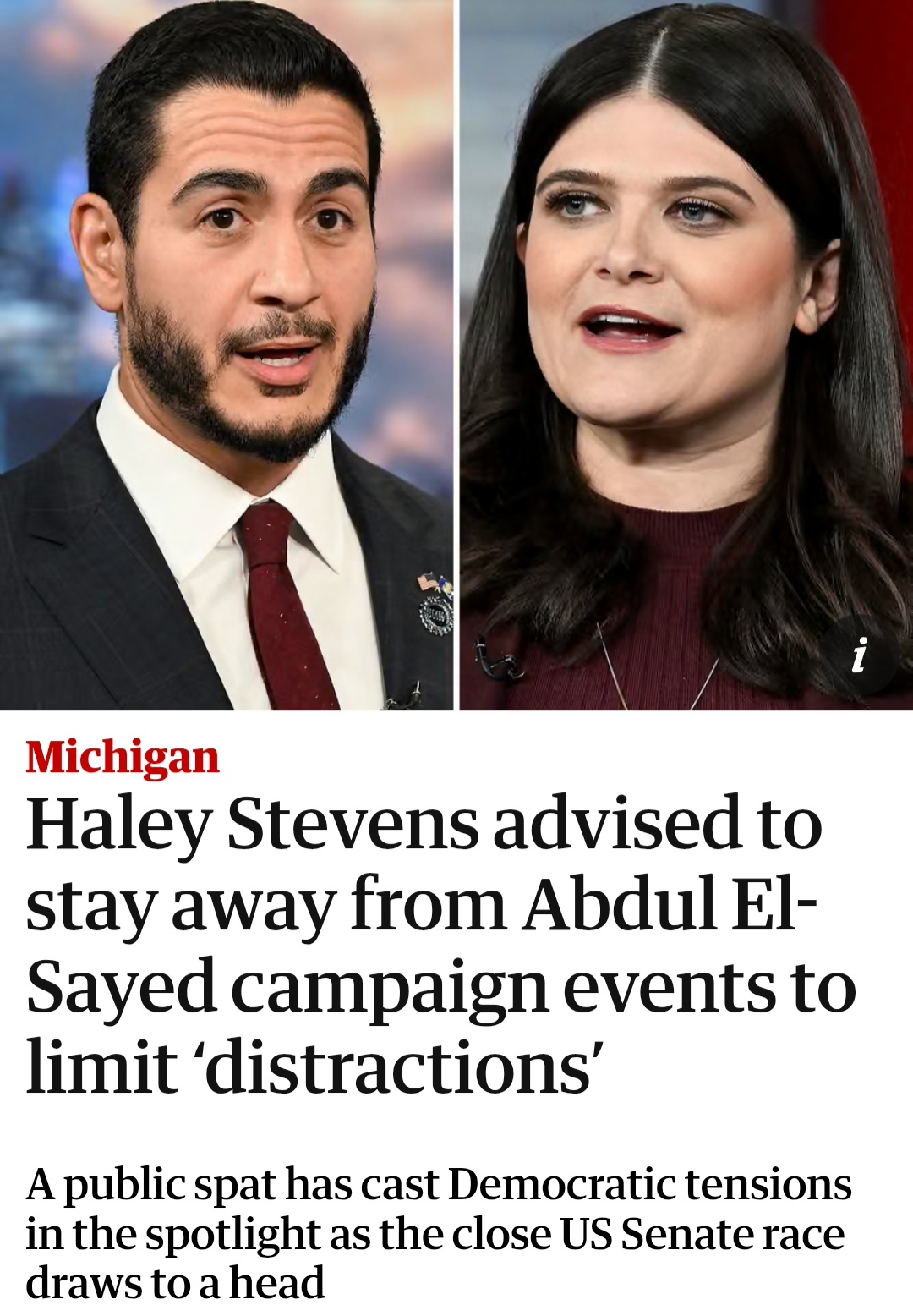
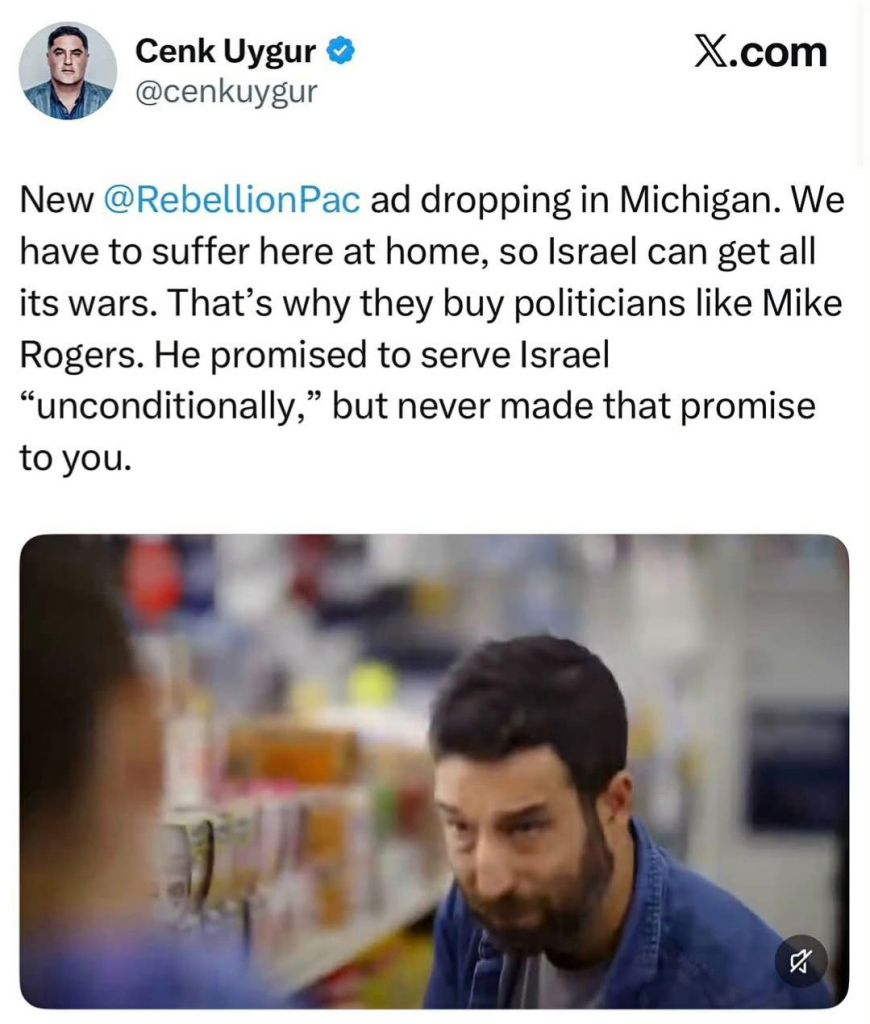
In Michigan, El-Sayed campaigned with Hasan Piker, whose statements about Jews have drawn widespread condemnation. Cenk Uygur’s Rebellion PAC subsequently promoted an advertisement blaming American support for Israel for rising grocery prices and other economic hardships. Democratic Congresswoman Haley Stevens called the advertisement antisemitic and demanded that El-Sayed condemn it.

El-Sayed said the advertisement was produced independently of his campaign and that he disagreed with its contents. But when Stevens continued pressing the issue, she was told to stay away from campaign events. She ultimately endorsed Republican Mike Rogers.

Senate Democratic leader Chuck Schumer called her decision a ““despicable betrayal,” and other Democrats joined the denunciations. The political establishment was more interested in punishing Stevens for breaking party ranks than confronting antisemitism.

That is precisely the danger Lewis identified.

First, supporters overlook objectionable rhetoric because they believe in the larger cause. Then they defend the politicians who tolerate it. Eventually, they attack the people who refuse to make the same exceptions.

Each compromise makes the next one easier.

This is not simply the familiar horseshoe theory, in which the far left and far right meet at the extremes. Tucker Carlson and Hasan Piker occupy different political worlds, yet both have promoted troubling rhetoric about Jews and become mouthpieces for El-Sayed. Lewis understood the deeper problem: political allegiance can corrupt moral judgment from either direction.

And here is where his story takes on a new dimension in 2026.

In The Screwtape Letters, Wormwood was assigned to corrupt one man. Today, political movements and social media can turn individual moral compromise into the mass propagation of moral compromise. Supporters rationalize objectionable rhetoric, persuade others to accept it and reward those who join them. Each newly persuaded follower can recruit thousands more.

Evil no longer advances one conscience at a time. It multiplies.

Lewis’s Patient ultimately escaped the demons. But in today’s politics, the danger is that the Patient never realizes he has become Wormwood himself.

When you support a Nazi, you are not clean when leaving the polling station. “Allegiance to party” has a ring of Nazi Germany for a reason.
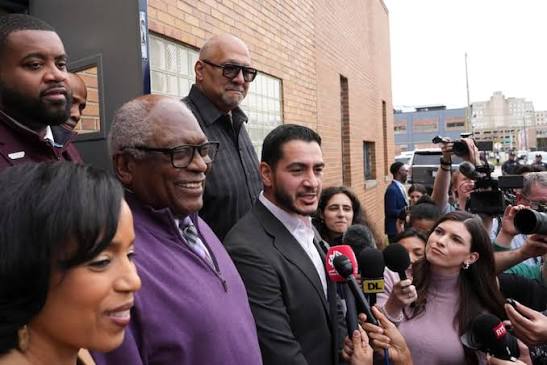
Smiling Democratic politicians rally behind Abdul El-Sayed after fellow Democrat Haley Stevens endorses Republican opponent for Senate because El-Sayed’s campaign was awash in public antisemitism

The New York Times Participates in Antisemitism as It Attempts to Whitewash It to Protect El-Sayed and the Democratic Party

Democratic Congresswoman Haley Stevens did something extraordinary on November 1, 2026. Two days before the election, she endorsed Republican Mike Rogers over her own party’s Senate nominee, Abdul El-Sayed, who had defeated her in Michigan’s Democratic primary.

She explained why.

“We have to stand with country. We can’t stand with hate. We can’t stand with Hasan Piker.”

Stevens specifically condemned Piker, warning about his influence on college campuses and the hatred being spread to young people.

Piker is no obscure activist. The internationally followed livestreamer reaches millions online, appears at universities and campaigns alongside prominent Democrats, including El-Sayed at an April rally at the University of Michigan.

Days before Stevens’ endorsement, Piker had compared West Bloomfield, a heavily Jewish Detroit suburb, to a Ku Klux Klan neighborhood. “It’s racial supremacy. It’s Jewish supremacy,” he declared.

This was the same community where a synagogue and preschool had been targeted in an attempted terrorist attack earlier in the year.

Piker has a long history of stoking Jew hatred and had previously described Israeli and Orthodox Jews as “inbred” and “psychopaths,” compared Jews in Judea and Samaria to the KKK and repeatedly invoked Jewish supremacy. His rhetoric had traveled well beyond Michigan, gaining enormous audiences and legitimacy through appearances alongside political candidates.

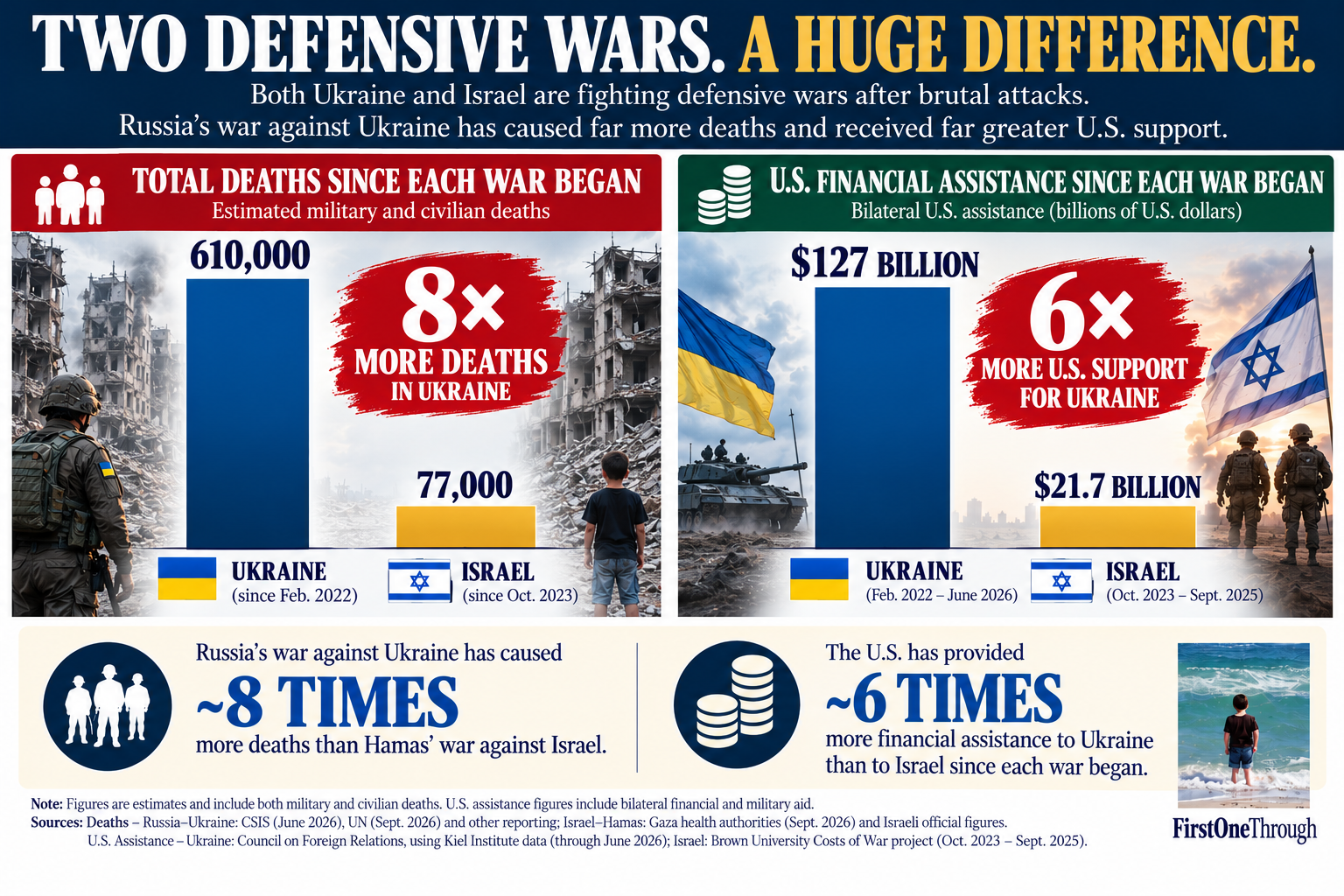
El-Sayed had proudly campaigned with Piker before distancing himself from some of his statements. Another controversy involved Cenk Uygur, whose advertisement linked rising grocery prices to American assistance to Israel, even though annual military spending to it is less than 5% of what America spends on its military abroad, and has sent six times as much money to Ukraine for its defensive war against Russia as the US sent to Israel for its defensive war against genocidal Palestinian Arabs. Stevens condemned the advertisement as antisemitic. El-Sayed only disavowed its message.

Stevens nevertheless concluded that she could not support him.

Then came The New York Times.

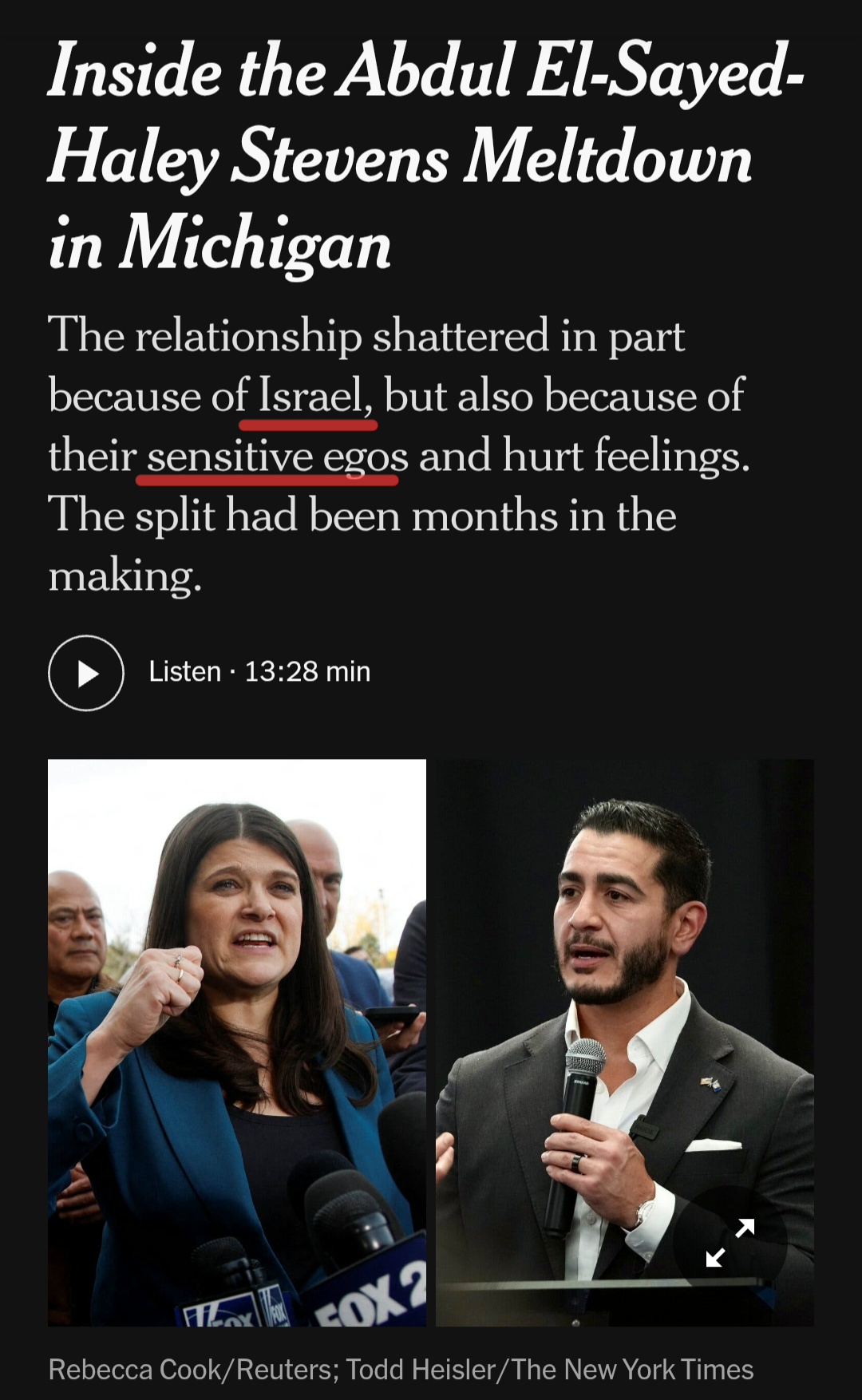
Its article, “Inside the Abdul El-Sayed-Haley Stevens Meltdown in Michigan,” explained in the subheading that the relationship had shattered partly because of Israel, “but also because of their sensitive egos and hurt feelings.”

Sensitive egos? Hurt feelings?

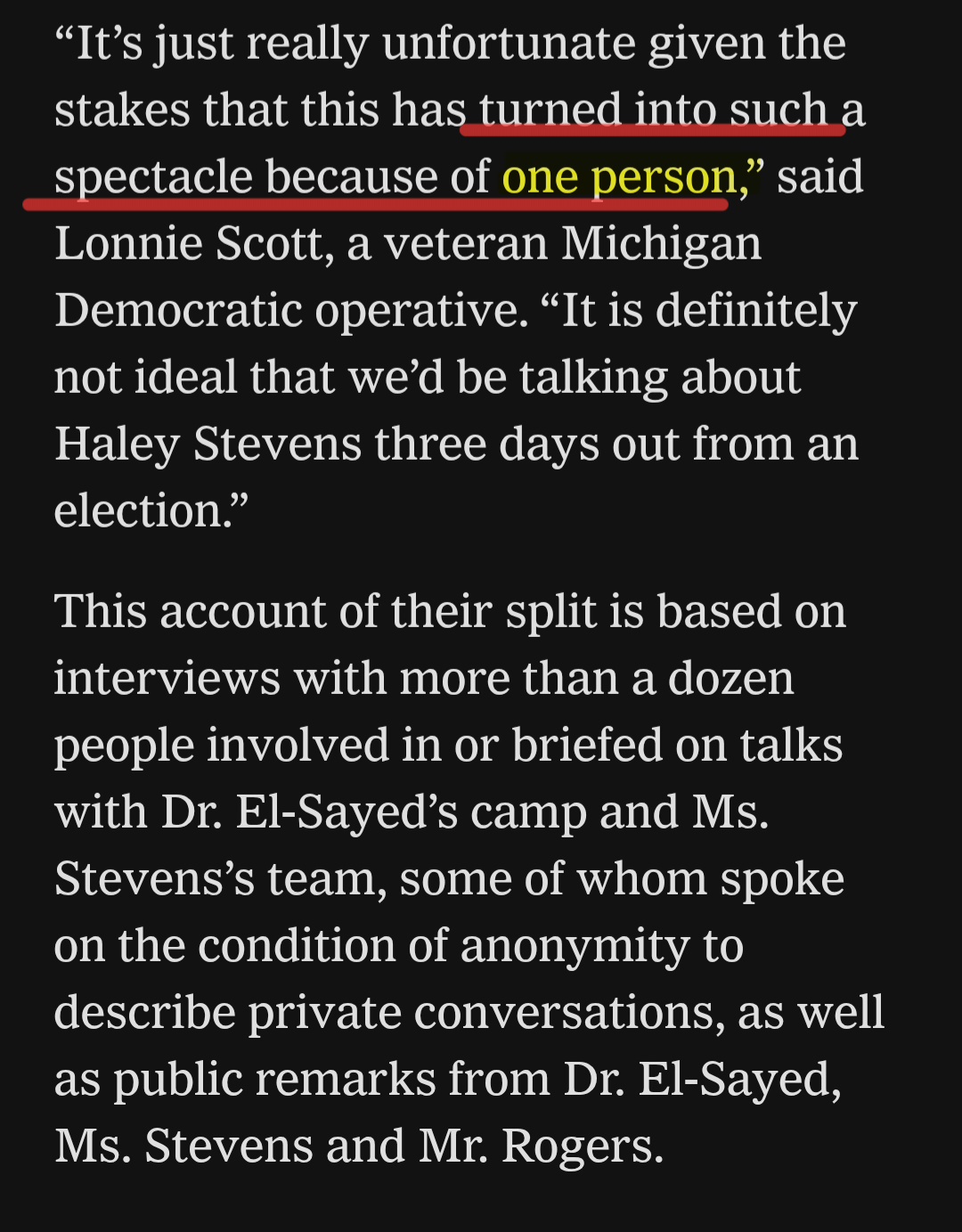
The newspaper described Stevens as “still absorbing her primary loss” and feeling “scorned” by El-Sayed’s failure to include her in campaign events. It quoted a Democratic operative blaming the spectacle on “one person”—Stevens.

One person? What about the Jews who were being attacked?

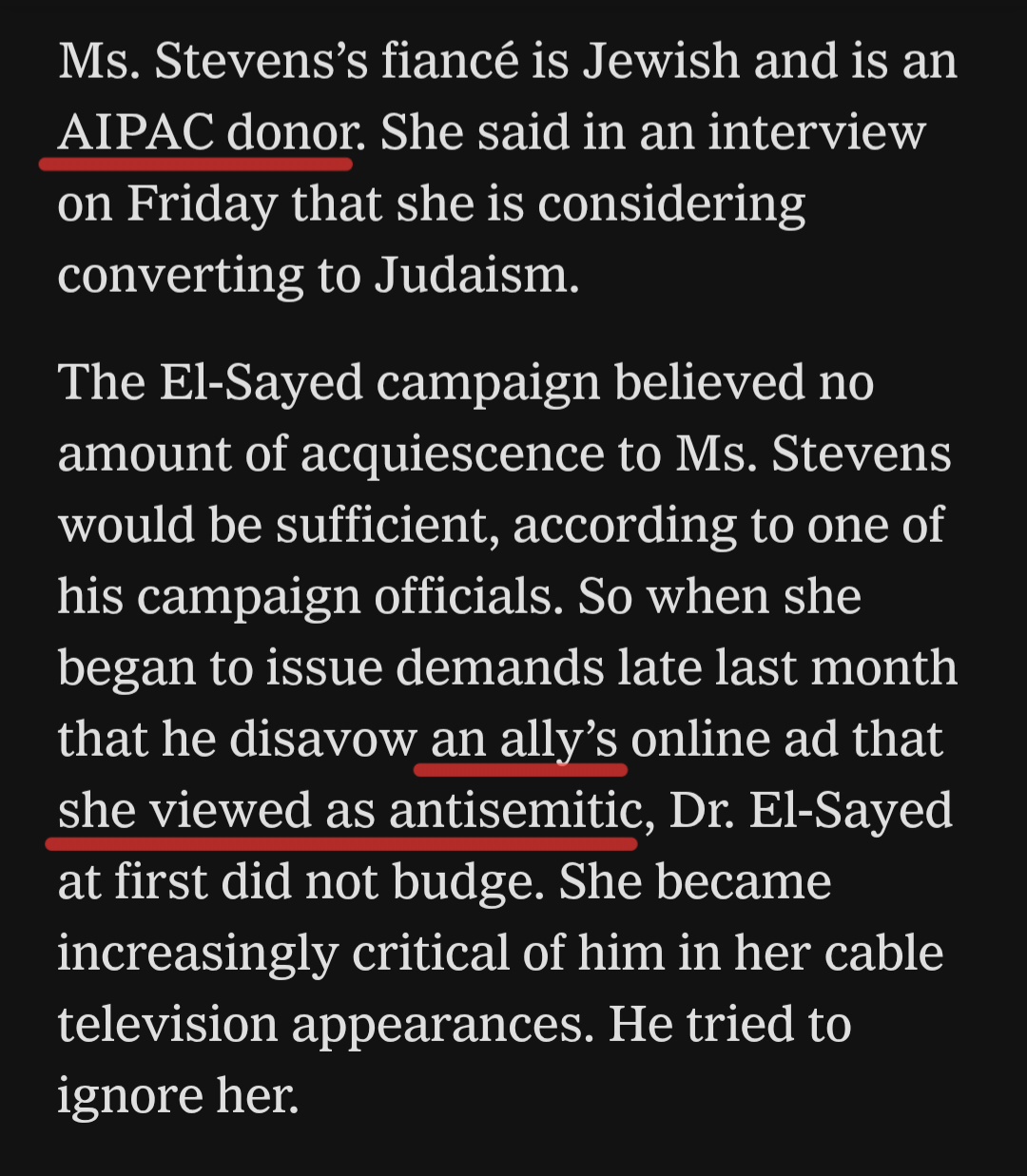
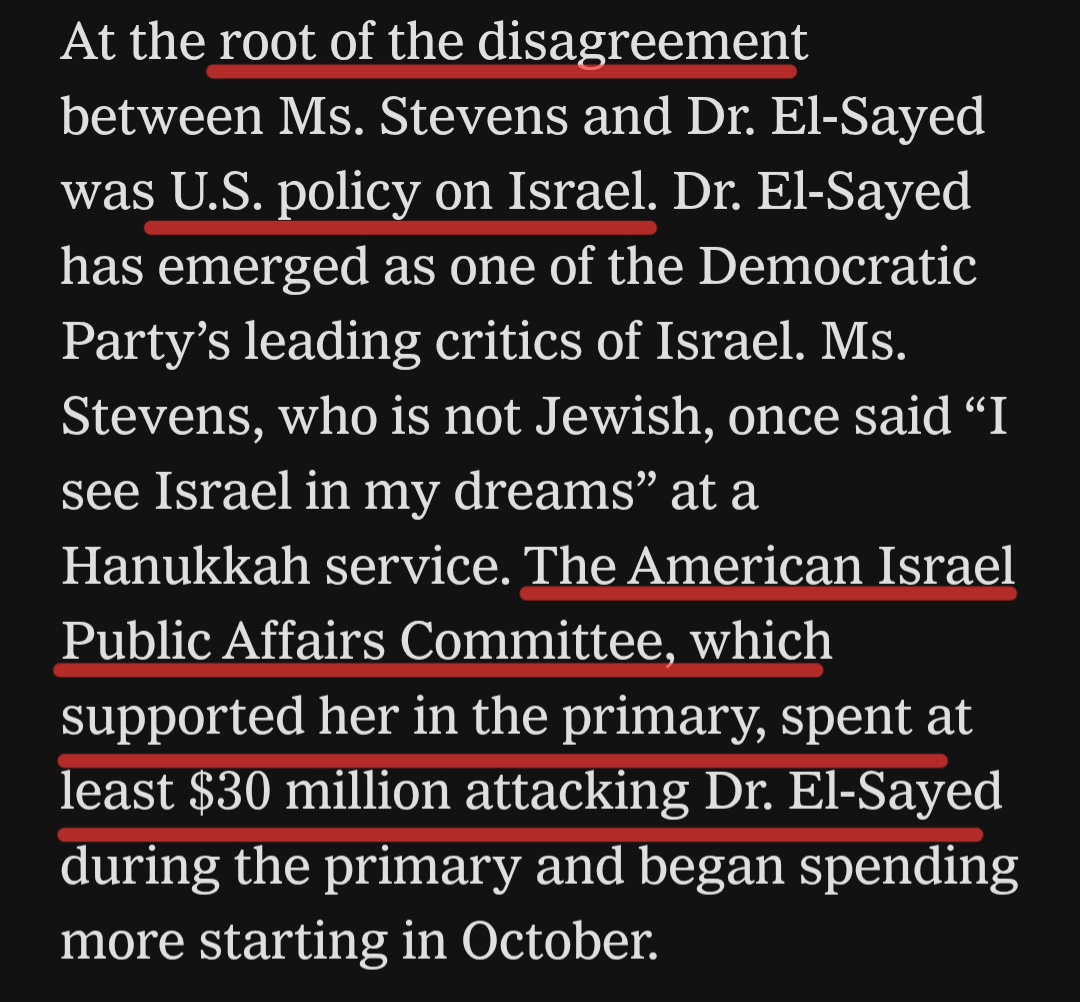
The Times declared that “at the root of the disagreement” was American policy toward Israel. It detailed AIPAC’s spending against El-Sayed, Stevens’ attachment to Israel, her Jewish fiancé, his donations to AIPAC and her consideration of converting to Judaism.

Yet it never named Hasan Piker, whom Stevens repeatedly condemned, or Cenk Uygur, whose advertisement had sparked another confrontation. Uygur became merely “an ally.”

Most remarkably, the only time the word “antisemitism” or “antisemitic” appeared was when this so-tarred overly sensitive person said that “she viewed” the ad as antisemitic when in fact it was widely viewed as antisemitic, even among Democratic politicians.

The newspaper had plenty to say about Stevens’ feelings, Israel, AIPAC and Jewish connections. It could not bring itself to name the hatred at the center of her objections.

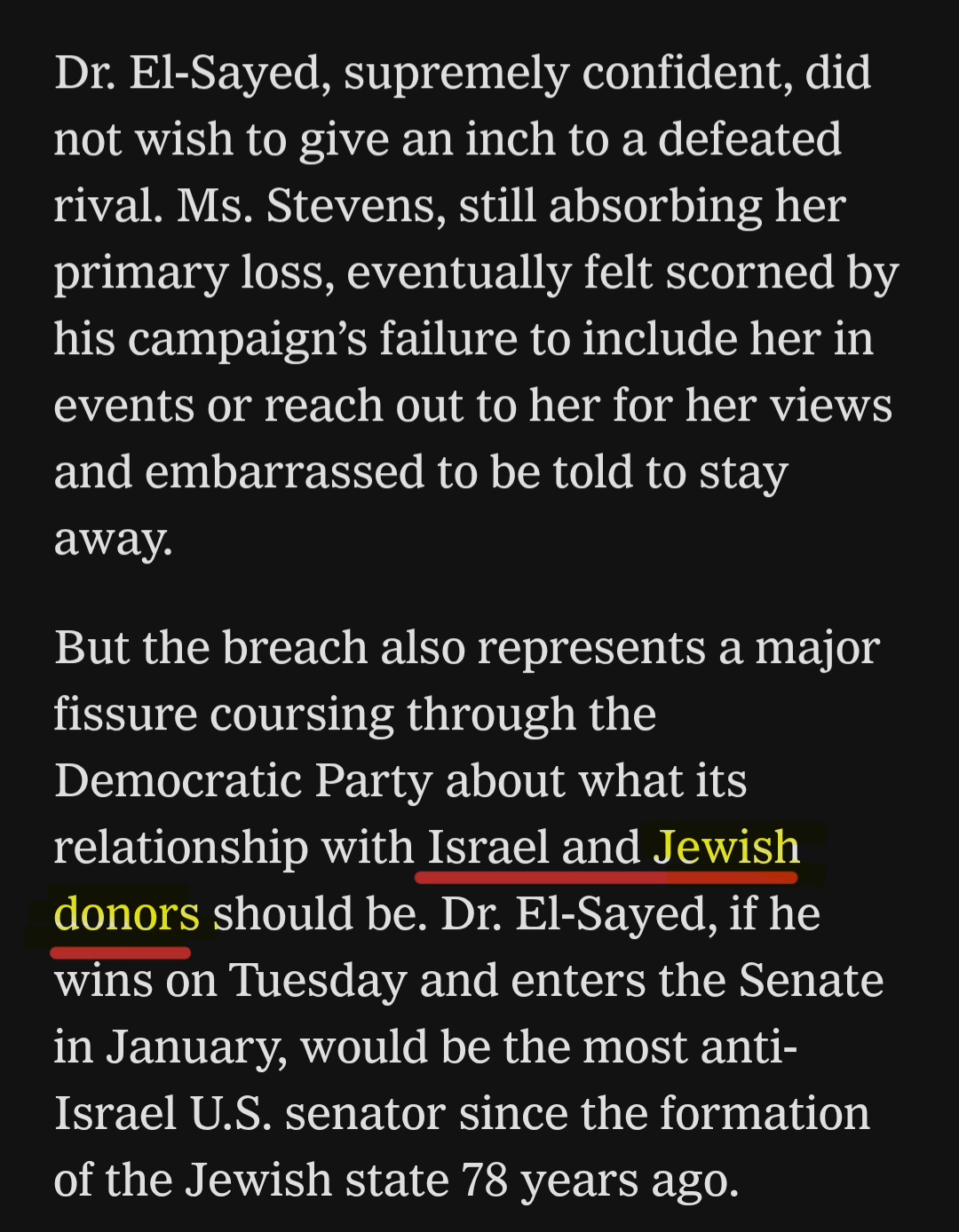
Instead, the Times described the rupture as reflecting “a major fissure coursing through the Democratic Party about what its relationship with Israel and Jewish donors should be.”

Jewish donors.

Not Jews being attacked. Not the normalization of antisemitic rhetoric. Jewish donors.

Piker himself had accused Stevens of being “weirdly obsessed with Israel” and having been “paid handsomely for this strange obsession.” The Times did not repeat his accusation, but its framing likewise directed attention toward Jewish money and influence rather than the hatred Stevens condemned.

This is how antisemitism becomes mainstream. The New York Times did not need to endorse Piker’s hatred to reinforce its underlying prejudices. By reducing objections to antisemitism to hurt feelings and Jewish concerns about safety to money and influence, the newspaper helped normalize the very hostility Stevens was protesting.

The Times was no longer simply reporting on attacks against Jews. It had become a participant in perpetuating them.

Why Are Democrats Asking Jews to Sacrifice Themselves to Save Their Party?

What brings together a far-left streamer, a right-wing nationalist and a progressive Democrat running for the United States Senate? Hostility toward Israel and Jews.

Abdul El-Sayed calls his campaign Michigan First. A more fitting slogan would be El-Sayed First or Jews Never.

El-Sayed campaigned alongside Hasan Piker, the influential left-wing streamer who compared heavily Jewish West Bloomfield, Michigan, to a Ku Klux Klan neighborhood. Piker took aim at a Jewish community in a state already shaken by an attack on Temple Israel earlier this year, in which El Sayed dismissed the antisemitism of the attacker saying “hurt people hurt people.”

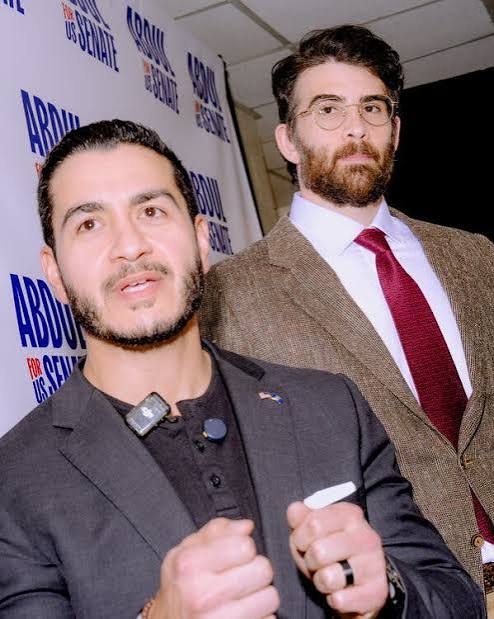
Two men standing in front of a campaign banner. One man, in a black suit, is speaking passionately with clenched fists, while the other man, in a brown blazer and red tie, looks on attentively.
Hasan Piker stumping with Abdul El Sayed

El-Sayed also featured Tucker Carlson, the right-wing nationalist who has promoted antisemitic conspiracy theories and given a platform to Holocaust revisionism, in campaign advertising attacking Republican Mike Rogers.

El-Sayed received support from Imam Hassan Qazwini, who has claimed Israel created ISIS and praised a Hezbollah leader. Qazwini urged his congregation to vote for El-Sayed as a religious duty.

Cenk Uygur‘s Rebellion PAC produced an advertisement blaming Americans’ economic hardships on support for Israel, recycling the antisemitic conspiracy that Jews and their state are responsible for ordinary people’s suffering.

Different political camps, united by a common target – Jews and the Jewish State – urging voters to elect Abdul El Sayed to be a senator in Michigan.

Not every Democrat was willing to look away.

Michigan Congresswoman Haley Stevens, who endorsed El-Sayed after losing the primary, demanded that he remove the Carlson advertisement. Senator Elissa Slotkin condemned the PAC commercial. Former House Speaker Nancy Pelosi challenged El-Sayed’s opposition to a Jewish state.

CNN commentator Van Jones called the PAC advertisement anti-Jewish hate, warning of the historical consequences of blaming Jews for society’s problems. Jones refused to choose which minority deserved protection based on the politics of the moment. His standard was the same for both.

Yet Stevens was reportedly asked to stay away from El-Sayed’s campaign events. Supporting the Democratic nominee was apparently insufficient. She was also expected to remain silent.

Michigan Attorney General Dana Nessel, herself Jewish, went further. Speaking to Jewish Democrats, she invoked a moral obligation to sacrifice the comfort, safety, security and even the future of their own people for the opportunity to save humanity.

Who gave Democrats the authority to decide that Jews must sacrifice their security for the party’s political ambitions?

Democrats like Senator Chris Murphy have turned the argument upside down, branding criticism of El-Sayed as Islamophobia while failing to confront the antisemitism surrounding his campaign. The candidate becomes the victim, his critics become the bigots, and Jewish Americans are expected to remain silent.

Congresswoman Debbie Dingell urged Democrats not to let the controversy surrounding Hasan Piker divide the party ahead of November. Party unity was apparently more important than confronting the rhetoric that provoked the controversy.

The burden has been reversed. Instead of demanding that El-Sayed answer for the extremists he embraces, Democratic leaders are asking Jewish Americans to explain why they cannot simply accept them. The candidate’s associations become secondary; the Jews who object become the political problem.

Democrats have spent years insisting that politicians are responsible for the extremists they embrace, applying that standard relentlessly to Donald Trump. Why should El-Sayed be exempt?

If a politician embraces / welcomes / ignores the notorious bigots to get elected, why should anyone vote for him? If a political party demands that Jews tolerate antisemitism to secure victory, why should any minority trust that party to defend its rights?

A party that unites around hatred of Jews is not a party worth defending, voting for or belonging to. It is not even a party worth preserving.

If saving democracy requires sacrificing the rights and security of Jews, what exactly is being saved?

Related:

Michigan’s Slide on Israel (April 2021)

El Sayed’s Ad Is Designed To Be Antisemitic

A political ad backing Abdul El-Sayed tells Michigan families that America’s support for Israel is part of the reason they cannot afford groceries. It turns Israel into the culprit for economic pain and casts Americans who support Israel as politicians bought by a foreign power, choosing Israel over their own neighbors. That is the old dual-loyalty smear dressed up as a grocery-price argument.

“Even though the rage of the people sometimes flares high against the eternal blood-sucker [Jew], it does not in the least prevent him from reappearing in a few years in the place he had hardly left and beginning the old life all over again. No persecution can deter him from his type of human exploitation, none can drive him away; after every persecution he is back again in a short time, and just the same as before.” – Adolf Hitler, Mein Kampf

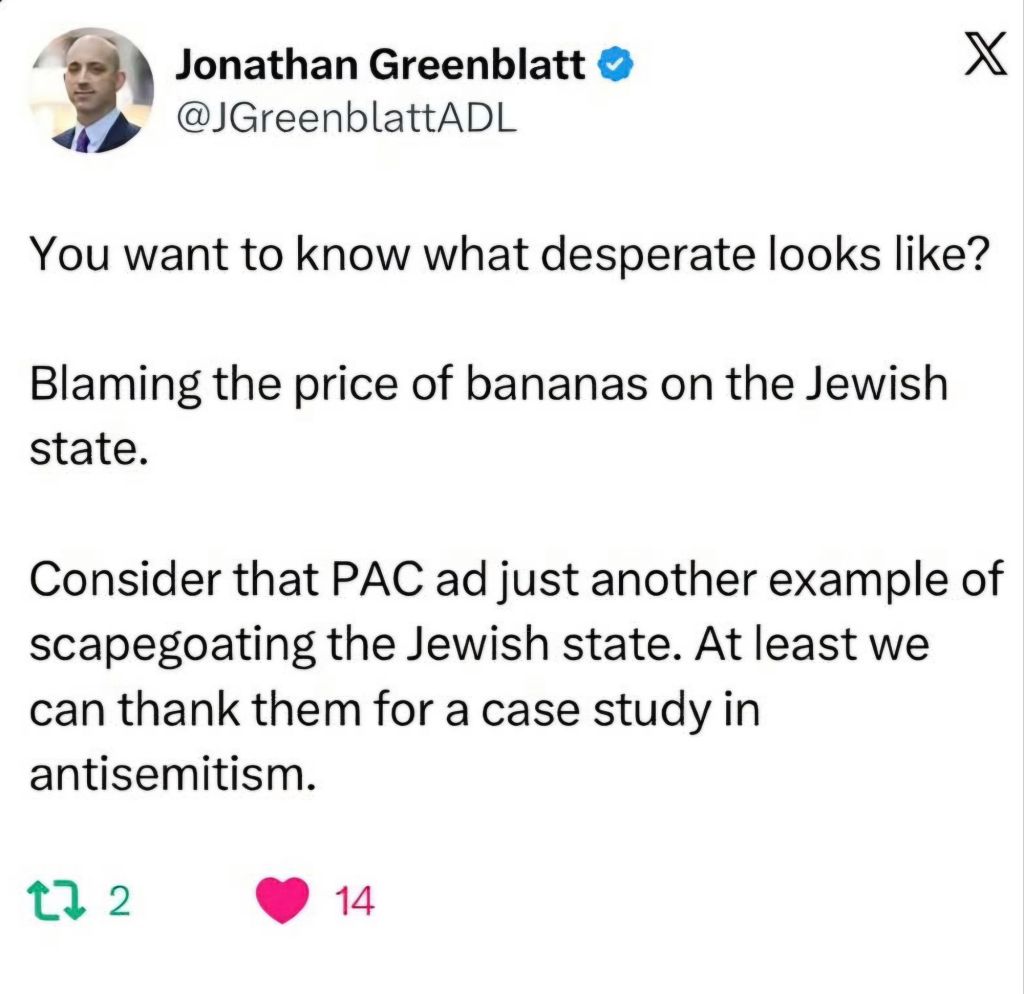
The ad comes from Rebellion PAC, founded by Cenk Uygur. It links U.S. aid to Israel and the war in Gaza to the cost of food, while accusing Republican Mike Rogers of putting Israeli interests ahead of Michigan families. The Anti-Defamation League’s Jonathan Greenblatt condemned the ad as scapegoating Israel.

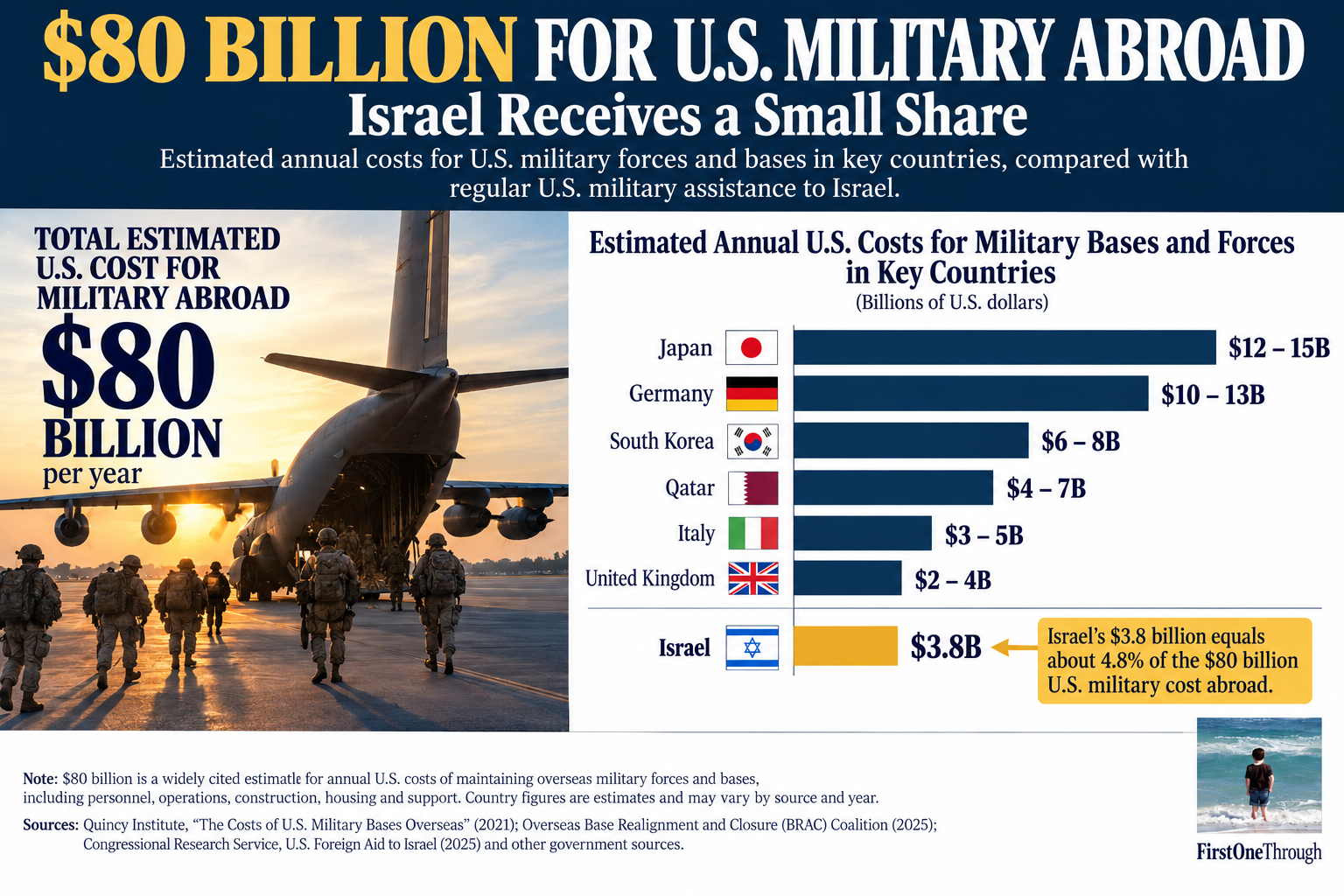
The figures expose the absurdity of the accusation. The United States spends an estimated $80 billion annually to maintain its military presence abroad. Japan, Germany, South Korea, Qatar, Italy and the United Kingdom together account for tens of billions of that cost. Israel receives $3.8 billion in regular annual military assistance – less than five percent of the $80 billion estimate. The ad singles out Israel while ignoring the vastly larger cost of America’s global military posture.

The Ukraine comparison is just as revealing. Since the wars began, the United States has provided roughly $127 billion in assistance to Ukraine, compared with $21.7 billion in military aid to Israel—about six times as much for Ukraine. The Russia-Ukraine war has caused an estimated 610,000 deaths, compared with roughly 77,000 in the Israel-Hamas war. That is about eight times as many deaths in Ukraine.

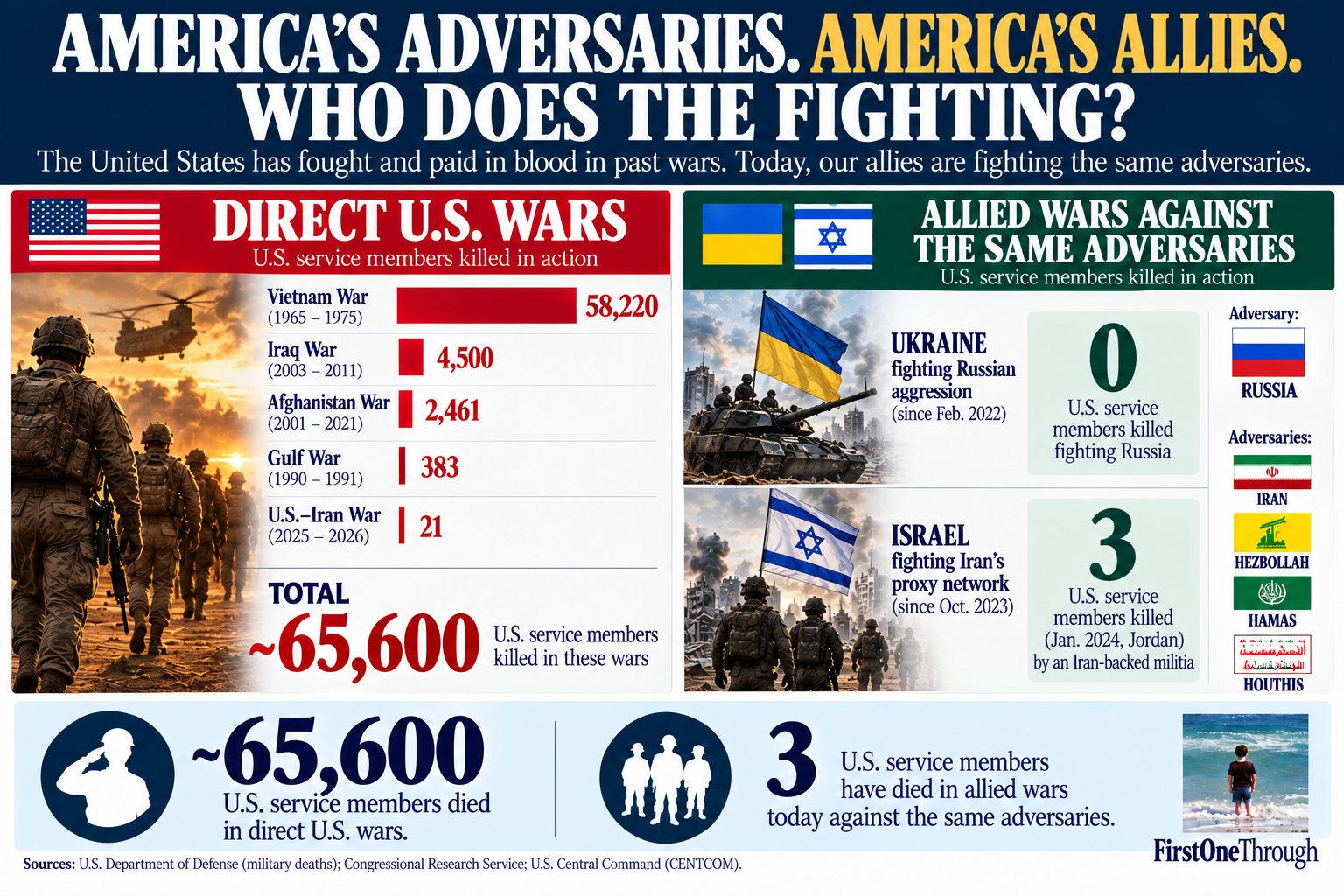
America’s own casualty record sharpens the contrast. More than 65,000 U.S. service members died in the recent direct wars: Vietnam, Iraq, Afghanistan, the Gulf War and the U.S.-Iran war. In the wars Ukraine and Israel are fighting against America’s adversaries, three American soldiers were killed in Jordan by an Iran-backed militia.

The ad offers no evidence that aid to Israel drives grocery prices. Instead, it directs public anger at Israel and at Americans who support its right to defend itself. It turns pro-Israel sentiment into an accusation of disloyalty: if you support Israel, you are supposedly taking food from American families.

Dana Nessel, a fellow Michigan Democrat – who has endorsed El-Sayed – has already warned her party to stop making Israel and AIPAC the villains in every political story.

Cenk Uygur’s PAC turns grocery prices into an indictment of Israel. His nephew, Hasan Piker, supplies the online megaphone. Zohran Mamdani and El-Sayed give this politics electoral respectability. The message running through it is profound Jew hatred: Jews who support Israel are foreign agents, their loyalty is suspect, and their political participation is a threat to ordinary Americans.

Hasan Piker (right) campaigning with Abdul El-Sayed

“Trade and all money business he considers his very own privilege, which he exploits ruthlessly. Financial business and trade have become altogether his monopoly.” – Adolf Hitler, Mein Kampf

If this was all about money to foreign countries, if it was all about military spending, if it was all about people being killed, the ad would have mentioned Japan and Germany and Qatar and Ukraine. But it only mentioned one conflict, one country, and featured one government: Israel, and targeted its supporters.

Nessel has told them to stop. Jewish groups have told them to stop. Instead, they are doubling-down as elections approach.

Every Democrat who stays silent while Zionists are cast as the cause of Americans’ financial hardship helps make antisemitism acceptable. Voting for these candidates and promoting their backers accelerates the demonization of Jews.