
On May 23, 2025, France said it is “determined to advance the implementation of the two state solution.” The June conference in New York that it will chair with Saudi Arabia titled “the International Conference for the Peaceful Settlement of the Palestinian Question and the Implementation of the Two-State Solution” is designed to focus on IMPLEMENTATION. France made clear that it expects “Irreversible steps and concrete measures for its implementation” to make the future a reality.
The combined effort of a western country and the dominant force in the Arab world to spearhead the effort, might lead to a balanced consensus that can help the parties forward. To be successful, the team must be realistic about the goals and constraints of both Israel and Palestinian society, and move on a realistic timeframe. Most importantly, it must work on an ENDURING peace that will last, not simply getting to an agreement.
Here are seven constructive steps that could lead to a stable two-state solution:
1. Disarm All Palestinian Militias
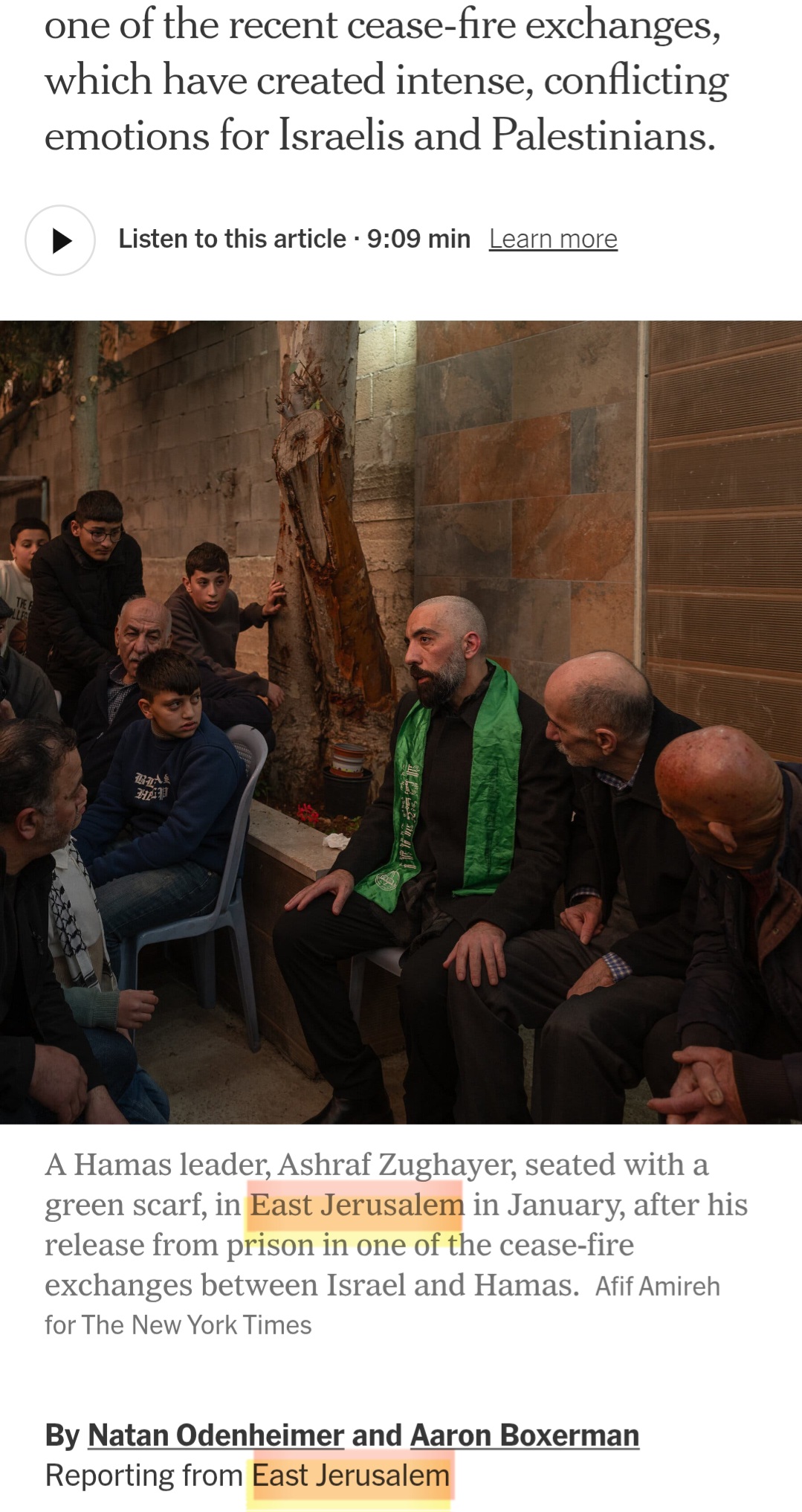
Peace starts with law and order. The Palestinian Authority has no monopoly on violence in the territories it claims to govern. Hamas and Islamic Jihad still run Gaza. In the West Bank, terrorist groups like Lion’s Den and the Jenin Brigades run wild with guns and explosives.
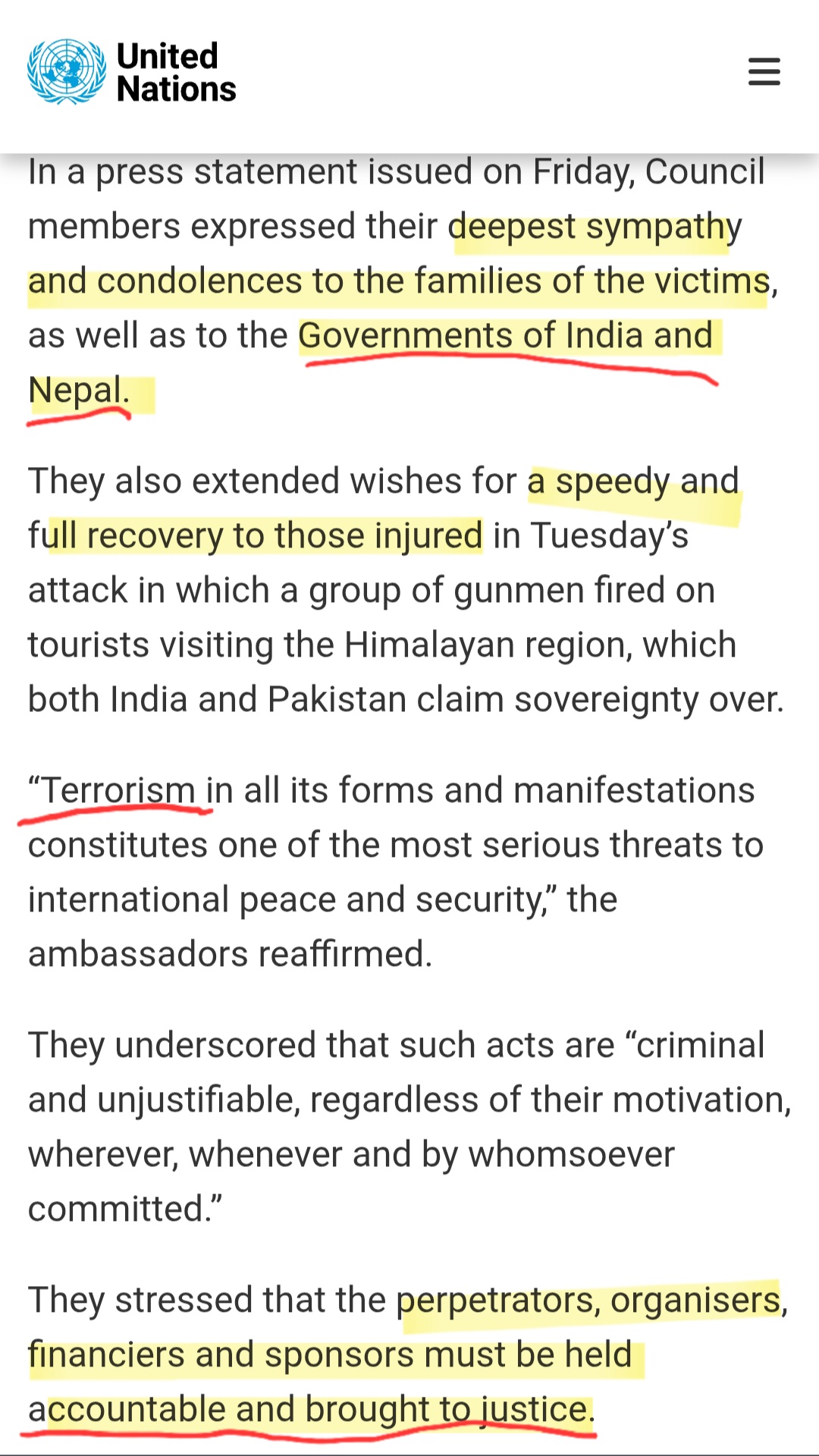
France needs to lead an international push to fully disarm all terrorist militias, not just generic phrases of “condemning violence.” All arms must be placed under the control of the Palestinian Authority (PA), or there’s no point in talking about sovereignty. No state — and certainly not Israel — can accept a terror enclave as its neighbor, as has existed in Gaza since 2007.
2. Elections With Rules
The last Palestinian elections were held when Justin Beiber became legally allowed to drink alcohol. Mahmoud Abbas was elected in 2005… for a 4-year term. He’s now on year 20.
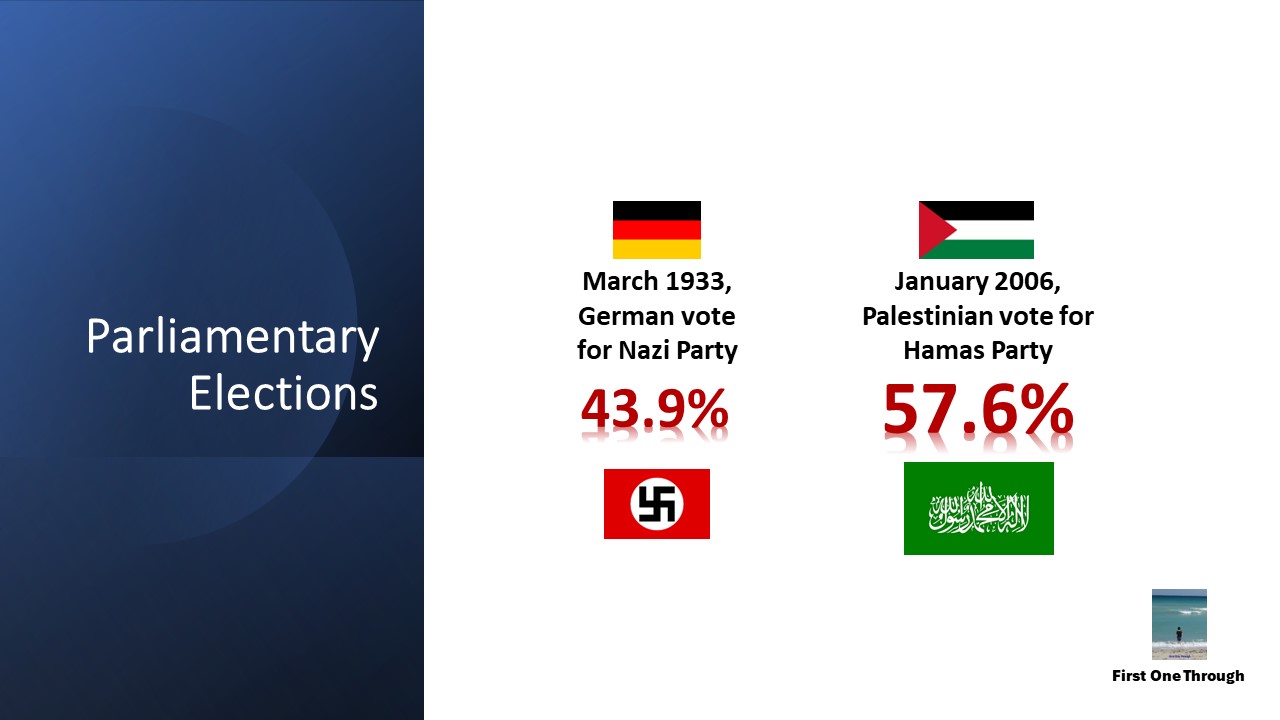
New elections must be held, but not every group gets to play. Hamas — a terrorist organization by U.S., EU, and Israeli designations — should not be allowed to run, just like Nazis weren’t allowed to run in post-war Germany. The party should be outlawed.
France and Saudi Arabia should insist on clear criteria: no party that promotes violence, antisemitism, or the destruction of Israel gets a seat at the table. There is no pathway to an enduring peace if there is an underlying state of war.
3. Reform Education — Stop Teaching Hate
An Enduring Peace isn’t signed on paper; it’s taught in classrooms and instilled in society.
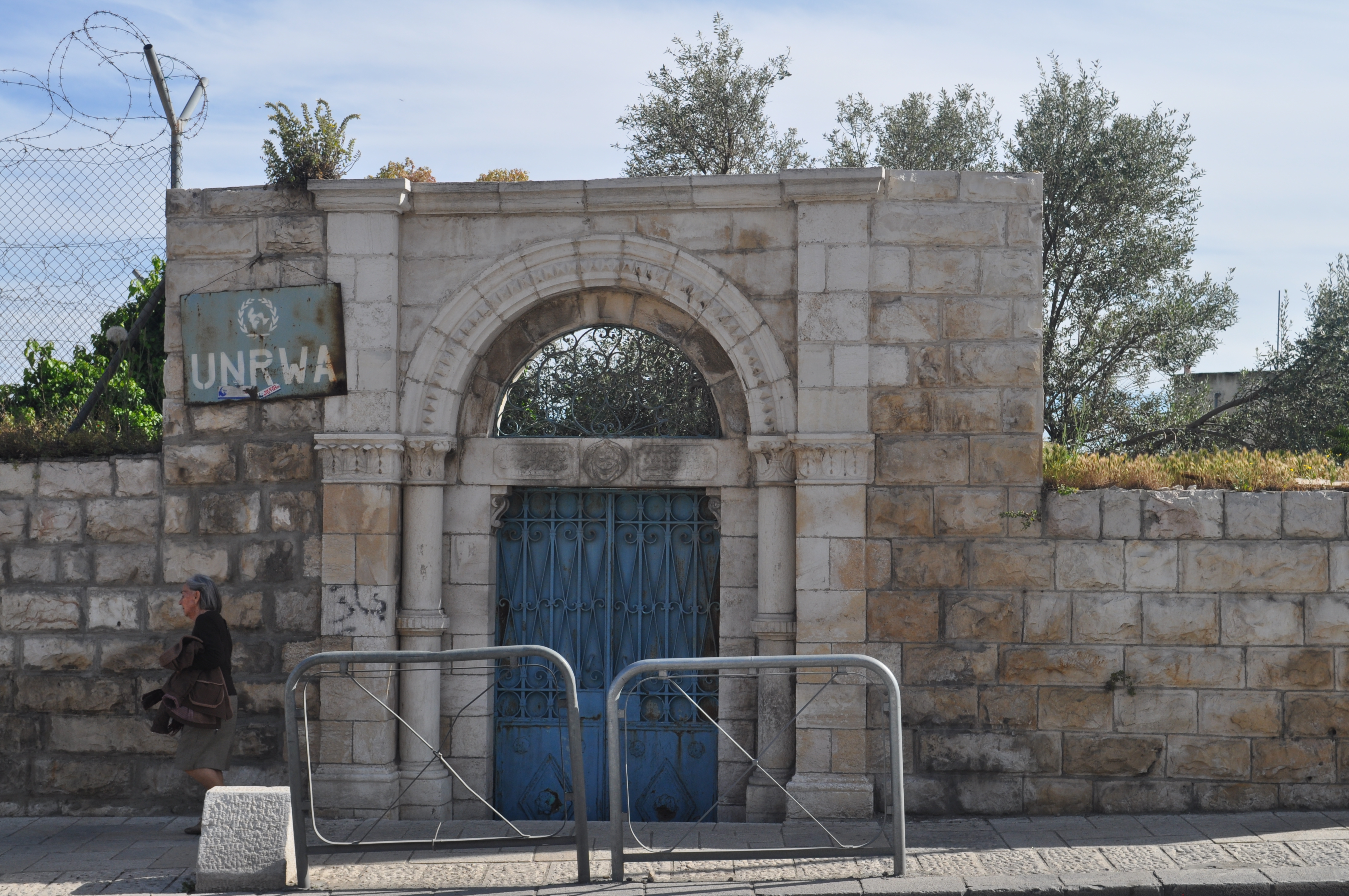
As part of de-Hamasification of Palestinian society, schools — especially and including those run by UNRWA — a complete overhaul of Palestinian education, with international oversight to remove antisemitic and violent content. IMPACT-SE has written about this problem for years, and concrete steps must be taken to allow a future of coexistence.
4. Stop Treating Jews Like Foreigners in Their Homeland
Palestinian schools aren’t the only problem. The United Nations is rank with Jew-hatred and one cannot expect Palestinians to be less anti-Israeli Jews than the global body.
UN Security Council Resolution 2334 outrageously declared that Jews living in eastern Jerusalem and east of the 1949 Armistice Lines with Jordan (E49AL) are somehow illegal — a modern form of antisemitism dressed up in legalese. UNSC 2334 should be renounced and rescinded as part of the steps towards an enduring peace.
France must reject the idea that Jews should be banned from parts of their ancestral homeland. At the same time, to facilitate compromise, a cap on Jewish residents east of the 1949 lines — say 15% of the overall population — could be introduced to avoid major demographic shifts in a future Palestinian state.
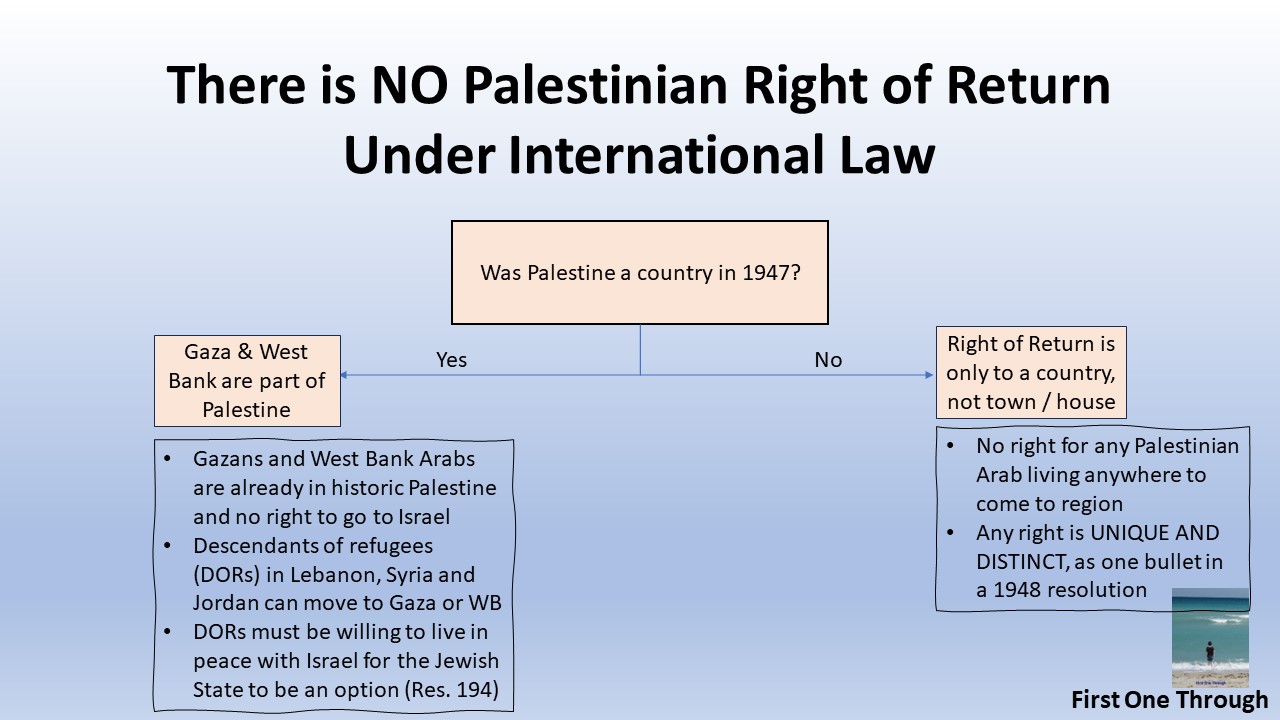
5. End the So-Called “Right of Return”
The Palestinian demand that millions of descendants of refugees be allowed into Israel is not about peace — it’s about destroying Israel demographically. It’s a fantasy rooted in grievance, not reality.
France must take the lead in declaring the Palestinian “right of return” over. In its place, a compensation fund should be set up — funded by Israel, Arab countries that started the 1948 war, and international donors. A similar fund should be set up for the descendants of Jews from Arab countries which were expelled in the decades after 1948. Work should begin now to compile a list of the properties which were lost and the related descendants who will collect associated reparations.
6. tighten the border framework, including jerusalem
The Saudi Peace Plan of 2002 suggested that Israel retreat to the 1949 Armistice Lines — a temporary ceasefire line, not a border. That’s not a starting point. That’s a non-starter.
France and its partners should endorse a realistic territorial framework: borders will fall somewhere between the current Israeli security barrier and the 1949 lines, through mutual negotiations. Land swaps are fine — as long as they reflect demographic realities and security needs.
In regards to Jerusalem, no country divides its capital city and no country places its capital on a border. Jerusalem should remain the capital of Israel, as it has uniquely afforded freedoms for all religions. Saudi Arabia should take over the administration of the Temple Mount from the Jordanian Waqf as part of advancing peace in the Middle East.
7. Shut Down UNRWA — Gradually, Responsibly
UNRWA, the UN agency that was supposed to help refugees, has become a sprawling, corrupt bureaucracy that perpetuates dependency and fuels incitement. Its existence undermines the Palestinian Authority and entrenches the myth of perpetual refugee status.
France and Saudi Arabia should lead the call for a phased shutdown of UNRWA, starting in Gaza and the West Bank. Services should be handed over to the PA — and resettlement should begin for Palestinians in Lebanon, Syria, and Jordan, with annual caps to avoid regional overload.
Bottom Line
France says it wants permanent changes on the ground. Good. The Middle East has had enough of circular negotiations, terrorism-as-usual, and international hypocrisy.
If France is ready to be honest, clear-eyed, and courageous, it can help move the region toward peace. But if it sticks to the same old script — blaming Israel, indulging Palestinian rejectionism, and hiding behind the UN — then we’ll just keep getting the same instability, bloodshed, and failure.
Peace will not be achieved overnight and “concrete” steps must be phased with reality. France and Germany gradually became allies after World War II with the benefit of the deNazification of Germany. Germany even made peace with the Jewish State over time once it was committed to avoid the hatred of its past. An overhaul of the Palestinian mindset and rejection of radical jihadism and goal of eliminating the Jewish State, under the sheepherding of Saudi Arabia can help map a better course for the region.
France must internalize the needed overhaul of the “deformity in Palestinian culture,” to quote James Zogby, President of the Arab American Institute who spoke to the UN in June 2023. Saudi Arabia must overlay the Abraham Accords on top of its 2002 Peace Plan to refine it to account for the reality of the last several years.
The emphasis of the France-Saudi chaired conference must be on the direction, not on the permanence of “concrete” and “irreversible” steps, to find a less violent and just future for the region.
Related articles:
There Is No Basis For A Palestinian “Right of Return” (July 2024)
The Three “Two-State Solution”s (December 2023)
Jerusalem Population Facts (May 2021)
When You Understand Israel’s May 1948 Borders, You Understand There is No “Occupation” (July 2019)
Ending Apartheid in Jerusalem (June 2018)
Arabs in Jerusalem (January 2016)
The Israeli Peace Process versus the Palestinian Divorce Proceedings (June 2015)
The Arguments over Jerusalem (May 2015)






 First One Through