
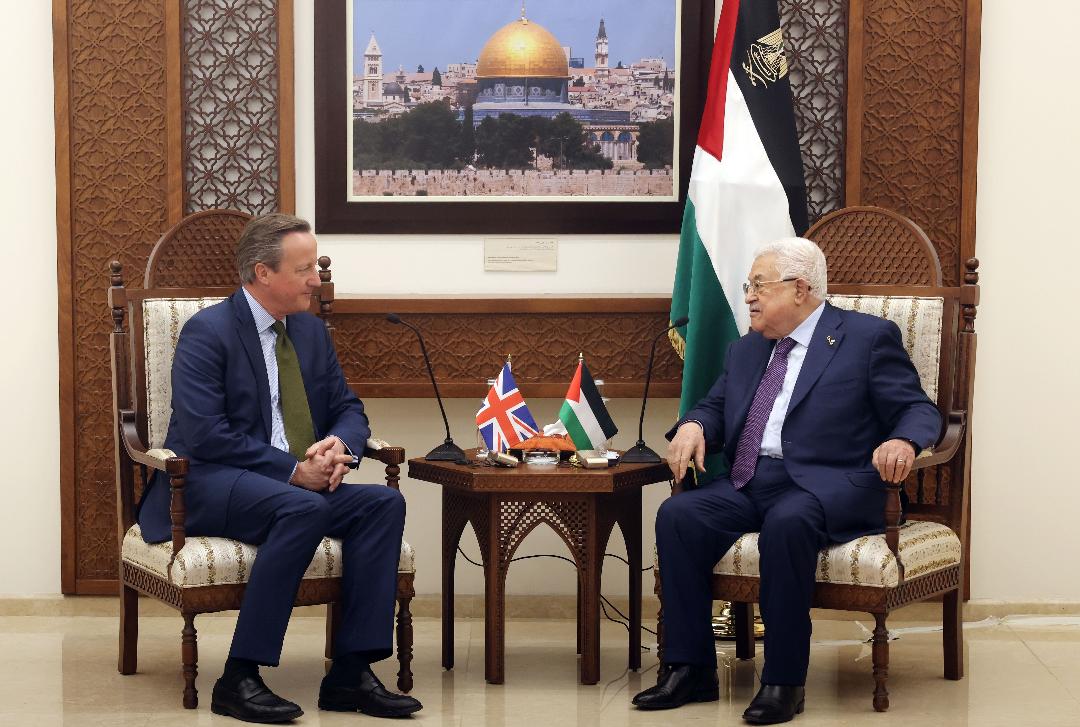
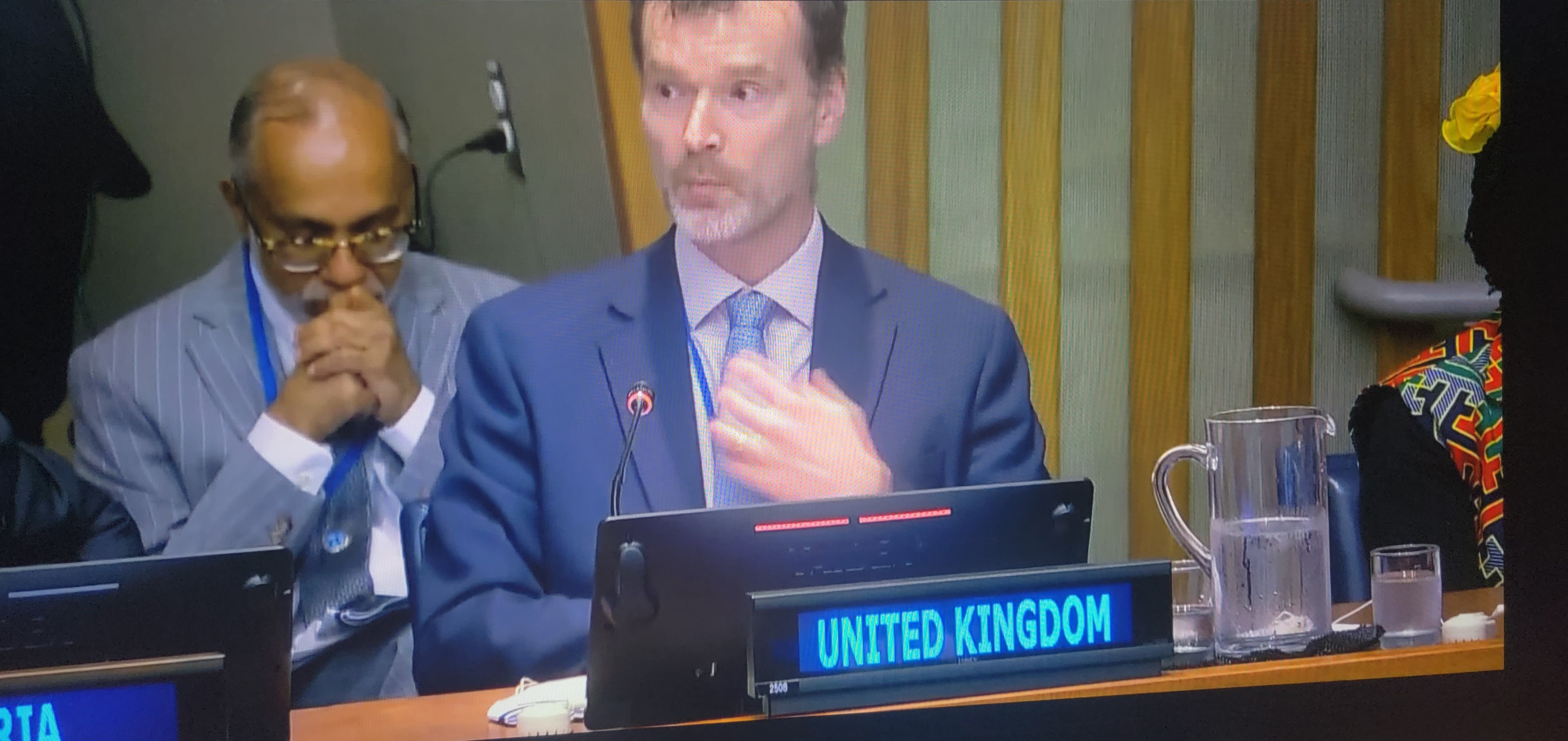
In a recent speech at the United Nations, UK Foreign Secretary David Lammy declared his country was “determined to protect the viability of the two-state solution.” At first glance, this appears to be a standard diplomatic statement. But in elaborating on Britain’s historical role in the region, Lammy offered a revisionist take on the Balfour Declaration that reveals a deep and dangerous misunderstanding of Middle Eastern history—and raises questions about the UK’s current policy stance toward Israel and the Jewish people.
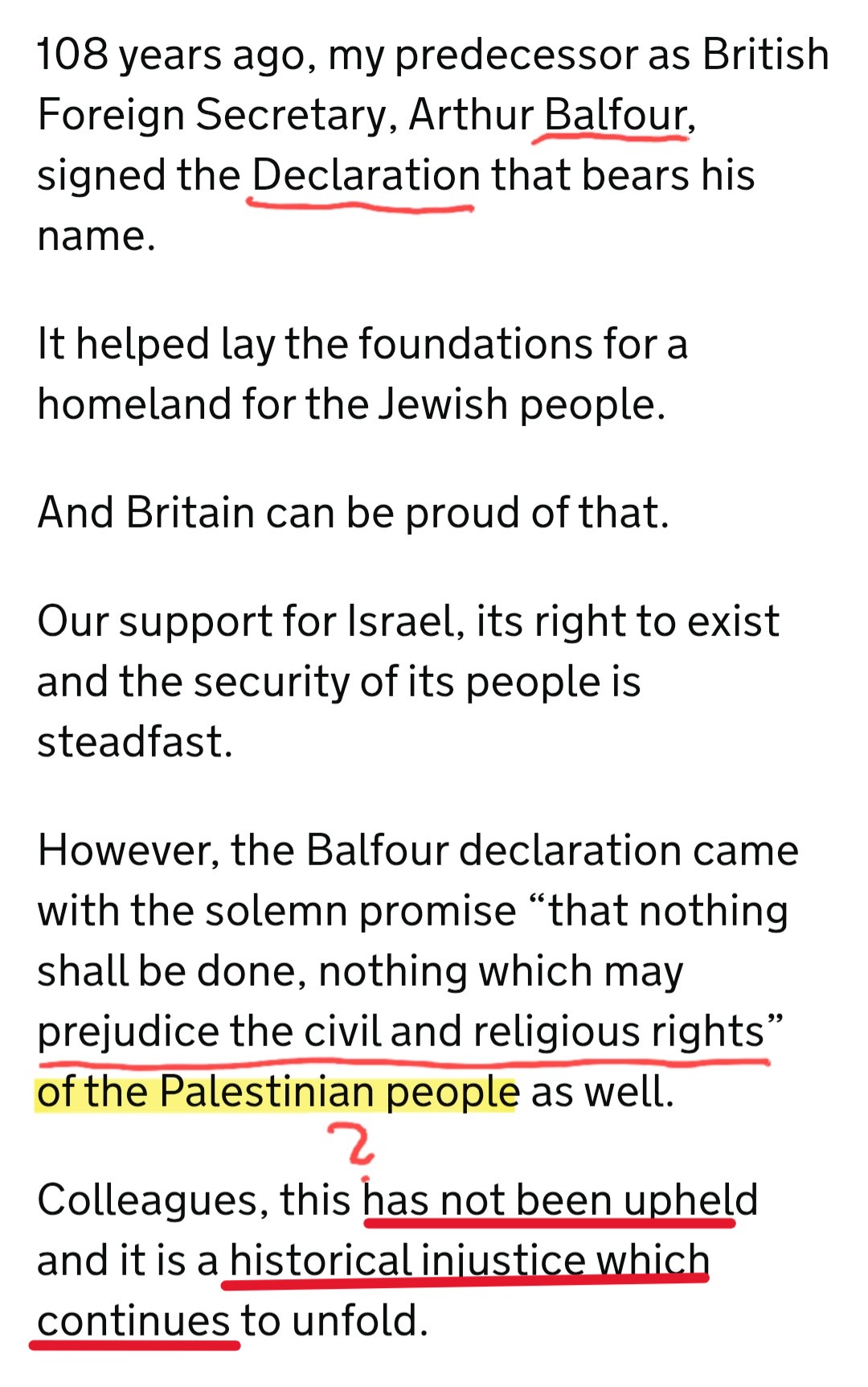
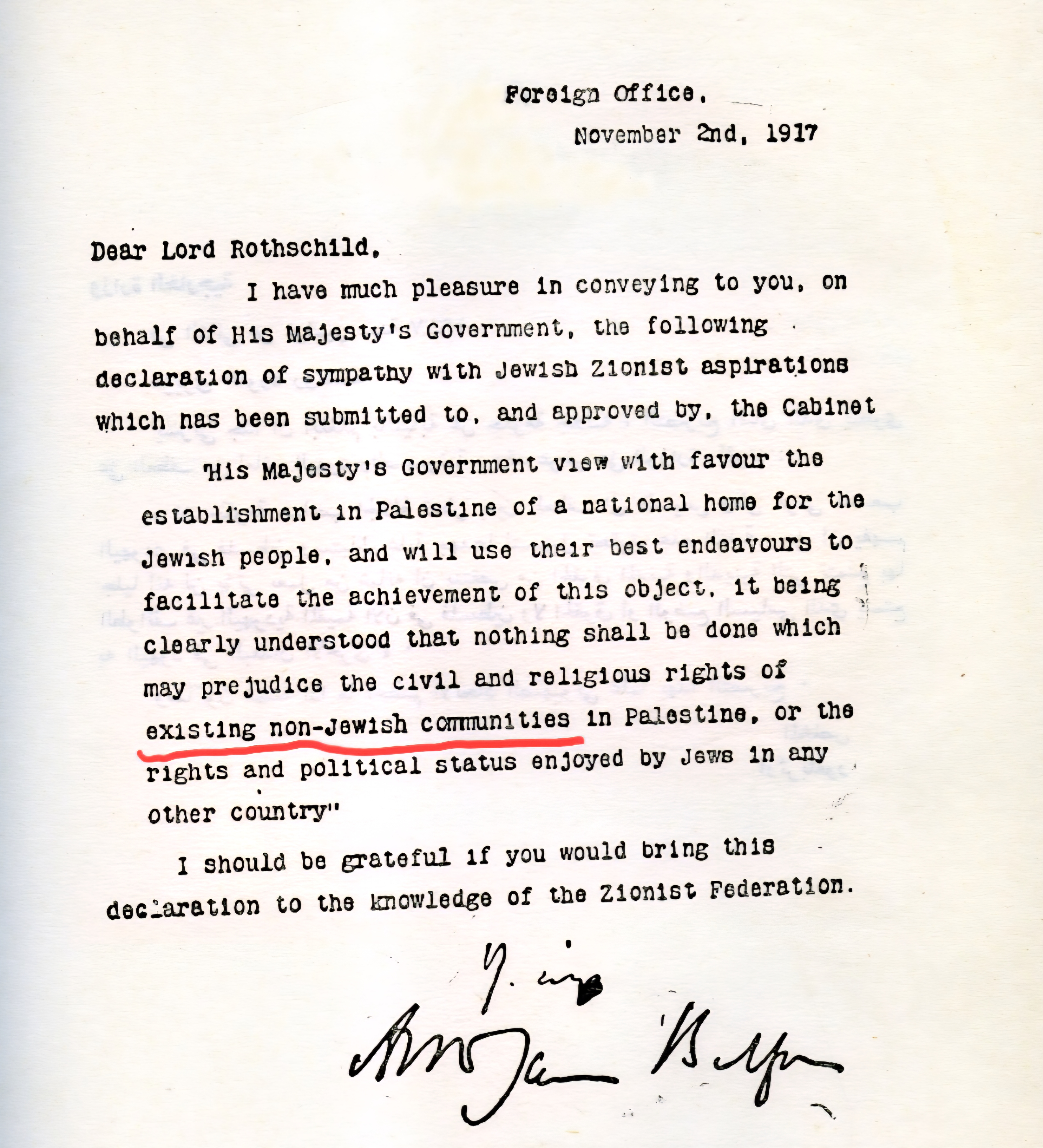
Lammy said the Balfour Declaration came with the “solemn promise that nothing shall be done which may prejudice the civil and religious rights of the Palestinian people.” This phrasing might sound accurate to the uninformed, but in fact, it fundamentally distorts the language and intent of the original 1917 Declaration. The actual text stated that “nothing shall be done which may prejudice the civil and religious rights of existing non-Jewish communities in Palestine.” That is a significant difference—not a matter of semantics, but of historical and political accuracy.
1. The Myth of a “Palestinian People” in 1917
In 1917, there was no recognized Palestinian national identity. The population of the region known as “Palestine” was a mix of Jews, Arabs, Druze, Bedouins, and others. They lived across a geographic region that included modern-day Israel, Jordan, Gaza, and what is now termed the West Bank. The idea of a distinct Palestinian Arab national identity only began to emerge decades later, especially in reaction to the creation of the State of Israel.
By 1948, the demographics had shifted dramatically, in part due to waves of Arab migration into the British Mandate territories from Syria, Lebanon, Iraq, and Egypt. Lammy’s reference to “the Palestinian people” as the subject of the Balfour Declaration imposes a modern nationalist narrative on a time when none existed. Balfour’s “existing non-Jewish communities in Palestine” would exclude millions of Arabs who moved into Palestine after the 1917 declaration, whom Lammy probably considers “Palestinian people” today.
2. A Jewish State That Did Not Prejudice Others
When Israel declared independence in 1948, it offered full citizenship to the roughly 160,000 non-Jews residing in its territory. Today, over 20% of Israel’s citizens are Arab, enjoying rights and protections that are absent in many neighboring states. Far from violating the civil and religious rights of non-Jewish communities, Israel has ensured freedom of worship, speech, and assembly for all its citizens.
So when Lammy said, “this has not been upheld and it is a historical injustice which continues to unfold,” he is lying. Completely. Israeli Arabs today enjoy far greater civil liberties than Arabs in Syria, Egypt, Jordan, or in Palestinian Authority- and Hamas-ruled territories. The “historical injustice” is not Israel’s creation, it exists beyond Israel’s internationally recognized borders.
3. Britain’s Role in Enabling Discrimination—Against Jews
Ironically, it was the UK itself—through the Mandate for Palestine—that laid the legal foundation for a Jewish homeland. And for ongoing antisemitism.
Britain unilaterally partitioned off nearly 80% of that territory in 1921 to create Transjordan (now Jordan), and stood by as the Hashemite Kingdom banned Jews from citizenship and ownership of land. When Jordan illegally seized the area later known as the “West Bank” in 1948, Britain was the only three countries (Pakistan and Iraq, which was also a British mandate) to formally recognize that annexation—a striking contradiction to the Balfour Declaration’s supposed promise of equal rights.
The Hashemite Kingdom, with Britain’s backing, quickly turned its part of Palestine into a Jewish-free zone, passing a citizenship law in 1954 that specifically excluded Jews. This glaring double standard—permitting discrimination against Jews while demanding protections for Arabs—is a historical stain that remains unacknowledged in Lammy’s telling.
Worse, it continues.
4. Britain’s Ongoing Endorsement of a Jew-Free Palestine
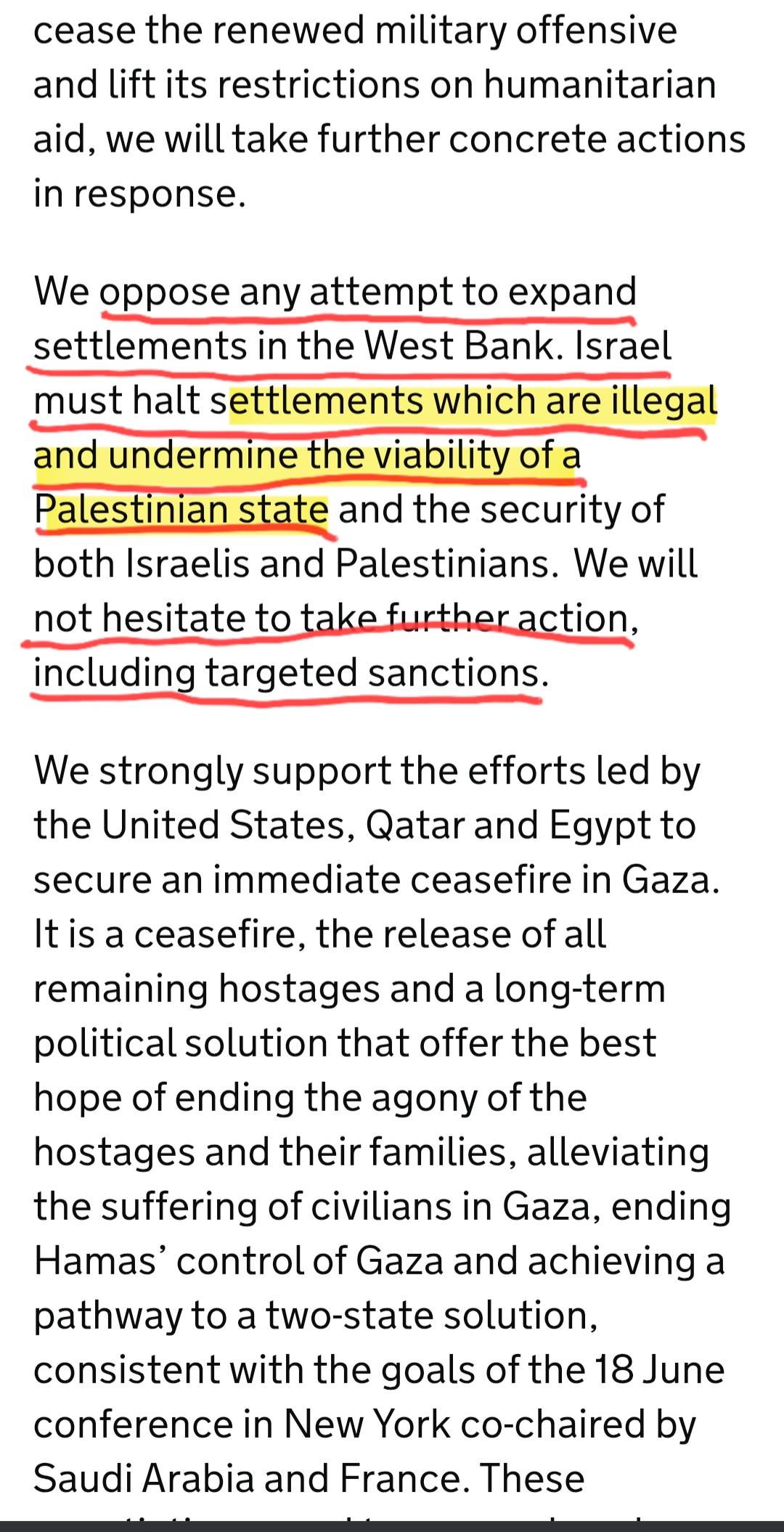
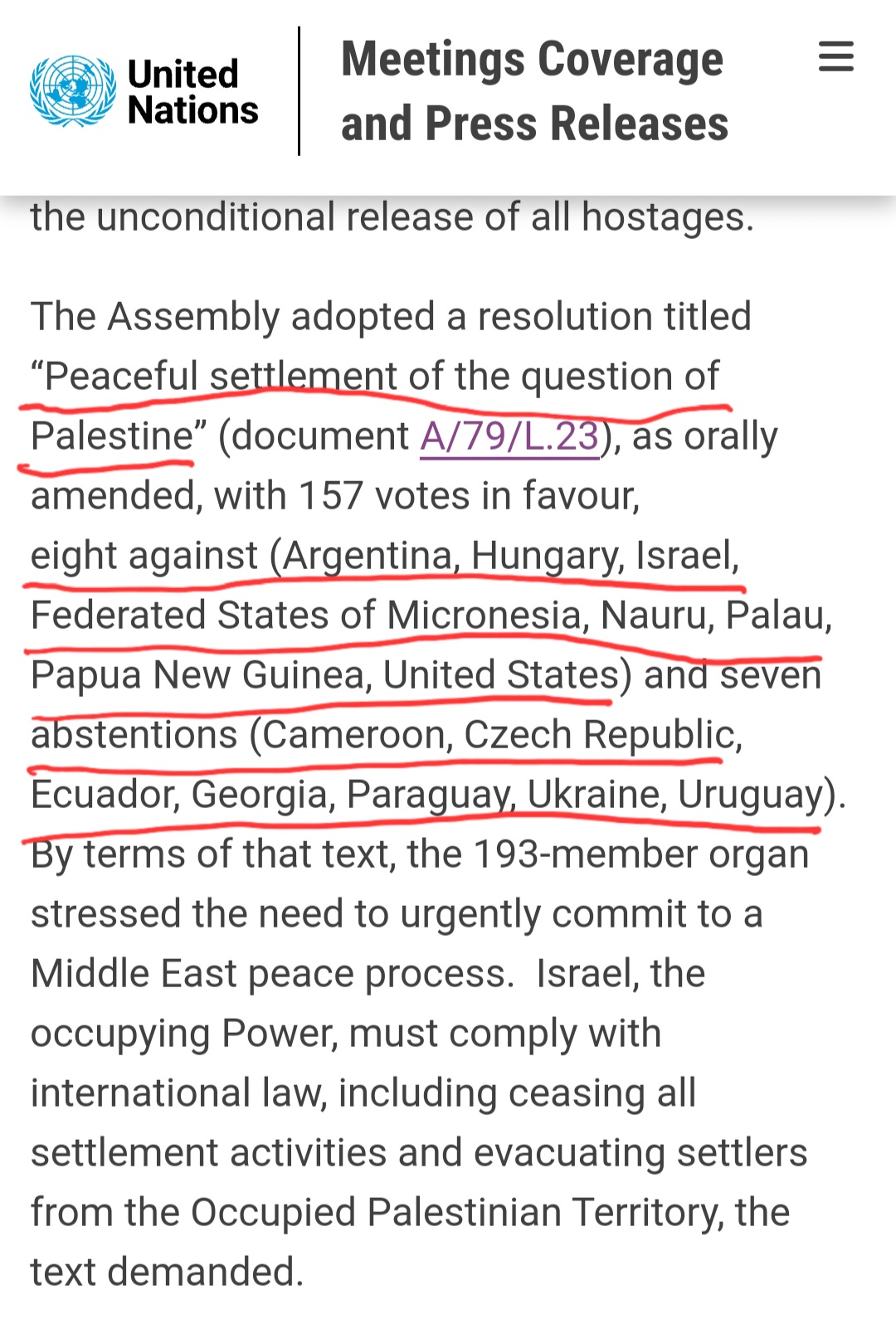
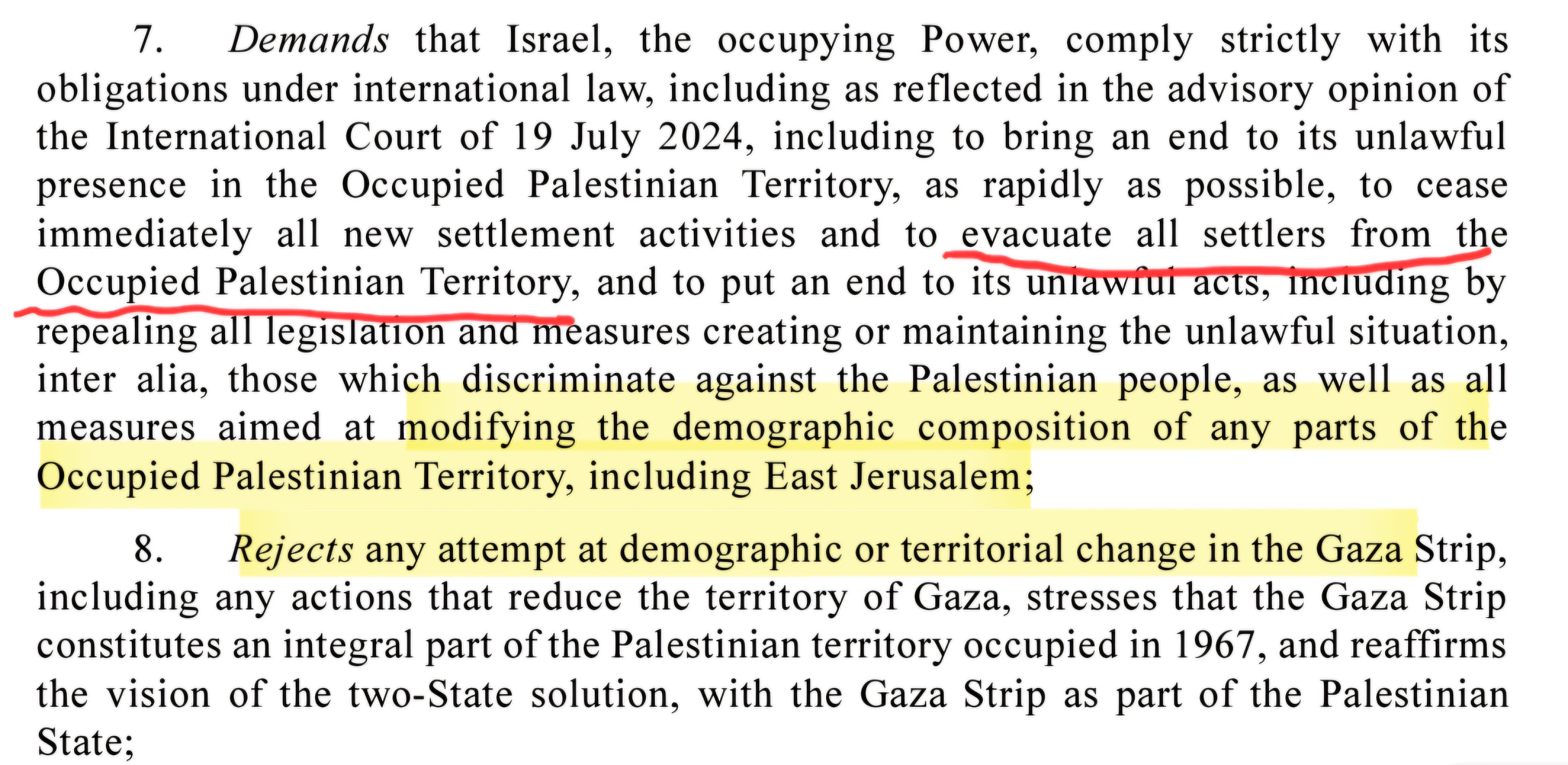
In 2016, the UK voted in favor of United Nations Security Council Resolution 2334, which declared Israeli presence in the West Bank—including Jewish neighborhoods in the Old City of Jerusalem—to be illegal under international law. Then, in a joint statement with France and Canada last week, the UK reiterated this view, calling for Israel to “halt [Jewish] settlements,” and warning of potential sanctions.
In effect, the UK is advocating for a future Palestinian state that is entirely Jew-free—while curiously condemning Israel for allowing non-Jews to live freely within its own borders. How is this consistent with the principle of equal civil and religious rights? How can Lammy demand protections for non-Jews – who have rights – while simultaneously supporting policies that trample the rights of Jews to live in their ancestral homeland?
5. A “Two-State” Solution That Isn’t Two Equal States
This leads to the inescapable conclusion that what the UK envisions is not a genuine two-state solution. It is one and a half states for Arabs, and half a state for Jews—because one of those two states is expected to be Judenrein.
The fact that millions of non-Jews can live in Israel while Jews are prohibited from living in the proposed Palestinian state is not a path to peace. It is the codification of apartheid, not its cure. Can any reasonable person believe that a state founded on the exclusion of Jews will live peacefully beside the world’s only Jewish state?
6. A Dangerous Historical Amnesia
Lammy’s casual misquote of the Balfour Declaration isn’t just historically inaccurate—it betrays a worldview that has forgotten the lessons of Britain’s own policy failures. Britain once promised the Jews a national home, but reneged repeatedly, prioritizing Arab appeasement and imperial interests. It didn’t vote for a Jewish State in the November 1947 UN resolution and walked away from Palestine in May 1948, leaving the warring parties to fight it out. At war’s end, it blessed Jordan’s illegal seizure and ethnic cleansing of Jews.
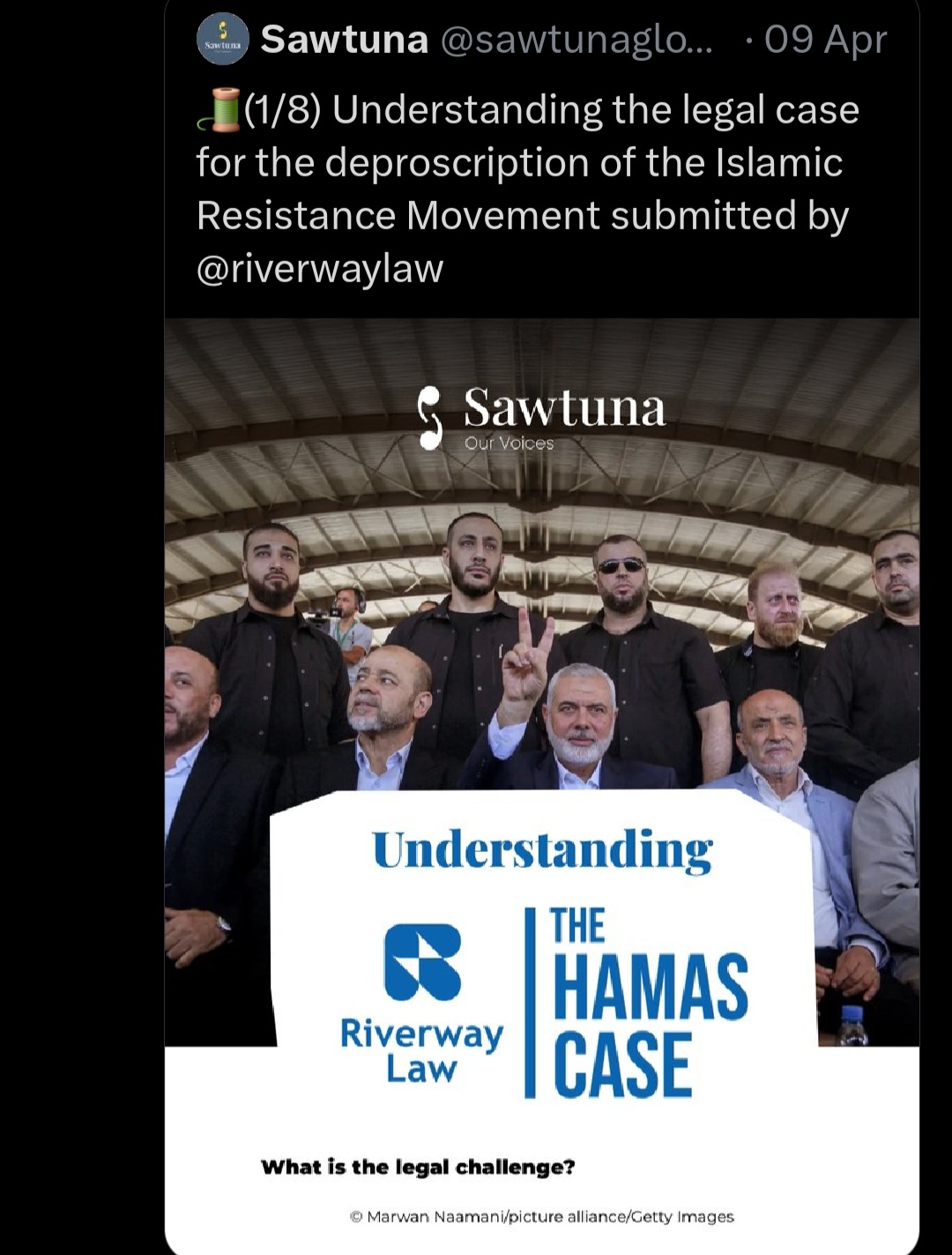
Today, that legacy lives on in the UK’s refusal to recognize Israel’s legitimate rights while whitewashing Palestinian maximalist demands—whether from the Palestinian Authority (Jew-free Gaza and West Bank) or Hamas (Jew-free “from the river to the sea.”)
The Foreign Secretary’s focus on providing the Stateless Arabs from Palestine (SAPs) self-determination, has blinded him to history and the basic human rights of Jews. A vision of peace that requires the ethnic cleansing of Jews from Judea and Samaria and demanding that Israeli Arabs with full citizenship rights get somehow even more rights, is not a peace worth supporting.













 First One Through