CAIR (Council on American-Islamic Relations) recently accused Israel of “waging war on Islam” after security restrictions limited Muslim access to the Al-Aqsa compound during Ramadan.

According to CAIR, preventing Muslim worship at one of Islam’s holy sites is proof of hostility toward Islam itself.
If that is the standard, then a simple question follows:
Will CAIR support Jewish prayer on the Temple Mount during Passover?
Because if restricting prayer equals religious persecution, then Muslims have been denying Jews the right to pray at their holiest site for generations.
The Holiest Site in Judaism
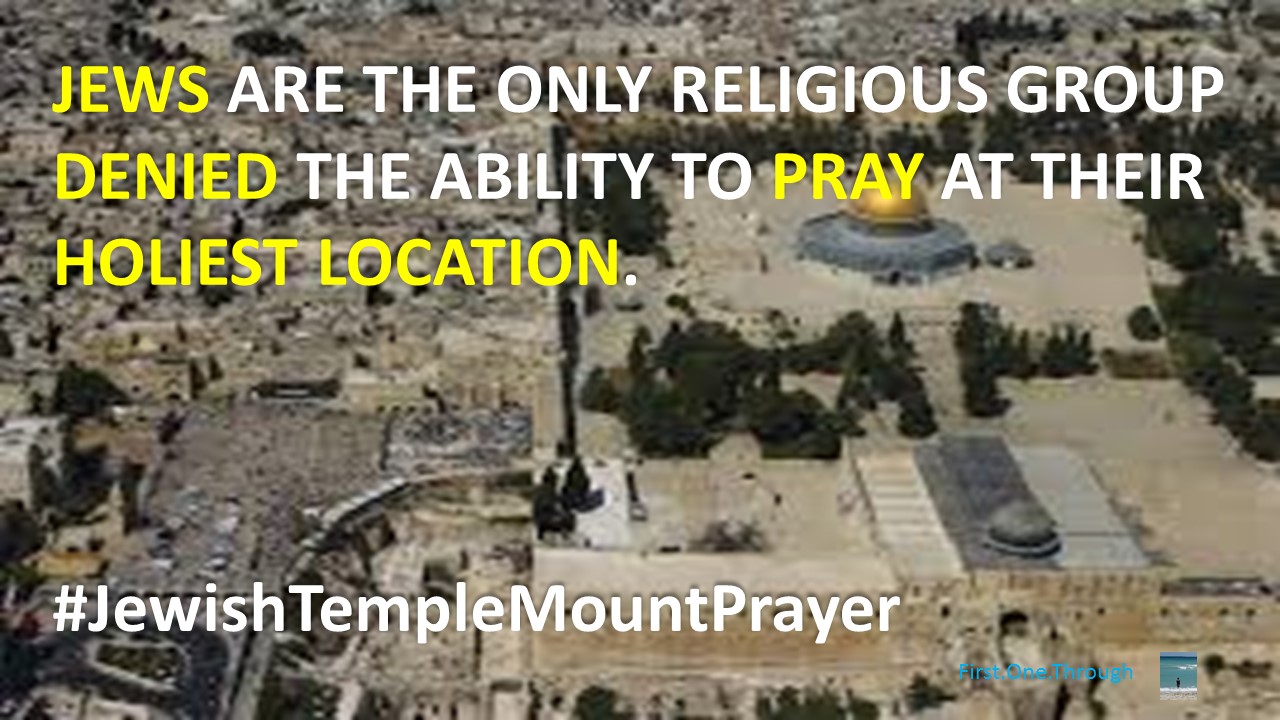
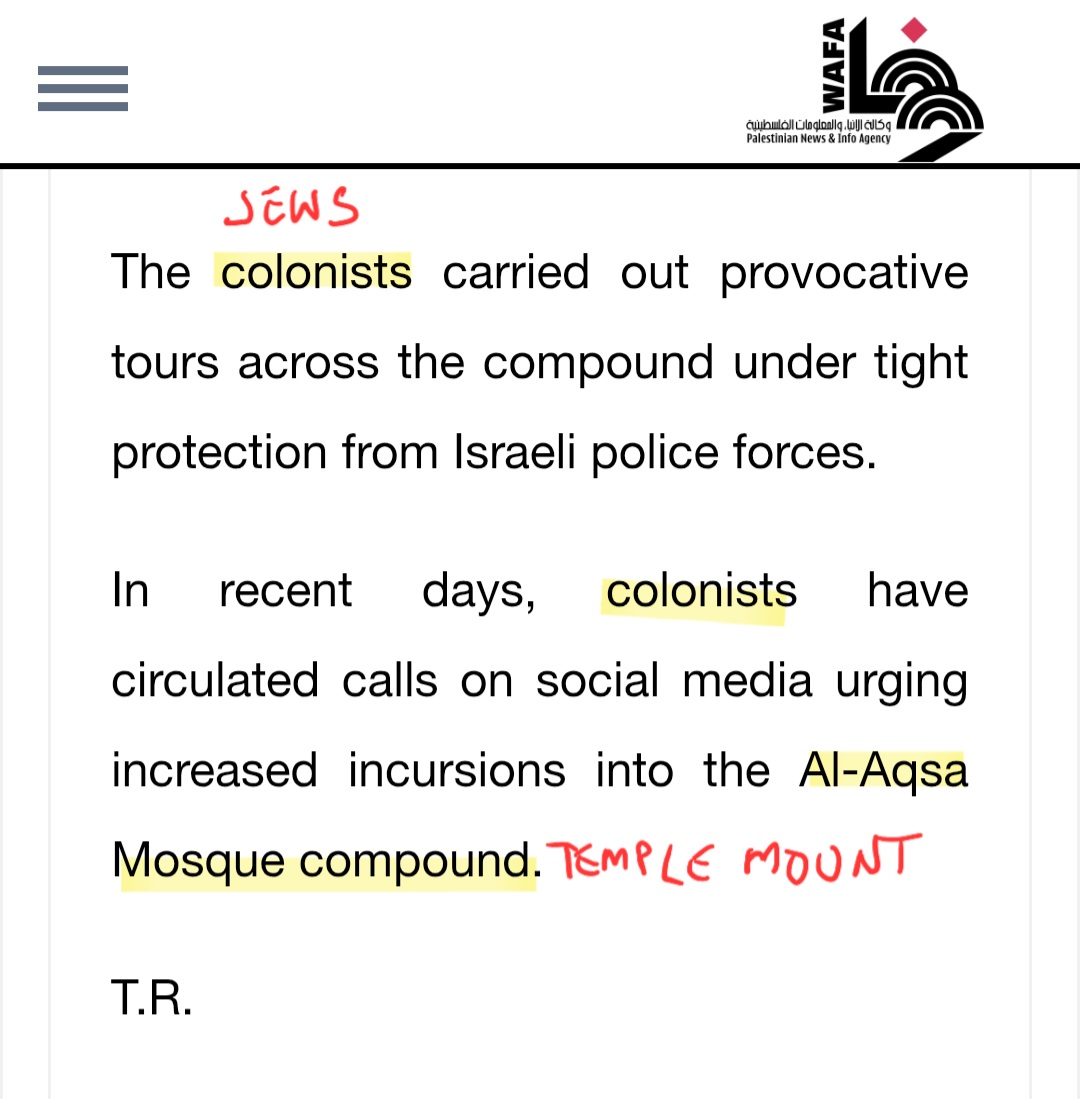
The compound Muslims call Haram al-Sharif is the Jewish Temple Mount, the holiest site in Judaism.
It is where the First Temple of King Solomon stood.
It is where the Second Temple stood until the Romans destroyed it in 70 CE.
For nearly two thousand years Jews have prayed toward this location.
Yet today Jews are largely forbidden from praying there.
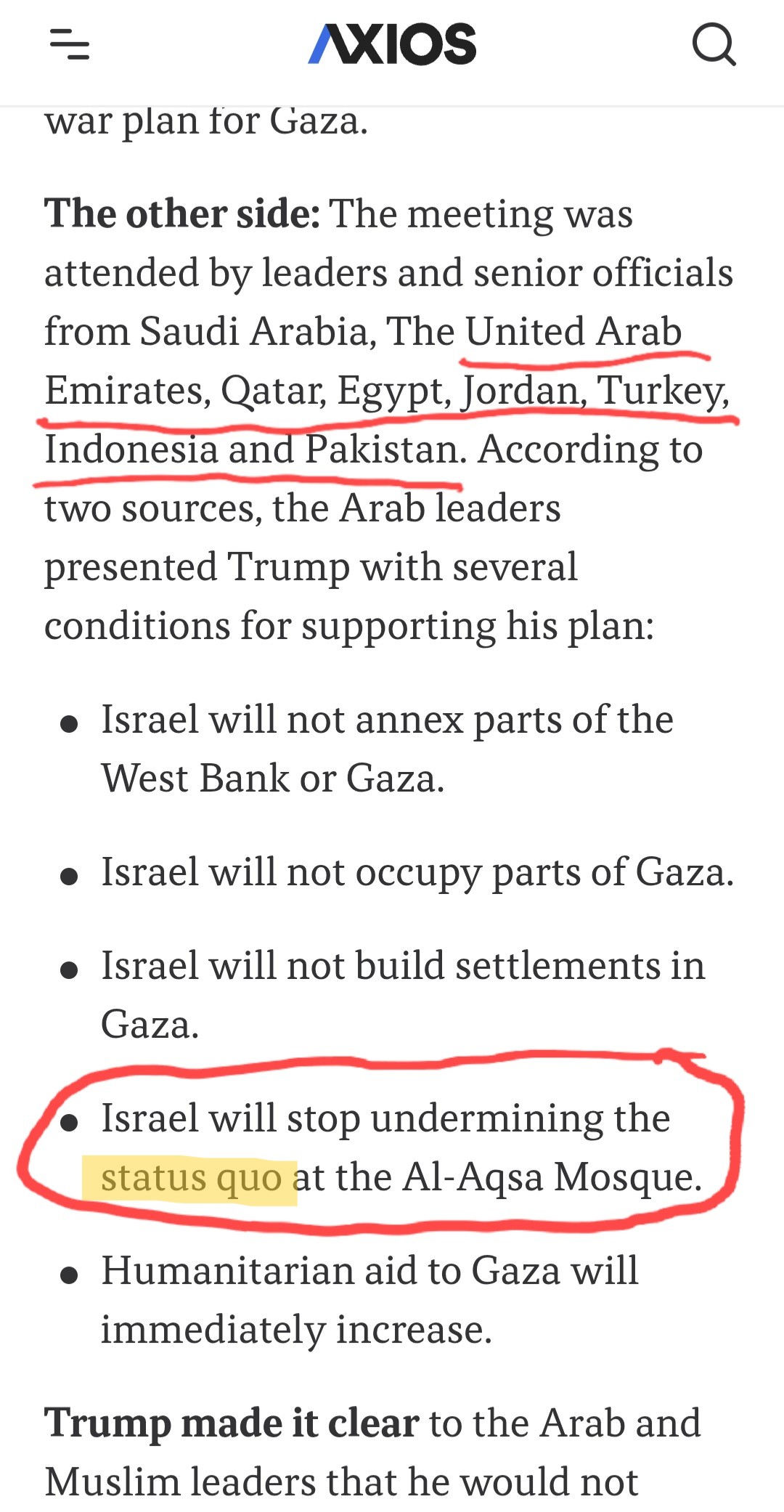
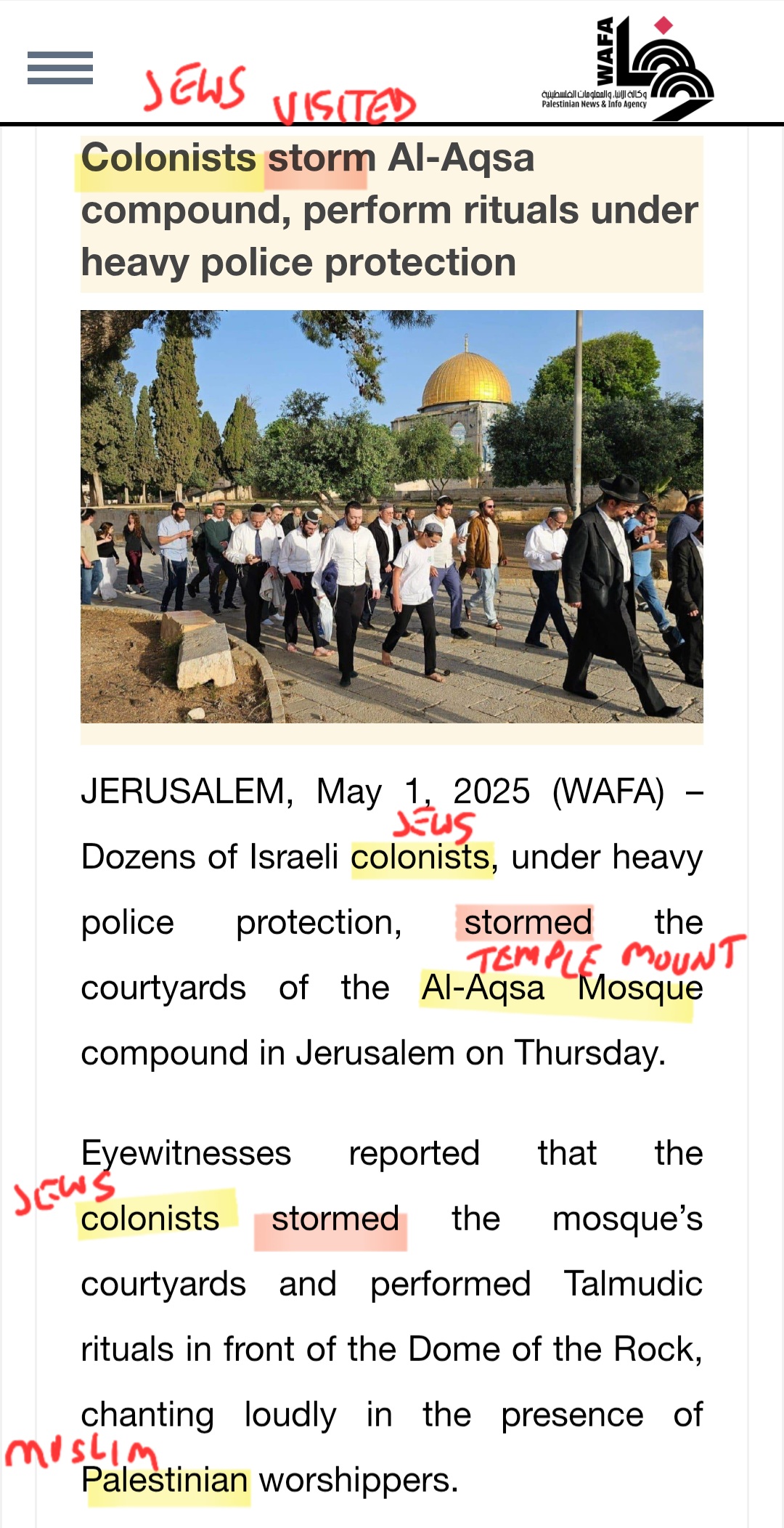
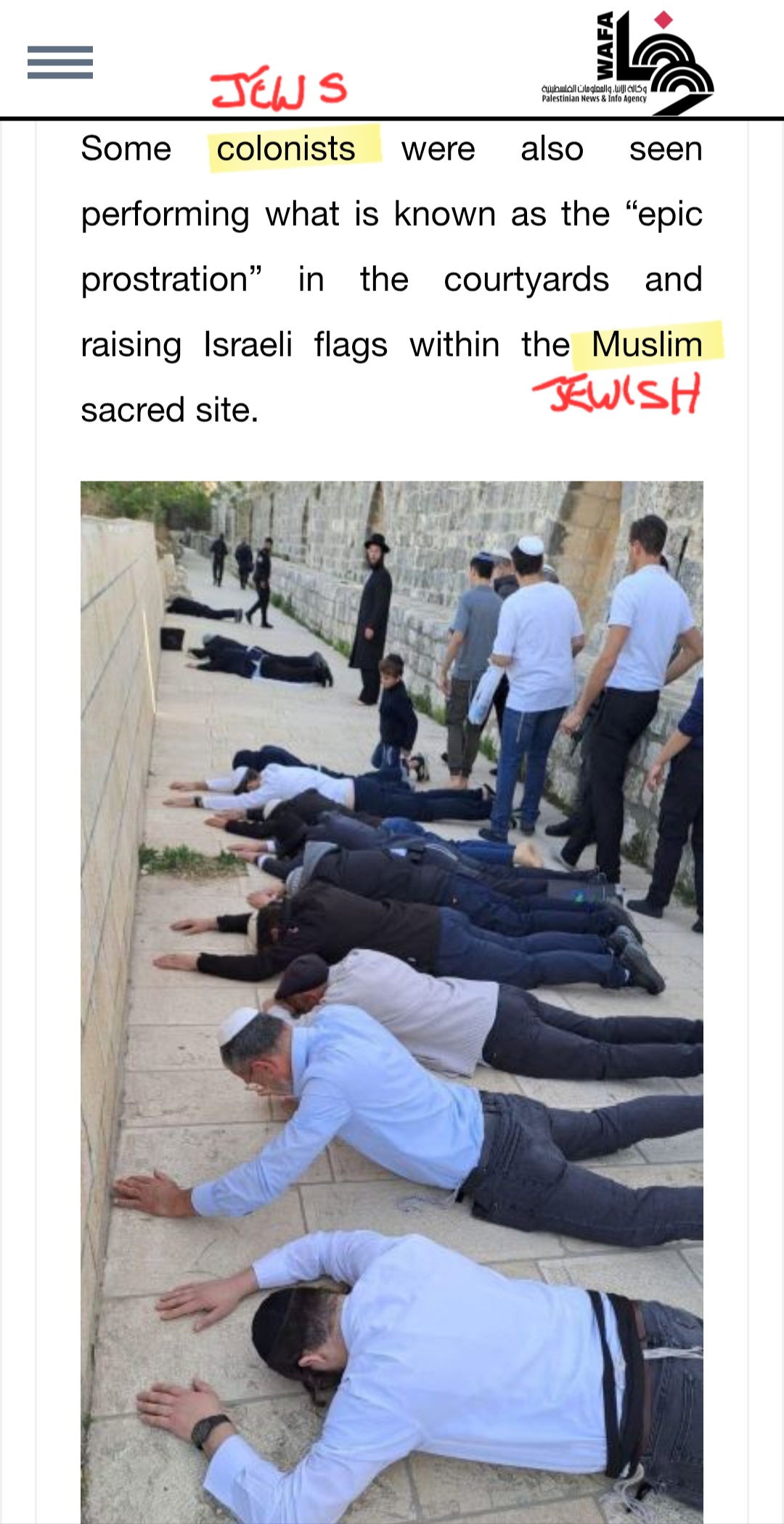
Under the “status quo” arrangement Israel maintained after capturing Jerusalem in the Six-Day War, Jews may visit the Temple Mount during narrow windows of time via a single entry portal, but are generally prohibited from praying, even silently.
The reason is simple: Muslim authorities insist Jewish prayer there is unacceptable.
A Short History of the Ban
The prohibition on Jewish worship at the site did not begin recently.
- Under Ottoman rule, Jewish prayer on the Temple Mount was restricted.
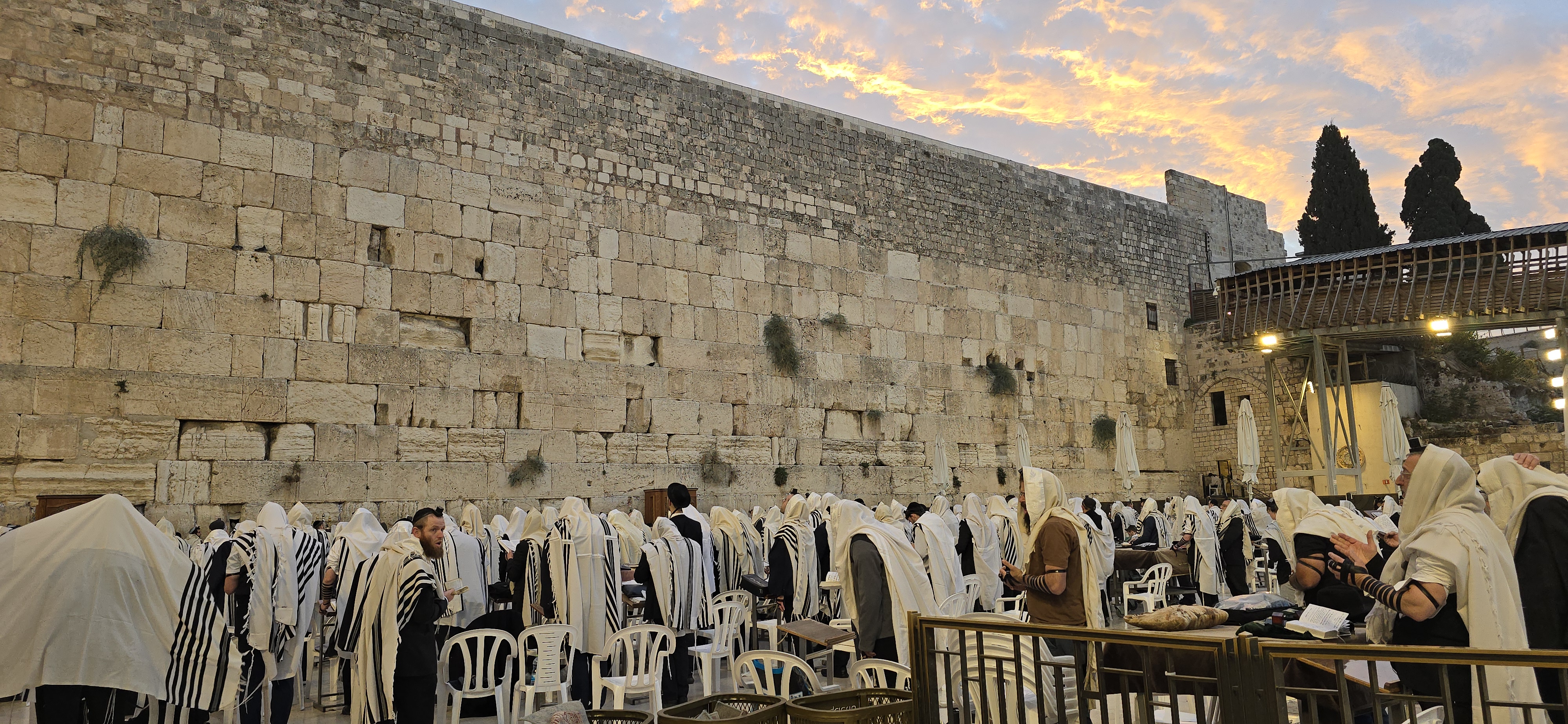
- From 1948 to 1967, when Jordan controlled eastern Jerusalem, Jews were banned entirely from visiting the Old City, even the Western Wall, Judaism’s most sacred accessible prayer site.
- After 1967, Israel regained control of the Old City but maintained Muslim administrative authority over the mount to prevent unrest.
The result is an unusual reality:
The holiest site in Judaism is effectively the only major religious site in the world where adherents of that religion are largely barred from praying.
A One-Way Principle
CAIR’s accusation therefore reveals a remarkable double standard.
When Muslim access is restricted temporarily during wartime security conditions, it is framed as an attack on Islam. But when Jews are prevented from praying at their holiest site at all times, it is treated as normal.
Religious freedom, apparently, runs in only one direction.
The Passover Test
If CAIR genuinely believes preventing prayer at a holy site is an attack on religion, the principle should apply equally. Which leads to a straightforward test:
Will CAIR support Jewish prayer on the Temple Mount during Passover?
Not silent whispers quickly stopped by police. Actual prayer at Judaism’s holiest location.
If religious liberty is universal, that should be an easy position to endorse.
The Irony
Israel remains one of the few countries in the Middle East where Muslims freely maintain and worship at major holy sites. Yet Israel is accused of “waging war on Islam” for imposing security restrictions during a war.
The claim collapses the moment the broader reality is considered.
So instead of outrage, perhaps the most useful response to CAIR’s statement is curiosity: Will CAIR support Jewish prayer on the Temple Mount this Passover?
Or is religious freedom a principle that applies only when the worshippers are Muslim?
#IslamicSupermacy











 First One Through