Pal-Awda is organizing a protest in Riverdale, Bronx, on October 24 to stop what it calls the sale of “stolen Palestinian land.” Its target is a Jewish real estate event organized by My Israel Home.
The accusation is enormous. The evidence is missing.
The protesters identify no stolen property, no dispossessed owner, no fraudulent deed and no evidence that anyone offering a home for sale acquired it unlawfully. They simply declare the land stolen and demand that the sale be stopped.
And what exactly makes a privately owned home “Palestinian land”?
There has never been an independent sovereign country called Palestine. Even if there had been, that would establish nothing about ownership of a particular house.
Imagine a homeowner in Dallas selling a house to someone from Los Angeles. Protesters descend on the transaction, shouting, “Stop the sale of stolen Dallas land!”
Stolen from whom? The homeowner? The city? Everyone who ever lived in Dallas?
Dallas describes an actual place. It does not own every home within its boundaries. A homeowner can sell to another person, regardless of where the buyer was born or lives.
The same is true in Judea and Samaria. Land owned by an Arab is the property of that owner, just as land owned by a Jew is the property of that owner. Lawful ownership can change hands. A property’s location or the ethnicity of its former owner establishes neither permanent ownership nor theft.
Pal-Awda previously celebrated forcing a Jewish gathering out of Queens. It targeted an event at a synagogue in Manhattan. Now it is targeting Riverdale, seeking to stop Jewish families from gathering to consider buying homes in Israel.
“It is our duty to make them think twice before holding these events. We need to make them scared! We need to make them scared! We need to make them scared.” – people at PAL-Awda protest in front of a synagogue event helping Jews move to Israel in November 2025
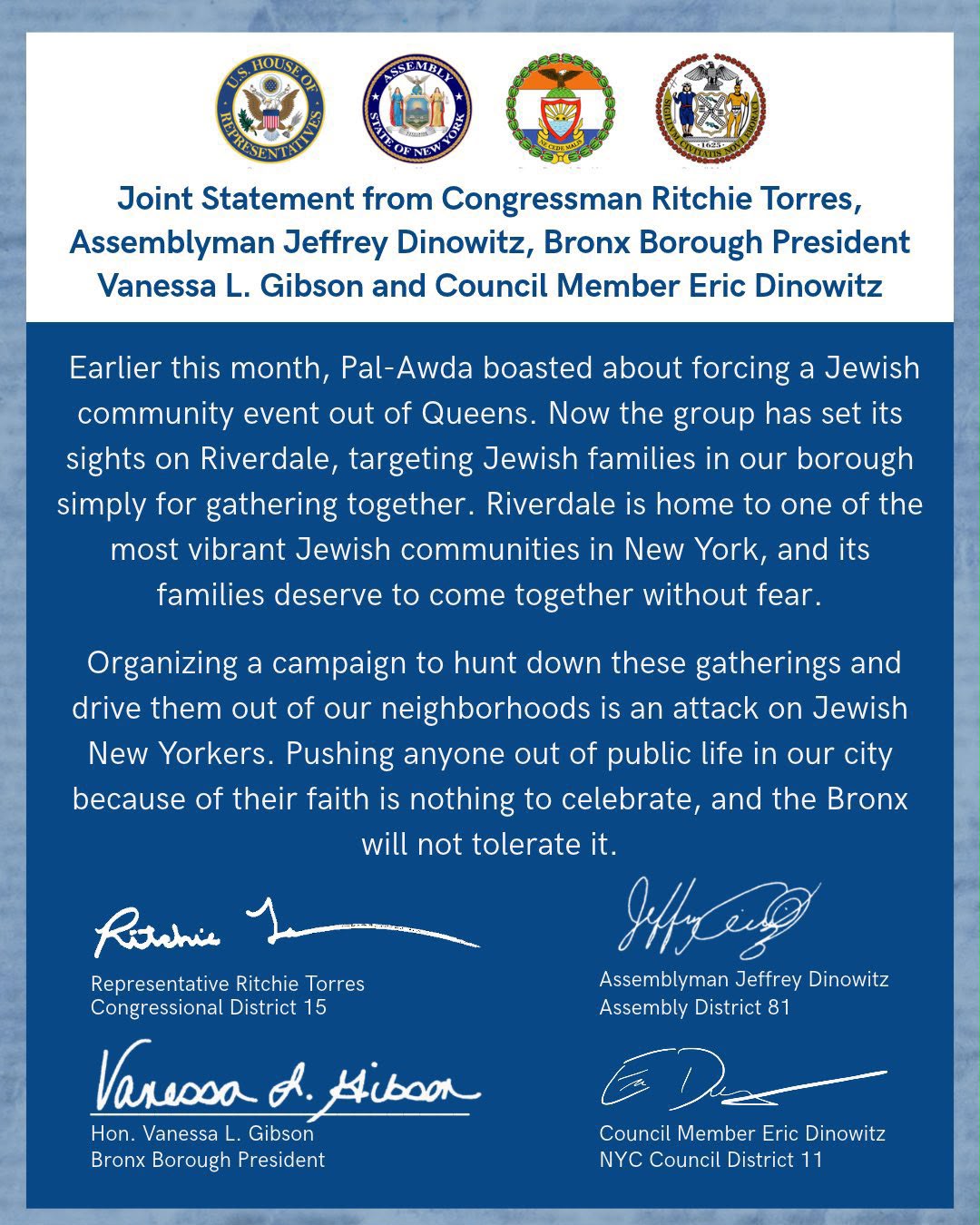
Congressman Ritchie Torres, Assemblyman Jeffrey Dinowitz, Bronx Borough President Vanessa Gibson and Council Member Eric Dinowitz condemned the campaign in a joint statement, calling it “an attack on Jewish New Yorkers” and declaring that “the Bronx will not tolerate it.”
The campaign has a documented pattern: targeting Jewish real estate gatherings, pressuring venues and celebrating when Jewish events are driven out of New York City. And this is in regards to ALL of Israel, as Pal-Awda has condemned all Jews making aliyah regardless of where they intend to live.
“Settler, settler, go back home, Palestine is ours alone!” – PAL-Awda’s Instagram
The protesters have identified no stolen home. But they have identified their target: Jews.
Simply allowing the event to take place is an inadequate response. The entire Riverdale community – Jewish and non-Jewish alike – should stand together in visible opposition to those who gather to harass and intimidate Jewish homebuyers. Elected officials who condemn antisemitism in statements should stand alongside the people being targeted.
Antisemites should never be allowed to decide where Jews can gather, where they can buy homes or whether they can live openly as Jews. Riverdale should make that unmistakably clear.
The Jewish story in the Land of Israel is often told with an enormous hole in the middle.
The script runs something like: there were ancient Jewish kingdoms and then Rome destroyed the Second Temple in 70 CE. Jews were forced into exile, and then, nearly 1,800 years later, Zionists began arriving in Palestine.
That shorthand turns one of history’s longest relationships between a people and a land into an unexplained disappearance and sudden reappearance.
The actual story is more remarkable.
After the Destruction of the Second Temple
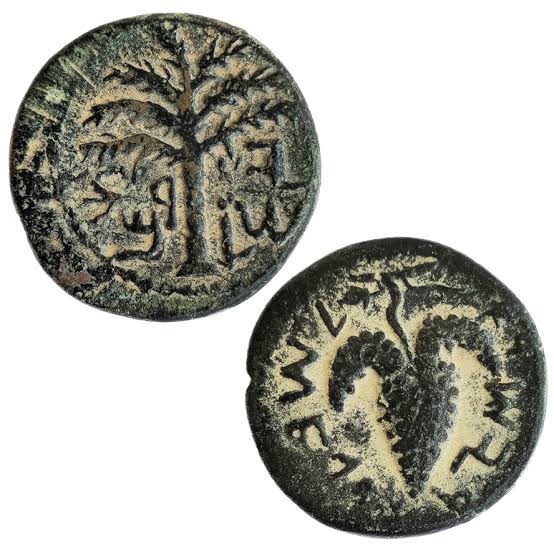
The destruction of Jerusalem in 70 CE was catastrophic, but it did not empty the land of Jews. Six decades later, Jews launched the Bar Kokhba Revolt from Judea. After its defeat in 135, Roman repression devastated Jewish life in Judea and severely restricted Jews in Jerusalem.
Ancient coins minted during the Bar Kochba revolt
So Jewish life shifted north. The Galilee became its major center, particularly Tiberias and Sepphoris. Around 200 CE, Judah ha-Nasi compiled the Mishnah in the Land of Israel. Centuries later, Jewish scholars there produced the Jerusalem Talmud. Archaeology has uncovered synagogues across the country from this period.
The Jewish state was gone. The Jews were not.
Jerusalem, Tiberias, Safed and Hebron
The rulers changed repeatedly with new invaders: Roman, Byzantine, Muslim, Crusader, Mamluk and Ottoman. So did the size and location of the Jewish population.
Under early Muslim rule, Jews reestablished themselves in Jerusalem. The Crusader conquest brought another catastrophe, including killings and displacement.
Again, Jews returned.
In 1267, Nachmanides—Ramban—arrived in Jerusalem and helped rebuild its shattered Jewish community.
After the expulsion from Spain in 1492 and the Ottoman conquest in 1517, Safed became an international center of Jewish civilization, producing Joseph Karo, whose Shulchan Aruch became a foundational code of Jewish law, and Isaac Luria, whose teachings transformed Jewish mysticism.
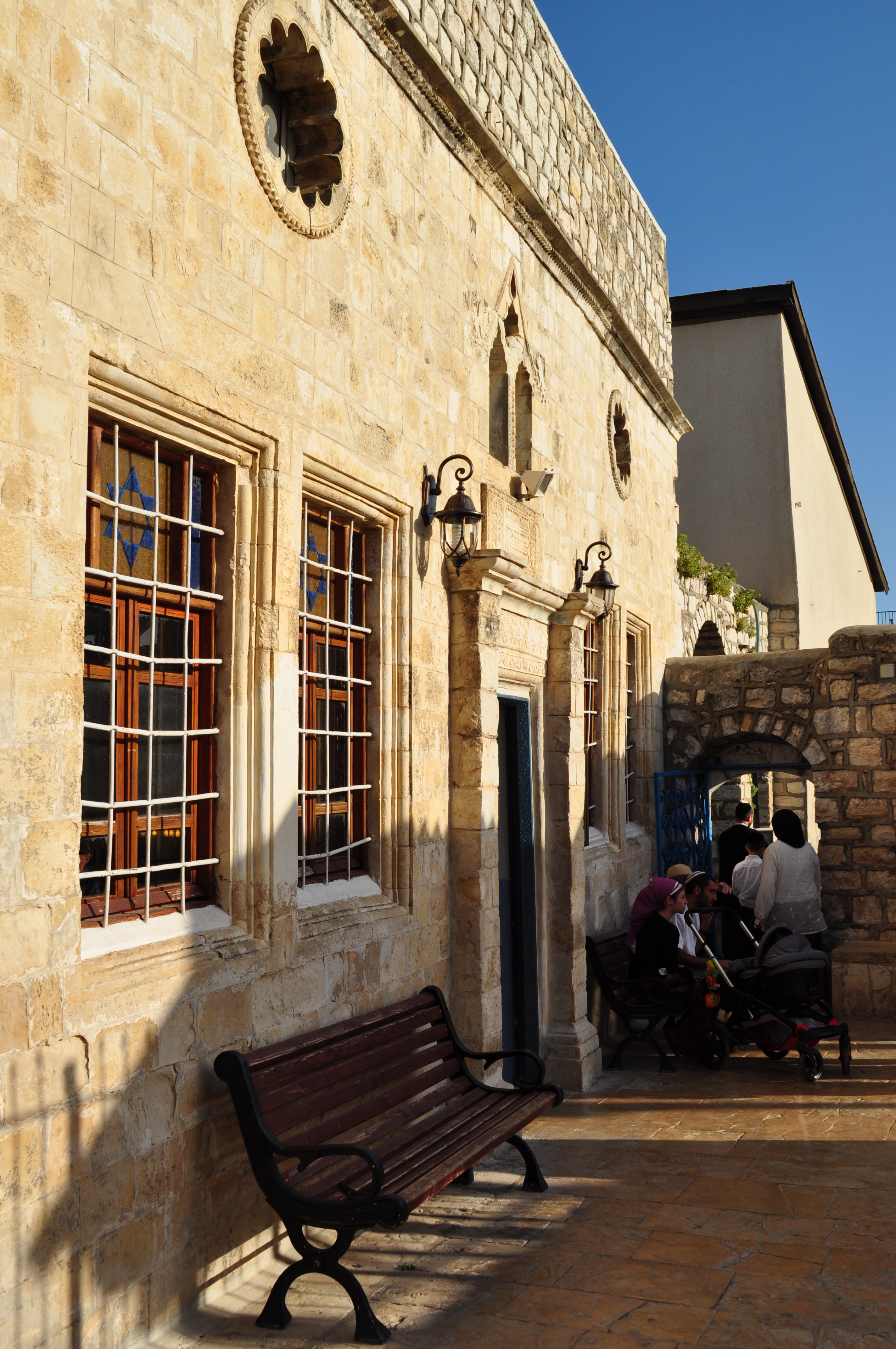
Old synagogue in Safed / Tzfat (photo: FirstOneThrough)
Ottoman tax records make the population visible. Safed/Tzfat contained 233 Jewish households in 1525–26; by 1567–68 there were 945. Jews were also recorded in Jerusalem, Gaza, Nablus, Peki’in and elsewhere.
The Four Holy Cities
Over time, four cities became especially identified with Jewish life in the land: Jerusalem. Hebron. Safed. Tiberias.
Their Jewish populations rose and fell through war, disease, earthquakes, economic hardship and persecution. The communities kept being rebuilt, and Jews kept arriving.
Hundreds accompanied Judah HeHasid to Jerusalem in 1700. Hasidic Jews came from Eastern Europe in 1777. Beginning in 1808, disciples of the Vilna Gaon arrived in successive waves.
By the nineteenth century, the continuity becomes difficult to miss. Moses Montefiore’s censuses recorded dramatic growth:
City
1839
1875
Jerusalem
2,916
11,237
Safed
1,384
3,753
Tiberias
801
1,552
Hebron
419
939
Jaffa
86
660
Haifa
138
531
The communities covered by the census tripled from 6,173 Jews in 1839 to 18,672 in 1875.
Historical estimates differ because Ottoman-era demographic records were not modern censuses. But the trend is unmistakable. One reconstruction estimates roughly 6,700 Jews in the country in 1800, 42,900 in 1890 and 94,000 by 1914.
And Jews were not simply scattered individuals. By 1880, one reconstruction estimates Jews constituted approximately 57% of Jerusalem, 52% of Safed and 60% of Tiberias.
Modern Zionism Accelerated the Return
This is where conventional histories often begin. But it wasn’t the beginning; it was an acceleration.
Petah Tikva was founded in 1878, in part by Jews from the existing Jerusalem community. The First Aliyah began in the 1880s, helping establish and expand agricultural communities including Rishon LeZion, Zikhron Ya’akov and Rosh Pina.
The Second Aliyah brought another wave. In 1909, Jews founded Tel Aviv.
Meanwhile, something extraordinary was occurring: Hebrew returned as the everyday language of a society. A language preserved through centuries of prayer, scholarship and literature became the language of children, workers and shopkeepers.
What About the Land?
By the end of the British Mandate, Jews did not privately own most of Palestine. British statistics for April 1945 put Jewish landholdings at approximately 1.49 million dunams, or 5.67% of the total territory.
The remaining territory was not privately owned “Arab land.” It included state domain, desert, communal lands and other Ottoman and British legal classifications.
Jewish ownership was concentrated where Jewish society was developing. By the mid-1940s, historical land statistics put Jewish ownership at roughly 39% in the Jaffa/Tel Aviv subdistrict, 38% in Tiberias, 35% in Haifa, and 18% in Safed.
And much of this land had been purchased.
The British Survey of Palestine recorded a net 938,365 dunams purchased and registered by Jews between 1920 and the end of 1945 alone.
Presence, Memory, Return
The nearly 1,900 years between Rome and Israel can be understood through three words.
Presence. Jews continued living in the land, sometimes in substantial communities, despite conquest, persecution and repeated displacement.
Memory. Jews elsewhere continued facing Jerusalem in prayer, praying for return, remembering Jerusalem at weddings, ending Passover with the hope of being there the following year and financially supporting Jewish communities in the land.
Return. Ramban came in 1267 after the Crusades. Jews came from Spain after 1492. Many followed Judah HeHasid in 1700, the Hasidim in 1777, the disciples of the Vilna Gaon beginning in 1808, the First and Second Aliyahs, fleeing Russian pogroms and Nazism, and as survivors of the Holocaust.
The scale changed. The political objective changed. The ability to return changed.
1948 Was Not the Beginning
Beginning the story of Israel in 1948 – or even with Herzl in 1897 – fundamentally distorts Jewish history. Those were not years when Jews suddenly showed up. They were the times when Jews accelerated their return and became self-governing once again.
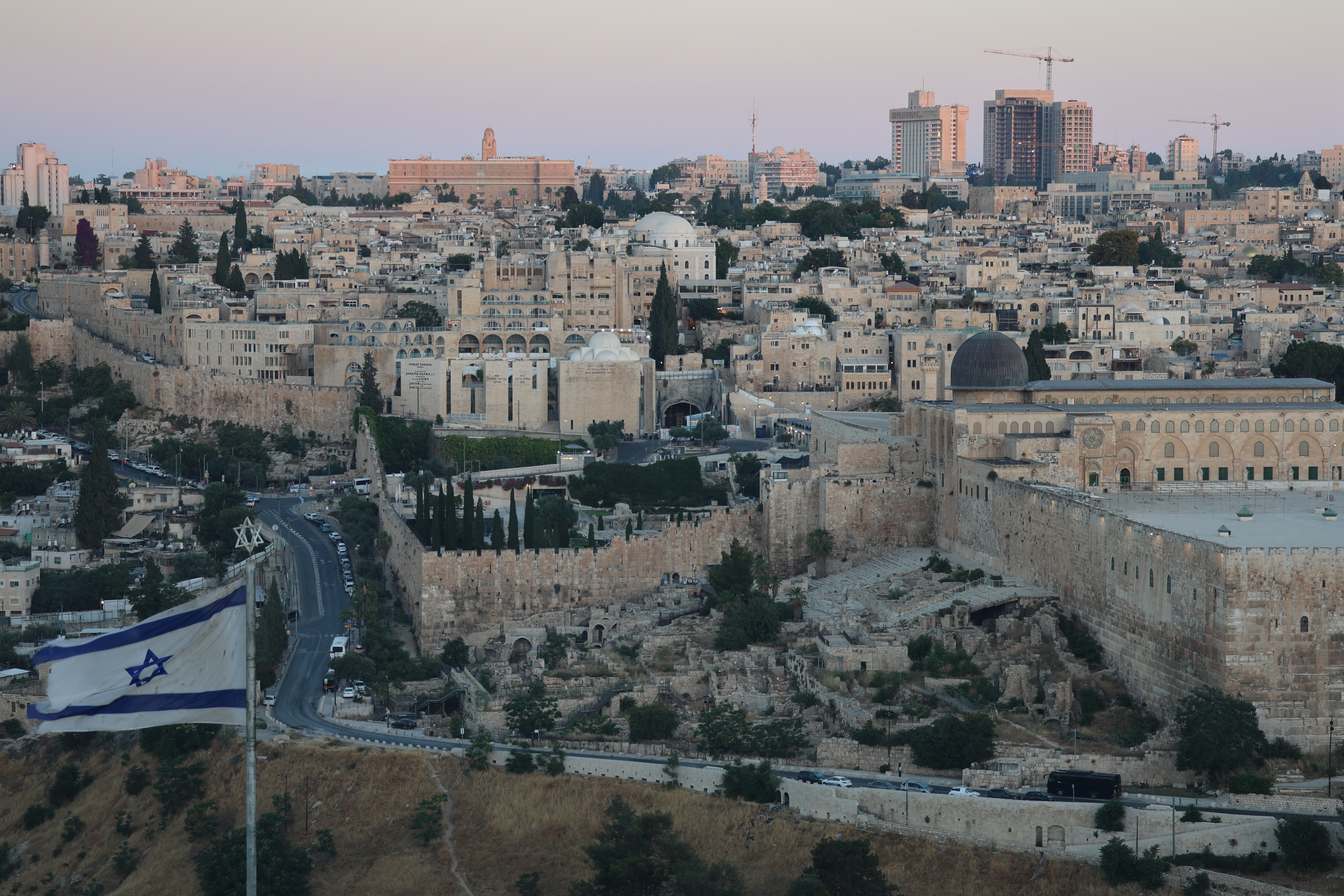
The Israeli flag waves in the foreground, with the white domes of the rebuilt Tiferet Israel and Hurva Synagogues in the center, and the grey Al Aqsa mosque dome to the right. In the distance, cranes build new residential towers in the western parts of the city. (photo: FirstOneThrough)
I was sitting in the audience at an Andrea Bocelli concert at Madison Square Garden in New York City, the lights dimmed, the hall hushed in anticipation for the encore “Con Te Partiro,” (Time to Say Goodbye), his most iconic song. He teased the audience with “New York, New York” and headed for the exit once more. The crowd cheered and he came back to sing the song they craved.
Andrea Bocelli at Madison Square Garden (photo: First One Through)
Beside me sat a close Jewish friend who grew up in Australia. We had come for the music, for the beauty of a voice that carries memory as much as sound. Yet, as the first familiar notes rose, I saw her mind was in another world.
She was thinking of her parents and brother’s family back in Melbourne.
Only days earlier, they had been at a Chabad Chanukah party—children, candles, singing, the ordinary holiness of Jewish joy. Then the news broke of the shooting in Sydney. Phones buzzed. Conversations stopped. Parents gathered children closer. And out. What had begun as celebration turned into a flight of urgency. They left with the unmistakable instinct that something precious had become fragile. Perhaps lost.
As Bocelli sang of leaving—of standing alone and dreaming of the horizon—the words landed differently. “It’s time to say goodbye,” he sings, not with bitterness, but with ache. He sings of departing lands once fully lived in, of moving forward while carrying love along. The song understands that some goodbyes are spoken precisely because the bonds mattered.
Time to say goodbye Countries I have never Seen and experienced with you
Australia has been such a land for Jews. Around 115,000 strong, the community was built in large part by Holocaust survivors and their children, who arrived determined to create lives of dignity and contribution. They succeeded. Jewish schools flourished. Synagogues filled. Jewish families felt Australian in the fullest sense—rooted, confident, woven into the national fabric. It was a beloved home.
That is why this moment feels so melancholy.
When antisemitism intrudes into Jewish life—when Chanukah gatherings require calculation, when news of violence travels faster than reassurance—something internal shifts. Families begin to think not only about safety today, but about continuity tomorrow. They listen closely for the voice of government, for the firmness of protection, for the sense that Jewish life is fully defended. When that reassurance feels thin – no, absent – dark history whispers.
Yes, I know there is no light in a room when there is no sun If you’re not there with me, with me
For two years my friend had been speaking to her parents and brother about leaving Australia as antisemitic incidents surged and the government seemed unwilling to do anything. Now, the threats had crossed to violence. Murder. On a mass scale.
At the concert, Bocelli sang on. “With you I will leave,” he promises. The line felt written for this generation of Jews. Leaving does not mean erasing. It means carrying Australia forward: the beaches, the friendships, the generosity, the years of building a good life. Love will not dissolve at the airport gate.
For children, aliyah after moments like these is not politics. It is the air they breathe. It is the desire to grow where Jewishness fills the public calendar, where holidays are shared rather than guarded, where identity settles into the background instead of standing on alert. Israel becomes the horizon the song gestures toward—not as fantasy, but as alignment.
But they know some parents – many Holocaust survivors – will not be able to make the journey. They will stay behind in a land they thought of as home while their children and grandchildren head to their homeland.
When you’re far away I dream of the horizon and words fail And I, yes, I know that you are with me, with me
As the music swelled, my friend wiped away tears. They were for her brother’s children, who should have stayed longer at a Chanukah party. They were for her parents’ generation, who believed Australia was the final chapter. They were also for something enduring: the knowledge that the Jewish story includes movement, discernment, and the courage to know when it is time.
I will leave with you On ships at sea Which, I know No, no, they don’t exist anymore
The concert ended. The applause lingered. We walked out quietly, in a world darkly distinct from the thousands of other concert-goers heading to their homes.
Somewhere between Melbourne and Jerusalem, between a beloved home and a homeland, the song kept playing, softly affirming the discussions of long goodbyes that were taking place in Jewish homes throughout Australia.
At Sinai, God tells the Israelites: “I carried you on eagles’ wings and brought you to Me” (Exodus 19:4). It is the Torah’s softest reassurance — that when the world turns crushingly heavy, something stronger will lift the Jewish people before they disappear beneath its weight.
Every generation reads the verse and wonders how such a thing could ever happen again.
The Yemenite Wings
In 1949–50, it did.
Yemenite Jews — who had kept Hebrew alive for centuries through chants in dim courtyards — found themselves suddenly gathered into airplanes they had never seen before. Operation Kanfei Nesharim lifted nearly 50,000 people from danger to home, a moment so surreal that many believed prophecy had slipped back into the world.
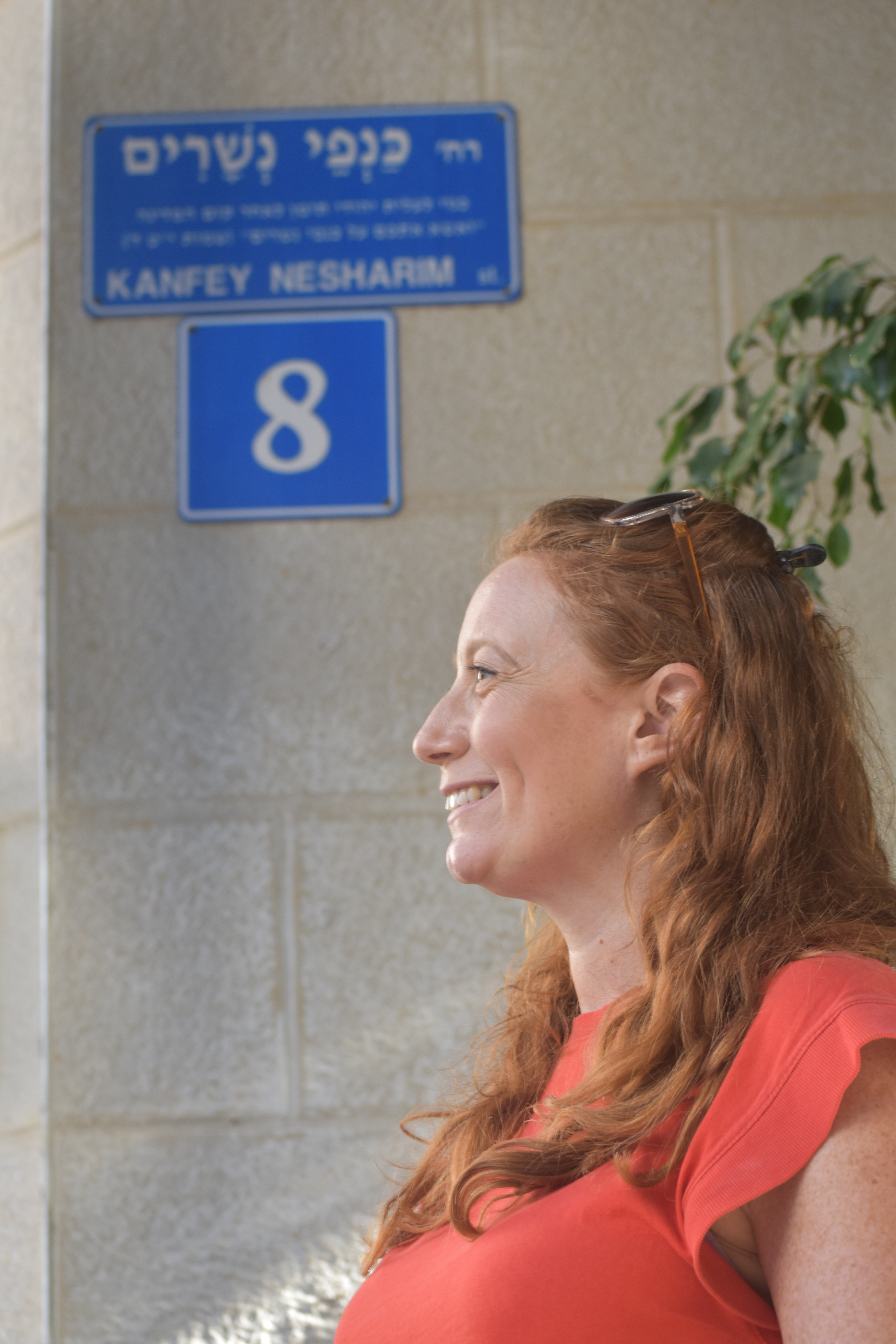
They came to Tel Aviv’s Kerem HaTeimanim, where the streets still hold their memory: Rechov Kanfei Nesharim, Rechov HaAliyah HaTeimanit, and alleys named after the poets and dreamers who carried Yemen’s Jewish soul through generations of exile. The neighborhood became a landing place for people who had lived so close to the dust of history that being lifted into the sky felt like God reaching down again.
A New Kind of Arrival
Today those same streets are welcoming new immigrants — Jewish artists from Paris, Berlin, Amsterdam, and London. They are not fleeing famine or forced conversion. They leave behind apartments, galleries, and studios, places where they once felt at home but now feel the room shifting beneath their feet.
They speak quietly of exhibitions canceled with careful wording, of colleagues who grow uncomfortable when they identify openly as Jews, of a cultural world that prides itself on openness yet signals, in subtle ways, that Jewish presence complicates the picture.
Or they just concluded it was time to move on.
Their departure is not dramatic. No riots, no decrees. Just a slow tightening — a sense that Europe’s warm lights are dimming for them. And so they come here, carrying sketchbooks, guitars, half-finished manuscripts, their beautiful voices, and the hope that Israel will give them what their former homes no longer can: the ability to be fully themselves.
They settle into Kerem HaTeimanim because it feels familiar: small homes, open doors, neighbors who still greet each other, a neighborhood built by people who also crossed deserts — literal or emotional — to find peace.
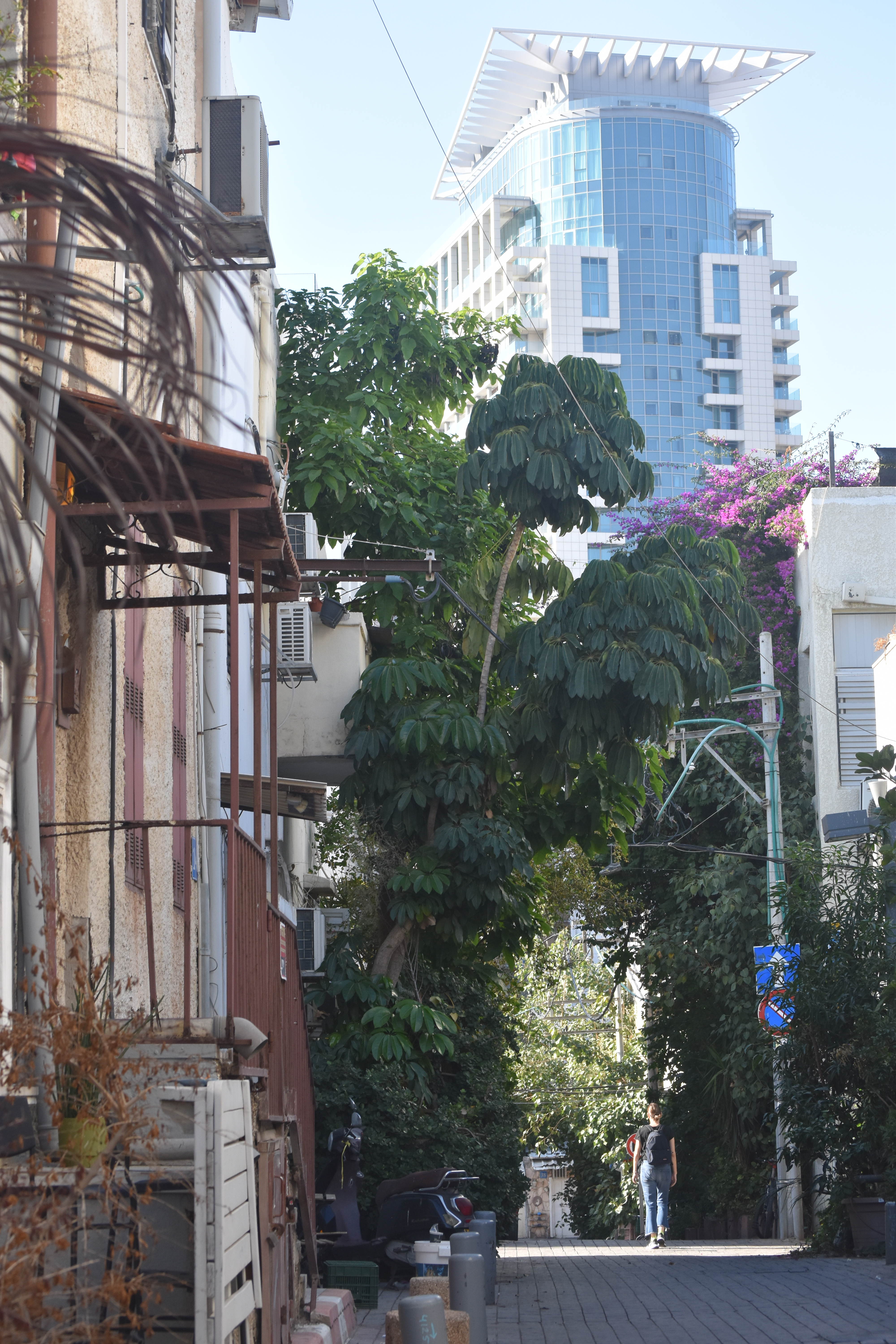
Actress and singer from London makes a new home in the “Yemenite Vineyard” section of Tel Aviv (photo: First One Through)
The Meeting of Journeys
In these narrow lanes, two different exoduses breathe the same air. Children run past synagogues founded by Yemenite families and new galleries opened by European artists. Hebrew floats from balconies in melodies that sound ancient and brand new at once.
The Yemenite grandparents who arrived barefoot on metal wings once prayed simply to reach Zion. The young European immigrants arriving today pray to belong — to a people, to a place, to their own identity without contortion.
Here, on Kanfei Nesharim Street, the verse from Sinai feels alive again. Not as a metaphor of miraculous rescue, but as a quiet truth: every Jew who finds their way home is carried by something — hope, fear, memory, longing — that lifts them just high enough to begin again.
In this little corner of Tel Aviv, you can almost feel the wings settling gently on the houses, as if history itself decided to rest for a moment before taking flight again.
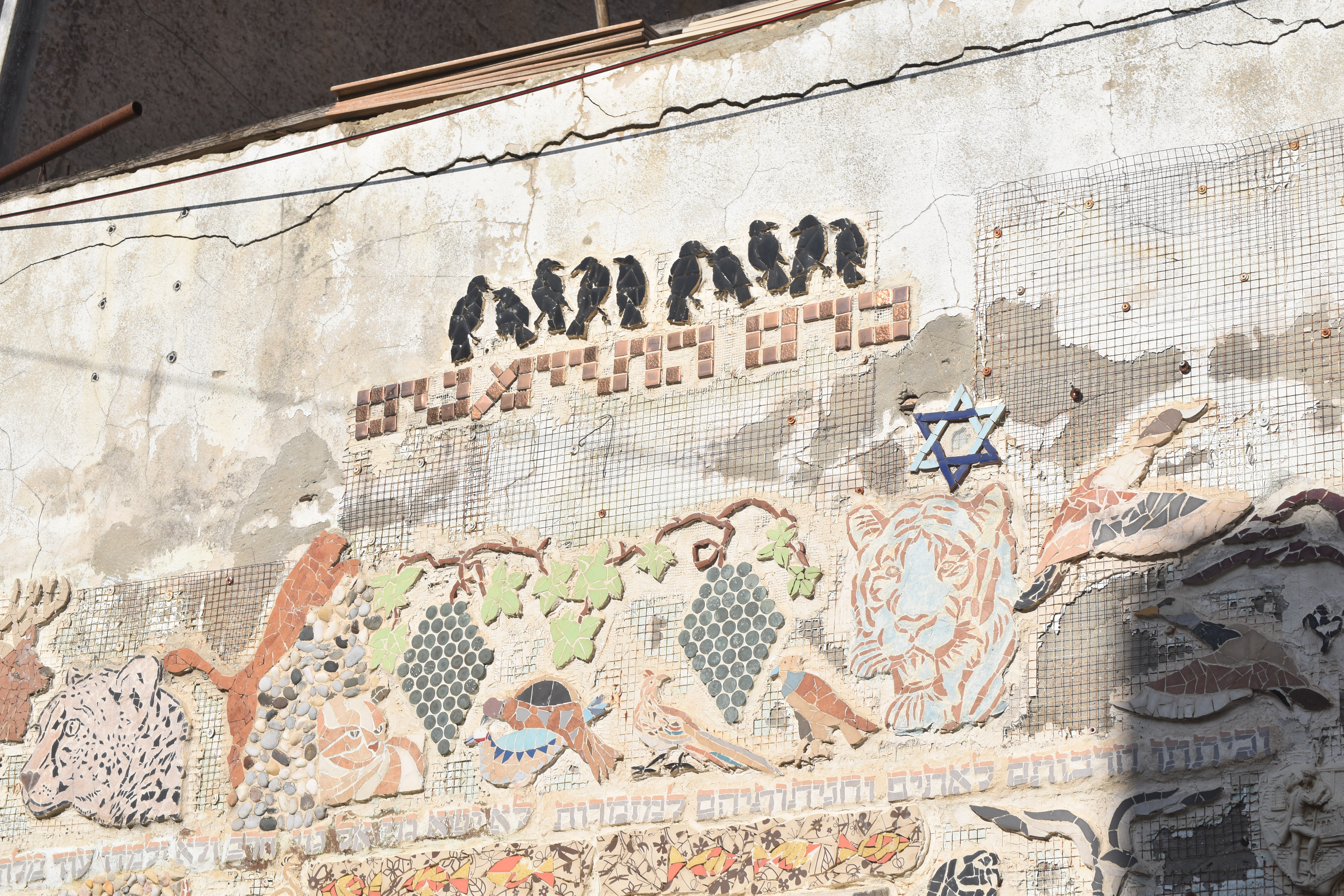
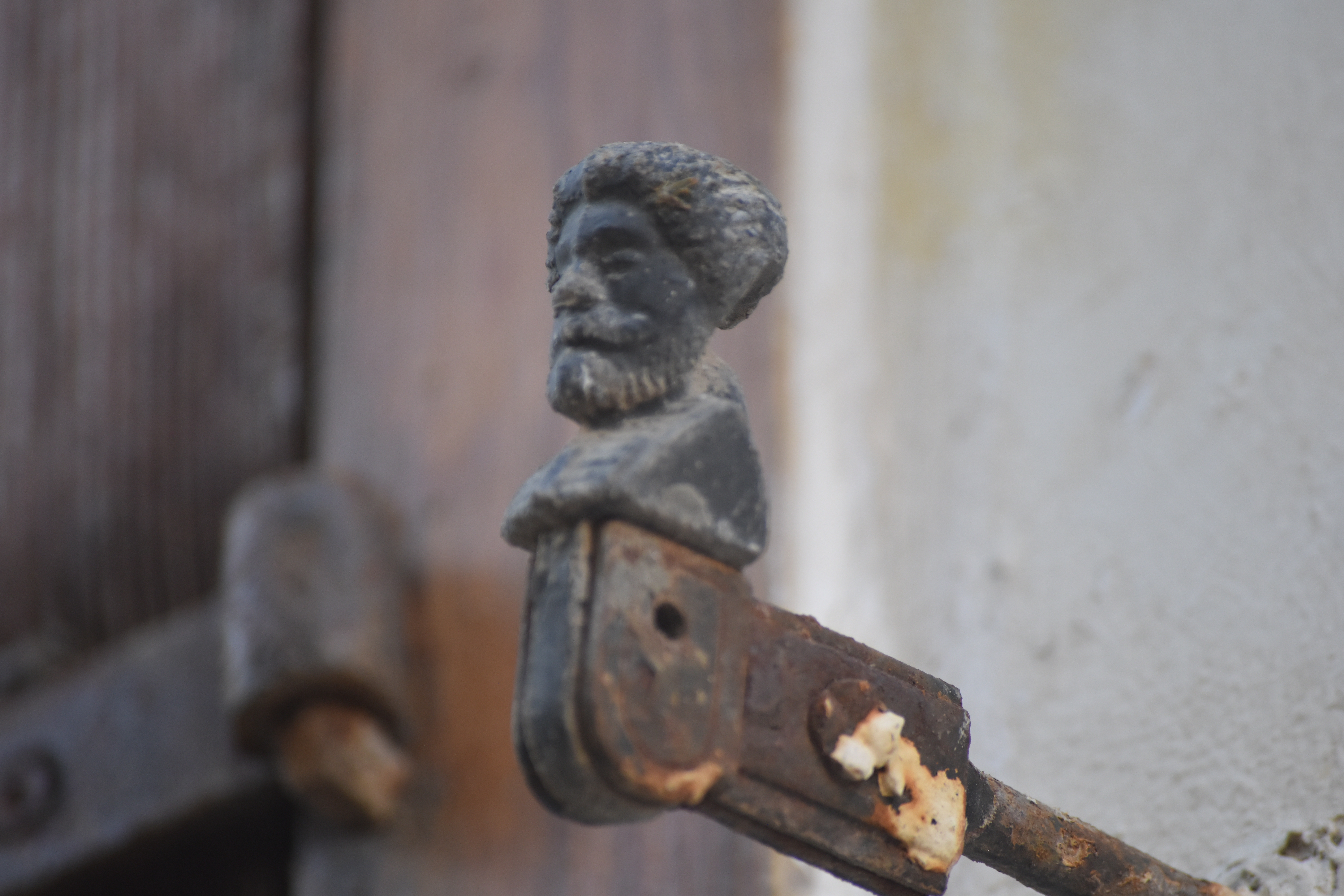
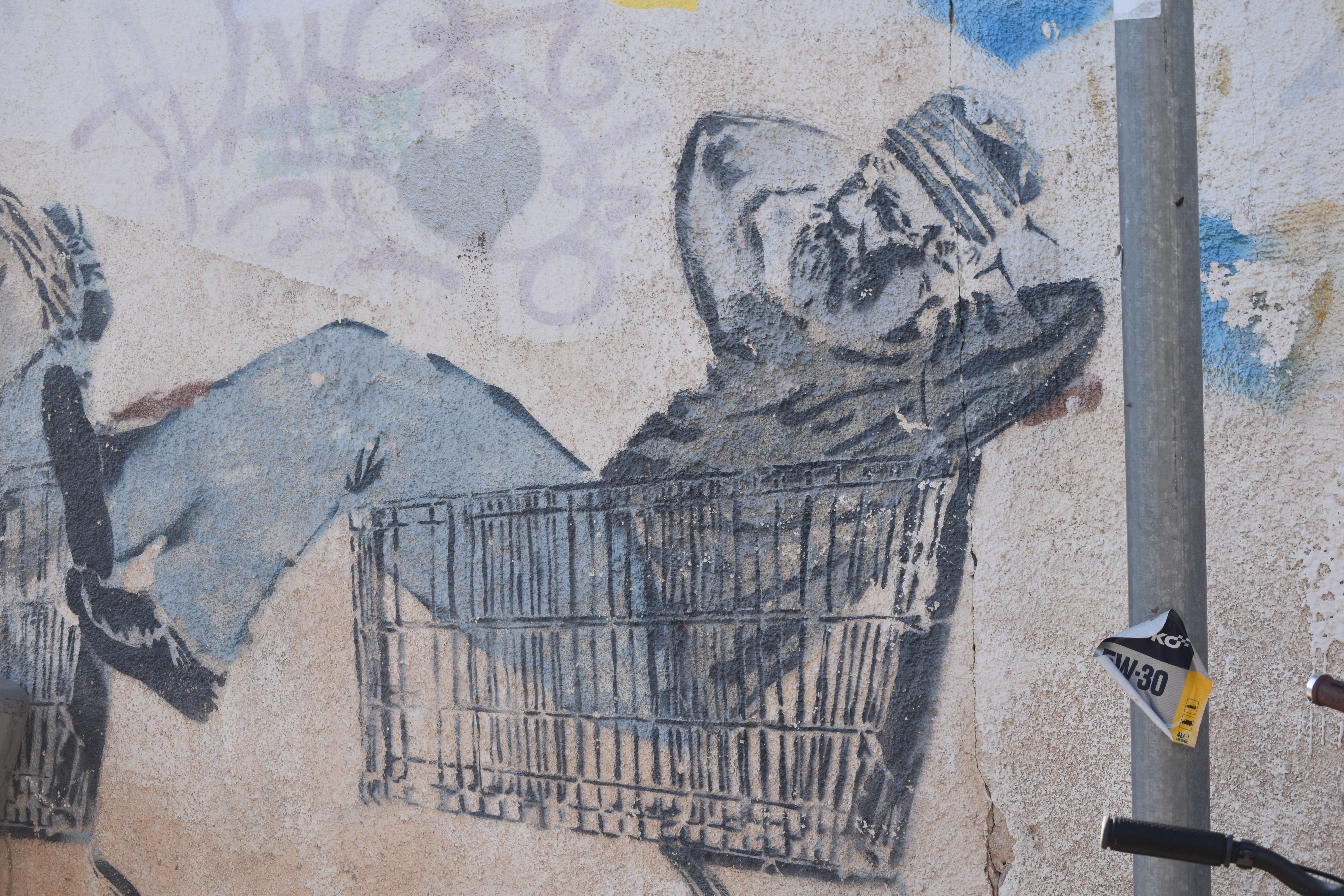
Shutter catch cast an old Yemenite JewGraffiti of Old Yemenite Jew
Over three thousand years ago, God took the Jews of Egypt out from slavery and established the Jewish people. Nearly eighty years ago, just after the reestablishment of the Jewish State, the government of Israel rescued the Jews of Yemen from persecution and brought them to the holy land. Today, Jews from the West come on their own to the Jewish Promised Land.
We marvel at the notion of being taken to safety on “eagles’ wings.” Perhaps we should also marvel at the place to which we arrived.
Many Americans are disillusioned by the state of antisemitism today. Not only is it rampant on college campuses but alive and well in U.S. Congress from people like Rashida Tlaib, Ilhan Omar and Marjorie Taylor Greene. Jewish Americans are considering buying a home in Israel, and perhaps relocate for all or part of the year.
Rep. Rashida Tlaib (D-MN), Rep. Ilhan Omar (D-MN) and Rep. Jamaal Bowman (D-NY) on November 30, 2021 in Washington, DC. (Photo by Drew Angerer/Getty Images)
Before they do, they should relocate within the United States.
Most American Jews live in deep blue or red states like New York, New Jersey, Florida, California and Illinois. Before moving to Israel, they should change their place of residence to one of the swing states like Pennsylvania, Georgia, Arizona or Nevada. That will enable the person to submit an absentee ballot in a state where the vote could actually impact the outcome of a presidential election, tipping the electoral college towards candidates which favor western values.
Even as the world watches the tragedy in the Middle East, many Jewish Americans have greater fear for their futures in the United States and are moving to a war zone. While abroad, they can continue to help America by making sure their votes will matter by first relocating to Philadelphia, Atlanta, Phoenix or Las Vegas.
Even during these turbulent times, Jews from around the world move to Israel.
Jews have always lived in and moved to Israel. They started coming to Israel in greater numbers throughout the 1800s as the number of Jews in the land moved up from 3% to 14% of the population.
The reasons why people come to Israel have changed over time:
A spiritual connection to the land;
Escape from poor treatment in their prior home country;
Economic opportunities;
Family
The main regions that are coming to Israel over the past few years are: Russia/Ukraine; France; US/Canada. In August 2014, over 300 Jews from the US and Canada moved to Israel, with over 100 joining the Israel Defense Forces.
Since 2008, Israel has been the home to more Jews than any other country- for the first time in almost 2000 years.
The recent fatal shooting at the Jewish Museum in Brussels may increase the probability of more Jews leaving Belgium. Belgium is already one of the countries with the highest rates of aliyah to Israel.
In 1948, there were 34 countries with over 25,000 Jews. Today, there are HALF -17 countries. Belgium (30,400) and Italy (28,000) are the next countries that are likely to see their Jewish populations drop below 25,000.
Over 82% of the Jews in the world are concentrated in only two countries – Israel and the US – the greatest concentration of Jews in 2000 years.