Jews around the world just finished reading the Torah, the Five Books of Moses, and promptly began to start the Bible again from the beginning. The time between finishing the public reading and recommencing the weekly recitation was only a few minutes. For Jews, the Bible is a living document that is always being read and learned. There is no “finishing” the Bible; just completing it and commencing again in rapid succession.
The holiday of completing the weekly Torah readings is called Simchat Torah, the Joy of the Bible. The Jewish religious denominations take different approaches to mark the holiday. Hasidic men may be seen dancing in circles with Torahs in the streets; many Reform Temples unfurl the entire Torah with men, women and children holding a section in a large circle. There is a common moment of celebration, but unique methods of celebrating.
With such thoughts about the recent holiday, it is time to advance a principle which is inscribed towards the end of the Pentateuch: to write a Torah.
Some biblical commentators believe that biblical commandment is only applicable to kings; others have said that the king need not actually write the Torah, but to own one. Still others have suggested that the commandment is for everyone to participate in the writing of the Torah, perhaps by paying a scribe, a sofer, to write one on their behalf.
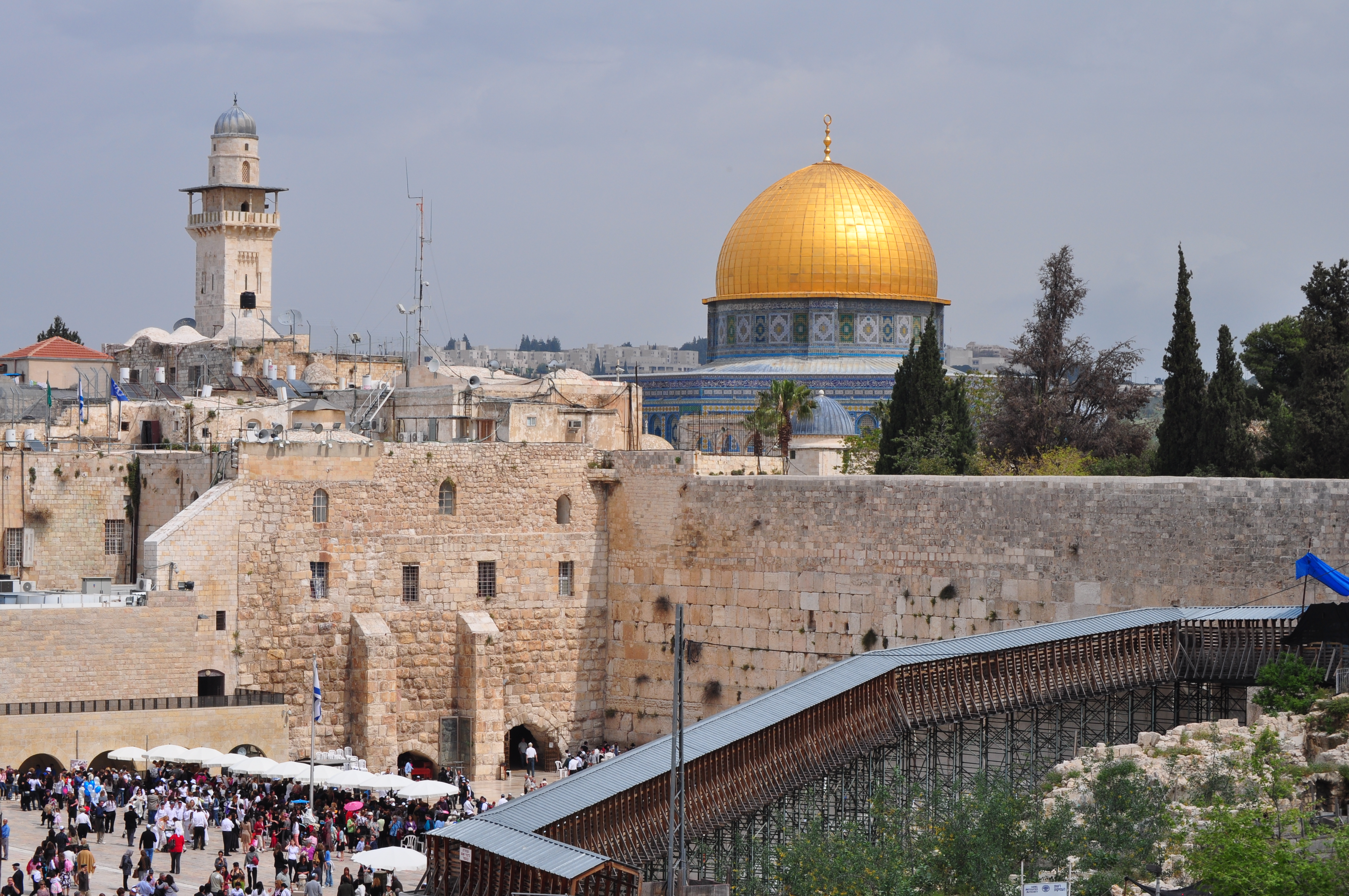
This post is a proposal is to have a permanent sofer at the Western Wall, the Kotel, so everyone can participate in the mitzvah.
Background Issues
- Political. Discussions regarding Jerusalem, the Old City and the Kotel have been trapped in politics for many years. Who has or should have sovereignty and control is debated everywhere, with various advocates supporting Israel, the Palestinians, the Jordanian Waqf and the international community. Many leaders have sought to avoid the inherent religious nature of the location as they fear inflaming passions and violence among the three major monotheistic religions.
- Jewish Religious denominations. The Kotel plaza is currently caught in a fight within the various Jewish denominations. Recently, a dedicated space for non-Orthodox prayer has taken steps forwards-and-backwards, such as the expanded prayer area at Robinson’s Arch being approved and disapproved. The Jewish community outside of Israel (which is mostly non-Orthodox) has taken a sharply negative attitude towards Israel on this point, which is harmful on multiple levels to Israel and Jews worldwide.
- Education and performing a Mitzvah. Many people who come to the Kotel do not have a deep understanding of Judaism. They are foreigners who see an archaeological site caught in a political quagmire. Their visits often lack deeper religious engagement.
- Bridging the Israeli Ashkenazi and Sefaradi Communities. While the two communities often lead distinct lives, there is a chance for the two groups to create something together and forge a common bond, especially in Jerusalem.
The Opportunity
- Large Attendance. Jerusalem’s Old City – and the Kotel in particular – attracts millions of people a year. However, there has been no concerted attempt to actively engage the pilgrims and tourists in anything of religious or spiritual consequence. The plaza is simply an open space for pictures and pan-handlers.
- Spiritual Center. While the most sacred spot for Judaism is not the Kotel but the Temple Mount itself, it is the Kotel that has served as the religious symbol for Jews since the time of Suleiman I in the 1500s. While there is daily prayer at the Kotel, can there be more religious engagement?
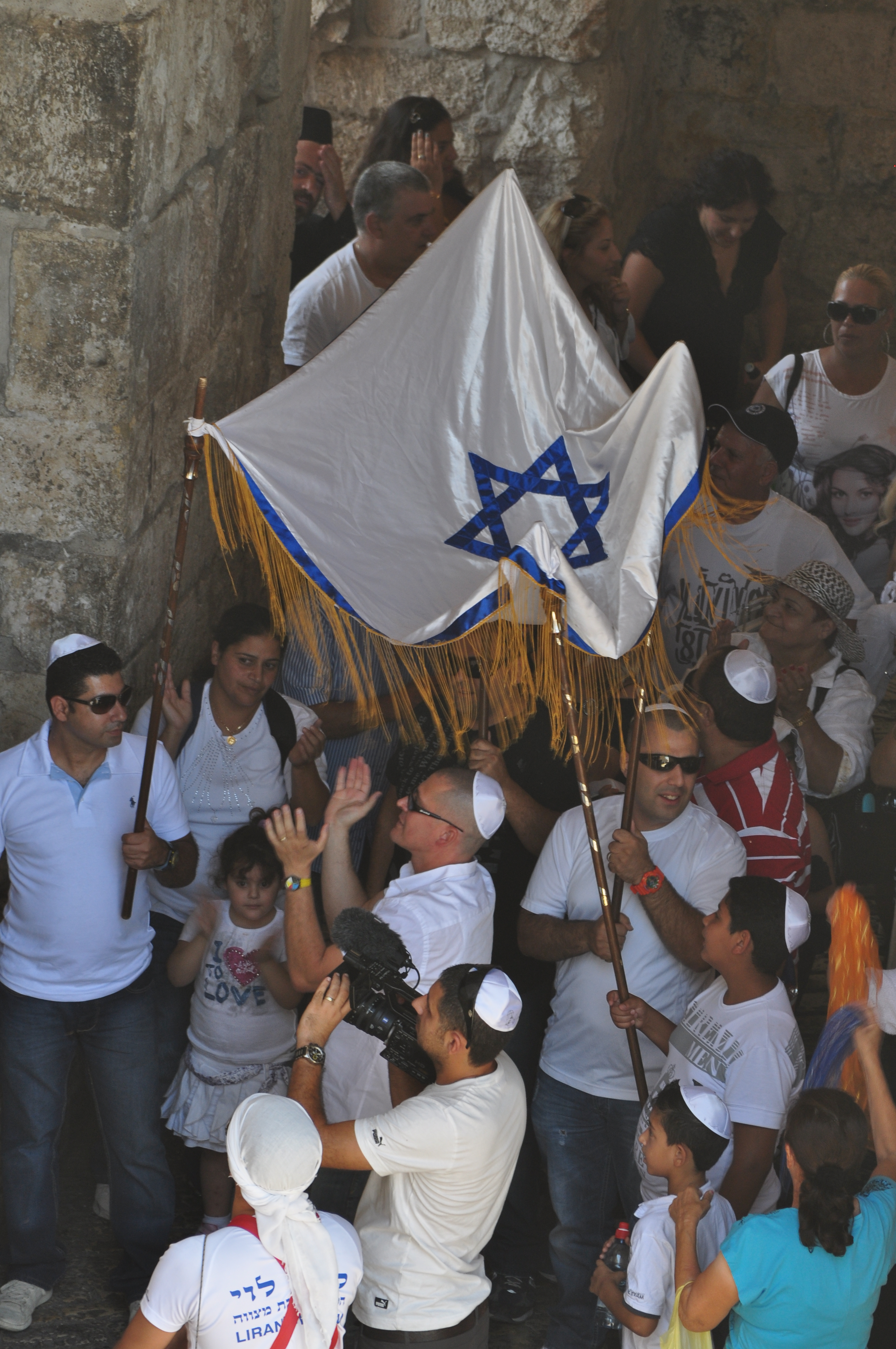
Bar Mitzvah party entering the Old City of Jerusalem through Zion’s Gate
(photo: First.One.Through)
The Proposal
- Sofer at Kotel. The issues above can be addressed by adding a small building (about 47 feet wide) at the back of the Kotel plaza which would house a sofer who would write a Torah six days a week from 8:00am to 8:00pm. By giving a donation, visitors would be able to participate in the mitzvah of writing a Torah, as they observe the sofer write a word on their behalf.
- Ashkenazi and Sefardi approved. There would be both Ashekanzi and Sefardi sofers that would be approved by the chief rabbis of each group. The finished Torahs would alternate between being housed in an Ashkenazi and Sefaradi cases.
- One Sefer published each year. A Torah would be completed each year around Simchat Torah. The Kotel plaza would have a large celebration at the completion of the sefer.
- The World’s Gifts to Israel. The first two Torahs (first Sefaradi and second year Ashkenazi) would be housed at the Kotel itself. In future years, the Torahs would be sent around Israel to shuls, schools, hospitals and army bases.
- Everyone can participate. A woman from sherut leumi will welcome each participant in the entry room of the building, just outside of the sofer’s room. They will accept a donation of any sum from the visitor which will go towards the Kotel Torah effort. A pruta, or penny, will be enough to “purchase” a single letter in the Torah, and minimum donation levels for a word or a sentence. The participant will have the option of having a picture taken with the sofer, and having their name, city, and country be included among the thousands participating in the writing of the sefer Torah.
- The Sofer building. The building would not be very large. It would resemble an Ashkenazi Torah scroll viewed from above: narrow rectangular entry and exit room on either sides (each about 10’ by 16’) and a broader rectangle in the middle for the sofer which will have a large window providing natural light and for people to peer in. The roof with have a conical dome in the middle above the sofer’s room, to resemble a Sefardi Torah case when viewed from street level.
- The entry room will have materials for signing in, and a digital map showing where all of the participants for the current Torah have come from. Exhibits explaining how a Torah is written will be on the walls.
- The sofer’s room will have materials and the desk for the sofer, and room for a photographer to take pictures with the participants.
- The exit room will have materials related to restoring Torahs and digital tools like Sefaria and the Bar Ilan project.
Concern
Everything around the Kotel involves a global outcry. The United Nations has gone to such extreme and absurd levels that it has condemned Israel for mundane items like placing an umbrella in the Kotel Plaza. Placing a building at the back of the Plaza might generate similar protest, however, limiting its size may ameliorate some of the concerns, as well as not having any national flags atop the structure.
Conclusion
Bringing a sofer to the Kotel will hopefully allow all Jews to engage with the Judaism’s holiest space in a religious manner. Everyone would have a chance to perform the special mitzvah – even those with no knowledge of Hebrew and limited Jewish education. Participants will not only view the site from a physical and political basis, but also from a spiritual one.
For Israel, this can be a fence-mending opportunity. The global non-Orthodox community which feels disconnected from Israel and its Orthodox religious leaders will be able to stand in line and participate in writing the very same Torah as Orthodox Jews. This is a chance to open religion and the Kotel to everyone around the world.
There is a song that will be sung in a continuous loop at the building that houses the permanent sofer at the Kotel, words from the prophets Isaiah and Micha: “For the Torah shall come forth from Zion, and the words of God from Jerusalem.” Words that will hopefully bring unity to Jews around the world.
וְֽהָלְכ֞וּ גּוֹיִ֣ם רַבִּ֗ים וְאָֽמְרוּ֙ לְכ֣וּ ׀ וְנַעֲלֶ֣ה אֶל־הַר־יְהוָ֗ה וְאֶל־בֵּית֙ אֱלֹהֵ֣י יַעֲקֹ֔ב וְיוֹרֵ֙נוּ֙ מִדְּרָכָ֔יו וְנֵלְכָ֖ה בְּאֹֽרְחֹתָ֑יו כִּ֤י מִצִּיּוֹן֙ תֵּצֵ֣א תוֹרָ֔ה וּדְבַר־יְהוָ֖ה מִירוּשָׁלִָֽם׃
“And the many nations shall go and shall say: “Come, Let us go up to the Mount of the LORD, To the House of the God of Jacob; That He may instruct us in His ways, And that we may walk in His paths.” For instruction shall come forth from Zion, The word of the LORD from Jerusalem.” (Micha 4:2) (Isaiah 2:3)
Related First.One.Through articles:
Taking the Active Steps Towards Salvation
A Seder in Jerusalem with Liberal Friends
Here in United Jerusalem’s Jubilee Year
The Reform Movement’s Rick Jacobs Has no Understanding of Tolerance
Today’s Inverted Chanukah: The Holiday of Rights in Jerusalem and Judea and Samaria
Subscribe YouTube channel: FirstOneThrough