The international community keeps reaching for the same tool and calling it a solution.
It wasn’t in southern Lebanon. It won’t be in Gaza.
After the 2006 Lebanon War, the United Nations Security Council passed Resolution 1701 with clarity: no armed groups south of the Litani River except the Lebanese state and United Nations Interim Force in Lebanon. Hezbollah would withdraw. The area would be demilitarized.
It never happened.
Hezbollah didn’t disarm. It adapted. Fighters disappeared into civilian life. Weapons moved into homes and tunnels. Infrastructure embedded deeper. Over time, Hezbollah became stronger in the very zone it was supposed to vacate.
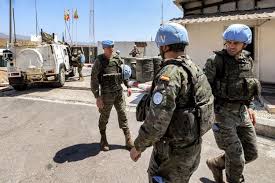
UNIFIL patrolled. It reported. It de-escalated when it could.
It did not enforce.
It could not.
That is not a tactical failure. It is the model.
A peacekeeping force without the authority or backing to impose outcomes becomes a bystander to violations it is tasked to prevent.
UNIFIL soldiers
Now the same model is being proposed for Gaza.
Disarm Hamas. Install a new authority. Deploy a multinational force to secure the peace.
It sounds familiar because it is.
Hamas, like Hezbollah, is not just a militia. It is a political and social organism backed by the Islamic Republic of Iran that is embedded in the population, sustained by ideology, and built to survive pressure. It will not voluntarily disarm into irrelevance.
And no external force—operating with limited mandate, constrained rules, and no appetite for sustained combat—will disarm it for them.
This is where the illusion breaks.
Peacekeeping works when peace already exists. It locks in outcomes. It does not create them. When deployed in the absence of resolution, it manages conflict. It does not end it.
That is what happened under 1701.
The “demilitarized zone” became a monitored one. Violations became routine. The temporary became permanent.
Hezbollah didn’t defy the system. It learned how to live inside it.
There is every reason to expect Hamas would do the same.
The problem is not execution. It is the belief that presence equals control. Blue helmets, patrols, liaison offices—they project order. They do not establish it.
Without a force willing and able to dismantle armed infrastructure and impose monopoly on violence, disarmament is not policy. It is aspiration.
Lebanon already ran this experiment. It didn’t produce peace.
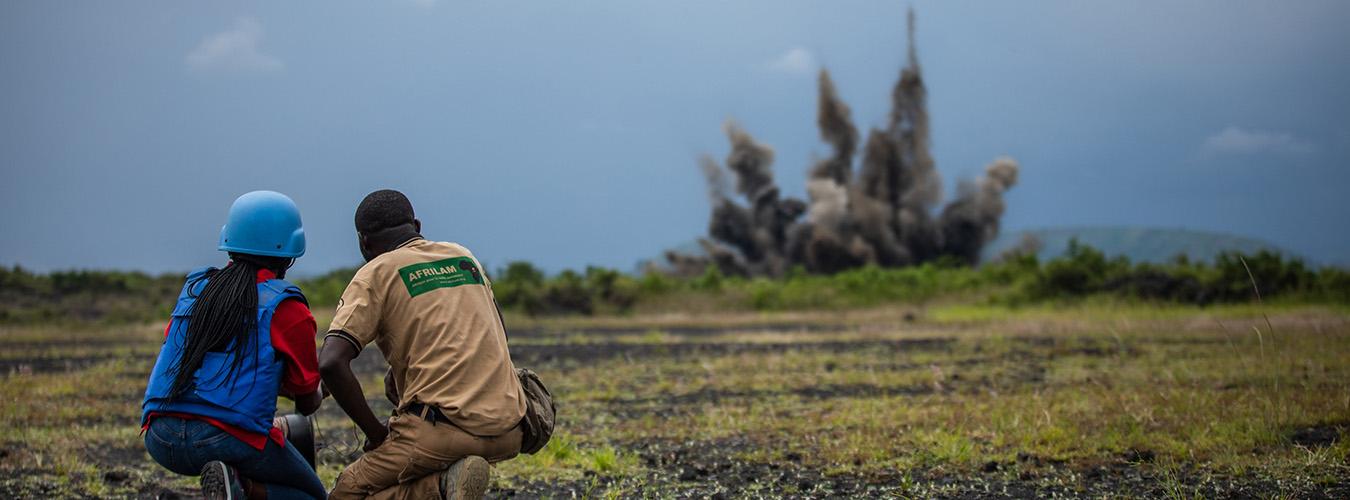
Every year, the United Nations marks the International Day for Mine Awareness and Assistance in Mine Action, a day meant to focus the world on one of war’s most enduring dangers: explosives that linger long after the fighting ends. It is supposed to be about clarity, about identifying risks so civilians can return home safely.
Instead, it has become a case study in how language can blur reality.
The Secretary-General’s message follows a familiar script. Landmines, explosive remnants of war, improvised explosive devices—all grouped into a single, undifferentiated threat facing millions. Then comes the quiet insertion: Gaza. Not explained, not distinguished, simply placed alongside countries like Colombia, Ethiopia, Lebanon, Myanmar, and Syria—places long associated with entrenched landmine contamination. With that single move, a narrative is constructed without ever being explicitly stated.
The problem begins with the collapse of categories. Landmines, IEDs, and explosive remnants are not interchangeable. Landmines are deliberately planted, often victim-activated and designed to persist. IEDs are improvised weapons, most commonly used by non-state actors. Explosive remnants of war are what’s left behind—unexploded bombs, artillery shells, rockets. In Gaza, those distinctions are not academic; they are the entire story.
Hamas and other Palestinian militant groups have relied heavily on IEDs and booby traps as a core tactic. Not Israel. There does remain unexploded ordnance buried in rubble after extensive Israeli strikes. But the UN language compresses all three categories into one phrase and drops Gaza into the middle of it, allowing implication to do what evidence does not.
Just as telling is the disappearance of agency. The United Nations Mine Action Service and related reporting have acknowledged encountering IEDs in Gaza. But in public-facing messaging, the actor behind those devices vanishes. There is no mention of Hamas, the governing authority in Gaza that initiated this war with the October 7 attacks. There is no mention of homes rigged with explosives, of tunnels wired for ambush, of civilian infrastructure turned into tactical hazards. The war did not emerge from nowhere; it was launched by Gaza’s rulers, and Israel did not seek it. Yet in the UN’s framing, explosives simply exist, detached from the decisions and strategies that put them there. When agency disappears, accountability follows.
The rhetorical effect is powerful. By placing Gaza alongside countries defined by decades of landmine contamination, the UN shifts perception. Gaza becomes, in the public mind, a classic minefield. But it is not. It is a dense urban battlefield littered with booby traps and complicated by the deliberate use of improvised explosives by militant groups embedded within civilian areas.
The reality is that Gaza is a public hazard of itself. The mines, the terror tunnels under homes and schools, the embedded terrorists throughout neighborhoods is a tragedy the UN helped foster.
Rather than take a modicum of responsibility or lay blame on its adopted wards, the UN’s language pivots the blame on the victims of October 7. It deliberately has tried to change history and public perception that Israel deliberately turned Hamas into a large minefield when Gazans did that to themselves.
The International Day for Mine Awareness was created to expose hidden dangers, to name them clearly so they can be removed. Here, the danger is not only in the ground. It is in the language. When distinctions collapse and responsibility dissolves, understanding becomes another casualty. And in a conflict already defined by competing narratives, what remains unexploded in the words can be just as damaging as what lies beneath the rubble.
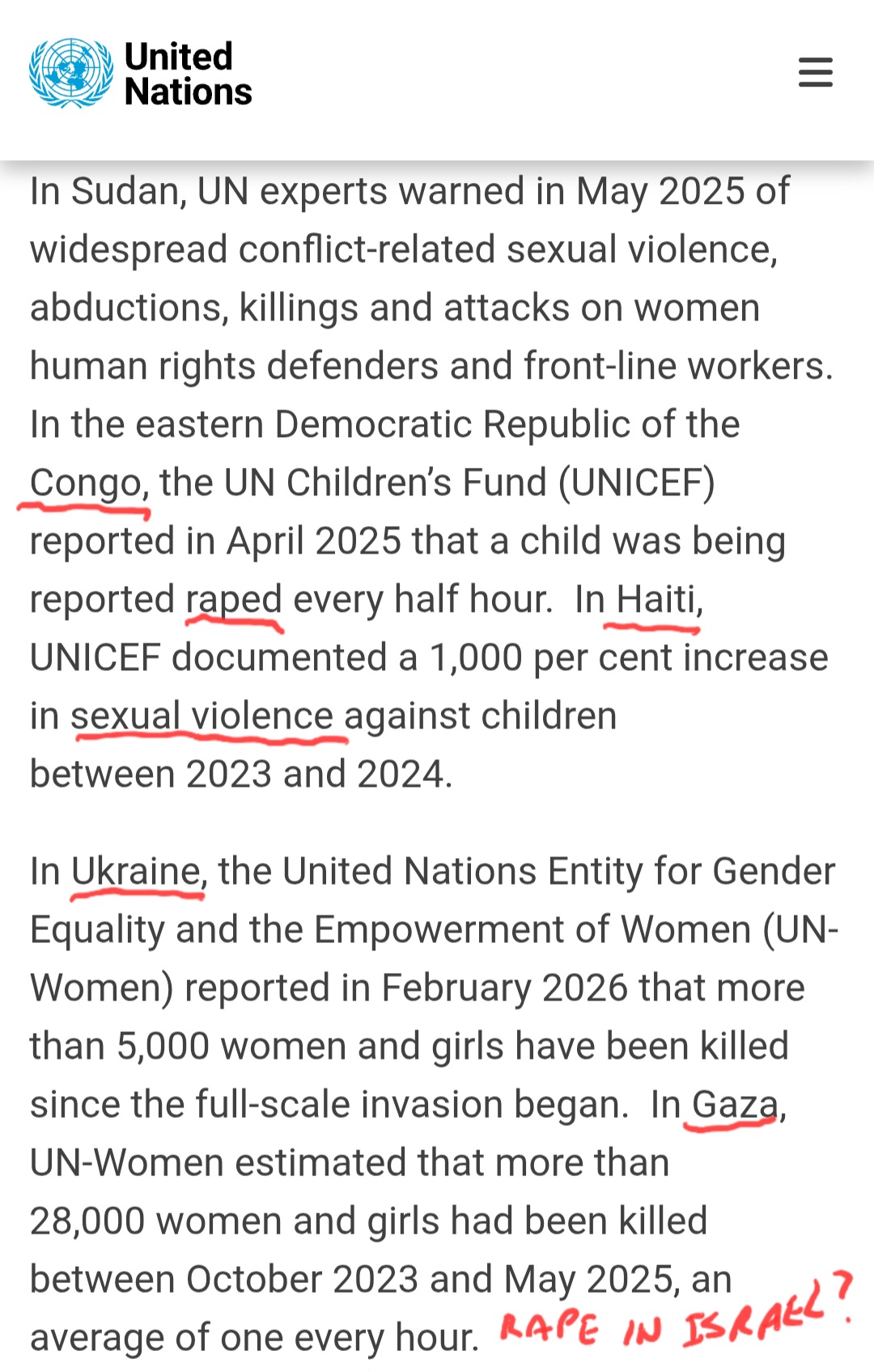
The United Nations has released yet another report on violence against women. It reads like a catalogue of human depravity – Sudan, Congo, Haiti, Ukraine, Gaza – each documented, each calibrated to shock the conscience.
And it does but not for the reason the authors intend.
Because one of the most documented episodes of mass sexual violence in recent history is missing. Not debated. Not contextualized.
Absent.
On October 7, an estimated 6,000 Gazans invaded Israel and carried out atrocities that included the systematic rape and mutilation of women. This is not a matter of competing narratives. It has been documented by eyewitnesses, first responders, forensic teams, and subsequent investigations.
And yet, in a sweeping global report about violence against women, these victims disappear.
The report finds space for a child raped every half hour in the Democratic Republic of the Congo, for the explosion of abuse in Haiti, for war deaths in Ukraine, and for casualty figures in Gaza. Horrific and worthy of attention.
But the omission is not accidental. It is instructive.
Because what the United Nations is quietly establishing is a hierarchy of victims. Some suffering is elevated. Some is ignored. And some – when it disrupts a preferred political narrative – is erased altogether.
Jewish women fall into that last category.
That is not human rights reporting. It is narrative management.
And that distortion does not stay confined to UN documents. It bleeds outward. When the international system refuses to clearly name and center atrocities committed against Jews, it creates a form of moral cover. The record itself becomes a kind of absolution.
So when figures in the West – like the wife of New York City Mayor Zohran Mamdani, Rama Duwaji – publicly express approval for the October 7 massacre, the reaction is muted, rationalized, or ignored. The most grotesque elements of that day, including the sexual violence, have already been softened, blurred, or omitted by institutions that claim to stand for universal rights.
If the crime is not fully acknowledged, then the celebration of it can be more easily excused.
That is the downstream consequence of selective memory and outrage.
The United Nations is not failing to see. It is choosing not to look and remind the world about violent antisemitism. And in doing so, it transforms a report about protecting women into something far more revealing: a document that tells us which victims matter and which ones are inconvenient.
In that calculus, the rape and murder of Jewish women is not denied. It is deemed unworthy of inclusion. Perhaps even harmful, lest it paint its forever wards, the Stateless Arabs from Palestine (SAPs) in an unfavorable light.
New York City Mayor Zohran Mamdani just appointed Ana Maria Archila of the Working Families Party to lead the Mayor’s Office of International Affairs. She will serve as the city’s chief liaison to the United Nations and the State Department.
She doesn’t care much for Israeli Jews.
In 2018, Archila became a national symbol of “believe survivors” during the confirmation fight over Brett Kavanaugh. She demanded that allegations of sexual violence be treated with complete moral seriousness.
Yet in June 2024, she had no issue championing Rep. Jamaal Bowman who had taken to the streets of his district after the heinous October 7, 2023 Arab massacre of Israelis to yell to a crowd that the story of Hamas raping Jewish women was a lie.
To add toxic fuel to the fire, while dozens of Jewish Israeli women remained captive in the terror tunnels of Gaza by the Palestinian leadership, Archila yelled at the Bowman rally (4:47) that “we end foreign policy that keeps Palestinian people in shambles and Palestine in shackles.” That is not an exaggeration: she came out to a rally to support a rape denier and yelled that the victims of kidnapping were actually the perpetrators.
Now Mayor Zohran Mamdani is elevating Archila into an international-facing role for New York City, the city with the largest Jewish population outside Israel.
In the alt-left political establishment in New York City today, raped Jewish women are not to be believed, their kidnapping is to be mocked, and their tormentors are to be canonized before cheering crowds.
António Guterres wants the world to believe that peace can be engineered with a spreadsheet — that inequality is the disease, redistribution the cure, and justice a matter of financial rearrangement. In his January 15 address, he warned that concentrated wealth corrupts institutions and that most low-development countries are in conflict. The implication is unmistakable: balance the books and peace will follow.
“The top 1 per cent holds 43 per cent of global financial assets. And last year alone, the richest 500 individuals added $2.2 trillion to their fortunes.
Increasingly, we see a world where the ultra-wealthiest and the companies they control are calling the shots like never before — wielding outsized influence over economies, information, and even the rules that govern us all.
When a handful of individuals can bend global narratives, sway elections, or dictate the terms of public debate, we are not just facing inequality — we are facing the corruption of institutions and our shared values.” – UNSG Antonio Guterres
But choosing the wrong enemy guarantees the wrong war.
Because evil is not an accounting problem.
The UN’s failure begins in its diagnosis. It treats terrorism as a social pathology when it is, in fact, an ideological one.
Terrorism is not born in empty wallets. It is born in minds captured by belief.
Two decades of research have demolished the claim that poverty causes terror. Terrorists are rarely the poorest of the poor. They are often educated, middle-class, and technically trained — the engineers of jihad, the lawyers of holy war. The suicide bomber is seldom starving. He is convinced.
If poverty produced terrorism, the poorest societies would be its factories. They are not. Many desperately poor states remain largely untouched by global jihad, while terror movements arise from politically radicalized societies with functioning middle classes and ideological incubators.
What correlates with terrorism is not poverty, but ideas combined with power: religious absolutism, revolutionary nationalism, grievance cultures, and failed identity — not failed GDP.
This is not an academic distinction. It is the fault line between clarity and catastrophe.
If money could defeat jihad, Gaza would be the proof. It is not — it is the refutation.
Gaza has received billions in international aid. What emerged was not prosperity, but the most elaborate terrorist war machine ever embedded in a civilian population: tunnels beneath hospitals, command bunkers under schools, rockets from playgrounds, children trained for martyrdom.
This was not a failure of funding. It was the success of ideology. And the UN instigates that very ideology claiming that Israel should have no sovereign control of who enters its country, and specifically that almost every Arab living in Gaza will move into Israel with UN support.
“We are totally committed in the cause of peace in Gaza, Ukraine, Sudan and far beyond.” – UNSG Antonio Guterres
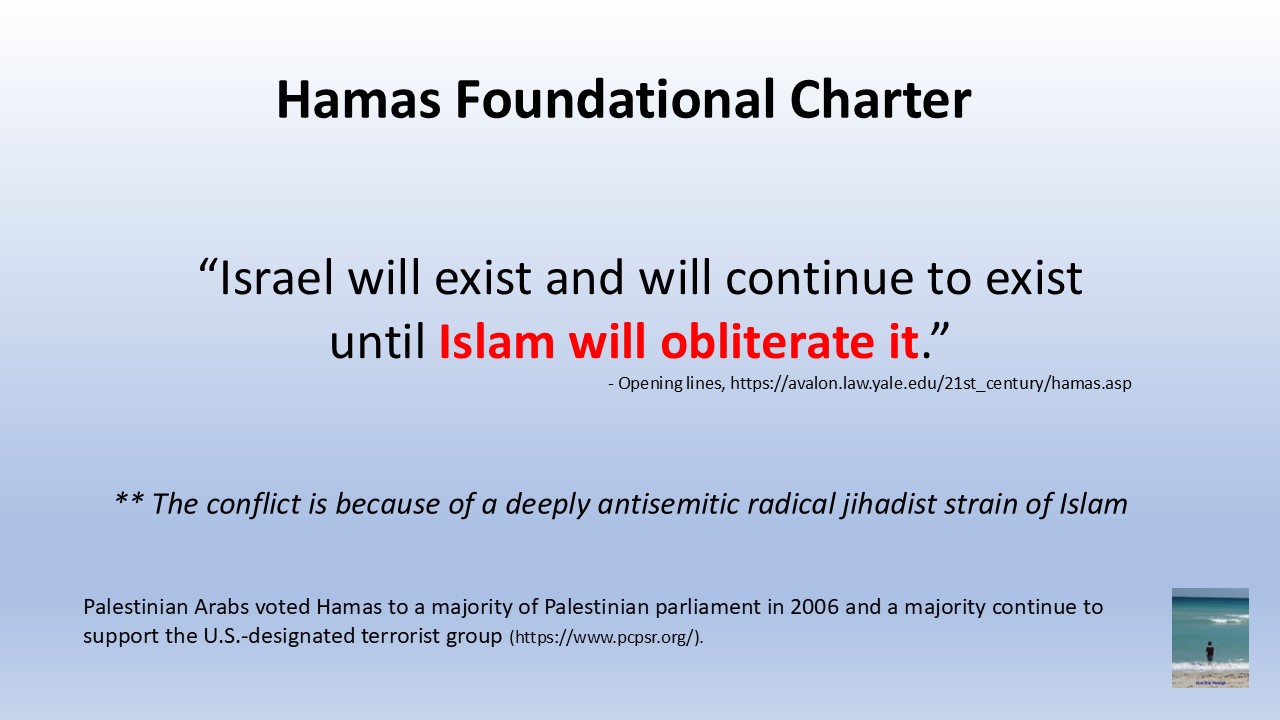
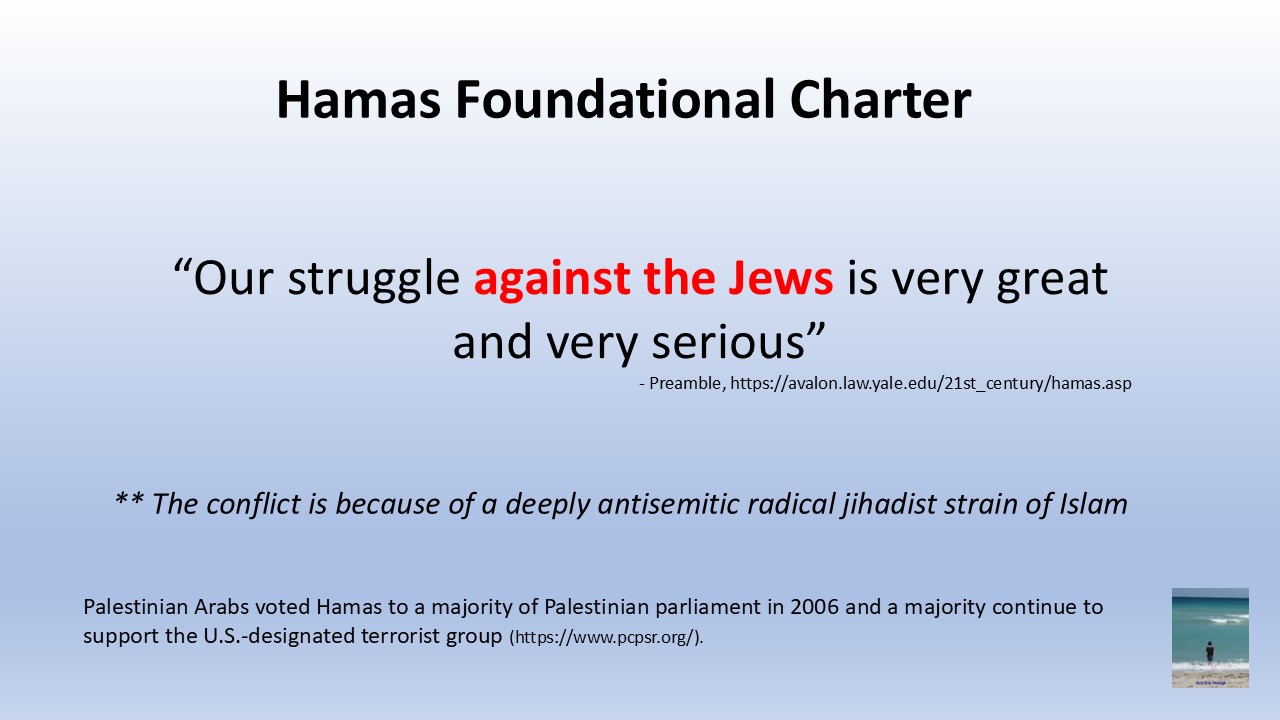
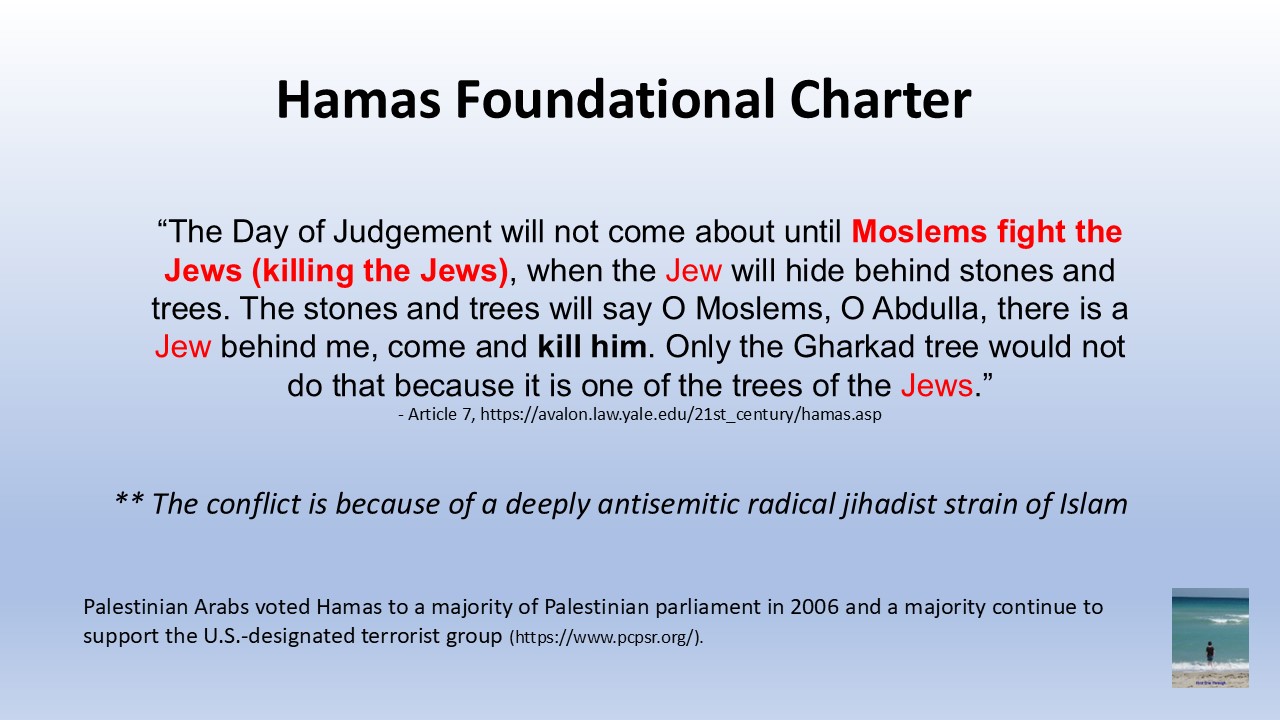
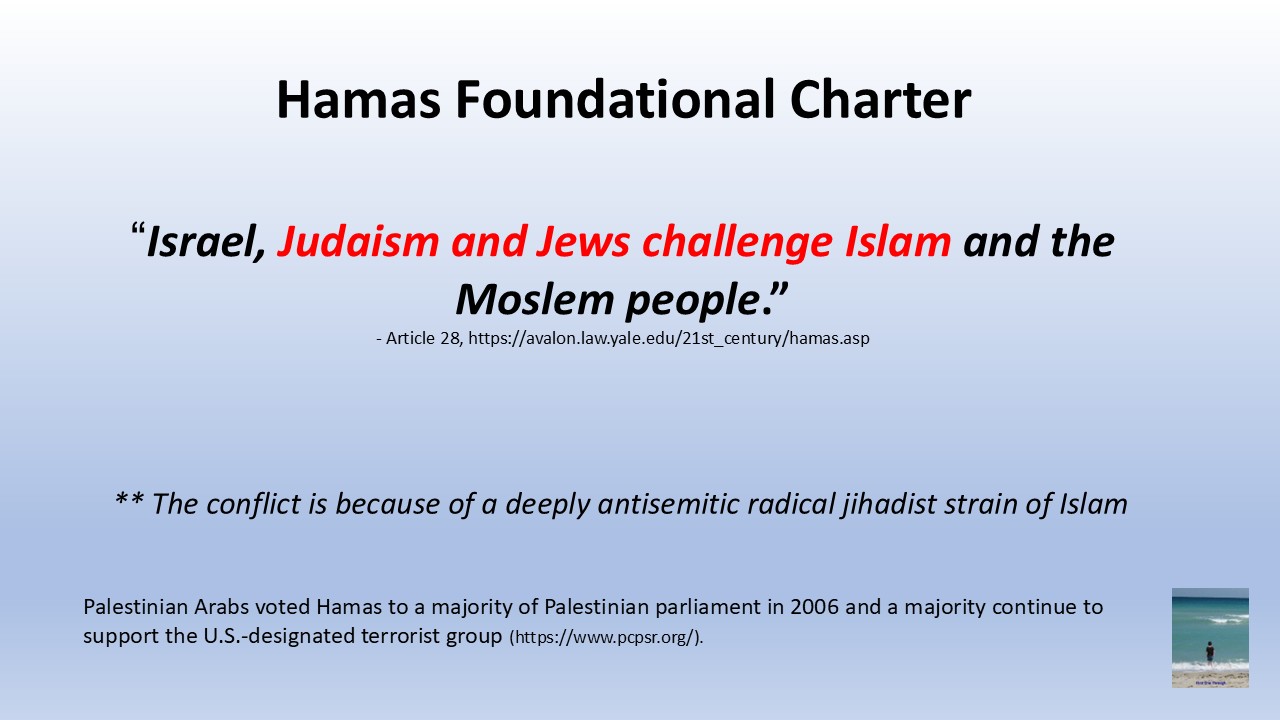
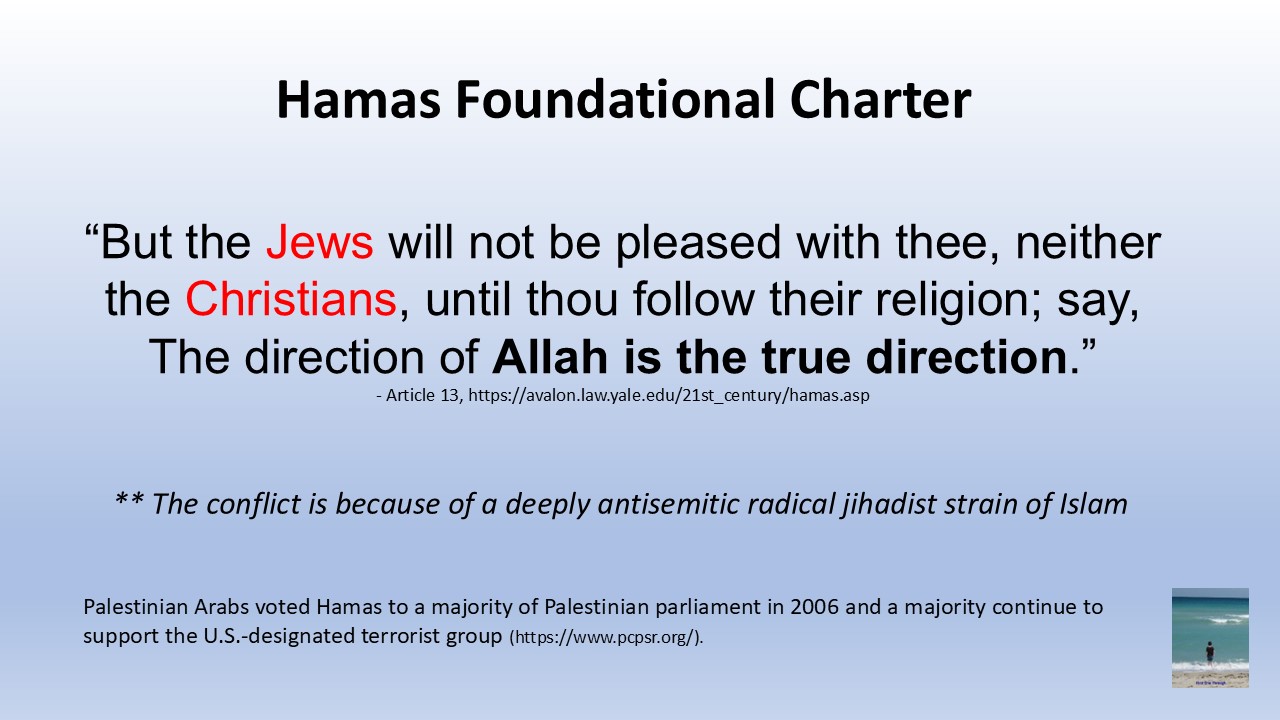
Hamas did not build tunnels because Gazans were poor. Hamas built tunnels because its charter demands Israel’s destruction, because martyrdom is sacred, because jihad is identity. Money did not create this worldview — it merely financed its execution.
You can flood a society with aid, but if its governing ideology is annihilationist, all you finance is a more capable war machine.
Once the UN misdiagnoses ideology as economics, the next failure becomes inevitable.
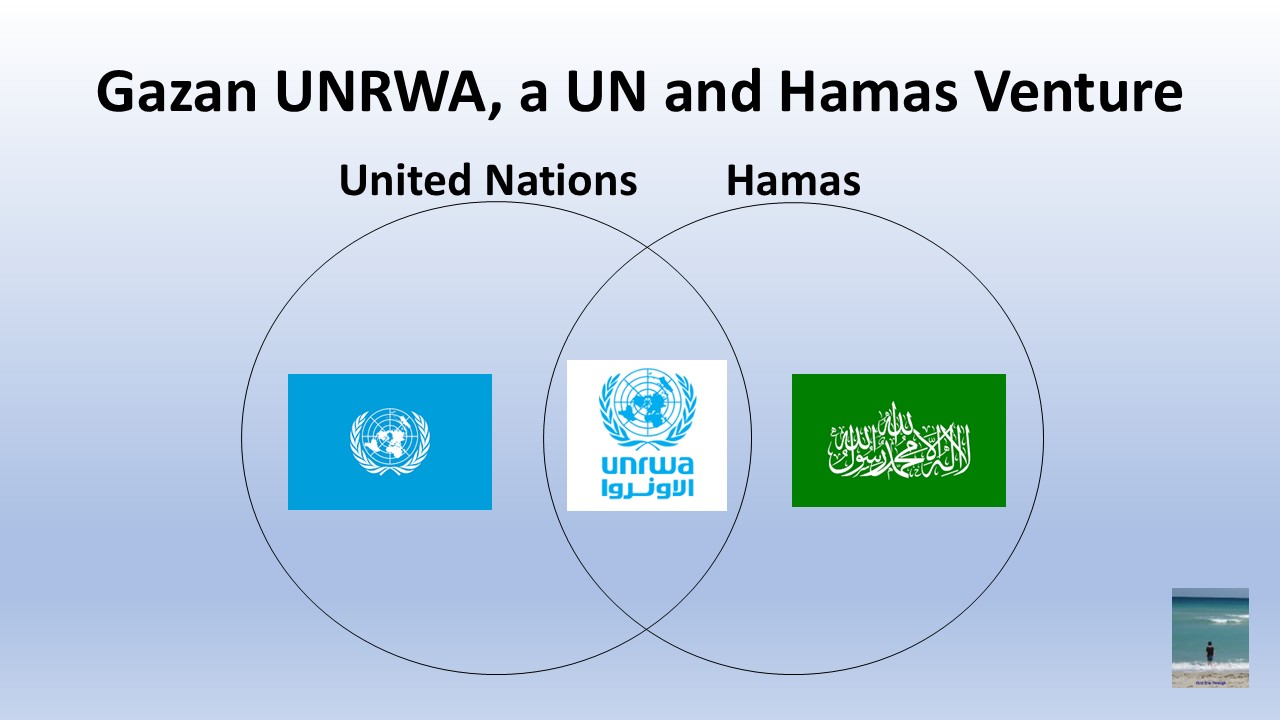
For decades, it has constructed and sustained a grievance system around the Stateless Arabs from Palestine (SAPs) that functions symbiotically with jihadist aims. Through its agencies and resolutions, it has promised millions of SAPs who have never lived in Israel that they will one day “return” en masse into Israel — effectively proposing Israel’s demographic erasure through mass population transfer via international decree.
No state can survive if an external body claims authority over who may enter it and redefine its citizenship from the outside. Yet the UN has made this assault on sovereignty a central plank of its Palestine policy — while calling it “humanitarian.”
Through UNRWA’s unique multigenerational refugee status, displacement becomes inherited identity rather than a temporary humanitarian condition. Grievance becomes doctrine. Statelessness becomes culture. A territorial dispute becomes a perpetual weapon.
And then the UN asks for more money to sustain it.
Why does the UN persist in this inversion?
Because it refuses to judge belief systems.
It will not confront jihad as an ideology. It will not describe Islamic terrorism as such. It will not wade into cultural or civilizational dynamics because it sees itself as a neutral global body.
But neutrality toward ideology does not produce peace. It produces permission.
And because the UN will not fight belief systems, it substitutes economics.
It reframes terror as inequality. It reframes jihad as deprivation. It reframes mass murder as misallocated capital.
In doing so, it becomes part of a broader machinery seeking to shift wealth and power from the Global North to the Global South — not merely for development, but as moral rebalancing, regardless of whether this addresses the real drivers of violence.
Redistribution becomes its ritual response whenever violence erupts.
Which means: more authority, more money, more relevance for the UN.
This is not accidental. It is institutional self-preservation dressed as virtue.
So the world is invited to believe the problem is billionaires rather than beheaders. That terror is born from inequality rather than indoctrination. That peace will come from redistribution rather than defeating enemies.
Evil is not a pocketbook problem. It is an ideology.
And no amount of redistribution will make a death cult lay down its weapons.
Pharaoh stood unmoved as the Nile turned to blood. Life-giving water became useless overnight, and the system held. That moment captured the moral reality of the Exodus.
The plagues were not revenge. They were not emotional retaliation for suffering already endured. And they were not even, in the narrow sense, punishment for evil deeds. They were something far more deliberate: the dismantling of a system that could not be allowed to continue.
That distinction matters—then and now.
Revenge, Punishment, and Dismantlement
Revenge is backward-looking. It seeks emotional satisfaction for injury. Punishment is judicial. It assigns guilt and imposes consequences. Dismantlement is future-oriented. It exists to make continued evil impossible.
The plagues fit only the third category.
They were announced in advance. They escalated slowly. It wasn’t rage. It didn’t aim at humiliation. The Torah goes out of its way to show a paced methodology.
Even “punishment” does not fully explain what happens. Punishment targets perpetrators. The plagues targeted foundations: economy, theology, nature, and political myth. The Nile, the body, the sky—everything Egypt relied on to project permanence was stripped away piece by piece.
Why? Because slavery was not a policy failure within Egypt. It was Egypt.
You cannot reform a system built on domination. You cannot shame it. You cannot negotiate it out of existence. You have to break the assumptions that make it feel eternal.
That is what the plagues did. They delivered a message: “You are not absolute—and the time for evil has ended.”
The Same Moral Error Reappears Today
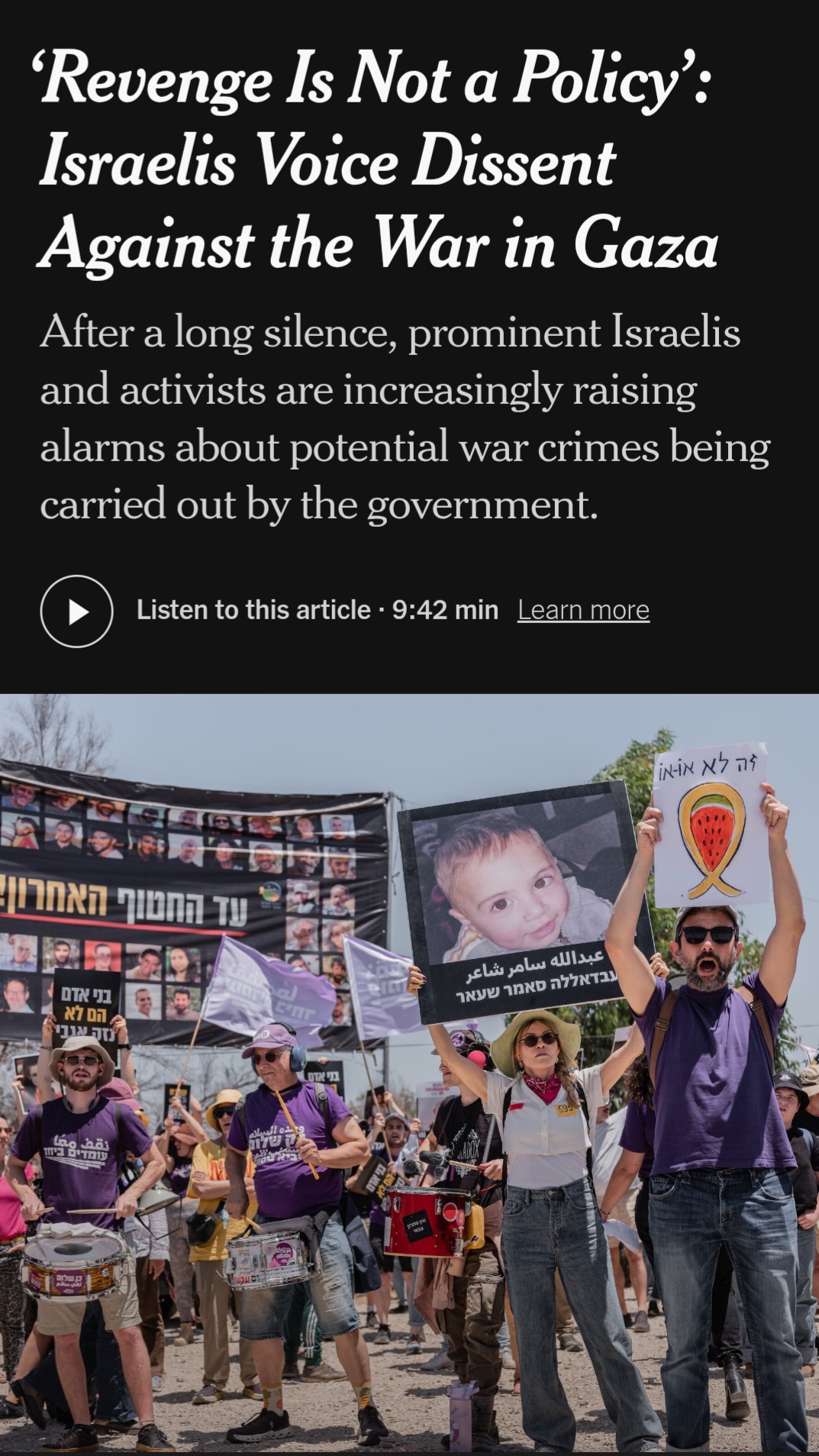
That same confusion appears again in the way Israel’s war in Gaza is discussed.
Since October 7, critics have insisted that Israel is acting out of revenge, wounded pride, or collective punishment. That reading repeats the same error people make about the plagues: it projects human emotion onto a campaign that is structural in nature.
If Israel were seeking revenge, Gaza would already be erased. If this were punishment, the war would end with confessions and symbolic justice.
Neither is happening.
Israel is trying to end a war by dismantling the system that made it inevitable.
Hamas is not a fringe militia. It is the elected majority of the Palestinian parliament and ruling authority in Gaza. It is immensely popular. Over years, it constructed a comprehensive war society: tunnels beneath homes, schools, and mosques; civilian infrastructure fused with military command; education and media organized around eradication; international aid converted into weapons. Violence was not a breakdown. It was the operating principle.
As in Egypt, brutality was not an abuse within the system. It was the system.
You cannot coexist with that indefinitely. You cannot contain it forever. You cannot pause it and hope it reforms while leaving its foundations intact.
Why Ending the System Is Not Cruelty
Calls for ceasefire without dismantlement may sound compassionate but mirror Pharaoh’s promises: temporary relief with permanent structures preserved. The Torah teaches us to distrust that move. Pauses without transformation merely reset the cycle.
Israel’s campaign is not about humiliation. It is about limits. No governing authority may embed genocide into its ideology. No regime gains immunity by hiding behind civilians. No society organized around death gets an unlimited future.
Ending such a system is not revenge. It is moral necessity.
Since 2022, the United States has funded two wars at historic scale.
~$65–70 billion in direct U.S. military aid to Ukraine
~$21–22 billion in U.S. wartime military aid to Israel since October 7, 2023
Ukraine’s funding is more than three times larger, delivered faster and sustained longer. Israel’s is smaller, largely defensive, and focused on interception and resupply.
Yet only one of these aid streams has been treated as morally illegitimate.
The Moral Divergence
Aid to Ukraine is framed as defending democracy. Aid to Israel is framed as complicity.
Both wars involve urban combat. Both involve civilian casualties. Both rely on U.S. weapons.
But only Israel’s aid is placed under moral indictment.
The Political Record
Progressive politicians aligned with the Democratic Socialists of America have been consistent in drawing this distinction.
Bernie Sanders voted for massive Ukraine aid packages while introducing resolutions to block or condition arms transfers to Israel.
Alexandria Ocasio-Cortez supported Ukraine military assistance as solidarity, while opposing emergency funding for Israel as morally disqualifying.
Ilhan Omar and Rashida Tlaib made opposition to U.S. military aid to Israel a defining cause—calling for halts and embargoes—without mounting a comparable campaign against the much larger Ukraine funding stream.
“This is not only the Israeli government’s genocide, Mr. Speaker. this is our government’s genocide.” – Rep. Rashida Tlaib
No similar moral test was applied to Ukraine.
The erosion of support in long wars
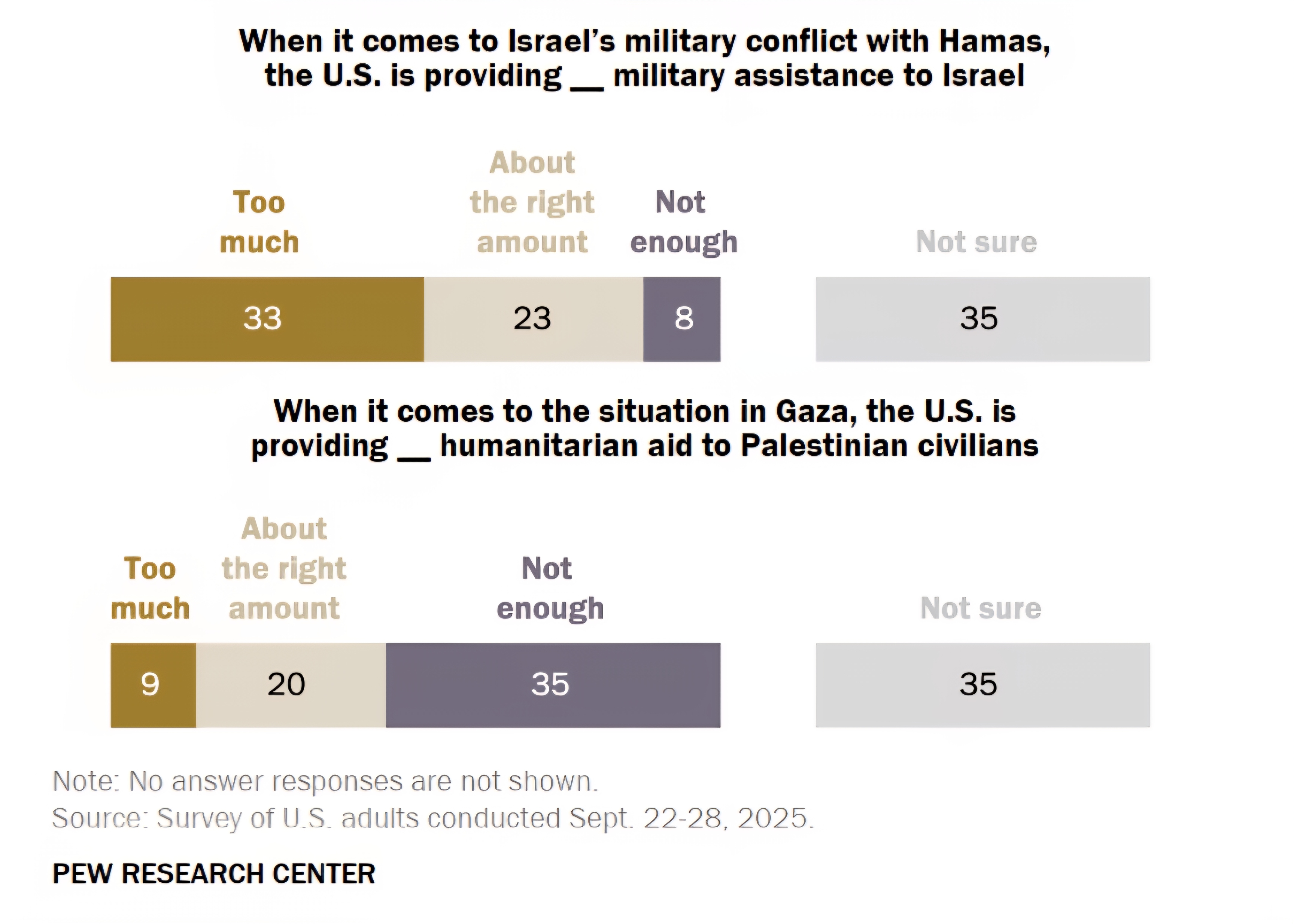
As the wars in Ukraine and Israel dragged on, Americans began to tire of spending so much money abroad in both wars. In September 2025, a Pew Research poll found that one-third of Americans thought that the US was providing too much military aid to Israel, while 23% thought the figure was about right and only 8% said it was not enough.
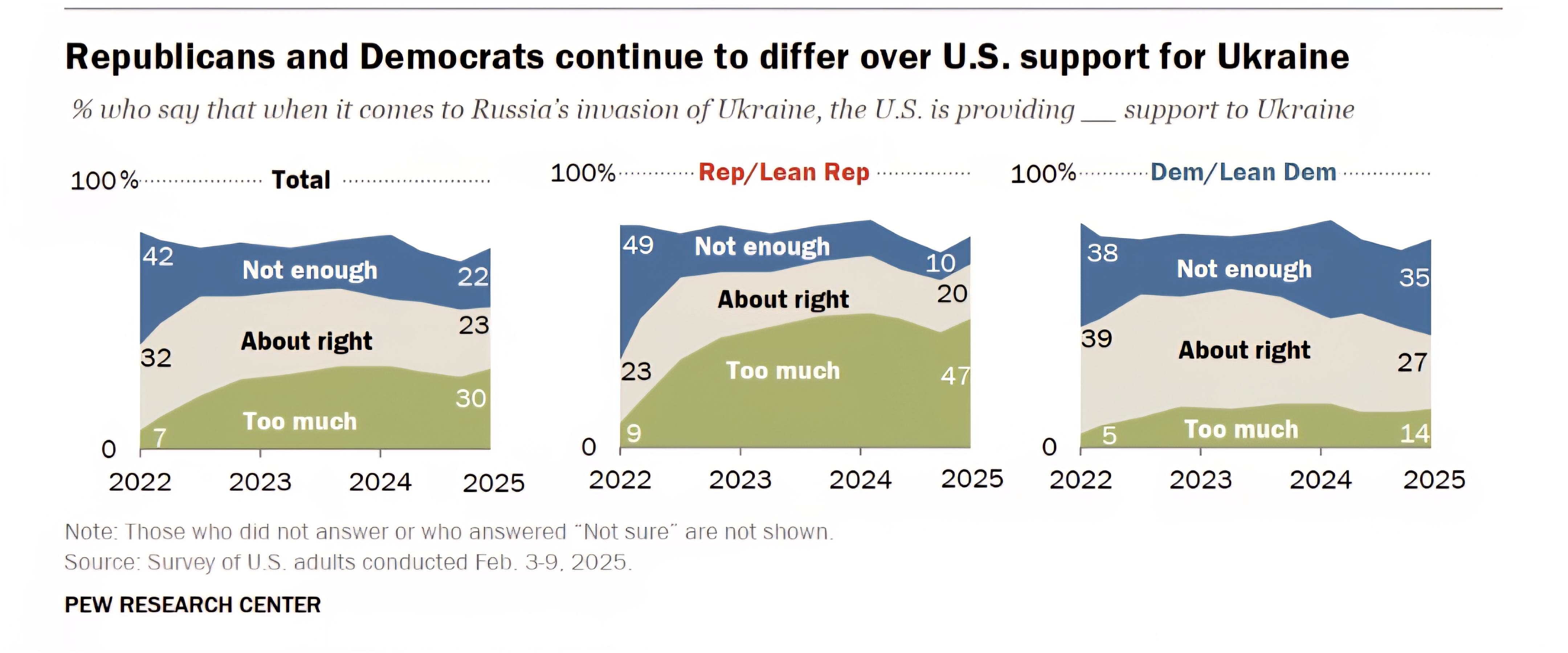
The figures were about the same for Ukraine in a February 2025 poll – 30% said too much aid, 23% about the right amount, but a significantly different figure – 22% (versus 8%) said there was not enough aid going to Ukraine. The gap is likely due to the visuals of a totally devasted Gaza and the elimination of most of the Hamas leadership.
A deeper dive shows a significant divide between Republicans and Democrats, especially over time. Republicans moved from 9% feeling there was too much aid and 49% not enough aid in 2022, to 47% feeling there was too much aid and 10% not enough aid in 2025. While Democrats did change their views over time, it was not as dramatic as the Republican shift.
At least for Ukraine.
The Ideology Behind the Distinction
This asymmetry between Ukraine and Israel is not about budgets or battlefield conduct. It is ideological.
Within DSA thinking, Israel is not merely a state that acts wrongly; it is framed as an illegal colonial project. The claim rests on a core assertion: that Jews are not indigenous to the land of Israel and therefore have no legitimate sovereign claim to it.
That assertion is historically false — and morally bankrupt.
It denies Jewish history, identity, and continuity in their ancestral homeland. It treats Jewish self-determination as uniquely illegitimate. And it transforms Israeli self-defense from a security question into a moral offense.
Ukraine, by contrast, is granted full legitimacy. Its sovereignty is assumed. Its right to fight is unquestioned.
Further, the far left is trapped in an empathy swamp, with the destroyed pictures of Gaza trumping the immorality of the Hamas death cult.
The Conclusion
A war funded at $70 billion is treated as a cause. A war funded at $22 billion is treated as a crime.
That gap has nothing to do with the weapons. It has everything to do with an ideology that denies Jewish indigeneity — and therefore Jewish legitimacy, and a perverted view of right and wrong seen through the lens of empathy rather than morality.
This is not a debate about military aid. Ukraine gets much more than Israel. As does NATO. This about the Jewish State overwinning and the depravity of antisemites who want to end the Jewish State.
The headlines are the same. Another plot uncovered. Another attacker radicalized online. Another manifesto stitched together from familiar phrases about vengeance, purity, and divine obligation.
Was it ISIS-inspired? Was it Hamas-aligned?
In practice, the distinction is collapsing.
From Manchester to Sydney and across Europe and North America, security services increasingly encounter the same ideological core animating different actors. Antisemitism framed as righteousness. Violence framed as duty. Death framed as meaning. The slogans vary, the flags change, but the belief system underneath remains remarkably consistent.
ISIS flag on the car of murderers in Sydney, Australia
These movements are not converging by accident. They are aligned by doctrine. They are the banners of jihad.
When stripped of geography, branding, and media strategy, Hamas and the Islamic State reveal the same worldview: a sanctified war against Jews, against pluralism, and against life itself.
They are branches of the same antisemitic death cult.
God Alone Rules
Both movements begin with a totalizing claim: sovereignty belongs exclusively to God. Political authority, democratic choice, civil law—all are illegitimate intrusions into divine rule. Religion is not guidance; it is command.
This theology leaves no room for coexistence. Difference becomes defiance. Dissent becomes apostasy. Submission is the only acceptable outcome.
Violence as Obedience
Violence is not an unfortunate consequence of struggle. It is the struggle. Jihad is framed as obligation, killing as faithfulness, death as fulfillment.
This is why attacks around the world feel interchangeable. Civilian targets are central because civilians matter symbolically. Children are drawn into the story because innocence amplifies impact. Suicide becomes virtue because it collapses the distance between belief and action.
When ideology outranks life, mass killing is not excess. It is alignment.
Jews as a Theological Obstacle
The conflict is often described in political or territorial terms, but the animating hostility is theological. Jews are cast as an enduring enemy embedded in sacred narrative, not as a community with whom disagreement might be resolved.
That framing explains the permanence of the war. Agreements become pauses. Ceasefires mere tactics. The goal is not compromise but eradication.
Scripture, once weaponized, does not negotiate.
Death as Currency
In societies shaped by this ideology, death is elevated and life is instrumentalized. Martyrdom replaces mourning. Sacrifice replaces survival. Civilian neighborhoods are folded deliberately into military design.
Homes, schools, mosques, hospitals become launchpads and shields. Suffering is curated for export. Images of devastation are not collateral damage; they are strategic output.
What the outside world experiences as tragedy, the ideology treats as leverage.
Power Without Freedom
The end state is always the same. Total control enforced by fear and sanctified by religion. No speech outside doctrine. No faith outside orthodoxy. No dignity outside obedience.
ISIS ruled this way openly. Hamas learned to cloak the same destination in the language of resistance and grievance. The structure beneath remains unchanged.
The Lesson Already Learned
When ISIS surged across Iraq and Syria, the West recognized the threat clearly. It did not argue for partial containment. It did not imagine ideological evolution. It organized, committed resources, and dismantled the movement.
And it succeeded. For a while.
Israel has carried that same burden. By Israel’s own assessments, roughly 95 percent of Hamas’s fighting capacity—its leadership, battalions, tunnels, and command infrastructure—has been destroyed.
Stopping here would not stabilize anything. Allowing the group to maintain its weapons – the way the majority of the Stateless Arabs from Palestine (SAPs) want – would preserve the conditions for revival. Ideologies built on sanctified violence do not soften when wounded. They metastasize.
The remaining fragments are not a political movement in transition. They are an ideology waiting to rearm, re-export, and re-infect—far beyond Gaza.
Yet the world is rearming and financing ISIS and Hamas. It is allowing the jihadi groups to gain strength.
The world once understood this when ISIS was the name on the banner. The jihadist doctrine of Hamas is the same and has not changed. Only the branding has.
Hamas leadership promises to continue war against Israel forever
ISIS in Africa in Somalia, recruiting from around the world
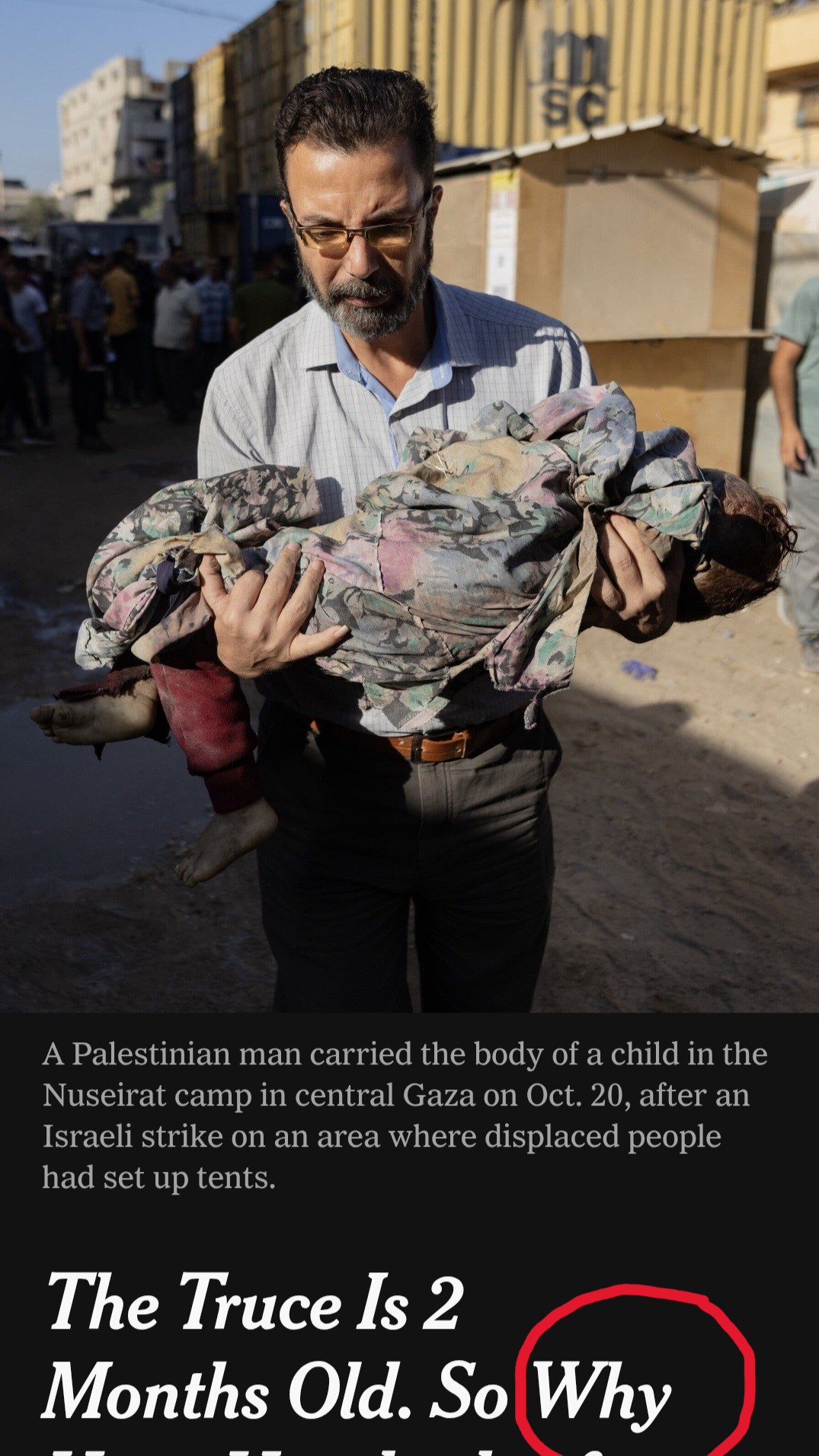
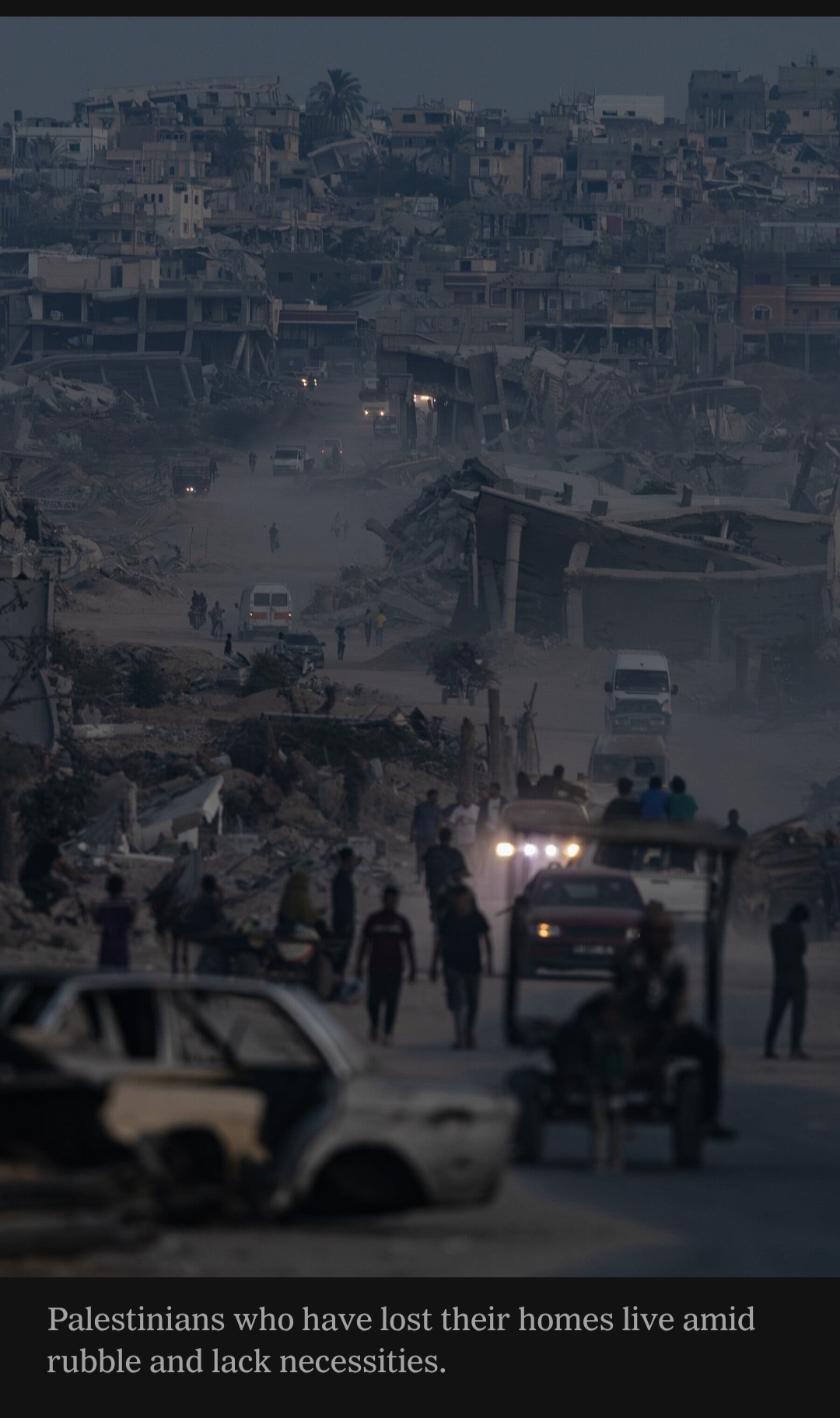
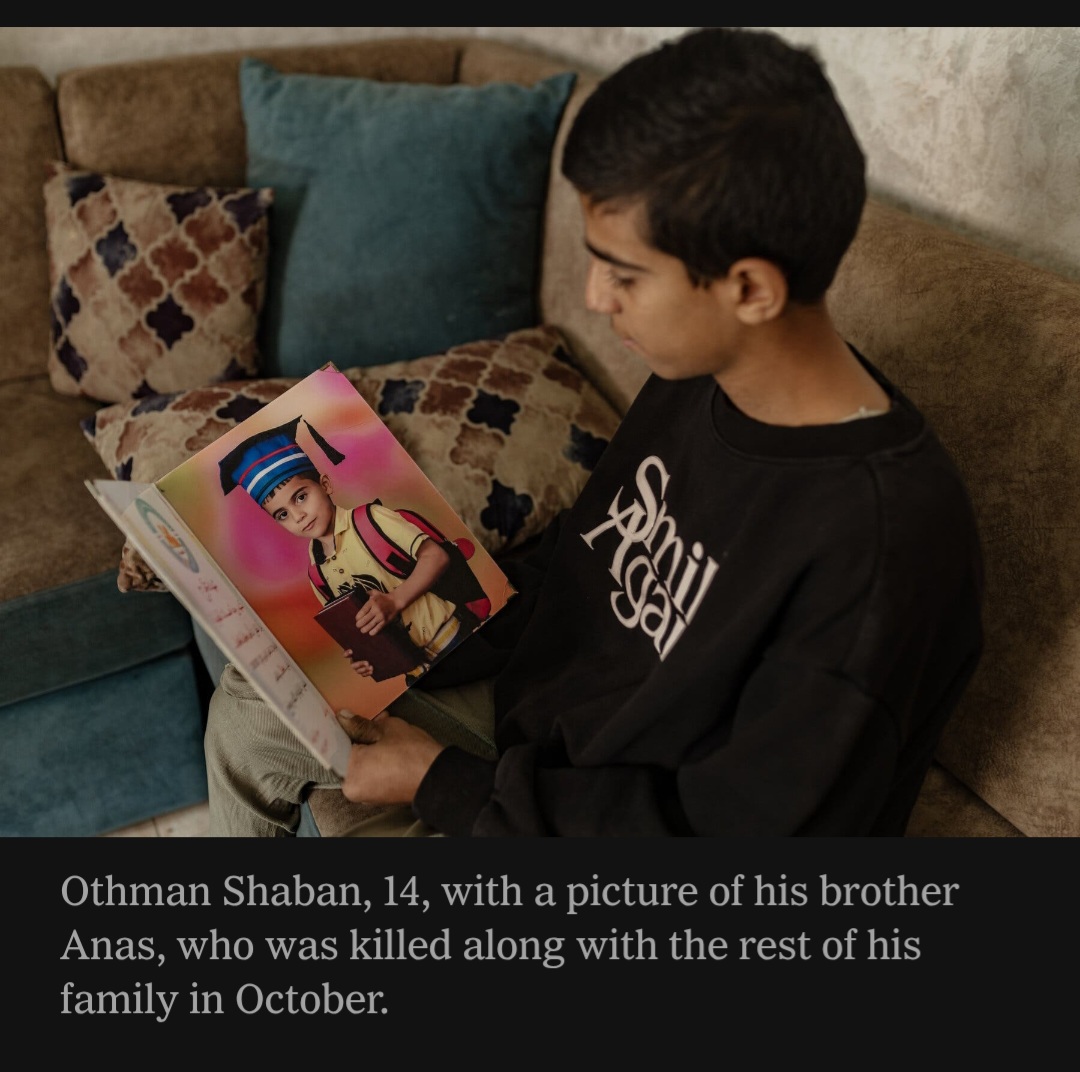
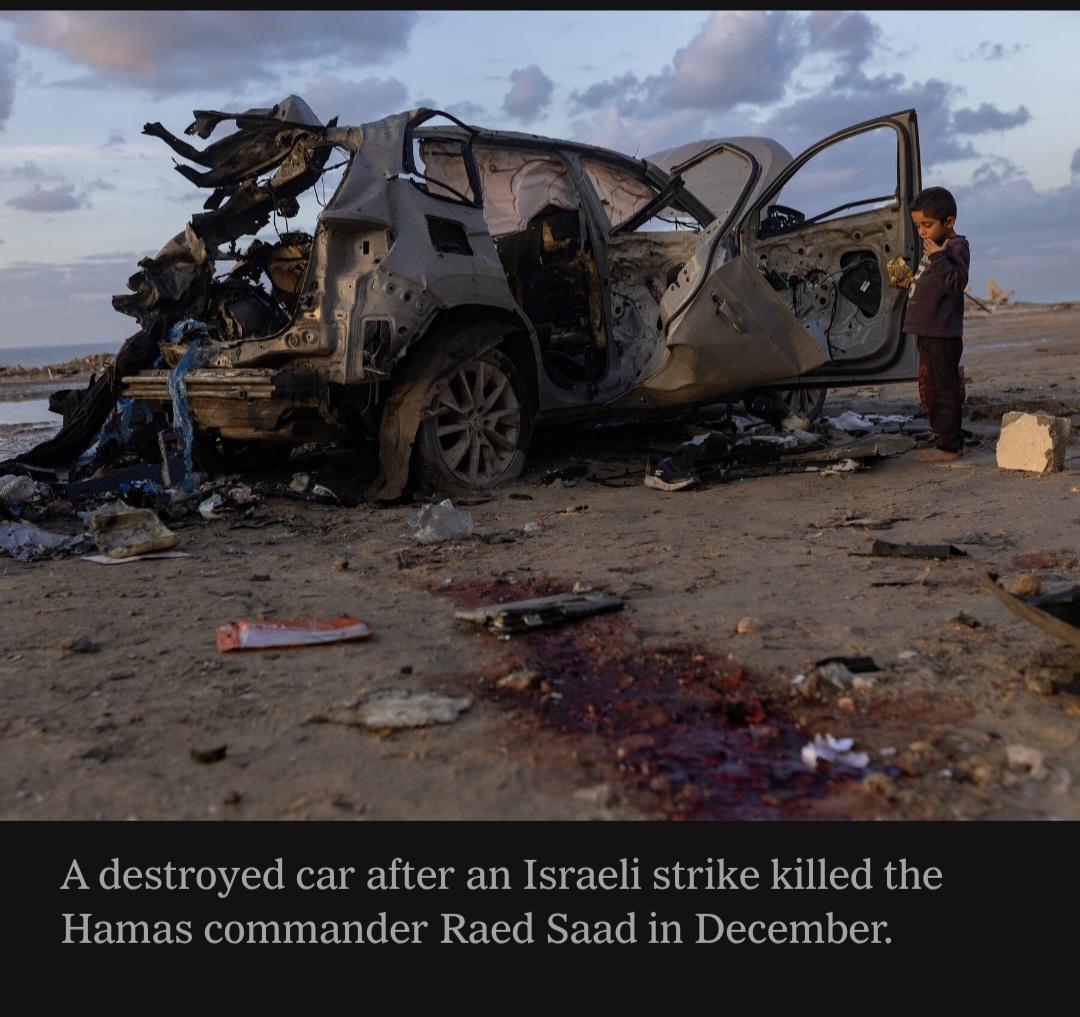
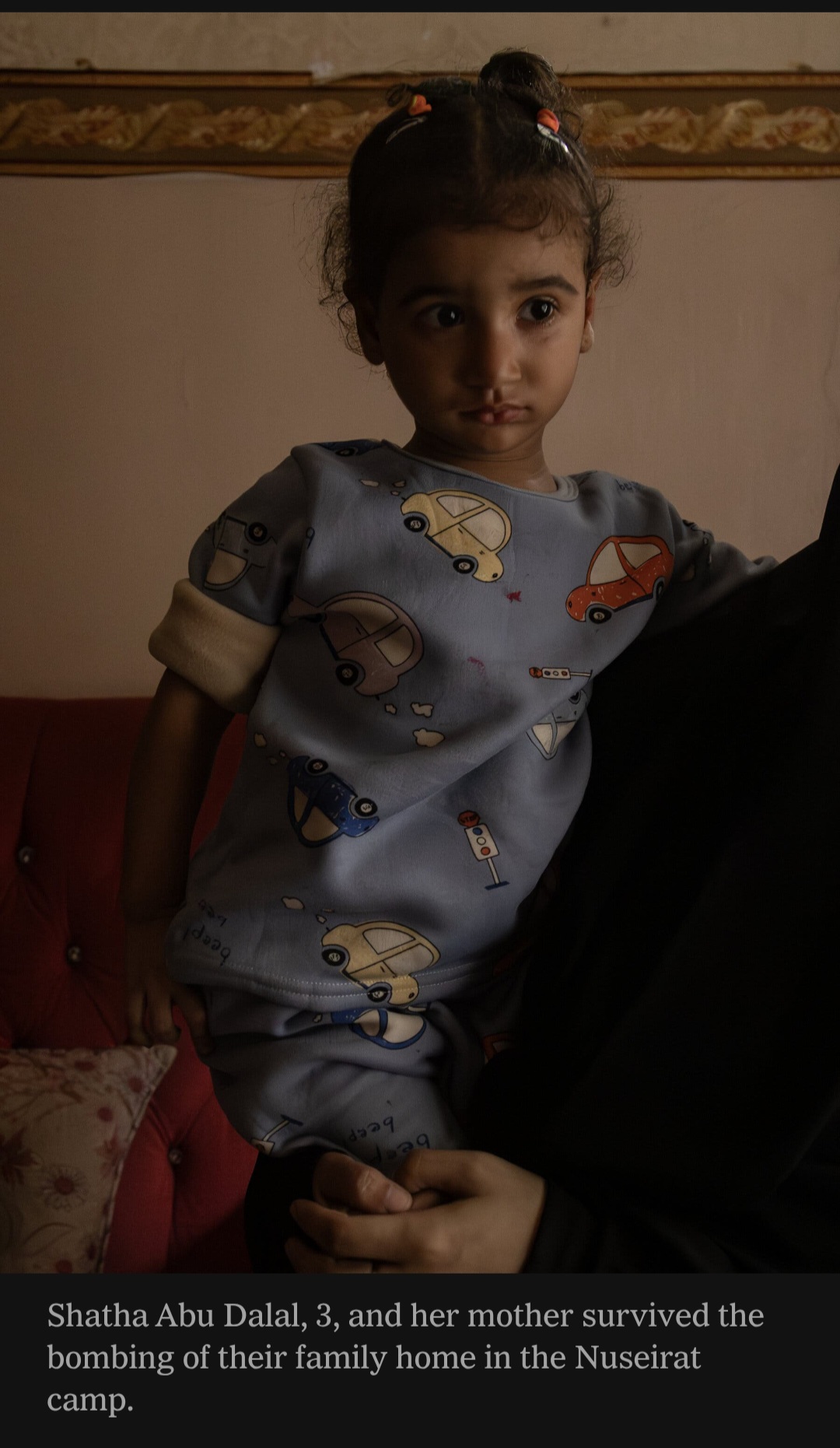
The headline asked why hundreds of Gazans have been killed. The article never answered.
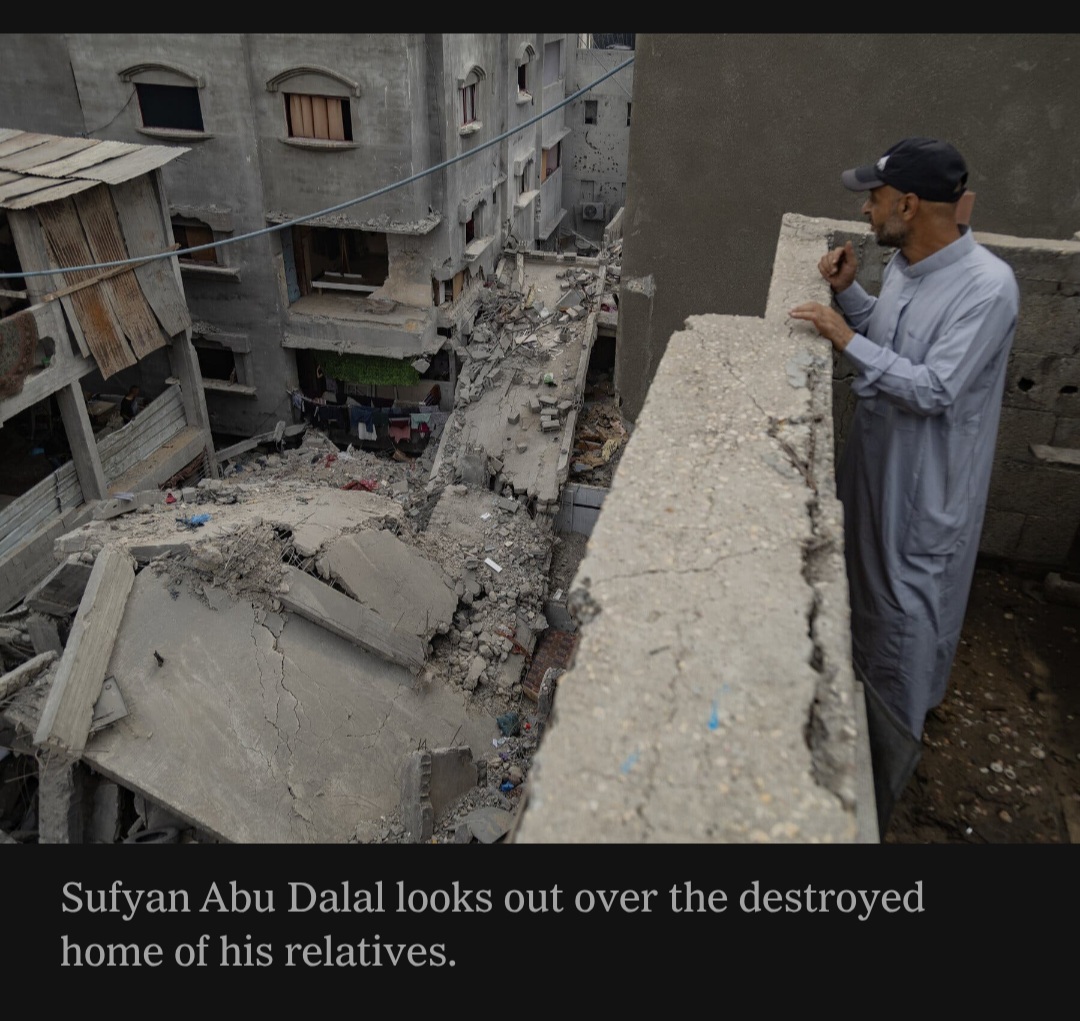
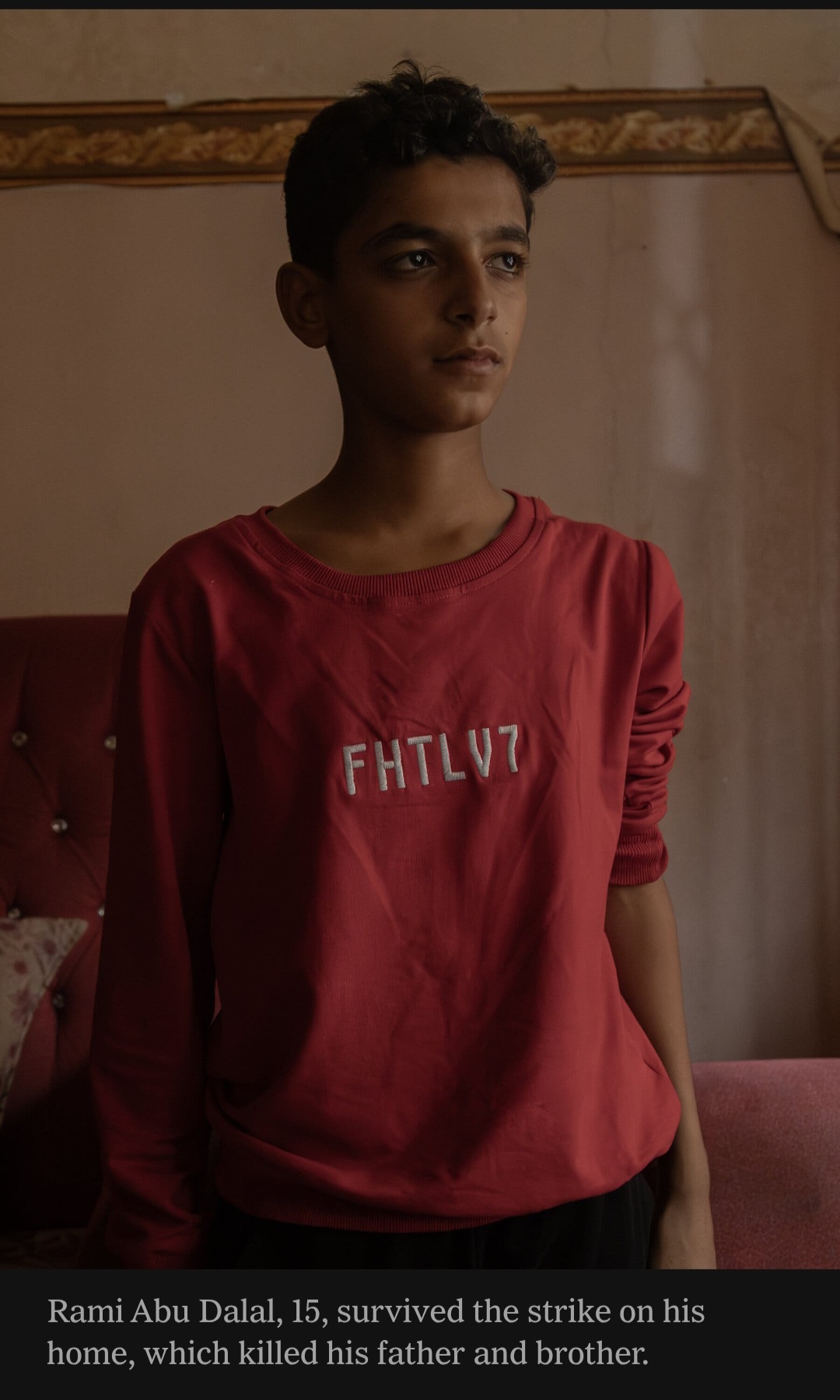
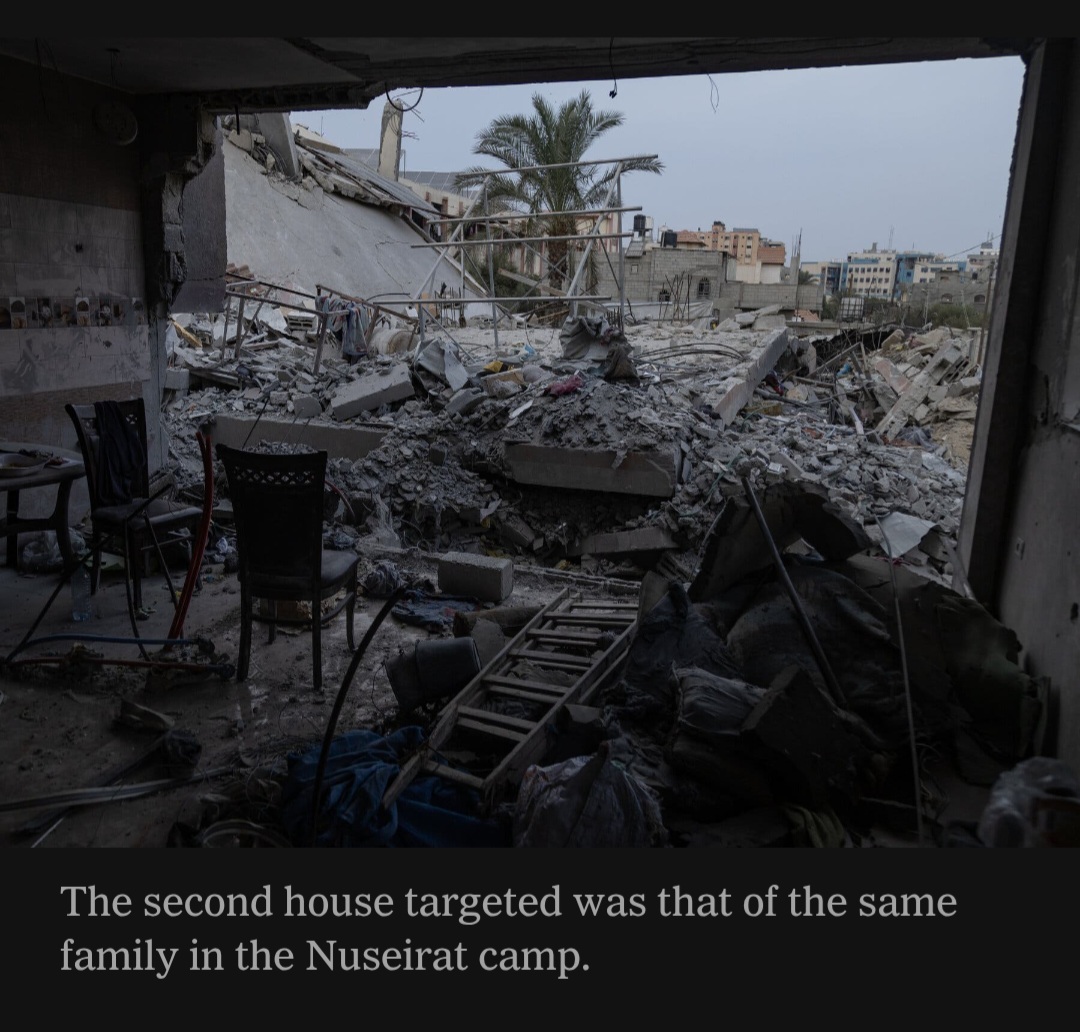
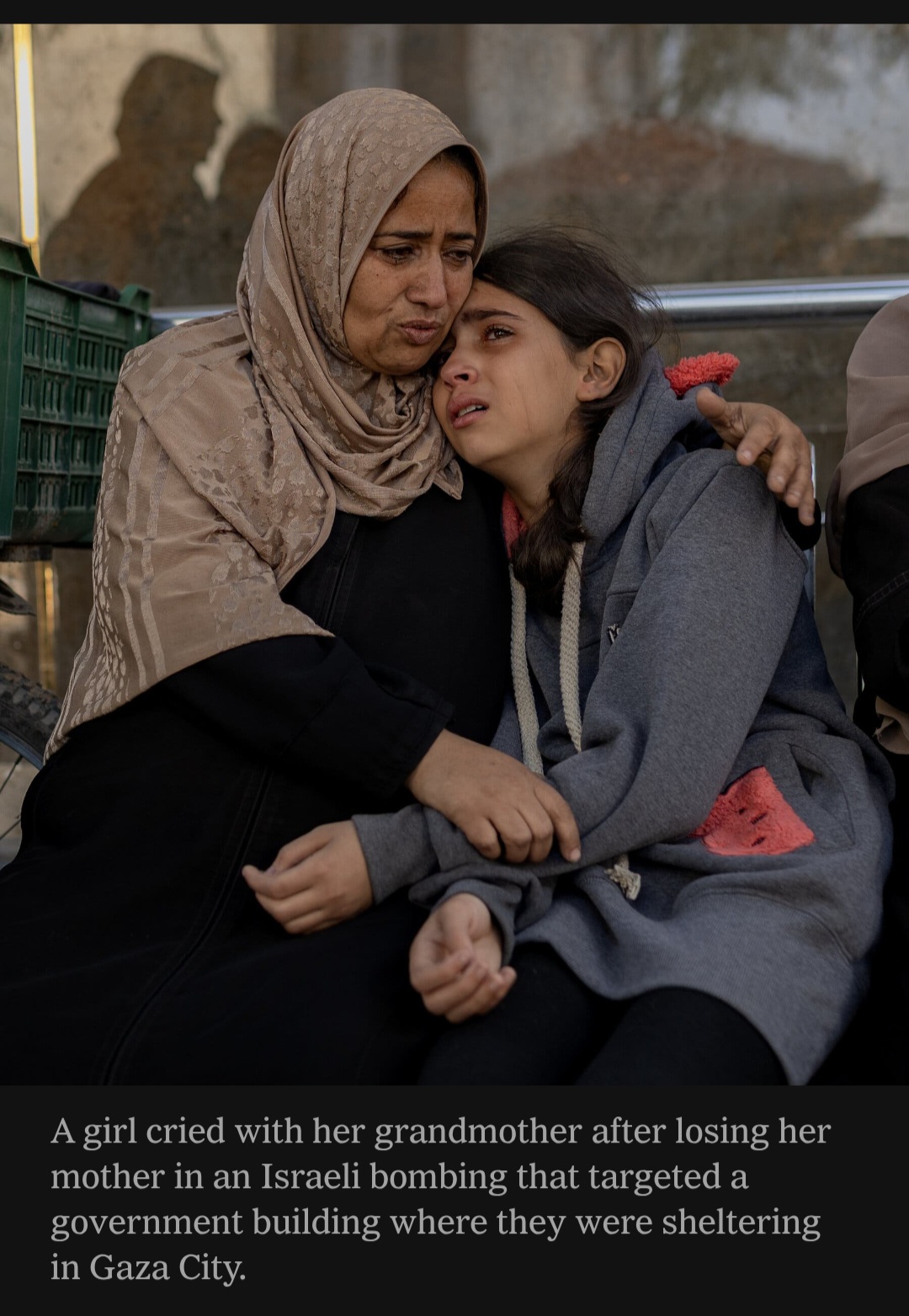
In its December 24 piece, The New York Times assembled an inventory of grief—names, faces, photographs, shattered families—documenting civilian death in Gaza with intimate precision. What it did not assemble was an explanation. The question at the top functioned as decoration; the answer was assumed. Israel hovered everywhere as implication, never as argument.
What the article omitted is not marginal. It is decisive.
It did not say that Hamas still holds an Israeli hostage, in violation of the ceasefire framework. As long as that person remains captive, the war has not ended and the terms of the ceasefire have not been met.
It did not say that Hamas has refused to disarm—flatly, publicly—even though disarmament is a core requirement of the multi-point plan meant to end the fighting. The vast majority of Palestinian Arabs in both Gaza and the West bank agree. This is not procedural quibbling. A movement that keeps its weapons is declaring its intention to keep killing. Leaving that fact out does not clarify the story; it inverts it.
“a core, cross-regional [Gaza and West bank] red line remains: overwhelming opposition to disarming Hamas, complicating any post-war arrangement.” – PCPSR poll of October 28, 2025
It did not say that Hamas continues to state openly that it will pursue the war until the Jewish state is destroyed. These are not coded remarks. They are repeated commitments. When a belligerent announces genocidal intent and retains its arsenal, civilian deaths are not mysterious. They are the predictable outcome of strategy.
“The resistance is capable of continuing, and I am confident that the outcome of this conflict will be the demise of this entity [Israel].” – Senior member of the Palestinian resistance movement Hamas, Osama Hamdan on December 23, 2025
Instead, The Times presented Gaza as a place acted upon—its people rendered passive, its leadership reduced to background noise. The governing reality was blurred, that the popular, armed movement that began the war – with overwhelming local support – insists on continuing it. Palestinian Arabs appeared as if history were happening to them, rather than through institutions that still mobilize society for conflict.
The photographs – eleven in all, a remarkable number for an article, mostly featuring children – did their work. They always do. Images narrow the moral aperture. They locate causality at the edge of the frame. What lies outside—tunnels, refusals, threats, the last hostage—falls away. Repetition turns absence into innocence.
This is not empathy. It is evasion.
Civilian death is tragic and deserves coverage. But tragedy without agency becomes accusation by implication. When Arab suffering is anatomized down to the last tear while their popular elected leadership’s war-making is erased, journalism is no longer news but advocacy.
The Times did not lie. It curated. It acted as the political-terrorist group’s propaganda arm.
Readers are left asking why Israel is still fighting, when the honest question is why Hamas is still waging war—still holding the last hostage, still refusing disarmament, still promising destruction.
Every picture tells a story. This one tells a story about the author.
Hamas does not rule Gaza against the will of its people. It rules because large numbers of Gazans want it to. Hamas articulates aims that many in Gaza accept: “armed struggle,” permanent war, and the eradication of Israel. This is not an imposed ideology. It is a shared one.
That reality is the reason the war has not ended.
Hamas refuses to disarm. It promises to fight again. It rejects coexistence as a moral crime. And Palestinian Arabs have not rejected Hamas. There has been no uprising, no mass refusal, no turning inward to say this has destroyed us and must stop. The tunnels remain. The rockets are rebuilt. The hostages were hidden in plain sight and with complicity.
The Arab world understands this. So does the Muslim world and international community, quietly if not publicly. No money will rebuild Gaza while Hamas governs. No state will guarantee security for a territory whose leadership is openly genocidal. Even those who chant Gaza’s cause from afar refuse to absorb the cost of dismantling its rulers. Words are cheap. Responsibility is not.
And so the world fractures.
One side insists Gaza deserves unlimited sympathy—stripped of agency, frozen as a permanent victim, absolved of all consequence. The other side sees a society that has embraced a war of annihilation and asks the world whether moral condemnation is not only justified, but necessary. This divide is not about compassion versus cruelty. It is about whether moral judgment still matters.
What cannot be sustained is the fiction that Gaza is merely trapped between Hamas and Israel. Gaza is trapped— by leaders and parents who have chosen martyrdom over future, ideology over life, and war over their own children’s survival.
That is where sympathy collapses.
Because the only people in Gaza whose moral claim is uncontested are the children—and they are being sacrificed by a society willing to place guns in schools, tunnels under bedrooms, and hostages among families. A society that teaches its children that nothing is nobler than dying for the cause of destroying the Jewish State.
Sympathy cannot be demanded for that choice. It can only be extended—narrowly, painfully—to those who never had one.
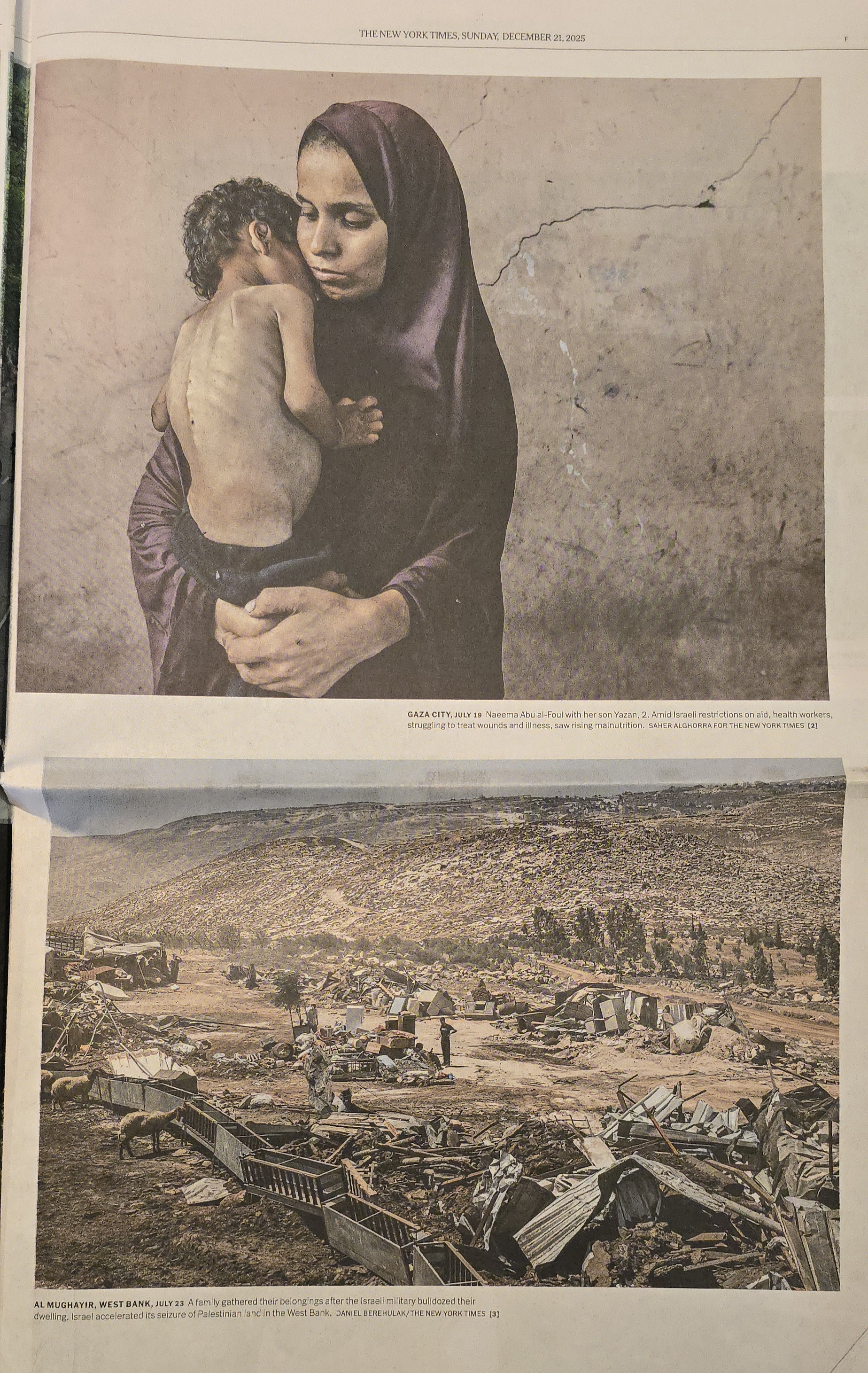
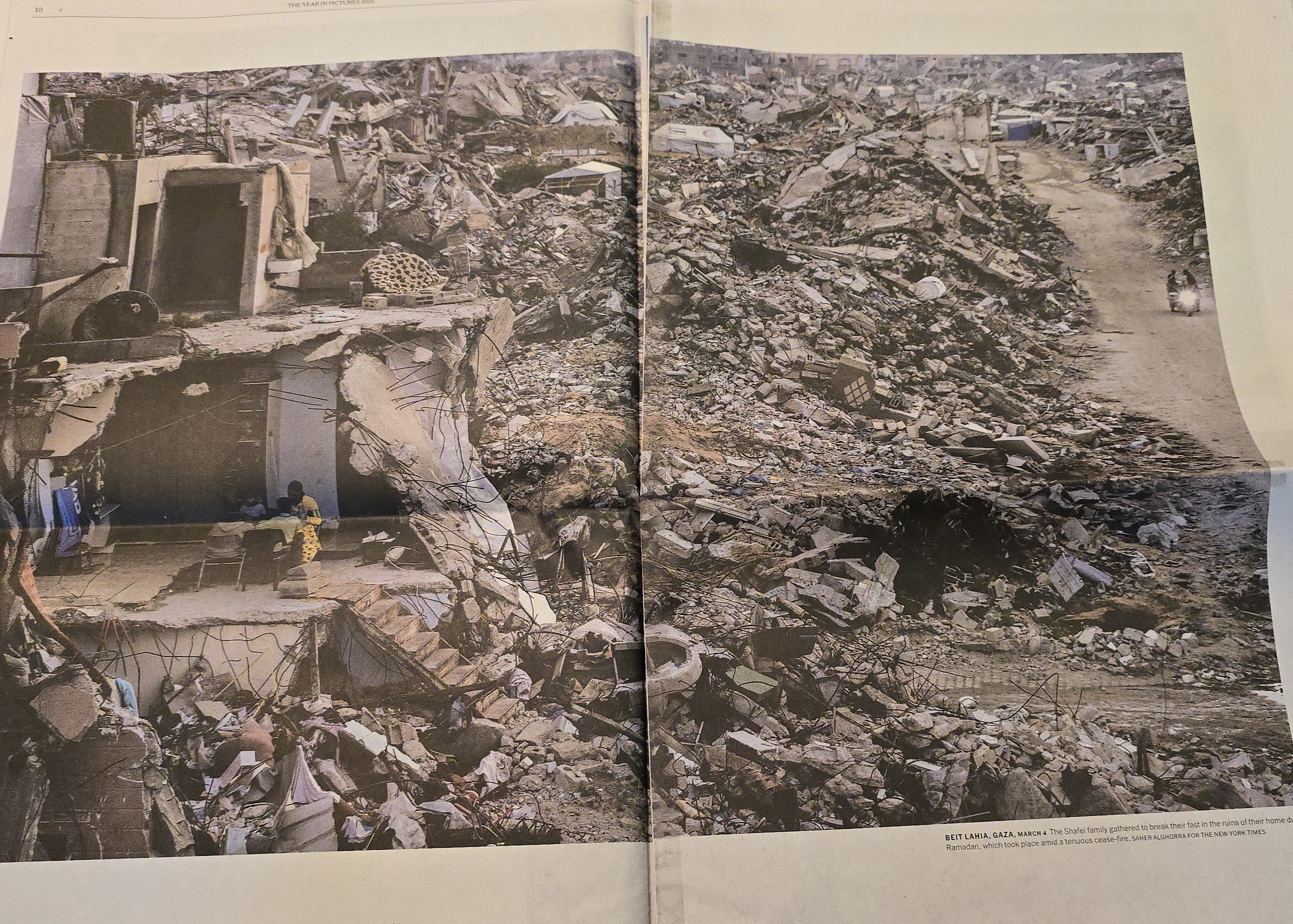
That is why the ritualized outrage of the West’s most powerful institutions now feels so hollow. Each year, The New York Times publishes its Year in Pictures, and the selection itself becomes an argument. In 2025, the year with the largest spike in antisemitism including several incidents of mass murder, there were no pictures of Jewish victims. Instead, page after page of Gaza: rubble, smoke, bloodied streets, dust-covered children. Destruction, repeated until it acquires the authority of inevitability. Israel appears only as force. Gaza appears only as suffering. Context is stripped away. Agency is erased. The camera becomes a verdict.
Two-page spread in New York Times’ 2025 year in pictures showing Gaza rubble. The only other 2-page spread was the election of Zohran Mamdani, an anti-Israel member of the DSA, as mayor of New York City
But the depravity lies not only in what is shown—it lies in what is omitted.
There are no photographs of Jewish life under siege: no police guards posted outside synagogues, no concrete barriers and metal fences erected around schools, no quiet images of fear normalized into daily routine. There are no frames of mourning for Jewish victims abroad, the couple shot in Washington, D.C., the arson at the home of the Jewish governor of Pennsylvania over Passover. No recognition of the global consequences of a war whose ideology has traveled far beyond Gaza. Violence against Jews outside Israel didn’t even make a footnote.
New security fence erected outside synagogue in 2025 (photo: First One Through)
When Israeli hostages appear in the Times, they are reduced to a single visual trope: a large military helicopter, as if their captivity were a logistical problem rather than a crime. Even Jewish victims of Gazan atrocities are set against a large Israeli military. The human cost of hostage-taking is laundered into abstraction.
New York Times only picture of a Jewish victim is a tiny speck in a large Israeli military helicopter
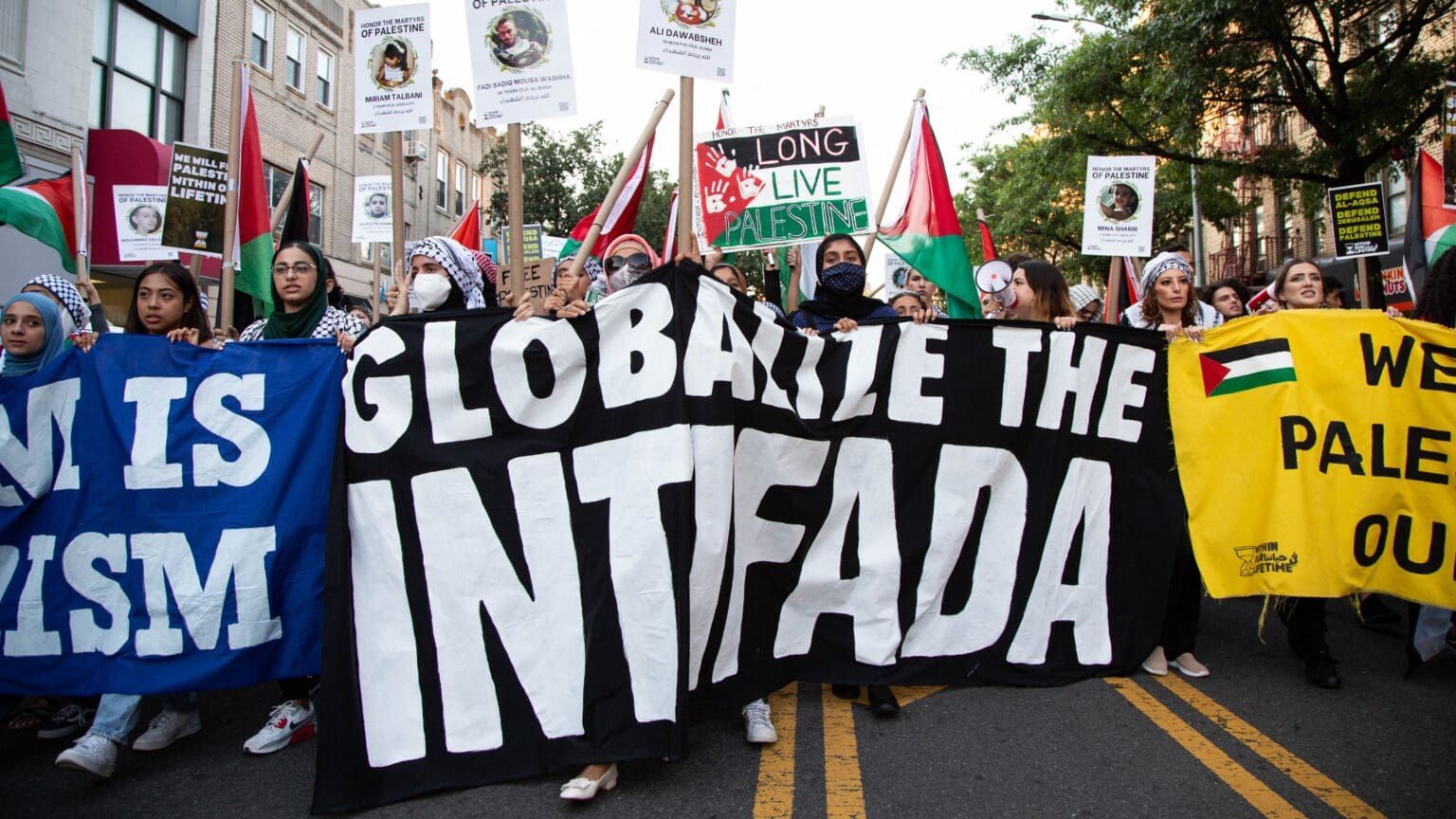
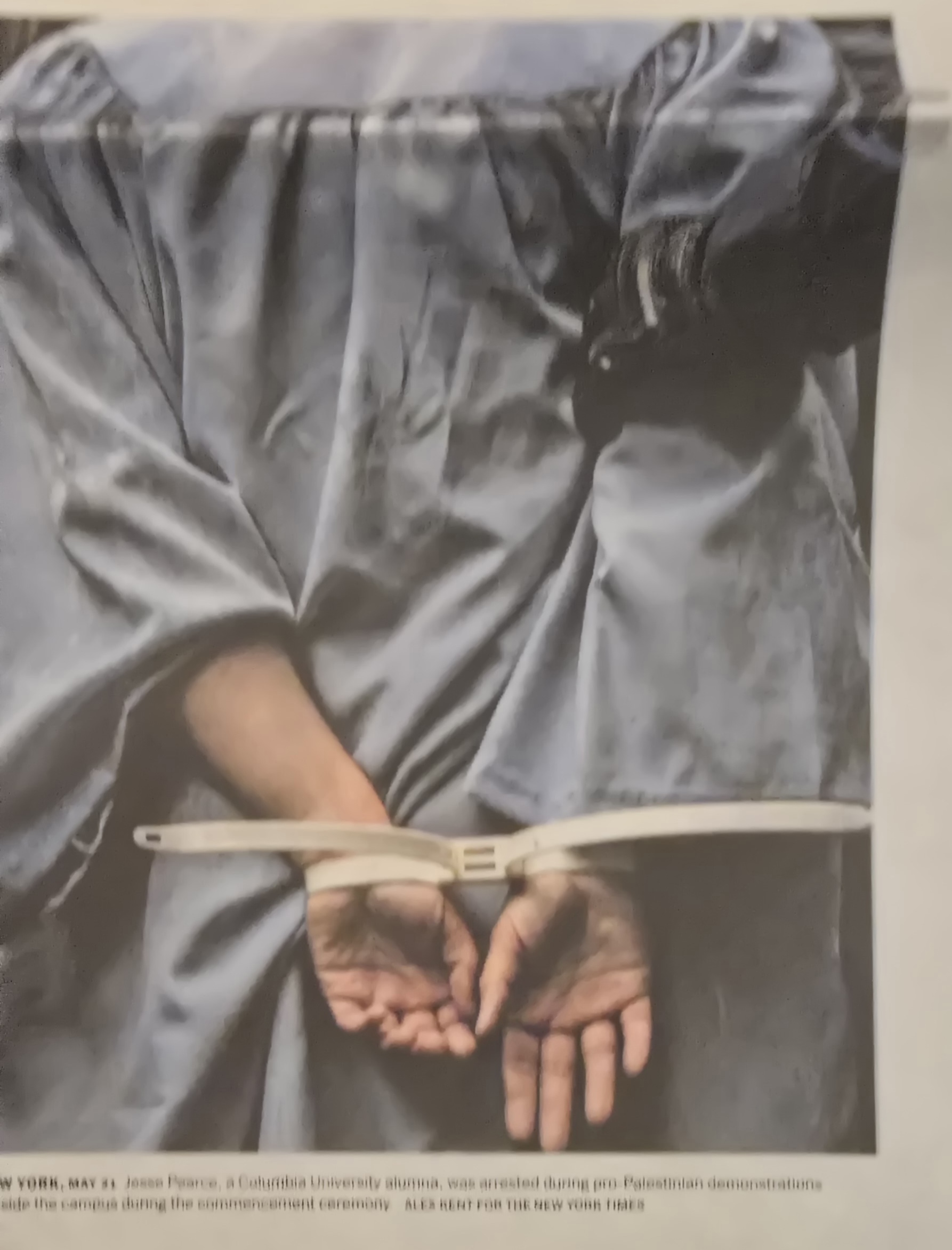
What does receive sympathetic attention are arrests—multiple images of pro-Palestinian demonstrators detained by police, framed as moral courage meeting state power. Advocacy for Israel’s destruction is softened into dissent. The pages preen about resistance while refusing to name what that “resistance” seeks to accomplish.
This is not journalism. It is moral choreography.
The pictures ask only one question—who suffered more?—while carefully avoiding the only one that matters: who chose this war? To launch it? To continue it? They do not show Hamas leaders refusing disarmament. They do not show weapons beneath nurseries. They do not show the ideological choice to sacrifice children for permanence of war.
In this telling, Israel becomes the aggressor by existing, and Gaza becomes sympathetic by persisting in annihilation. The refusal to surrender is recast as resilience. The willingness to sacrifice children is aestheticized as tragedy rather than condemned as crime. Sympathy is manufactured by amputating responsibility. The global anti-Israel advocates are embalmed in the moral light; Jewish victims disappear off the pages.
When the world’s most influential newspaper presents destruction without causation, suffering without choice, and death without ideology, it does not advance peace. It sanctifies perpetual war. It promotes a global blood libel. And it teaches readers that moral clarity is cruelty, while moral confusion is virtue.
The far-left media hopes that history will remember its curated selection of photographs and the modern moment will gather sympathy for the anti-Israel and anti-Jewish horde. Hopefully they are proved very wrong, and this time capsule will forever mark The New York Times for its profound antisemitism and moral depravity.





















 First One Through