Because hamentaschen were never just for a holiday. They are a response to something permanent. Every generation produces its own Haman. Today it comes dressed as an Iranian proxy war, spread across governments and militias that still build their purpose around destroying the Jewish people and the Jewish state.
The language changes. The intent does not.
So make hamentaschen.
Out of season. On purpose. As a refusal to let Jewish life run only on the calendar of threats. The lesson of Purim does not expire in Adar. It lives in every moment when enemies of the Jews believe time is on their side.
Knead the dough. Fill it. Fold it. Bake it.
There is something defiant in that simplicity. Jewish survival has never rested only on armies, though they matter. It lives in continuity. In ritual. In memory. In the quiet insistence on remaining who we are while others plan our disappearance.
That is what they never understand.
So make hamentaschen. Feed your family. Share them with friends. Mark the fact that Jewish life continues on its own terms, not theirs.
And pray.
Pray that those who seek Jewish destruction are defeated. Pray that their power breaks. Pray that the story ends the way it did before.
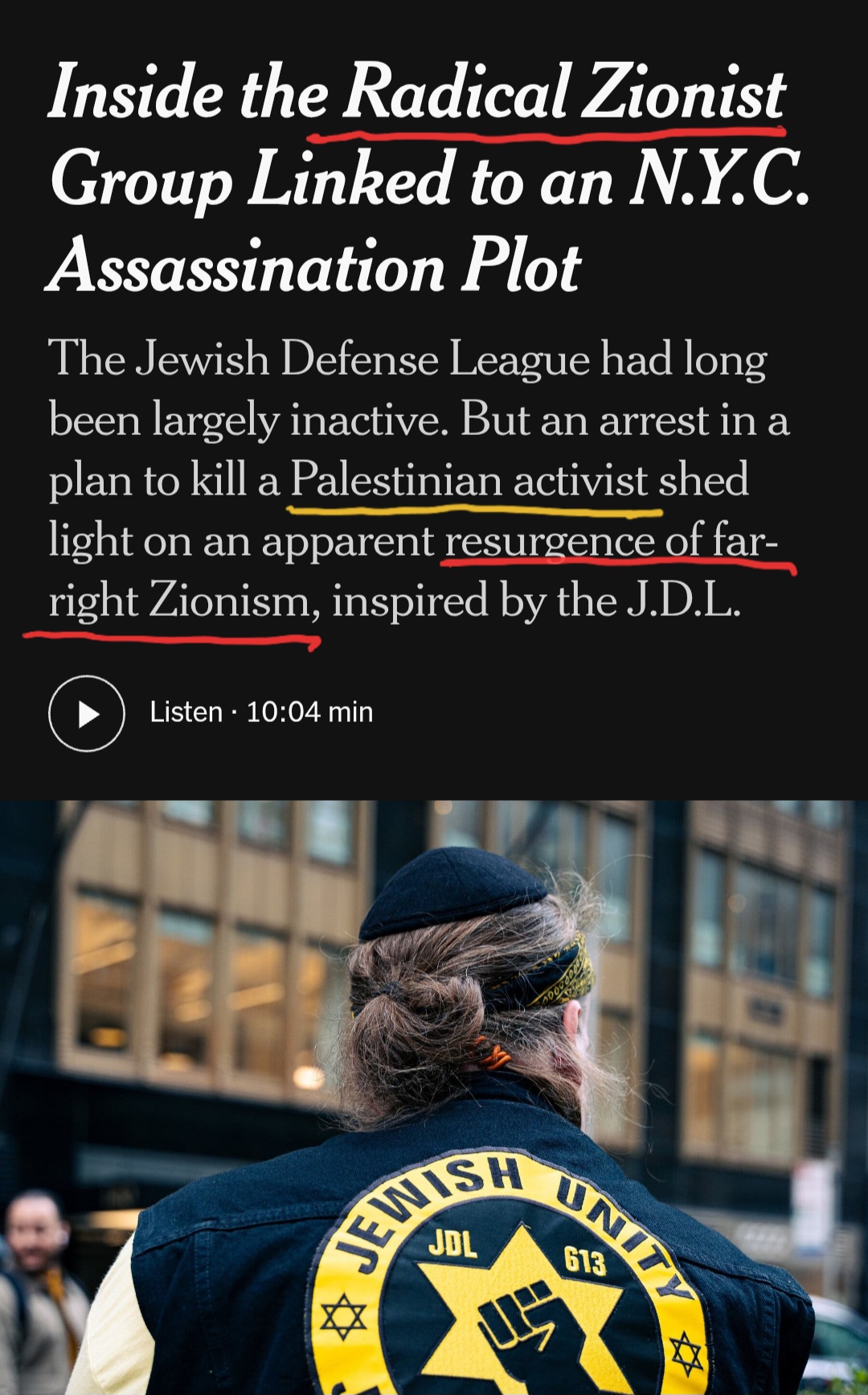
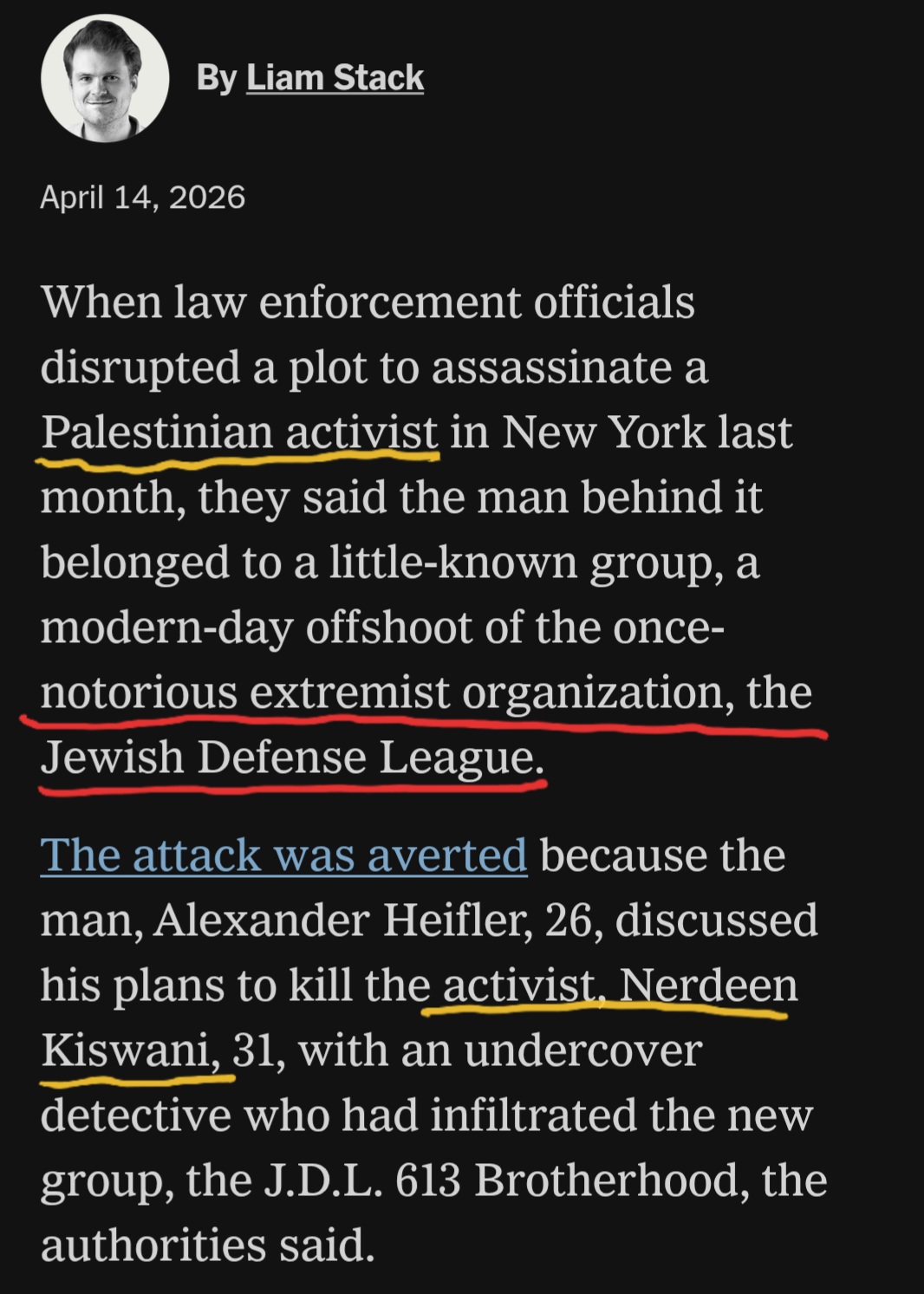
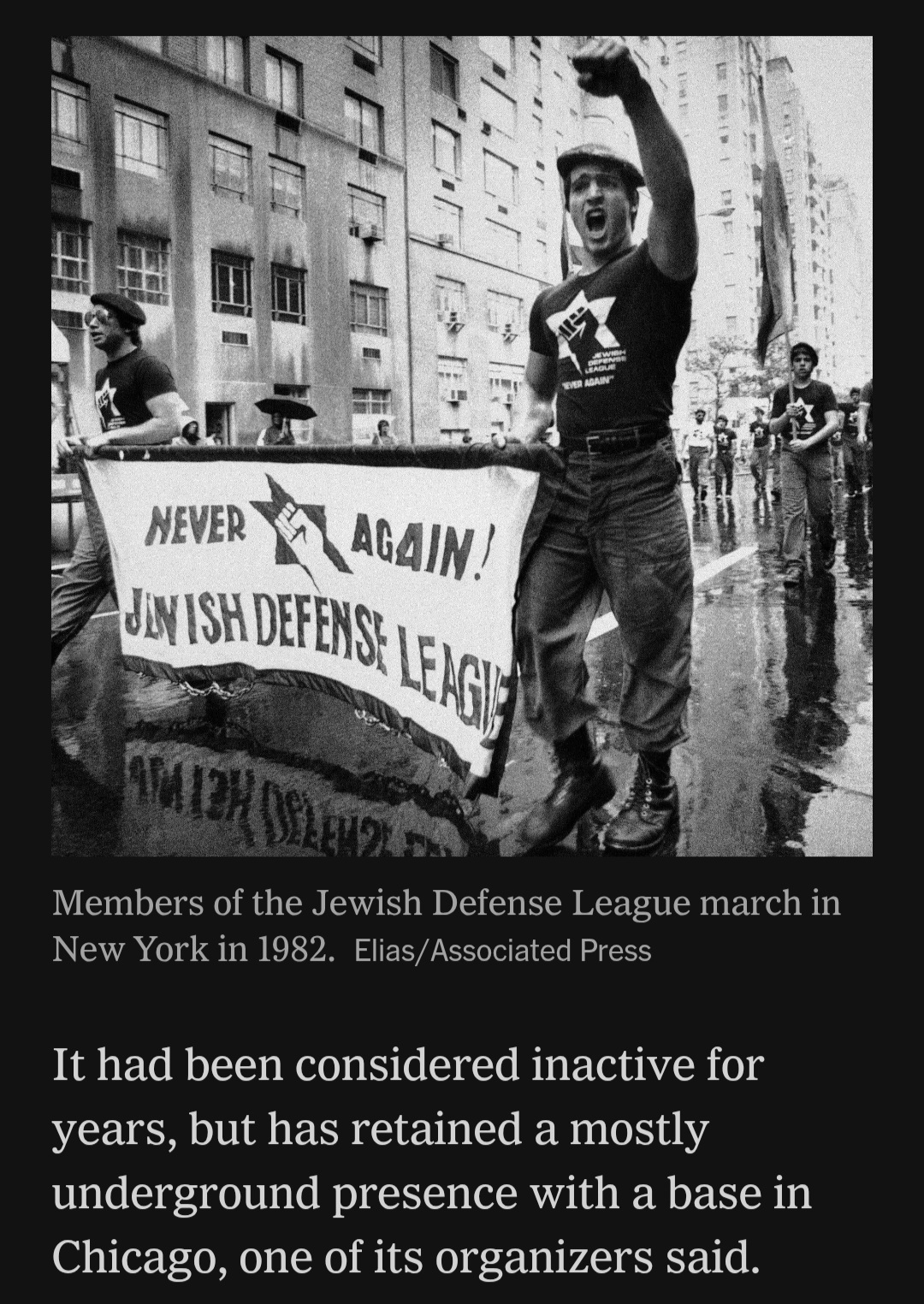
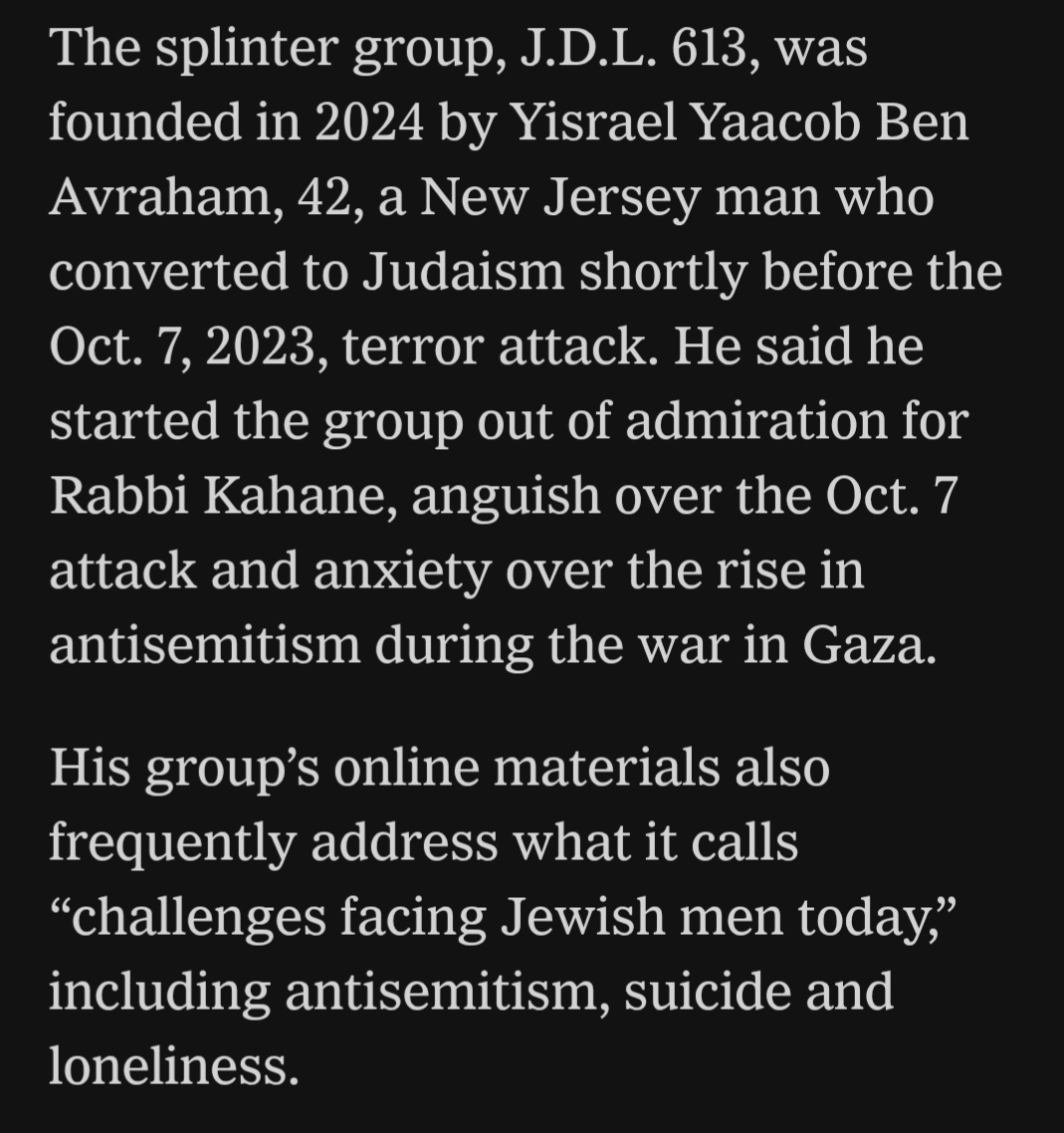
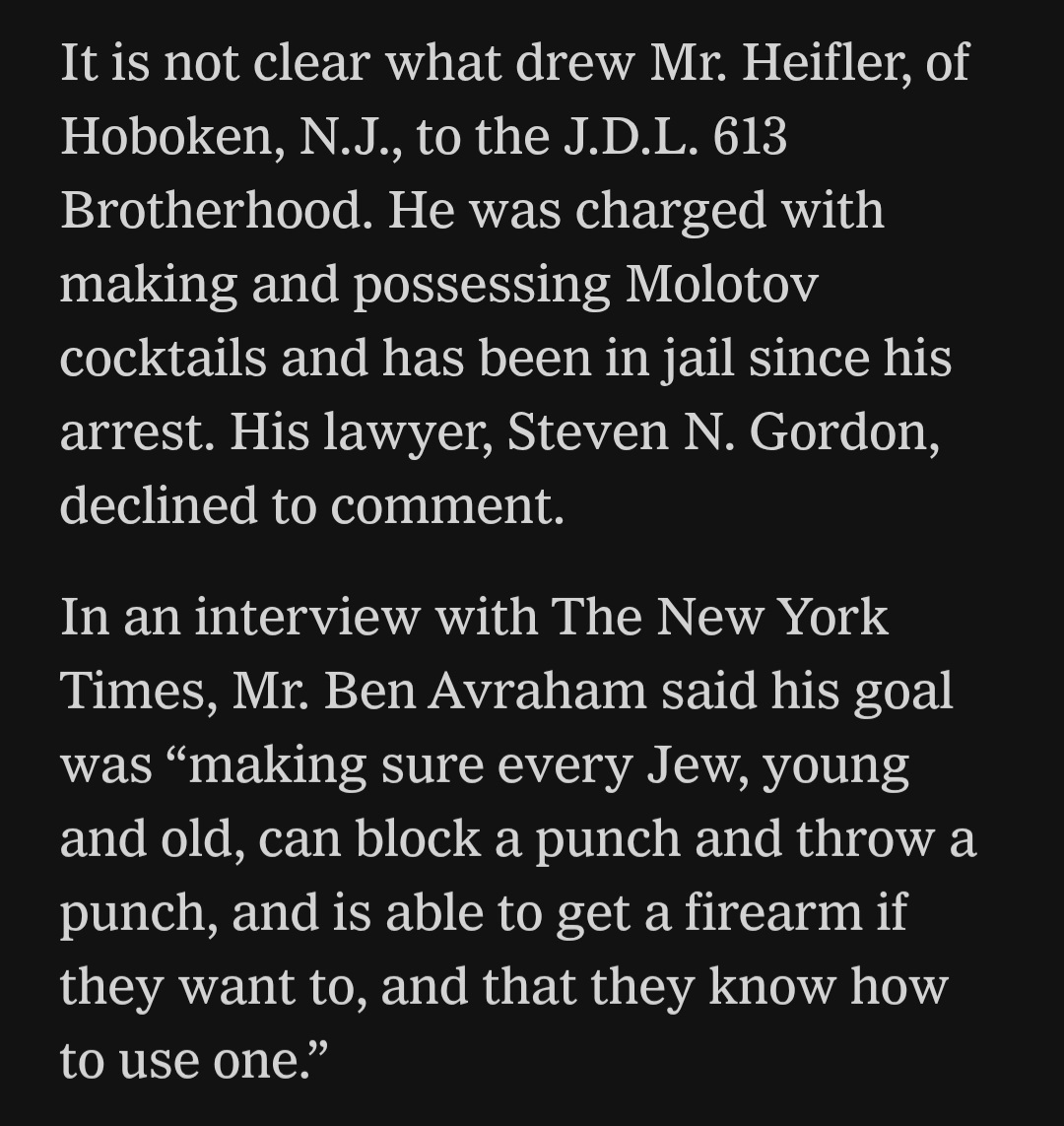
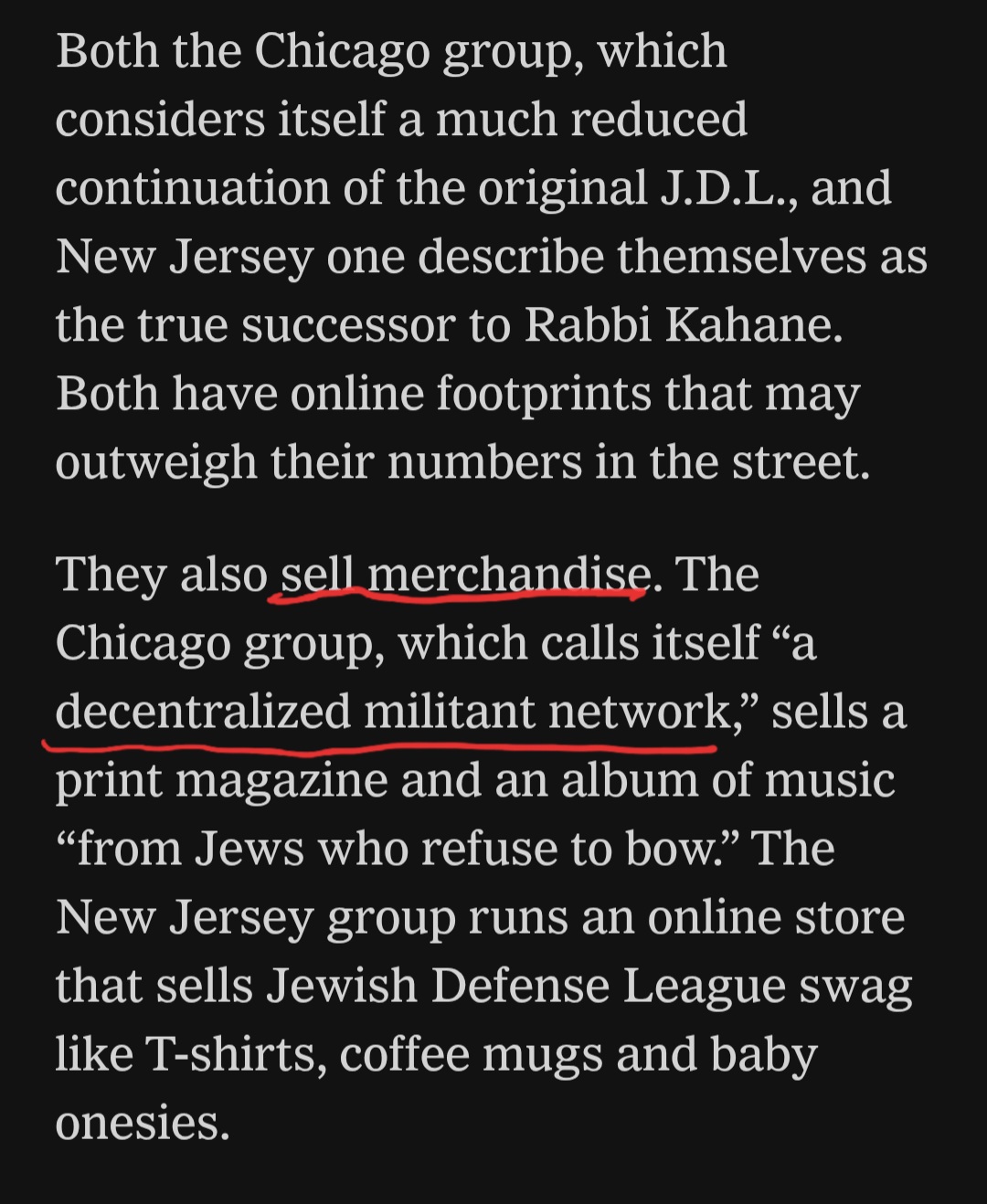
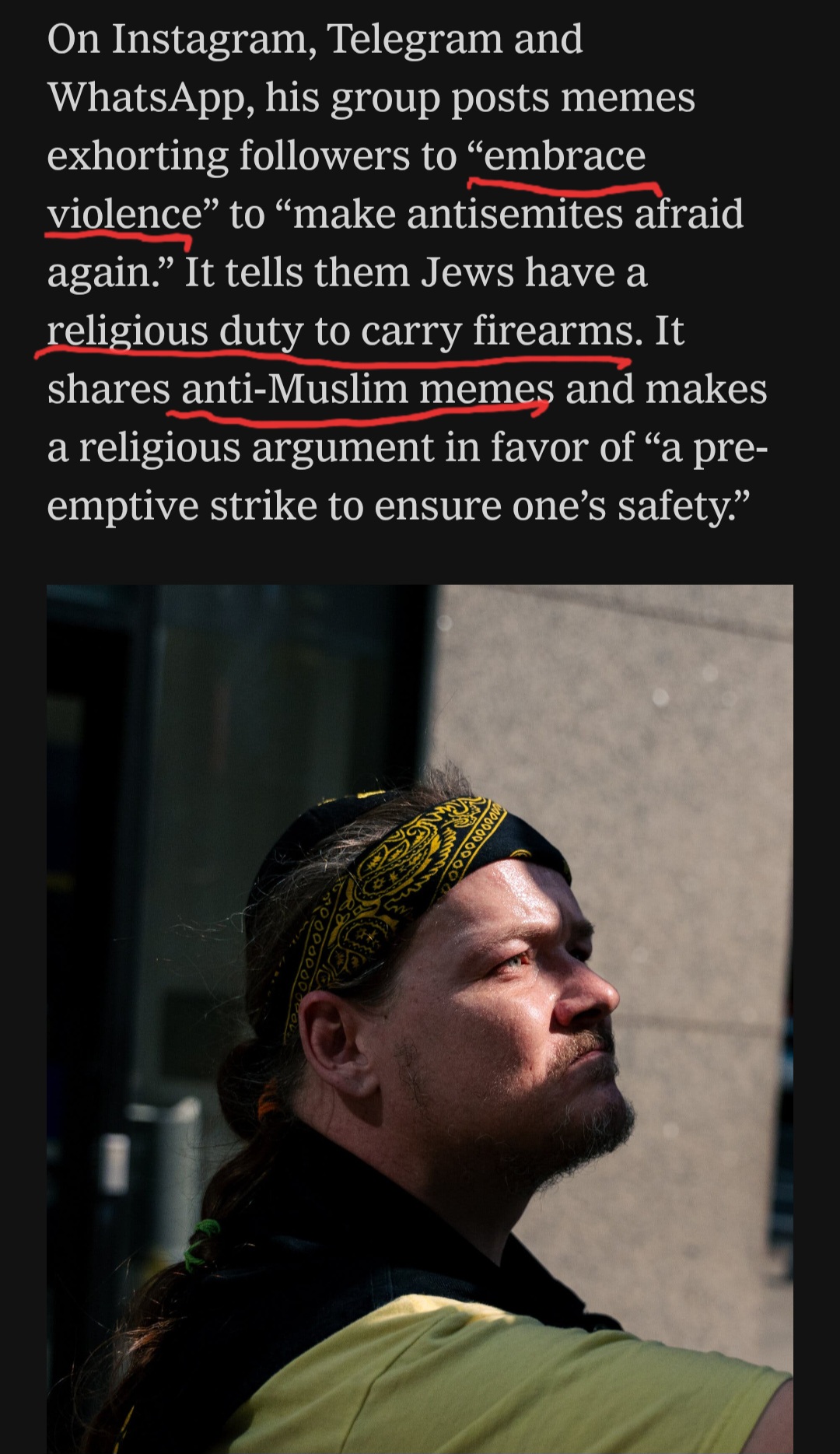
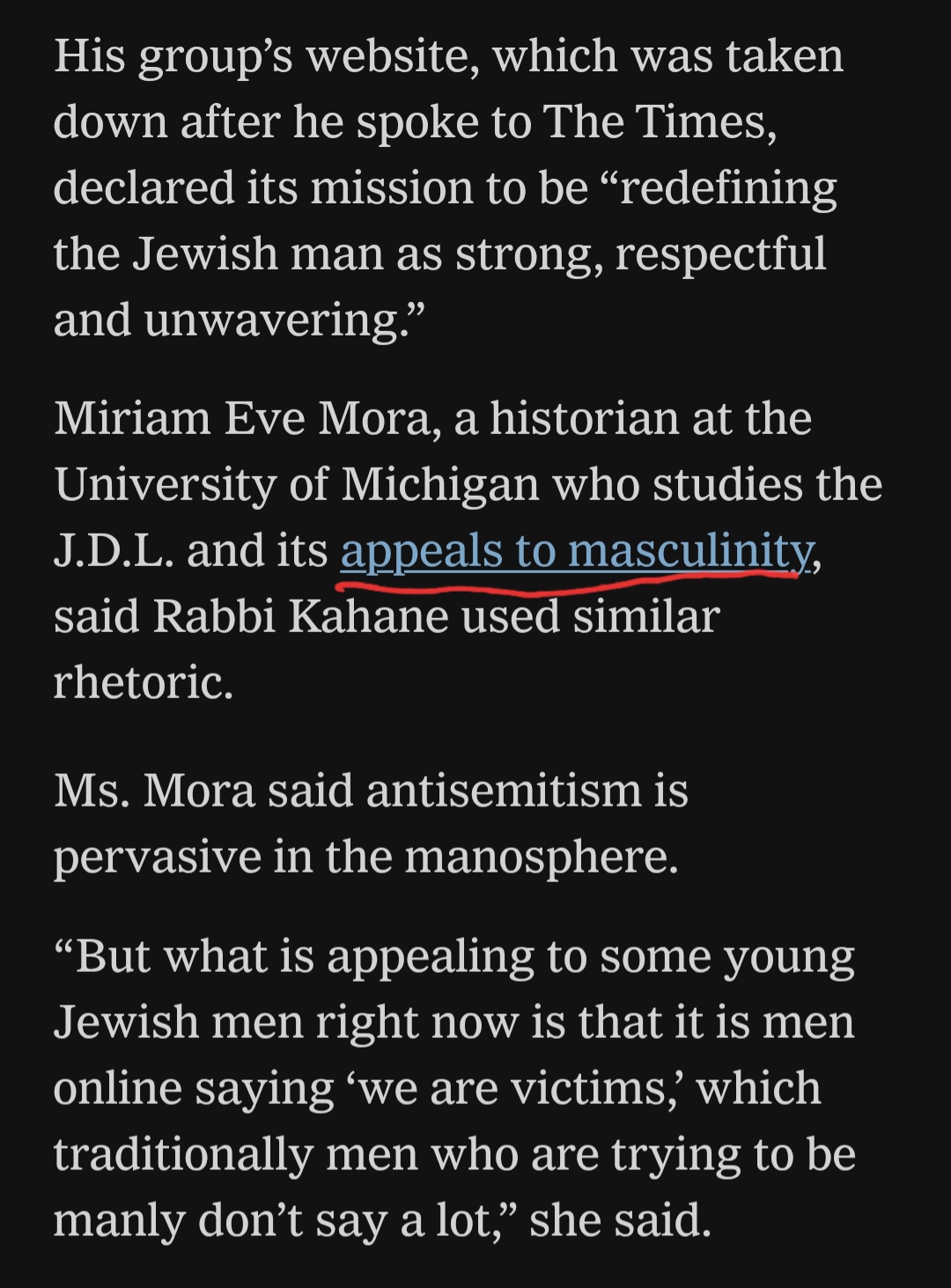
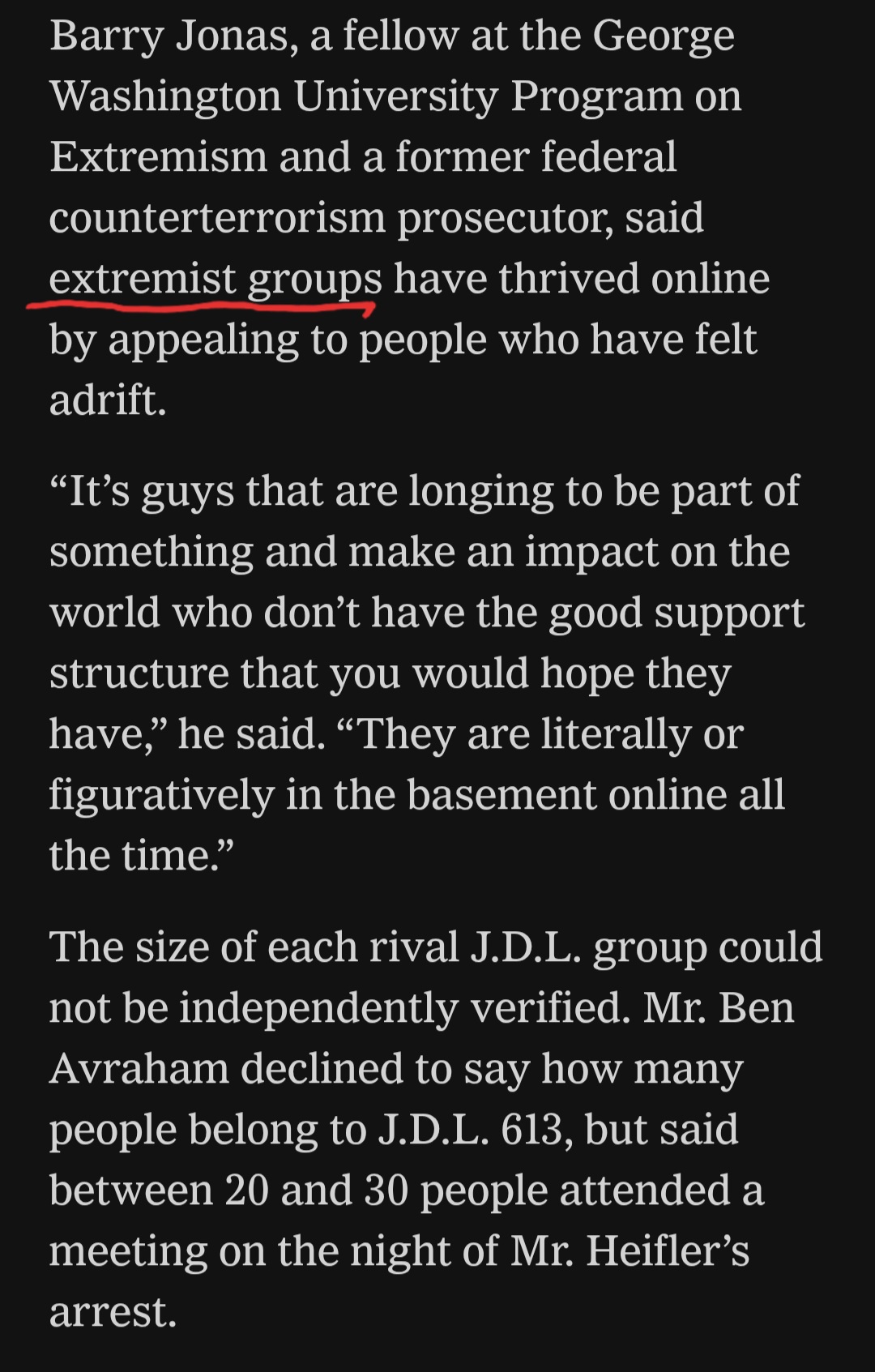
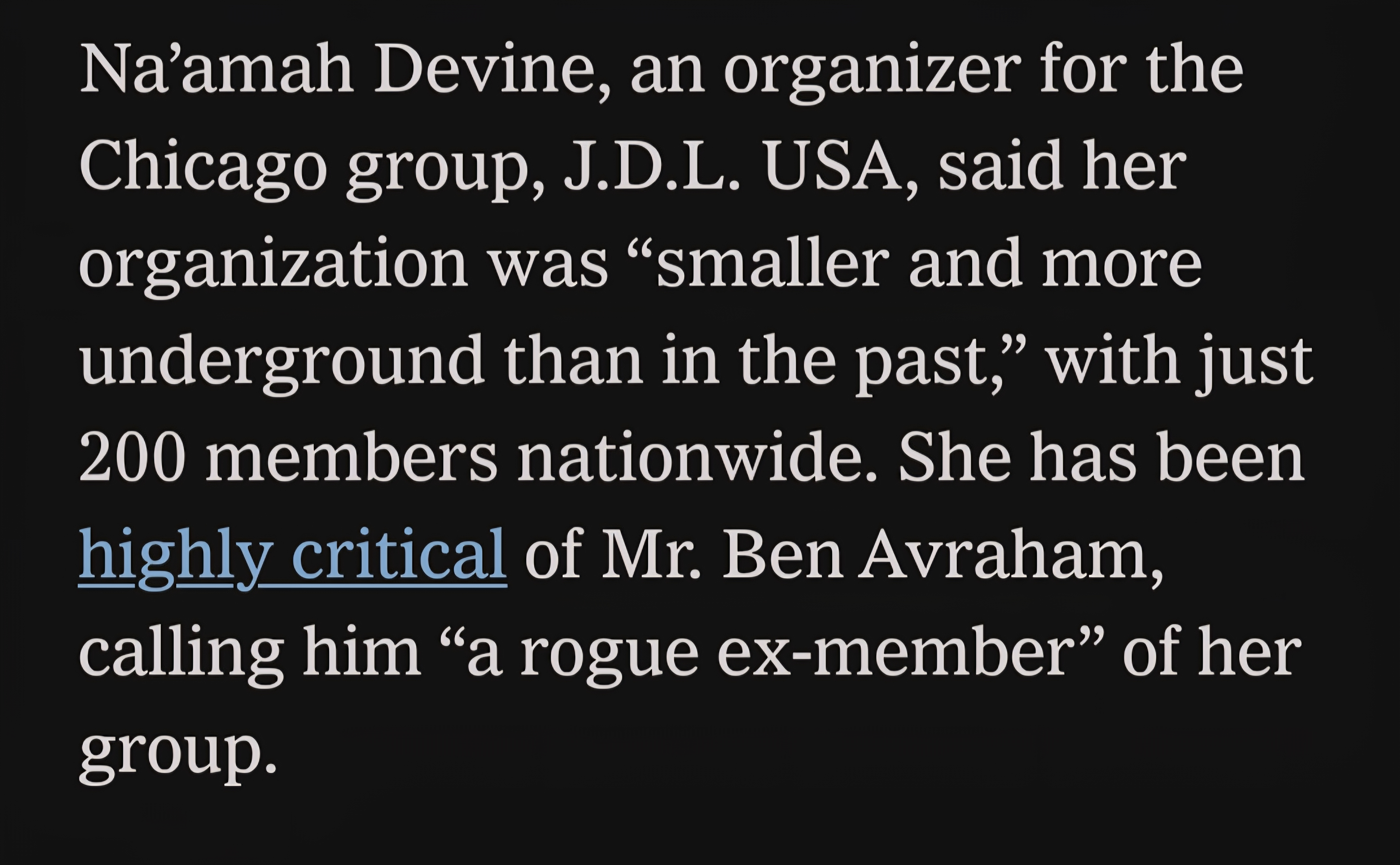
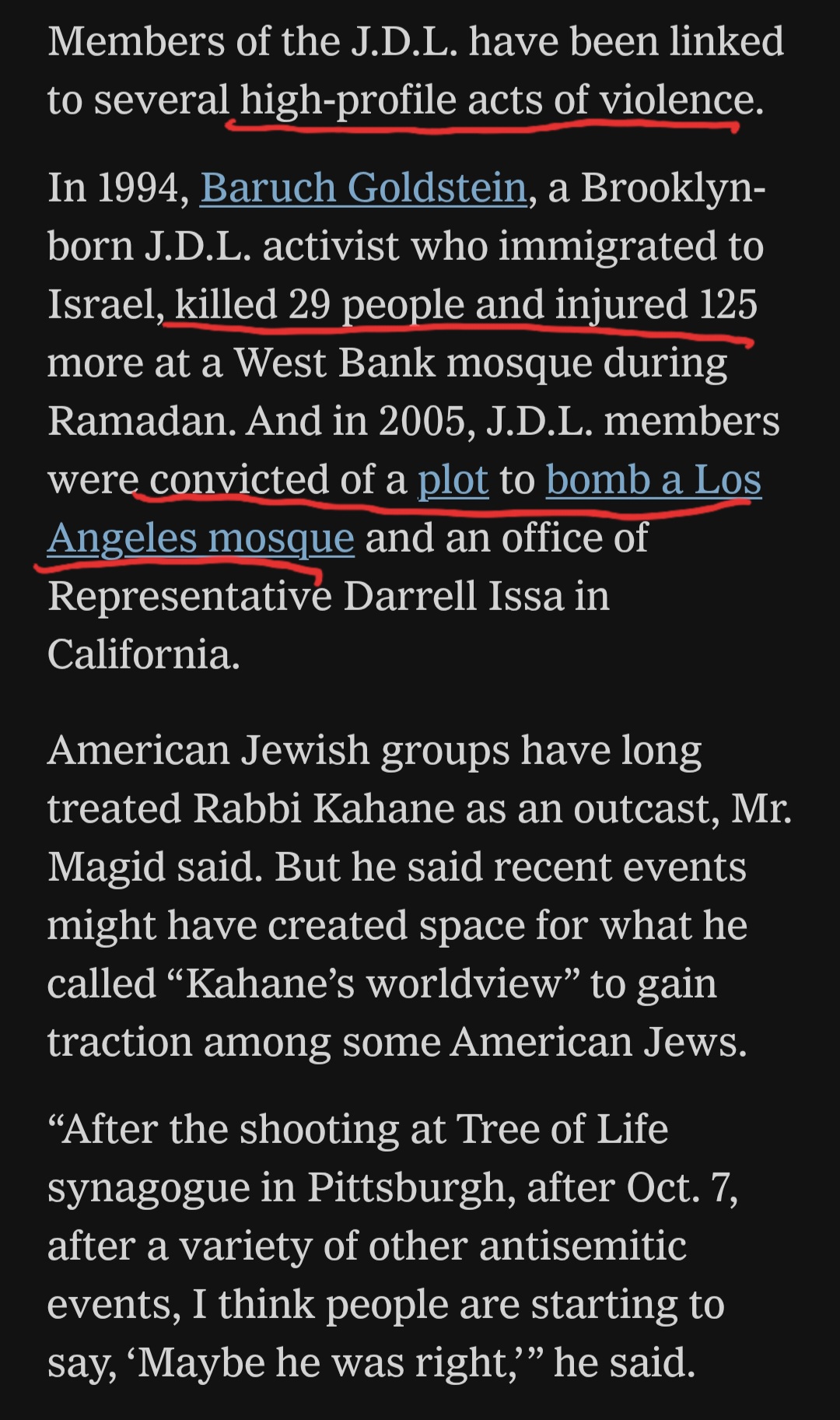
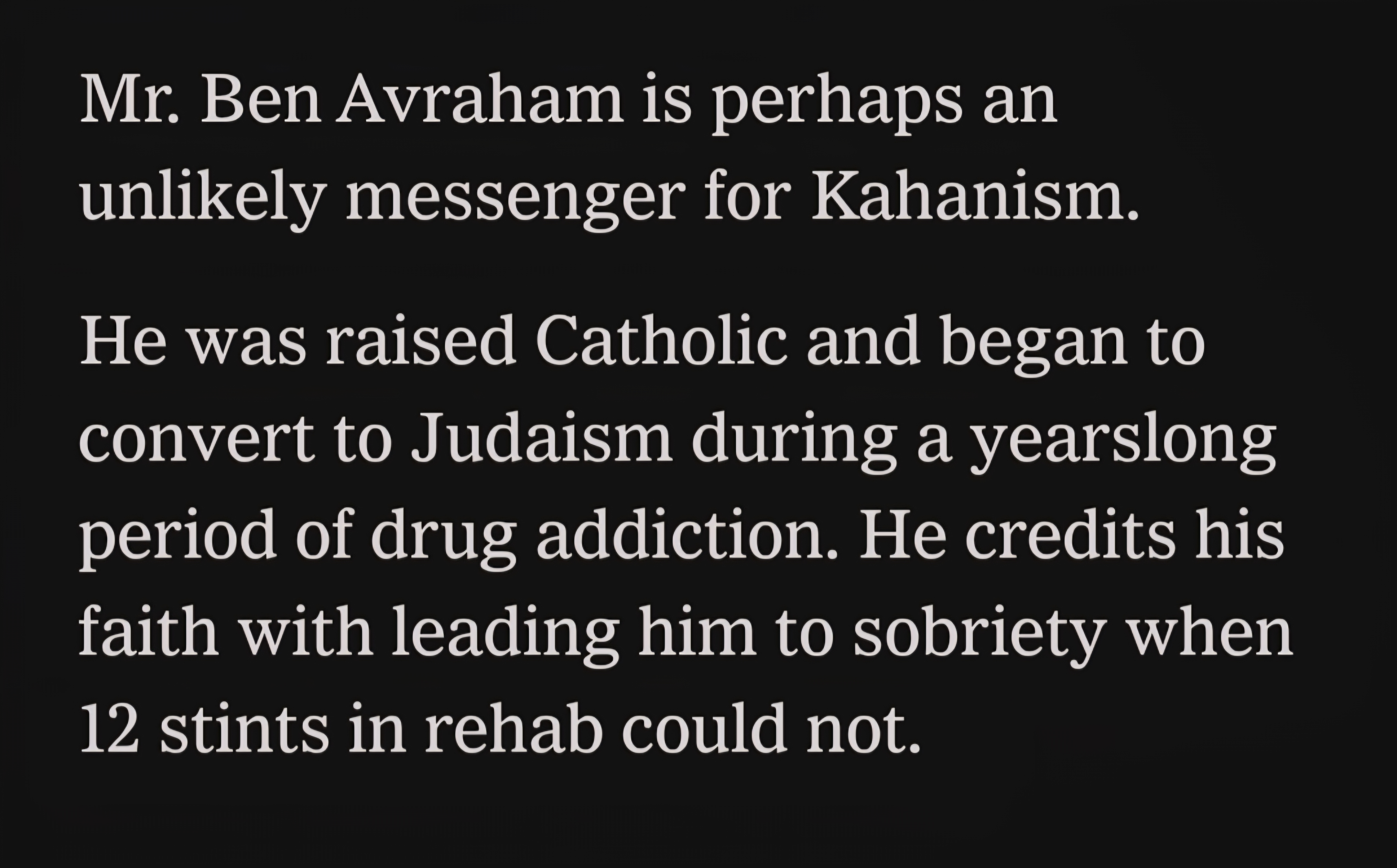
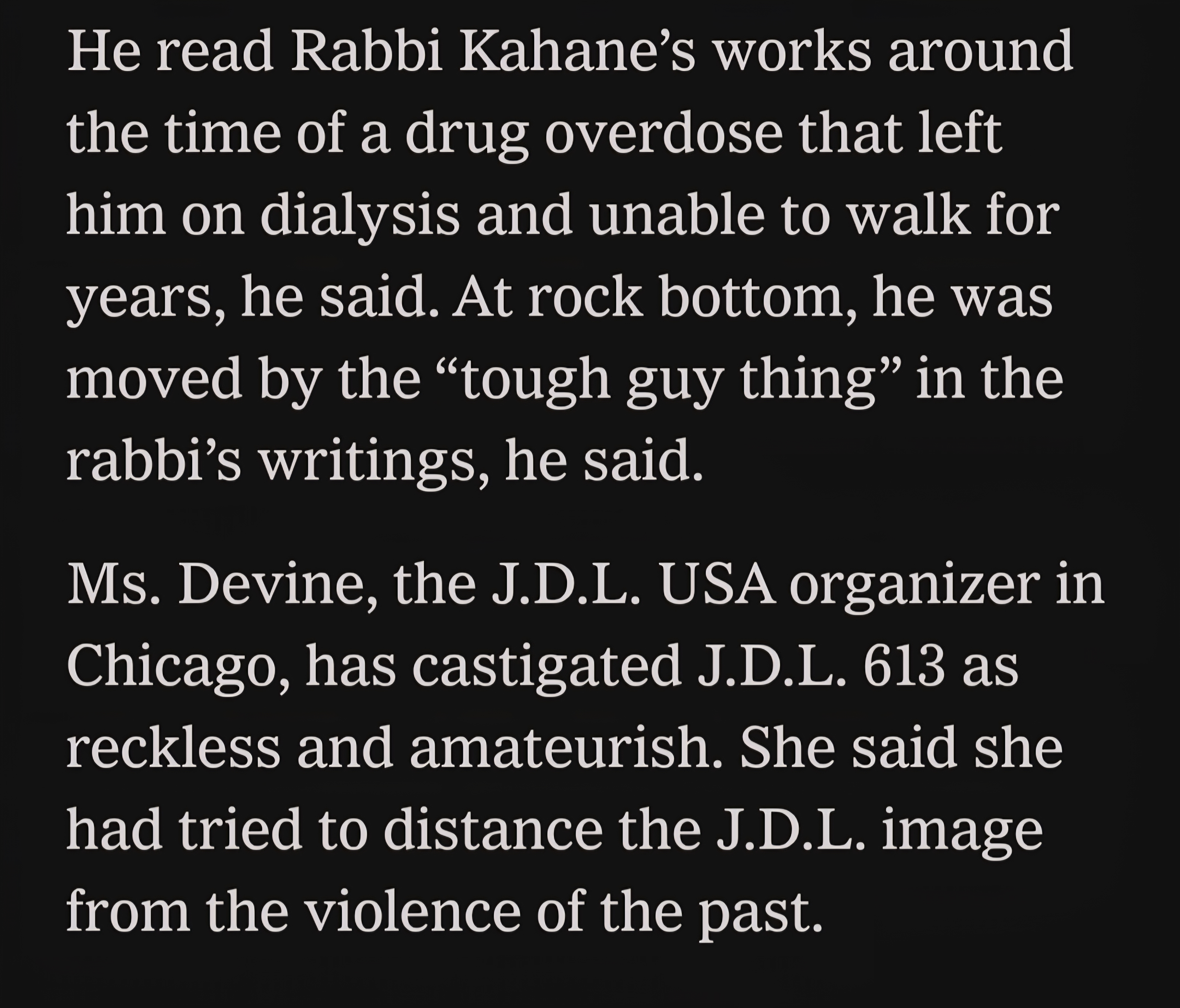
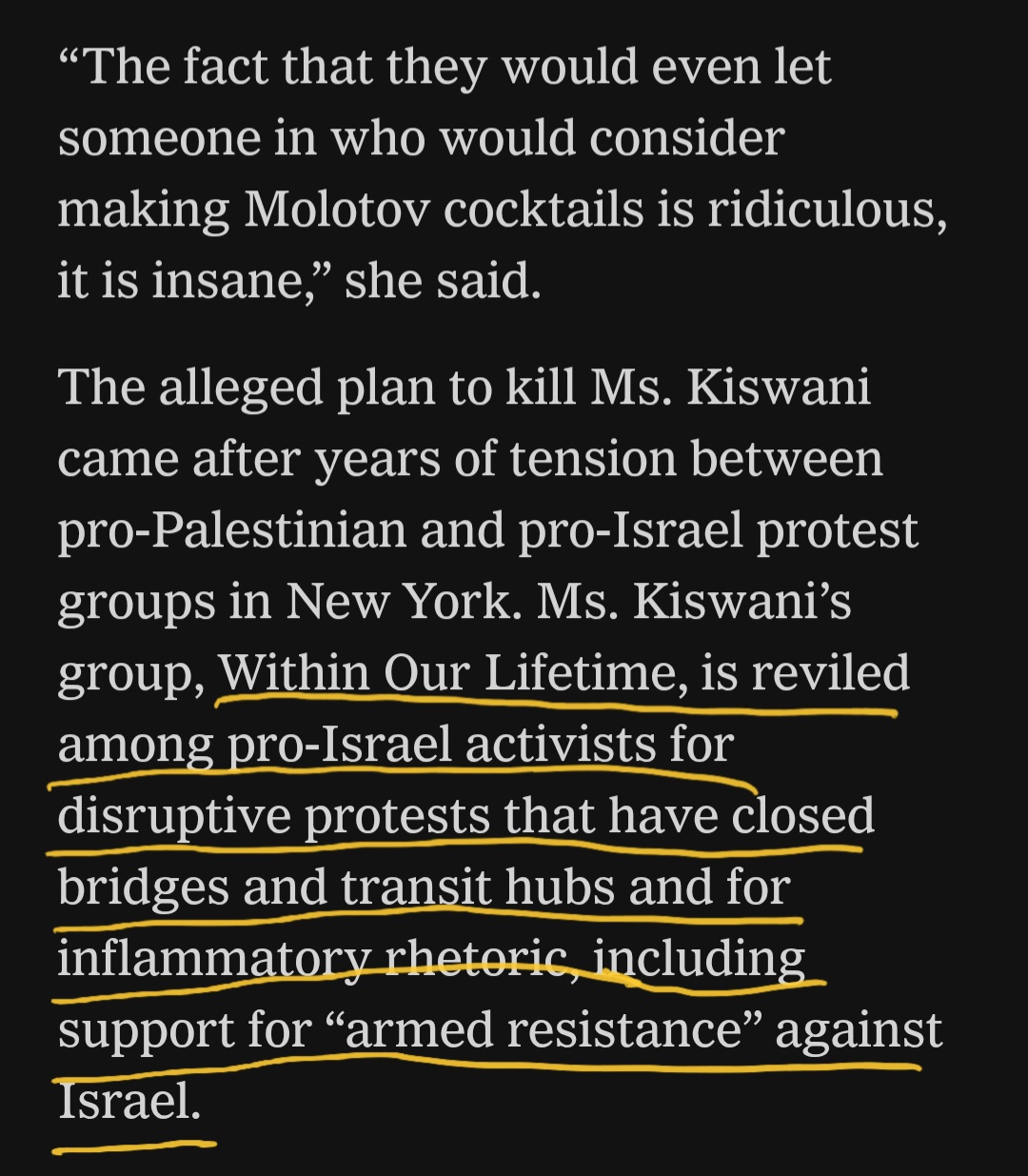
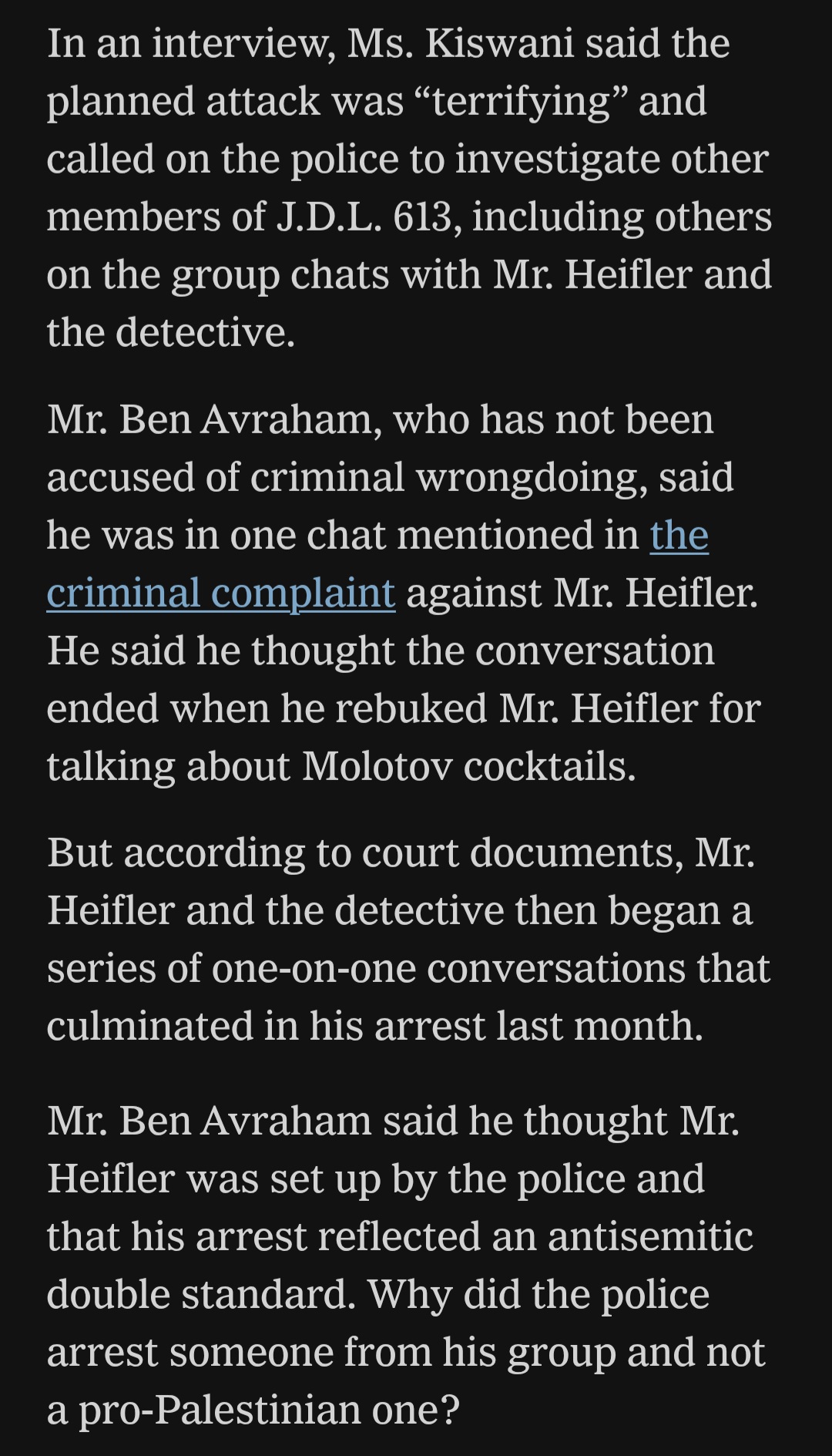
The latest The New York Times piece on a JDL-linked murder plot tells a very specific story—and then stretches it into something much larger than it is.
Start with the facts. One individual in a fringe offshoot movement, often described as a ghost of the old Jewish Defense League, allegedly plotted a murder that never happened because law enforcement stopped it. That is the entire event. Not a movement. Not a wave. Not a trend. A single actor orbiting a marginal group.
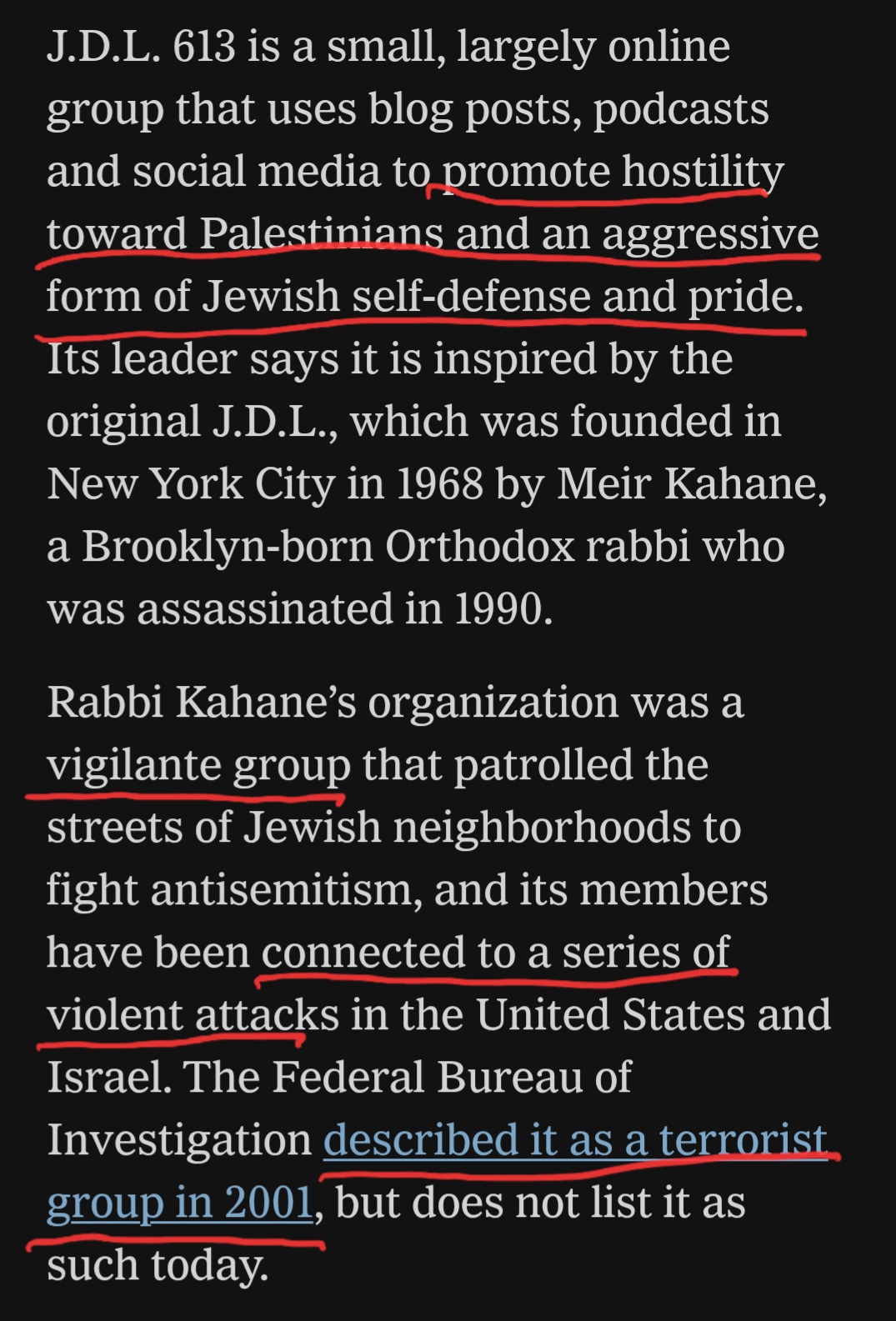
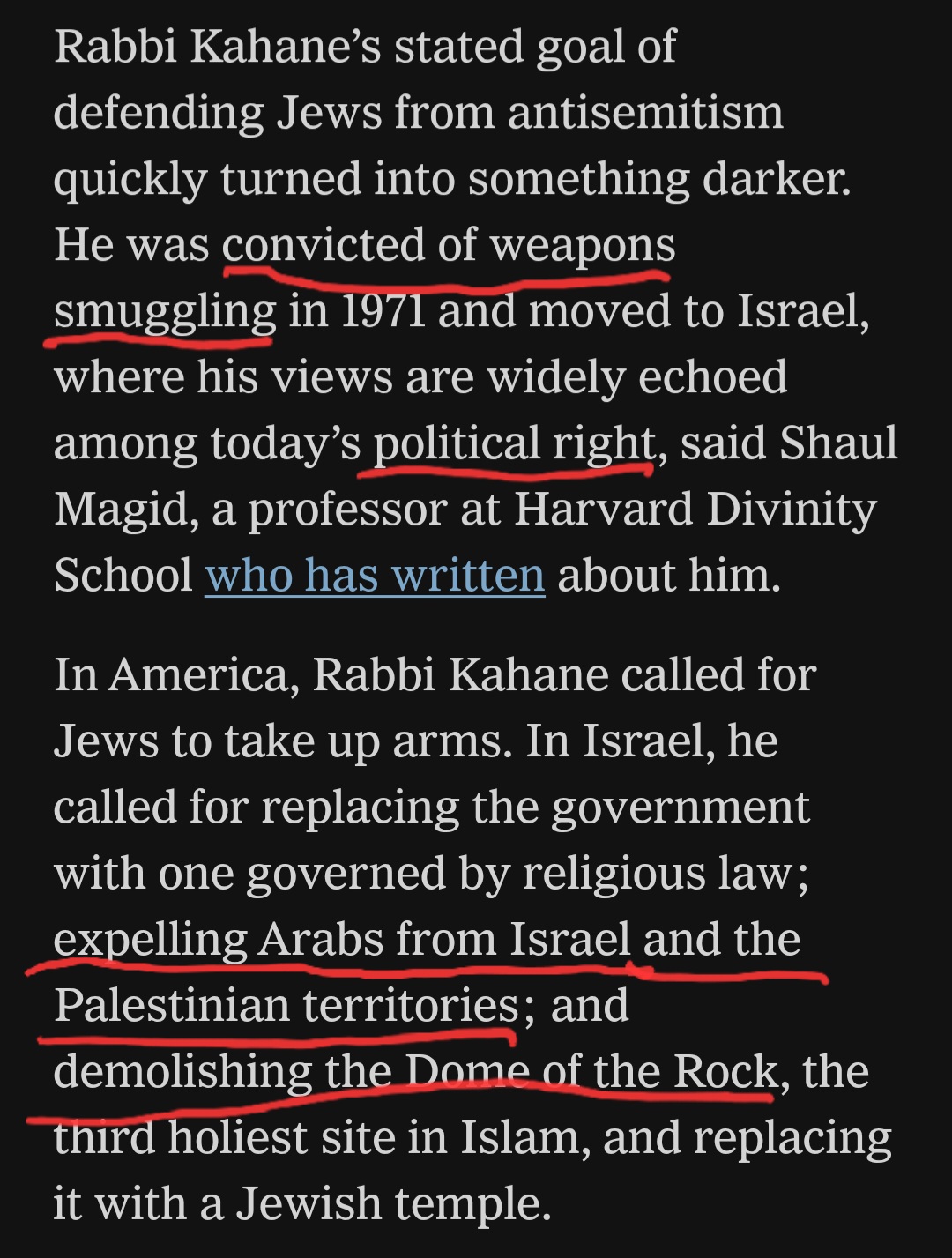
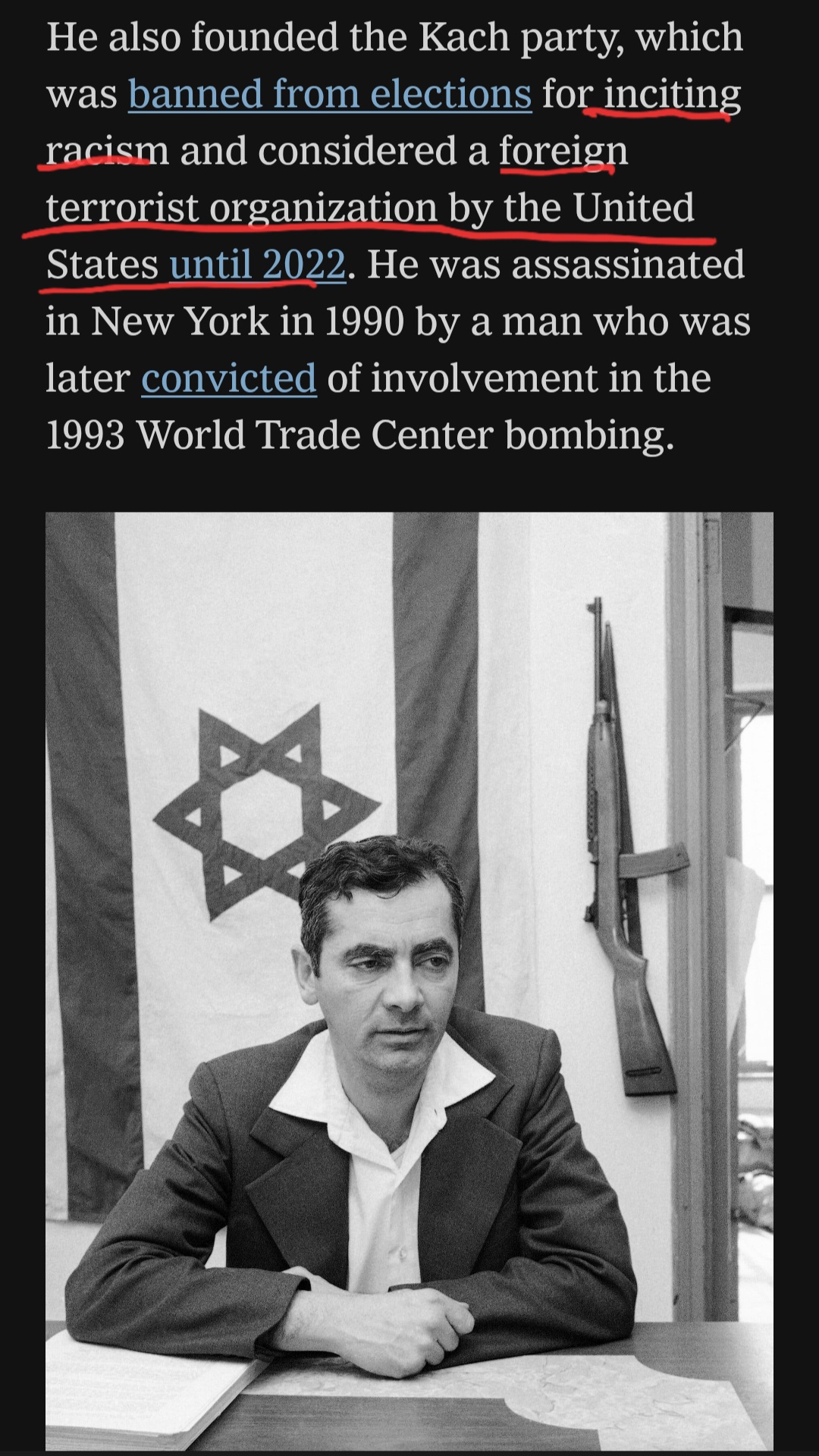
Yet from this narrow incident, the long article pulls a wide arc—Meir Kahane, Baruch Goldstein, decades-old ideology, insinuations about modern Israel. The reader is led to see not one unstable actor, but a resurfacing Jewish extremism problem.
“apparent resurgence of far-right Zionism” – The New York Times
That framing collapses under the weight of what is actually happening.
2025 saw the highest number of Jews murdered in antisemitic attacks in over thirty years. Not plots—killings, specifically because they are Jews. Across cities and continents. In New York, Jews remain the primary target of hate crimes by a wide margin. Assaults are not hypothetical. They are routine. Visible Jews are attacked on the street, not in theory but in daylight.
So the inversion becomes obvious.
A stopped act by one fringe Jewish extremist becomes a sweeping narrative. A global surge in antisemitic violence becomes less than background noise.
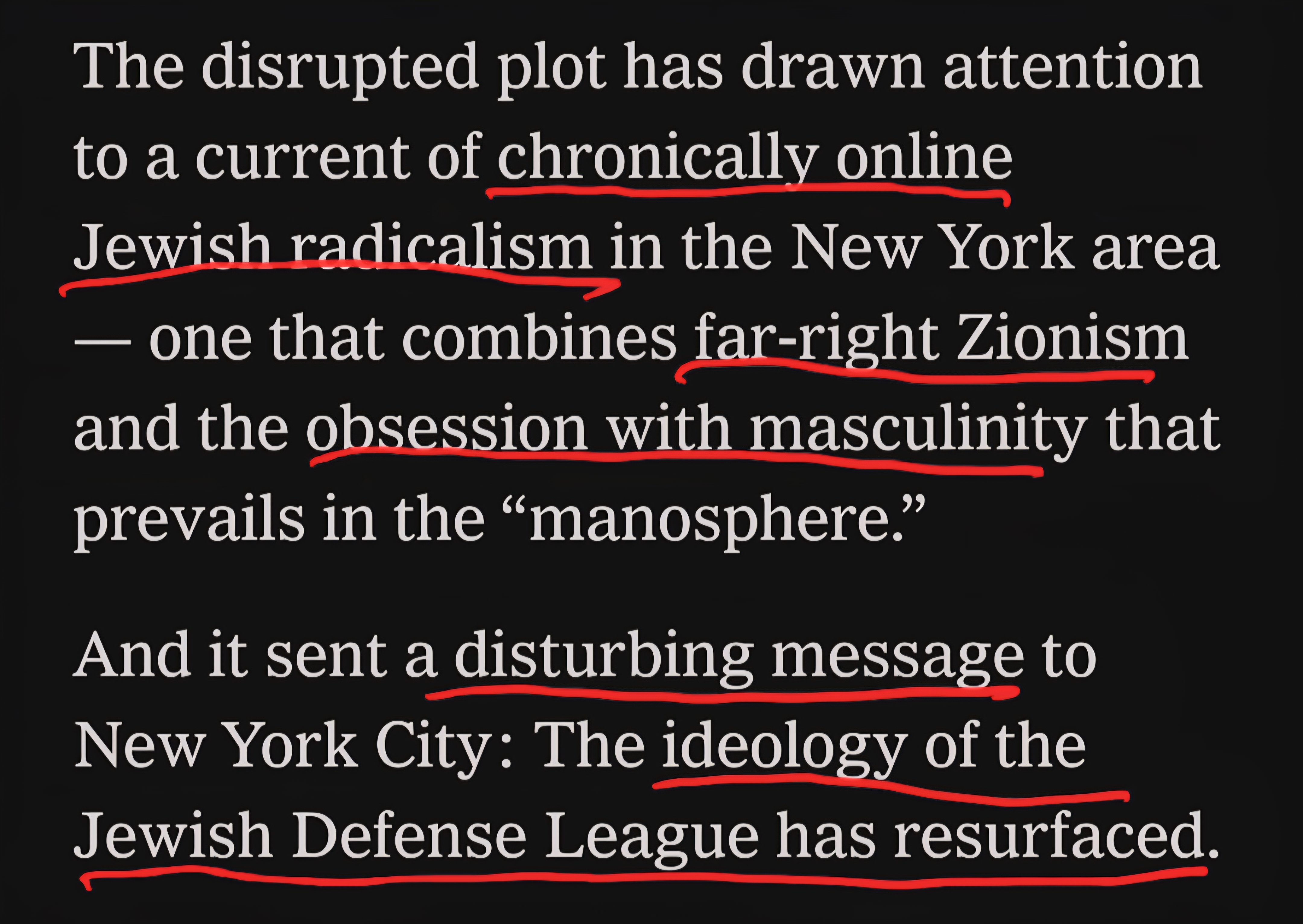
“a disturbing message to New York City: the ideology of the Jewish Defense League has resurfaced.” – The New York Times
This is not balance. It is misdirection.
Every society has extremists at its edges. Jewish communities are no exception. They should be confronted early and without hesitation. But scale matters. Sequence matters. When coverage elevates a single fringe actor into a defining story while minimizing the sustained targeting of Jews, it sends a clear signal about whose fear counts and whose does not.
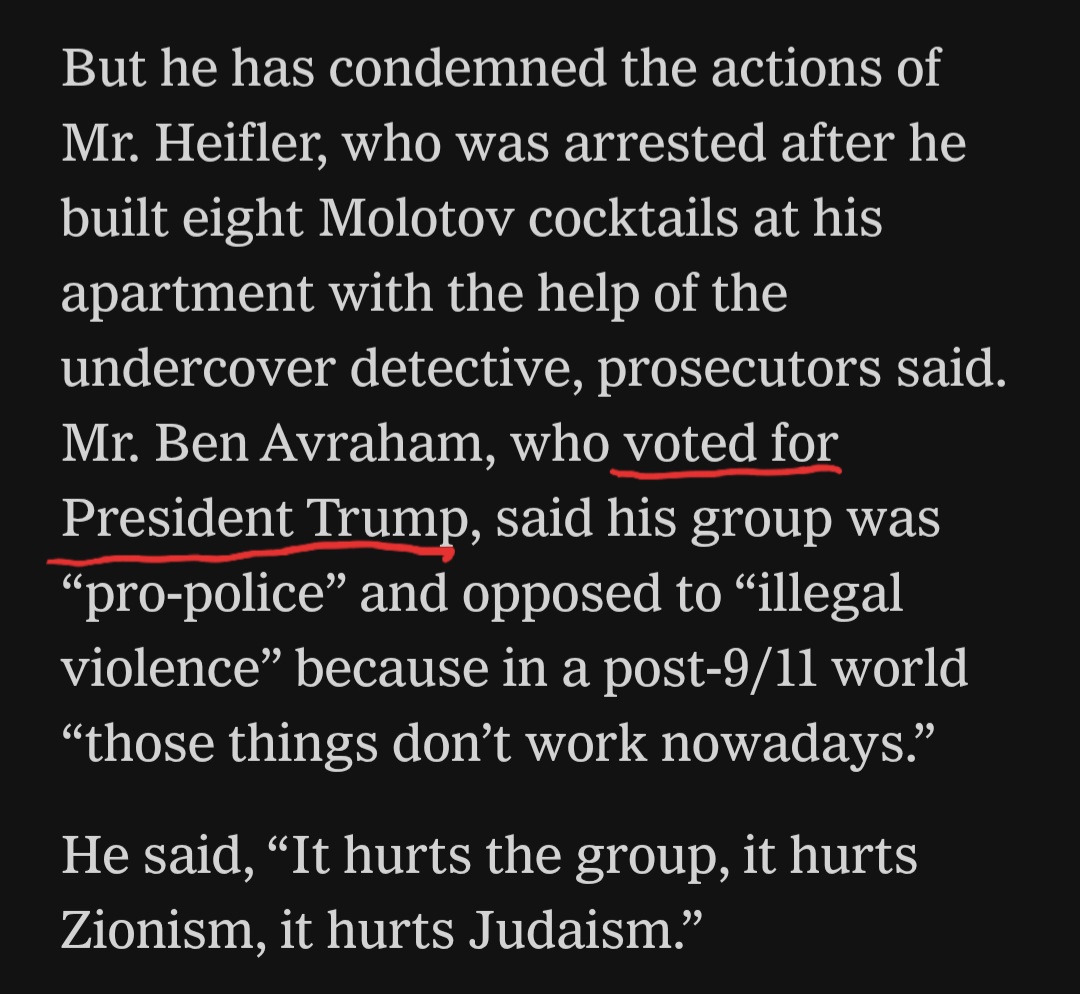
“voted for President Trump,” – The New York Times non-sequitur about member of the JDL, seemingly painting all Jews who voted for Trump as a potential extremists
And it feeds something deeper: the growing belief among Jews that institutions—from media to politics—are more comfortable scrutinizing Jewish reaction than confronting antisemitic aggression.
The real story is not that somewhere on the margins there are Jews capable of violence. Every people has that margin.
The real story is that Jews, in New York and across the diaspora, are once again living with a level of threat that is measurable, visible, and rising—and that too many prefer to mock the real security fear of Jews and cast Jews as the crux of the problem.
Six Million Jews were slaughtered in Europe by Nazi Germany and its enablers in the 1930s and 1940s. One-third of European Jewry was wiped from the earth for the sick reason that people detested them and wanted them gone “by any means necessary.” The scale and the barbarity of the genocide was revolting and a permanent stain on humankind.
The Nazi Party did not rise alone. It was carried by a culture that softened language and normalized hatred. The machinery of murder arrived last. The permission came first.
People often comment that the Palestinian Arab massacre of Israeli Jews on October 7, 2023 was the worst killing of Jews since the Holocaust. It is true, in terms of scale, a statistical fact. But the underlying reason is not discussed enough: a systemic hatred became embedded in a society that elected a government to carry out a genocide.
October 7 was not a rogue event by a gang. It was a popular movement by a sitting ruling authority that had years of preparation to carry out a genocide of local Jews.
Hamas’ 1988 foundational charter is the single most antisemitic political document ever written. The Stateless Arabs from Palestine (SAPs) voted Hamas to 56% of parliament with full knowledge of the group’s position and mission. When Hamas took control of Gaza in 2007, the area became a terrorist enclave, building an infrastructure and culture dedicated to the annihilation of Jews.
And when it acted out its plans in full on October 7, the people celebrated.
A “Holocaust Remembrance Day” that confines memory to ceremonies and candles misses the point. Remembrance without recognition of the present is ritual without responsibility. The lesson was never only about what was done. It was about how quickly societies create the conditions that allow it to be done again.
So what does responsibility look like now?
It begins with clarity. A group that openly declares and executes the mass killing of Jews is genocidal. That word should not be negotiated away, let alone flipped onto the victims.
It continues with institutions. Universities, media and cultural organizations must stop laundering advocacy for such groups through euphemism. Speech has consequences; platforms are choices.
It requires enforcement. Governments must treat material support, incitement, and coordination for designated terrorist organizations as what they are: threats to public safety, not protected abstractions.
It demands civic courage. Communities, leaders, and peers must refuse the social comfort of silence when celebration of violence surfaces in their midst.
And it insists on moral consistency. If the targeting of civilians is intolerable anywhere, it is intolerable everywhere—without qualifiers, without footnotes.
Democratic Socialist of America believe that violence against Jewish civilians is appropriate
It is important to remember the past: the millions of Jewish victims and the culture that touched Europe from Vienna to Vilna. It is also important to remember the environment that allowed it to happen, and actively confront the antisemitic infrastructure that enables the genocide of Jews.
Rep. Rashida Tlaib (D-MI) openly traffics in antisemitism – and gets reelected
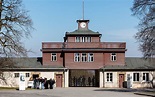
At Buchenwald concentration camp, the ground holds ash. It exists for a single purpose: to remember the industrial murder of Jews. The expectations are clear without being written—restraint, silence, humility.
Buchenwald concentration camp
Bring a keffiyeh into that space and call it “expression” and the word collapses under the weight of context. Symbols do not travel untouched. In that setting, it reads as intrusion—present politics laid over a site of extermination. Memory for mockery.
Yet the pro-Palestinian Arab mob wants to remind Jews that the genocide of Jews is not just in the past but in the present. They want their right of “free expression” precisely where it can hurt Jews the most. The right to bring a cause onto ground that was meant to remind people “never again” was targeted with “again now.”
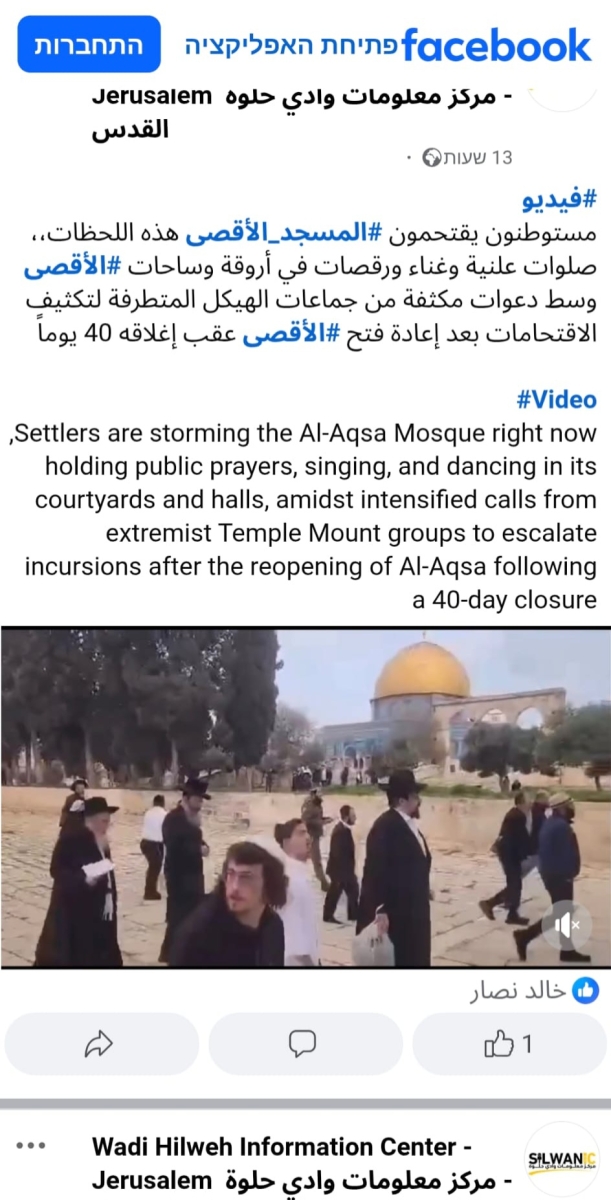
In their antisemitic zeal, they push the opposite at Temple Mount, the holiest site in Judaism. For centuries, Jewish prayer has pointed toward this place. Yet the pro-Palestinian crowd demands Jews be barred- not only no free expression but no freedom of religion.
“Status quo!” and “Provocation!” used very selectively, when Jews are the target.
The same principle—expression—stretches in one place and shrinks in another.
Expanded to override the norms of a concentration camp. Constrained to block prayer at Judaism’s holiest site.
That is the pattern.
It is not only a double standard. It is a antisemitism squared.
The past is diluted when a site of Jewish death is treated as open terrain for contemporary symbolism. The present is constrained when Jewish prayer is treated as a threat rather than a right.
Buchenwald should demand humility before the dead. The Temple Mount should allow the living to pray.
When those principles reverse, the fracture is not rhetorical. It is civilizational. And the pro-Palestinian camp continues to reveal the profound “deformity in its culture,” and how it revels in Jew hatred.
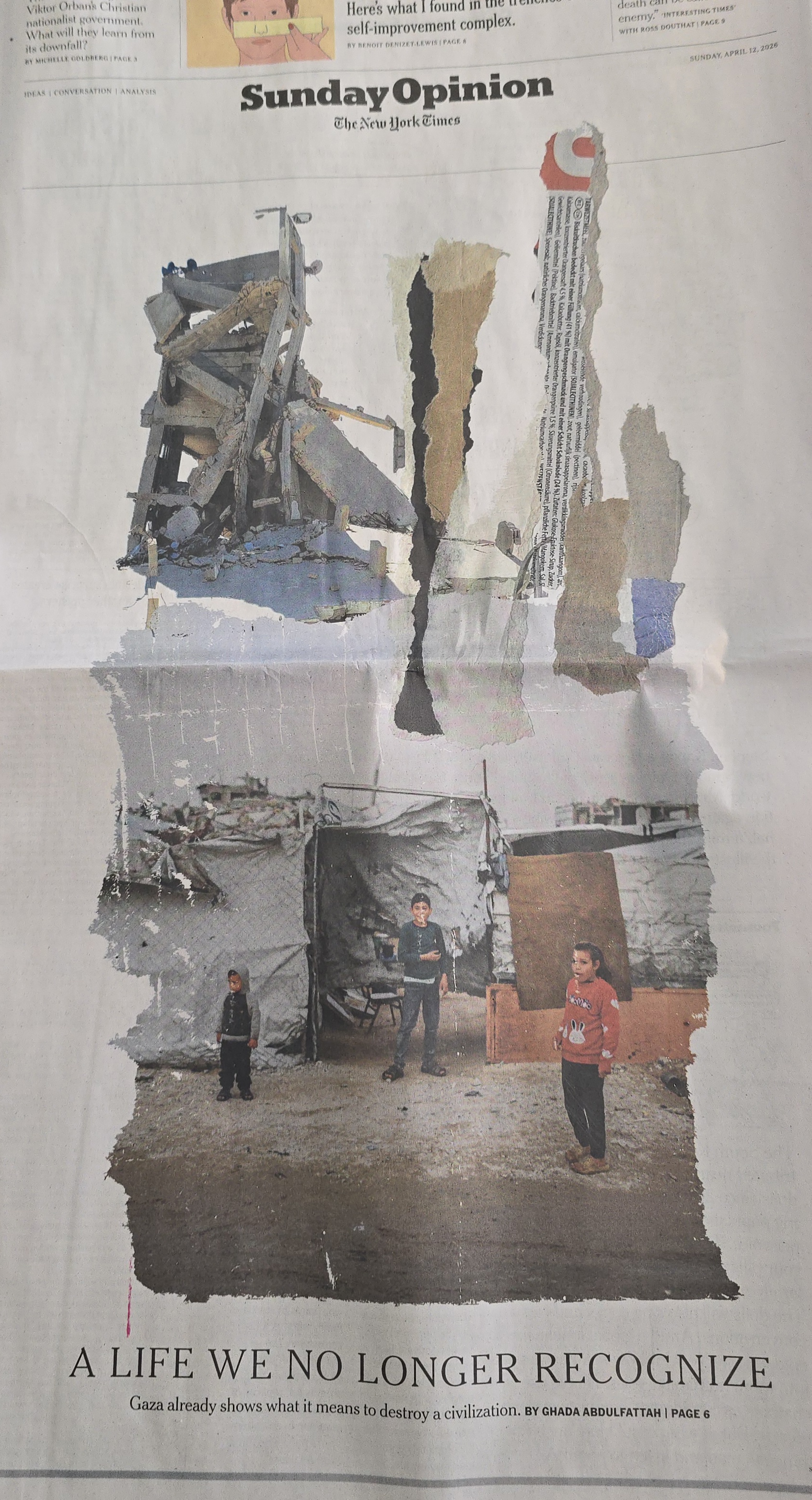
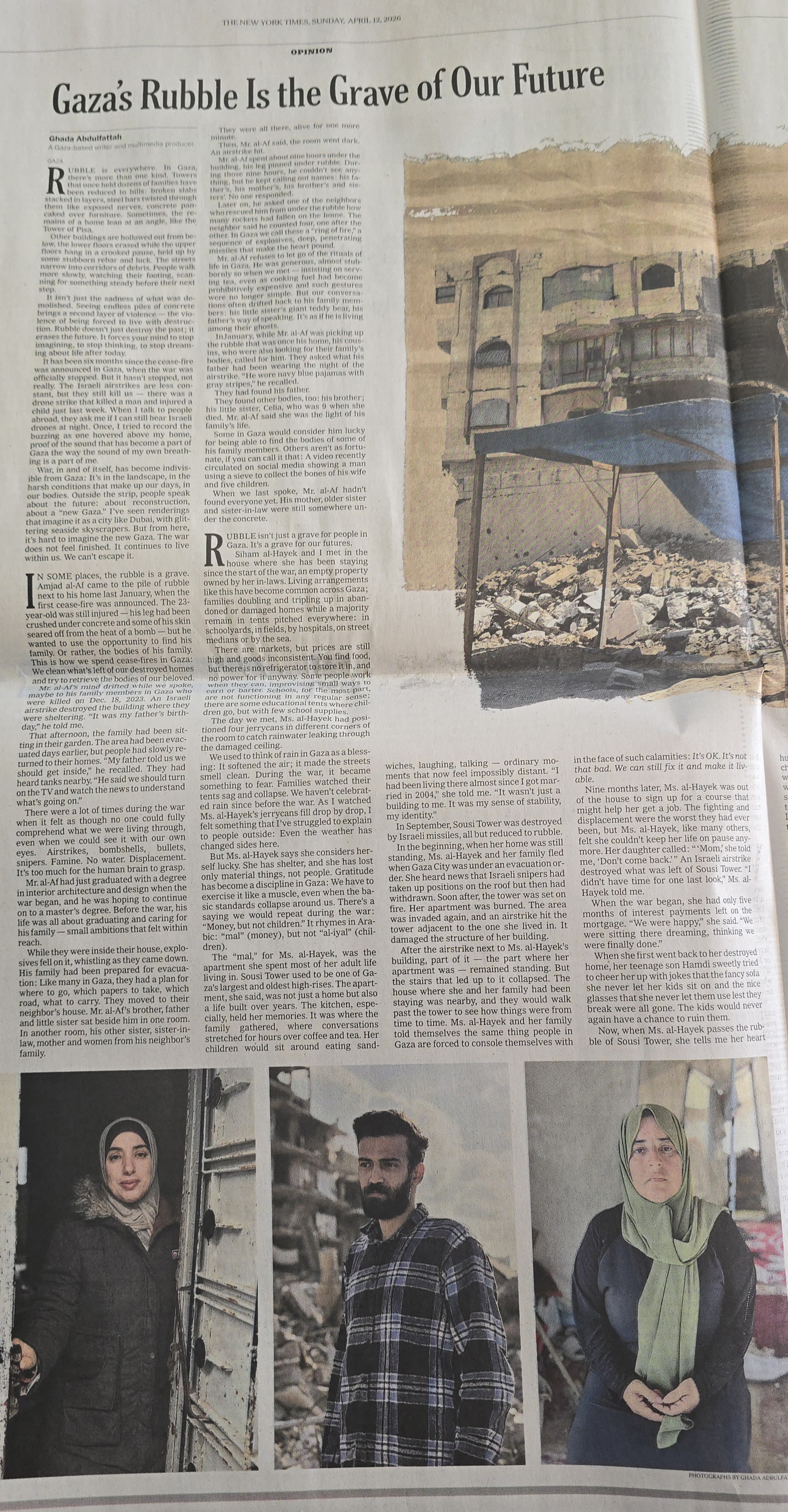
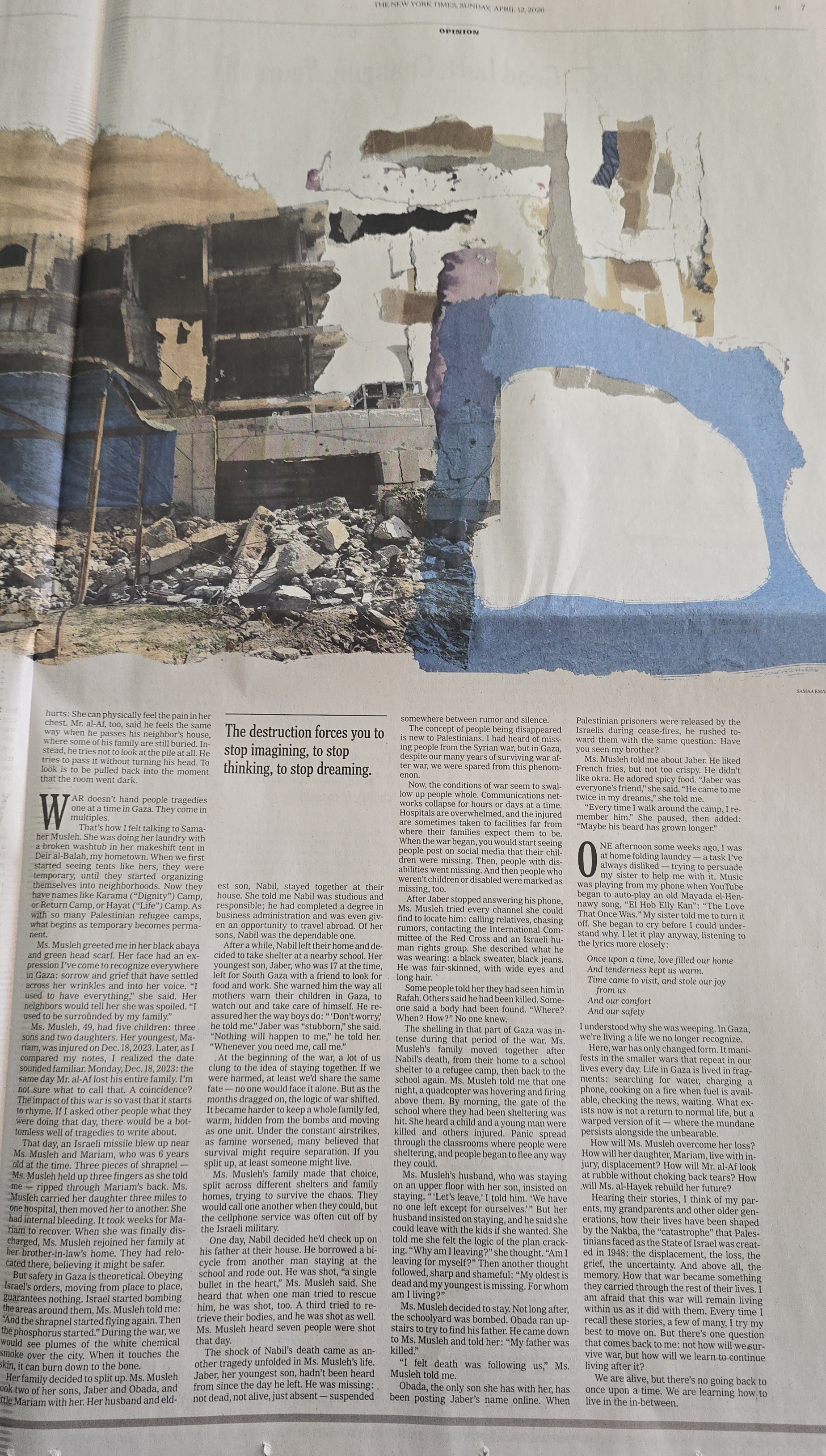
The images out of Gaza arrive stripped of their foundation. Open the The New York Times opinion pages this week and the story feels preassembled: civilians suffer, Israel strikes, outrage follows. It reads cleanly because something essential has been left out. This war does not begin and end on the surface.
Cover page of Sunday TimesTwo-page spread which never mentions Hamas or tunnels
It runs underground.
Beneath Gaza sits one of the most extensive underground military networks in the modern world, built by Hamas over years with money, materials, and time that could have gone elsewhere. The elaborate system of reinforced corridors, command centers, weapons depots, communications lines was designed to survive bombardment and keep a war going no matter what happens above.
Call it what it is: a vast network of bomb shelters.
Now say the part that rarely gets said clearly: Those shelters were never meant for civilians. They were never opened to families. They were never opened to children. They were never opened to the elderly. They were reserved—by design—for fighters, for leadership, for the preservation of the war machine itself.
In any other place, that would be unthinkable. Governments build shelters to protect their populations. When sirens sound, people go underground. Here, the system was inverted. Protection went below ground for those prosecuting the war. Exposure remained above ground for those living in it.
So when the bombs fall, the images follow. Families in rubble. Crowded rooms. Children pulled from collapsed buildings. The world reacts to an outcome shaped long before the first strike in this round of fighting. The protection existed. It was built. And Gazans were never allowed to use it.
That is the story that flips the frame.
This is not only a story of what Israel is doing. It is a story of what Hamas chose to build, and who it chose to protect with it. The tunnels are not just military infrastructure. They are a hierarchy set in concrete. Survival below ground for the regime. Exposure above ground for everyone else.
Once you see that, it becomes impossible to unsee. The destruction remains devastating but it has critical context. It sits alongside a governing strategy that hardened one layer of Gaza while leaving the other to absorb the war.
And that strategy is not finished. It points directly to what comes next. If Hamas remains, Gaza does not rebuild in the way people hope. It continues in the direction it has already taken. More tunnels. More infrastructure embedded beneath dense civilian areas. More resources pulled downward into war instead of upward into life.
The future of Gaza is not being debated. It has already been built.
It just was never built for the people living above it.
And the socialist-jihadi media like The New York Times, will paint a picture of pure fiction, one in which Gazans are the victims of rubble, not tunnels; victims of the Jewish State, not Hamas; victims of “genocide,” not perpetrators of genocide.
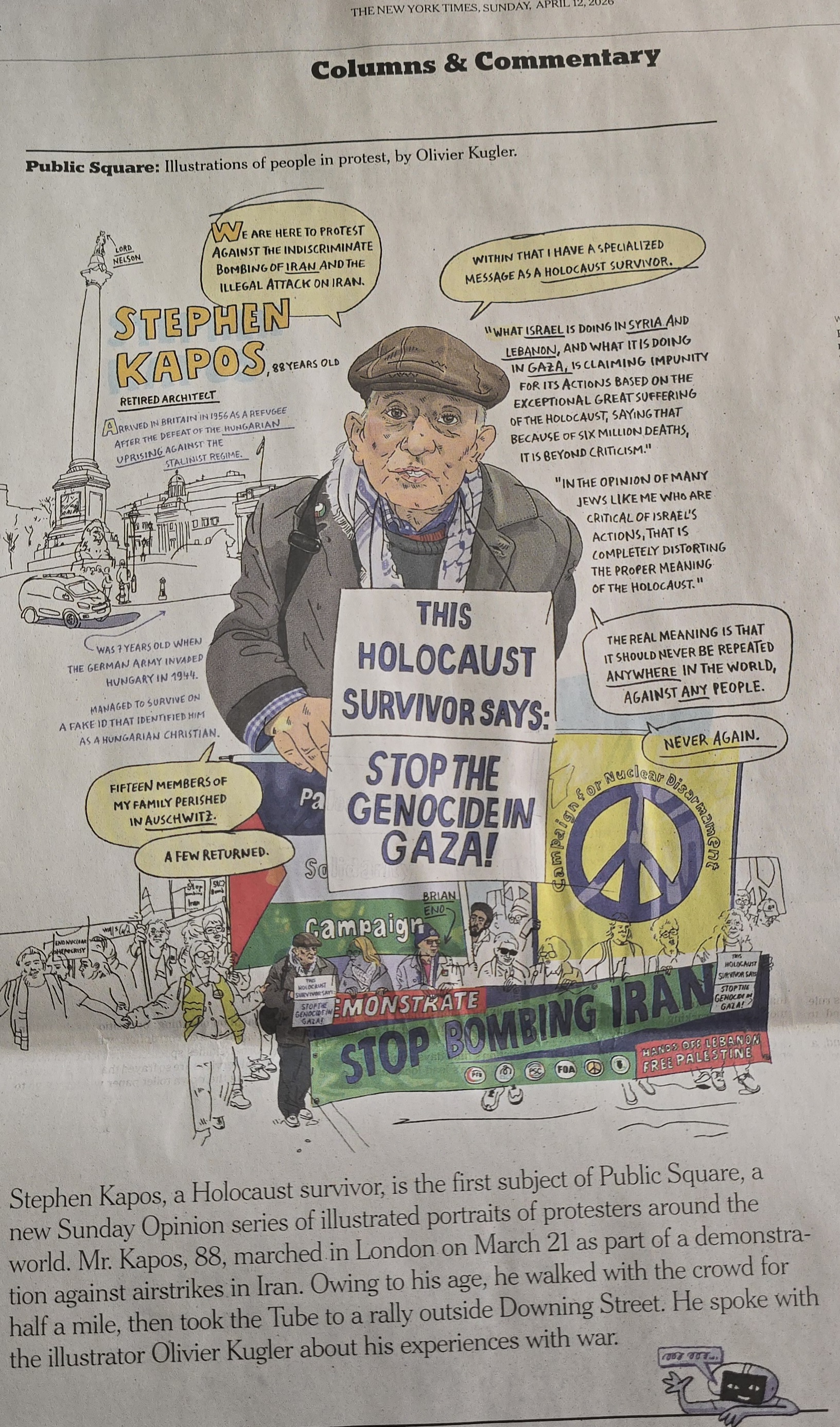
And for good measure, it will add a cartoon of a Jewish Holocaust survivor protesting about Israel committing a genocide in Gaza, to completely embalm its inversion of genocide.
Hamas built bomb shelters for the exclusive use of its terrorist army while it let women and children get attacked overhead. We are similarly witnessing the socialist-jihadi media build narrative shelters for those same jihadi terrorists, leaving Jews to take the brunt of the antisemitic tidal wave.
Jenin did not drift into the headlines after 2022. It started producing them.
What emerged in Jenin was a terrorist factory. Fighters from Hamas, Palestinian Islamic Jihad, and Al-Aqsa Martyrs’ Brigades fused into a loose network called the Jenin Brigades that did not need a central command to be effective. Decentralized cells, shared infrastructure, constant regeneration.
The output showed up quickly. Bnei Brak shootings killed five. Tel Aviv shootings killed three. Elad stabbings and hacking with axes killed four. Different attackers, same origin point: Jenin.
Israeli investigations kept circling back to the same networks that planned, armed, and launched the murders. The response followed the pattern. Raids intensified through 2023 and 2024. Weapons labs were targeted and IED networks were dismantled. Yet the factory kept running, because the underlying condition never changed.
Governance had receded.
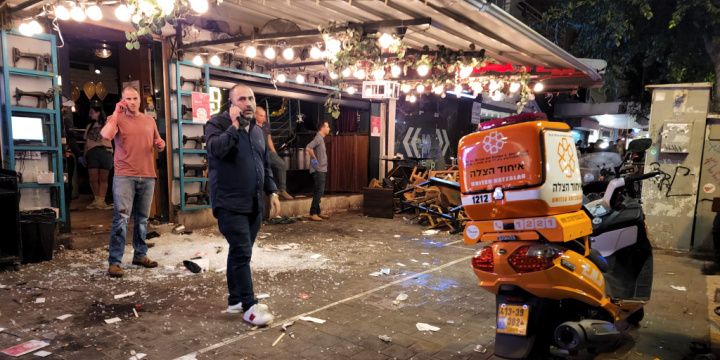
Palestinian terrorist from Jenin shot and killed three on Dizengoff Street in Tel Aviv, 2022
By 2024, the Palestinian Authority was largely absent inside the camp. Armed groups operated openly. Weapons moved with little friction. Jenin functioned less as a governed space and more as an incubator.
When the Palestinian Authority finally moved in, it revealed the reality it had long avoided. Arrests. Clashes. Fighters targeted in the same streets that had projected violence outward. An internal confrontation that made clear what Jenin had become.
That move came under pressure. As the transition toward Donald Trump in January 2025 approached, the Authority needed to show it could control territory. It signaled to Washington that it could confront militias, that it could govern, that it still mattered. At the same time, it faced a harder truth: those militias had the street. Polling from the Palestinian Center for Policy and Survey Research showed strong support for armed groups, especially in places like Jenin where the Brigades carried both weapons and legitimacy. The Authority moved against forces that many Palestinians saw as their representatives.
68% support the formation of armed groups, such as the “Lions’ Den,” and 87% believe the PA does not have the right to arrest members of these groups – PCPSR poll, March 2023
And then the story is exported for western audiences.
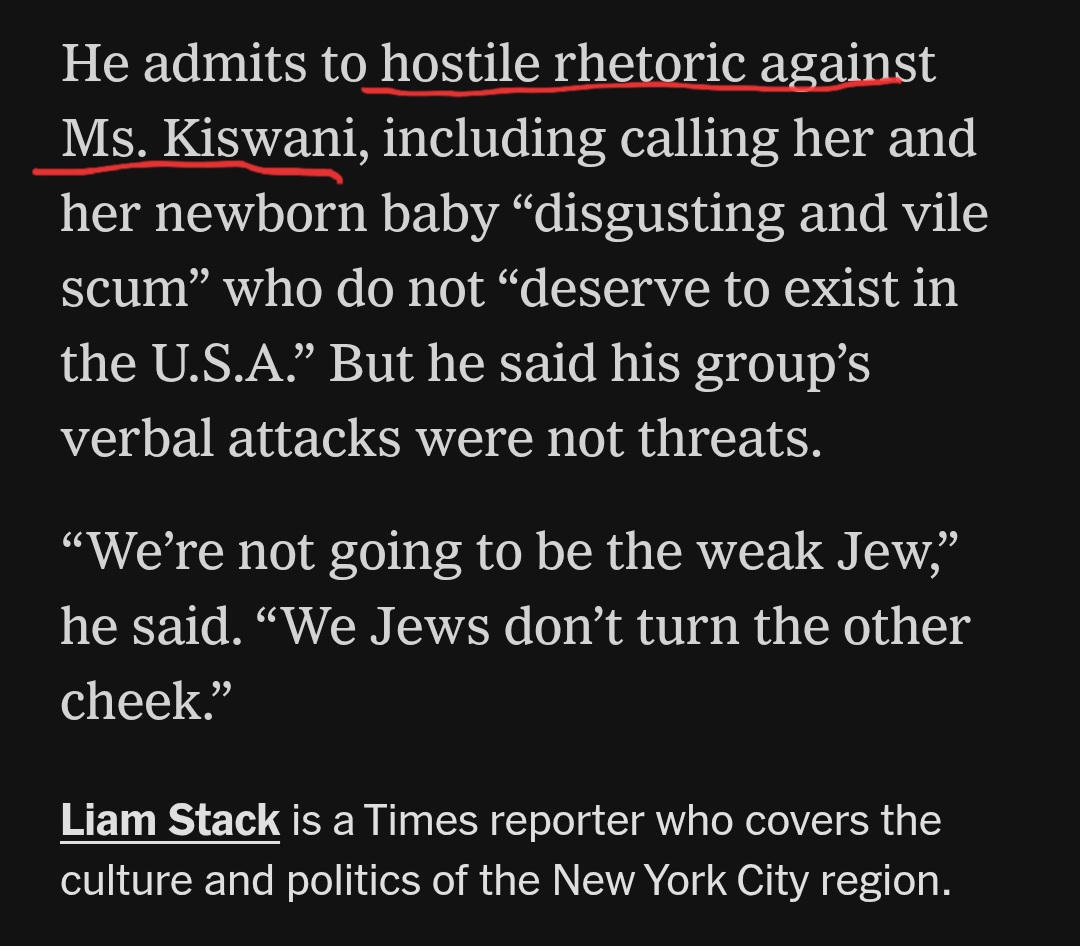
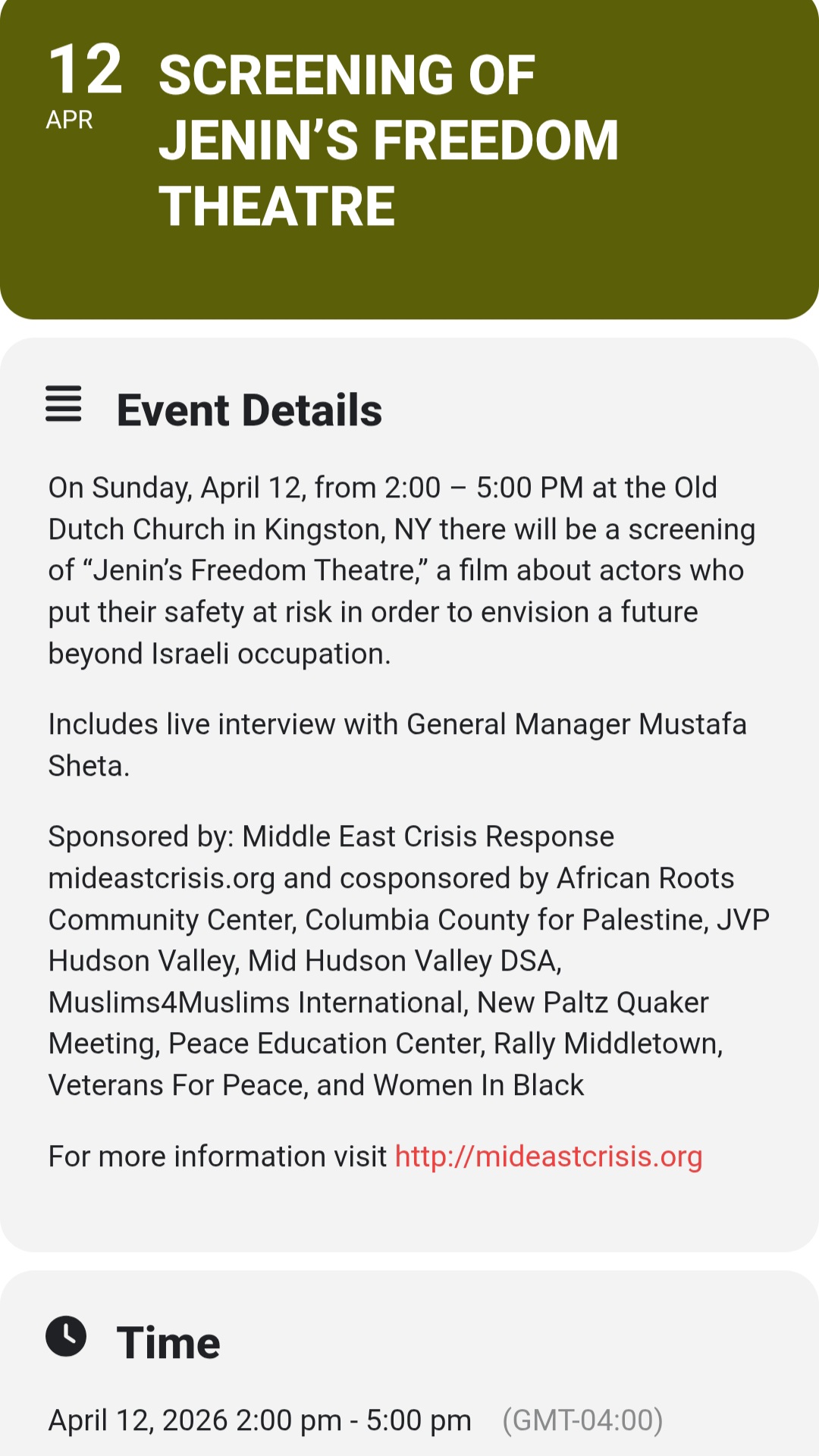
“The Freedom Theatre,” founded in 2006 inside the same camp, showcases a different version of Jenin. Its language is culture, resistance, narrative. On April 12, 2026, that version appears in Kingston, NY with a screening and discussion at the Old Dutch Church.
What arrives there is a story stripped of origin. No Bnei Brak attack. No Dizengoff murders. No Elad hacking. No accounting for the networks that produced them or the infrastructure that sustained them. The factory disappears. The output is reframed.
Groups like Jewish Voice for Peace and Democratic Socialists of America amplify that version—one that travels without the genocidal bloodlust, speaks the language of “grievance” and “resistance”, and leaves out the mechanics of violence that made Jenin central in the first place.
Two things now move out of Jenin. One is violence, forcing constant military response. The other is narrative, reshaping how that violence is understood far from its source. They are not separate tracks. One conditions the other.
Jenin is no longer just a location. It is a generator—of attacks, of responses, of competing realities.
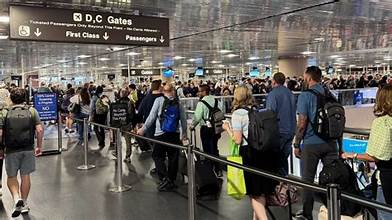
Spring break arrives and the terminals fill. Families in flip-flops inch forward. Teenagers clutch boarding passes. Parents juggle passports, snacks, and patience. The line barely moves. Weeks later it repeats on Passover and Easter: travel with checkpoints.
While it feels like inconvenience, it is much more.
It is memory. It is cost. It is consequence.
The line begins with the September 11 attacks, when operatives from the genocidal jihadist group al-Qaeda boarded planes as passengers and turned them into weapons. Nearly three thousand civilians were killed in a single morning. The attack followed a clear logic: target civilians in the West, maximize scale, use the openness of modern Democratic systems against themselves.
Out of that morning came the Transportation Security Administration. The bins. The scanners. The choreography of shoes, belts, and laptops. A system built to harden what had already been breached.
It continues today at scale.
The United States still designates a range of these Islamic superiority groups as terrorist organizations:
al-Qaeda
Islamic State (ISIS)
al-Shabaab
Boko Haram
Tehrik-i-Taliban Pakistan
Hamas
Hezbollah
They differ in leadership, geography, and strategy yet converge in one place: the justification of violence against western civilians in the name of radical Islam.
Hamas makes the convergence unmistakable. Its founding charter is replete with calls to kill Jews and destroy the Jewish State. Its leadership has framed the conflict in absolutist terms. And on October 7, its fighters carried out coordinated attacks that deliberately targeted civilians—families in homes, people at a music festival—turning them into instruments of terror in a way that was both intentional and public.
Different names and different flags. Same methodology and targets.
Those jihadi ideas do not stay contained to a battlefield. They reshape daily life.
It shows up in synagogues and churches where doors are locked and guards stand watch during prayer. In stadiums and concerts where bags are checked and perimeters hardened. In city streets lined with barriers. In subway systems with armed patrols. In office buildings where access is controlled and monitored.
Islamic extremist Salman Abedi and his brother Hashem Abedi bomb Ariana Grande concert in Manchester, UK
Everyday life has been redesigned around the possibility of civilian targeting.
Every traveler standing in a TSA line is paying part of that price. Every secured synagogue, every guarded stadium, every hardened entrance carries the same cost.
TSA lines at American airports
Aviation remains a focus for a reason. It concentrates civilians. It symbolizes openness. It offers reach. So the security system stays because the threat did not disappear.
As in Israel, faced with daily threats.
Spring break travelers do not think about jihadi ideology when they remove their shoes. Families heading to a Passover seder or an Easter gathering do not connect their delay to Islamic extremist networks.
But they are connected.
To a morning in September. To an idea that still circulates. To organizations that still recruit, plan, and attack.
Which are now being promoted and protected by elected officials and a socialist-jihadi alliance growing inside the West.
Some arguments don’t come as arguments. They come as word choices.
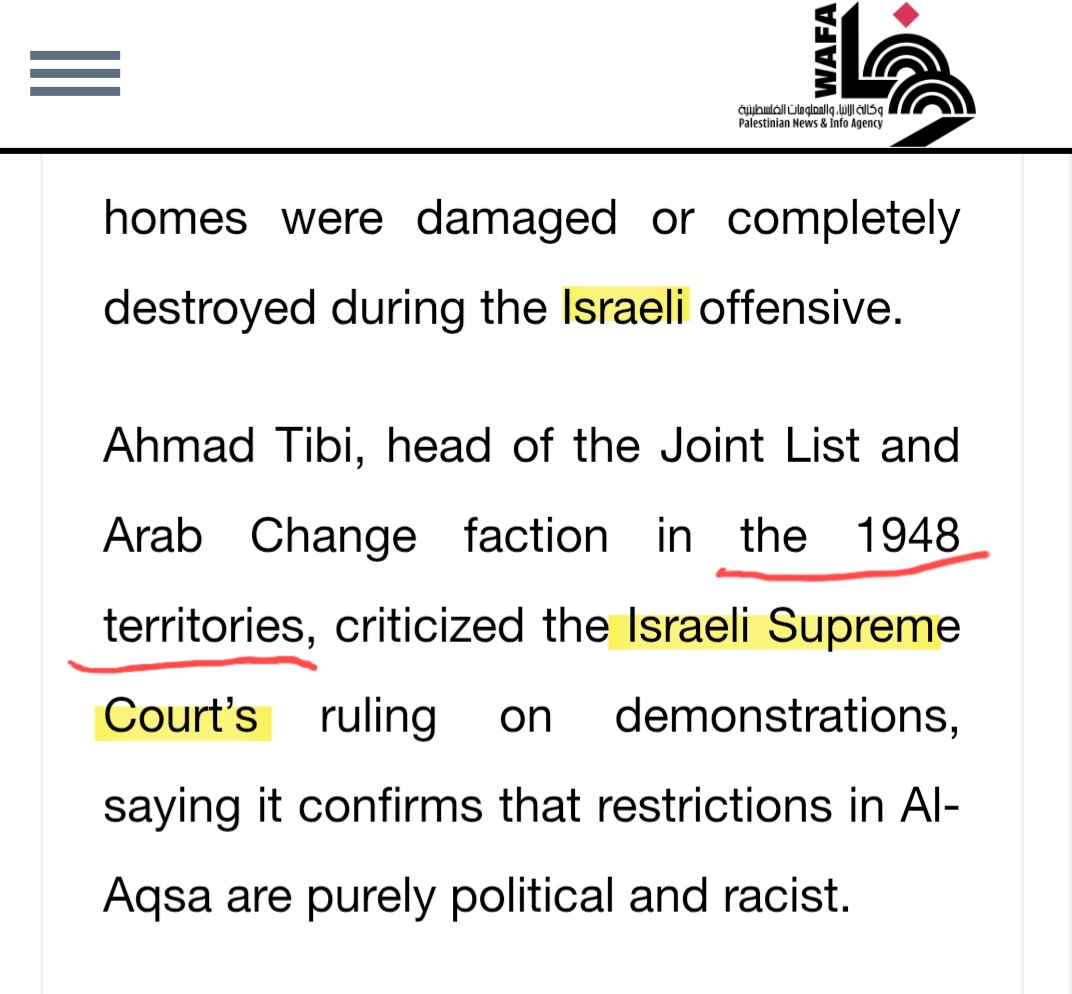
In a recent dispatch, the Palestinian Authority’s official news agency, WAFA, made a choice that says everything. Israel appears as an adjective when attached to institutions. Its actions carry familiar condemnations. And the land itself is recast as “the 1948 territories.”
That is not reporting. That is positioning.
1948 is a year of war and statehood. It marks the moment Israel came into being and survived an attempt to erase it at birth. Turning that year into a place rewrites the present. It drags today back into a permanent opening chapter, where the outcome still hangs in the balance.
A country becomes a placeholder. Sovereignty becomes provisional. Everything sits on ground that the language refuses to make firm.
This is how maximal claims stay alive.
If a state only exists as “1948,” then its future remains permanently negotiable.
The contradiction is visible in plain sight. Daily coordination with a functioning state on one hand. A refusal to grant that state permanence on the other. Even more, that the very land of that state is illegal, stolen. The phrase allows engagement without acceptance.
That approach carries consequences.
Conflicts move when both sides deal with what is actually there. Language that recasts reality into a provisional state keeps the dispute locked at its most basic level. Every negotiation floats above a refusal that pulls it back down.
This pattern extends well beyond a single outlet. It echoes across official statements, classrooms, and international stages. Words are chosen with care because they preserve a claim that facts have long since settled.
Israel is a state with institutions, borders, citizens, allies, and critics. It participates in the global system, fights wars, signs agreements, and argues with itself in open courts. None of that fits inside a date.
Calling it “the 1948 territories” keeps the founding war alive in the present tense. And as long as that language holds, the conflict never leaves its opening scene.