Islamic radicals came for Jews again. This time, on Yom Kippur, the holiest day on the Jewish calendar.
In Manchester, England, Jihad Al-Shamie, a 35-year-old British man of Syrian descent, rammed his car into a synagogue and then started stabbing people. Two were killed and three injured. The press would not say that the man was Muslim (his name was Jihad) nor what the motive was.
But it was clear to everyone – even the United Nations – that this was not a casual madman but a force of evil. The UN Secretary General Antonio Guterres issued a statement the same day that he “stands in solidarity with the Jewish community and calls for those responsible to be brought to justice.”
This is a completely normal and appropriate reaction.
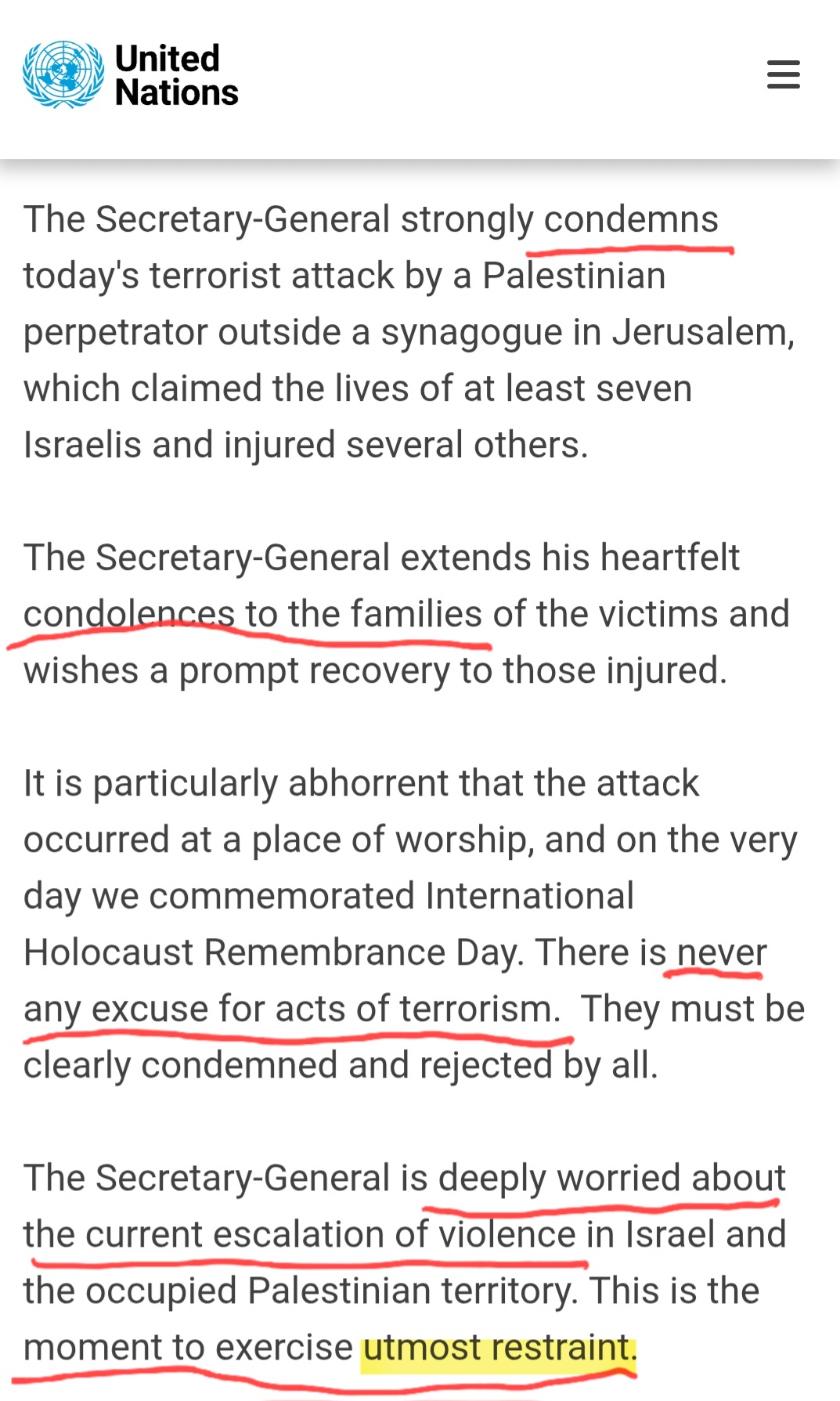
Yet compare it to Guterres’s statement when seven Jews were killed outside a synagogue in Jerusalem in January 2023: there was no statement of standing in solidarity with the Jewish community. There was no call to “confront hatred and intolerance.” There was no demand that the perpetrators be brought to justice.
Quite the contrary: he demanded that Israel “exercise utmost restraint.”
Because the United Nations has long blessed the Palestinian Arab war to kill Jews.
Mark Medoff titled his play Children of a Lesser God to expose the way society infantilized the deaf, treating them as incomplete people. The phrase still burns because it names the humiliation: being allowed to exist but denied equal dignity.
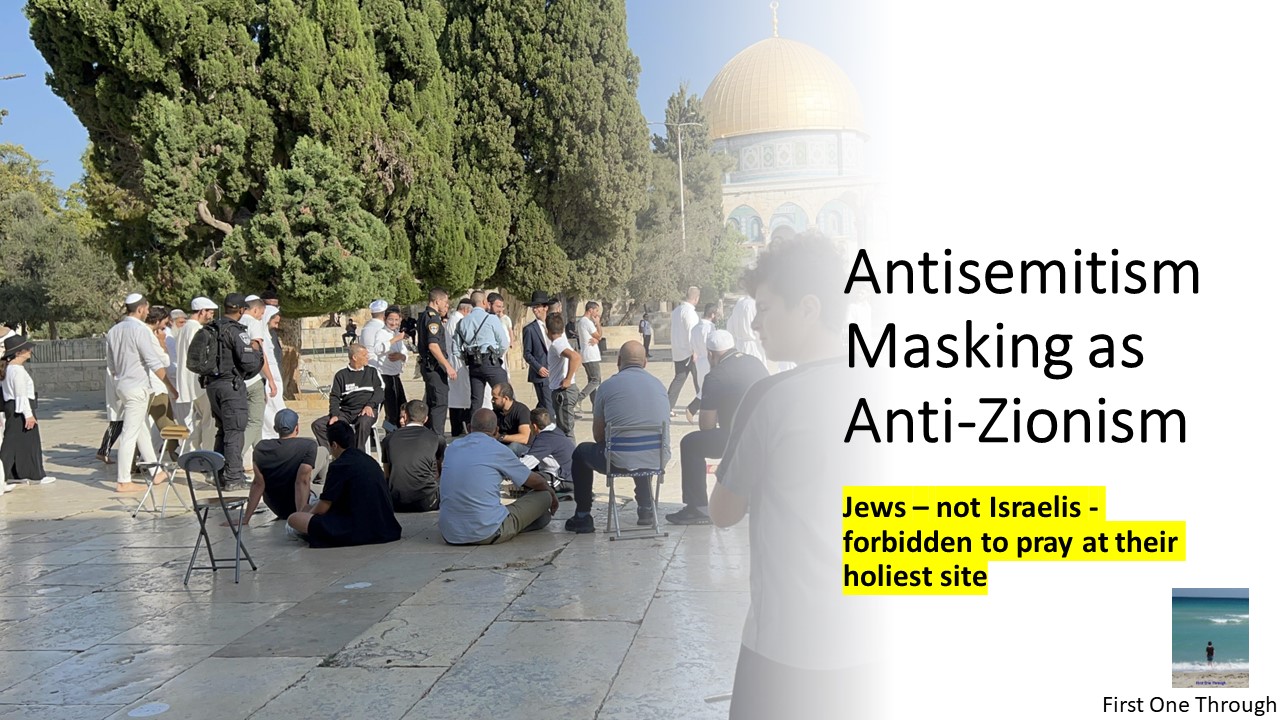
That is precisely the status of Jews on the Temple Mount. The holiest place in Judaism, the very ground of the First and Second Temples, the site of the binding of Isaac. Yet Jews are barred from uttering a prayer there. Visitors, reluctantly and barely; worshipers, never. The “status quo” enforced by the Jordanian Waqf with United Nations’ support dictates that Jews must keep their mouths shut.
It is a civic cruelty disguised as compromise. Jews are told they may stand in the place of their ancestors, but only as tourists in a museum, not as children before God. Muslims pray freely on the Mount by the millions, but Jews are gagged at their own holiest site. That is not neutrality — it is Islamic Imperialism.
The excuses are familiar: security, stability, avoiding unrest. But those words simply sanctify discrimination as pragmatism. As every Jew is expelled for moving lips in silent prayer, the world is reminded: some children are still treated as children of a “lesser” god.
At the very moment Jews prayed in synagogues over Rosh Hashanah 5786 in September 2025, reading the story of Abraham binding Isaac on the Temple Mount and repeatedly praying for a complete Jerusalem, the Islamic world – from as far away as Pakistan and Indonesia – made demands of the United States that it would ensure that Israel maintains the “status quo” on the Mount. The despicable continued humiliation of Jews was essential for them even under the guise of stopping the Hamas war. Even above “humanitarian aid to Gaza.”
Islamic world makes demands on the United States to stop the war – and Jews attempting to pray at their holiest location
International diplomacy has institutionalized the humiliation of Jews. The so-called status quo is nothing but a permanent statement of inequality.
Medoff’s play forced audiences to confront a society that silenced the deaf. The Temple Mount forces us to confront a world that silences Jews. While both are intolerable, the latter is demanded at the anti-Jewish United Nations.
“Decolonization” has become one of the most fashionable buzzwords of the modern age. It is taught in schools, shouted in protests, and deployed at the United Nations as a moral bludgeon against the West. European imperialists, we are told, robbed indigenous peoples of their land, stripped them of their culture, and erected foreign regimes on stolen soil. The work of decolonization — dismantling those legacies and restoring dignity — has been cast as the great ethical project of our time.
But what of the other colonial power that swept across continents, subjugating peoples and erasing their sacred spaces? What of Islamic imperialism, which invaded the Jewish promised land centuries ago, laying claim to sites that predated Muhammad’s birth by millennia?
Consider Hebron, the resting place of Abraham, Isaac, Jacob, Sarah, Rebecca, and Leah. For Jews, it is the Ma’arat HaMachpelah, the Cave of the Jewish Matriarchs and Patriarchs — a holy site woven into the very text of Genesis. When Muslim conquerors took over, they renamed it the “Ibrahimi Mosque,” transformed it into a shrine for their own creed, and barred Jews from entering. For seven hundred years, Jews were not even allowed to set foot past the seventh step of the building.
This was not preservation; it was expropriation. A classic colonial tactic: erase the indigenous name, overwrite the meaning, and forbid the natives from practicing their own faith.
But unlike the narratives drilled into young students about European settlers in Africa or Asia, the Jewish story is not told.
In 1967, Israel liberated Hebron, and Jews once again could pray at the burial site of their patriarchs and matriarchs. Slowly, painstakingly, the work of de-Islamification has begun — not by erasing the Muslim presence, but by restoring Jewish rights. Jews may now pray, Jews may now enter, Jews may now sanctify their ancestral home.
And in June 2025, a historic step was taken: the Israeli government transferred administration of the second holiest site in Judaism to Jewish leaders in Kiryat Arba, removing it from the sole control of the Islamic waqf. This was neither vengeance nor displacement. It was simple justice — the recognition that all of those buried at the site are the founders of Judaism (while only one is revered by Muslims), and Jews are the indigenous people in the land as proven by that fact.
Decolonization movements have received global endorsement. Universities run entire programs on “postcolonial studies.” Yet when Jews engage in the parallel project of reclaiming their holy spaces from centuries of Islamic imperial rule, the world looks away — or worse, condemns.
Why should “decolonization” be celebrated while “de-Islamification” is scorned? Both are projects of justice. Both undo centuries of cultural theft. Both restore indigenous peoples to their rightful heritage.
If the United Nations were consistent, it would champion de-Islamification alongside decolonization. It would recognize Jewish efforts as authentic acts of restoration, not “provocations.” Schools should teach children that just as Africans reclaimed their lands from European empires, Jews are reclaiming their sacred spaces from Islamic erasure.
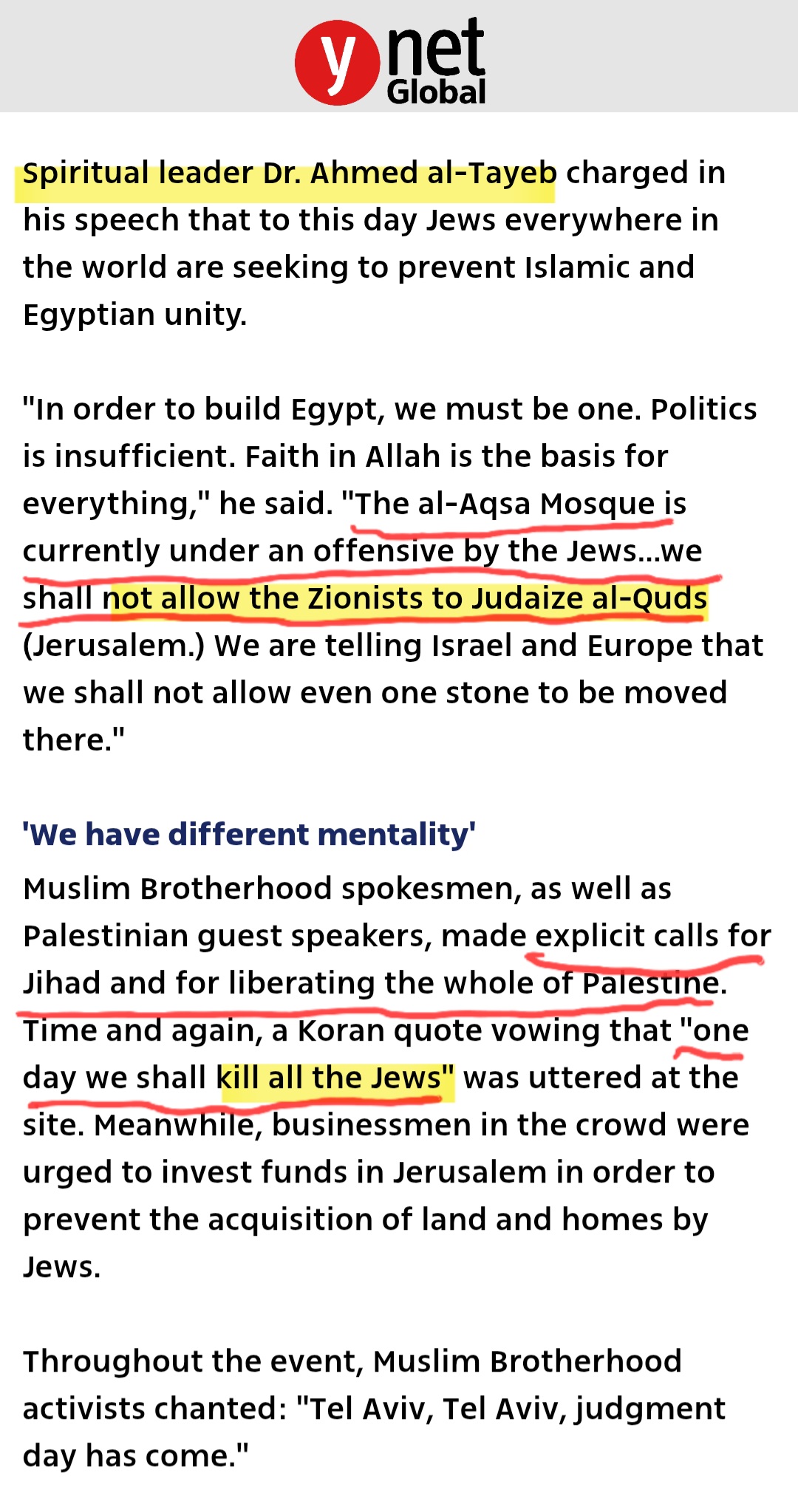
Instead, the UN gives its platform to radical jihadists who claim that Israel is trying to “Judaize” the Jewish holy sites in Jerusalem and Hebron. It’s an offensive smear deliberately made to try to erase the reality of their Islamic imperialism, colonization, ethic cleansing and cultural appropriation.
Palestinian Authority President Mahmoud Abbas talking about the “Judaization” of Jerusalem to conceal that Islamic cultural appropriation.
The jihadists fear that after Hebron, the Jews will come for the site they know is really Jewish – Jerusalem. They are calling the transfer of the Cave of the Jewish Matriarchs and Patriarchs from the Hebron Waqf to Jewish authorities a “rehearsal for al Aqsa” in Jerusalem. They know the Jewish Temple Mount is the holiest site for Jews and Muslims invaded and took the site. They are proud of the feat and fear a reversal would legitimize a people they consider “sons of apes and pigs.“
There is no “Judaization” of Jerusalem and Hebron. There is de-Islamification.
Decolonization may be decades old, but de-Islamification is still in its early chapters. It deserves not only legitimacy, but applause.
A Muslim who visits Mecca is called a Hajji. It is one of the highest honors in Islam, the completion of the Hajj pilgrimage, celebrated by family and community as a sacred accomplishment.
A Catholic who travels to the Vatican is a pilgrim. For centuries, the faithful have journeyed to Rome, walking into St. Peter’s Square with reverence, greeted with blessing and legitimacy.
And a Jew who goes to the Temple Mount in Jerusalem — the very place where the First and Second Temples once stood, the holiest site in Judaism? That Jew is branded a provocateur. Not a pilgrim, not a worshiper, not a faithful soul ascending to pray — but an instigator, an agitator, an accused trespasser, a “settler” on their own sacred ground.
The disparity could not be starker. What is celebrated as devotion for others is condemned as incitement for Jews. For Muslims, the Hajj is a right; for Catholics, Vatican pilgrimage is honored; but for Jews, even quiet prayer on the Temple Mount is labeled an offense — by the United Nations, NGOs, and international bodies.
It is not only hypocrisy; it is erasure. To deny Jews the name of pilgrim is to deny Jewish history, Jewish identity, and Jewish legitimacy. It casts the holiest place in Judaism as alien to Jews themselves, a desecration of memory turned into policy.
And why? Because the world has normalized the jihad. It has allowed Islamic Supremacy to dictate permissible behavior, even in the Jewish holy land.
The truth is simple: a Jew ascending the Temple Mount is not incitement. It is the most ancient pilgrimage of them all — the echo of three millennia of devotion, commanded in Torah, rooted in covenant, and carried in every prayer whispered toward Jerusalem, before Islam was even created.
The real provocation is not the Jew who prays on the Temple Mount but a world that dares to tell Jews they don’t belong at the center of their faith.
ACTION ITEM
Come to the United Nations in New York City and demand Jewish rights and freedom of religious assembly in Jerusalem.
The late comedian George Carlin had a famous routine about “the seven words you can’t say on television.” It was funny because everyone knew the words, and everyone knew the absurdity of pretending they didn’t exist. Then came cable television — HBO, Showtime, and the rest — and suddenly those words were everywhere. What once felt taboo became common, even boring.
So it is with the language used against Israel.
In 1991, after intense U.S. diplomatic pressure, the United Nations revoked its infamous “Zionism is racism” resolution. For a moment, it seemed like the libel had been buried. There was hope that the relentless delegitimization campaign against Israel would fade, that the language of hate would finally be retired.
But in 2001, just days before the jihadist terror attacks of September 11, the Durban Conference in South Africa blew the doors wide open again. A coalition of NGOs issued a statement accusing Israel of no fewer than five of the gravest crimes known to humanity:
Apartheid
Genocide
Ethnic cleansing
Racism
Crimes against humanity
This wasn’t fringe rhetoric. It was delivered under the UN umbrella, with global media present. Durban made it “respectable” to say the unsayable — and to say it loudly.
Since then, those accusations have seeped into mainstream discourse. Palestinian “human rights” groups echo the smears repeatedly. They are repeated on college campuses, in international tribunals, in op-eds from major newspapers, and by activists on social media. What was once a shocking smear has become routine — as casual as an f-bomb on late-night cable TV.
Graffiti that Israel is committing “Genocide” in Venice, August 2025
Durban didn’t just make it acceptable to slander Israel — it made it obligatory for the “serious” activist class. To not accuse Israel of apartheid or genocide – and now especially after Israel’s defensive war against Gaza – is to risk being called naive, a sellout, or worse. The same way edgy comics feel compelled to swear to prove they’re authentic, self-styled “human rights defenders” now compete over who can level the most outrageous accusation against the Jewish state.
The world has gone from debating Israel’s policies to cheering on its demonization. The libels have become cultural wallpaper — so constant that people stop noticing they’re lies. Durban didn’t merely open the floodgates. It built a sewer main, hooked it up to the global conversation, and has been pumping raw hate through it ever since — with the United Nations playing plumber, making sure the pipes never run dry.
The medieval accusation of Jews poisoning wells has been updated: now the “poison” is alleged genocide, apartheid, and crimes against humanity — and once again, the world is drinking it without question.
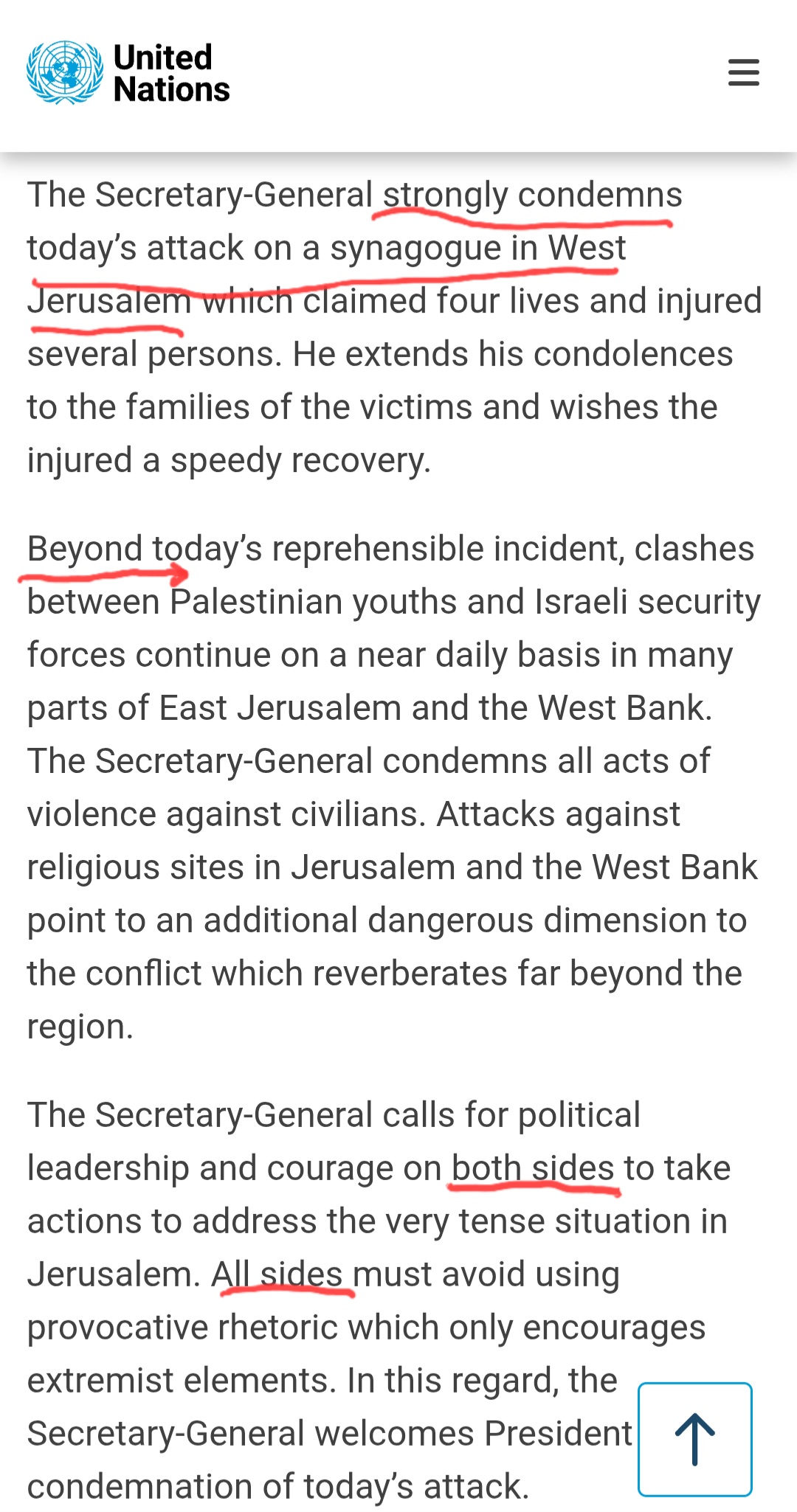
Six Jewish civilians were killed simply for being Jews. Surely, a world leader would stand firm, demand justice, and declare solidarity with the victims. Yet UN Secretary-General António Guterres offered only a perfunctory “strong condemnation” via his spokesperson—no mention of justice, no demand for the murderers to be brought to account, no affirmation of solidarity.
Because these murdered Jews were in Israel.
That’s the moral vacuum of the UN.
In Mali, after a terror attack on 17 September 2024, Guterres said he “strongly condemns the terrorist attack,” extended his “sincere condolences” to victims and the government, and—crucially—urged the Malian transitional government “to ensure that those responsible for this despicable attack are held to account.”
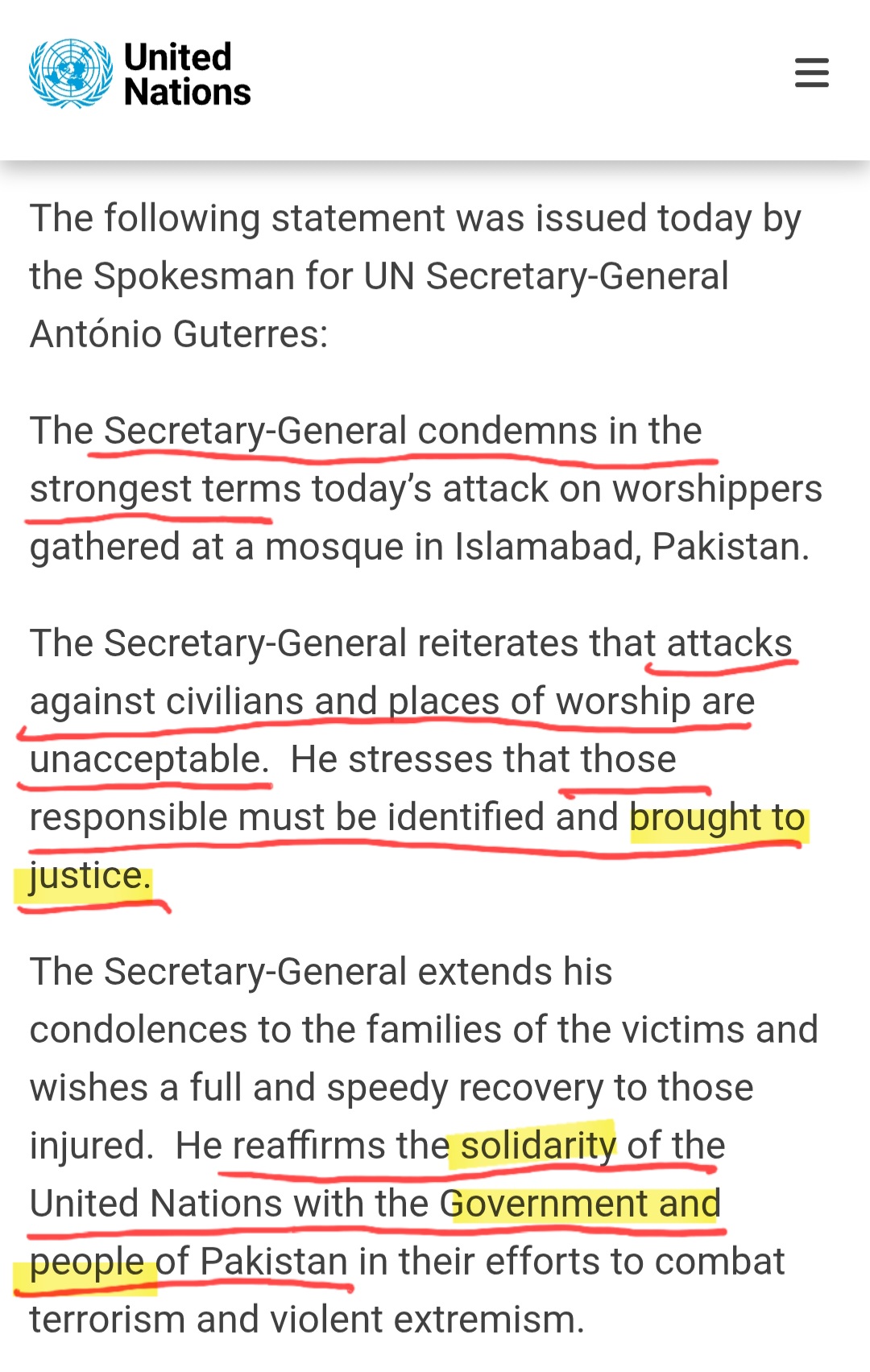
In Pakistan, following a deadly blast, he “strongly condemned the ‘abhorrent’ attack” and offering “solidarity” with the “Government and people of Pakistan in their efforts to address terrorism and violent extremism.“
Why does Guterres morph into a fierce defender of victims—and demand justice—when the targets are not Israelis, but merely issue a dry statement when Jews are murdered? Perhaps he is waiting to find out if this Palestinian Arab terrorist was also a UN employee?
This is not nuance. It’s deliberate abandonment. A moral inversion because the villains have long ago been beatified, and Guterres has internalized that 2 billion Muslims are his real clients.
The UN has become a place where Jewish lives are treated as collateral, while other victims are granted full moral and political recognition. Guterres’s pattern isn’t subtle—it’s a glaring indictment of the UN’s moral bankruptcy.
Parshat Shoftim begins with a straightforward command:
“Judges and officers you shall appoint in all your gates … and they shall judge the people with righteous judgment.” (Devarim 16:18)
Rashi explains that every town needed both judges to rule fairly and officers to enforce those rulings. Justice could not be a distant idea — it had to be rooted locally, available to every community. That is the Torah’s formula for a moral society: equal justice, applied where people live.
Justice Where You Live
The genius of Shoftim is its insistence that justice must be accessible and equal. Not some imperial tribunal deciding cases in faraway capitals, but local courts where every person could seek fairness and truth.
It is inside the gates where justice takes hold. That’s what builds trust, stability, and morality in a society.
The ICJ’s Distant Spectacle
Contrast this with the International Court of Justice in The Hague. It claims universal authority, yet its judgments fall unevenly. Brutal regimes that slaughter their own citizens often escape its scrutiny. But Israel, a country with one of the most independent and activist judiciaries in the world, is hauled before it repeatedly.
This is an inversion of the Bible’s call for justice: a court far removed from the people, applying rules unevenly, more performance than principle.
Israel hauled before ICJ
Israel’s Local Justice vs. International Bias
Inside Israel, anyone can petition the Supreme Court — Arabs, NGOs, critics of the army. Judges regularly check government policy and military decisions. That is exactly what the Torah envisioned: justice dispensed locally, equally, and consistently.
The ICJ, by contrast, applies law selectively and from a distance. It does not strengthen justice; it hollows it out.
Conclusion
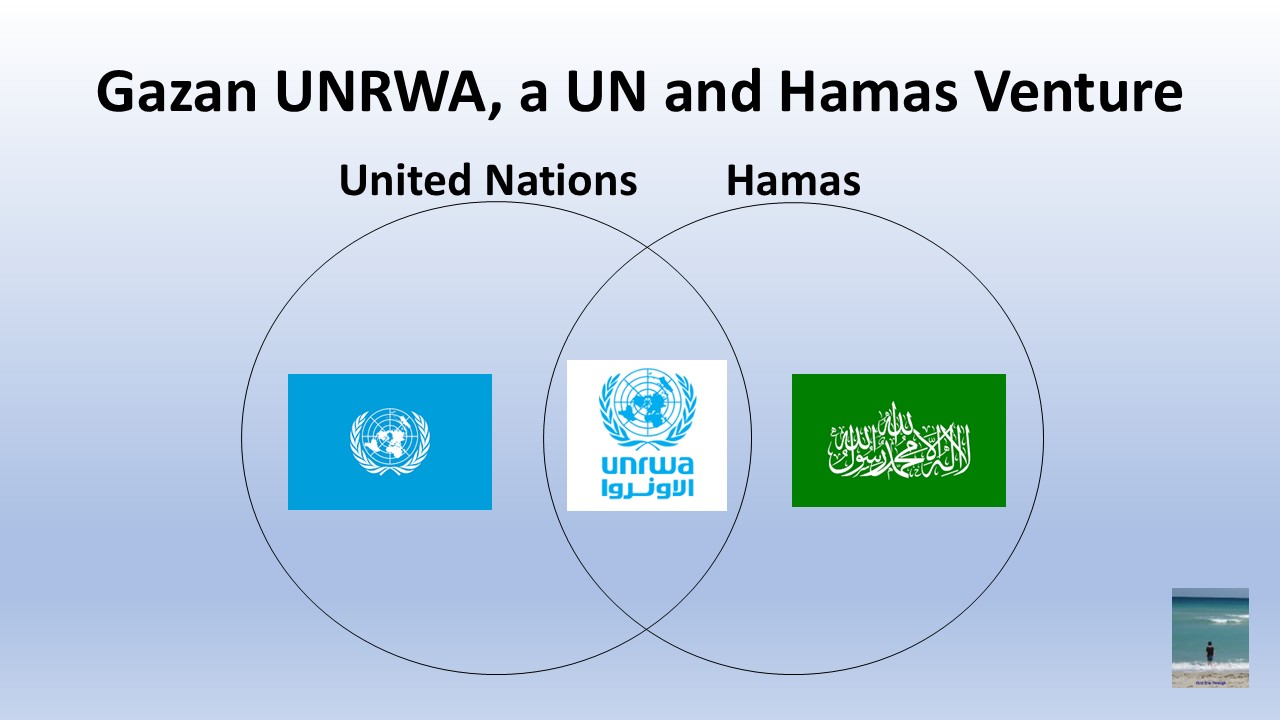
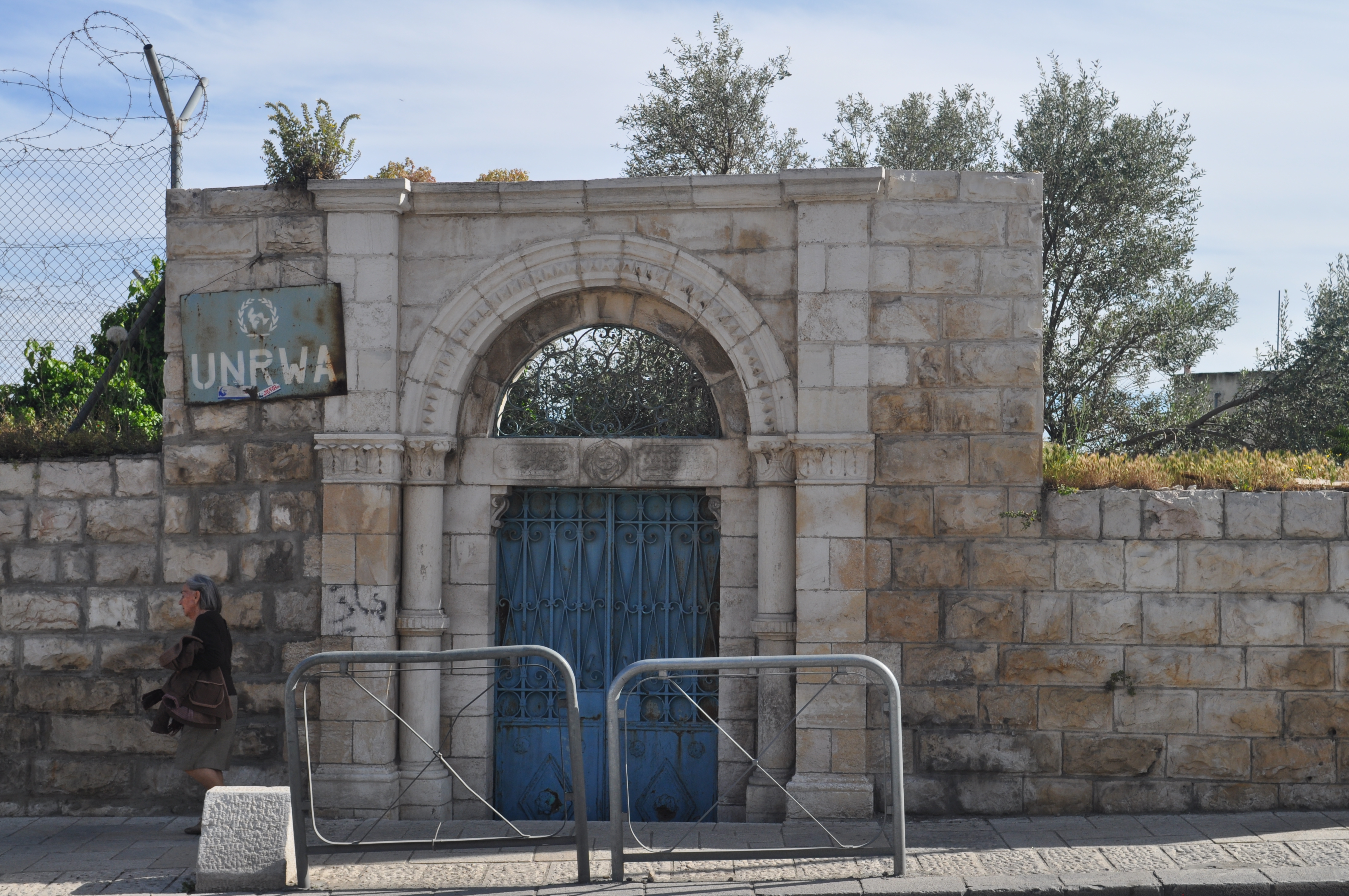
The United Nations had the opportunity for courts in its gates — with its agency UNRWA on the ground in Gaza, running schools, hospital and providing loans. It could have confronted Hamas’ crimes. Instead, it chose silence. It abandoned justice, allowed Hamas to fester, and turned Gaza into a terrorist enclave for Israel to face.
Now the same UN condemns Israel in The Hague. A body that ignored justice locally dares to preach it globally.
But the Torah is clear: a land cannot be moral when evil is allowed to sit at its gates. Hamas must be expelled. And the UN — which empowered terror and continues to undermine justice — has no rightful place in the Holy Land either.
In a bold step to preserve humanity’s “most fragile treasures,” UNESCO voted to add the Hamas Charter to its list of endangered cultural artifacts. The decision came during the organization’s annual heritage summit, which initially convened to safeguard vanishing African oral traditions, disappearing tribal instruments, and lost languages. But the spotlight quickly shifted after the State of Palestine—recognized as a full UNESCO member—submitted the 1988 Hamas Charter as a candidate for protection.
Delegates debated the proposal with solemn reverence, as though they were discussing ancient scrolls or fragile clay tablets. “This is not merely a document,” intoned one UNESCO official, “it is a vibrant example of humanity’s enduring talent for mixing medieval theology, paranoid conspiracy, and genocidal intent into a single cultural artifact.”
Hamas, which currently holds 58% of the Palestinian parliament and continues to govern Gaza with an iron fist wrapped in a prayer shawl, celebrated the recognition. “We thank UNESCO for finally appreciating the poetic quality of our prose,” said one Hamas spokesperson, pointing to passages citing Jews as orchestrators of every global evil, from wars to stock market crashes. “It is art. Dark, sinister art, but art nonetheless.”
The Islamic Republic of Iran, a member of UNESCO with a keen eye for heritage preservation, reportedly helped prepare the submission. Delegates noted the Persian calligraphy used in the cover page of the proposal as “an exquisite touch of cultural diplomacy.”
Critics, however, were less charitable. Human rights groups asked why UNESCO would protect a text calling for the eradication of an entire people while ignoring actual endangered communities being eradicated in real time. UNESCO officials brushed off such concerns. “Our mission is not to judge,” said one diplomat. “If we can safeguard Stonehenge, we can safeguard Stone Age thinking.”
The vote passed overwhelmingly, though with several European countries abstaining in embarrassment. The document will now be digitally preserved and inscribed on UNESCO’s Memory of the World Register, alongside such treasures as the Magna Carta, Beethoven’s Ninth Symphony, and the forgery Protocols of the Elders of Zion.
As the session closed, one delegate mused: “Perhaps one day humanity will look back on this charter the way it looks at medieval torture devices—an artifact of cruelty, once revered, now displayed in a museum of shame.”
For now, however, UNESCO has declared the Hamas Charter an endangered cultural jewel which must be preserved. Its continued existence may be a threat to peace, but, as the organization reminded the world, “heritage must be protected, even when it is heritage of hate.”
In 1975, film theorist Laura Mulvey coined the term “male gaze” to describe how women are portrayed on screen. The camera does not simply show reality — it frames women for a heterosexual male viewer. Women become visual objects, defined by how they serve the viewer’s pleasure, not by their own full humanity.
The concept applies far beyond film. A “gaze” is any dominant perspective that controls how another group is seen. The one doing the looking holds power; the one being looked at is flattened, reduced, and judged. The colonial gaze. The white gaze. The antisemitic gaze. In each, the subject is stripped of complexity and placed in a role that makes sense to the audience, not to themselves.
Israel is caught in such a gaze. Call it the “Israel Gaze.”
In the Israel Gaze, the Jewish state is the object, never the subject. It is to be observed, graded, managed — but rarely allowed to speak or act on its own terms. Its security concerns are minimized; its legitimacy treated as conditional.
Like the male gaze that zooms in on a woman’s body while ignoring the rest of her life, the Israel Gaze focuses on narrow, selective snapshots. Cameras linger on a checkpoint — but not the suicide bombings that created the need for it. They magnify airstrikes — but crop out the rockets that triggered them.
The framing serves the outside viewer, often a Western political elite, who want a morality play: powerful oppressor vs. powerless victim. Israel is assigned the role of aggressor. No matter the reality on the ground, the narrative is cast before the curtain rises.
And just as the male gaze reduces women to archetypes — seductress, mother, damsel — the Israel Gaze flattens Israel into “occupier,” “aggressor,” “settler state.” The country’s remarkable complexity — the ultimate decolonization project, a refuge for a persecuted people, a diverse democracy, a hub of innovation, a nation under constant threat — disappears from view.
This gaze is not neutral. It is a tool of power. In film, it props up patriarchy. In global politics, it reinforces the idea that Israel’s right to exist, defend itself, or define its own future depends on approval from outsiders who claim the right to judge.
Typical UN vote condemning Israel – lopsided
Mulvey noted in her analysis that “her visual presence tends to work against the development of a story line, to freeze the flow of action in moments of erotic contemplation.” So it is in global politics, with the viewer solely transfixed on Israel’s supposed evils that the actual storyline – and path to peace – is lost out of sight.
Both the male gaze and the Israel Gaze deny the subject the dignity of being whole. Both reduce identity to an image crafted for someone else’s satisfaction. And both sustain an imbalance in which the viewer’s comfort matters more than the subject’s survival.
Israel faces two battles at once: the immediate fight for security and the deeper fight to be seen truthfully. Until the gaze changes, the story will never be told honestly — and the verdict will be written before the trial even begins.
Israeli Prime Minister Benjamin Netanyahu has vowed that Israel will retake Gaza, dismantle Hamas, and free the hostages still held there. In response, the UK and France have rushed to apply diplomatic pressure — not on Hamas, but on Israel — pledging to recognize a Palestinian state in September. This move will only embolden Hamas to fight on, convinced it is winning a historic victory.
British Foreign Secretary David Lammy embraces Palestinian Prime Minister Mohammad MustafaCHARLY TRIBALLEAU
The flaw in this strategy is glaring: it’s not Israel that needs pressure — it’s Hamas, and that pressure must come from the Arab world, not just Europe. On July 30, 2025, Arab states took an overdue but welcome step, publicly calling on Hamas to disarm and hand authority over to the Palestinian Authority. This was a first in regional unity against Hamas.
Now Europe must pivot and press Arab states to go further: formally designate Hamas as a terrorist organization. This is not a radical suggestion. Egypt, Saudi Arabia, Bahrain, Jordan, Syria and the UAE already classify the Muslim Brotherhood as a terrorist group (the United States is on the cusp of doing so). Hamas is the Brotherhood’s Palestinian branch — extending the label is logical and overdue.
Such a declaration would signal to Hamas and to Stateless Arabs from Palestine (SAPs) that terrorism against Israel has no future and no backing in the Arab world, and that the region is moving towards normalization. It would also make it easier for the United States to advance pushing the United Nations Security Council to list Hamas alongside al-Qaeda and ISIS as a global pariah. To date, UN officials have described Hamas as a legitimate representative of the Palestinian people, keeping the terrorist group’s hopes alive.
Only then could Netanyahu ease military pressure, creating space for serious negotiations to dismantle Hamas and secure the return of the hostages.