In the legends of Prague, the Golem came into being when civic order failed Jews in predictable ways. Blood libels circulated, crowds gathered, and authorities hesitated at the decisive moment. Rabbi Judah Loew, the Maharal (c.1512-1609), recognized the pattern. He shaped a human form from the mud of the Vltava River—from the city itself—and animated it with sacred words. The choice of material mattered. The defender of Jews was made from the ground beneath their feet. Even if the city’s leaders would not protect Jews, the city itself would.
The Golem patrolled the Jewish quarter, broke the rhythm of violence, and restored deterrence. When the danger passed, it was deactivated and laid to rest in the attic of the Old New Synagogue, the Altneuschul. The legend recorded a hard truth: when the state falters, protection is improvised; when the state recovers, emergency power sleeps.

That memory traveled.
The melody of Hatikvah, the national anthem of the Jewish State of Israel, traces back through the musical world of that same Prague river Vltava, famously shaped by Bedřich Smetana (1824-1884). Exile and return share a river. The Golem embodies survival within exile; Zionism embodies the resolve to end exile. One guards a community where it stands, the other builds sovereignty so guarding becomes policy.
Yet the Golem never disappears. It waits for the moment when trust in authority thins again.
New York, Upper East Side
New York City holds one of the world’s largest and most visible Jewish populations. Jewish life here is open and proud. Synagogues, schools, and community institutions operate in public view, anchored by the assumption that their protection is a foundational duty of government.
That assumption has been tested.
On the Upper East Side in November 2025, an anti-Israel crowd swarmed a synagogue hosting a pro–Land of Israel event. The scene echoed an old shape: shouting at the doors of a Jewish house of worship, intimidation in a public park, the expectation that Jews would need to justify gathering openly as Jews. Instead of drawing a clear perimeter around the synagogue and condemning the mob, Zohran Mamdani, the incoming mayor of New York City, scolded the shul for holding a Zionist event, shifting the burden of restraint onto the Jewish institution.
For Jews who carry history close, the signal was unmistakable. Cities fail their minorities first through language, then through hesitation, and only later through force. When the synagogue itself surrounded by an angry crowd is framed as the problem, safety has become conditional.
Conditional safety never endures.
How the Modern Golem Forms
The Golem of New York does not rise from clay. It forms from memory.
Private guards appear where confidence once lived. Volunteer patrols lengthen into the evening. Parents coordinate entrances and exits. Institutions harden quietly, without ceremony.
These are the incremental steps of adaptation. Communities organize when clarity blurs. Parallel systems take shape when weak reassurance yields to experience.
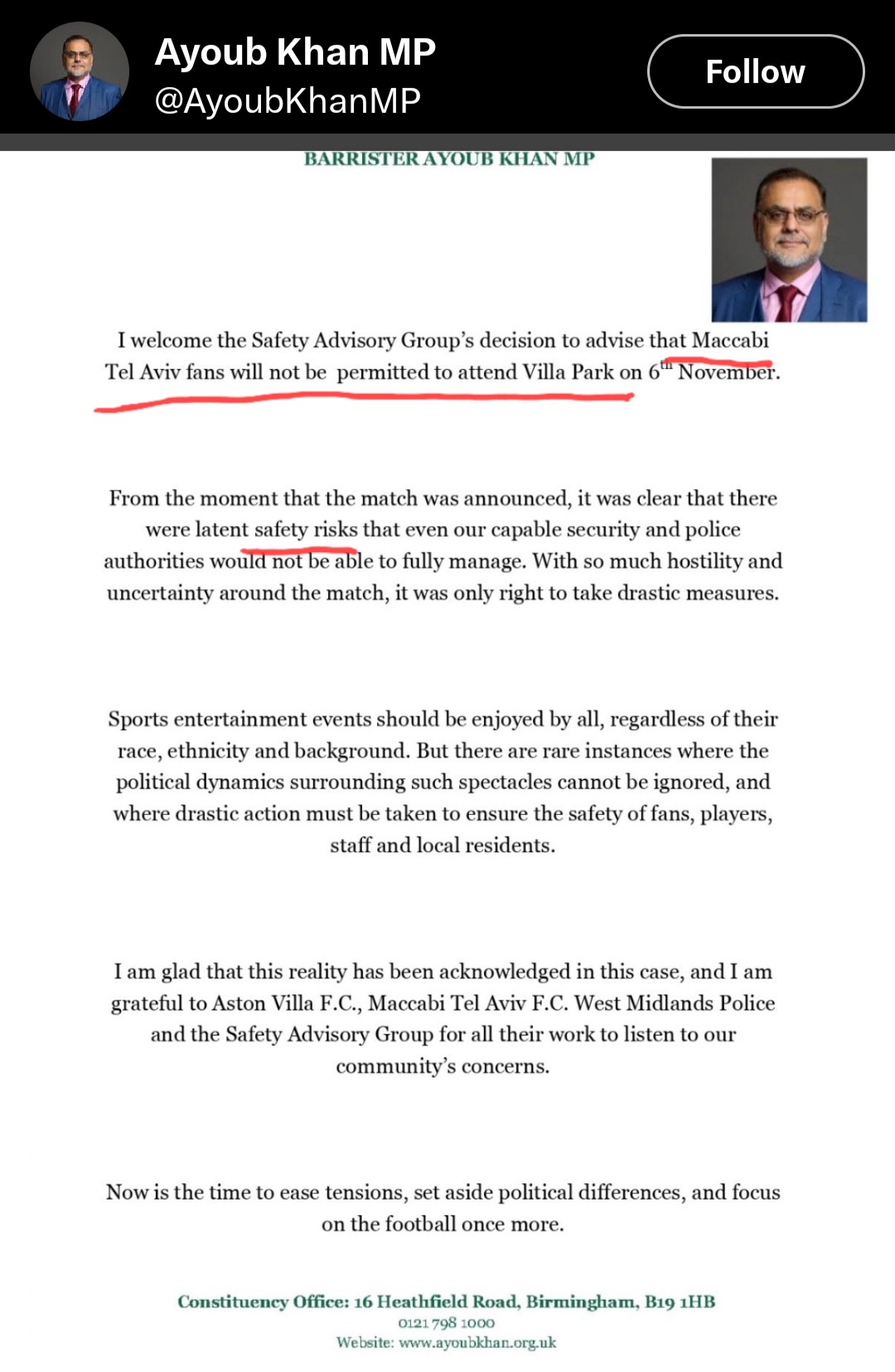
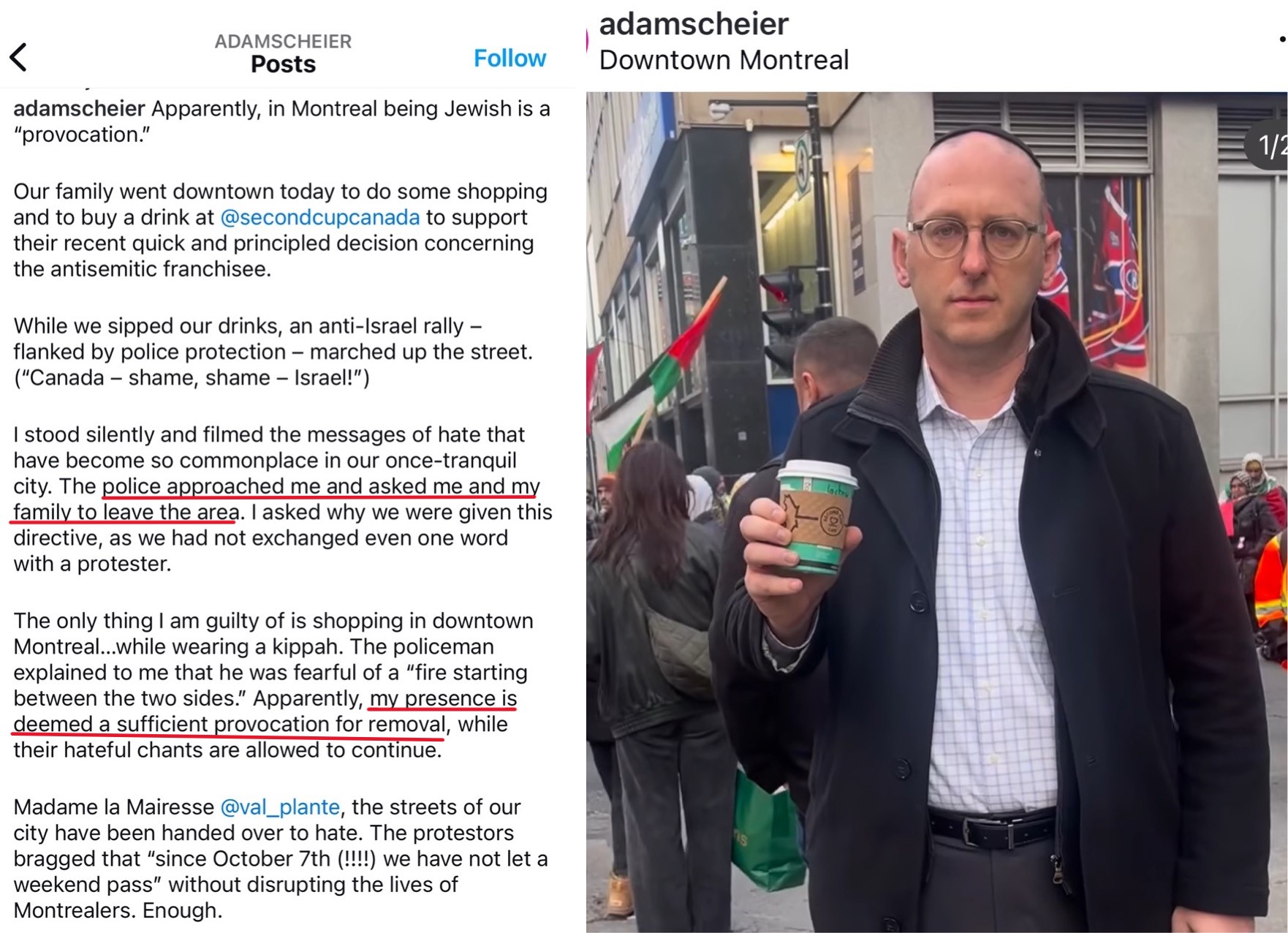
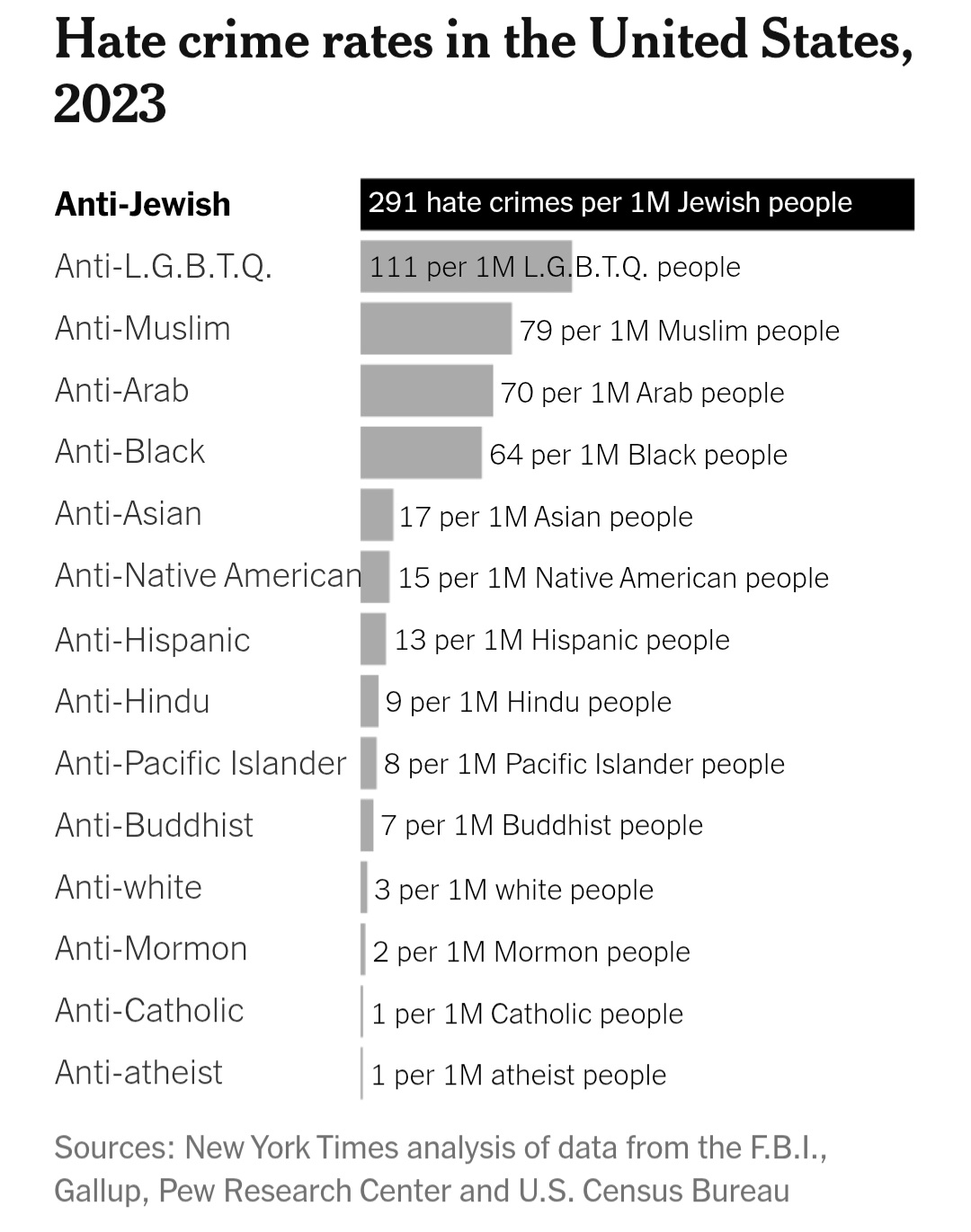
Other minority groups get municipal funding and public declarations of support while Jews are only lumped into a general “other” category, as in White Plains, the capital of Westchester County just north of New York City. Jews learn that they must fend for themselves, because their basic protection offends many. Frighteningly, even for local politicians.
On the Upper East Side, a growing and proudly Zionist congregation bears a name heavy with inheritance: Altneu Synagogue. Old–New. It is a spin-off of the Park East Synagogue where the anti-Israel mob harassed and intimidated Jews. The echo of Prague’s Altneuschul may also prove prescient. Old dangers return wearing contemporary language. Rivers change. Cities change. But the logic persists.
Natan Sharansky, a famous Russian “refusenik” who was jailed for years before being allowed to leave to Israel, knows the dangers of antisemitic regimes. He came to Washington, D.C. in November 2023 to address 300,000 people about the need to fight back: “We, together, will fight against those who try to give legitimacy to Hamas. We will fight for Israel. We will fight for every Jew. We will fight against antisemitism. We will fight for the values and against corruption of those values which are at the center of our Jewish identity and American identity.”
Sharansky is coming to New York in January, soon after Mamdani takes office. He should come to the Altneu Synagogue and help shape and awaken a modern Golem as Jewish security appears vulnerable, and the current leaders of Jewish institutions appear unable to rise to the moment. New, unconventional defenders need to assume roles.
For the moment, things may be OK. Mamdani appointed Jessica Tisch as police commissioner, a role she has had for several years. She is Jewish and no-nonsense leader, widely supported by the city’s Jewish community. If she can do her job without anti-Zionist and antisemitic politicians limiting her mandate, Jews will be fine. Otherwise, a new golem will rise in the New World, hundreds of years after the Golem of Prague went to sleep in the attic of the Altneuschul.













 First One Through