
The United States is transfixed by the ghost of Jeffrey Epstein.
Television panels speculate endlessly about “the list.” Politicians demand the release of files. Commentators hint darkly that powerful businessmen, politicians, and celebrities visited Epstein’s island. Careers tremble under suspicion. Executives resign after their names appear in documents that often contain little more than travel records or social introductions.
Whether many of those people committed any crime remains uncertain. Allegation alone is enough to ignite a media inferno.
Yet at the very same moment, a report in Rhode Island revealed something far more concrete and horrifying.
Over seventy five years, seventy five Catholic priests abused more than three hundred boys.
The pattern was systematic.
Church leaders knew.
The archdiocese moved priests from parish to parish.
The abuse continued.
And the national reaction?
A shrug.
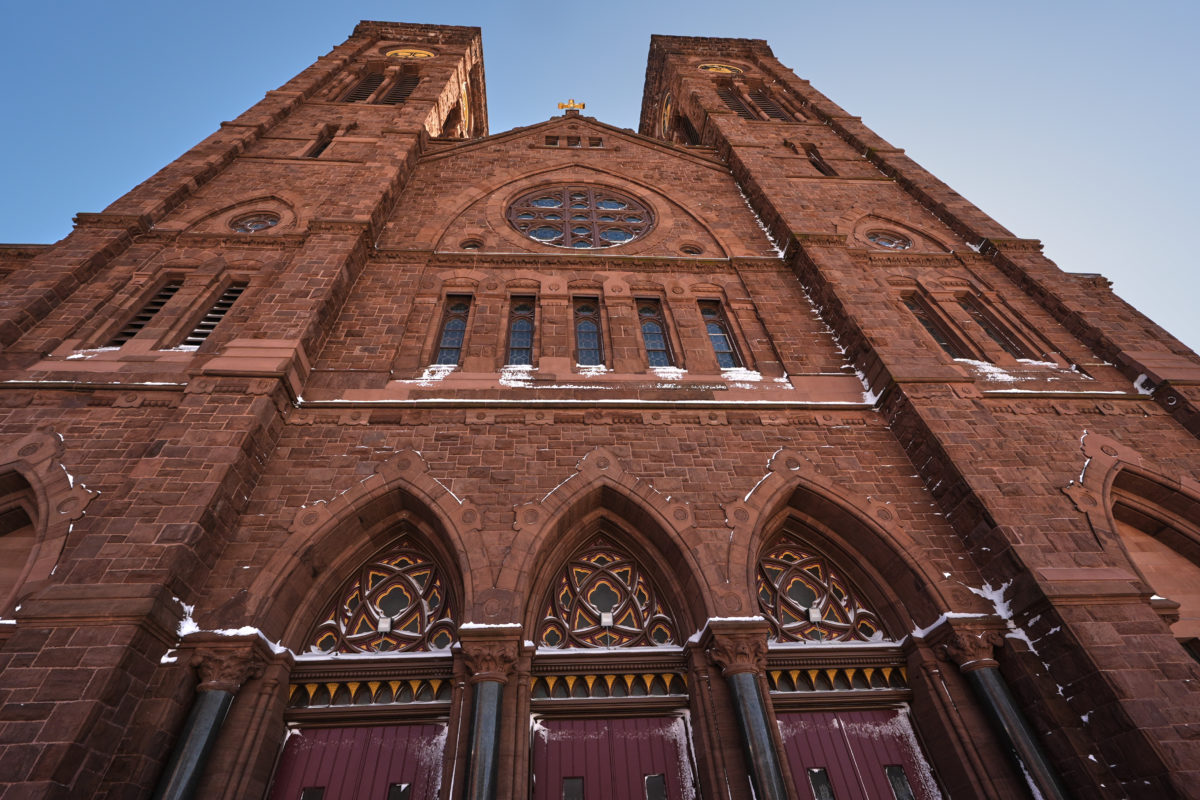
The report appeared in the news cycle and disappeared almost immediately. No nightly television countdown. No congressional hearings. No endless speculation panels demanding accountability from the powerful institutions involved.
Three hundred boys were abused. Seventy five priests participated. And church officials helped conceal it.
Yet the story barely registers in a culture obsessed with Epstein.
Why?
The contrast is staggering. The Epstein saga revolves largely around possible connections between elites and a predator. In Rhode Island, the perpetrators are known. The victims are documented. The institutional cover up is described in detail.
Still, outrage seems muted.
Perhaps the victims being boys rather than girls dulls the reaction. Society speaks often about protecting girls from predators. The suffering of boys receives far less attention. Their trauma rarely becomes a political cause.
Perhaps the alleged villains also matter.
Epstein’s story offers the intoxicating possibility of bringing down the rich and powerful. Gossip channels thrive on the suggestion that celebrities, billionaires, or politicians might be implicated. It carries the thrill of scandal and the promise of humiliation for elites.
The Rhode Island report offers none of that entertainment. The perpetrators are priests in small parishes. The victims were children in pews and classrooms decades ago. The institution involved is uncomfortable to confront directly.
So the response becomes a quiet “tsk tsk.”
In a functioning moral order, the consequences would be seismic.
An organization that knowingly allowed dozens of predators to operate for decades would face institutional collapse. Civil authorities would pursue accountability not just for the abusers but for the officials who enabled them. Legislators would demand sweeping reforms to protect children.
Instead, the archdiocese continues its work much as before.
The silence extends to politics as well. Members of Congress regularly hold press conferences about Epstein and demand investigations into wealthy acquaintances who might have attended a party or taken a flight.
Where are the congressional speeches about protecting boys from predatory clergy?
Where are the national commissions examining institutional abuse in religious organizations when 1,000 boys were found to have been abused by 300 priests in Pennsylvania a few years ago?
They do not exist.
The indictment therefore extends beyond the church. It reaches into the culture itself.
Our society claims to be obsessed with protecting children. Yet when hundreds of boys are abused inside “respected” institutions over generations, the outrage fades quickly.
The spectacle of scandal against powerful figures excites us, while the slow, ugly reality of abused children at the hands of clergy demands difficult moral confrontation.
So the culture chooses spectacle.
Three hundred boys in Rhode Island testify to something deeply uncomfortable: the nation is less interested in protecting children than in watching powerful people fall.
Seventy five Jeffrey Epsteins operated in plain sight and almost no one seems to care.















 First One Through