Joseph, Yusuf and the Stories We Tell

The story of Joseph is the longest sustained personal narrative in the Bible. It is a life told end-to-end—youth and jealousy, betrayal and exile, moral clarity under pressure, reversal of fortune, and reconciliation. Jews have lived inside this story for millennia and drawn from it lessons about love misdirected, loyalty earned, leadership forged, and fate revealed only in retrospect.

It begins, uncomfortably, at home.

Jacob’s overemphasis on Joseph—his public favoritism, symbolized by the coat of many colors—fractured the family. It was not Joseph’s dreams alone that enraged his brothers, but the hierarchy their father imposed. Love, unevenly expressed, curdled into resentment. That resentment escalated to violence. The brothers nearly killed Joseph, then sold him into slavery, persuading themselves that exile was mercy.

And yet, the terror of the pit became the opening move in a larger design. Joseph’s descent—into slavery, into prison, into obscurity—ultimately saved thousands from starvation, including the very brothers who betrayed him. The Torah insists on an uncomfortable truth: human cruelty can coexist with divine purpose, without being excused by it.

Over time, the transformation that matters most occurs not in Joseph, but in Judah. The brother who once proposed selling Joseph later rises to moral leadership. Faced with the potential loss of Benjamin, Judah offers himself instead. Ultimatelty, kingship does not emerge from brilliance or dreams, but from responsibility and loyalty. Judah learns what Jacob failed to teach early: leadership is love with a wide visual field.

But this is not the only Joseph story in the world.

Yusuf and Zulaykha: A Different Emphasis

In Islamic tradition, Joseph is Yusuf, and his story unfolds with different texture and purpose. The Qur’an (Surah Yusuf) adds layers absent from the biblical text. Where the Bible does not even name Potiphar’s wife, Islamic tradition gives her a name—Zulaykha—and an entire inner life.

Her attraction to Yusuf begins as physical longing, but in later tradition becomes a spiritual ascent. Love itself is refined—from desire for beauty to yearning for the divine. This is not biography alone; it is allegory.

Persian culture preserved these layers visually, through extraordinary manuscript art that does not merely illustrate scripture but interprets it.

One remarkable manuscript—now on display at the Grolier Club from the collection of the Jewish Theological Seminary (until December 27, 2025)—shows Joseph cast into a well. The details are arresting. Joseph has lost not only his coat of many colors, but his hat and shoes as well—status stripped away piece by piece. The brothers even drop rocks down on him.
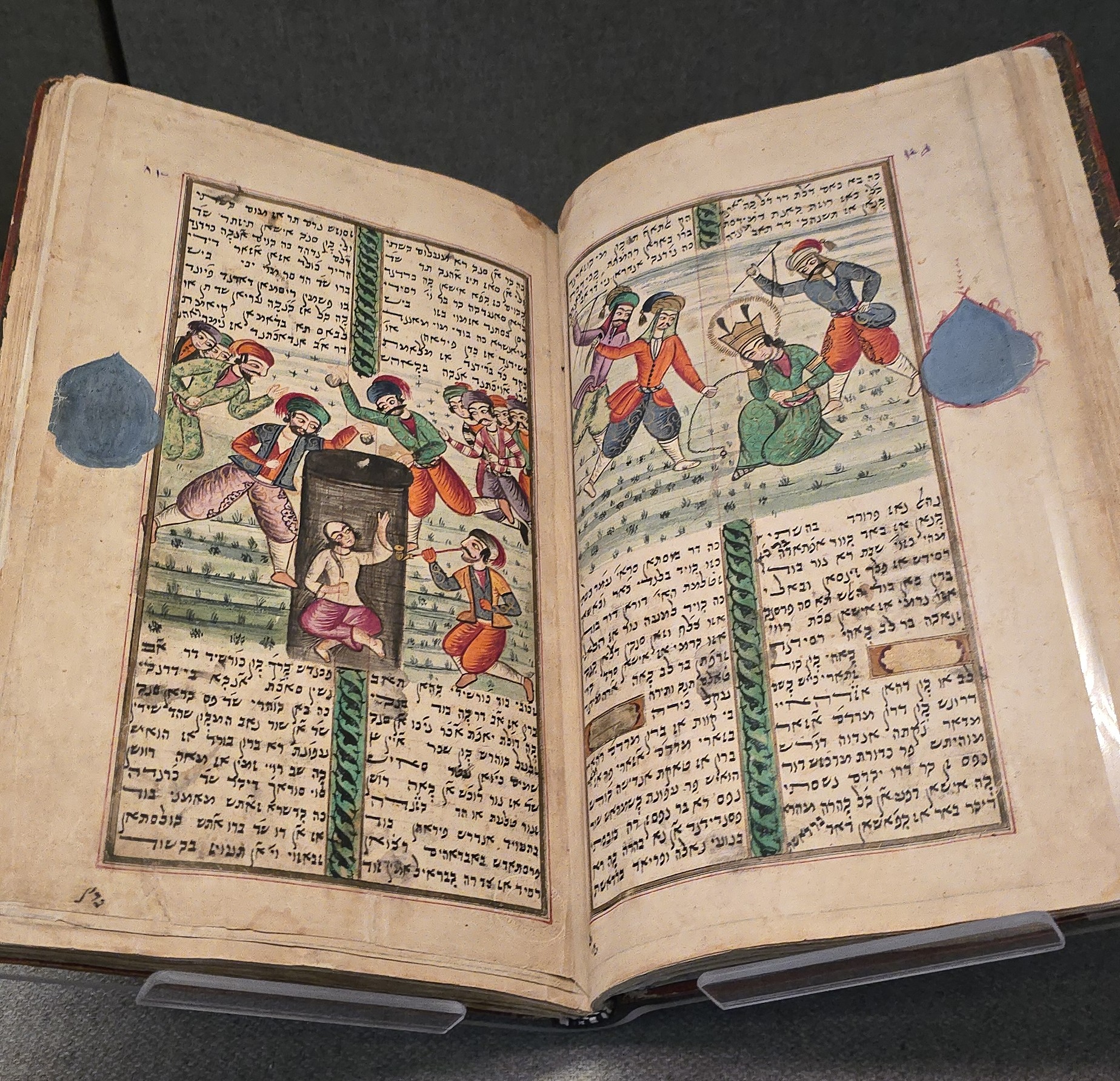
Story of Yusuf and Zulaykha from Mashhad, Iran in 1853 by the Jewish scribe Eliyahu ben Nisan ben Eliyahu Gorgi. Digitized entire manuscript can be viewed here

One figure stands apart in the drawing. At the bottom of the scene, a brother sits almost contemplatively. His hands alone are painted with henna, marking higher status. He smokes a long çubuk (copoq)—a dry-tobacco pipe, not the classic Persian water-based hookah—an unsettling detail as Joseph languishes in a dry well below. The image quietly foreshadows hierarchy, survival, and reversal. Even in betrayal, the future is being seeded. This must be Judah, on the side of the well with his five brothers from mother Leah, who is destined to help Joseph out of the pit and rise to fame himself.
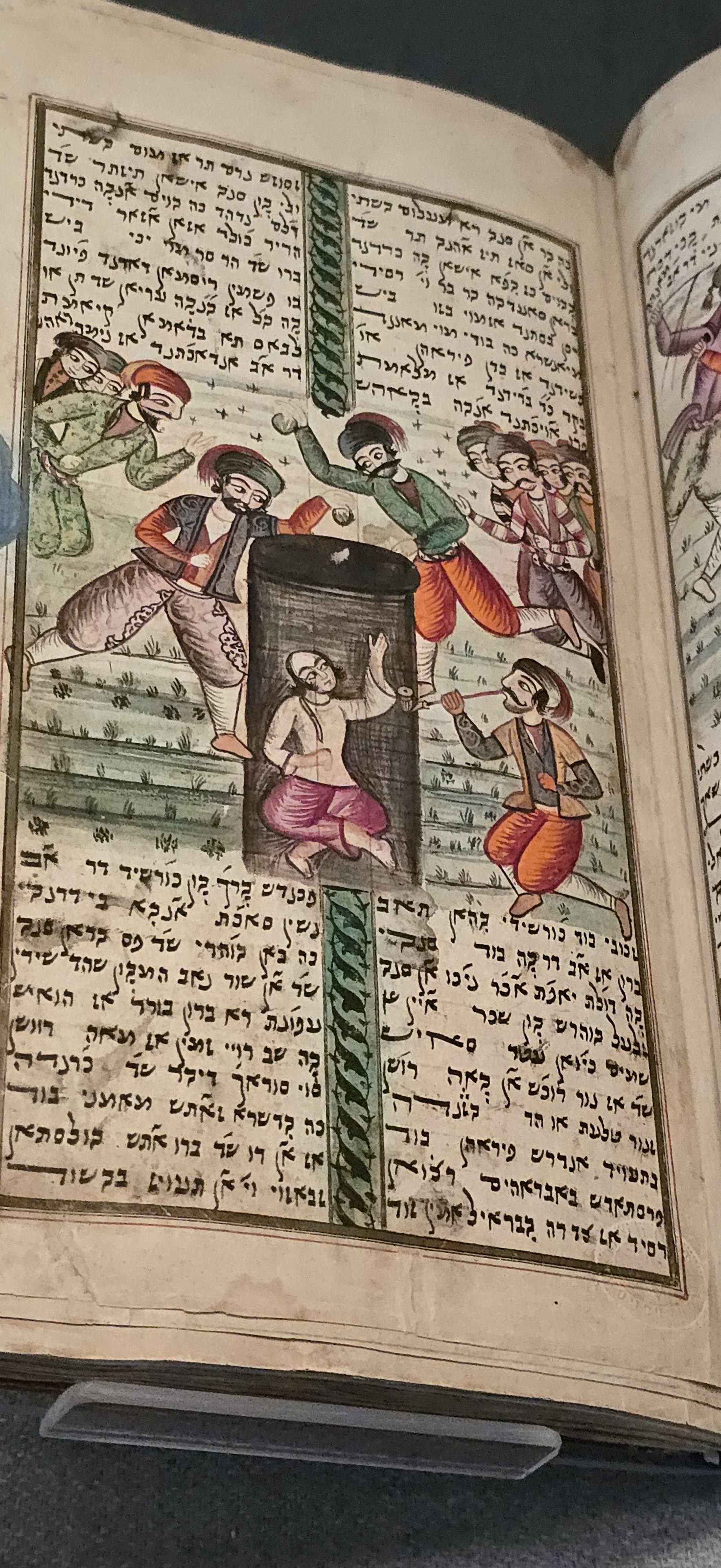
One brother seems to connect at the same level of Joseph – at a low point in this story but will rise to fame later in life: Judah

Other images in the Yusuf cycle go further still in the manuscript. Women cut themselves upon seeing Joseph’s beauty (image 70 from Surah Yusuf 12:31). Zulaykha is said to lose her sight from longing for him (image 128). Beauty becomes dangerous, overwhelming, transformative. The Islamic tradition does not deny desire; it seeks to discipline and redirect it.
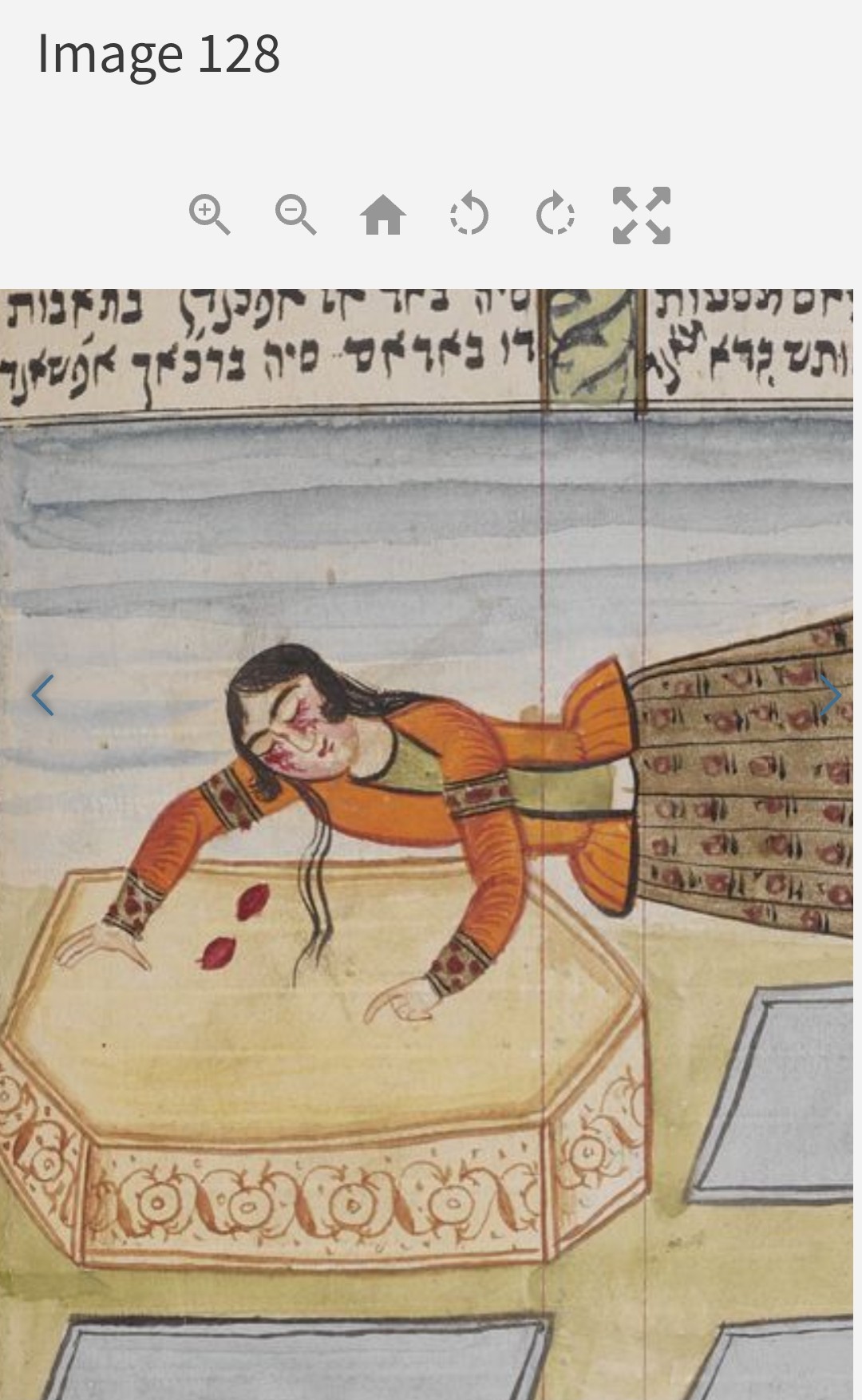
Zulaykha losing her sight at the end of the story is one of the versions transmitted through the ages

Two Traditions, One Origin

For Jews, Joseph’s story is about dreams and reversals, exile and return, family rupture and national survival. For Muslims, Yusuf’s story adds a meditation on beauty, temptation, and love’s ascent toward God. The Islamic telling emerged nearly two thousand years after the Jewish forefather lived. It is not wrong; it is different.

What matters for us today is that these differences did not need to fight. The stories coexist without trampling on the other.

The same characters—Jacob, Joseph, the brothers—carried distinct lessons without cancelling one another. No one is frozen forever as a villain. Jacob loved poorly but learned. The brothers failed catastrophically but changed. Judah rose. Sacred storytelling, at its best, refuses to eternalize blame.

That restraint is precisely what feels absent today.

Stories, Power, and the Present

The Holy Land, sacred to both Jews and Muslims, is no longer widely treated as a shared inheritance, but as a zero-sum possession. Hamas openly declares that Jews will be wiped out. Clerics in parts of the Islamic world speak in timelines of Jewish disappearance due to their being “enemies of world peace.” This is not interpretation; it is incitement. It rejects the Joseph model, in which history bends—slowly and painfully—toward survival, accountability, and reconciliation rather than annihilation.

And yet, Islamic civilization itself offers another precedent. Islam historically made room for Jewish continuity—absorbing biblical figures, preserving Jewish prophets, and allowing traditions to dovetail rather than collide. Yusuf did not replace Joseph; he walked alongside him. Zulaykha did not negate Potiphar’s wife; she deepened the moral inquiry. Reverence did not require negation.

That capacity still exists.

If Joseph teaches anything durable, it is that sovereignty, survival, and holiness are not insults to one another. Jews returning to and governing their homeland need not be read as a theological defeat for Islam. They can be understood, instead, as another chapter in a long, shared story—one that does not deny difference, but refuses extermination as destiny.

The question is whether we choose that inheritance again.

The Allure of Holy Land Grapes

There is a reason the Bible lingers on grapes. They are rich, sweet, bursting with promise — a fruit that invites you in.

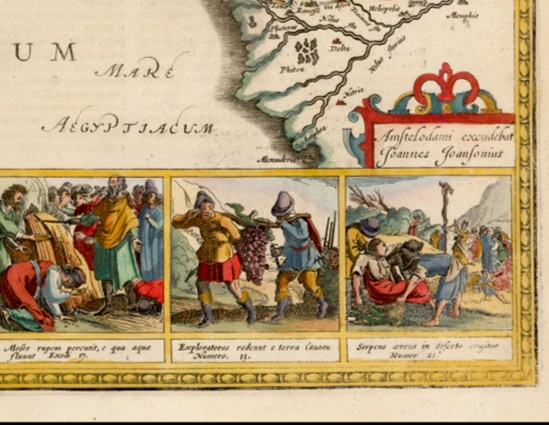
When the spies returned from scouting the Promised Land, they brought back a single cluster so heavy it had to be carried on a pole. That image has endured for millennia: the land was good, overflowing, generous. The fruit drew the Israelites forward, a taste of the future God promised.

Jan Jansson (1588-1664) 1630 map, Palestina Sive Terrae Sanctae Descriptio

Yet that same cluster became a stumbling block. The spies’ report turned the promise into fear. Instead of trusting that the God who brought them out of Egypt would also give them this land, they shrank back. The grapes that should have stirred hope instead fed doubt about the size and power of the land. The draw of abundance proved to be no guarantee of holiness.

Grapes in the Song of Moses

Forty years later, as Moses prepared the people to finally enter the land, he again reached for the image of the grape and the vine, which must have still captured the imaginations of the generation that wandered the desert. In the Song of Ha’azinu he sang of the bounty to come:

“Honey from the rock,…
milk of the flock,…
and the blood of the grape you drank as wine.” (Deuteronomy 32:13-14)

The land’s fruit would not be a passing token or aspiration as it was in the wilderness — it would be a daily reality. The vine was not only a sign of blessing but also of permanence.

And Moses warned that the very blessing could corrupt:

“Yeshurun grew fat and kicked…
then he forsook the God who made him.” (Deuteronomy 32:15)

When abundance becomes self-indulgence, the sweetness sours. The gift is no longer an offering; it becomes an idol.

The Poisoned Vintage

The Song of Moses added a different reference to wine – not of over abundance but used for immoral purposes:

“Their vine is from the vine of Sodom,
their grapes are grapes of poison,
their wine is the venom of serpents.” (Deuteronomy 32:32-33)

The same fruit, when cultivated for injustice and oppression, becomes toxic. The vine can yield joy or venom depending on the heart of the grower.

The Test of Blessing

The Bible’s teaching is that grapes themselves are neither holy nor unholy. They are a draw — a gift meant to be enjoyed in gratitude and moderation.

When abundance is hoarded, flaunted, or wielded for harm, it ceases to be a blessing. The line between the vineyard of the Lord and the vineyard of Sodom lies not in the soil but in the soul.

The cluster carried by the spies, the wine of the Song of Moses, and the poisonous vintage of the nations all point to the same truth: the fruits of the earth reveal the heart of the one who gathers them.

It is our message as we leave the Fast of Yom Kippur and ready for the joyous and communal holiday of Sukkot: wine in moderation and with purpose, gladdens and sanctifies. In excess or in service of corruption, intoxicates and destroys.

Israel Has Returned Excellent Wine Making Back to the Middle East (August 2016)

The Two Witnesses of Vayelech

In Vayelech, as Moses nears the end of his life, he does not leave the Israelites with swords, maps, or battle plans.
He leaves them two witnesses.

“…so that this song may be for Me a witness against the children of Israel.” (Deut. 31:19)

“Take this Book of the Torah… and place it beside the Ark… and it shall be there as a witness against you.” (Deut. 31:26)

Two witnesses. One to sing. One to see.

The Private Witness: A Song to Internalize

The first witness is the Song of Moses.
It is not carved in stone or locked in a chest.
It is taught to the people, meant to be recited, memorized, carried in the heart and on the lips.

A song reaches places that statutes cannot.
It does not merely command; it shapes the soul.
It reminds each individual of the covenant — in good times and in hardship — and demands that a person take responsibility for his or her own faithfulness.

This witness lives in the quiet spaces of life, where no physical judge or priest is watching.
It whispers: “You know what is right. Act accordingly.”

The Public Witness: A Testament to See

The second witness is the Torah scroll.
It is set beside the Ark, in the very center of the national camp.
It is the visible, enduring reference point — the community’s constitution.

While the song stirs the conscience, the scroll sets the standard.
It unites the people under a single covenantal banner, a guide to which the entire nation can point and say:
“This is who we are. This is what we have pledged together.”

Two Responsibilities, One Blessing

Vayelech teaches that the covenant’s blessing flows only when both witnesses are honored:

  • The private witness — internalizing the principle, carrying it daily.
  • The public witness — keeping the community anchored to the same course.

A society that prizes the public witness alone risks becoming a hollow bureaucracy.
A society that trusts only the private witness descends into scattered individualism.

Blessing comes from both: each person singing the song of covenantal responsibility,
and all together respecting the scroll that binds the nation.

The Enduring Lesson — and a Voice from Rabbi Sacks

Rabbi Lord Jonathan Sacks captured this dual dimension of covenant beautifully:

“Covenant is more than law. It is law internalized, turned into song.
We need the public voice of law and the private voice of conscience, for only together do they sustain a free society.”
— Rabbi Lord Jonathan Sacks, Covenant & Conversation: Deuteronomy, Parashat Vayelech (2008)

On the eve of entering the Land, Moses anchored Israel’s future not in military tactics but in responsibility.
The first step toward national blessing was not conquest but character — personal and collective.

The Song calls us to self-discipline.
The Scroll calls us to shared fidelity.

When we heed both — the witness in the heart and the witness before the eyes — we walk the road of blessing.
Ignore either, and the covenant frays.

That is the enduring message of Vayelech: A people’s future depends on individuals taking responsibility for themselves and on the community staying the course together.

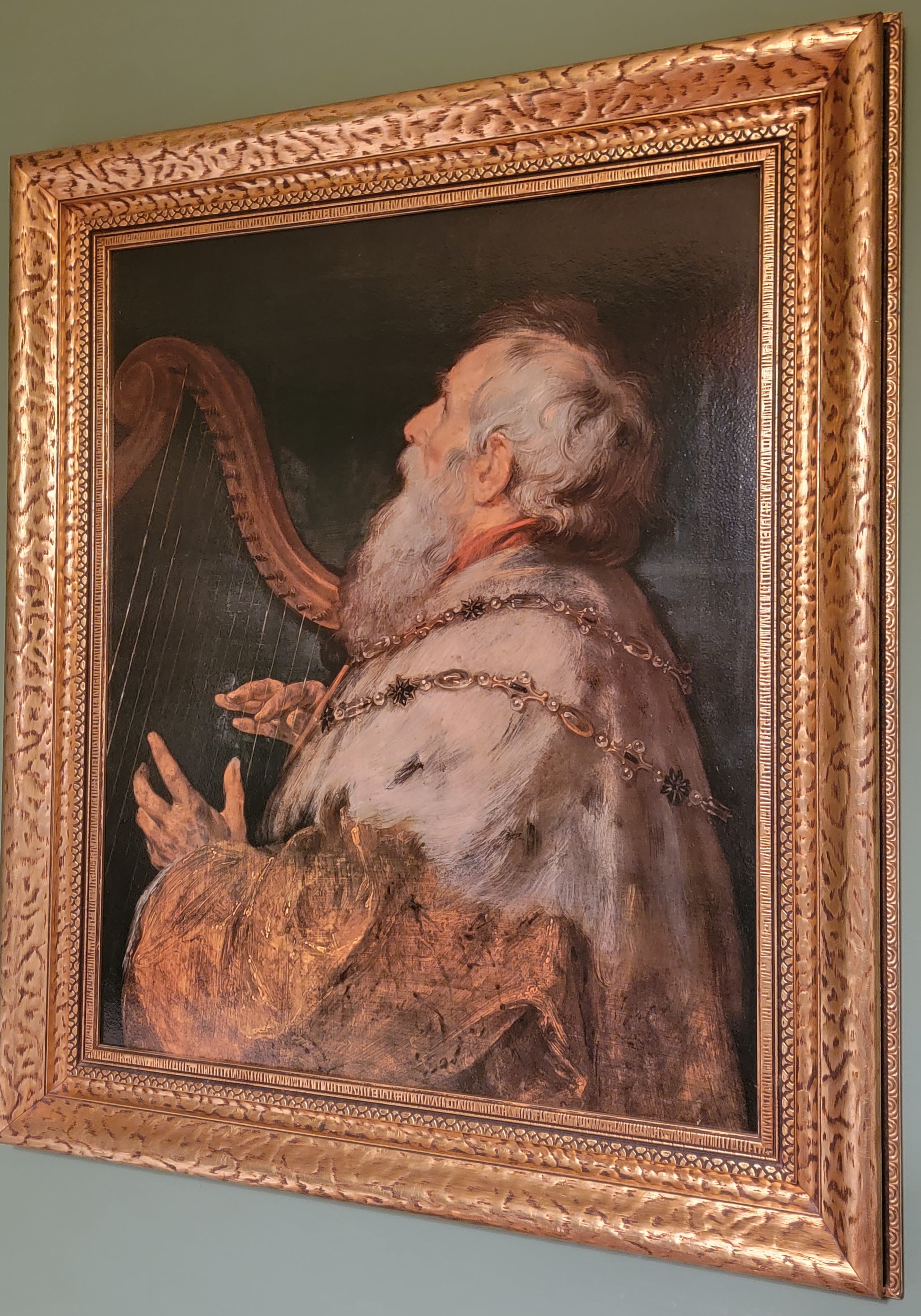
Peter Paul Rubens (1577 – 1640), “King David Playing the harp”

Beyond The Battle Plan

For the last several parshas, Moses has been addressing the children of Israel with a constant refrain: follow the commandments in the land, and you will be blessed; stray from them, and you will lose your inheritance. To us today, these verses are about mitzvot — the commandments that define Jewish life. But to the Israelites standing on the banks of the Jordan, the charge must have sounded different.

They had just watched an entire generation die in the desert. The memory of the spies still lingered — those men who declared that the land was too difficult to conquer, that the people within were too mighty to destroy. Could such whispers have been forgotten? Surely the children had heard rumors of what their parents had repeated around campfires for forty years. And now, standing on the edge of the land, they might have expected Moses to lay out the strategy, the order of battle, the plan of conquest.

Instead, Moses did something else entirely. He skipped the war. He jumped straight to what life would look like after. The rules of worship, the rhythms of daily life, the blessings and curses of obedience. It was as if the battles ahead — Jericho’s walls, Ai’s ambush, the wars against mighty kings — would be non-events.

Imagine a coach gathering his team before kickoff and skipping the playbook. Instead, he passes out dinner menus for the victory banquet to follow. No Xs and Os. No defensive schemes. Only a vision of celebration after the game.

Why? Perhaps it was Joshua’s role to direct the war, the next chapter of the Tanach already waiting to be written. Perhaps Moses, who knew he would not enter the land, wanted to leave the people with principles for the future. Or perhaps Moses was teaching something deeper: that the wars were only one part of securing a peaceful future. That the real challenge was not in winning the land, but in living faithfully within it.

The truth is, the dream of the land was already realized — even if the Israelites didn’t know it. Hundreds of years of diaspora were ending. The promise was being fulfilled before their eyes, not through a war plan but through divine decree. The land would be theirs. The victory was guaranteed. What remained in doubt was whether they would keep it.

Moses understood: the conquest would be won by God’s hand, but the inheritance would be maintained only through God’s law. The spies had feared giants and fortified cities, but the true danger was disobedience and forgetfulness once the land was secured. That is why Moses spoke not of how to conquer, but of how to live.

The people knew that Joshua would lead them to battle, just as he had over Amalek. And they had seen that Moses was their intermediary with God, who prayed for their success (Exodus 17:10-13). Now Moses was telling the people: you no longer need me as your agent; you are they keys to victory. Prayers during battle to secure victory; obedience thereafter to keep the peace.

Aaron and Hur hold up the hands of Moses in prayer as he grew tired, asking God’s help for Joshua to lead the people to victory in battle

And so it is today. The battles of our time are real, but they are only part of the threat. We must not be complacent. We must not assume that everything is on the battlefield. Beyond the battle plans lies our own responsibilities in living a meaningful life and knowing the source of our strength.

ACTION PLAN

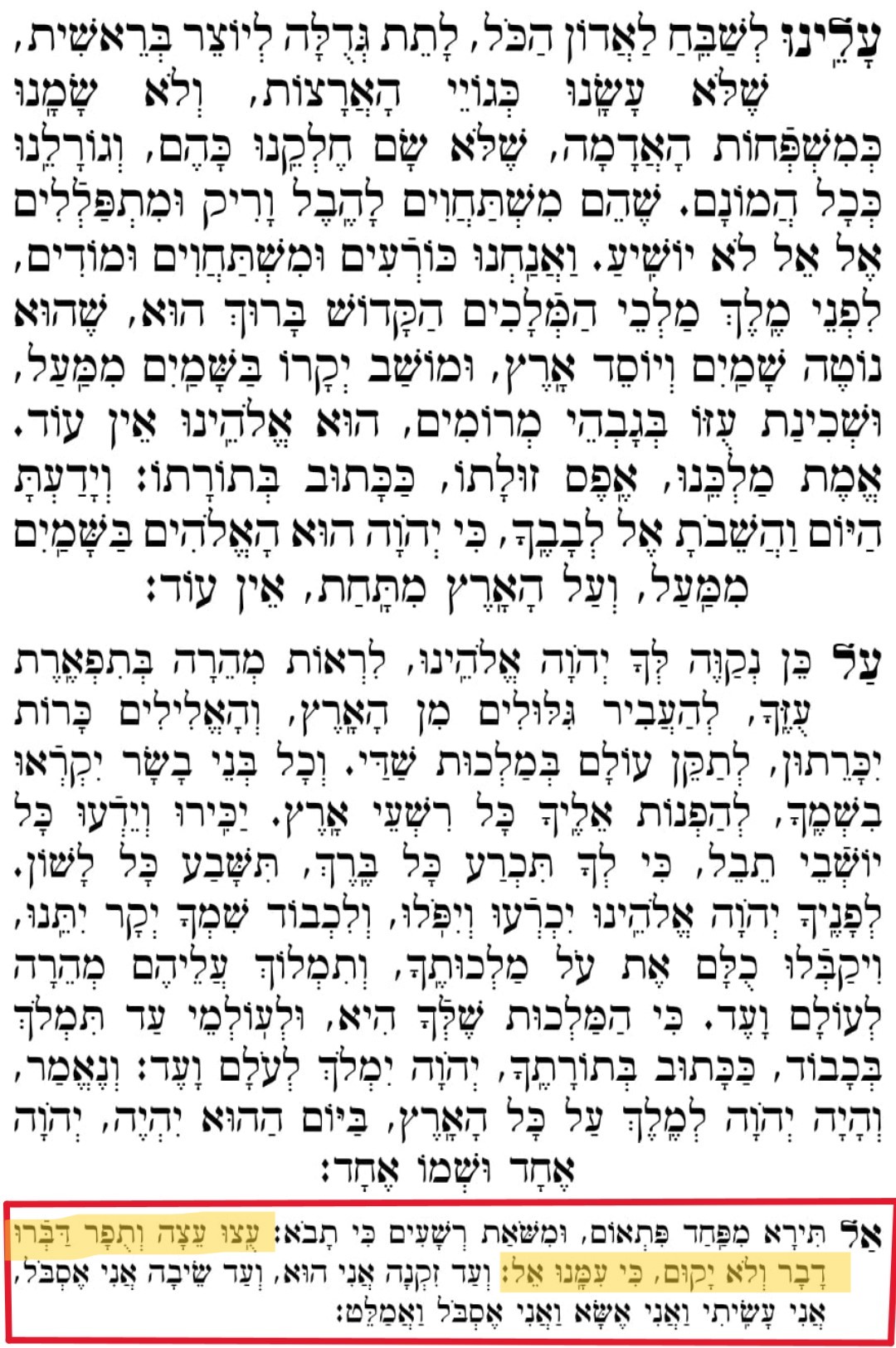
Go to the United Nations and sing outside the line from Al Tira, “Utzu Etza”: “Take counsel together, and it shall come to nought; speak the word, and it shall not stand: for God is with us.”

Pilgrims or Provocateurs?

A Muslim who visits Mecca is called a Hajji. It is one of the highest honors in Islam, the completion of the Hajj pilgrimage, celebrated by family and community as a sacred accomplishment.

A Catholic who travels to the Vatican is a pilgrim. For centuries, the faithful have journeyed to Rome, walking into St. Peter’s Square with reverence, greeted with blessing and legitimacy.

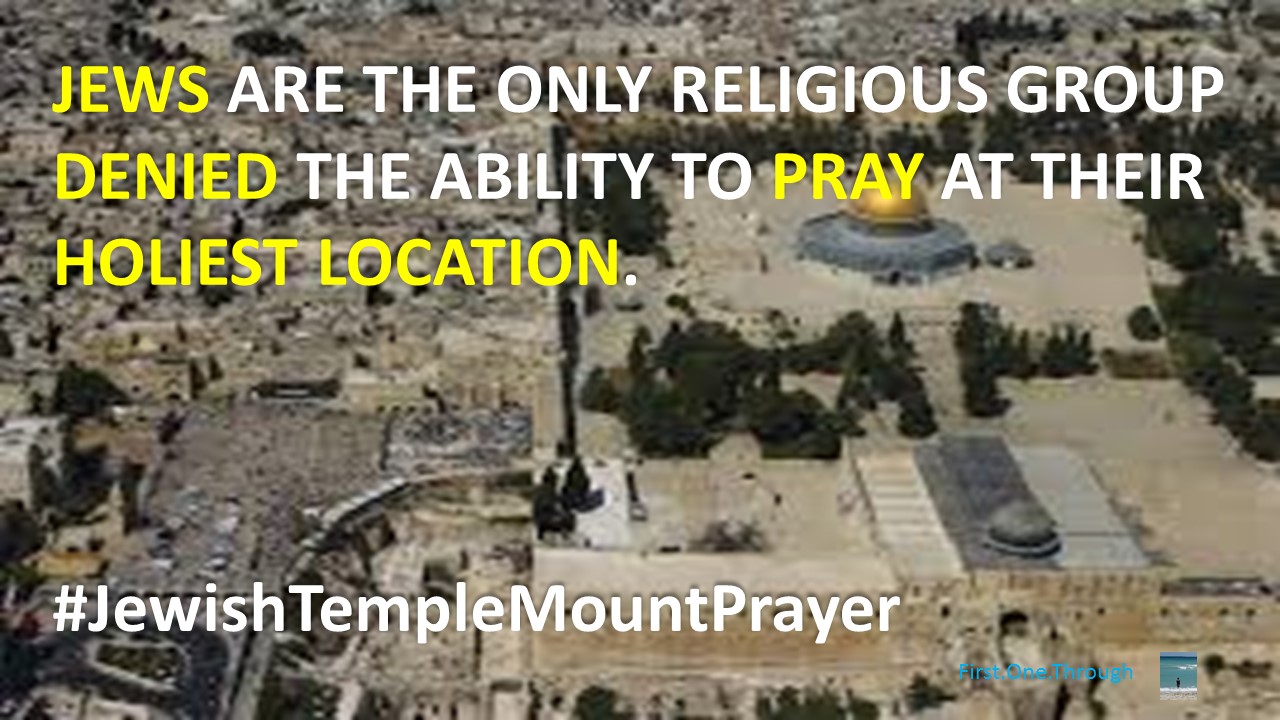
And a Jew who goes to the Temple Mount in Jerusalem — the very place where the First and Second Temples once stood, the holiest site in Judaism? That Jew is branded a provocateur. Not a pilgrim, not a worshiper, not a faithful soul ascending to pray — but an instigator, an agitator, an accused trespasser, a “settler” on their own sacred ground.

The disparity could not be starker. What is celebrated as devotion for others is condemned as incitement for Jews. For Muslims, the Hajj is a right; for Catholics, Vatican pilgrimage is honored; but for Jews, even quiet prayer on the Temple Mount is labeled an offense — by the United Nations, NGOs, and international bodies.

It is not only hypocrisy; it is erasure. To deny Jews the name of pilgrim is to deny Jewish history, Jewish identity, and Jewish legitimacy. It casts the holiest place in Judaism as alien to Jews themselves, a desecration of memory turned into policy.

And why? Because the world has normalized the jihad. It has allowed Islamic Supremacy to dictate permissible behavior, even in the Jewish holy land.

The truth is simple: a Jew ascending the Temple Mount is not incitement. It is the most ancient pilgrimage of them all — the echo of three millennia of devotion, commanded in Torah, rooted in covenant, and carried in every prayer whispered toward Jerusalem, before Islam was even created.

The real provocation is not the Jew who prays on the Temple Mount but a world that dares to tell Jews they don’t belong at the center of their faith.

ACTION ITEM

Come to the United Nations in New York City and demand Jewish rights and freedom of religious assembly in Jerusalem.

Bury the Dead — or Bury Civilization

Ki Teitzei’s Call for Dignity vs. Hamas’ Celebration of Desecration

Parshat Ki Teitzei commands something extraordinary:

“If any party is guilty of a capital offense and is put to death, and you impale the body on a stake, you must not let the corpse remain on the stake overnight, but must bury it the same day. For an impaled body is an affront to G-d: you shall not defile the land that your G-d is giving you to possess.” – Deuteronomy 21:22-23

Even the guilty must not be left hanging overnight. The Torah demands swiftness in burial, even for one who deserved execution.

The biblical commentator Rashi (1040-1105) spells out the reason: “a degradation of the Divine King, for man is made in His image.” Since man is made in the image of G-d, it would be an insult to G-d to continue to embarrass the dead, even one who deserved capital punishment. The focus should be about restoring public order and nothing more.

Hamas: Desecration as Policy

Contrast that to Palestinian political-terrorist group Hamas. On October 7, terrorists not only murdered, but dragged Jewish bodies through the streets of Gaza, spat on them, and beat them before crowds cheering “Allahu Akhbar” – G-d is Great. Their deaths became props for Hamas’ theatre of hate.

Hamas took the dead and mutilated body of German-Israeli Shani Louk to Gaza, where the crowds spat on her body and beat her. Her head was later chopped off.

To this day, Hamas holds the bodies of Israeli hostages, denying their families the ability to bury them, to say Kaddish, to mourn. It is deliberate, drawn-out torture.

The Law of Nations Agrees

This is not only a biblical imperative — it is a universal one. Article 17 of the Geneva Convention states plainly “Parties to the conflict shall ensure that the dead are honorably interred… and that their graves respected and properly maintained.”

Even in war, even between enemies, the dead are to be treated with dignity.

Hamas has made clear it recognizes no such obligation. It does not simply kill — it advertises cruelty, turning murder into propaganda and humiliation into spectacle.

The Moral Divide

Ki Teitzei calls us to a higher standard. To quickly bury even the criminal, to shield the image of G-d from public shame. The radical Islamist group calls its people to something else entirely: to spit, to drag, to desecrate. To turn death into a carnival. Jews believe sanctifying G-d means sanctifying the human body, even a murderer. Fanatical jihadists believe that Gd wants the community to mock the dead, even a female dancer.

This is not just a fight over land. It is a war between those who sanctify life — even those they must punish — and those who have turned death into a brand identity.

The choice before the world could not be clearer: stand with those who respect the divine image, even in death — or with those who trample it.

Parshat Re’eh and E1: Gathering the Nation Around Jerusalem Then and Now

Parshat Re’eh commands the Jewish people:

“Three times a year all your males shall appear before Hashem your God in the place He will choose—on the Festival of Matzot [Pesach], on the Festival of Weeks [Shavuot], and on the Festival of Booths. [Sukkot]” (Deuteronomy 16:16).

At a time when the tribes of Israel were destined to live across a wide and varied land—from the Galilee to the Negev, from the Mediterranean to the Jordan Valley and beyond—this commandment ensured that all Jews, regardless of tribe or geography, would remain bound to a single center: the place “He will choose:” Jerusalem.


Then: One City for One People

The pilgrimage festivals were not simply religious obligations; they were national glue.

  • Unity in Diversity: Each tribe had its own territory, customs, and leadership. But Jerusalem reminded them that they were not twelve separate entities—they were one nation.
  • Physical Connection: The journey itself—families traveling for days from north, south, east, and west, THREE TIMES A YEAR—kept every Jew intimately connected to the city at the nation’s core.
  • Spiritual Focus: No matter how far they lived, Jews oriented their lives toward Jerusalem.

Without this ritual of convergence, the tribes might have drifted apart, their shared purpose diluted by distance and difference.


Now: Re-Centering Around Jerusalem

Fast forward over three millennia. Jerusalem is once again the capital of a sovereign Jewish state. But the modern challenge is becoming increasingly less about tribal dispersion, with Jews in the holy land making up a plurality of Jews – it is geopolitical pressure and strategic vulnerability.

Recent government plans to develop the area known as E1, just east of Jerusalem, have sparked international controversy. Critics claim the project is “obstructive to peace.” It’s an absurd claim. Supporters see it differently: as an essential step to connect Jewish communities around the capital, ensuring that Jerusalem remains safe and accessible and central to Jews from north, south, east, and west.

The parallels to Re’eh are striking:

  • Geographic Cohesion: Just as ancient pilgrimage routes tied the tribes together, modern infrastructure links surrounding communities to Jerusalem.
  • National Identity: Building around Jerusalem reinforces its role not just as a city, but as the beating heart of Jewish life.
  • Defying Fragmentation: Where outside forces seek to carve up and isolate Jerusalem, development ensures continuity and connection.

Jerusalem: The Eternal Center

Parshat Re’eh’s vision was never merely about geography—it was about survival through unity. When Jews journeyed to Jerusalem three times a year, they reaffirmed their covenant and their peoplehood. One God, one people.

Today, as Israel strengthens the areas around Jerusalem, it is engaged in the same mission: to keep the Jewish people close to their capital, secure in their homeland, and united across generations.

Then as now, Jerusalem is not just a place—it is the center of a people.

The Old City of Jerusalem including the Jewish Temple Mount on the holiday of Sukkot

Eikev, On Consequences

Parshat Eikev is about consequences. Love God and cherish the land, and there will be abundance. Turn away from them, and the blessings will vanish. It’s not just poetic scripture—it’s a binding principle embedded in Jewish destiny.

In 2005, Israel withdrew from Gaza, handing the Strip to the Palestinian Authority. The move was framed as a step toward peace, but Palestinians internalized a different lesson from the Second Intifada: violence works. Within two years, Hamas was elected to a majority of the Palestinian parliament, seized power in Gaza, and rockets became Gaza’s chief export.

The same pattern played out decades earlier. In 1967, Israel reclaimed eastern Jerusalem from Jordan in a defensive war and reunified the city. Yet, instead of asserting Jewish sovereignty on the Temple Mount—the holiest site in Judaism—Israel handed day-to-day control to the Islamic Waqf which banned Jewish prayer there. The Muslim world absorbed the message: Jews do not value their holy places as deeply as Muslims do.

These choices raise the uncomfortable question: do Jews truly love the land and God in the way Eikev commands? The Bible is not just a Jewish text. Billions of non-Jews around the globe read it. They know its covenantal clauses and its warnings. They understand—at least in their own terms—the consequences that befall Jews when we turn from God’s love and from the eternal heritage of the land. Some may even see themselves as agents in delivering divine justice.

God knows. The world knows.

It is time for Jews to internalize this truth. The Shema’s first line is often recited aloud with pride. But the second section (starting at Deuteronomy 11:13), with its stark outline of blessings for faithfulness and curses for betrayal, is whispered—if said at all. Perhaps it’s time to say it aloud, not just with our lips, but with our lives: affirming an unbreakable commitment to God and to the holiness of the land.

In Israel, that would be building homes in the area known as “E1,” cementing all of Jerusalem including the Temple Mount as integral to Israel. In the diaspora, it means putting mezuzahs on doorposts and wearing tefillin (11:18-20).

The Old City of Jerusalem including the Jewish Temple Mount/ Al Aqsa Compound

Consequences are not an abstraction in the Torah—they are the lived reality of Jewish history. Eikev’s message is as urgent now as it was on the plains of Moab.

From War To Heritage

As the Israelites were about to enter their Promised Land, the Bible relays stories of a series of conflicts.

After the spies delivered a bad report on the land in Parshat Shlach, we read the story of Korach who tried to launch a mutiny against Moses and Aaron. Then Chukat describes a war with Amorites, and Balak shares the story of a prophet trying to curse the Jewish people. At the end of Balak (Numbers 25:1-9), we read about Moabite women engaged in profanities with Jewish men. Pinchas, son of Elazar son of Aaron, took a spear and impaled the couple having sex in front of the Ohel Mo’ed, the tent Moses used to communicate with God.

Illuminated manuscript miniature from the 15th-century Alba Bible

And that is where Parshat Balak and the story seemingly end. With the murder of the couple and 24,000 others engaged in similar acts.

But it doesn’t really.

Parshat Pinchas continues the story with a pivot. Rather than highlighting the sins and the deaths, Numbers 25:10 begins with God appreciating the defense of holiness and His blessing Pinchas and his descendants. While the story may appear as a single episode, the Torah divides the parshas – and the narrative – between the violent and the holy, even when the violence was in the name of the holy.

The theme of separation can similarly be seen immediately after this in chapter 26, where God calls for another census of the tribes. Here, God counts the tribes and their families to allocate land for their inheritance. This is in contrast to the census of Numbers chapter 1 in which God wanted to account for how people would assemble in their journey and combat enemy forces. In the case of the journey and battle-readiness, there was a single head of each tribe; when they entered the land, each tribe’s family was specified.

It is a metaphor for how Jews assemble and coordinate today: there are wars that are fought in Israel and the diaspora against those who want to harm Jews and the Jewish State. Global Jewry understands the us-versus-them dynamic and the role for every Jew in the battle. It is related yet distinct from the interaction amongst Jews regarding our common heritage. We each have a part to play living together as a community.

Individuals fight with a common purpose. Families live under a societal umbrella.

We have tribes and borders and homes. We coexist with each other while understanding our peaceful lines. The separations today may be between synagogues or religious denominations. Between schools and political affiliations. Each aspiring for peace and holiness.

Those lines are very different than the battle lines between us and “them,” those who mean to harm us physically, morally and spiritually.

Upon entry into the Jewish holy land, Jews migrated from an army with legions to a people with property. While there were still wars to be fought inside the Jewish Promised Land, the muscle memory of understanding who is within the holy communal tent and those outside forces, was taught over the trials in the desert.

It is a lesson for our time as well: to clearly identify our allies and foes, and wage war and peace accordingly.

Related:

The Blessing of Jewish Distinctiveness (July 2025)

The Zone Of Jew Hatred Interest (March 2024)

Judaism Is Uniquely Tied To The Land Of Israel (December 2023)

Unity – not Unanimity – in the Pro-Israel Tent (November 2017)

Recite Psalms Of Victory

Since the horrific attacks on Israel on October 7, 2023, Jews around the world have recited Tehillim, Psalms. These were composed by King David as prayers to God which continue to be read by people around the world. People have recited them in WhatsApp groups on behalf of injured soldiers and civilians. They have said them in synagogues on behalf of the hostages.

King David Playing the Harp, ca. 1616 by Peter Paul Rubens

The WhatsApp groups tend to say all of the 150 psalms, with people volunteering to say one or a couple of chapters before another person steps in to read the next ones.

In synagogues, the congregations typically recite Psalm 121 and Psalm 130 which pray for salvation and redemption.

With the recent victories over Hezbollah in Lebanon, in Iran and soon over Hamas in Gaza, it is time for synagogues to recite songs of celebration during or at the end of services. Consider:

Psalm 129

שִׁ֗יר הַֽמַּ֫עֲל֥וֹת רַ֭בַּת צְרָר֣וּנִי מִנְּעוּרַ֑י יֹאמַר־נָ֝֗א יִשְׂרָאֵֽל׃

A song of ascents. Since my youth they have often assailed me, let Israel now declare,

רַ֭בַּת צְרָר֣וּנִי מִנְּעוּרָ֑י גַּ֝֗ם לֹא־יָ֥כְלוּ לִֽי׃

since my youth they have often assailed me, but they have never overcome me.

עַל־גַּ֭בִּי חָרְשׁ֣וּ חֹרְשִׁ֑ים הֶ֝אֱרִ֗יכוּ (למענותם) [לְמַעֲנִיתָֽם]׃

Plowmen plowed across my back; they made long furrows.

יְהֹוָ֥ה צַדִּ֑יק קִ֝צֵּ֗ץ עֲב֣וֹת רְשָׁעִֽים׃

The LORD, the righteous one, has snapped the cords of the wicked.

יֵ֭בֹשׁוּ וְיִסֹּ֣גוּ אָח֑וֹר כֹּ֝֗ל שֹׂנְאֵ֥י צִיּֽוֹן׃

Let all who hate Zion fall back in disgrace.

יִ֭הְיוּ כַּחֲצִ֣יר גַּגּ֑וֹת שֶׁקַּדְמַ֖ת שָׁלַ֣ף יָבֵֽשׁ׃

Let them be like grass on roofs that fades before it can be pulled up,

שֶׁלֹּ֤א מִלֵּ֖א כַפּ֥וֹ קוֹצֵ֗ר וְחִצְנ֥וֹ מְעַמֵּֽר׃

that affords no handful for the reaper, no armful for the gatherer of sheaves,

וְלֹ֤א אָמְר֨וּ ׀ הָעֹבְרִ֗ים בִּרְכַּֽת־יְהֹוָ֥ה אֲלֵיכֶ֑ם בֵּרַ֥כְנוּ אֶ֝תְכֶ֗ם בְּשֵׁ֣ם יְהֹוָֽה׃ {פ}

no exchange with passersby: “The blessing of the LORD be upon you.”
“We bless you by the name of the LORD.”


And then recite sections of Psalm 118: 5-21, which are well known as they feature prominently during Jewish festivals in Hallel and the Passover Haggadah:

מִֽן־הַ֭מֵּצַר קָרָ֣אתִי יָּ֑הּ עָנָ֖נִי בַמֶּרְחָ֣ב יָֽהּ׃

In distress I called on the LORD; the Lord answered me and brought me relief.

יְהֹוָ֣ה לִ֭י לֹ֣א אִירָ֑א מַה־יַּעֲשֶׂ֖ה לִ֣י אָדָֽם׃

The LORD is on my side, I have no fear; what can man do to me?

יְהֹוָ֣ה לִ֭י בְּעֹזְרָ֑י וַ֝אֲנִ֗י אֶרְאֶ֥ה בְשֹׂנְאָֽי׃

With the LORD on my side as my helper, I will see the downfall of my foes.

ט֗וֹב לַחֲס֥וֹת בַּיהֹוָ֑ה מִ֝בְּטֹ֗חַ בָּאָדָֽם׃

It is better to take refuge in the LORD than to trust in mortals;

ט֗וֹב לַחֲס֥וֹת בַּיהֹוָ֑ה מִ֝בְּטֹ֗חַ בִּנְדִיבִֽים׃

it is better to take refuge in the LORD than to trust in the great.

כׇּל־גּוֹיִ֥ם סְבָב֑וּנִי בְּשֵׁ֥ם יְ֝הֹוָ֗ה כִּ֣י אֲמִילַֽם׃

All nations have beset me; by the name of the LORD I will surely cut them down.

סַבּ֥וּנִי גַם־סְבָב֑וּנִי בְּשֵׁ֥ם יְ֝הֹוָ֗ה כִּ֣י אֲמִילַֽם׃

They beset me, they surround me; by the name of the LORD I will surely cut them down.

סַבּ֤וּנִי כִדְבוֹרִ֗ים דֹּ֭עֲכוּ כְּאֵ֣שׁ קוֹצִ֑ים בְּשֵׁ֥ם יְ֝הֹוָ֗ה כִּ֣י אֲמִילַֽם׃

They have beset me like bees; they shall be extinguished like burning thorns;
by the name of the LORD I will surely cut them down.

דַּחֹ֣ה דְחִיתַ֣נִי לִנְפֹּ֑ל וַ֖יהֹוָ֣ה עֲזָרָֽנִי׃

You pressed me hard, I nearly fell; but the LORD helped me.

עׇזִּ֣י וְזִמְרָ֣ת יָ֑הּ וַֽיְהִי־לִ֝֗י לִישׁוּעָֽה׃

The LORD is my strength and might; He has become my deliverance.

ק֤וֹל ׀ רִנָּ֬ה וִישׁוּעָ֗ה בְּאׇהֳלֵ֥י צַדִּיקִ֑ים יְמִ֥ין יְ֝הֹוָ֗ה עֹ֣שָׂה חָֽיִל׃

The tents of the victorious resound with joyous shouts of deliverance,
“The right hand of the LORD is triumphant!

יְמִ֣ין יְ֭הֹוָה רוֹמֵמָ֑ה יְמִ֥ין יְ֝הֹוָ֗ה עֹ֣שָׂה חָֽיִל׃

The right hand of the LORD is exalted! The right hand of the LORD is triumphant!”

לֹא־אָמ֥וּת כִּֽי־אֶחְיֶ֑ה וַ֝אֲסַפֵּ֗ר מַעֲשֵׂ֥י יָֽהּ׃

I shall not die but live and proclaim the works of the LORD.

יַסֹּ֣ר יִסְּרַ֣נִּי יָּ֑הּ וְ֝לַמָּ֗וֶת לֹ֣א נְתָנָֽנִי׃

The LORD punished me severely, but did not hand me over to death.

פִּתְחוּ־לִ֥י שַׁעֲרֵי־צֶ֑דֶק אָבֹא־בָ֝֗ם אוֹדֶ֥ה יָֽהּ׃

Open the gates of victory for me that I may enter them and praise the LORD.

זֶה־הַשַּׁ֥עַר לַיהֹוָ֑ה צַ֝דִּיקִ֗ים יָבֹ֥אוּ בֽוֹ׃

This is the gateway to the LORD— the victorious shall enter through it.

א֭וֹדְךָ כִּ֣י עֲנִיתָ֑נִי וַתְּהִי־לִ֝֗י לִישׁוּעָֽה׃

I praise You, for You have answered me, and have become my deliverance.


The Jewish people are securing great victories over genocidal antisemitic foes. The world should include Psalms of thanks alongside prayers for the hostages and injured.