Vatican II – and the New Jew

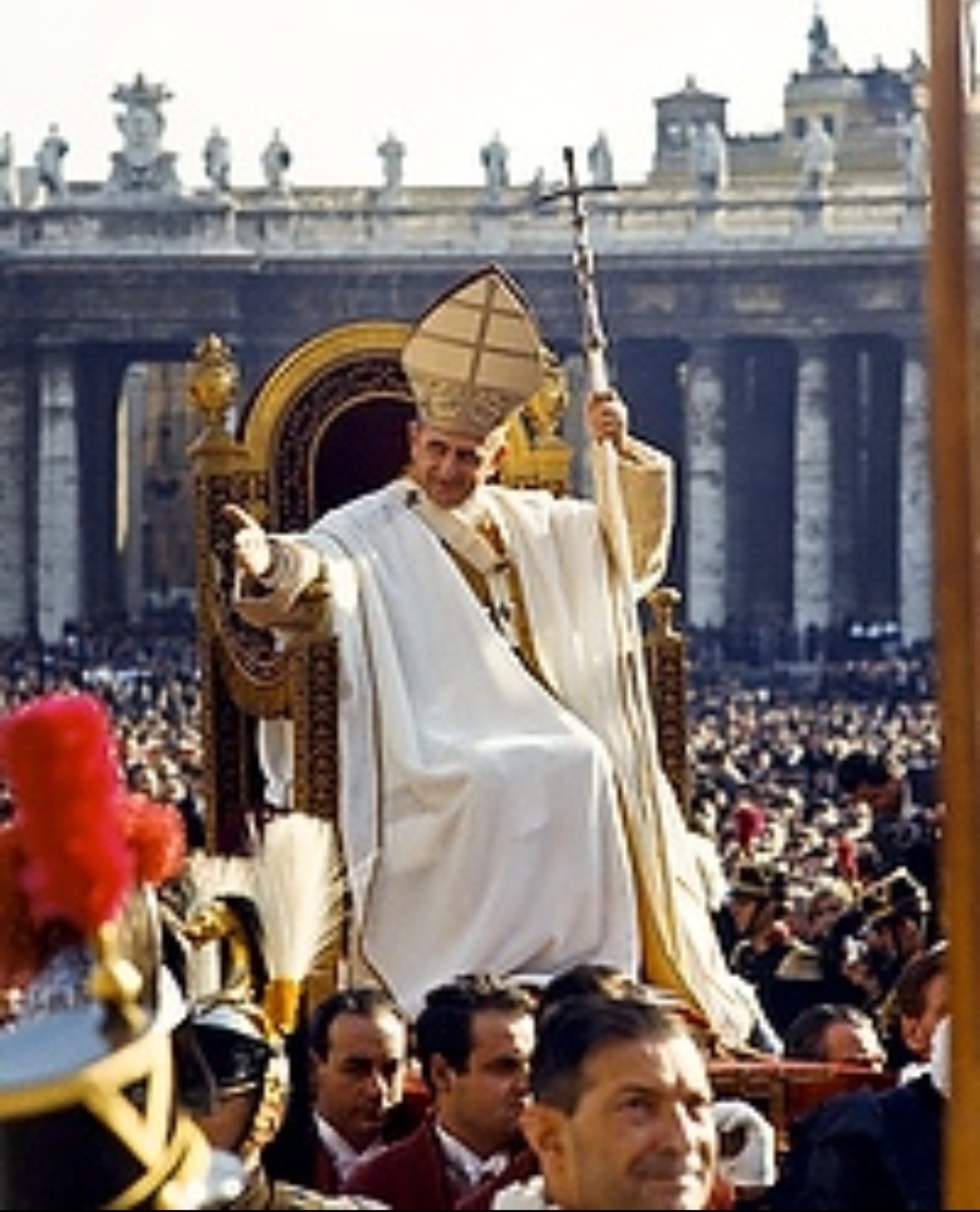
On December 8, 1965, a crowd of 100,000 spectators assembled in St. Peter’s Square to mark the closing ceremony of Vatican II. The three years of work was orchestrated to bring about Christian unity, hoping to bring non-Catholics and Catholics together in a joint mission. The sixteen documents that the council enacted were designed on the theme of aggiornamento (Italian for bringing up to date) the Catholic church, which had started to be viewed by many as fading in relevance.

Pope Paul VI greets the faithful during the closure of the Second Vatican Council in St. Peter’s Square at the Vatican Dec. 8, 1965. (CNS/Catholic Press Photo)

The Second Vatican Council did not emerge in a Christian vacuum. It unfolded in the long shadow of Auschwitz, under the moral weight of a truth that could no longer be hidden: Christian Europe had stood by, silent or complicit, as the Jewish people were hunted, deported, and incinerated. The murderers were not pagan invaders; many were baptized Christians. The trains did not run through lands hostile to Christianity; they passed churches, crossed Catholic villages, glided along tracks laid in the heart of Christendom.

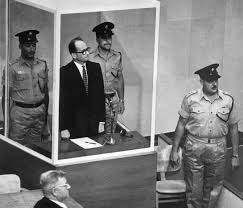
In 1961, the world could no longer avert its eyes. The Eichmann trial in Jerusalem forced every nation, every church, every conscience to watch. Survivors spoke in court with the clarity of witnesses resurrected from the grave: the collaborators, the bystanders, the bureaucrats, the bishops who said nothing, the priests who closed doors, the institutions that rationalized their silence. The trial tore away the last veil protecting Christian moral innocence. It was a moment when the Church had to confront not only the sins of individual Christians but the theological soil in which hatred had grown.

Trial of Adolph Eichmann in Jerusalem, Israel in 1961 (Photo: Bettmann / Getty)

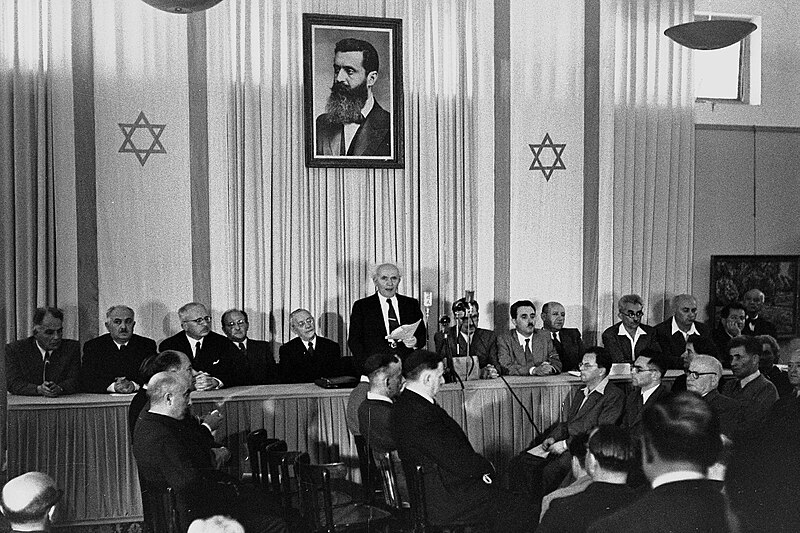
Against this storm of reckoning, another seismic event had already taken place: the re-establishment of the Jewish state in 1948. For nearly two thousand years, Christianity had preserved an image of the Jew as the wandering witness, condemned by God to homelessness so Christians could inherit the promise. But suddenly, the wandering stopped. The Jewish people returned to their ancient homeland. Hebrew was resurrected from liturgy into daily speech. Jewish sovereignty reappeared as if history itself had refused to obey the theological script.

Israel’s rebirth shattered the Christian narrative of Jewish exile more forcefully than any sermon ever could. It reopened questions buried since the early Church Fathers: What does it mean if God’s covenant with the Jews never ended? What does it mean if the Jewish people still live, still dream, still return? What does it mean when prophecy looks suspiciously like news?

Israel declares itself a new country on May 14, 1948, to take place officially the following day May 15, which was Shabbat, coinciding with Britain ending its mandate.

By the time the Vatican convened, the Church was wrestling with two cataclysms: the moral collapse of Christian Europe during the Holocaust and the miraculous revival of the Jewish nation that Christian theology had relegated to the margins of history. These two realities — failure and fulfillment — created an impossible tension.

One of the sixteen Vatican II documents, Nostra Aetate (October 26, 1965) was not merely a doctrinal correction. It was a confession, an apology, a theological revolution. It declared the Jews not rejected but beloved, not guilty but enduring, not a fossil but a living partner in covenant. It rejected antisemitism “at any time and by anyone.” For Christians, it was liberation from a poisoned inheritance. For Jews, it was an unexpected invitation to be seen — perhaps for the first time — not as shadows in another people’s story, but as a people with a story of their own.

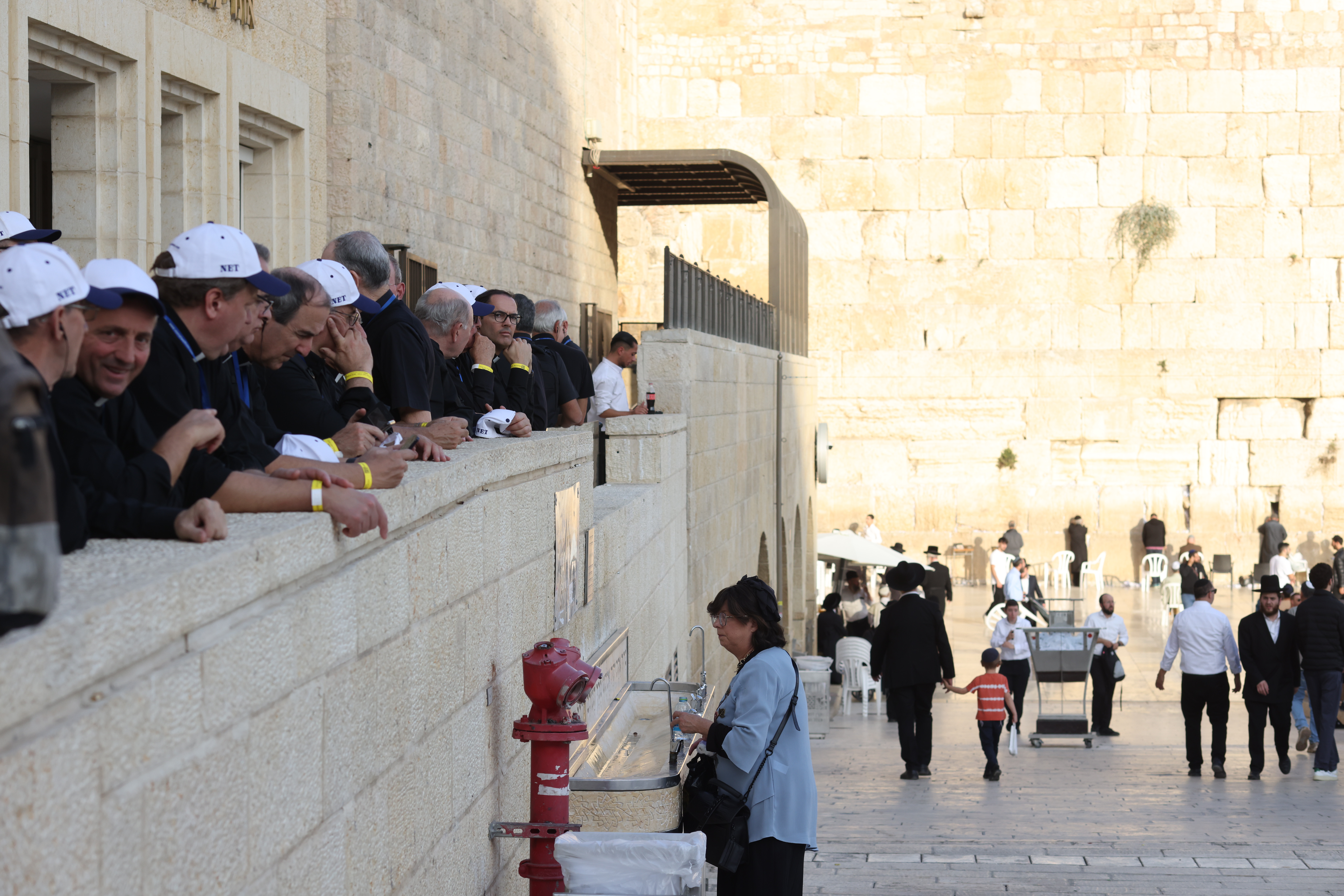
And something else began in the wake of Vatican II, something few would have predicted: the rise of Christian Zionism in its modern form. Many Christians, freed from the contempt of supersessionism, looked upon the Jewish state not as an accident of geopolitics but as a fulfillment of ancient promise. Some of Israel’s strongest supporters today come from Christian communities shaped by the theological revolution Vatican II inaugurated. They see Jewish sovereignty as evidence not of colonialism but of covenant, not of power but of destiny. They stand with Israel not out of political calculation but out of spiritual gratitude — an act of repentance and solidarity woven together.

Christian leaders assemble at the Western Wall in Jerusalem, observing Jewish prayer in November 2025 (photo: First One Through)

For Jews, this support has been both a blessing and a riddle. After centuries of persecution in Christian lands, how does one accept the embrace of former adversaries? How does a people long defined by suspicion learn to trust a hand that once struck but now extends in friendship? The Jewish story, once shaped by surviving Christian hostility, must now grapple with receiving Christian loyalty. The sting of history meets the strange balm of reconciliation.

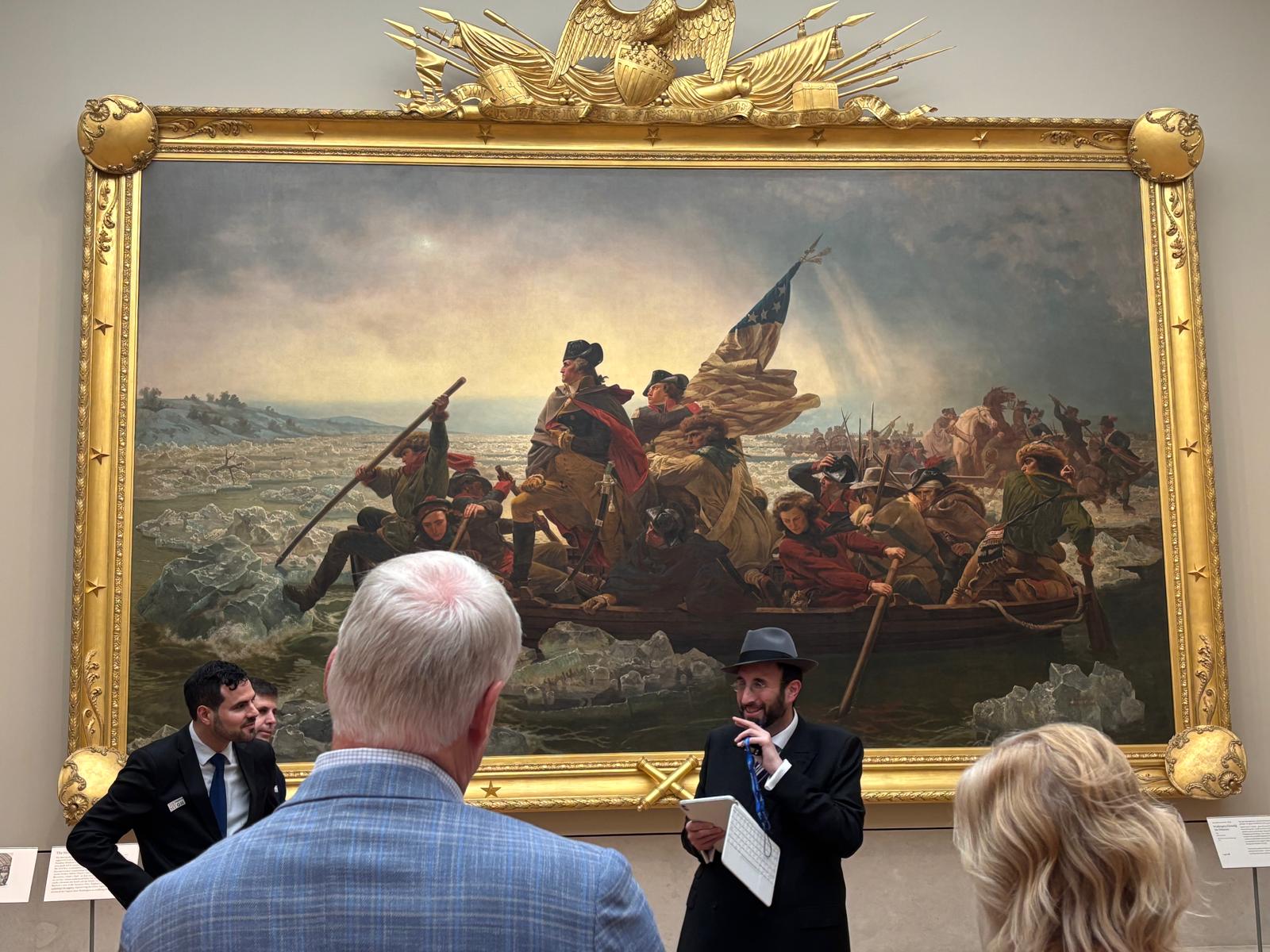
These questions unfold in a nation — the United States — whose own identity has been shaped by Judeo-Christian roots from its earliest days. As the country approaches its 250th birthday, Americans are rediscovering that its foundational ideas — human dignity, moral law, liberty of conscience — flowed from a biblical inheritance shared by Jews and Christians alike. The Founders read the Hebrew Bible not as relic but as roadmap. The Exodus shaped the imagination of revolutionaries and abolitionists. The prophets shaped the conscience of Lincoln and King. The Jewish story is woven into the American one, even when America failed to honor it.

Rabbi Meir Soloviechik leads a tour of Christians and Jews at the Metropolitan Museum of Art in New York City, discussing the Judeo-Christian roots of America through art, in September 2025 (photo: First One Through)

Now, as antisemitism again rises and institutions fray, the old alliance becomes newly urgent. Jews and Christians are bound not by accident but by destiny: two peoples who share scripture, share moral vocabulary, and share responsibility for sustaining a civilization built on covenant rather than empire. Vatican II made it possible for this bond to be spoken aloud again, freed from the hostility that had once obscured it.

December 8, 1965 created a new Christian. But it also created a new Jew: a Jew who could stand in relationship not only to Jewish history but to Christian history, not only in resistance but in dialogue, not only as survivor but as partner. A Jew whose identity could be affirmed by the very institutions that once erased it.

And perhaps, as America steps toward its 250th year, this renewed bond is not merely theological or historical. It is a reminder that the future of Western freedom may depend on the same truth Vatican II finally proclaimed: that the Jewish people are not a footnote in someone else’s story, but the root from which so much of our shared moral world has grown.

The Expulsion of Jewish History, Heritage and Lived Experience from America’s Classrooms

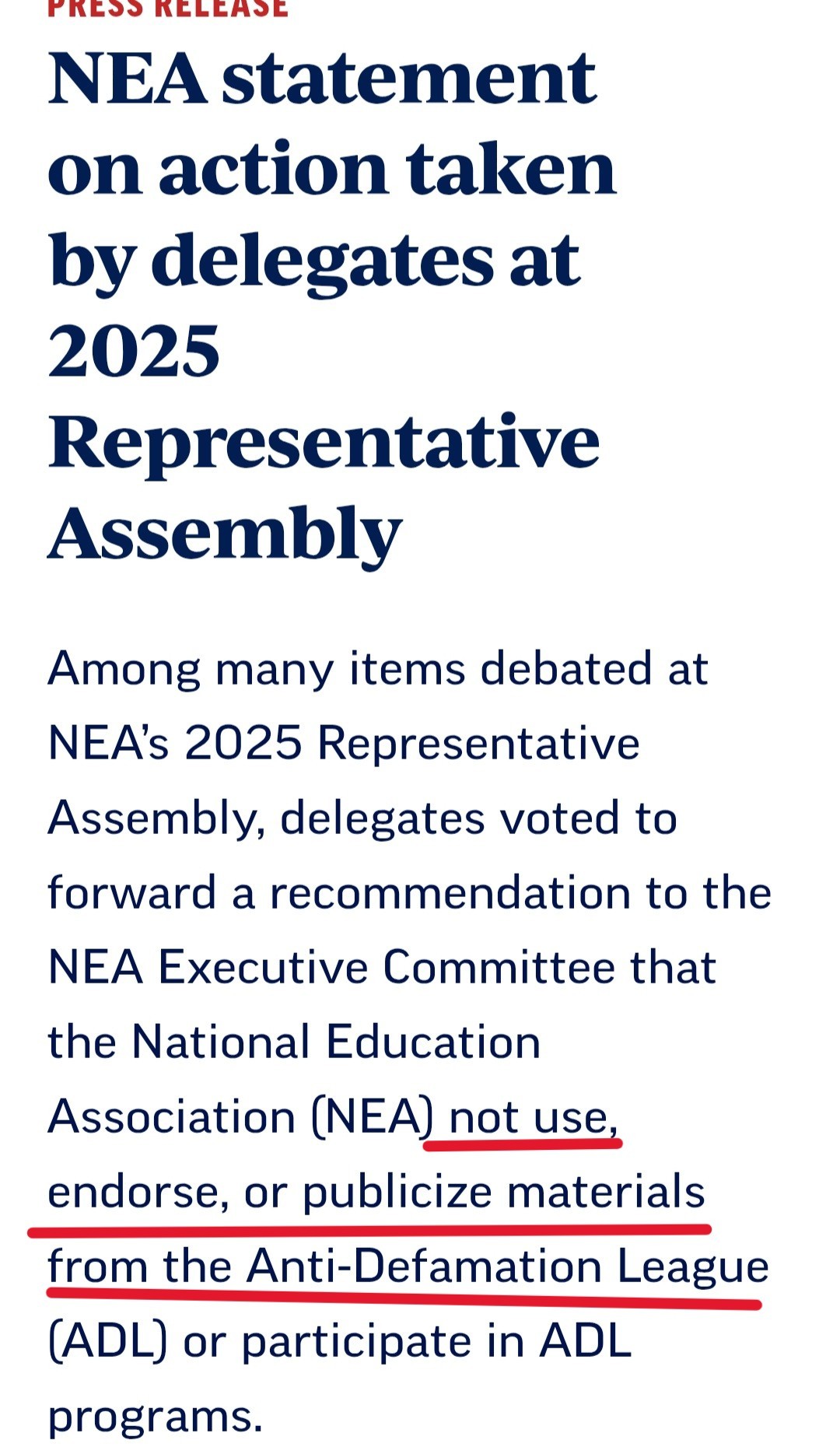
A quiet purge is beginning in American education. For decades, public schools relied on the Anti-Defamation League (ADL) to teach students about antisemitism, bigotry, and the Holocaust. Now the largest teachers’ unions are trying to drive the ADL out — not because antisemitism has disappeared, but because a new ideological litmus test has replaced the old moral clarity.

July 10, 2025 statement that largest teachers union in USA recommends no longer using material from the ADL

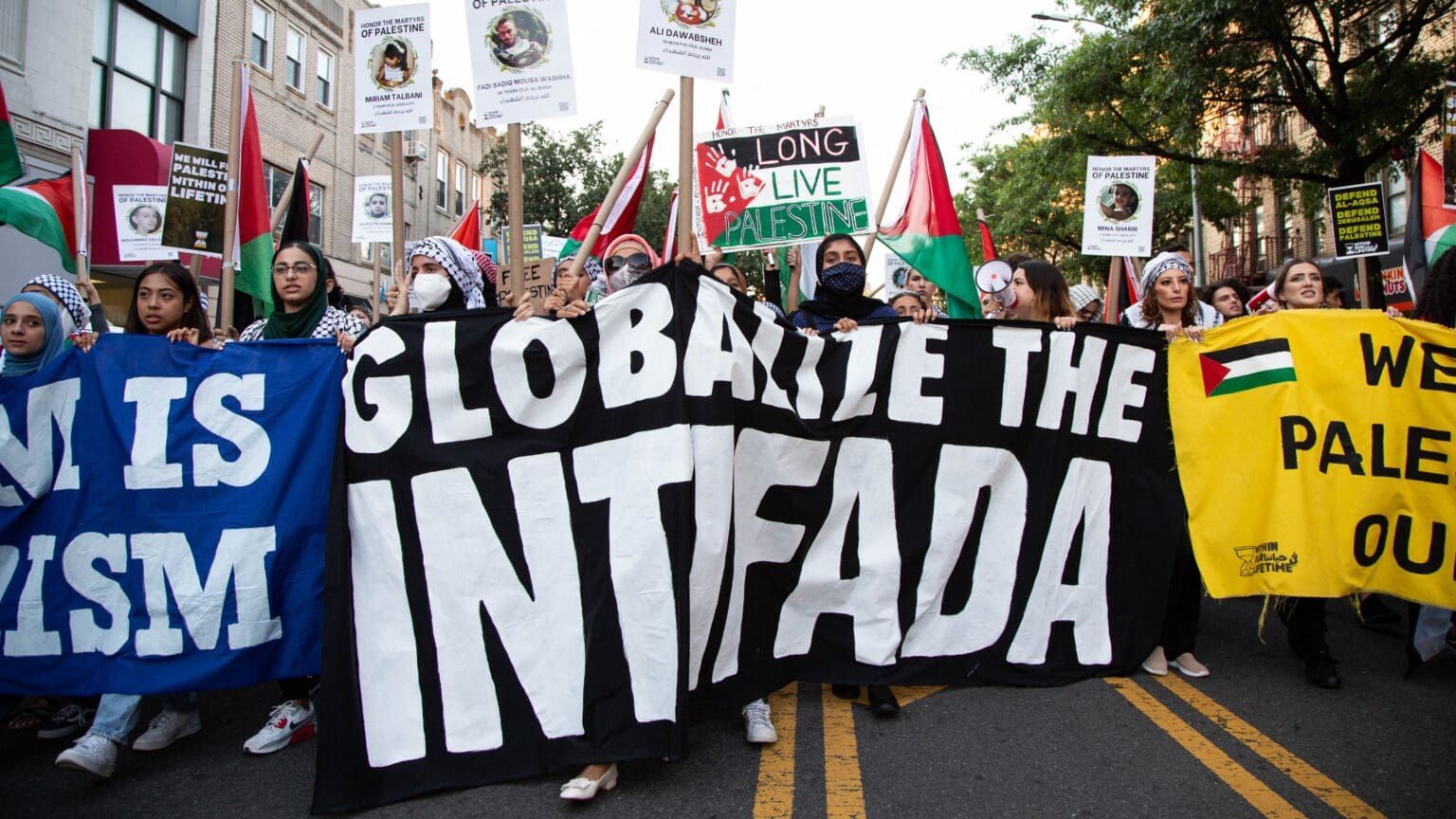
At the same time as NEA’s push to oust the ADL, New York City’s largest teachers’ union, the UFT, endorsed Democratic Socialist Zohran Mamdani to become mayor. Mamdani’s acceptance of the chant to “globalize the Intifada!” on New York City’s streets threatening Jews, was not considering disqualifying.

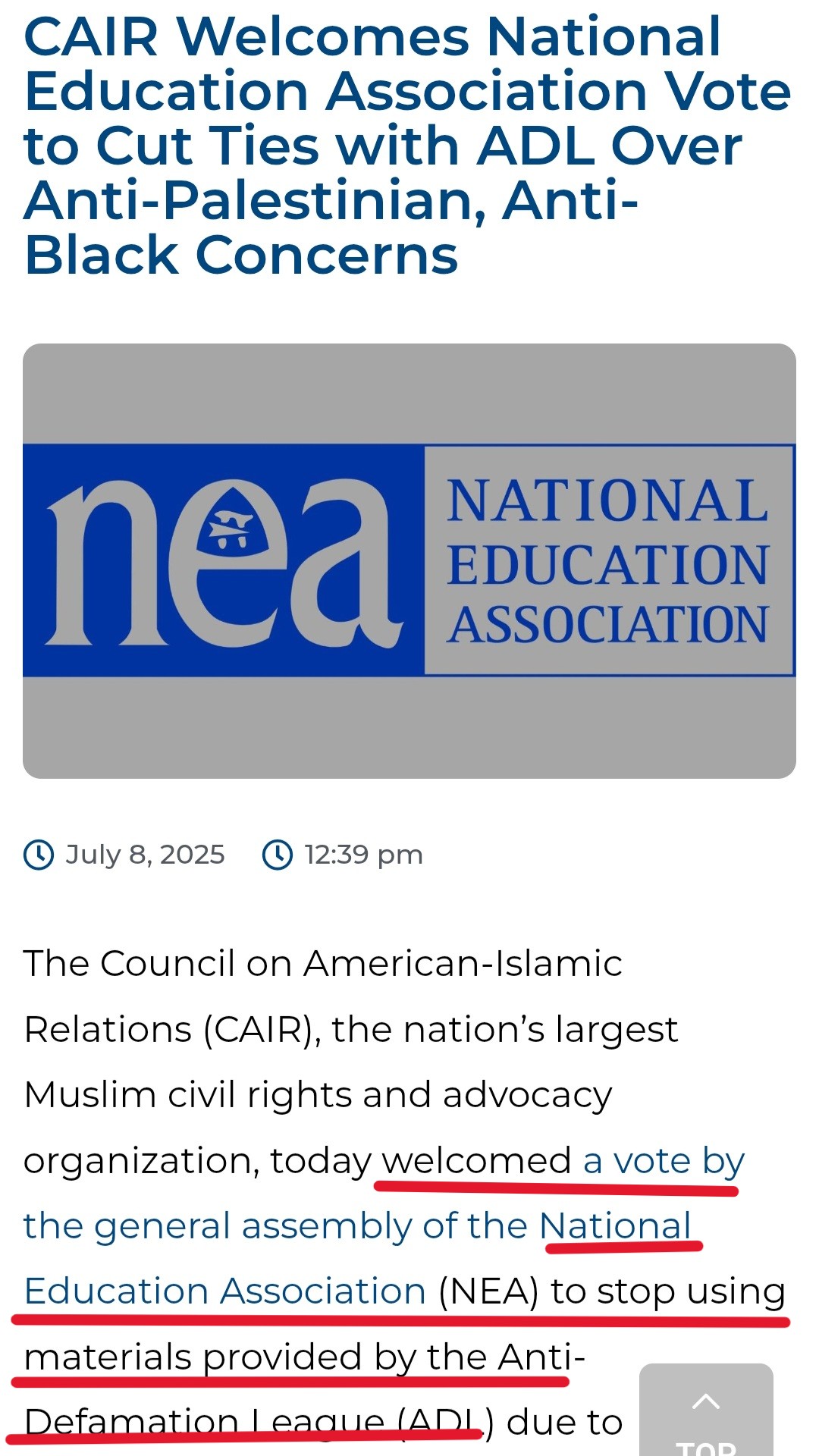
CAIR (Council of American Islamic Relations) celebrated the moment. The organization issued statements praising the union’s rejection of ADL and urging school districts across the country to follow suit. In their telling, removing the leading Jewish civil-rights organization from American classrooms was not a loss — it was liberation.

But liberation for whom?

What fills the void when ADL’s anti-bias programs are stripped from schools is not neutrality. It is an ideological curriculum that recasts Jewish history through the false frame of colonial theory. The Jewish people’s 3,000-year connection to the Land of Israel — recorded in scripture, archaeology, language, and tradition — is brushed aside in favor of a political slogan: Jews are Europeans; Israel is a colony; Jewish identity is whiteness in disguise.

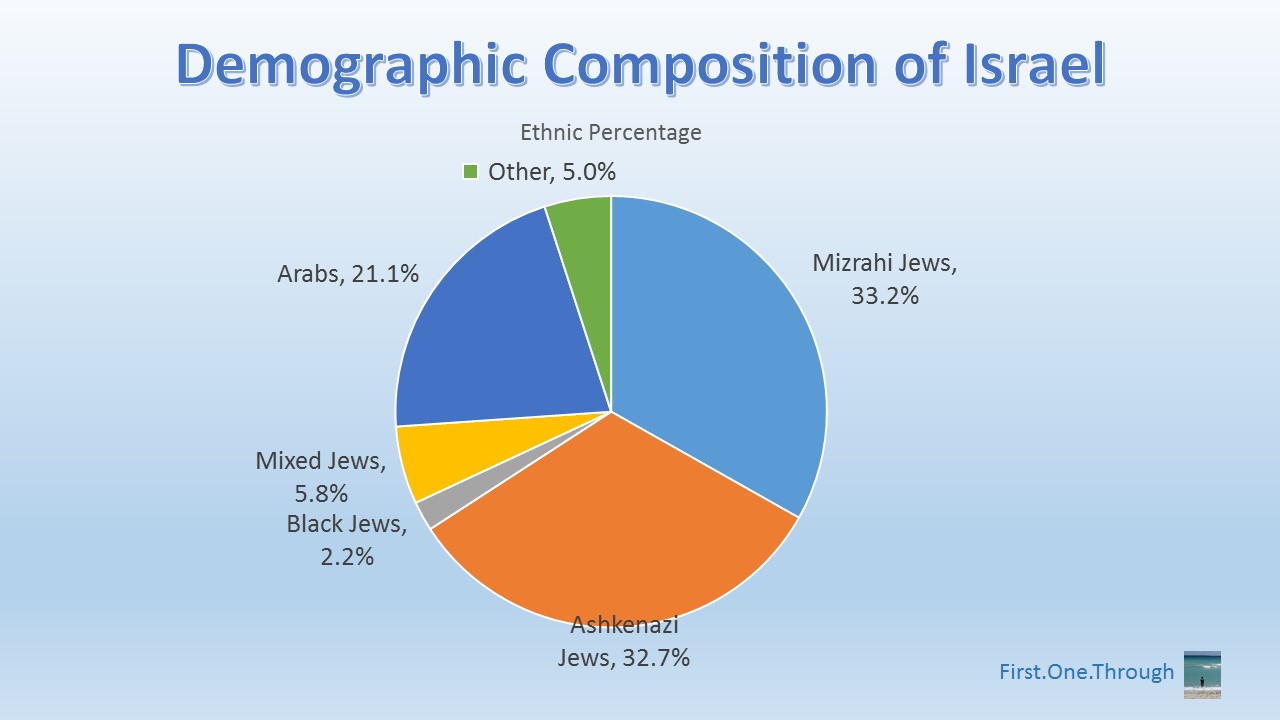
And this falsehood is taught with absolute confidence, even though it collapses under the simplest demographic truth: most Jews in Israel are not European at all. More than half of Israeli Jews are Mizrahi — descendants of families rooted for centuries in Baghdad, Aleppo, Casablanca, Sana’a, and Tehran. Many arrived as refugees expelled from Muslim countries after 1948. But because their existence breaks the colonial narrative, it is erased.

In this rewritten history, Jews did not return home. They invaded. And Jewish children sitting in American classrooms are told, implicitly and sometimes explicitly, that their people do not come from the place their prayers face, the place their ancestors named, the place their holidays commemorate.

It gets worse.

Qatar is helping fill the hole in American education course materials. That same Qatar that bankrolls and supports the political-terrorist group Hamas that is sworn to killing Jews. The Institute for the Study of Global Antisemitism and Policy (ISGAP) published a report that shows how Qatari materials are being mainstreamed in K-12 education.

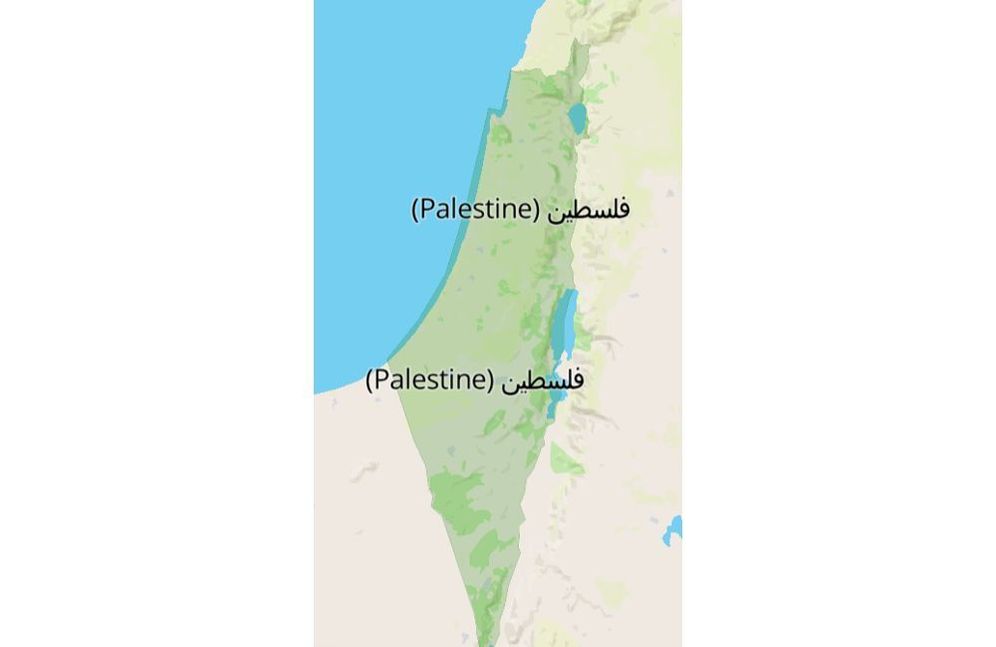
Map of “Palestine” used by the NEA erases Israel

The shift is not academic. It is surgical.

When the ADL is expelled from the curriculum and radical Islamic materials are substituted, so is the understanding that antisemitism is a unique and ancient form of hatred. So is the recognition that Jews are a minority-minority. So is the historical memory that Jews have been indigenous to the Land of Israel since before Rome, before Islam, before Christianity. The frameworks that replace it reduce Jewish identity to a political position and Jewish history to a fabrication.

And Jewish students feel it instantly.

A seventh grader is told her family “isn’t really from Jerusalem.” A boy wearing a Star of David is treated as if he is declaring an ideology rather than a heritage. Mizrahi and Sephardi students — whose grandparents fled violence or expulsion in the Middle East — learn in school that Jews are “white Europeans.” A child is shamed for speaking Hebrew, as if language itself were an act of domination.

The classroom becomes a place where Jewish children learn that their story is not welcome. That they are frauds.

The unions pretend this is progress. They say they are freeing schools from “biased” Jewish organizations. Democratic senators circle around to defend the teachers’ unions and mock Jewish concerns. They hope no one knows that teacher unions only donate to Democratic candidates.

But the result is not balance — it is a world in which Jewish history is a political inconvenience, and Jewish identity is recast as oppression. The very institutions tasked with protecting vulnerable students are now erasing the vulnerabilities of one of the world’s smallest minorities.

A people is stripped of its past in front of its children. To its children, to create a new type of American: anti-Jewish.

This is not an argument about Israel. It is a warning about America. When unions push out the ADL and bring in organizations which openly provide material support to terrorists, they are not modernizing education. They are dismantling the guardrails that distinguished history from propaganda and identity from accusation.

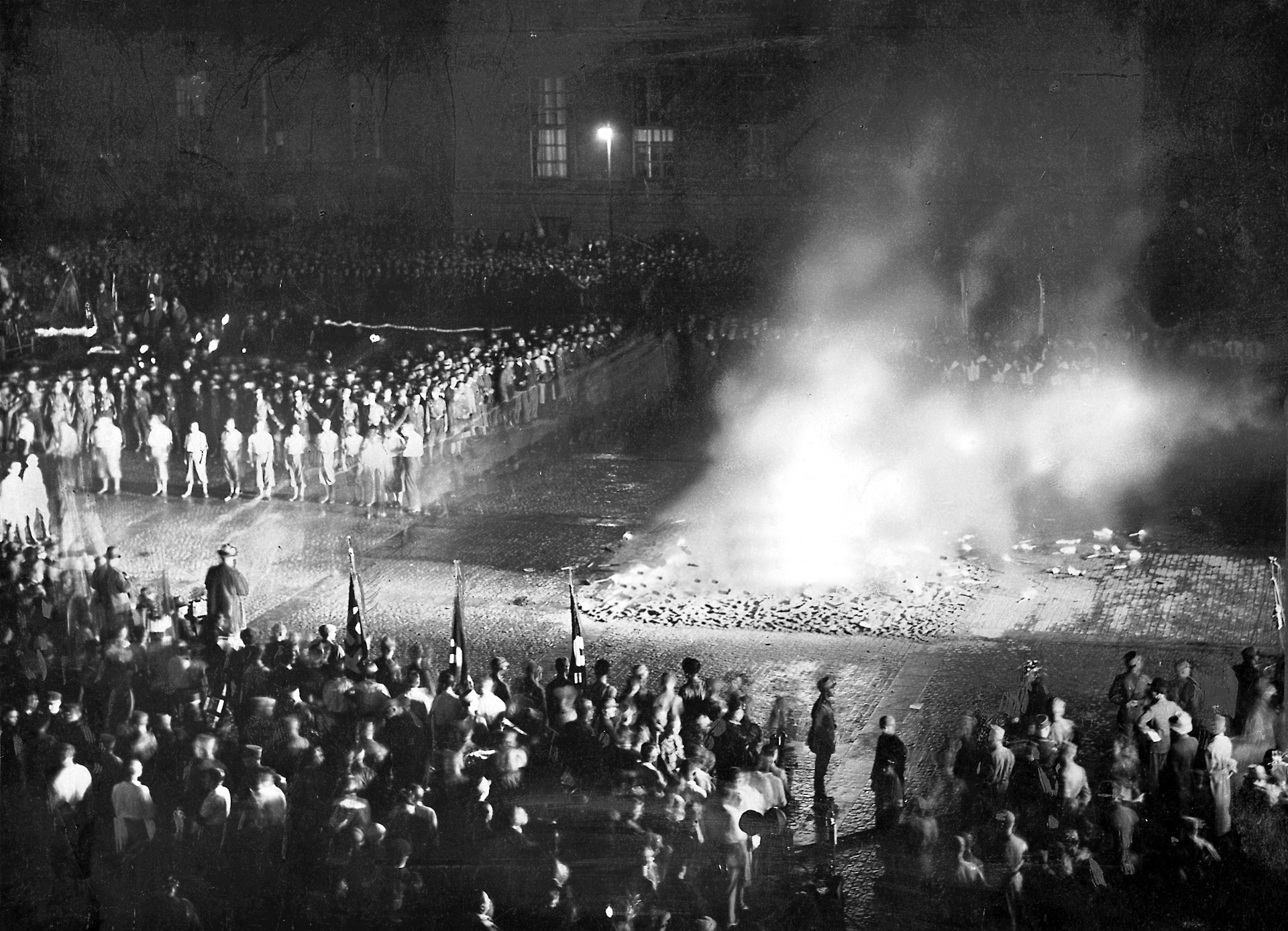
This has an ugly echo.

On May 10, 1933, 40,000 people watched as students burned Jewish books in Berlin, Germany, part of the Nationalist Socialist (Nazi) Party’s campaign to eradicate Jewish thought and show its control of the intellectual and cultural landscape.

University students burn upwards of 25,000 “un-German” books in Berlin’s Opera Square. Some 40,000 people gather to hear Joseph Goebbels deliver a fiery address: “No to decadence and moral corruption!”

Today, it’s not Jewish opinions but Jewish history, heritage and lived experiences that are targeted for obliteration in America’s schools by the teachers unions. It must stop.

Abraham Accords Versus UK and France

Europe is declaring peace while America is building it.

As Britain and France rush to recognize a Palestinian state to pressure Israel, the United States is doing something more durable: expanding the Abraham Accords. With Kazakhstan now actively promoting its joining Muslim-majority nations normalizing ties with Israel, the U.S. is advancing a vision that builds relationships rather than rhetoric.

US President Donald Trump meets with Kazakh President Qasym-Zhomart Toqaev

European leaders say recognition will balance the scales and restart diplomacy. But what exactly are they recognizing? The Palestinians remain divided between an unpopular and corrupt authority in the West Bank and Hamas in Gaza—an antisemitic terrorist group that thrives on conflict and rejects coexistence. There are no elections, no functioning institutions, no borders, and no credible security force. Declaring this fractured reality a “state” doesn’t bring peace any closer. It just flatters the fantasy that paperwork can substitute for progress.

For Palestinians, European gestures feel validating, but validation without change is illusion. No declaration from Paris or London can rebuild Gaza, reform leadership, or disarm Hamas. It’s diplomacy as performance—morally satisfying to distant audiences but meaningless in practice.

The Abraham Accords take a different approach. They focus on cooperation. Each new country that signs—Bahrain, Morocco, the UAE, and now Kazakhstan—proves that Israel can be accepted across the Muslim world without waiting for Hamas’s permission. This shift is reshaping the region. It turns rejection into partnership, slogans into investment, and isolation into integration. Every handshake chips away at the myth that the Middle East must remain hostage to its oldest conflict.

But peace will never advance while Hamas holds power. Hamas doesn’t just oppose Israel; it opposes peace itself. It rejects every agreement, glorifies violence, and sacrifices its own civilians to preserve control. Allowing Hamas to participate in elections or continue ruling Gaza ensures that destruction will repeat everywhere. Disarming Hamas and excluding it from Palestinian politics isn’t an Israeli condition—it’s a Palestinian necessity. Without that step, there can be no state, no sovereignty, and no future.

Alas, Palestinians disagree. In the latest PCPSR October 2025 poll, Hamas remains the most popular political party (60% approval) and Khaled Mashal, the leader of Hamas would trounce Fatah’s Mahmoud Abbas by 63% to 27%. Palestinian Arabs (69%) remain adamant that Hamas not give up its arms. Even after the decimation of Gaza, a majority (53%) still approves the October 7 massacre. And imagine that now, as the ceasefire appears to be bringing the end of the war, a remarkable 39% of Palestinians still think Hamas will win.

The choice is clear. Europe can keep recognizing an idea of Palestine that doesn’t exist and that the Palestinian Arabs are more moderate than they really are, or the U.S. can keep building the conditions for a reformed Palestinian society. The road to peace will not run through European parliaments; it runs through a changed Palestinian worldview, normalization between Israel and Muslim countries, economic growth, and a regional consensus that leaves Hamas behind.

The pathway to peace in the Middle East is the Abraham Accords, not European theater.

From Bloomberg to Mamdani

It took New York City barely a decade to move from Michael Bloomberg (mayor 2002-2014) to Zohran Mamdani — from a billionaire moderate who built a global business to an anti-capitalist socialist who’s never built anything.

Mike Bloomberg winning third term as NYC mayor

Bloomberg personified competence, merit, and modernity. He was a technocrat with a work ethic forged in markets — the quintessential New Yorker who believed that numbers mattered, that data and pragmatism could solve problems, and that capitalism, however imperfect, was the engine that kept the city alive.

Mamdani is the inversion of that story.  He’s the smiling avatar of grievance politics — a man who’s never signed a paycheck, raised capital, or met a payroll, yet rails against the very system that feeds the city’s workers.  He doesn’t want to grow the pie; he wants to break the plate.

So what happened to New York? How did a city that once celebrated builders and innovators — from bankers to artists, from garment manufacturers to tech founders — turn to someone who blames success itself for society’s ills?

Did New Yorkers Change — or Did the World?

Some say it was Donald Trump — the Queens developer turned president — who poisoned the well.  For many New Yorkers, capitalism’s swagger became indistinguishable from his brashness.  “Moderate” began to sound like “complicit.”  Every problem was blamed on “the system,” and every system was condemned as oppressive.

Others blame social media, the great amplifier of outrage.  The algorithms rewarded passion over proof, hashtags over homework.  The loudest became the leaders, and anger became authenticity.  The more you despised the system, the more followers you gained.

Still others point to federal polarization — a country at war with itself.  Washington became tribal, and so did New York.  To be anti-Republican meant embracing anything that wasn’t Republican, even if it was radical.

The Fall of the Striver Ideal

Bloomberg embodied a uniquely American, and particularly Jewish, story — the son of immigrants who rose by grinding harder, thinking smarter, and building bigger. For generations, that was the city’s moral code: earn it.

Mamdani represents something new — or perhaps something lost.  He is not the striver, but the symbol. The story isn’t one of building, but belonging. It’s politics as identity and resentment rather than responsibility and results.

When a city stops admiring those who build and starts rewarding those who only protest, decline is not far behind.

A Mirror, Not a Moment

New York’s journey from Bloomberg to Mamdani isn’t just a change in politics — it’s a cultural inversion. The Jewish billionaire who built an empire has been replaced by a Ugandan Muslim who campaigns against empires. The technocrat gave way to the ideologue. The achiever to the accuser.

The city once responded to horrible radical Islamic terrorism in downtown Manhattan by electing a proven builder to remake the city. Now the city has responded to that vile terrorism in southern Israel by rallying behind a novice who vilified the victims.

It’s tempting to say the city changed. But perhaps it merely revealed what it had become: a place where envy now outshouts excellence, and where tearing down is easier than building up.

New York once measured people by what they created. Now it measures them by what they condemn.

Frank Sinatra sang the city’s theme song “New York, New York,” that “if I can make it there, I’ll make it anywhere.” The city was a mark of excellence and competence. To win in New York City was the proving ground to anywhere and everywhere.

Does that now mean that grievance is the current marker of greatness in America? That radicalism and revolutionaries are the vanguard? Anti-capitalist socialism will come for cities around the United States?

The tragedy isn’t only that the city chose Mamdani.  It’s that so many think it’s progress.

From Latte Sippers to Street Revolutionaries

Obama’s warning has become the Democratic nightmare in New York City

When Barack Obama commented in 2016 that Democrats were seen as “coastal, liberal, latte-sipping, politically correct, out-of-touch folks,” it was a wink to the party’s reputation — cultured, ironic, and comfortably detached. He meant it as a warning. But nine years later, the call about paying attention to Middle America has become prophecy about the edges. The latte-sippers have soured and radicalized on the coasts.

In New York City, the same college-educated progressives who once debated justice over cold brew now chant “Globalize the Intifada.” State Assemblyman Zohran Mamdani, a proud member of the Democratic Socialists of America, leads the charge. What began as a movement which could generously be described as advocating inclusion and equity has evolved into a campaign to dismantle the American order itself. Mamdani and his allies call for the end of “empire” — by which they mean capitalism, policing, private property, and even the current structure of education and governance.

Obama’s gentle caricature of the latte class — earnest but insulated — has given way to something angrier and openly revolutionary. The Democratic Socialists’ worldview is not about reforming the system; it’s about replacing it. They seek a complete redistribution of wealth and power — not by persuasion, but by restructuring society’s foundations. Police are rebranded as “colonial enforcers.” Public schools become “sites of decolonization.” Private ownership itself is treated as moral corruption. It demands a “new economic order,” “new international solidarity,” “new moral vision,” “new global governance,” “new global organizations,” and a “new political era.”

This is not the politics of compassion, but of confrontation. The privileged class that once signaled virtue with hashtags and slogans now preaches a theology of resentment. They speak of liberation but demand obedience; they denounce power while pursuing it ruthlessly through intimidation and ideology. In the name of justice, they aim to burn down the very structures that made justice possible.

Nowhere is this more visible than in the 2025 New York City mayoral race, where Mamdani and the DSA have moved from campus protests to the ballot box. Their platform is sweeping: defund and “reimagine” the police, end merit-based education, socialize housing, and impose vast new public ownership schemes. It is a manifesto for the redistribution not just of wealth, but of control — from elected institutions to activist networks.

The symbolism is staggering. The city that once embodied liberal ambition — the energy of Wall Street, the art of Broadway, the immigrant striving that defined America — now flirts with an ideology that condemns its own success. From Columbia’s lecture halls to Brooklyn’s activist collectives, the heirs of Obama’s “latte-sipping liberals” now view the American dream as a capitalist fraud.

If Mamdani’s movement captures City Hall, it won’t just transform New York’s politics; it will mark the moment when the Democratic Party’s indulgence of its radical wing becomes surrender. The centrism of Obama and Clinton — built on pragmatism and incremental reform — is being replaced by the revolutionary certainties of those who see compromise as corruption.

Obama once teased his party for sipping lattes on the coasts, detached from ordinary life. Today, those same hands are clenched into fists. The mugs are gone, replaced by megaphones and manifestos. The “latte-sippers” have become the street revolutionaries — no longer content to mock the system, but determined to overthrow it.

As New York teeters between order and upheaval, the rest of the country would do well to take heed — and look right.

ACTION ITEMS

  1. Register as a Democrat – regardless of your politics – in deeply blue cities and towns
  2. Vote – and get out the vote – in the Democratic primaries for moderate candidates. Do not let the DSA take over your town
  3. Vote Republican in the general November election. Keep your city and town from one party rule
  4. Enlist popular moderate politicians to run who will keep the race between two individuals – extremists win in elections with numerous candidates
  5. Local grassroots organization is key. It starts now, not weeks before elections

Look Right

There are signs on the streets of London that read “LOOK RIGHT.” They are painted boldly on the pavement to protect visitors—especially Americans—who are used to glancing left before stepping into the street. In the U.K., traffic comes from the opposite direction, and those who rely on old instincts can find themselves in sudden danger.

So it is now with American Jews.

For generations, they have turned instinctively to the Democratic Party—to the left—out of habit, heritage, and a deep belief that liberal ideals best protected minorities. But the political landscape has shifted beneath their feet. The party that once championed freedom, tolerance, and support for Israel has been co-opted by radicals: anti-Israel voices, socialists, and anarchists who now wield growing influence in its ranks.

These are not the Democrats of old. They are activists who view capitalism as oppression, who denounce Israel as colonial, and who see Jews not as a vulnerable minority but as part of a power structure to be dismantled. They are coming for capitalism—and for the Jews who helped build and sustain it.

This election, American Jews must recognize that the public square is not what it used to be. The political traffic now comes from the right direction—but the danger comes from the left.

Times have changed. Look right.

Above and Below the Line

Jews Must Rise Above America’s Political Polarization

For Jews, the political spectrum no longer runs right or left — it runs above and below the line.

America once resembled a bell curve, a society centered in moderation. But over the last decade, that middle has collapsed into a barbell nation, with weight piling up at the extremes. And history has shown: whenever societies polarize, Jews suffer at both ends.

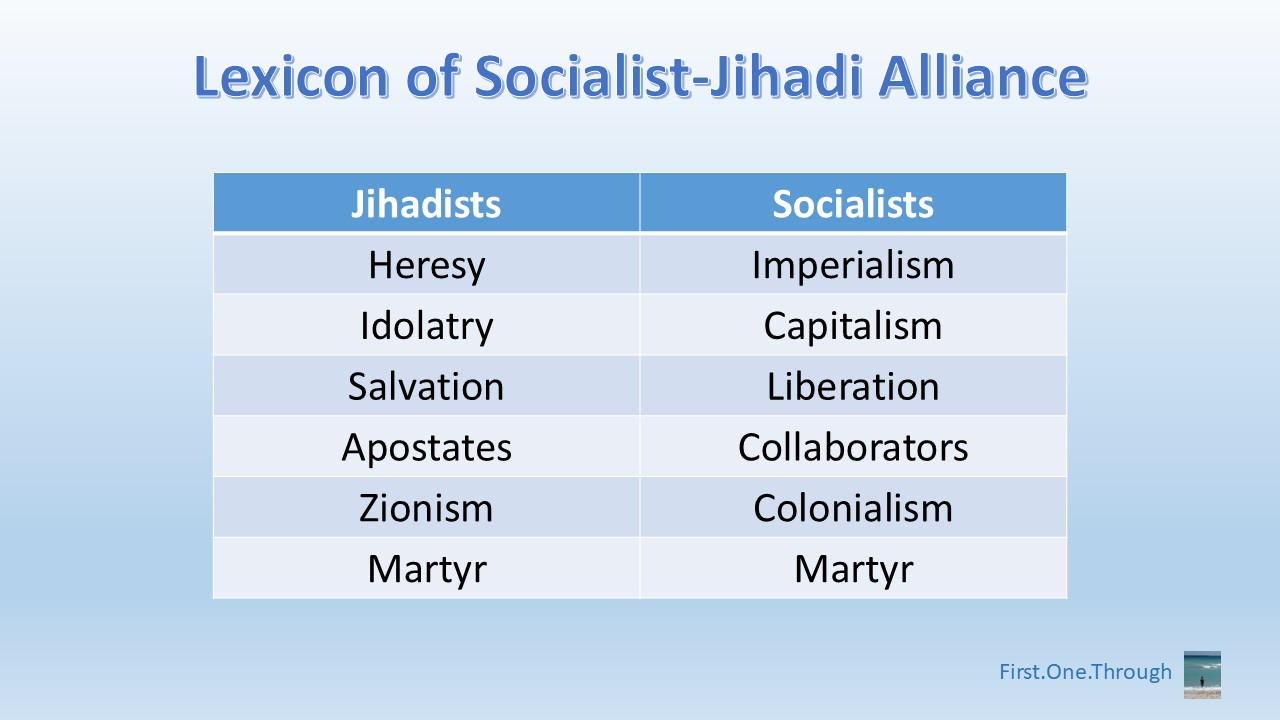
On the left, antisemitism festers in universities and coastal enclaves, driven by a socialist–jihadi alliance that paints Jews as colonial thieves and privileged elites. On the right, particularly across America’s heartland, antisemitism takes the form of nationalist resentment, depicting Jews as cunning manipulators steering the country toward decay.

The Jewish community now faces hostility from Justice Democrats and the Democratic Socialists on one side, and Christian nationalists and conspiratorial populists on the other. As America sorts itself into partisan tribes, Jews are politically homeless — stranded in what might be called Team White, surrounded by Red and Blue armies locked in mortal combat.

It is a moment that demands clarity:
Jews must not follow the crowd, nor celebrate the likes of Zohran Mamdani or Marjorie Taylor Greene simply because they shout loudest. Safety will not be found at the edges.

NYC mayoral front-runner Zohran Mamdani with the extremist group Democratic Socialists of America

Instead, Jews must think on the Y-axis and rise above the line — where decency, truth, and moral courage define political identity, not the toxic binaries of today’s discourse. The task is to build bridges among the decent left, right, and center, and to undermine the machinery of polarization itself.

That begins with the primary system, which rewards extremism and punishes moderation. Jews — and all who value stability — should register with the majority party in their region to vote for moderates in primaries, then vote for the opposing party in the general election to restore balance. The goal is not partisanship but preservation.

There is more to do:

  • Be counter-algorithm. Social media algorithms are built on inflaming passions and feeding extremism. Get kids away from social media including banning phones in schools. Encourage people to spend less time on the platforms or to promote moderate posts.
  • Invest in institutions that elevate, not inflame. Support schools, media, and synagogues that model dialogue over division.
  • Be models of decency. Civility is countercultural today — make it contagious. Argue without anger, engage without hatred, and remind others that moral clarity does not require moral superiority.
  • Rebuild community and trust. Host conversations, bridge gaps, and welcome allies who differ politically but share ethical ground. Strength grows in connection, not isolation.
  • Be proudly above the line. Celebrate being moderate, balanced, and reasonable. The middle is not weakness — it is wisdom earned through restraint.
  • Expose extremists, even within. Call out the Jewish radicals who justify Hamas and the October 7 pogrom, as well as those who echo conspiratorial nationalism. Moral consistency demands internal accountability.
  • Teach Jewish ethics loudly. The Torah’s call to pursue justice and peace should echo in civic spaces — as a guide for repairing the world, not tearing it further apart.

A polarized society is a society on edge — brittle, unstable, and eager for scapegoats. Extremists will portray Jews as symbols of what’s wrong, a convenient vessel for resentment. As a minority-minority, Jews become easy targets when the center collapses.

The survival of the Jewish people in America depends not on joining the mobs below the line, but on lifting others above it — where truth, civility, and unity still have a fighting chance.

New Yorkers Must Register Democrat and Vote Republican

To watch a political novice backed by a far-left extremist group rise to the brink of becoming mayor of the largest city in America is frightening enough. To realize that he will have the full backing of a Democratic governor and a compliant state legislature to enact his radical agenda is terrifying. Zohran Mamdani, a darling of the antisemitic Democratic Socialists of America, has weaponized a friendly smile and promises of “free” everything into a populist movement ready to capture real power.

The race is effectively over. The weakness and fragmentation of his opponents make his November 4 election almost certain. But that does not mean New Yorkers are powerless. Far from it.

1. Register Democratic — and block the radicals.
While national elections generate headlines, your single vote barely registers on a national scale. Local elections, however, can be swung by a few hundred ballots. In a deep-blue state like New York, the real election is the Democratic primary. That’s where the socialists gain power — because moderates stay home or remain registered as independents. If you want to stop extremists from running your city, county and state, you must register as a Democrat and vote against the zealots in the primaries.

2. Vote Republican in the general election — everywhere.
Even outside New York City, every voter can help slow the DSA’s march. New York State operates under a blue-wall trifecta: a Democratic governor and supermajorities in both the State Senate and Assembly. Republicans have no effective voice. Governor Kathy Hochul’s open endorsement of Mamdani means his far-left policies will move through Albany unchecked unless the state’s Republican vote share grows.

Far-left media Jacobin advances “to govern, the Left needs many Zohrans.”

So yes — in this strange political moment — the smart play for moderates and centrists is tactical: register Democratic to stop radicals in primaries, and vote Republican to blunt their power in office.

If New Yorkers don’t act now, the most radical city government in America won’t just run New York — it will set the agenda for the entire country.

Sharia Britain, Canada and U.S.

When the heckler’s veto becomes public policy, liberty dies by degrees.

The world rallied in Paris when jihadi radicals murdered staff at Charlie Hebdo in 2015. Leaders raised banners for free speech and spoke of defending the liberties that make liberal democracies possible. The same chorus rose after other political murders like Charlie Kirk in 2025: condemnations, eulogies, brief outrage.

Yet the Global North has a quieter, more corrosive surrender under way — a surrender not to a foreign army but to the heckler’s veto. When threats of violence can shape who is allowed to speak, to march, to play, or to pray, freedom has already been bargained away.

UK’s MP Ayoub Khan celebrating the banning of Tel Aviv fans from a game because their presence might bring out protestors. Other fans were welcomed to attend in October 2025.

Too often now the mere presence of Jews is treated as a provocation that must be managed by erasure. In Britain, politicians warn that protests will make events “unsafe” and ask organizers to exclude Israeli athletes and fans, Jewish speakers, or symbols rather than arrest the thugs who threaten violence. In 1929, after brutal attacks in Hebron, British authorities removed all Jews from their homes to suppress further bloodshed — an act that punished the innocent to placate the violent. That precedent echoes when modern officials choose exclusion over enforcement.

Call it what it is: when a state lets intimidation determine who may appear in public, it substitutes coercion for law. When politicians cave to the loudest violent faction to avoid a headline, they have abandoned the first duty of government — to protect the rights of every citizen, not to negotiate them away.

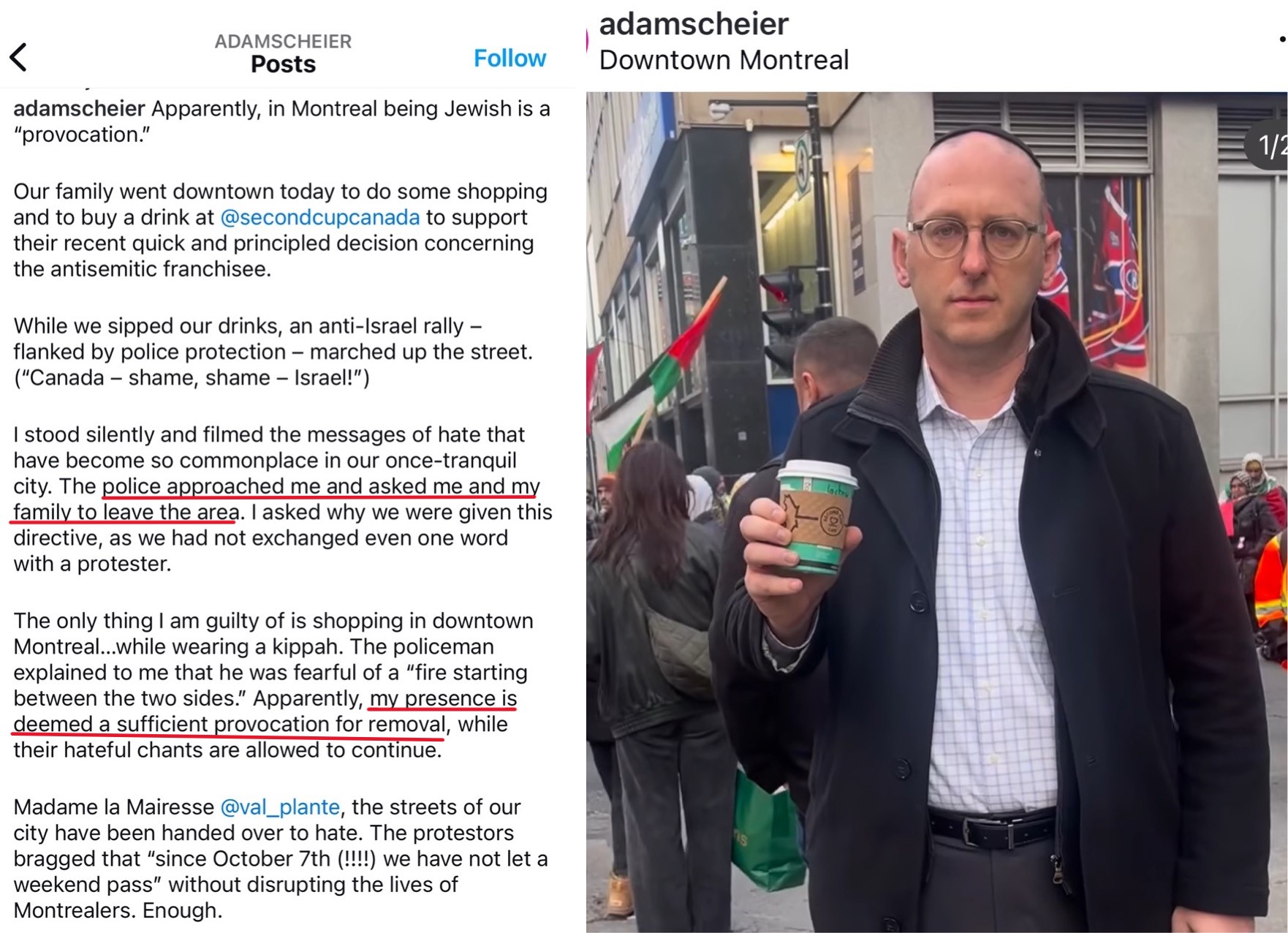
Canadian police ask Jewish family to leave the street since their “presence is deemed a sufficient provocation for removal,” in November 2024.

This is not a critique of a religion; it is an indictment of extremism and of political cowardice. The problem is not Muslim faith but those within it who preach and practice violence — and the leaders who, for fear or for votes, let those violent actors set the rules.

A democracy that permits the heckler’s veto on principle is no longer democratic; it is ruled by fear. If we are to remain free, the test is simple: do we defend rights when it is inconvenient, or only when it is safe? If the answer is the latter, then we are well on the way to living under a very different law — one written by radical mobs and enforced by silence.

US President Obama advisor Aaron Keyak tells Jews to “take off your kippah and hide your magen david” to avoid being targeted in May 2021.

President Biden set this in motion in the U.S. in May 2021 when his own Jewish advisor, Aaron Keyak, told Jews to hide their Jewishness, presumably because they should not assume that the government would protect them showing their faith publicly. In September 2024, school officials at New York’s Baruch College said it explicitly, telling Jews that they could not “guarantee their security” if they held a celebration for Rosh Hashana.

We have set the stage for Democratic-Socialist Zohran Mamdani to become mayor of the city with the largest Jewish diaspora community in the world. Where police will not only suggest that Jews stay off the streets but may be directed by the mayor to arrest Jews because their very presence is deemed a provocation.

The Weight of Nations

“Why do the nations rage, and the peoples plot in vain?” — Psalm 2:1

Saudi Arabia – the kingdom which Israel hoped would next join the Abraham Accords – sought to pressure Israel into ending its defensive war in Gaza by rallying nations of the Global North to recognize a State of Palestine. It found a partner in France, which successfully pulled the United Kingdom, Canada, and Australia into the orbit of recognition. In September 2025 at the United Nations, the group jointly declared their acknowledgment of a Palestinian state—with caveats—but the symbolism was unmistakable.

Israel did not budge. It viewed the coordinated announcement as an alarming reward for the genocidal Hamas regime that had unleashed war on October 7 two years earlier.

Enter the United States. President Donald Trump had tasked developer and confidant Steve Witkoff to lead a back-channel negotiation with Hamas for the release of Israeli hostages and an end to hostilities. Jared Kushner joined the effort more forcefully in September, unveiling a “20-point plan” aimed at ending the two-year war and reshaping the region’s political future.

To counter the Saudi-French gambit, Trump built his own coalition. The U.S. secured the backing of several Arab and Muslim nations from the Global South—including Qatar, Jordan, the United Arab Emirates, Indonesia, Pakistan, Türkiye, Saudi Arabia, and Egypt —for its peace framework. By October, the administration succeeded in gathering the leaders of 27 countries from across the North and South, including some that had just recognized Palestine, to fly to Egypt to sign what was billed as a ceasefire agreement.

A summit to support ending the more than two-year Israel-Hamas war in Gaza after a breakthrough ceasefire deal, Monday, Oct. 13, 2025, in Sharm El Sheikh, Egypt labeled “Peace 2025”

It was a mirage. Neither of the warring parties—Israel or Hamas—attended. The event was instead diplomatic theater, meant to transform a ceasefire proposal into a movement for regional peace. Trump designed the event to flip the script.

Where Saudi Arabia and France tried to impose the weight of the Global North on Israel, the United States sought to use the combined weight of both hemispheres on Hamas. The former demanded an immediate path to a two-state solution; the latter demanded the end of Hamas rule.

The Moral Gravity

The story of this moment is not only about geopolitics, but about moral gravity. The nations of the world have grown accustomed to weighing Israel’s every move while ignoring the crimes of its enemies. They call for “balance” in a war that began with mass murder, rape, and hostage-taking. They lecture the victim to compromise while the aggressor reloads. The UN Security Council could have easily passed resolutions to push for an end to the war if they had just condemned Hamas, but repeatedly refused to do so.

The weight of nations once meant the defense of justice and the pursuit of peace. Today, it is too often the ballast of perfidy—dragging down the innocent under the pretense of even-handedness.

Israel, standing increasingly alone, may yet prove that the true measure of a nation is not in the number of its allies, but in the steadiness of its conscience. It is fortunate to have President Trump in the White House as it shoulders this weight once again.

The tight bond between Israel and the United States has continued, despite Americans starting to sour on Israel since 2015.