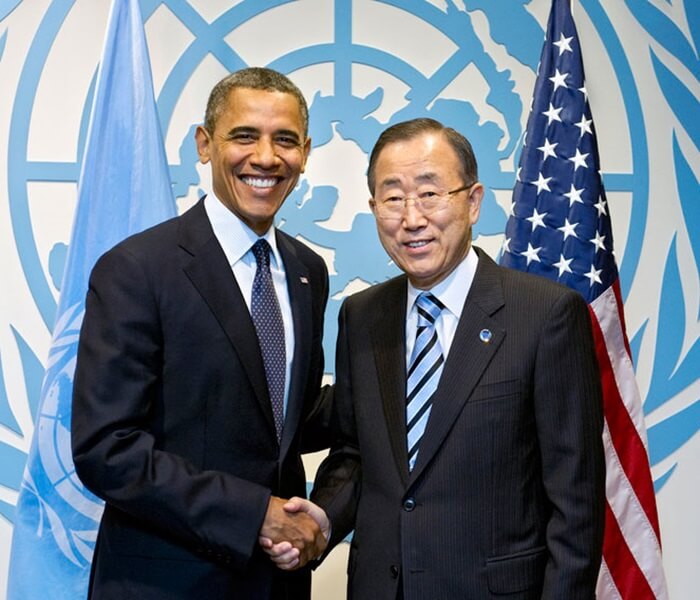
Every Picture Tells a Story: Goodbye Peres

The “Every Picture Tells a Story” series has exposed the long history of the New York Times in using its pictures and captions to portray Israelis as militant occupiers and Palestinian Arabs as victims.  However, one would imagine that the paper would rally behind one of its heroes: the liberal Israeli statesman and winner of the Nobel Peace Prize, Shimon Peres. But at the funeral of Peres, the Times once again dismissed the Israeli leader and promoted the Palestinian Arabs.

Consider first the coverage by the conservative newspaper the Wall Street Journal:

20161001_194726
Cover of the Wall Street Journal, Saturday October 1, 2016

The top half of the front page contained three pictures from the funeral of Shimon Peres, two of which portrayed the Israeli flag-draped coffin of the esteemed leader. The pictures were of: the honor guard carrying the coffin of Peres; Israeli Prime Minister shaking hands and welcoming acting-President of the Palestinian Authority Mahmoud Abbas; and US President Barack Obama with a somber expression placing his hand on the coffin.

The caption of the picture read:

“HONORED: Members of a Knesset guard carry the flag-draped coffin of the late Israeli statesman Shimon Peres; Israel Prime Minister Benjamin Netanyahu greets Palestinian Authority President Mahmoud Abbas; and President Barack Obama takes a moment.”

The Wall Street Journal led with the word “honored” of the “late Israeli statesman.” It showed world leaders like Obama and Netanyahu considering the Israeli leader. It led the entire collage with a bold header “World Leaders Say Farewell to Israel’s ‘Biggest Dreamer.‘”

A respectful farewell by the paper indeed.

Contrast that with the New York Times picture and caption.

20161001_194737
Cover page of New York Times October 1, 2016

On the bottom half of the front page was a single picture. It featured no Israeli flags. It did have Israeli Prime Minister Netanyahu or US President Obama.

It featured Mahmoud Abbas, front-and-center.

The caption read:

“Mahmoud Abbas, the Palestinian president, center, at the funeral of Shimon Peres on Friday.”

Not only did the caption pay no homage to Peres, it focused squarely on “the Palestinian president.”  But there is no country of Palestine recognized by the United States or Israel. Abbas is simply the acting-President of the Palestinian Authority, whose term expired close to eight years ago.

The title of the article stated: “World Leaders Gather to Mourn Peres, and Possibly His Dream.” Is a reader to infer that Abbas is a world leader? That he’s the president of a country? That Peres ended life as a failure?

It is both remarkable and frightening that a paper that theoretically loved the liberal Israeli leader, would opt to belittle him as their eulogy.

Or perhaps this was yet another declaration of the NYT, that the Jewish State never deserves a tribute.


Related First.One.Through articles:

Every Picture Tells a Story, the Bibi Monster

Every Picture Tells a Story: Versions of Reality

Every Picture Tells A Story: Only Palestinians are Victims

Every Picture Tells a Story: The Invisible Murdered Israelis

Every Picture Tells a Story: Arab Injuries over Jewish Deaths

Every Picture Tells a Story- Whitewashing the World (except Israel)

New York Times’ Lost Pictures and Morality for the Year 2015

Every Picture Tells a Story, Don’t It?

Subscribe YouTube channel: FirstOneThrough

Join Facebook group: FirstOne Through  Israel Analysis

Obama’s “Palestinian Land”

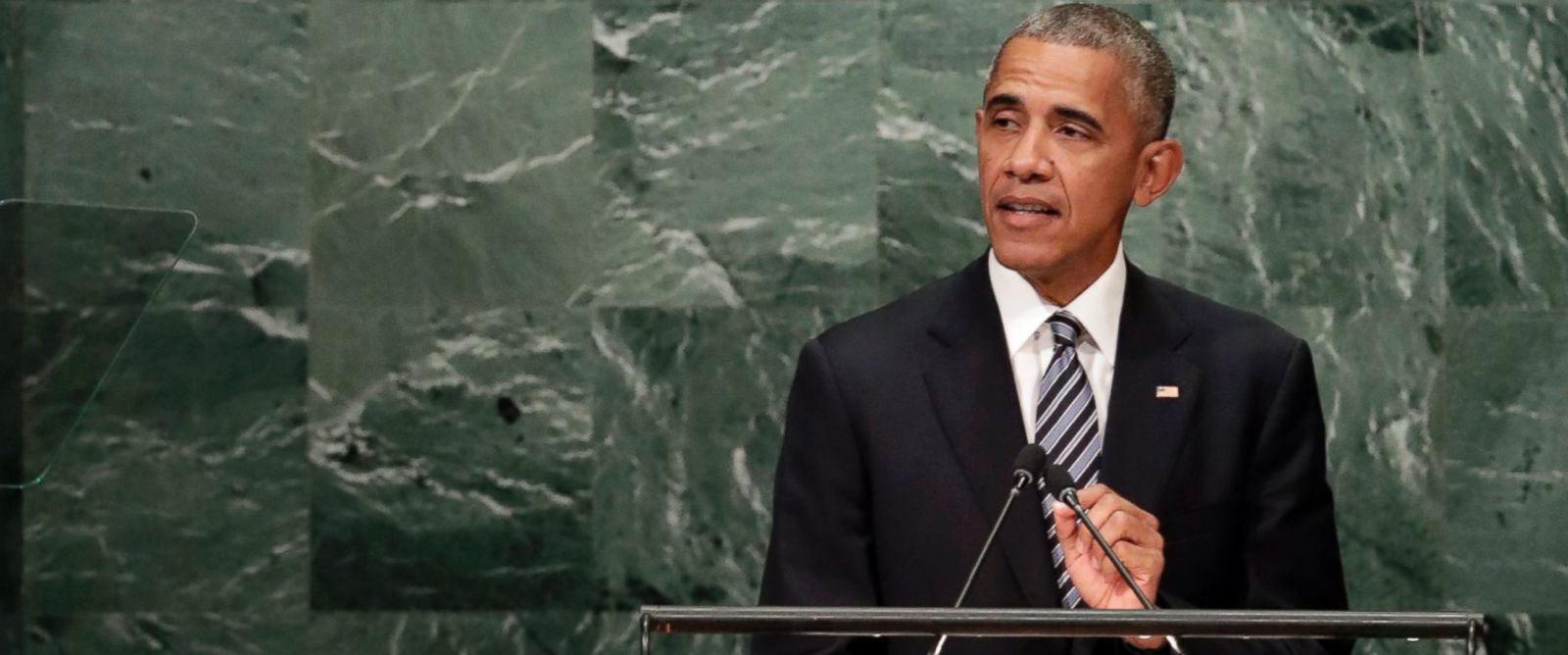
On September 20, 2016, US President Barack Obama spoke at the United Nations General Assembly in New York City. His passing comment on Palestinian Arab-Israel conflict underscored why peace did not advance, and his relationship with Israel worsened over his term.

obama-un2016
US President Barack Obama addressing the United Nations
September 20, 2016

Obama’s UN remarks covered a lot of activities during his eight years in office, including the Iranian nuclear deal; opening relations with Cuba; and tackling climate change. He spoke about the Arab-Israeli conflict very briefly, but the remark was telling:

“…surely, Israelis and Palestinians will be better off if Palestinians reject incitement and recognize the legitimacy of Israel, but Israel recognizes that it cannot permanently occupy and settle Palestinian land.  We all have to do better as leaders in tamping down, rather than encouraging, a notion of identity that leads us to diminish others.”

“Palestinian land.”  What exactly is Palestinian land, according to the parties themselves? According to the United States? According to Obama?

Oslo Agreements

Since 1993, successive US governments have stood behind the Oslo Accords signed by both the Palestinian Authority (PA) and Israel, and its successor document, Oslo II signed in 1995.  That document was the last agreement signed by the two parties to settle the “Question of Palestine.”

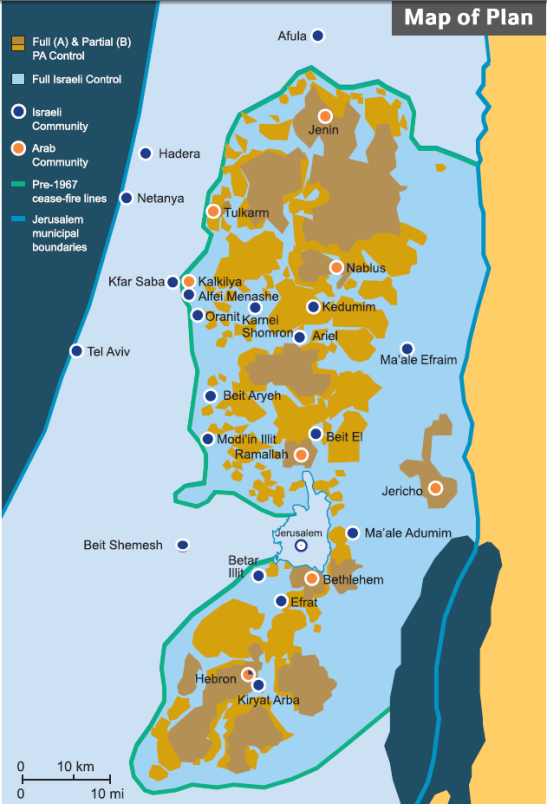
Oslo II clearly spelled out what was “Palestinian land” to be fully governed by the Palestinian Authority in regards to military and civil administration.  That area is known as “Area A” in EGL (east of the Green Line) and the Gaza Strip.  Israel handed over all of that land to the Palestinians over a decade ago.

“Area B” in EGL/west bank of the Jordan River, is a mixed territory, in which the Palestinian Authority has responsibilities for civil matters, and military matters are coordinated jointly.  That land is neither “Palestinian Authority” nor “Israeli” exclusively.

“Area C” makes up the majority of EGL, and is “Israeli Territory,” in which Israel administers all matters, including civil and security responsibilities.

egl
Map showing Areas A, B and C, east of the Green Line

The Israelis and Palestinians negotiated and agreed to the contours of these three blocks.  The parties also worked on a plan for additional land to be transferred from “Israeli Territory” to “Palestinian Authority Territory” over the years 1995 to 2000.  However, Yasser Arafat (fungus be upon him) rejected those negotiations at the last moment, and launched the Second Intifada in September 2000, as the interim Oslo II Accord was due to become permanent.  As such, no additional transfer from Israeli Territory to Palestinian Authority Territory has occurred.

As every US administration has pushed for the two parties to negotiate a two-state agreement on the basis of the Oslo Accords, there is NO BASIS for Obama to refer to Area C as “Palestinian Land.”  That land will continue to be Israeli land until such time as they agree to transfer parts of it to the PA.

As there is no Israeli “occupation” or “settlement” activity in the Israeli territory of Area C, Obama’s mischaracterization of Israeli actions in that land that they legally administer explains his comments and treatment of Israel since he took office in 2009.

Mandate of Palestine

It is also worth noting that international law, established in the 1920 San Remo agreement and the 1922 Mandate of Palestine, specifically gave Jews the legal rights to live and settle throughout Judea and Samaria (the entity known as EGL/West Bank did not even exist when five Arab armies illegally attacked Israel (1948-9) and Jordan annexed the region in 1950.)

The Palestine Mandate stated:

“secure the establishment of the Jewish national home, as laid down in the preamble, and the development of self-governing institutions, and also for safeguarding the civil and religious rights of all the inhabitants of Palestine, irrespective of race and religion” (Article 1) Jews were to have full civil rights throughout Palestine, such as buying and building homes.

“The Mandatory shall be responsible for seeing that no Palestine territory shall be ceded or leased to, or in any way placed under the control of the Government of any foreign Power.” (Article 5) which Britain did anyway when it separated the east bank of the Jordan River to the Hashemite Kingdom, but which wasn’t a foreign power.

“The Administration of Palestine, while ensuring that the rights and position of other sections of the population are not prejudiced, shall facilitate Jewish immigration under suitable conditions and shall encourage, in co-operation with the Jewish agency referred to in Article 4, close settlement by Jews on the land, including State lands and waste lands not required for public purposes.” (Article 6) specifically stating that Jews were to settle throughout Palestine, including lands that Obama believes Jews “occupy”.

“The Administration of Palestine shall be responsible for enacting a nationality law. There shall be included in this law provisions framed so as to facilitate the acquisition of Palestinian citizenship by Jews who take up their permanent residence in Palestine.” (Article 7) in which Jews do not only move and settle the land, but become citizens of the country if they live ANYWHERE in the land, including Judea and Samaria.

“No discrimination of any kind shall be made between the inhabitants of Palestine on the ground of race, religion or language. No person shall be excluded from Palestine on the sole ground of his religious belief.” (Article 15) clearly states that no person should be barred from living anywhere in the land just because they are Jewish – as if human rights law wasn’t enough.

International law – and human rights law – clearly allow Jews to live throughout EGL/the West Bank. The Oslo Accords signed between the parties specifically state that Israel controls all of Area C until such time as the parties negotiate the transfer of more lands.

The notion that Jews living in houses that they have every legal and moral right to live in, is somehow connected to Obama’s belief of a “permanent occupation of Palestinian land” is false, misleading and arguably anti-Semitic on every level.


Related First.One.Through articles:

Palestinians agree that Israel rules all of Jerusalem, but the World Treats the City as Divided

The Illogic of Land Swaps

The Legal Israeli Settlements

Names and Narrative: Palestinian Territories/ Israeli Territories

Names and Narrative: The West Bank / Judea and Samaria

The Left-Wing’s Two State Solution: 1.5 States for Arabs, 0.5 for Jews

Nicholas Kristof’s “Arab Land”

New York Times’ Tales of Israeli Messianic War-Mongering

The Long History of Dictating Where Jews Can Live Continues

Recognition of Acquiring Disputed Land in a Defensive War

Subscribe YouTube channel: FirstOneThrough

Join Facebook group: FirstOne Through  Israel Analysis

What’s “Outrageous” for the United Nations

The United Nations Secretary General Ban Ki Moon has never been a huge fan of Israel.  He has used his ten years as USGC to condemn Israel and excuse the Palestinian Authority repeatedly.  In June of 2016 he opted to stand in the Gaza Strip near the area where jihadist militants fired into Israeli civilian areas and declare that “I stand with the people of Gaza to say that the United Nations will always be with you.”

As he enters the homestretch of his terrible tenure, Ban Ki Moon found a particular remark by a world leader to be beyond comprehension.

It was not the leader of Iran who declared his intension of wiping Israel off of the map.

It was not the leader of Russia who invaded Crimea.

It was not the leader of North Korea testing nuclear weapons.

It was not the leader of Syria that has fought a civil war claiming nearly half a million lives.

Ban Ki Moon did not ignore those actions or comments.  He did condemn them.  But he also seemed to think they had a certain logic.  They were bad, but understandable.

However, there is a world leader who declared something that was beyond his comprehension.  Something “outrageous.”

Not surprisingly, Ban Ki Moon focused on Israeli Prime Minister Benjamin Netanyahu who impolitely pointed out a plain fact: that acting-President of the Palestinian Authority Mahmoud Abbas has insisted on a new state of Palestine in the Jewish biblical homeland to be devoid of Jews.

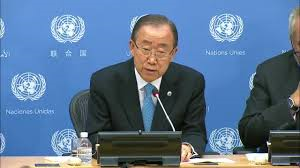
“I am disturbed by a recent statement by Israel’s Prime Minister portraying those who oppose settlement expansion as supporters of ethnic cleansing. This is unacceptable and outrageous.”     Ban Ki Moon, September 15, 2016

There is no denying that Abbas has stated his intentions clearly.  It is also true that Ban Ki Moon supports the anti-Semitic request.  But to be called out on it by the Israeli leader – using the same language that Abbas uses for Israel – was too much for the USGC to accept.

The UN only sanctions the term “ethnic cleansing” in the Israeli-Arab Conflict, if Arabs use it for Israel.

ban-ki-moon-9-16
UN Secretary General Ban Ki Moon
September 2016

But can you blame the UN?  For centuries the world was comfortable dictating where Jews could live, whether in ghettoes, the Pale of Settlement, or forcible expulsions.  Not of the Arabs.  Not of Sikhs.  Not Blacks.  Only Jews.

And for the head of the United Nations to have to listen to the Jewish leader attack his adopted wards, was beyond his ability to cope.

Ban Ki Moon already declared that he stands with Gaza. He has voiced his excitement to see the terrorist group Hamas participate in Palestinian elections. (He also stated that he was shocked to learn that Hamas wanted to kill to Jews, even though its written clearly in its charter and its leaders declare the intentions daily in the media).

And all of that fits in the United Nation’s worldview.

The UN expects Israel to behave badly and condemns it more than Iran, China and Russia combined.  But Netanyahu’s comments drove the UNSG beyond disgust to outrage.

What is “outrageous” for the UN, is for the Jewish State to declare that it is through being the only people on the planet that are banned from living in certain lands, let alone their historic homeland that international law specifically gave them. Outrageous that Jews are not be satisfied to live in a fraction of their homeland without rights to their holiest place.  Outrageous for Jews to have the temerity to talk truth to power.

Where is your outrage?


Related First.One.Through articles:

The United Nation’s Ban Ki Moon is Unqualified to Discuss the Question of Palestine

The UN Can’t Support Israel’s Fight on Terrorism since it Considers Israel the Terrorists

The United Nations’ Ban Ki Moon Exposes Israeli Civilians

The Only Religious Extremists for the United Nations are “Jewish Extremists”

The UN is Watering the Seeds of Anti-Jewish Hate Speech for Future Massacres

UNRWA’s Ongoing War against Israel and Jews

The UN Fails on its Own Measures to address the Conditions Conducive to the Spread of Terrorism

Subscribe YouTube channel: https://www.youtube.com/user/FirstOneThrough

Join Facebook group: Israel Analysis

“Ethnic Cleansing” in Israel and the Israeli Territories

The term “ethnic cleansing” has been used often in the Arab-Israeli conflict.  The reactions to the comment are in inverse relation to the truth.

Palestinians Claim
of Israeli “Ethnic Cleansing”

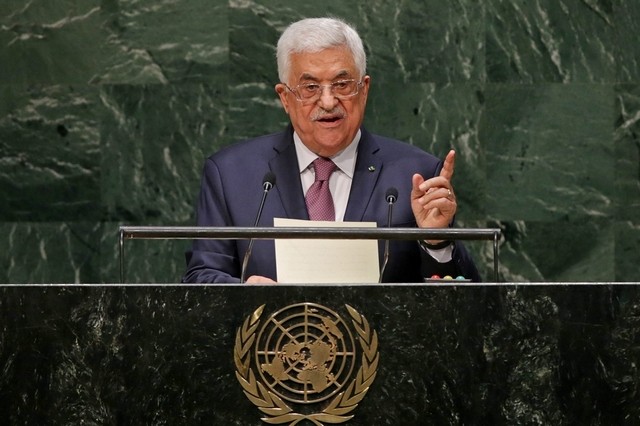
In 2012, the acting-President of the Palestinian Authority, Mahmoud Abbas, stood at the United Nations and claimed that Israel was engaged in “ethnic cleansing” of Palestinian Arabs.  At first, he spoke about “ethnic cleansing” when Israel declared independence:

“The Palestinian people, who miraculously recovered from the ashes of Al-Nakba of 1948, which was intended to extinguish their being and to expel them in order to uproot and erase their presence, which was rooted in the depths of their land and depths of history. In those dark days, when hundreds of thousands of Palestinians were torn from their homes and displaced within and outside of their homeland, thrown from their beautiful, embracing, prosperous country to refugee camps in one of the most dreadful campaigns of ethnic cleansing and dispossession in modern history.”

Abbas neglected to say that the Palestinian Arabs left their homes while their fellow Arabs launched an attack on the nascent Jewish State to destroy it completely.  The Arabs failed in their genocidal quest.  Yet for its part, Israel granted all of the Arabs living in its territory full citizenship.  A complete inversion of his claim that Israel “intended to extinguish their [Arab] being and to expel them in order to uproot and erase their presence.”

Abbas continued to claim that Israel was engaged in “ethnic cleansing” to this day:

“We have not heard one word from any Israeli official expressing any sincere concern to save the peace process. On the contrary, our people have witnessed, and continue to witness, an unprecedented intensification of military assaults, the blockade, settlement activities and ethnic cleansing, particularly in Occupied East Jerusalem, and mass arrests, attacks by settlers and other practices by which this Israeli occupation is becoming synonymous with an apartheid system of colonial occupation, which institutionalizes the plague of racism and entrenches hatred and incitement.”

Abbas conveniently neglected to mention the hundreds of rockets fired from Gaza into Israel throughout 2012. He also neglected to mention that Israel left Gaza in 2005, allowing the Palestinian Arabs to rule themselves for the first time in hundreds of years.

No matter.  The people at the United Nations gave Abbas a standing ovation.

abbas-at-un
Acting-President of the Palestinian Authority Mahmoud Abbas
addressing the United Nations in 2012

United Nations Claim
of Israeli “Ethnic Cleansing”

In 2014, the “Special Rapporteur on the occupied Palestinian territories” (yes, that’s an actual title) whose job it is to report on Israelis, declared that Israel was committing “ethnic cleansing” in East Jerusalem.

“The continued pattern of settlement expansion in East Jerusalem combined with forcible eviction of long residing Palestinians are creating an intolerable situation that can only be described, in its cumulative impact, as a form of ethnic cleansing.”

The facts are the exact opposite: the Arabs in Jerusalem are growing faster than the non-Arab population.

As detailed in “Arabs in Jerusalem,” the Arab population in Jerusalem now stands at 36% of the city, up from 26% when the city was reunited in 1967.  From 1967 to 2011, the Arab population in the city grew by 5.7 times, while the Jewish population in the Israeli capital only grew by 3.4 times over the same period.

No matter the facts. “The Special Rappoteur “called on the Council to undertake efforts to have the UN’s top court, the International Court of Justice (ICJ), assess allegations that the prolonged occupation of the West Bank and East Jerusalem possess elements of “colonialism,” “apartheid” and ‘ethnic cleansing.'”

No comments from United States or anyone else about the absurd and caustic statements, nor on the lunatic who made them (who incidentally, is a big 9/11 conspiracy theorist).

Israeli Prime Minister Claims
of Palestinian “Ethnic Cleansing”

In September 2016, Israeli Prime Minister Benjamin Netanyahu accused the Palestinians of “ethnically cleansing” Jews from their historic homeland of Judea and Samaria / the West Bank.  Netanyahu made his statement because Abbas has stated he cannot accept a single Israeli living in a new state of Palestine.

Netanyahu did not even bring up a variety of other Palestinian Authority laws, as detailed in “Abbas Knows Racism,” such as:

  • Palestinian Authority law that condemns any Arab that sells land to a Jew to death.
  • Palestinian universities bar entry to Jews

The origins of Arab ethnic cleansing of Jews dates back decades, to when the Jordanians illegally annexed eastern Jerusalem and the West Bank in 1950 and expelled all of the Jews from the area.  Jordan then passed a citizenship law in 1954 that specifically EXCLUDED Jews from being granted citizenship in their own homeland.

“Any person who, not being Jewish, possessed Palestinian nationality before 15 May 1948 and was a regular resident in the Hashemite Kingdom of Jordan between 20 December 1949 and 16 February 1954″ (Article 3)

So what was the world reaction when Netanyahu finally stated some clear and obvious facts?  Condemnation.

The spokesperson for the US State Department responded to the Netanyahu video: “We believe that using that type of terminology is inappropriate and unhelpful.”

When Abbas heard that Netanyahu used the “ethnic cleansing” charge, Abbas doubled-down by saying again that Israel uses “ethnic cleansing” against the Palestinians.

No comment from the State Department about Abbas’s use of the term.

The current United States administration and United Nations have no time or interest for Israelis stating simple truths. It would appear, that if you want the world to agree and applaud, you would best be served by denying facts like the Palestinian Arabs.


Related First.One.Through articles:

Palestinians of Today and the Holocaust

The Long History of Dictating Where Jews Can Live Continues

The UN Fails on its Own Measures to address the Conditions Conducive to the Spread of Terrorism

Names and Narrative: Genocide / Intifada

The Left-Wing’s Two State Solution: 1.5 States for Arabs, 0.5 for Jews

The US State Department Does Not Want Israel to Fight Terrorism

Subscribe YouTube channel: FirstOneThrough

Join Facebook group: FirstOne Through  Israel Analysis

Names and Narrative: “Palestinians” versus Palestinian Arabs / Israeli Arabs

History and politics can sometimes be analyzed on the usage of language as much as policy. The Names and Narrative series reviews how language oftentimes changes the nature of the narrative in the Israel-Arab conflict.

Nouns and the Range of Adjectives

An important component in considering language is the distinction between nouns and adjectives.  A noun is the key element of English sentences.  The noun is the focus of language; the item that commits actions.  In comparison, an adjective is the modifier of the noun, that helps describe the noun more explicitly.

But not all adjectives are the same. In some cases, adjectives can become nouns themselves.

Consider a simple noun like “table.” Describing a “wooden table” would give more context to the table, differentiating it from other tables like a glass table.  As such, “wooden” would be an adjective.  However, it is an adjective that is factual and embedded in the noun “wooden table.”  The two words cannot be separated – the table is, and always will be, made of wood.  I call this an “embedded adjective.”

Compare this to other adjectives for the table.  The table may be a “painted wooden table,” or “a rectangular wooden table.”  In these examples, “painted” and “rectangular” are also adjectives that describe the wooden table.  But these adjectives are not forever tied to the table.  The table could be stripped, and become unpainted.  It could be cut and become a square.  These adjectives are therefore not embedded in the noun, but a semi-permanent description of the noun.

There are also adjectives that are based on a relative position. Consider a “long table” or a “high table.”  A table could be viewed as long or high only relative to something else.  Describing a table in such fashion brings a person’s vantage point into the description.  These are “relative adjectives.”

Lastly there are adjectives that relay a person’s preferences. A “pretty table” conveys the author’s own sense of beauty.  The table itself is not inherently pretty- it is simply an opinion of a single person.  This “subjective adjective” is the polar opposite of an embedded adjective.

Consider the use of adjectives – embedded, relative and subjective – as they relate to the Israeli-Arab conflict in a single expression: Palestinian Arabs.

From Many Palestinians to Exclusively Palestinian (Arabs)

The Holy Land was renamed “Palestine” roughly 2000 years ago by the Romans who defeated the Jewish kingdom. The name stuck even when the Romans departed hundreds of years later.  Arabs from the Arabian Peninsula took over the region when they came as part of the Muslim invasion in the 7th century.  The Ottomans (Muslims, but not Arabs) also kept the name Palestine when they controlled the region as part of their empire for 400 years which ended at World War I.

There were many people that lived in the region during this time. They referred to themselves as Palestinian Arabs or Palestinian Jews or Palestinian Christians.  There was no consideration that “Palestinian” meant only one particular type of person, and “Palestinian” was a subjective adjective (people used it for themselves) and relative adjective (they lived in Palestine and not somewhere else).

That changed during the 20th century.

As world powers that defeated the Ottoman Empire considered breaking the empire into distinct countries (which were to become countries known today as Iraq, Syria and others), they looked to facilitate the reestablishment of the Jewish homeland in Palestine. They developed international laws in 1920 and 1922 known as the San Remo Agreement and the Mandate of Palestine, respectively, which sought to facilitate additional Jewish emigration to Palestine, an area which today covers Israel, Gaza, the “West Bank” and Jordan.

That did not make the local Arabs happy.

The British quickly divided Palestine into two parts, giving the area east of the Jordan River to the Hashemite family in what became the state of Transjordan. Arabs in remaining part of Palestine rioted against the Jews throughout the 1920s and 1930s.  By the end of the 1930s, the Arabs had effectively convinced the British who administered the Mandate of Palestine to stem the tide of Jewish emigration, and make entire sections of Palestine Jew-free (in edicts known as the White Papers).

When the British ended their administration of the Palestine Mandate in 1948, Jews declared an independent state of Israel. Five Arab countries invaded the nascent state, with a war that ended in 1949.  By war’s end, the area known as Palestine was split yet again, with the western half becoming Israel and the eastern half becoming the illegally annexed “West Bank” of TransJordan.  Gaza was taken over by Egypt.  Palestine was no more.

The Jordanians expelled all the Jews from their newly conquered territory.  They granted Jordanian citizenship to all Arabs living east of the 1949 Armistice Lines.  Their citizenship laws clearly and explicitly EXCLUDED Jews from obtaining Jordanian citizenship.

Some of the Arabs in the West Bank who were granted Jordanian citizenship were not happy with the Jordanian arrangement. They preferred their own autonomy and country and not to be part of Jordan.  As such, in 1964, the Palestinian Liberation Organization (PLO) was created.  Its goal was a new Arab country in all land west of the Jordan River – in Gaza, the West Bank and Israel.  They sought to destroy Israel and replace it with a new state of Palestine.  As they did so, they created new definitions for Palestine and a Palestinian in the PLO Charter:

At first, the charter continued to use the historic formula of noun and adjective of “Palestinian Arab.” Each of the charters preambles began with “We, the Palestinian Arab people.”  However, the charter then went on to describe the land as inherently “Arab” with ties to the rest of the Arab world:

“Palestine is an Arab homeland bound by strong national ties to the rest of the Arab Countries and which together form the large Arab homeland.” (Article 1)

That statement stripped the land from non-Arabs that lived and ruled in the territory for thousands of years. It turned the physical ground into “Arab land,” a subjective adjective. The Arabs think of the land as Arab.  However, that terminology became incorporated into the left-wing media’s dictionary as an embedded adjective, as if the land were really inherently Arab (further described in “Nicholas Kristof’s ‘Arab Land’.)

The PLO Charter continued to extend the argument that only Palestinian Arabs have rights to “Arab land”:

“The Palestinian Arab people has the legitimate right to its homeland and is an inseparable part of the Arab Nation. It shares the sufferings and aspirations of the Arab Nation and its struggle for freedom, sovereignty, progress and unity.” (Article 3)

After declaring that the land was inherently Arab and the Palestinian Arabs were the logical possessors of the Arab land, the charter took the next step of defining a “Palestinian” in a new manner:

“The Palestinians are those Arab citizens who were living normally in Palestine up to 1947, whether they remained or were expelled. Every child who was born to a Palestinian parent after this date whether in Palestine or outside is a Palestinian.” (Article 6)

From this date, a new term of “Palestinian” was created to refer exclusively to Arabs.

The PLO did make a provision that some Jews could be “considered” Palestinian (as opposed to actually being Palestinian) in a further affront as stated in their modified 1968 PLO Charter:

“The Jews who had normally resided in Palestine until the beginning of the Zionist invasion will be considered Palestinians.” (Article 6)

Did the Palestinian Arabs claim that the “Zionist invasion” (of “Arab Land”!) began in the 1880s with the first aliyah? In 1917 with the Balfour Declaration? In 1948 with the declaration of Israeli independence? The Palestinian Arabs certainly didn’t think it was 3700 years ago when Jews moved into the region and formed several kingdoms. Of course they wouldn’t allow their descendants (the Jewish people) to be considered Palestinian too.

When the Jordanians (as well as Palestinian Arabs who were granted Jordanian citizenship) attacked Israel again in 1967 and lost the “West Bank” which they had illegally annexed, the Palestinian Arabs witnessed yet more of their “Arab land” fall under non-Arab control, and the war of land and language intensified.

Names and Narrative:
Palestinians versus Palestinian Arabs and Israeli Arabs

In the politics of language, the debate of using “Palestinians,” “Palestinian Arabs,” and “Israeli Arabs” has become a debate over narratives.

Adalah, an organization established in 1996 that seeks to dismantle the Jewish State, feels strongly about using the PLO’s definition of “Palestinian” and objects to calling them “Palestinian Arabs” or “Israeli Arabs” if they are citizens of Israel.

Consider Adalah’s opening in ther “Inequality Report” of what it considers the racist state of Israel:

“Palestinian citizens of the state [of Israel] comprise 20% of the total population, numbering almost 1.2 million people. They remained in their homeland following the establishment of the State of Israel in 1948, becoming an involuntary minority.”

This formula of “Palestinian citizens of Israel,” rejects the notion of “Israeli Arab.” As such, Adalah seeks to deny the standard adjective-noun term, as much as they reject the historic usage of “Palestinian Arab” and “Palestinian Jew.”

This anti-Jewish State organization does this as a matter of principle.

Subjective adjectives can be parsed and separated. A “Palestinian Arab” both means that there are non-Arab Palestinians, and Arabs that are not Palestinians.

Land = People: As noted above, the PLO sought to declare that all Palestinians are Arabs.  “Palestinian” and “Arab” are inseparable terms, now morphed into the exclusively Arab “Palestinians.”  Stating that the land’s people are only Arab, denies both the history and rights of Jews in the land.

People = Land: Just as important to many anti-Zionists, if the two terms of “Palestinian” and “Arab” are used, they can be separated.  That suggests that the people can be separated from the land.  Does a Jordanian Arab that moves to Egypt stay a Jordanian Arab for generations, or do those descendants eventually become Egyptian?  The Palestinian Arabs produced a bizarre definition that demands that “Palestinians” – regardless of where they have lived for generations – be permanently referred to as Palestinians.

(This absurdity is compounded by the fact that more Arabs than Jews moved to the holy land under the British administration of 1922 to 1948. How do Iraqi Arabs that moved to Haifa in 1930 – and all of their descendants, regardless of their citizenship – become “Palestinians” forever, while a Jew who came from Russia at the same time becomes only a semi-permanent Israeli Jew, only while he lives there.)

Further, as there is no country called Palestine at this time, what does a “Palestinian citizen of Israel” mean? That Israel is simply in a de facto state of existence and the Arabs have citizenship of that entity, but that Israel is occupying the underlying true state of Palestine?  Or that only Palestinians are truly part of the fabric of the land itself?
dsc_0881
Israeli Arab farmers in the Galilee
(photo: First.One.Through)

Pro-Zionists should never use the term “Palestinians”

As detailed above, the pro-Israel community should always use the terms “Palestinian Arab” (or stateless Arabs until if/when a new state of Palestine is created), or “Israeli Arabs” and reject using “Palestinians” as it furthers a flawed and anti-Zionist narrative.

Using “Palestine” and “Palestinians”:

  • Rejects the 3700-year history of Jews in the holy land
  • Declares that the land is inherently “Arab”
  • Argues that the Jewish State is simply in a de facto existence, while the underlying Arab nature of the land is permanent
  • It facilitates removing the Jewish , Zionist “invaders” from EGL (east of the Green Line)/ West Bank in the near-term, and from Israel in the longer-term.

“Israeli Arab” and “Israeli Jew” are relative and subjective terms, similar to “Palestinian Arab.” Do not get caught in the trap of pretending that a “Palestinian” is an embedded term, in which the holy land is Arab, nor those Arabs are permanently Palestinian.


Related First.One.Through articles:

Names and Narrative: Palestinian Territories/ Israeli Territories

Names and Narrative: The West Bank / Judea and Samaria

Names and Narrative: Genocide / Intifada

Names and Narrative: CNN’s Temple Mount/ Al Aqsa Complex Inversion

New York Times Lies about the Gentleness of Zionism

Elie Wiesel on Words

Subscribe YouTube channel: FirstOneThrough

Join Facebook group: FirstOne Through  Israel Analysis
 

Israel Has Returned Excellent Wine Making Back to the Middle East

There is one country in the Middle East that has reintroduced the art of wine making to international acclaim, after centuries of barely producing any wine at all: Israel.

Ancient History of Wine in the Holy Land

The Old Testament is full of stories of the use of wine in the Holy Land, and Judaism features wine prominently in many of its commandments.

Ancient synagogues in Israel are replete with vines and grapes adorning mosaics and columns in the Galilee, Golan Heights and Judea and Samaria. The architecture and art of the Romans who ruled in the region 2000 years ago also feature grapes and wine prominently.

aronaronclose

Ancient Synagogue in the Golan Heights featuring vines and grapes
along the portals to the Torah Ark (photo: First.One.Through)

The prevalence of vineyards and wine in the Holy Land came to a stop when Arabs invaded en masse in the 7th century, bringing Islam’s ban of alcohol to the region.  Further, an earthquake in 749CE led to a destruction of most of the synagogues and buildings that featured grapes and wine in the region.

For the next 1100 years, whether ruled by Arabs or non-Arab Muslims (the Ottomans), the land barely produced any wine at all.

Jews Bringing Wine back to the Holy Land

Some of the earliest records of wineries reopening in the Holy Land include Rabbi Yitzchak Shor in 1848, and Rabbi Avram Teperberg, who opened a winery in the Old City of Jerusalem in 1870.  The modern record of the longest continually operating wineries goes to the efforts of Baron Edmund de Rothschild, who established vineyards in Palestine and shortly thereafter the winery, Carmel, with a location in Rishon Le Zion (1890) and another in Zichron Yaakov (1892).

Winemaking spread further after the Six Day War in 1967, after Israel took control of Judea and Samaria which had been illegally annexed by Jordan in 1950. Israel seized the Golan Heights from Syria in that war as well, as Syria had used that high plateau to bombard Israel’s Galilee region below it.  Israel turned both of those areas into thriving wine making regions, as they had been historically.

While there were 14 wineries in the Holy Land when the Jewish State was reestablished in 1948, there are over 200 wineries in the country today, with some estimates that include the very small wineries to being over 350 wineries.

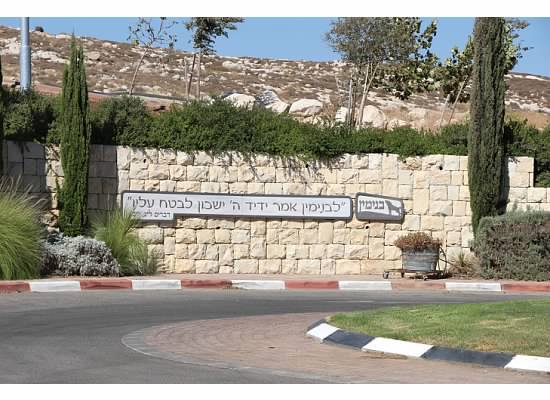
Psagot
Entrance to Psagot Winery in the Binyamin section
of Judea and Samaria/ the West Bank

(photo: FirstOneThrough)

Wine Production in the Middle East

Today, Israel stands apart from the rest of the Middle East regarding wine production. The only neighbor that approaches the Jewish State’s fondness for wine is Lebanon, which not coincidentally, has a large Christian population.

Israel produced 31 million liters of wine in 2014. Lebanon placed second with just half Israel’s volume, 15.4 million liters. Egypt only produced 3m liters, while Syria, Jordan, the Kingdom of Saudi Arabia (KSA) and the other regional countries did not rank at all.

Meanwhile, the Lebanese drink much more wine than they produce locally, 21.3m liters. In contrast, Israel consumes a small portion of the wine it produces, only 7.8m liters, and exports the rest around the world.

While the Muslim-dominated countries in the region do not produce wine, they do consume negligible amounts: Jordan consumes 373,000 liters, Egypt 225,000, KSA 114,000, and Syria just 15,000, a combined total that is less than 10% of Israel’s consumption, even while their population dwarfs Israel by over 17 times.

Medals, Awards and Notables

The Israelis have not just begun producing wine in the region again, they have perfected the art form.

Over the past several years, the Israeli wineries have produced excellent wines and have entered various competitions, including those held in Europe.  Wineries like Carmel (2010) and Golan Heights Winery (2011) even started winning top prizes at those events.

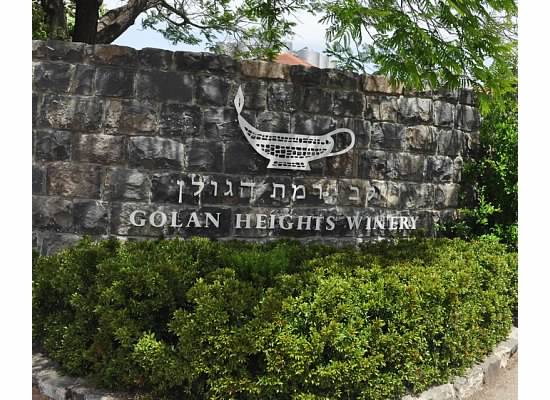
golanheights
Golan Heights Winery in Katzrin (photo: First.One.Through)

The Vineyards in Disputed Territories

Many of the award-winning wines are derived from grapes grown and wineries located in the disputed territories.

The Golan Heights was allocated to Syria under the Sykes-Picot Agreement after World War I.  Syria ruled the area until 1967, when Israel took the region from Syria to protect the Galilee region from persistent Syrian shelling.  Today, even in the midst of a bloody civil war that has claimed nearly half a million people, Syria continues to demand that the lands be returned.

golanheightsvineyards
Some Israeli vineyards in the Golan Heights
(photo: FirstOneThrough)

The land east of the 1949 Armistice “Green” Line, (east of the Green Line, EGL, or the west bank of the Jordan River) was allocated to be part of the reestablished Jewish homeland in international law in 1920 and 1922 in the San Remo Agreement and the Mandate for Palestine, respectively. However, in 1947, the United Nations sought to divide the mandate into distinct Jewish and Arab states (which the Arabs rejected). The Arabs attacked Israel in 1948, took hold of EGL in 1949, and in 1950 the Jordanians annexed the area and renamed it the “West Bank.”  The Arabs want this land for a new country to be called Palestine.

Due to the disputed nature of the Golan Heights and the EGL/West Bank, there are international efforts underway to use distinct labels for the products from these regions.  Some governments contend that labeling the products as “Made in Israel,” is inaccurate, even though countries around the world use labels in such fashion for territories regularly.  Some stores have gone further, and boycott wines and other products produced in these contested areas.  The various products made in the Israeli territories account for about $250 million in exports, or about 1% of Israel’s export economy.

It is interesting that some of the countries that lead this boycott effort are the largest consumer of wine in the world.  They include: France (#2); Italy (#3); Germany (#4); the UK (#6); and Spain (#7). One would imagine that those countries would be thrilled that Israel has brought back award-winning wine production to the region that Islam had obliterated for centuries.  The Israelis not only share their values, but export items they adore.


Israel produces a wide variety of great wines today.  The wines run from the ancient – yes ancient, as Israelis are using science to bring back old wine recipes extracted from sediment found in ancient pottery, to brand new wines like Jezreel, a new winery established by an American family that made aliyah.

For lovers of wine around the world who are thrilled to see the Jewish State bring back the holy land’s great history of producing wine which was destroyed for a thousand years, don’t just buy the wine, insist that your local store stock the shelves with Israeli wines as well.


Related First.One.Through articles:

Recognition of Acquiring Disputed Land in a Defensive War

Israel, Mother Nature’s Son

Israel, the Liberal Country of the Middle East

Subscribe YouTube channel: https://www.youtube.com/user/FirstOneThrough

Join Facebook group: Israel Analysis

The Countries that Acknowledge the Jewish Temple May Surprise You

The United Nations has been a hotbed of anti-Israel sentiment for decades. Whether the issue was war, terrorism, blockades, the security barrier, peace talks, settlements, refugees, etc., the vast majority of countries have been very vocal and very critical of Israel.

The UN also has a long history of ignoring Jewish rights to their sacred sites, as described in “The United Nations and Holy Sites in the Holy Land.” The various countries in the UN had a chance to add their own voices to that history.

In the fall of 2015, Palestinian Arabs claimed that Jews were going to overrun the Al Aqsa mosque on the Temple Mount in Jerusalem, and proceeded to kill and attempted to kill dozens of Israelis. Those events made the countries at the UN focus on discussing the Temple Mount itself. Their comments  on October 22, 2015 were interesting.

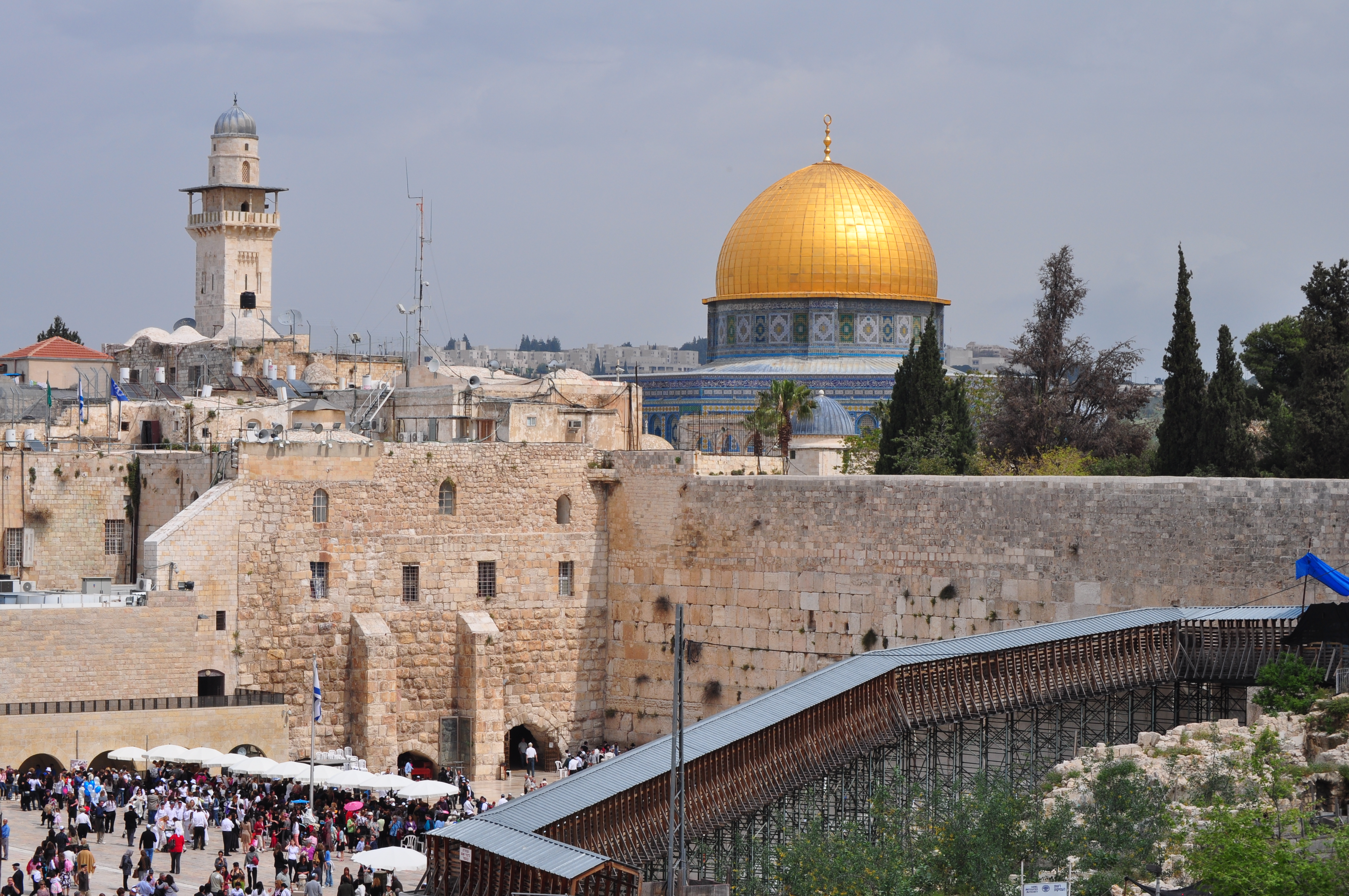
DSC_0087
The Dome of the Rock on the Temple Mount above the Kotel,
location of the First and Second Jewish Temples

(photo: FirstOneThrough)

A Muslim Holy Site

Not surprisingly, the Muslim countries referred to the Temple Mount as an exclusively Islamic holy spot.

  • “State of Palestine” called the location the “Haram al Sharif,” the Muslim name for the Temple Mount.
  • Angola discussed the “Al Aqsa Mosque,” which is Islam’s third holiest spot, located on the southern tip of the Temple Mount
  • Qatar mentioned the “Holy Shrine”

Some countries went further, and stressed that the Temple Mount compound was important only to Muslims.

  • Maldives stated “Haram al-Sharif must be restored.  Israel must stop altering the Islamic and Arabic character of the city”
  • Egypt noted that the “Holy Shrine was extremely important to more than one billion Muslims worldwide,” and said nothing about Jews
  • Iran called the site “Haram Al-Sharif, and called for respect for the rights of Muslim worshippers to pray at that site in peace.”

Others were more extreme in their calls against Israel:

  • Saudi Arabia said that “Israel had failed to protect Islamic holy sites, demolished the gates of Haram al-Sharif and turned it into a prayer place for Jews.  Israeli extremists had set fire to the Cave of the Patriarchs in Hebron”
  • Kuwait described “attacks on Al-Aqsa mosque were an unprecedented assault against the inalienable religious rights of Muslims all over the world.   The OIC reiterated the historic and present Hashemite custodianship of the Islamic and Christian holy sites in Jerusalem, including Haram Al-Sharif/Al-Aqsa Mosque.”
  • Morocco was alarmed at the situation of “Islamic holy sites. Jerusalem was the very essence of the Palestinian question and there could be no peace without clarifying the status of Al-Quds as capital of a Palestinian State.  Any harm brought against the Al-Aqsa mosque would heighten tensions.”

The surprise in the singular call of the Islamic character of the site, was that a single western country also only mentioned the Arabic and Muslim name for the site: the United Kingdom.

Just Holy Sites

Some countries avoided the controversy, like Spain, Chad, Nigeria, Norway, Korea and France, just referring to generic “holy sites.” Such language was impartial and neutral. That was perhaps logical in a tense and violent environment.

The Holy See mentioned that the location was sacred to “Judaism, Christianity and Islam.” An ACTIVELY balanced approach, which pulled all of the monotheistic religions to Jerusalem.

Turkey’s approach was a mix. Like the Holy See, it noted that “Jerusalem, a city sacred to Islam, Judaism and Christianity, should be treated with the utmost respect.” But then went on to attack Israel’s practices at the site saying that Israel was “targeting holy sites and all other provocative activities undermining the status and sanctity of Haram al-Sharif must immediately stop.  The Jordanian role as custodian of the holy sites in Jerusalem was crucial for the preservation of Haram al-Sharif as an Islamic sanctuary.”  It would appear that Turkey was willing to acknowledge the centrality of Jerusalem to Jews, just not the Temple Mount.

Most countries like: New Zealand; Venezuela; China; Chile; the United States; Russia; Sweden; Lebanon; Malaysia; Guatemala; Brazil; Japan; India; Bangladesh; Costa Rica; Kazakhstan; Iceland; Botswana; Sri Lanka; Bahrain; Cuba; and Pakistan did not mention the holy site itself.

Yes, that many countries weighed in about the situation in Israel.

Three Countries Recognize Judaism at the Temple Mount

In the long list of world condemnation, there was a silver lining, and it came from the unlikeliest of countries. Three countries besides Israel, referred to the platform as the Temple Mount, recognizing the history of Jews at the location and the sanctity of the spot in Judaism.

  • Lithuania, a country not known for being a strong Israeli ally, said that the “Haram al-Sharif/Temple Mount was a sacred place for both Muslims and Jews.”
  • Ukraine mentioned the Al Aqsa mosque, but then also said “It was important for both parties to find the courage to respect holy places in accordance with the principles specified in the fundamental international documents, particularly those of the United Nations Educational, Scientific and Cultural Organization (UNESCO), and the agreements that regulated the status of the Temple Mount complex.”
  • Zimbabwe also said that “Access to the Temple Mount and other holy sites must be preserved under the status quo arrangements.”

These are not remarkable statements by these three countries on their face. But to consider that dozens of countries – including Israel’s allies – would not recognize the centrality of the Temple Mount to Judaism, does make their statements noteworthy.

Ukraine has a long history of anti-Semitism, but it was among the few countries that referred to the site by its historic Jewish name.  The three countries did go on to chastise Israel for actions on the Temple Mount, but at least they had the decency to not ignore Jews and Judaism also.

Six months later, in April 2016 in Paris, UNESCO itself weighed in that there was no Jewish connection to the Temple Mount when it drafted 40 points of rebuke against Israel, that only referred to the Jerusalem site by Islamic and Arabic names 19 times.  This was very deliberate, as seen when UNESCO went through the courtesy of referring to the common names of other Jewish holy sites in discussing “The two Palestinian sites of Al-Ḥaram Al Ibrāhīmī/Tomb of the Patriarchs in AlKhalīl/Hebron and the Bilāl Ibn Rabāḥ Mosque/Rachel’s Tomb in Bethlehem.”


Decades ago, several countries would not acknowledge the Jewish State, and many Arab countries to this day still refer to Israel as the “Zionist Entity.”  Much of the world is still so backwards, that it cannot even recognize the history of the Jewish people and the holiest spot for Judaism.

Send a note to the governments of Lithuania (misija.jt@urm.lt), Ukraine (uno_us@mfa.gov.ua) and Zimbabwe (zimbabwe@un.int) and let them know that their statements, while seemingly insignificant, meant a lot to a small nation with a little country in the middle of a hostile neighborhood and United Nations.

Consider sending a note to your home country and the UK (fax 212 745 9316)  as well, relaying your disappointment.  You are welcome to attach this article.


Related First.One.Through articles:

Tolerance at the Temple Mount

Names and Narrative: CNN’s Temple Mount/ Al Aqsa Complex Inversion

Active and Reactive Provocations: Charlie Hebdo and the Temple Mount

Visitor Rights on the Temple Mount

The Arguments over Jerusalem

Subscribe YouTube channel: https://www.youtube.com/user/FirstOneThrough

Join Facebook group: Israel Analysis

Israeli Olympians get their #IsraeliLivesMatter Moment

In the global language of sport, there is a grand opera called the Olympics every few years. The world’s greatest compete and perform on the world stage for glory and entertainment.

In 1972, politics and poisonous hatred entered the forum, and 11 Israeli champions of sport were murdered by Palestinian Arab terrorists.

For over 40 years, two wives of the slain athletes fought for a moment of remembrance for their husbands. The head of the International Olympic Committee (IOC) refused. This week that changed. Or did it?

On August 3, 2016, before the opening of the games in Rio, Brazil, the new IOC President Thomas Bach inaugurated the Place of Mourning, which will now be a feature at every Olympics, with two stones from ancient Olympia encased in glass.  Bach said at the opening “Today, the inauguration of the Place of Mourning give us the opportunity to remember those that have passed away at the Olympic Games.”

He then read the names of ALL people who died at the Olympics – not just the murdered Israeli athletes.  The role call included Nodar Kumaritashvili, who died on the eve of the Vancouver 2010 Olympics in an accident in the sliding centre.

And so politics entered the Olympics arena once again.

Palestinian Arabs objected to the memorial of the slain Israelis, just as many Arab countries refuse to recognize the existence of Israel, and their athletes refuse to compete against Israeli athletes.

So the IOC compromised on the request of the Israeli widows who had fought for decades for an appropriate memorial, by remembering them in a mass grave.  The slain Israelis were no longer unique.  They were not singled out and murdered by terrorists.  The Israeli athletes were simply victims of their passionate competition, not terrorism.

The IOC recognized the Israelis only as athletes in an #AllLivesMatter moment. At the Olympics, it is JeSuisAthletes, not JeSuisIsraeli.  The dead are the dead and we mourn them all.

However, the Israelis did not get the chance to compete.  They did not die on the field, competing in the sports they loved.  They were taken hostage as they slept in their beds.  They were not seized as athletes, but as Israelis. These victims were individuals who came into the Olympic tent to compete with their fellow athletes, but the IOC failed to protect them.

The wives of the slain Israelis were happy that the IOC did not forgot their husbands and other members of the Israeli delegation. It has been a very long journey for them.

Yet it is disappointing that the best the IOC could muster was “AllAthletesMatter.


Related First.One.Through articles:

My Terrorism

How to recognize an event, without admitting complicity:  Austria’s View of Kristallnacht

Black Lives Matter Joins the anti-Israel “Progressives” Fighting Zionism

Memory and Responsibility in Germany

Subscribe YouTube channel: FirstOneThrough

Join Facebook group: FirstOne Through  Israel Analysis

Black Lives Matter Joins the anti-Israel “Progressives” Fighting Zionism

In an effort to expand its base of support, the Black Lives Matter (BLM) movement has sought to align itself with a variety of global “progressive” causes including transgender rights and combatting global warming. It has also taken some poor advice in connecting itself with an anti-Israel organization.

As part of its new broad platform, BLM worked with Nadia Ben-Youssef of Adalah, a group that claims it is “advancing democracy and equality for all Israelis.” As detailed in “Adalah, Dismantling Zionism,” the group does not seek equality for all Israelis, but seeks to replace the Jewish State with a bi-national state, and to insert a new Jew-free state into the West Bank.

The BLM platform includes a call to “Invest-Divest” with the following statement:

“The US justifies and advances the global war on terror via its alliance with Israel and is complicit in the genocide taking place against the Palestinian people….
Israel is an apartheid state with over 50 laws on the books that sanction discrimination against the Palestinian people. Palestinian homes and land are routinely bulldozed to make way for illegal Israeli settlements. Israeli soldiers also regularly arrest and detain Palestinians as young as 4 years old without due process. Everyday, Palestinians are forced to walk through military checkpoints along the US-funded apartheid wall.”

What advisors suggested that BLM align itself with such an anti-Israel organization like Adalah? That demonizes the only liberal country in the Middle East?

Could it be that left-wing radicals like Senator Bernie Sanders and his advisors at J Street pointed him in this direction?  Perhaps Cornell West, one of Sanders consultants who worked (but failed) to include language that demonized Israel in the 2016 Democratic platform, found a new platform to make his mark?  The author of this smear campaign was one of his students at Princeton.  Maybe it was the New Israel Fund, that donates to the group?

cornell west
Cornell West (photo by: SHFWire/ Erin Bell)

One could perhaps understand the BLM’s desire to expand its appeal and conflate its cause with that of other people.  However, seeking advice from an increasingly anti-Israel left-wing cohort, to support demonizing Israel is beyond bad judgment.

Recently, the Black Lives Matter movement was furious that Donald Trump did not disavow the endorsement of the racist David Duke of the KKK.  Trump never asked for that endorsement; it was just given to him. But now the BLM movement ACTIVELY invited an anti-Israel organization to draft its new platform, AND inscribed their slander as its official cause.  Which action was more racist and malicious?

One can only imagine how deeply the BLM leadership must have wanted to forcefully jab their fingers into Israel lovers worldwide.


Related First.One.Through articles:

Squeezing Zionism

“Peace” According to Palestinian “Moderates”

The Fault in Our Tent: The Limit of Acceptable Speech

Liberals’ Biggest Enemies of 2015

The Left-Wing’s Two State Solution: 1.5 States for Arabs, 0.5 for Jews

Subscribe YouTube channel: FirstOneThrough

Join Facebook group: FirstOne Through  Israel Analysis

The Parameters of Palestinian Dignity

There is a catch phrase that is popular with the United Nations and the Democratic party in the United Sates when they discuss a two state solution for the Israeli-Palestinian Arab conflict. It surrounds the word “dignity,” and its unique application for the Palestinian Arabs.

The UN Secretary General Ban Ki Moon often called for realizing Palestinian Arab dignity, and US President Barack Obama also freely used the term for Palestinian Arabs.  The 2016 Democratic Platform highlighted Palestinian dignity twice in it’s short discussion of the Israeli-Arab conflict (statement below).

What about Israeli dignity? It’s never mentioned by the UN or Democrats.

Oslo Accords

The concept of “dignity” was originally meant to be for both Israelis and Palestinian Arabs.  In the actual agreements signed by both parties in September 1995, the language is clear:

“REAFFIRMING their determination to put an end to decades of confrontation and to live in peaceful coexistence, mutual dignity and security, while recognizing their mutual legitimate and political rights;”

Mutual dignity. Dignity for both Israelis and Palestinian Arabs.  As agreed to by both Israelis and Palestinian Arabs.

Yet the Democrats and the United Nations NEVER mention dignity for Israelis. Why?

Palestinian Arab Dignity

Is there something unique and/or special about Palestinian Arab dignity?  How is it distinct from Israeli dignity? How has mutual dignity been replaced by dignity for a single party?

Is it the Economy? According to one prominent Palestinian Arab, Bassem Eid, the dignity that Palestinian Arabs seek is completely related to economic prosperity:

“Palestinians are anxious about their future. In my opinion, dignity can come only via economic prosperity.”

Is that it? Economic opportunity? Perhaps that is why Israeli dignity is not mentioned by the UN and Democrats – because Israel already has a thriving economy.

But if the goal was economic development for Palestinian Arabs, why did the UN and US President Obama advance plans to ban Israeli Jews from living in EGL (east of the Green Line)/ West Bank of the Jordan River? Economic prosperity for Palestinian Arabs would be stimulated by greater investment, trade and normalization of the working and living conditions of the two people.  Conversely, a Jew-free Palestinian state would hurt such path to Arab prosperity.

Is it Independence? Obama talked about dignity slightly differently than Bassem Eid:

“The Palestinian people deserve an end to occupation and the daily indignities that come with it.  Palestinians deserve to move and travel freely, and to feel secure in their communities. Like people everywhere, Palestinians deserve a future of hope — that their rights will be respected, that tomorrow will be better than today and that they can give their children a life of dignity and opportunity.  Put simply, Palestinians deserve a state of their own.”

In Obama’s formulation, dignity would be the natural outgrowth of independence and sovereignty. In other words, with an independent state, there would automatically be dignity. Palestinian dignity begins – and ends – with their own state.  Nothing else is needed. (I would assume that Obama believes the US still strips Native Americans of their dignity since they only have independence but no real sovereignty).

Perhaps, as Israel already had independence and sovereignty, there was no need to call out for Israeli dignity.

If only life were that simple.

The Palestinian Arab leadership has a much broader set of criteria than Obama’s and Eid’s independence and economic opportunity to bring about “dignity”.

Is it Freedom for Murderers? Acting-President of the Palestinian Authority, Mahmoud Abbas spoke at a “Freedom and Dignity” conference in Ramallah, just weeks after he met with President Obama in 2013, and dropped the “d-word” a few times.

Abbas, and his left-wing radical European brothers-in-arms, argued for the release of Marwan Barghouti, who was in Israeli jail for the murders of five Israeli civilians. Abbas said that only the release of murderers like Barghouti will show that Israelis are ready for peace; only the release of murderers, could restore Palestinian Arab dignity.

All of the Above, and much more? For Mahmoud Abbas, the requirements to restore Palestinian dignity did not stop with economic prosperity, independence and sovereignty, nor the release of Arab prisoners.  As Abbas stated in his address to world leader at the United Nations General Assembly in September 2015, Palestinian Arab dignity was tied to Israel itself:

“Is it not time for the humiliating and degrading checkpoints and barriers set up by the Israeli occupying forces in our land to be removed, for the Israeli blockade imposed on the Gaza Strip to be lifted, and for our people to move in freedom and dignity in their own homeland and outside? Is it not time to end the racist, terrorist, colonial settlement of our land, which is destroying the two-state solution? Is it not the time for the six thousand Palestinian prisoners and detainees in Israeli jails to see the light of freedom and to live among their families and communities? Is it not the time for the longest occupation in history suffocating our people to come to an end?”

Is it No Security for Israel? Abbas’s version of dignity means that Israelis would not be able to properly defend itself by removing the blockade of Gaza (which a UN report viewed as legal). He also suggested that Palestinian Arabs should have free access “outside” –   meaning in Israel?  Does Abbas truly believe that security checkpoints into Israel should disappear, and Palestinian Arabs should freely cross without screening?

Is it Banning Jews from the Land? Abbas referred to Israelis living in EGL/ West Bank of the Jordan River as “racists, terrorists and colonialists.” Are Israelis racists for thinking that Jews should be allowed to live anywhere they purchase land? Is Palestinian dignity only realized by having a pure Arab country without any Jews?

Is it Killing Jews? By declaring that peaceful Jews living in their homes in EGL (like the Fogels and Hallel Yaffa Ariel) are “terrorists,” Abbas gave legitimacy to fellow Palestinian Arabs to defend themselves and kill Israelis, even as they slept in their beds.

Is it in Denying Jewish history? By saying that Jews are “colonialists,” Abbas rejected the entire 3700-year history of Jews in their holy land. Is Palestinian Arab dignity only realized by obliterating the history of the Jews?

That’s quite an order for realizing Palestinian Arab “dignity.”

Palestinian Arab Dignity Reversing Negotiations

Beyond the anti-Semitic and insulting concepts that Abbas considered in his definition of “dignity,” he sought actions directly opposing the parameters of bilateral negotiations to date.  Consider Abbas’s statement to the European Union in June 2016:

”Peace and coexistence based on the foundations of justice, truth and respect for the dignity and humanity and freedom of each party on an equal footing, is the real guarantee for security and stability and a promising future for the generations to come, and your generations.”

No to a demilitarized Palestinian State? What does Abbas mean by “equal footing?” Is he suggesting that not only should Israel limit/ remove checkpoints with a new Palestinian state, but that such Palestinian state would have a full army, on “equal footing” with Israel? One of the basic premises of negotiating of a two state agreement was that the Palestinian Arabs would have a demilitarized country. Does that now deny Palestinian Arab dignity?

What can we expect Abbas to add to his list of items for “dignity?”

Dhimmitude? Will Abbas at some point allow non-Muslims to live in a new independent soverign Palestinian state, as long as they are “dhimmis“?

Honor Killings? Gaza has become the leader in the world in the barbaric practice of honor killings where families kill women who “dishonor” the family. Does Abbas feel that the practice will bring back honor and respect  to Palestinians?

Deny the Jewish Temples existed?  In addition to denying the long Jewish history in Israel, will Palestinian Arab dignity be realized by denying the Jewish Temples stood on the Temple Mount in Jerusalem?  Must the Arab world push UNESCO to deny Jews their spiritiual home and legacy, to achieve “dignity?”

Deny Jews Open Access for Prayer? Will the Palestinian dignity be realized by forbidding Jews from praying at their holiest location?  The United Nations and Democrats seem to agree that Jews should be denied.

Calling Jews “sons of apes and pigs?”  Do Palestinians achieve dignity by dehumanizing Jews and referring to Jews as “sons of apes and pigs”?

Naming squares and tournaments and schools after killers of Jews? Does Abbas help the Palestinian quest for dignity by naming schools, squares and tournaments after mass murderers of Jews?

Refusing to teach the Holocaust in school or various forms of Holocaust denial? Does Abbas instill dignity in his people, by denying the Holocaust and refusing to teach it at human rights at UNRWA schools?

Suing Great Britain for the Balfour Declaration?  Is it not enough to deny the history and rights of Jews in their holy land, must Abbas gain Arab dignity by bullying the world into not acknowledging Jewish rights and history for themselves?

obama-with-un-secretary-general-ban-ki-moon

US President Obama and UN Secretary General Ban Ki-moon

Is this the kind of dignity and vision of two states that the United Nations and Democrats have? Is that why Israeli dignity has disappeared from the minds of the jaded power brokers, because Palestinian Arab dignity can only be achieved by denying Israelis their own dignity?

Historians will debate the demise of the Oslo Accords. As they do, they will examine how the United Nations and United States embraced the twisted notion that Israeli dignity precluded Arab dignity, and more specifically, that Arab dignity could only be achieved by denying Israeli dignity.


Democratic Platform 2016:

“A strong and secure Israel is vital to the United States because we share overarching strategic interests and the common values of democracy, equality, tolerance, and pluralism. That is why we will always support Israel’s right to defend itself, including by retaining its qualitative military edge, and oppose any effort to delegitimize Israel, including at the United Nations or through the Boycott, Divestment, and Sanctions Movement.  

We will continue to work toward a two-state solution of the Israeli-Palestinian conflict negotiated directly by the parties that guarantees Israel’s future as a secure and democratic Jewish state with recognized borders and provides the Palestinians with independence, sovereignty, and dignity. While Jerusalem is a matter for final status negotiations, it should remain the capital of Israel, an undivided city accessible to people of all faiths. Israelis deserve security, recognition, and a normal life free from terror and incitement. Palestinians should be free to govern themselves in their own viable state, in peace and dignity.”


Related First.One.Through articles:

Barack Obama and Hillary Clinton’s Foreign Policy on Israel is like the United Nations

Abbas Knows Racism

The Democrats’ Slide on Israel

An Open Letter to Non-Anti-Semitic Sanders Supporters

Obama’s “Values” Red Herring

A “Viable” Palestinian State

Subscribe YouTube channel: FirstOneThrough

Join Facebook group: FirstOne Through  Israel Analysis