“Genocide” is usually treated as a description: a word often intended to characterize what is happening in Gaza. People unpack the actual definition and bring dozens of examples to prove why the accusation is not just false but slander, or accurate.
But it distracts from the environment the word lives in. The word functions as a tool of the accuser.
The same word serves different purposes for different groups.
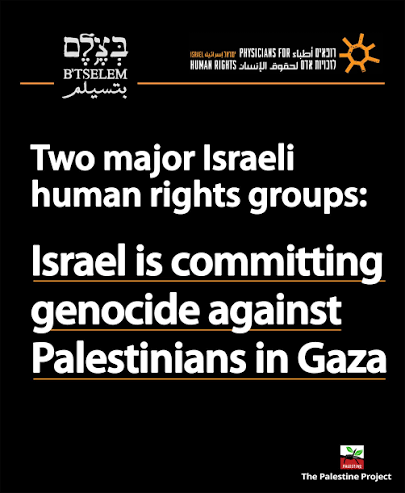
- Humanitarian organizations use it as a bullhorn to protect Palestinians.
- Anti-Israel protestors use it to undermine military support for Israel.
- Political actors in the Arab and Muslim world use it to keep the Abraham Accords from expanding.
- Antisemites use it to attack Zionists and Jews.
- Palestinian Arabs use it as a form of absolution.
And in response to the tool being worked into their sides and hearts, Jews are being forced to consider what the charge means for their relationship with Israel, with one another and with the people making it.
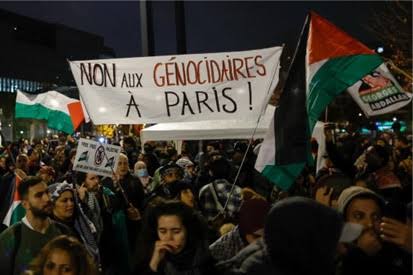
The first function is humanitarian.
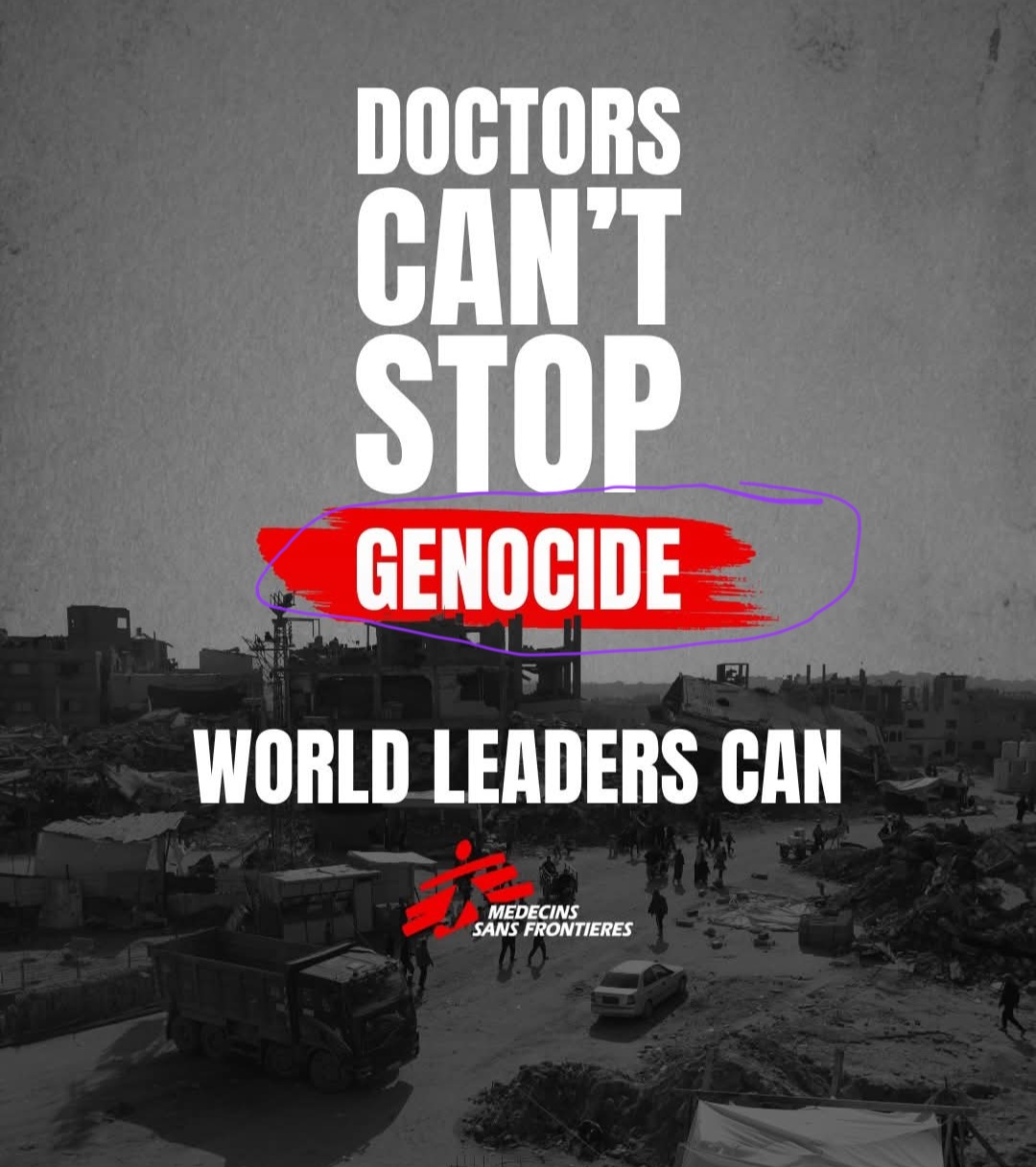
Pro-Palestinian activists and human rights organizations, use the accusation of “genocide” to create the greatest possible urgency around Palestinian Arab suffering. It makes the world jump the queue of Somalia, Sudan, Yemen, Ukraine or any number of regions suffering massive death.
In common terminology, calling civilian deaths a “tragedy” demands sympathy. Calling them “disproportionate” raises questions about military conduct. Calling them “war crimes” demands investigation. But calling them “genocide” demands that they stop. Immediate intervention becomes the imperative.
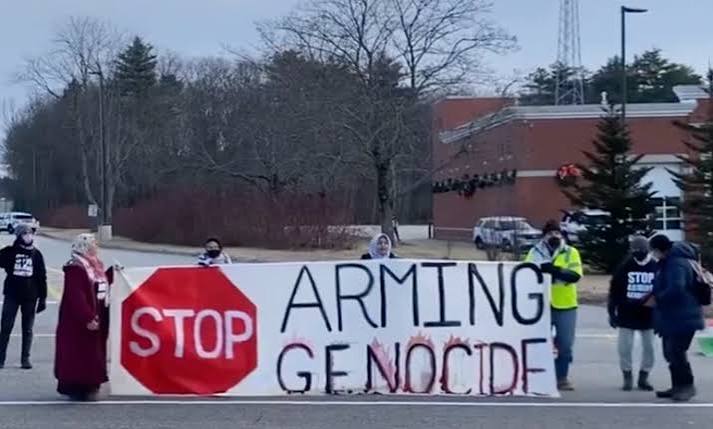
The second function is policy.
For activists seeking to weaken or end Western support for Israel, the genocide accusation transforms the argument over weapons. Countries supplying Israel with arms can be accused of enabling genocide. The target expands from Israeli military conduct to the governments, companies and institutions that make that conduct possible. Arms sales become complicity. Military assistance becomes something that must be stopped rather than merely conditioned.
It similarly pressures would be allies of Israel to pause. One of the reasons Hamas launched the war when it did was that Saudi Arabia was getting very close to joining the Abraham Accords and normalizing relations with the Jewish State. The masses would rebel if the kingdom normalized such relations when a “genocide” was unfolding against Muslims nearby.
The third function is social — external.
For antisemites, “genocide” provides an extraordinarily powerful accusation to direct against Zionists and Jews.
Once Israel is placed in that category, the accusation travels outward. Zionists become supporters of genocide. Jewish organizations defending Israel become its enablers. Jews associated with Zionism are pressed to answer for it.
The argument has traveled from Gaza to Jews themselves. “Genocide” becomes a means of stigmatizing Zionists, excluding them from institutions and social spaces, and targeting Jews who refuse to disassociate themselves from Israel.
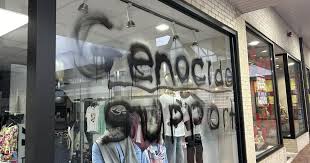
The fourth function is absolution via inversion.
Palestinian Arabs and their supporters divert attention away from the truly genocidal acts and intentions of Hamas, Palestinian Islamic Jihad, dozens of jihadi terrorist groups and thousands of Palestinian Arabs. Attaching a label of genocide on Israel reorients the viewers and grants amnesty to the heinous acts of October 7, and allows room for people to rationalize the action.
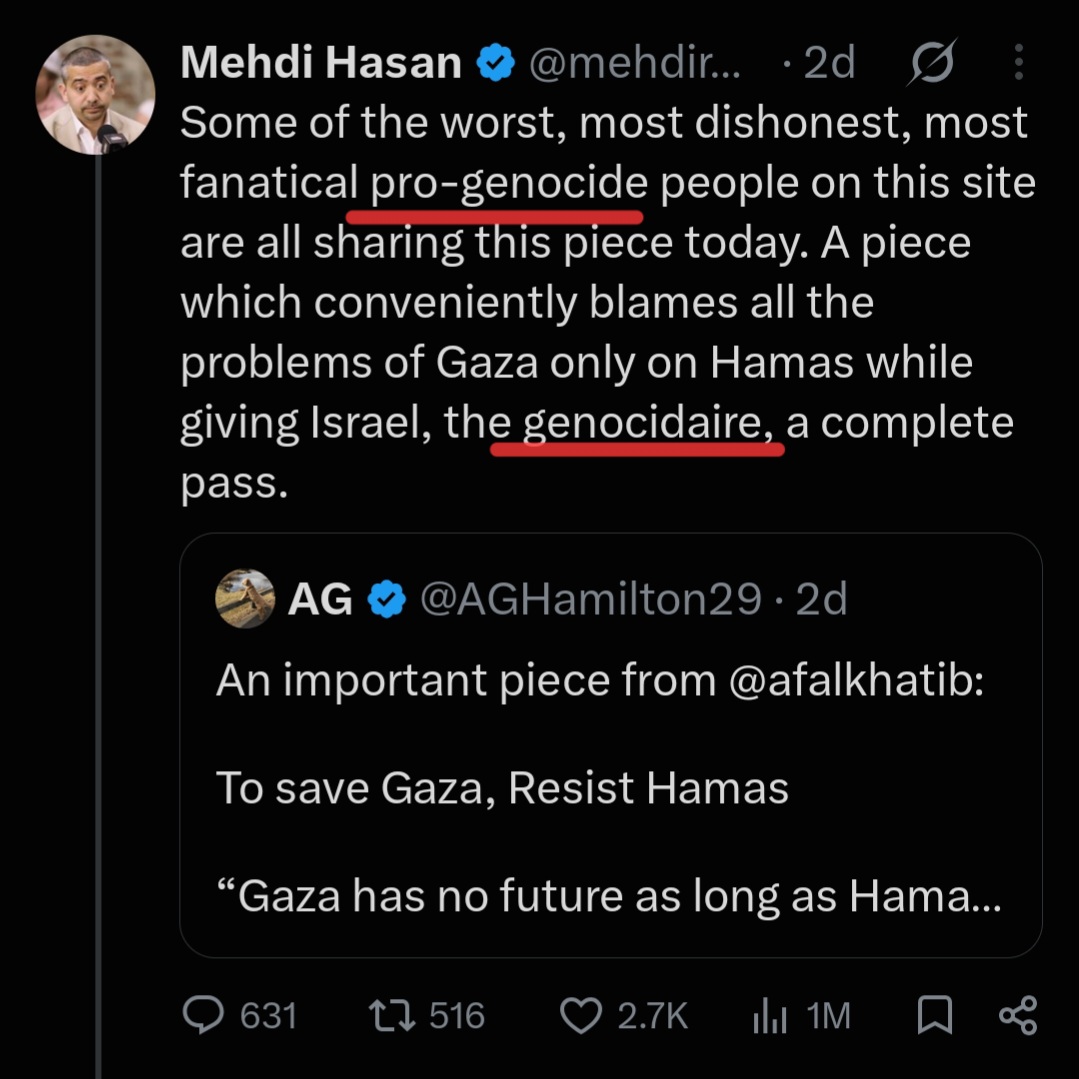
The fifth function is social — internal.
Here the audience is the Jewish community itself. Jews are being asked to not only look at the war, but at one another and at the people deploying the accusation.
They must decide what they believe Israel is doing. They must decide whether other Jews who reach a different conclusion remain inside a shared communal tent. And they must decide how to regard the organizations, movements, individuals and governments using the word “genocide” – as humanitarian advocates, political adversaries, antisemites, jihadists or some combination of them.
“Genocide” is much more than a smear in this war. It acts. And to miss that point is to miss the invisible war that has permeated society.


