
Words aren’t decoration. They frame a story. They tilt the field before the debate even begins.
No paper knows this better than The New York Times and no example shows it more clearly than how it writes about two of the most polarizing issues of our time—abortion and the Israeli-Palestinian conflict.
On abortion, the Times refuses the label protestors with their preferred title of “pro-life” and insists on “anti-abortion.” The paper’s label defines the movement by what it resists, not what it values. It subtly paints millions of people as opponents instead of advocates.
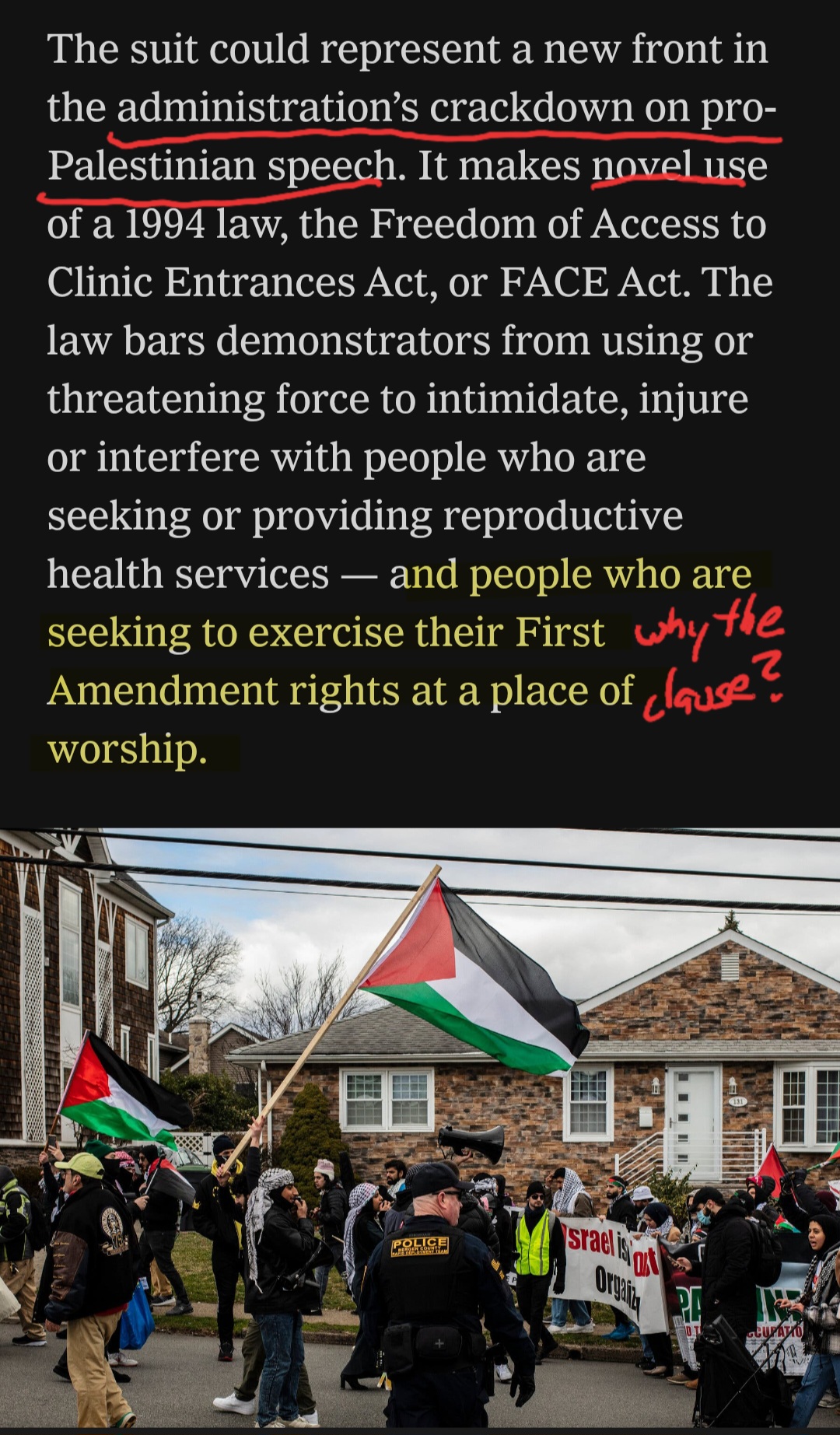
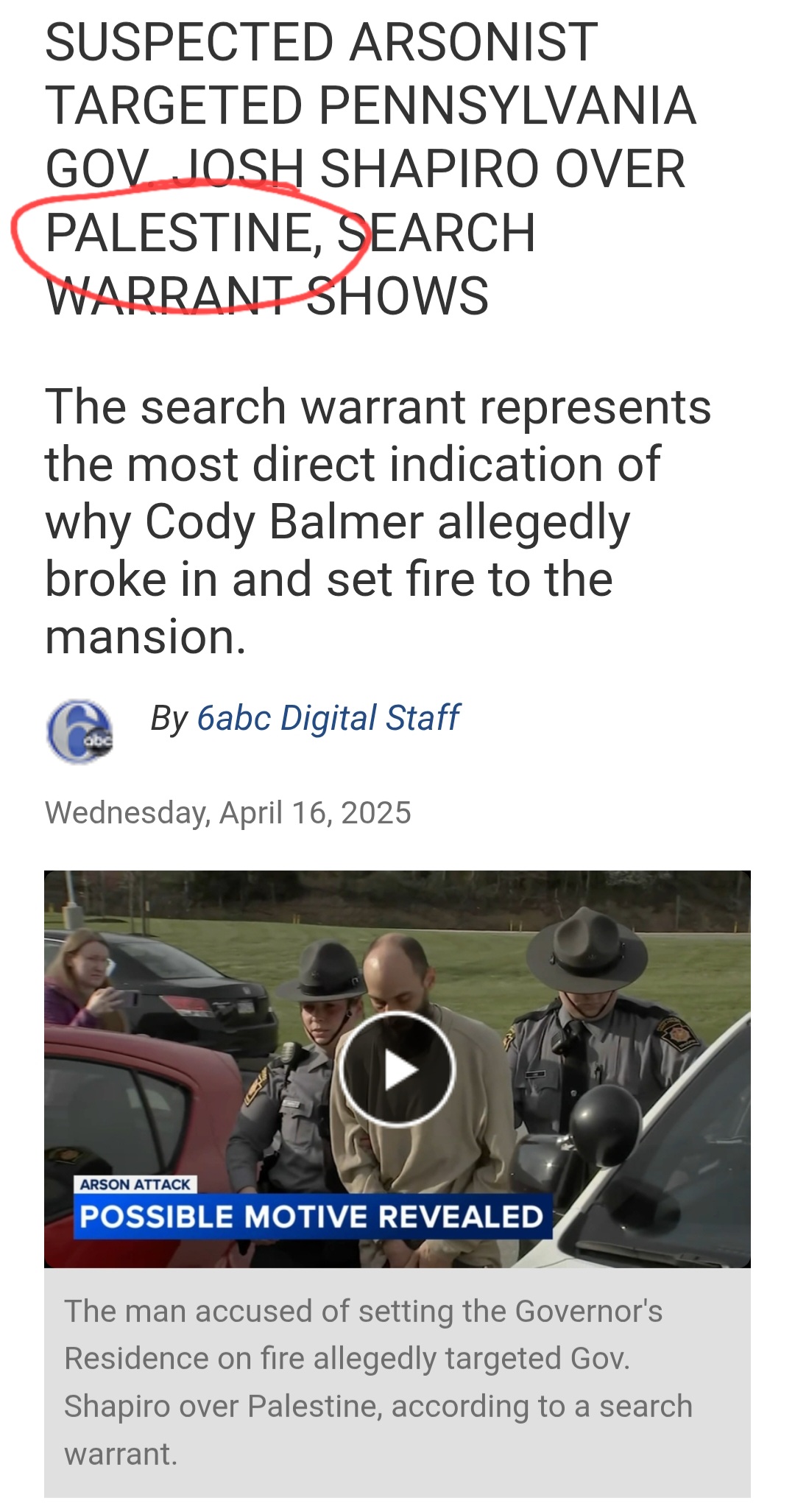
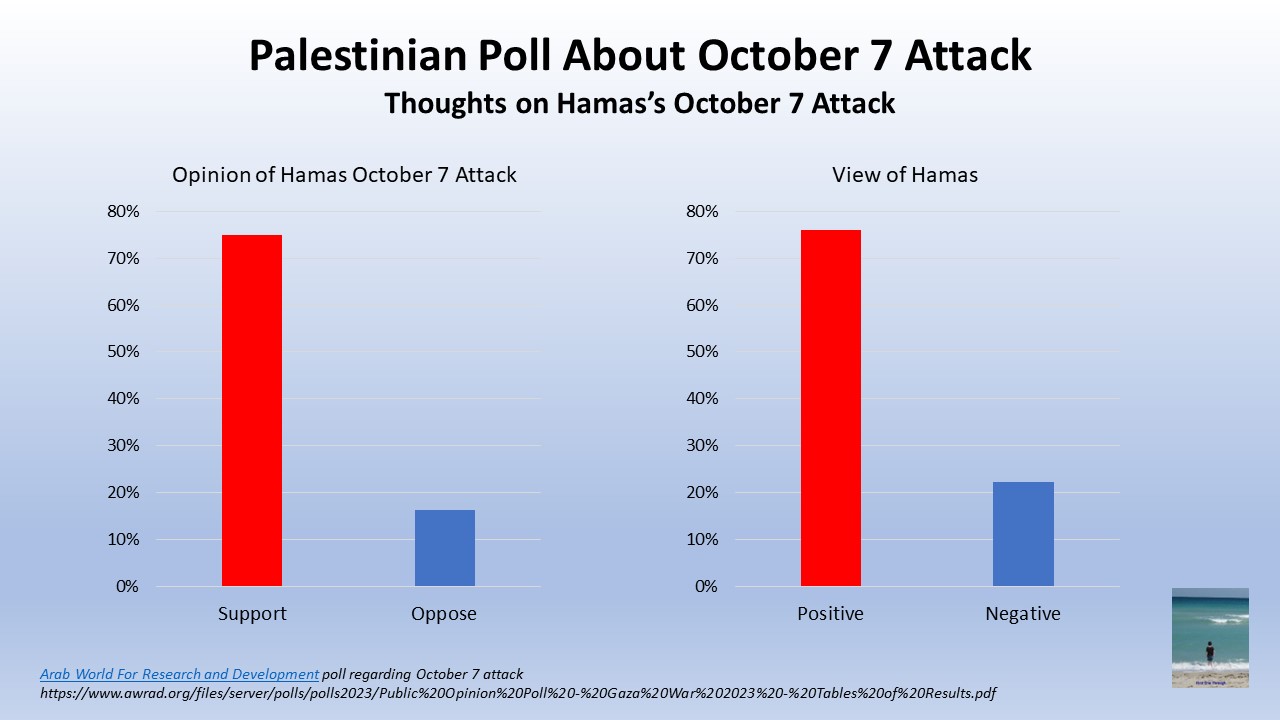
But when protests are aimed at Jews, the Times flips its rule. It happily uses the demonstrators’ own term: “pro-Palestinian,” even when the protestors’ behavior has nothing to do with seeking coexistence or statehood—and everything to do with targeting Jews.
The case in Teaneck, New Jersey laid the hypocrisy bare. A synagogue held a program for diaspora Jews interested in buying homes in the land of Israel—an act tied to faith and heritage, not to any government or war. Demonstrators showed up to block them.
They shrieked through vuvuzelas inches from people’s ears.
They set off stink bombs.
They mocked their religion.
They shoved and harassed them at the very doors of a house of prayer.
The Justice Department sued under the Freedom of Access to Clinic Entrances (FACE) Act—a law that protects people entering both abortion clinics and houses of worship. The law exists to defend basic civil rights: to seek medical care, to pray, to gather without harassment.
Yet the Times reported the incident as a “pro-Palestinian protest,” not “anti-Jewish intimidation.”
It claimed that the law was being “repurposed” by the Trump administration which as “taking a side” in a “dispute” against “advocacy groups.”

For the far left media, one group—pro-life advocates—is defined by opposition; the other—those harassing Jews at worship—is defined by aspiration.
That is not journalism. That is narrative management.
Language molds the story before the facts are even heard. By choosing which side’s self-description to honor, the Times signals which side it wants readers to sympathize with. It is the Times that has taken sides, not the Trump administration. The U.S. is simply enforcing a law written to protect houses of worship which are increasingly under attack.

A standard worth trusting would be consistent. Either call both movements by their chosen names, or describe both by their actions. But don’t dignify harassment with the protestors’ preferred brand while stripping advocacy of its own.
In the case of the NJ synagogue, the hypocrisy is worse and laid out as evil. Pro-life demonstrators don’t want ANYONE to have an abortion; the “pro-Palestinian” protestors only want JEWS to be banned from buying homes in the land of Israel. They would happily promote Arabs buying every apartment unit that was showcased at the event. They are clearly “anti-Jews” and should labeled as such.
Yet the Times rewrites the story as one about “pro-Palestinian speech” and “First amendment rights.” It pretends that the FACE law isn’t specifically about religious freedom.
The power of the press lies not just in what it reports but in how it names things.
A double standard in language is a double standard in truth.
The left-wing media is lying to its readers that people who harass Jews are simply “pro-Palestinian” and not “Anti-Jews.” The New York Times is complicit in antisemitism.















 First One Through