On November 23, 2026, more than 100 literary professionals announced the formation of PEN Writes US, a new organization dedicated to freedom of expression. Among its founding members are Ta-Nehisi Coates, Omar El Akkad, Percival Everett, M. Gessen, Francine Prose, Maaza Mengiste and Dinaw Mengestu.
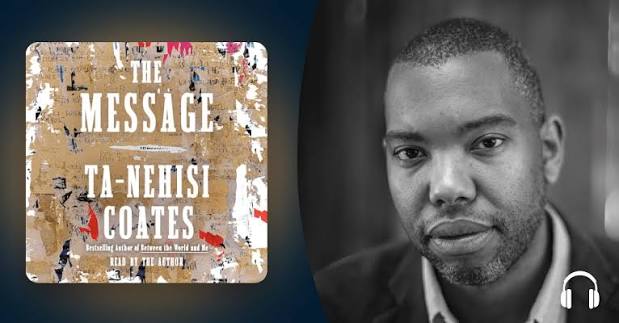
What freedom did they lack at PEN America? They were free to condemn Israel, accuse the Jewish state of genocide, advocate cultural boycotts and criticize PEN America itself.
Mengestu even became president of the organization. He resigned in July after PEN America published an article about the exclusion of Jewish and Israeli writers.
The July 9 report, A Silent Moratorium, documented accounts of the growing isolation of Jewish and Israeli writers from the literary world. Literary agent Deborah Harris, who typically sold five Israeli novels annually to American publishers, had sold none since December 2023. Author Meg Keene recounted being advised to remove Jewish references from her manuscript, including changing a character’s name from Yael to Sue. A children’s book about Passover attracted accusations of supporting genocide.
The exclusion extended beyond Israeli nationality to expressions of Jewish identity.
Award-winning Israeli author Etgar Keret described facing exclusion within Israel for criticizing its government and overseas for being Israeli. His political views did not spare him from cultural boycotts. He observed:
Literature is not there to fortify your ideas. Literature is there to confuse you.
The report acknowledged the marginalization of Palestinian writers and Jews critical of Israel. Documenting obstacles to literary expression was precisely what one would expect of PEN America. It was deemed insufficient.
Mengestu was concerned that the report would bolster efforts against the boycott movement. In explaining his resignation, he declared that a boycott is a form of dialogue.
That is absurd. Dialogue is an exchange of ideas. Cultural boycotts seek to restrict that exchange.
PEN America has formally opposed academic and cultural boycotts since 2007 while defending the rights of individuals to advocate and participate in them.
The organization has hardly been indifferent to Palestinians. As detailed in its July 15 statement, it provided $500,000 in emergency assistance to Palestinian writers and artists, a level of financial relief unprecedented in the organization’s response to any conflict. It documented the destruction of cultural institutions in Gaza, defended pro-Palestinian activists and opposed American laws penalizing boycott participants. It accused Israel of “genocide” and called for an arms embargo against the Jewish state.
The founders of PEN Writes US, whose organizing efforts preceded Mengestu’s resignation, want a different institutional approach. Founding member Maaza Mengiste told Publishers Weekly:
What we came to understand is that we needed a PEN chapter that defends the free expression of writers, which includes boycotts, without exception.
As reported by the Associated Press, the new organization supports boycotts themselves, rather than simply defending the right to boycott.
An individual has the freedom to write a book condemning Israel and the freedom not to purchase an Israeli novel. Neither requires a publisher to reject an Israeli manuscript or a literary festival to exclude an Israeli author. Campaigns for cultural exclusion seek to extend personal political preferences to the reading public, limiting opportunities for writers to express themselves and readers to encounter their ideas.
Article 19 of the 1948 Universal Declaration of Human Rights recognized the freedoms of both the writer and the reader, protecting the right:
to seek, receive and impart information and ideas through any media and regardless of frontiers.
That same year, the PEN Charter declared:
Literature knows no frontiers and must remain common currency among people in spite of political or international upheavals.
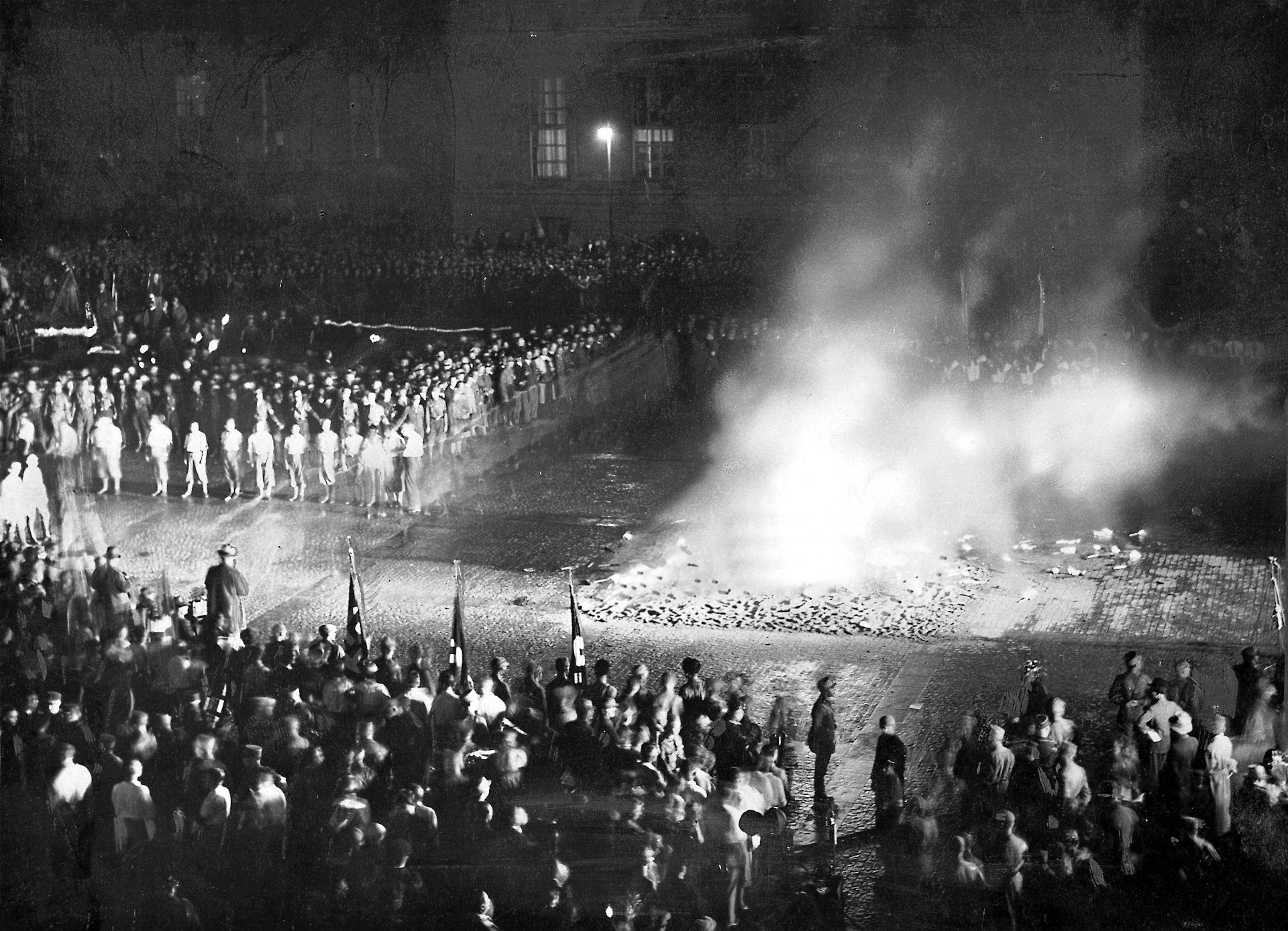
In the aftermath of a war in which books were burned and Jewish intellectuals persecuted, both documents affirmed the importance of ideas crossing national boundaries.
In September 2027, PEN centers from around the world will gather in Montenegro, where PEN Writes US intends to seek admission to PEN International. Its admission will require a majority vote of PEN centers worldwide, placing the question of cultural boycotts before the international literary community.
Is promoting cultural boycotts compatible with the PEN Charter? Will the prospective American chapter defend the circulation of Israeli literature during wartime and document the exclusion of Jewish writers?
PEN America defended the freedom of writers to advocate boycotts and the freedom of Jews to write about being boycotted. Apparently, for some writers, that was one freedom too many.
Related:
UCLA Demands Right To Block Jews (August 2024)
BDS is a Movement by Radical Islamists and Far-Left Progressives to Block Your Freedoms (November 2018)


