American politicians spend billions trying to convince people to vote for them. They hire consultants, produce advertisements, conduct polls and build elaborate organizations to determine what voters want to hear.
Meanwhile, voters are trying to figure out how to pay their bills.
Perhaps the political industry has been looking at the wrong money.
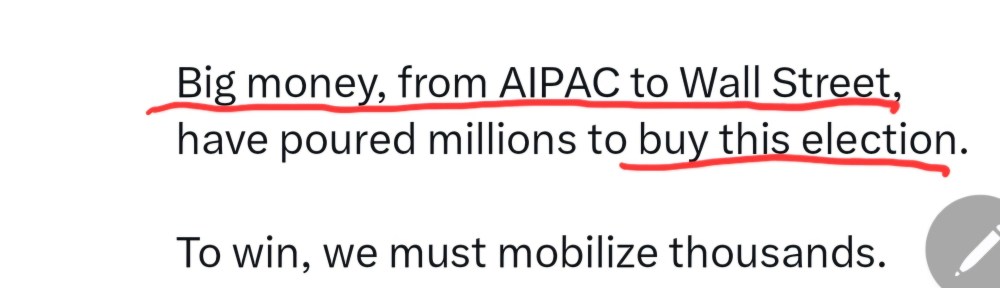
Kamala Harris raised more than $1 billion for her 2024 presidential campaign and lost. Hillary Clinton outspent Donald Trump in 2016 and lost. Neither lacked the resources to get her message across. The voters heard them. They simply preferred someone else.

The 2026 elections offered examples from both parties. In North Carolina, Democrat LaKesha Womack defeated Republican incumbent Tim Moore despite raising just $59,000 compared with his over $2 million. In Georgia, Republican Clay Fuller defeated Democrat Shawn Harris despite raising $2.2 million against Harris’s $8.4 million.
Most well-funded candidates still enjoy a substantial advantage. But these victories demonstrated that money alone cannot guarantee an election.
Consider what happened between 2024 and 2026.
In 2024, roughly six in ten voters deeply concerned about grocery prices supported Trump. Americans were tired of inflation and blamed the Biden administration. Trump promised to make life affordable again.
Two years later, Americans were still complaining about groceries, gasoline, housing and health care. Only now, Republicans were running the government.
The reversal was particularly striking among voters worried about health care costs. In the 2024 presidential election, those most concerned favored Trump over Harris by ten points. In seven battleground Senate races in 2026, roughly two-thirds of similarly concerned voters supported Democratic candidates, compared with three in ten who supported Republicans.
These were different elections and voter populations, but the change in political sentiment was substantial. More than half of 2026 midterm voters said Trump’s policies had made their own health care costs worse.
The grocery store had not changed political parties. The people responsible for governing had.
At the same time, public safety dropped as a key concern for voters as the situation had improved under Trump.
In 2024, 49% of Americans believed crime was increasing in their communities. By 2026, that figure had fallen to 33%. For some voters, an issue that helped bring Trump back to office may have become less urgent. They could welcome a more reassuring picture of public safety while remaining frustrated by their household finances.
But not everyone felt safer. In a 2025 survey, 55% of American Jews reported changing their behavior because of antisemitism. Some Jewish voters continued to favor Republicans over concerns about security and Israel, although most remained Democratic. Hispanic Americans worried about immigration enforcement affecting their families.
The country could become less anxious about crime without everyone sharing that sense of security. Different experiences produced different political priorities.
The same questions about safety and cost extended overseas. Washington may view military intervention as essential to national security. Americans are entitled to ask whether it makes them safer and what they are paying for it.
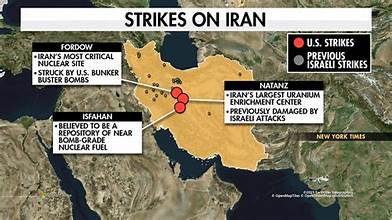
In separate 2026 surveys, 68% of Americans said the Iran war was not worth its costs, while 86% believed it was hurting the cost of living. Only 4% of voters identified foreign policy as the country’s most important election issue.
The war might be thousands of miles away, but the gasoline bill arrives at home. Americans can support confronting dangerous adversaries without agreeing that every military operation is worth its price.
Then there is the money Washington collects.
In one 2026 survey, 75% of Americans believed federal spending could be reduced without cutting services people depend upon. More than half of midterm voters considered government corruption crucial to their congressional vote.

Politicians were spending fortunes to win control of a government that voters already suspected was wasting their taxes. Americans struggling to pay for necessities were being asked to trust those same politicians with billions more.
The political industry has become extraordinarily sophisticated at raising money and winning elections. Governing remains a different undertaking.
Campaigns count the money they raise. Voters count the money they have left, especially when they feel safe.


