
At the Beacon Theatre, Itzhak Perlman offered a reminder that Jewish memory is not only something Jews mourn; it is something they dance to.
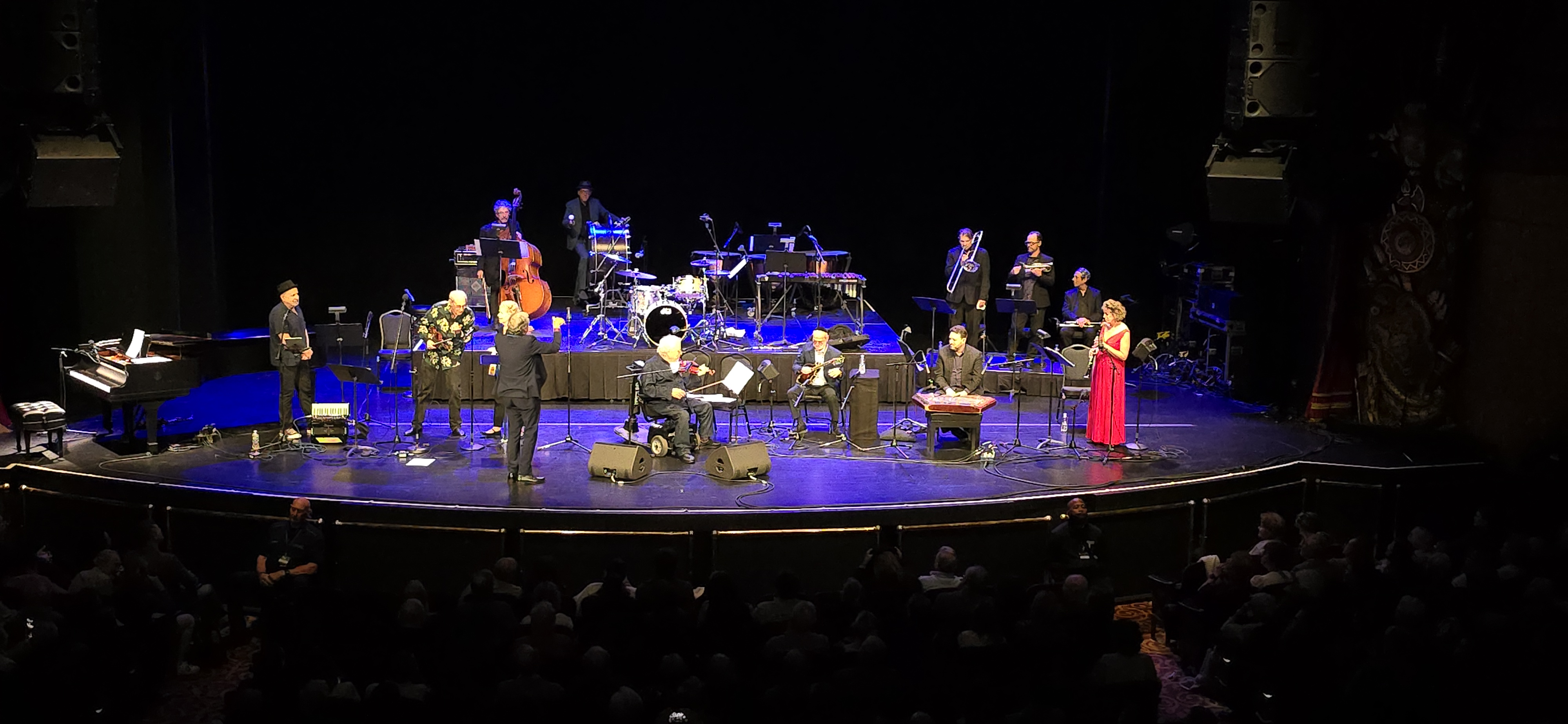
Four days after New York marked the 25th anniversary of September 11, and just after Rosh Hashanah ushered in another Jewish year, Itzhak Perlman sat at center stage at the Beacon Theatre and played klezmer.
The concert celebrated Perlman’s 81st birthday and roughly three decades since In the Fiddler’s House, his landmark embrace of the music of his Jewish roots. Perlman said he wanted people “to dance in the aisles.”
That is where klezmer belongs.
The word comes from the Hebrew klei zemer – “vessels of song” – but klezmer was never simply a genre of music. It was music woven into the life of Eastern European Jews, played at celebrations and, most famously, weddings.
It sounds like the world that created it. The violin can plead like prayer. The clarinet can cry, tease and laugh. A melody can begin in longing and, almost without warning, become a demand to get out of your chair.
Klezmer can sound sad without being sad music. It carries memory into celebration.
Even more, klezmer turns Jewish memory into Jewish motion.
Much of the Eastern European Jewish world that created this music was eventually destroyed. Whether Jews fled pogroms of the 19th and 20th century or were wiped out in the Holocaust, the ground which birthed klezmer has lost almost all of its Jewish feet.
But the music crossed oceans and generations. Jewish immigrants carried it to America, where later musicians recovered and revived the tradition. Andy Statman, who joined Perlman on stage at the Beacon, became one of its great modern interpreters. Perlman’s In the Fiddler’s House brought klezmer to audiences who knew him primarily as one of the world’s greatest classical violinists.
That makes the choice itself significant.
Perlman could have celebrated his birthday playing Bach, Beethoven or Brahms. Instead, he gathered klezmer musicians at the Beacon to play the music of Jewish weddings and Jewish celebrations.
And there was something particularly striking about hearing it in New York at this moment in time.
The city outside the Beacon has been experiencing a terrible surge in antisemitism. Jews have been harassed and assaulted on New York streets, while antisemitic incidents have repeatedly represented a disproportionate share of reported hate crimes. America’s youth has largely moved away from Israel and the Jewish State, leaving the future very uncertain.
That was the world outside the theater doors.
Inside was a different New York.
The audience appeared predominantly Jewish and older. For many, these melodies likely carried associations extending beyond a night at the Beacon: to parents and grandparents, weddings and synagogues, holidays and communities. To the Yiddish language rarely spoken anymore – let alone sung by a woman in public.
But the audience was not exclusively Jewish or old. The handful of younger people mostly wore kippahs or were Asian. Some may have come for klezmer; others simply for the opportunity to hear one of the greatest violinists alive.
And then Perlman got his wish. People got out of their seats, filled the aisles and danced.
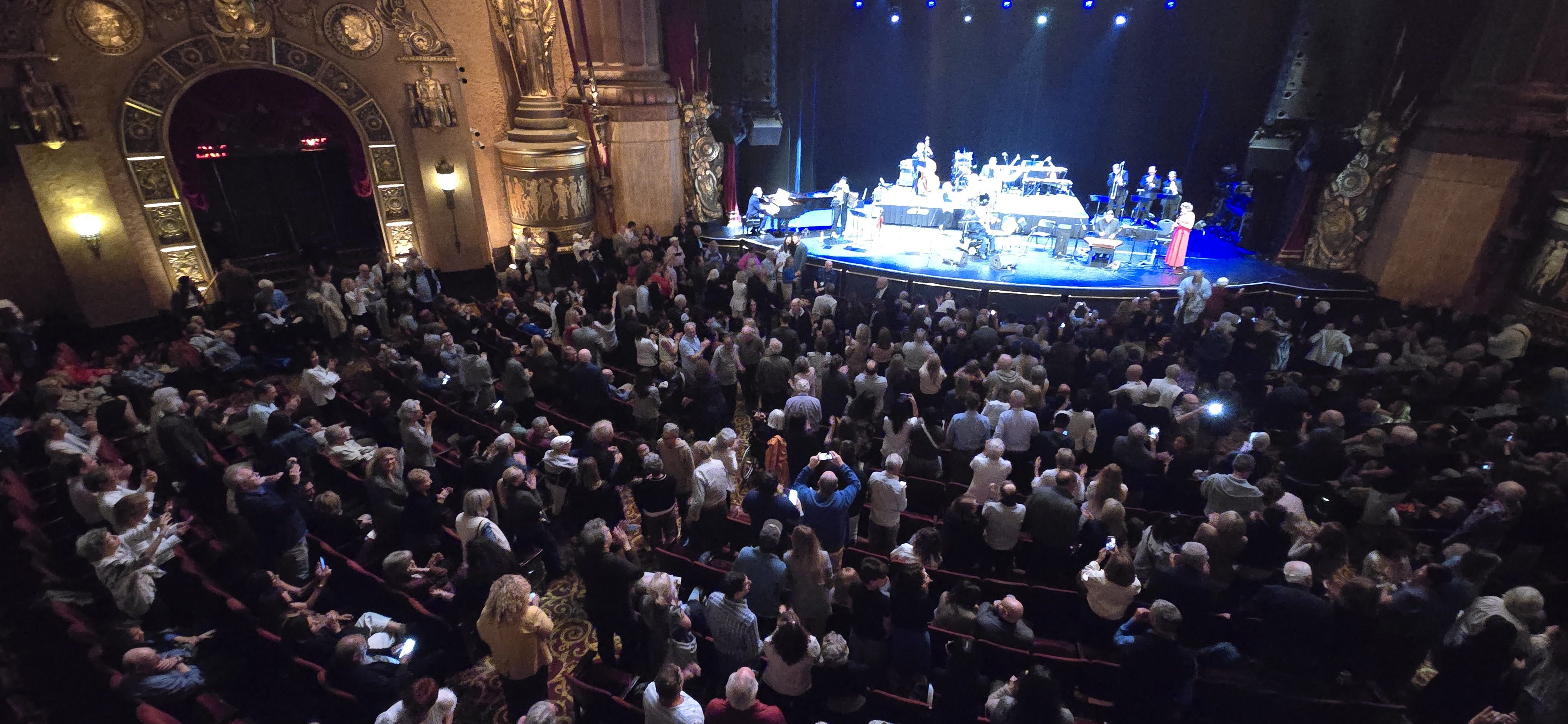
The scene captured something that yet another speech condemning antisemitism could not. Outside were the streets of a city where Jewish identity has increasingly been met with hostility and Jews hid their identity. Inside, an 81-year-old Jewish violinist who cannot walk himself, was playing unmistakably Jewish music inherited from communities that no longer exist – and Jews and Asians alike were on their feet celebrating it.
The timing made the scene still richer.
The Jewish year had just begun with the blast of the shofar. Rosh Hashanah demands reflection. Yom Kippur will demand repentance and fasting. But the Jewish calendar does not end there. It moves to Sukkot and then Simchat Torah, when Jews take the Torah from the ark, hold it in their arms and dance.
That progression says something essential about Judaism. It remembers the good and the bad. It prays. It fasts. It builds. It dances.
And it refuses to make sorrow the destination.
On a September night in New York, with antisemitism again confronting Jews on the streets outside, an old Jewish musical legend lifted his violin and played old Jewish melodies. And Jews clapped and danced in the aisles.
Related:
Time to Say Goodbye, With Love and Sorrow (December 2025)


