Her 84 year old mother was taken from her home, with signs of violence left behind, a masked man on camera. And then nothing. A void where a mother used to be. She spoke about sleepless nights, about imagining fear she cannot reach, about a word she kept returning to: unbearable.
That word should end the conversation. It should strip away everything else.
Because everyone understands what it means when someone you love is taken.
Now Multiply That by 250
What Guthrie is living through is devastating.
In Israel, it happened at scale.
Over 250 people were abducted violently—children, parents, grandparents—dragged from homes, shoved into vehicles, disappeared into tunnels by jihadi terrorists. The same questions Guthrie now asks became a national condition: Are they alive? Are they suffering? What are they thinking?
The same agony. Multiplied. Multiplied. Multiplied.
Where the World Breaks
Here is the dividing line.
When Guthrie speaks, there is no debate. No one justifies it. No one says her mother deserved it. No one rallies in defense of the abductor.
The reaction is immediate and human: bring her home.
But when Israeli families faced the same horror, the reaction in too many places—especially on college campuses—was not sympathy.
It was celebration.
Not confusion. Not distance. Celebration of the very act Guthrie calls unbearable.
The Only Question That Matters
Her interview removes every excuse. No politics, no slogans—just a daughter describing what it feels like to have a mother taken.
If you can feel that—and then justify or cheer when it happens to someone else—you are not misinformed. You are choosing evil.
And that is the part that is unbearable to civilized people.
The fighters of antisemitism are rushing to the front with silly catchphrases. Perhaps even toxic.
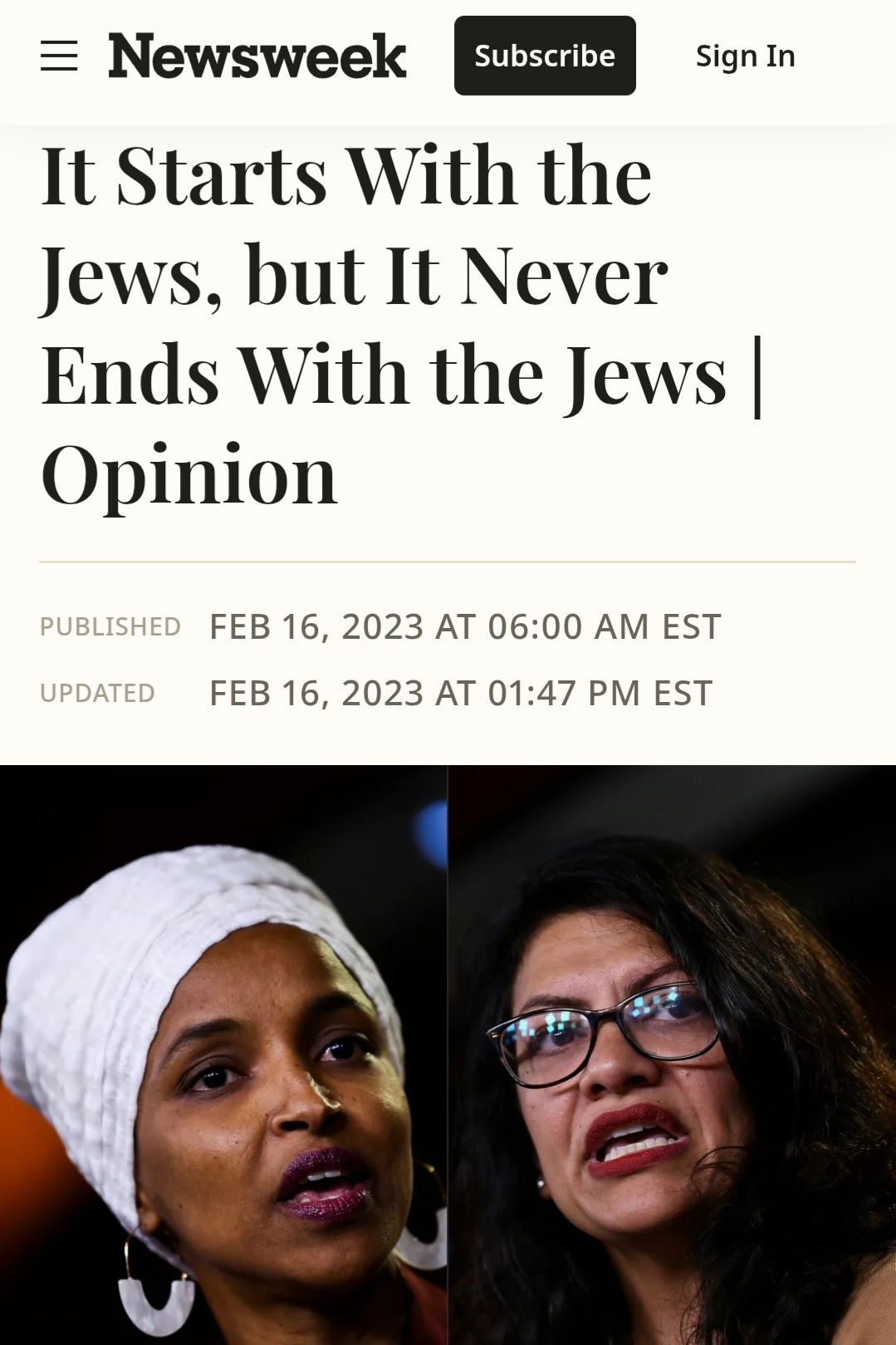
Take the line: “What starts with the Jews doesn’t end with the Jews.”
It is meant to elevate the issue. To make antisemitism feel urgent to those who might otherwise ignore it. But it carries an uncomfortable implication: that what happens to Jews matters most because it might eventually happen to someone else.
Why?
Why is the attack on Jews not sufficient on its own? Why must Jewish suffering be reframed as a warning signal for others before it earns attention?
It is already evil when Jews are targeted and that should be enough. Jews are not canaries in a coal mine for the protection of others. They are millions of innocent people living with threats, violence, and fear. That reality does not need to be universalized to be taken seriously.
Then there is the fallback line: “I condemn antisemitism, but…”
The sentence always breaks in the same place. Everything before the “but” is obligation. Everything after it is the real message.
No one says, “I condemn racism, but…” without immediately undermining themselves. Only with antisemitism does the moral clarity feel negotiable, conditional, open to context. The phrase signals that antisemitism is wrong in theory, but explainable – even understandable.
Or consider the most common defense of Israel: “Israel has a right to exist.”
It sounds firm, but it collapses under even a moment’s scrutiny.
No country has a “right to exist.” Not Singapore. Not Spain. Not South Sudan. Countries exist because history, peoplehood, and political will bring them into being and sustain them.
The real point is that the phrase is uttered because people want to destroy it. Not Montenegro or Guyana. The sole Jewish State.
This isn’t a hundred year old debate about political Zionism and the reestablishment of a Jewish state in their ancestral homeland but a discussion about the genocide of millions of Jews. Why is such phrase ever used? The defenders of Israel should condemn the premise that forced the urge to utter the words.
The more careful phrase “Criticism of Israel is not antisemitism” often lands the same way.
It is true, of course. But it is almost always deployed at the exact moment when the line is being approached, if not crossed. It functions less as clarification and more as insulation, a way to reassure the speaker that whatever comes next cannot be antisemitic, because it has already been declared not to be.
It pre-clears the argument.
All of these phrases share something in common. They take a situation that demands moral clarity and replace it with moral positioning. They allow people to sound serious and defensive while adopting the framework of the accuser.
Attacking Jews is evil. Threatening Jews is evil. Justifying targeted harm against Jews—whether through politics, ideology, or euphemism—is evil.
It is time for anti-antisemites to stop using catchphrases that feel emotionally empowering but are soaked in the lexicon of antisemitism.
Broadway has always returned, in one form or another, to Jewish life. For decades, those stories were carried by memory, infused with struggle, displacement, and loss, yet grounded in continuity, humor, and the stubborn persistence of a people that refused to disappear. What has changed is not the subject matter, but the center of gravity. The stage has shifted from portraying how Jews lived to confronting how Jews are targeted.
The Past: Life in the Foreground
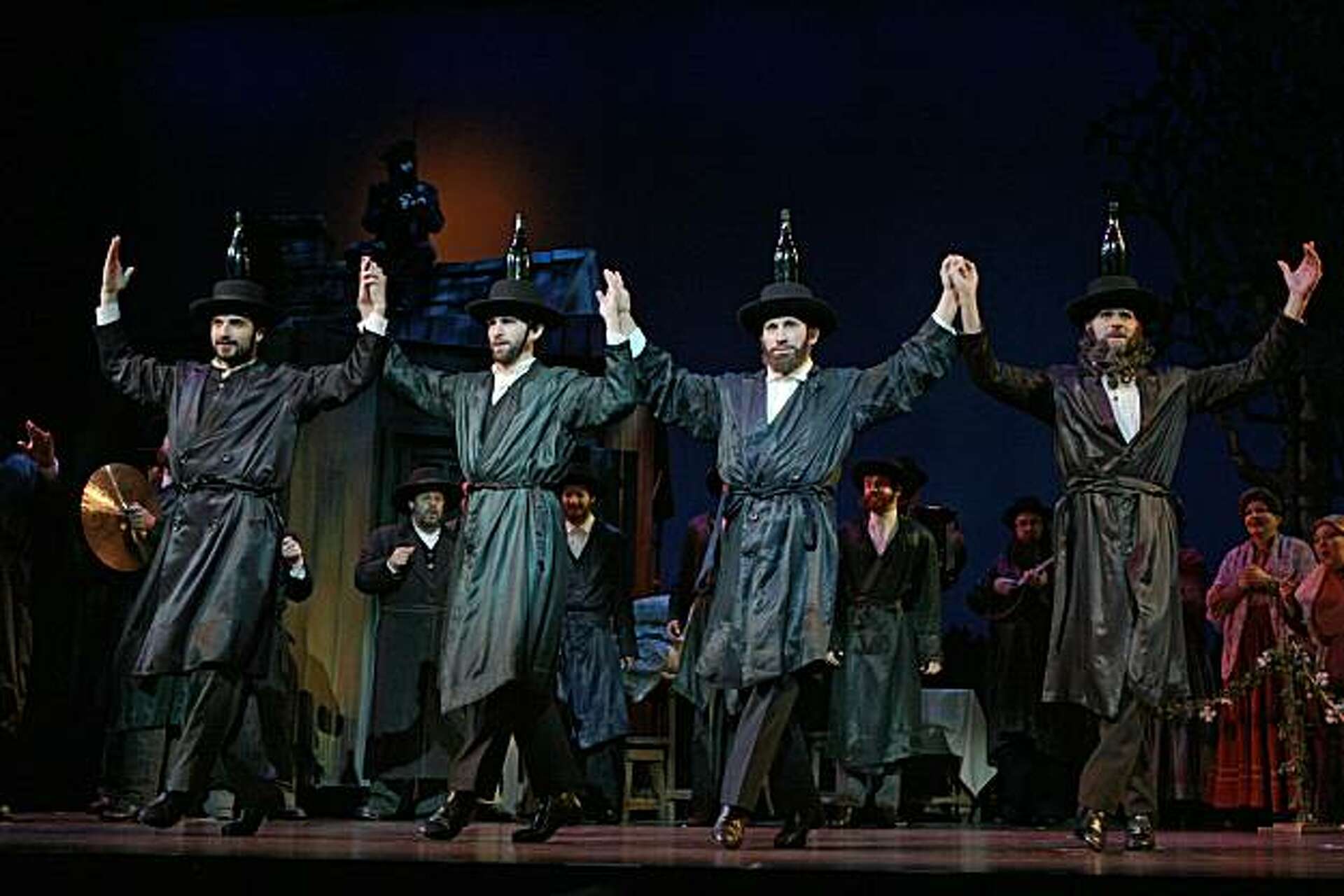
Fiddler on the Roof (2018 in Yiddish) remains the defining example of how Jewish life was once presented. The audience is drawn into a village that feels intimate and alive, filled with arguments between generations, negotiations between tradition and change, and the quiet dignity of ordinary people trying to hold their world together as it begins to shift beneath them.
The violence arrives but it does not dominate the story. It lingers at the edges, a reminder of fragility rather than the force that defines the narrative. What stays with the audience is the humanity that precedes it: the sense that Jewish life contains richness and meaning even as it is repeatedly uprooted, and that something essential survives the disruption.
The Present: History Without Distance
Vienna, and the Illusion of Safety
Leopoldstadt (2022-3) opens in a world that feels secure, even enviable in contrast to the humbler scenes from the Pale of Settlement in Fiddler – assimilated Jews in Vienna who have embraced culture, intellect, and national identity with the confidence of people who believe they belong. The early scenes are filled with warmth and the easy assumptions of permanence.
As the story unfolds, those assumptions dissolve with unsettling speed. Families thin, names disappear, and what began as a portrait of belonging becomes a study in erasure. The audience is left confronting how completely a thriving world can vanish and how little warning the people inside it seemed to have.
America’s Own Reflection
Parade (2022-3) brings that realization into the American setting through the story of Leo Frank. His life in early twentieth-century Atlanta ends in a spectacle shaped by rumor, media amplification, and a public willing to accept accusation as truth.
The discomfort of the story lies in its familiarity. The mechanisms feel recognizable, the escalation disturbingly plausible. The setting removes any remaining sense that antisemitism belongs elsewhere or to another time, placing it squarely within the American experience.
A Present That Refuses to Stay Quiet
Prayer for the French Republic (2024) unfolds in unmistakably contemporary terms, following a French Jewish family as they debate whether their future still lies in the country they call home. The conversation revolves around schools, neighborhoods, and the quiet calculations that shape daily life.
What emerges is not a single defining incident, but an accumulation, a steady normalization of hostility that makes departure feel less like a rupture and more like an eventual step. The question is no longer abstract. It is logistical, immediate, and deeply personal.
Hatred with a Familiar Face
Giant (2026) centered on Roald Dahl, shifts the focus from overt violence to something quieter and, in many ways, more unsettling. Here, antisemitism resides within a figure celebrated for imagination and storytelling, revealing how prejudice can coexist with cultural admiration.
The discomfort lies in how easily such views can be absorbed into environments that otherwise pride themselves on sophistication. Hatred does not require a uniform or a slogan when it is permitted to live comfortably within admired voices. It persists not despite acceptance, but often because of it.
A Pattern Taking Shape
Seen together, these productions trace a continuum across time and place – Vienna, Atlanta, Paris, and the cultural circles of modern Britain – linked by a recurring dynamic. Each begins with a sense of stability, moves through unease, and arrives at rupture. The details differ, but the trajectory remains strikingly consistent.
This repetition carries its own message. It suggests that the issue is not confined to a specific moment or geography, but reflects a pattern capable of reappearing in new forms, shaped by local conditions yet driven by familiar forces.
The Audience and the Mirror
The audiences filling these theaters are often educated, affluent, and deeply engaged with cultural life. They watch these stories unfold, absorb their lessons, and respond with admiration for the craft and the performances.
Yet there is a tension that lingers beyond the applause. The same cultural spaces that elevate these narratives often struggle to confront their contemporary parallels with equal clarity. The distance between stage and reality narrows, but the response to each is not always aligned.
The result is a kind of dissonance: an ability to recognize antisemitism when framed as art, while hesitating to address it with the same urgency when it appears in present-day discourse.
Why This Moment Feels Different
This shift on Broadway reflects a broader change in perception. The conditions once associated with distant history no longer feel entirely removed. The sense of safety that allowed earlier generations to treat persecution as context has given way to a more immediate awareness, one that resists easy separation between past and present.
Recent events have reinforced that awareness. The resurgence of openly hostile rhetoric, the normalization of extreme positions in public discourse, and the willingness in some circles to rationalize or reframe acts of violence have all contributed to a climate in which these stories resonate with a new intensity.
Art does not create that reality, but it reveals how widely it is being felt.
The contrast with earlier eras becomes difficult to ignore. Where once the stage offered a portrait of Jewish life shaped by external pressures, it now presents environments in which those pressures define the experience itself. The richness of daily life is increasingly overshadowed by a sense of vulnerability that cannot be pushed to the margins.
This evolution reads less like a natural progression and more like a recalibration, one that places the question of security at the center. The stories no longer unfold at a comfortable distance. They press closer, asking the audience to consider what they mean beyond the confines of the theater.
Broadway continues to tell Jewish stories, but the tone has shifted in a way that carries unmistakable weight. The warmth that once framed these stories has given way to something sharper, more immediate, and more raw.
The audience is no longer only staring ahead at actors; the Jews attending Broadway turn to the right and left to consider their own lives as living theater.
In 2022, the United Nations created the International Day to Combat Islamophobia, observed each year on March 15.
The date commemorates the victims of the Christchurch mosque shootings in New Zealand, where worshippers were murdered during a terrorist attack in 2019.
Hatred directed at any religious community deserves condemnation. But the decision raises an uncomfortable question: why is Islam the only religion granted a dedicated global day to combat hatred?
Islam is hardly a marginal faith. With roughly two billion followers, it is one of the largest and fastest-growing religions in the world and the majority religion across dozens of countries stretching from North Africa through the Middle East and into Asia. Within the UN itself it is represented by a powerful diplomatic coalition, the Organization of Islamic Cooperation, a bloc of 57 states that frequently coordinates its positions inside the General Assembly.
Yet Islam is the only religion singled out for a specific UN observance addressing prejudice against its followers.
Other religious communities facing persistent hatred receive no comparable recognition.
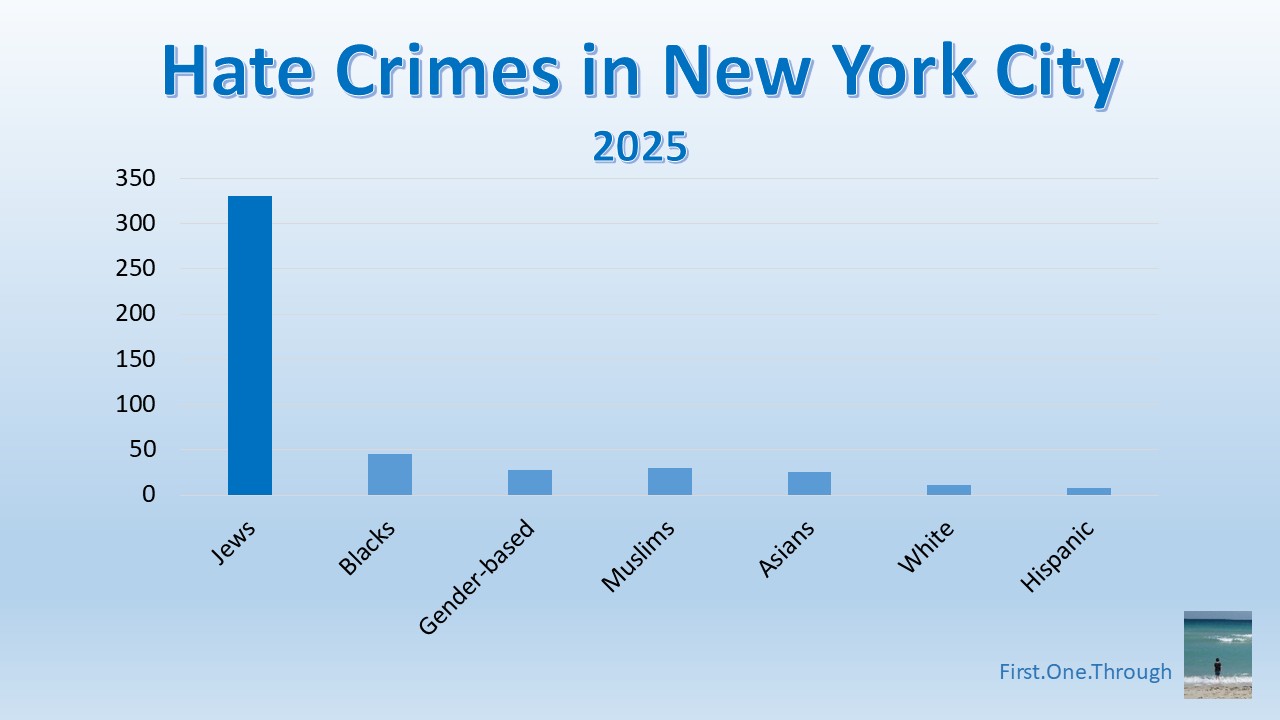
There is no UN day dedicated specifically to combating antisemitism today, despite the fact that Jews are the most frequently targeted religious minorities per capita in many countries. While the UN does observe International Holocaust Remembrance Day each January to commemorate the genocide of Jews during The Holocaust, that observance focuses on crimes committed eighty years ago. There is no equivalent UN day focused on antisemitism in the present.
Nor is there an observance addressing anti-Christian persecution, even though research by organizations such as Open Doors and studies by Pew Research Center consistently show that Christians face some of the largest levels of religious persecution globally in absolute numbers.
The UN does maintain a broader commemoration—the International Day Commemorating Victims of Acts of Violence Based on Religion or Belief—but that observance focuses on victims after violence occurs, not on confronting the ideologies that fuel it.
Except in one case: Islam.
The religion which dominates the countries where Christians are most persecuted, including: Somalia, Libya, Eritrea, Yemen, Nigeria, Pakistan, Sudan and Iran.
Violence the UN Does Not Mark
The choice of March 15 highlights another inconsistency.
Deadly attacks on synagogues have occurred repeatedly in recent years.
In 2018, eleven Jews were murdered in the Pittsburgh synagogue shooting at the Tree of Life synagogue, the deadliest antisemitic attack in American history. In Germany, a terrorist attempted to massacre Jews during Yom Kippur in the Halle synagogue shooting.
And in October 2025, a Jewish man was fatally stabbed outside a synagogue in Manchester, England, in an attack carried out on Yom Kippur, the holiest day in Judaism, when Jews gather in synagogues around the world for prayer and reflection.
Synagogues across Europe and North America have repeatedly been targets of shootings, stabbings, and attempted massacres.
Yet no comparable United Nations observance exists dedicated specifically to combating antisemitism tied to those attacks.
If the UN can create a global day tied to violence against mosques, why has it never created one tied to attacks on synagogues?
Politics Behind the Principle
The explanation lies less in theology than in politics.
For decades the powerful Organization of Islamic Cooperation has used its diplomatic weight to advance religious protection initiatives inside the UN system. Beginning in the late 1990s, the bloc pushed resolutions condemning what it called the “defamation of religions,” efforts widely understood as attempts to restrict criticism of Islam.
Western democracies resisted those proposals on free-speech grounds, and by around 2010 the campaign stalled.
So the strategy evolved.
Instead of defending religion from criticism, the focus shifted toward defending believers from discrimination under the banner of Islamophobia.
Opposing the initiative could now be portrayed as defending prejudice against Muslims, even if the broader debate still involved questions of speech, ideology, and religious critique.
In 2022 the effort succeeded with the creation of the UN’s International Day to Combat Islamophobia.
When Institutions Reflect Power
The episode reveals something fundamental about how the modern UN operates.
The organization does not function as a neutral body weighing global injustices. It functions as a political arena shaped by large voting blocs.
In the General Assembly—where every state has one vote regardless of size or political system—coordinated coalitions wield enormous influence. The 57 countries of the Organization of Islamic Cooperation represent a significant force in that system, often aligned with broader coalitions such as the Non-Aligned Movement.
Together these alliances can shape the symbolic agenda of the institution. They determine what the United Nations chooses to highlight and what it chooses not to see.
A Test of Moral Consistency
The United Nations was founded after World War II to defend universal human rights. But institutions derive legitimacy not only from their ideals, but from their consistency.
When some hatreds receive global recognition, others historical remembrance, and still others little acknowledgement at all, the institution begins to reflect political influence more than universal principle.
Combating religious hatred is a noble goal. But when that effort becomes selective, it reveals the farce and the forces controlling the United Nations.
A man attempted to massacre Jews at a synagogue and preschool in Michigan.
He drove a truck into the building, fired a rifle, and carried explosives and gasoline. Inside were more than a hundred children and staff. Only the quick response of security guards prevented what could have been a mass slaughter of Jewish children.
That should have been the story.
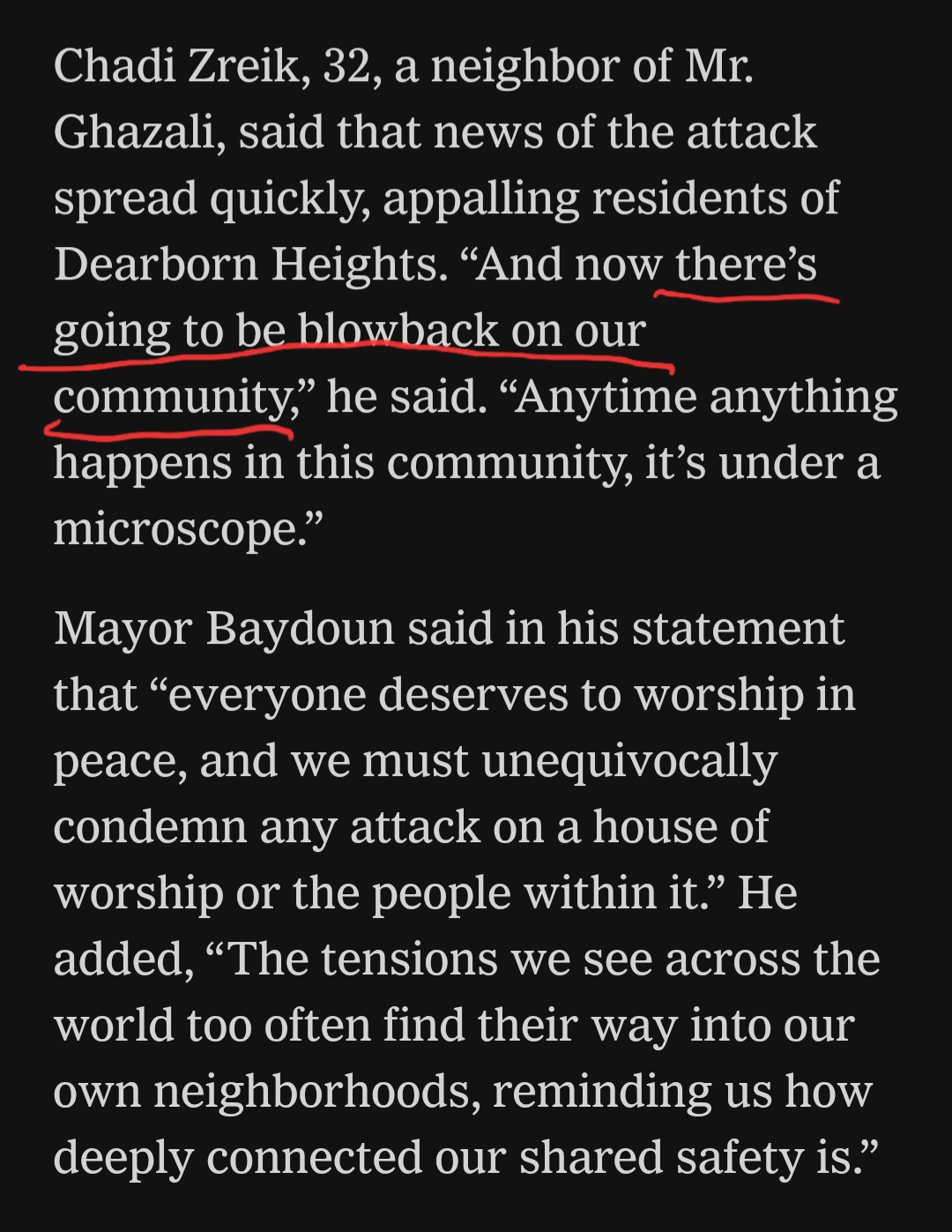
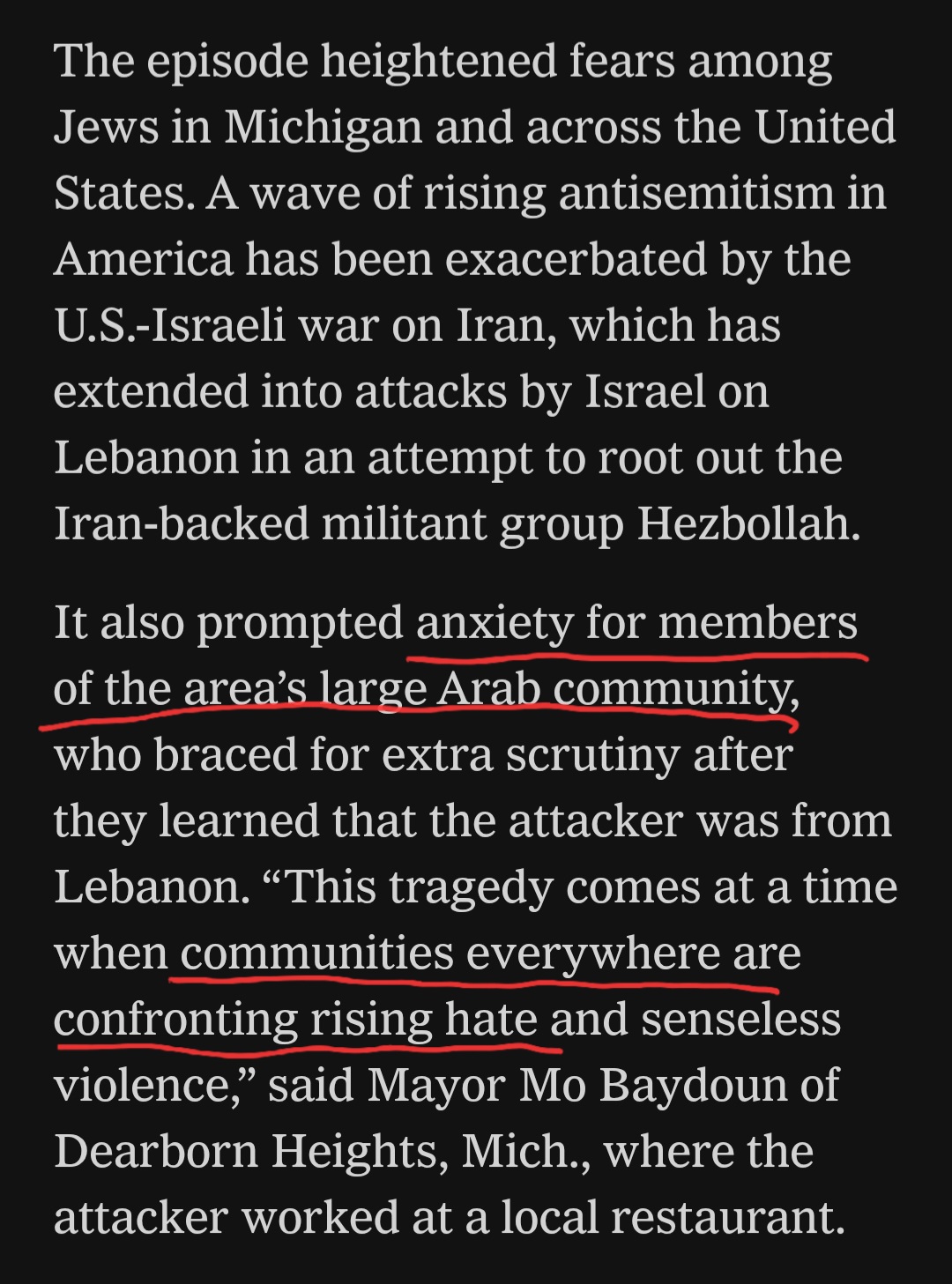
Instead, in its coverage of the attack, The New York Times quickly shifted the emotional center somewhere else. The paper highlighted concern that Muslims or members of the local Arab community had “anxiety,” worried they might face might face “blowback” after the attack.
Pause for a moment and consider the moral inversion.
A man tries to murder Jewish children in a synagogue, and the newspaper of record worries about the social consequences for people who share the attacker’s background, and “communities everywhere.. confronting rising hate.”
Would this framing appear in any other circumstance?
If a white nationalist attempted to burn down a Black church, would the central concern in the article be whether white Americans might face uncomfortable scrutiny?
If a neo-Nazi attacked a mosque, would journalists pivot immediately to the anxiety of Christians worried about backlash?
Of course not.
The victims would be the story. The ideology behind the violence would be examined directly and without hesitation.
But when Jews are attacked – especially by jihadists – the narrative too often drifts away from them.
The Reality the Coverage Avoids
There is another uncomfortable fact that often disappears in these discussions.
In the United States, Jewish institutions have repeatedly been targets of ideological violence.
Synagogues, kosher markets, Jewish schools, and community centers have been attacked by extremists motivated by antisemitism and/or jihadist ideology.
The list is tragically familiar:
the Tree of Life synagogue massacre in Pittsburgh
the Poway synagogue shooting
the Jersey City kosher market attack
the Colleyville synagogue hostage crisis
Across Europe the pattern is even clearer: the Toulouse Jewish school massacre, the Hyper Cacher supermarket attack in Paris, and numerous synagogue shootings and plots across the continent have been by jihadists.
Yet the reverse pattern is almost nonexistent.
There is no recurring history in the United States of Jews entering mosques to massacre Muslims, no wave of Jewish attackers targeting Muslim schools or grocery stores.
The asymmetry matters.
Jewish institutions build security fences, hire armed guards, and train for active shooters not because of paranoia, but because experience has taught them they are frequent targets.
The Michigan synagogue had security for exactly this reason.
Without it, the story might have been hundreds of funerals.
A Pattern of Moral Softening
The New York Times’ framing of the Michigan attack fits a broader pattern that has become increasingly visible in recent years.
When jihadist-inspired violence occurs, the language often softens. Motives become vague. Ideology dissolves into references to “grievances,” “tensions,” or the emotional distress of communities associated with the attacker.
Select context is provided for the perpetrator that make him appear a victim, such as mourning the loss of family members in the Middle East, without sharing that those family members were members of jihadi terrorist groups.
This is no longer news but distortion.
Journalism is supposed to clarify reality, not obscure it. When coverage instinctively protects the social sensitivities of the attacker’s community while barely dwelling on the intended victims, it creates a moral fog.
No serious observer believes entire communities are responsible for the crimes of individuals. That principle should remain unquestioned.
But shifting sympathy away from the Jewish victims of an attack to the jihadi attacker is a failure to report the truth clearly for the purpose of a twisted narrative. One that continues to put the most attacked minority-minority in the crosshairs while falsely painting their most frequent attackers as the ones needing sympathy.
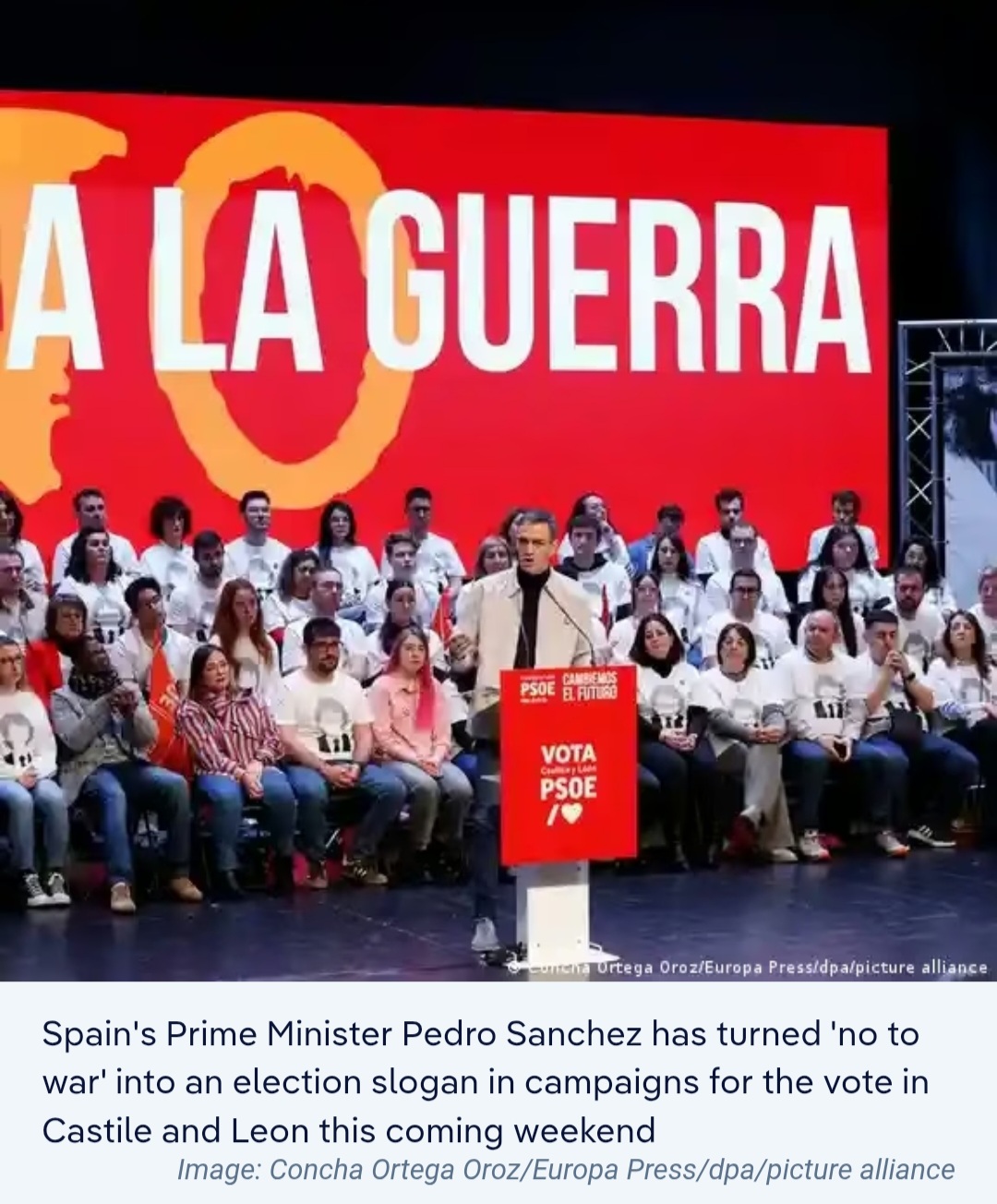
In a sharp escalation of transatlantic tension, Donald Trump threatened to cut off trade with Spain, accusing Madrid of refusing to support operations against Iran and failing to meet its defense obligations within NATO.
Spain rejected the criticism, citing sovereignty and international law and refusing to allow U.S. forces to use Spanish bases in operations tied to the Iran conflict.
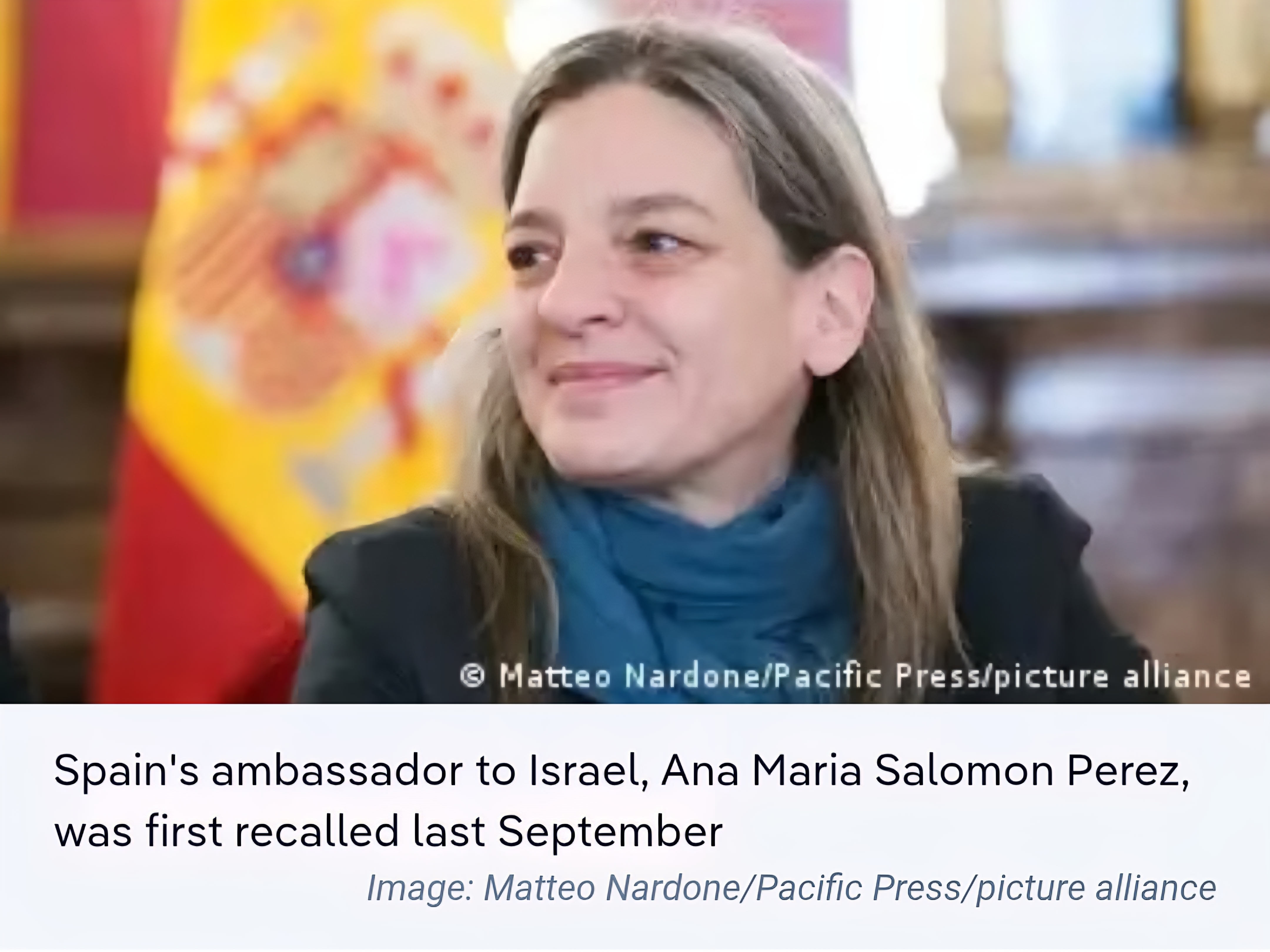
The military campaign against Iran has been led by the United States, with Israel acting alongside it. If participation in that conflict justified downgrading diplomatic relations, the same logic would apply first to Washington, yet Spain withdrew no ambassador from the United States.
Even after Trump threatened sweeping trade retaliation, Madrid left its diplomatic posture toward Washington unchanged.
Instead, the rupture fell on Israel alone.
The reason is not difficult to see. Confronting the United States carries consequences. The American economy dwarfs Spain’s, and Washington anchors the NATO security system protecting Europe. Spain benefits from that umbrella while contributing among the lowest shares of national income to defense within the alliance.
Angering Washington carries risk. Angering Israel carries almost none.
Spain frames its decision as moral protest. But if war with Iran is the offense, the United States leads it. If regional escalation is the concern, Spain still maintains diplomatic relations with Iran itself, the leading state sponsor of terrorism.
If Spain were to look in the mirror, what would it see? A principled stand against war? That is the language Madrid uses.
But the reflection suggests something else. Spain keeps its ambassador in Washington, maintains relations with Tehran, and breaks with Jerusalem — the smallest actor in the conflict.
Spain is a nation of nearly fifty million compared to Israel, a country of ten million, a small state surrounded by hundreds of millions of Muslims where hostility toward Israel goes back to the Jewish State’s reestablishment.
That asymmetry will not go unnoticed in Washington or among Israel’s allies. Spain already faces pressure to increase its NATO defense spending. If Madrid is willing to rupture relations with Israel over the Iran war while maintaining relations with Iran itself, the contradiction may soon move from rhetoric to diplomacy.
The question could become blunt: restore normal relations with Israel, end trade with Iran, and meet NATO defense commitments — or risk losing the security umbrella Spain depends on.
A nation looking honestly in the mirror might call that geopolitics. Or antisemitism.
A bombing attempt near Gracie Mansion followed a pattern Americans have seen before: young men radicalized online, pledging allegiance to the Islamic State of Iraq and Syria, and attempting violence in the name of jihad.
But if you read the The New York Times, you might never notice the pattern at all.
Two men were charged after attempting the ISIS-inspired bombing near Gracie Mansion. Prosecutors say the suspects pledged allegiance to ISIS and threw improvised explosive devices toward a protest crowd and police. The bombs failed to detonate, but the casualties could have been catastrophic. The bombing suspects were 18-year-old Emir Balat, a high school student, and Ibrahim Kayumi, 19.
The plot followed a model ISIS has promoted for years: radicalize individuals already living in Western societies and encourage them to strike where they live. No training camps. No command structure. Just ideology delivered through propaganda, social media and Muslim countries money in American schools.
America has already seen the results.
In 2015, a radicalized couple carried out the San Bernardino attack. Syed Rizwan Farook was 28 and Tashfeen Malik was 29.
In 2016, Omar Mateen, 29, murdered forty nine people in the Pulse nightclub shooting in Orlando while declaring loyalty to ISIS.
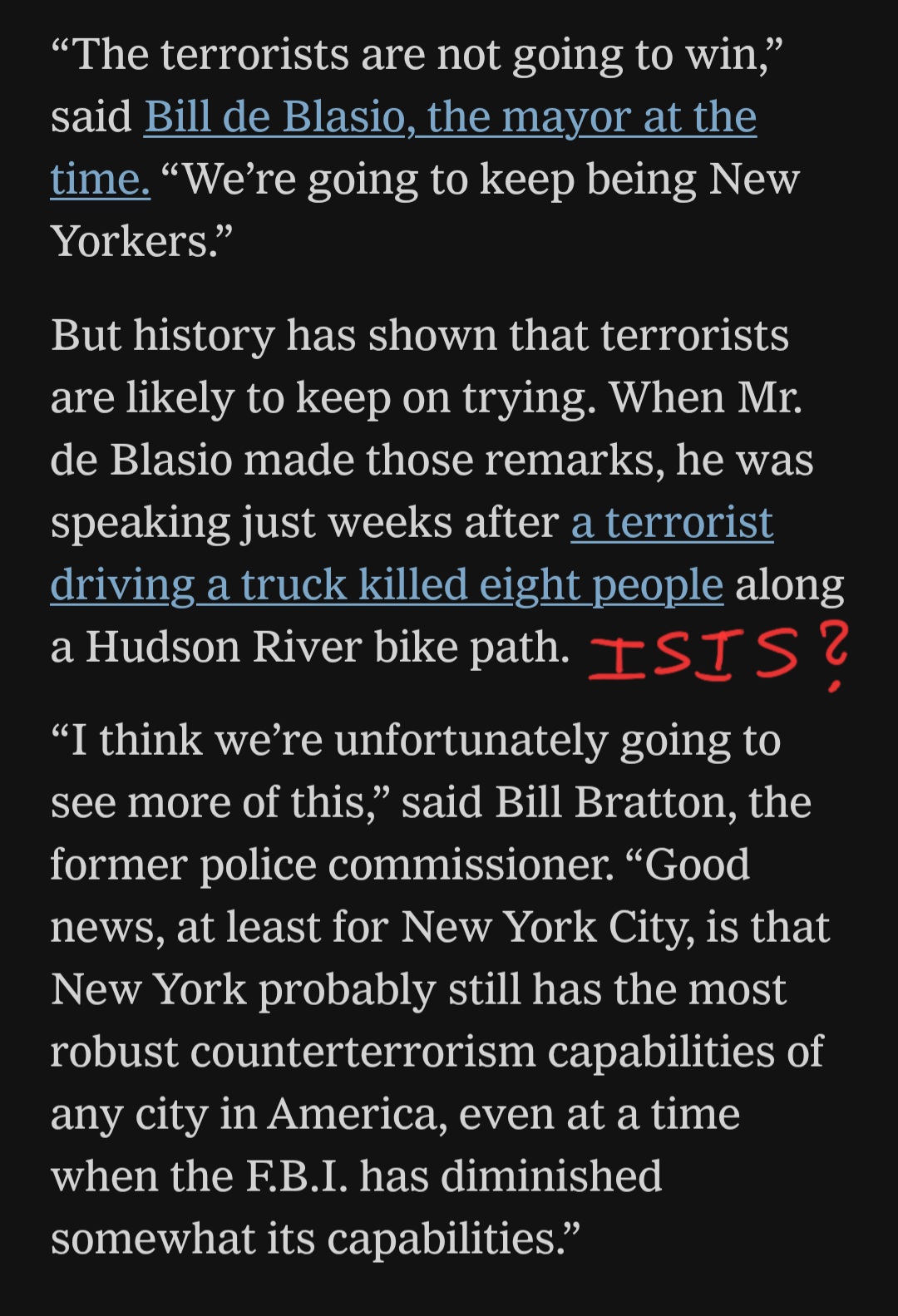
In 2017, Sayfullo Saipov, also 29, drove a rented truck onto the Hudson River bike path in Manhattan in the 2017 New York City truck attack, killing eight people and leaving a note pledging allegiance to ISIS.
This pattern is not accidental. ISIS propaganda deliberately targets young Muslims in their late teens and twenties, the age when identity and grievance can be shaped by ideology. The strategy is not to import terrorists into the West. It is to cultivate them here.
Yet when the New York Times recently referenced the Hudson River attack, it described it simply as “a terrorist driving a truck killed eight people.”
The ideology behind the attack vanished from the story.
When the ideology behind violence disappears, the violence itself begins to look random. But it is not random. It is ideological.
The same pattern of New York Times’ language appears elsewhere.
After the October 7 massacre carried out by Hamas, the New York Times described social media posts celebrating the attack as being “supportive of the Palestinian cause.” One of the examples involved Rama Duwaji, the wife of New York mayor Zohran Mamdani, who had liked posts praising the attack shortly after it occurred. At the time, Duwaji was 26 years old.
October 7 was a terrorist assault in which more than a thousand Israelis were murdered and civilians were kidnapped. Describing celebration of that massacre as support for a “cause” transforms the event itself, and radical jihadi terrorism disappears.
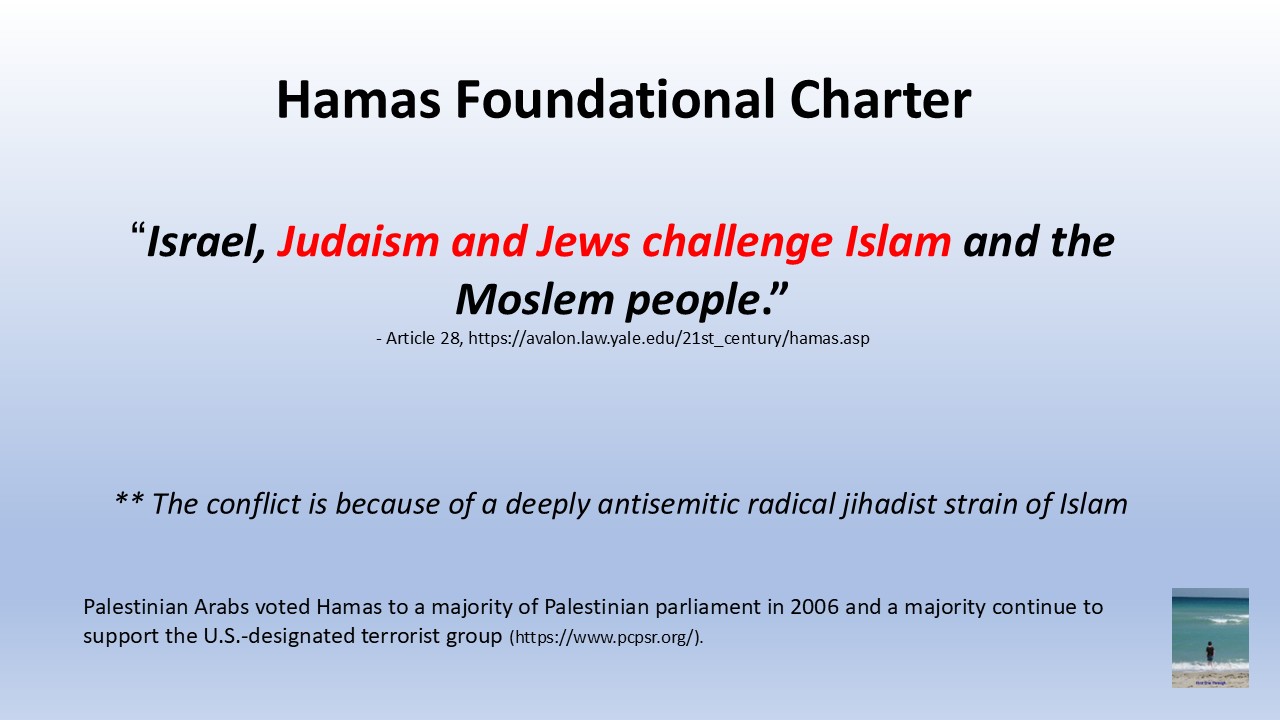
ISIS and Hamas operate in different places and pursue different strategies, but they draw from the same radical Islamist narrative that frames Jews as enemies and violence as religious duty.
Online, that narrative increasingly reaches the same audience: young people in Western societies, including young Muslims searching for identity and purpose.
First, there is an ideology problem. Radical Islamist movements openly encourage violence against Western societies and portray Jews as enemies in a religious struggle.
Second, there is a sanitization problem. When that ideology is softened, blurred, or renamed as a “cause,” the public cannot see the pattern.
San Bernardino. Orlando. The Hudson River bike path. Bombing attempt near Gracie Mansion. Young people celebrating Muslim massacres of Jews.
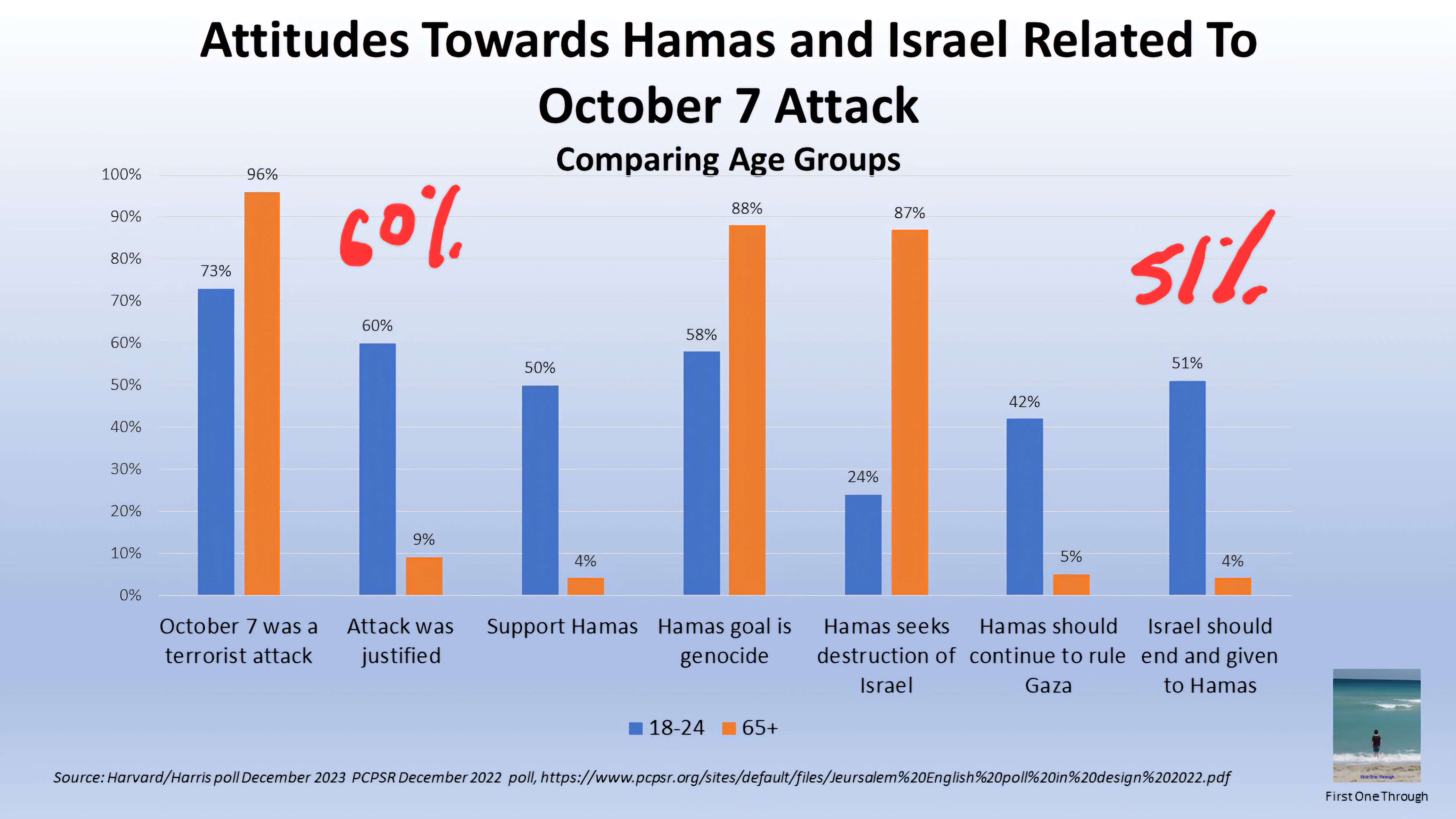
A sick 60% of Americans aged 18-24 polled said the October 7 massacre was “justified,” 50% support Hamas, and 51% said Israel should end and be handed to Hamas
Different attacks with the same ideological current reaching the same young audience, and pointing toward the same enemies.
The violence makes headlines yet the ideology poisoning western youth is being whitewashed. That is jihadi-washing, and it endangers us all.
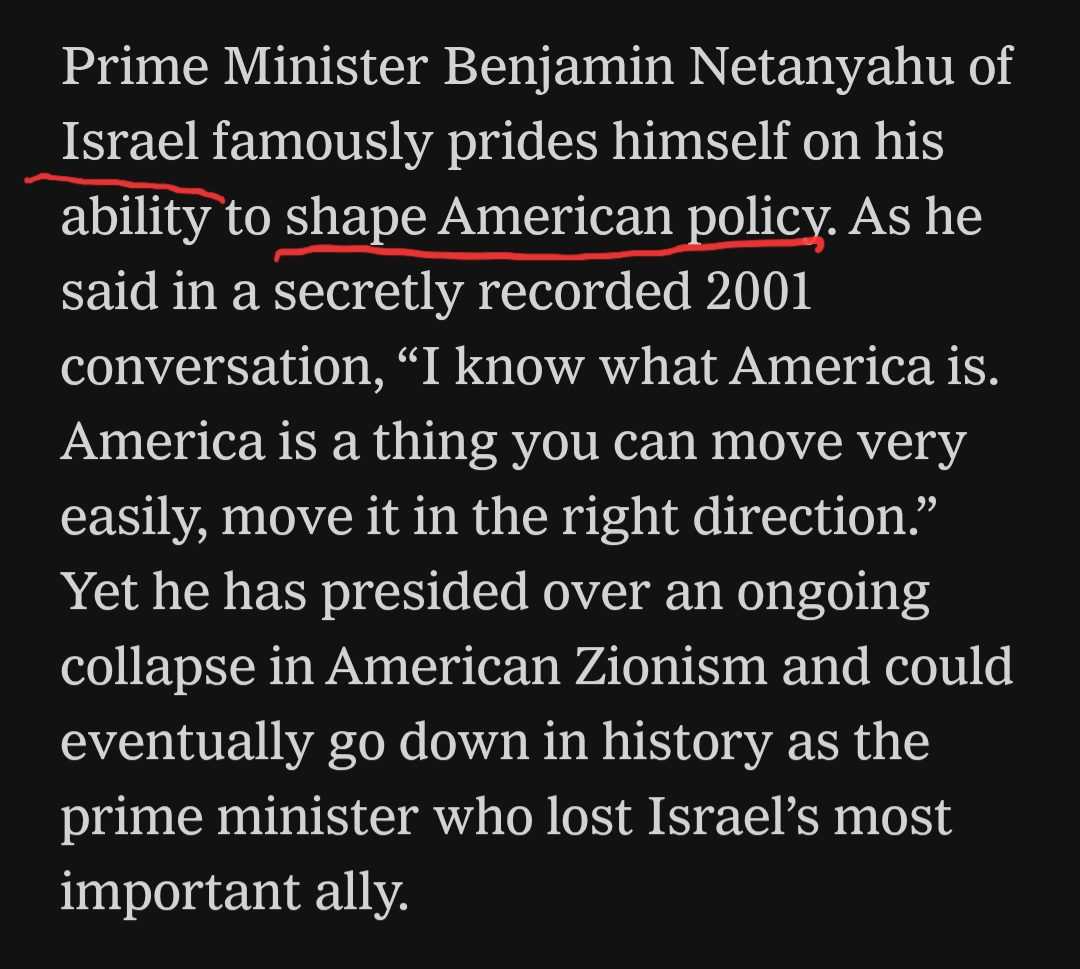
Michelle Goldberg, an opinion columnist for The New York Times, wrote a piece called “How Israel Lost America,” which made it sound like a country actively did something to turn Americans on it. She wrote:
“Conspiracy theories about Israel manipulating America into another Middle Eastern conflict are bound to flourish, especially because there will be a grain of truth to them.”
Pause there.
The claim that Israel manipulates America into war is not new. It echoes dual loyalty accusations against Jews who support Israel. It echoes the suspicion of hidden influence. It echoes the charge that Jews entangle great powers in foreign conflicts.
To say such conspiracies will flourish is observation. To say they contain “a grain of truth” is validation.
That sentence does not merely predict antisemitic rhetoric. It lends it credibility.
The column builds toward that moment.
Goldberg wrote:
“Israel, by behaving appallingly and then trying to silence any condemnation of its appalling behavior as antisemitic, gives ammunition to Jew haters.”
Israel behaves appallingly – seemingly against America’s values and/or interests – and then pulls out the antisemitism card to try to silence critics, and that combination arms the Jew haters.
The causal arrow points away from the antisemite and toward the Jewish state. Hatred becomes consequence. Antisemitism becomes reaction. And it becomes so, because Israel itself decided to flag it, not the Jew hater.
To give credence to her theory, Goldberg quotes Jeremy Ben-Ami of the left-wing group J Street, warning of “blowback” when antisemitism is invoked in political disputes:
“You’re going to get some blowback against the people doing that.”
Again, antisemitism is framed as backlash. The focus shifts from the existence of anti-Jewish hostility to whether Jews and Israel are provoking it.
Layer these claims together and the pattern emerges:
Israel behaves badly. Antisemitism claims are overused. Blowback follows. Conspiracies flourish. There is “a grain of truth.”
The article never touches upon the truth of Gazans slaughtering Jews. The column doesn’t write about the antisemitic genocidal Hamas Charter. Goldberg doesn’t discuss the anti-Israel mobs in America celebrating the slaughter of elderly Jews, raping of Jewish women, and the burning of Jewish families alive. Other than to validate their feelings.
But the most consequential move in the column is quieter.
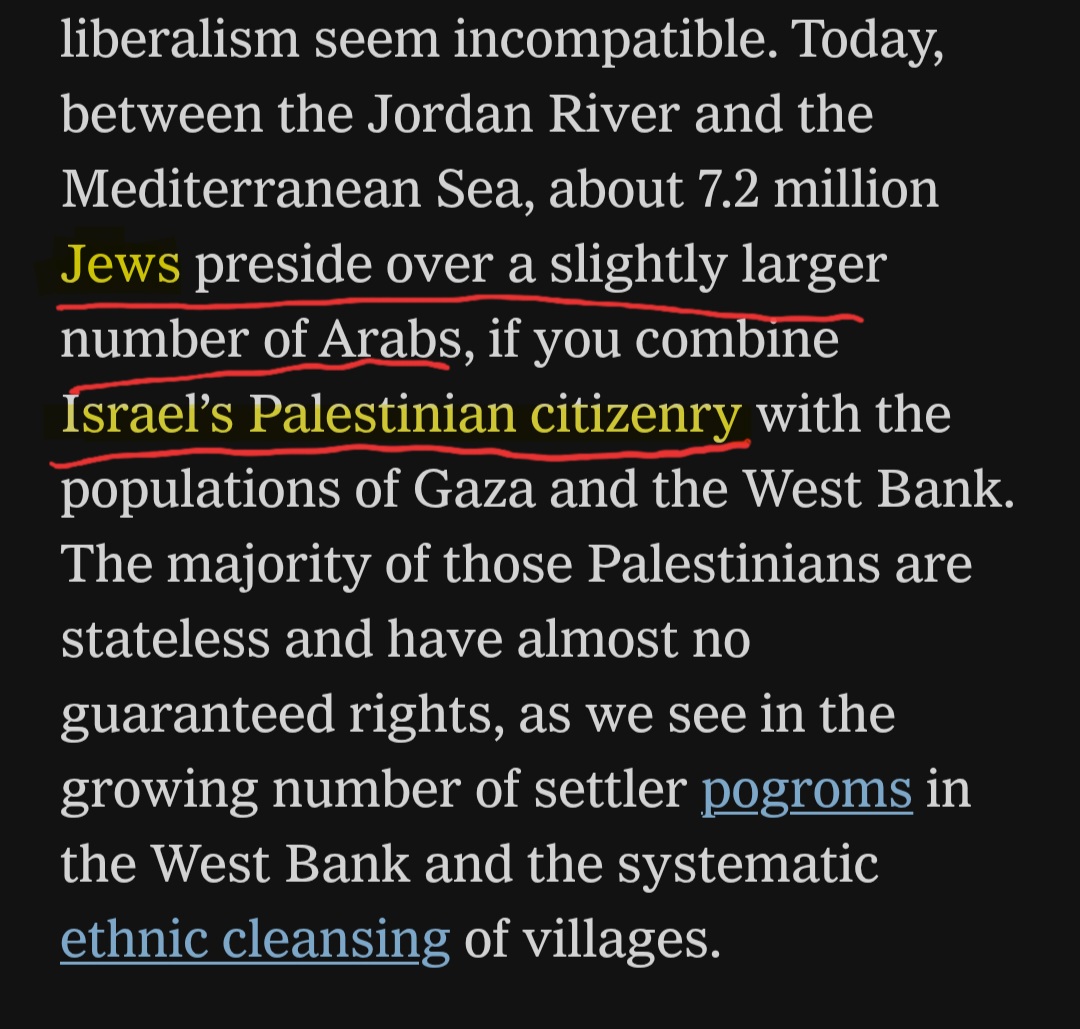
Israelis are discussed in ways readers instinctively map onto Jews. Israeli Arabs are transformed into “Israel’s Palestinian citizenry”, separating them rhetorically from the category of “Israelis.” Roughly a quarter of Israel’s citizens are not Jewish, yet that demographic fact disappears from the frame. Israeli Arabs are no longer part of the “Israel” that is “losing America” because they are really part of the counterparty in the war. That means that only Israeli Jews are the problem. The contrast is especially stark as the world cannot conceive of a “Palestinian Jew.”
The result is a subtle transformation. The conflict shifts from a dispute between a sovereign state (Israel) and a national movement (Stateless Arabs from Palestine, SAPs, seeking a new state) into something older and more volatile: Jews versus non-Jews in the Middle East.
Once that transformation occurs, every Israeli policy becomes Jewish policy. Every American alignment becomes Jewish influence. The state and the people fuse.
Now return to the “grain of truth.”
If Israel has already been rhetorically collapsed into Jews, then the suggestion that conspiracies about Israeli manipulation contain truth does not land on a neutral government. It lands on a people historically accused of secret power.
This is how respectable language normalizes ancient suspicions. The words are measured. The tone is analytic. The effect is corrosive.
Criticizing Netanyahu is legitimate. Opposing war is legitimate. Debating American foreign policy is legitimate. People do it all of the time about leaders and policy for all countries all over the world.
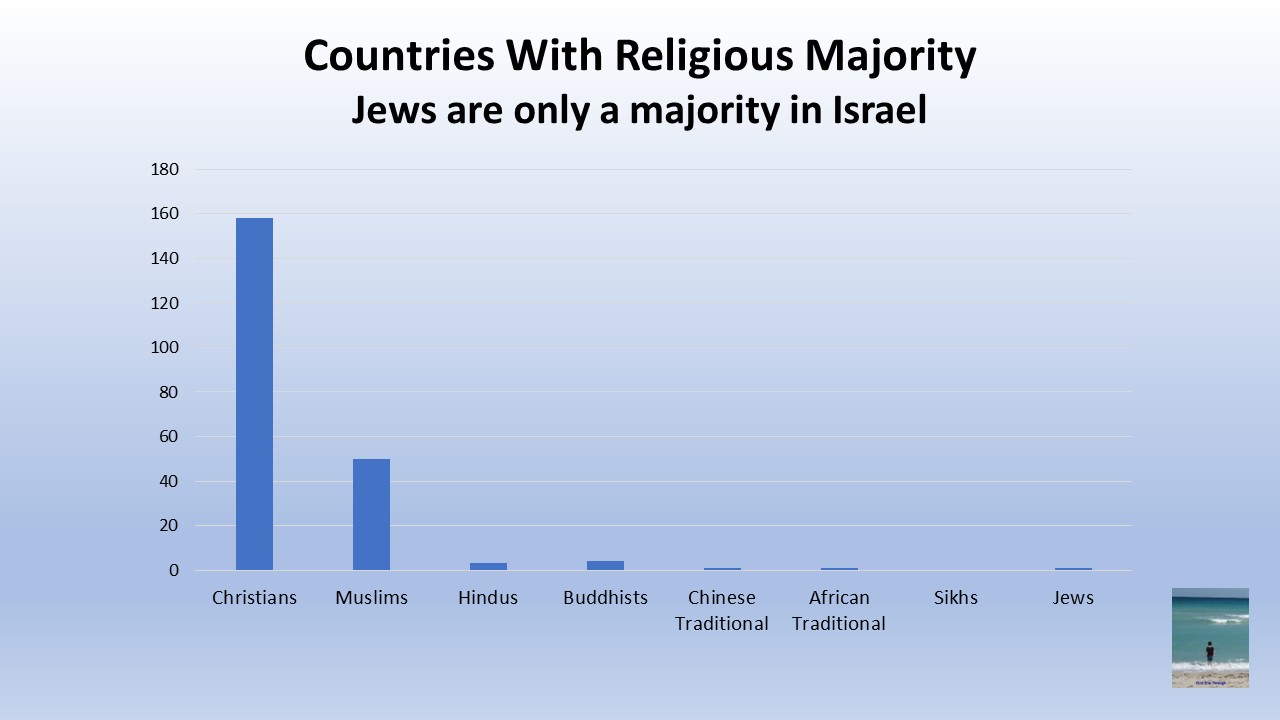
Yet people don’t turn the vile behavior of Iran into criticism of all Muslims. People don’t say Catholics run the drug cartels of Colombia, where a greater percentage of the country is Catholic than Israel is Jewish. People do not make people of faith the subject, unless it’s Jews.
Framing antisemitism as a foreseeable reaction to Israel’s – which we are informed should be read as “Jews'” – conduct while granting partial legitimacy to manipulation conspiracies crosses a line. And it leads to a public that no longer wants to combat antisemitism, as it has become conditioned to rationalize the ancient hatred.
In a sharp escalation of transatlantic tensions, U.S. President Donald Trump announced that the United States will “cut off all trade with Spain”, publicly castigating the Spanish government for refusing to allow U.S. military bases on its soil to be used in operations linked to strikes against the Islamic Republic of Iran and for what he termed Spain’s failure to contribute sufficiently to NATO defense spending. Trump declared that he “doesn’t want anything to do with Spain,” framing the dispute as a response to Madrid’s resistance to what he described as confronting evil in the Middle East and paying its fair share for collective defense.
What follows is not about this immediate crisis. It’s about deeper historical currents that help explain some of the underlying dynamics in Spanish public life that stretch back to the fifteenth century and still matter today.
In Western Europe outside Scandinavia and the United Kingdom, the two countries with the smallest Jewish presence relative to population are Spain and Portugal (about 0.02% of each countries’ overall populations).
That is not a statistical curiosity. It is a civilizational fact.
Five centuries ago, the Iberian Peninsula expelled its Jews. What had been one of the great centers of Jewish life vanished over a five and a half year short window. The Alhambra Decree in 1492 ordered practicing Jews out of Spain. Portugal followed with forced conversions and the Inquisition. Open Jewish life disappeared. What had been woven into the intellectual, commercial, and spiritual fabric of the peninsula was purged.
And it stayed removed.
Unlike other parts of Western Europe where Jewish communities, even after catastrophe, remained visible and rebuilt, Iberia entered the modern era with almost no Jews at all. Medieval synagogues became churches, then museums. Sephardic music became heritage. Jewish quarters became tourist sites. The living community remained tiny.
Fast forward to the present.
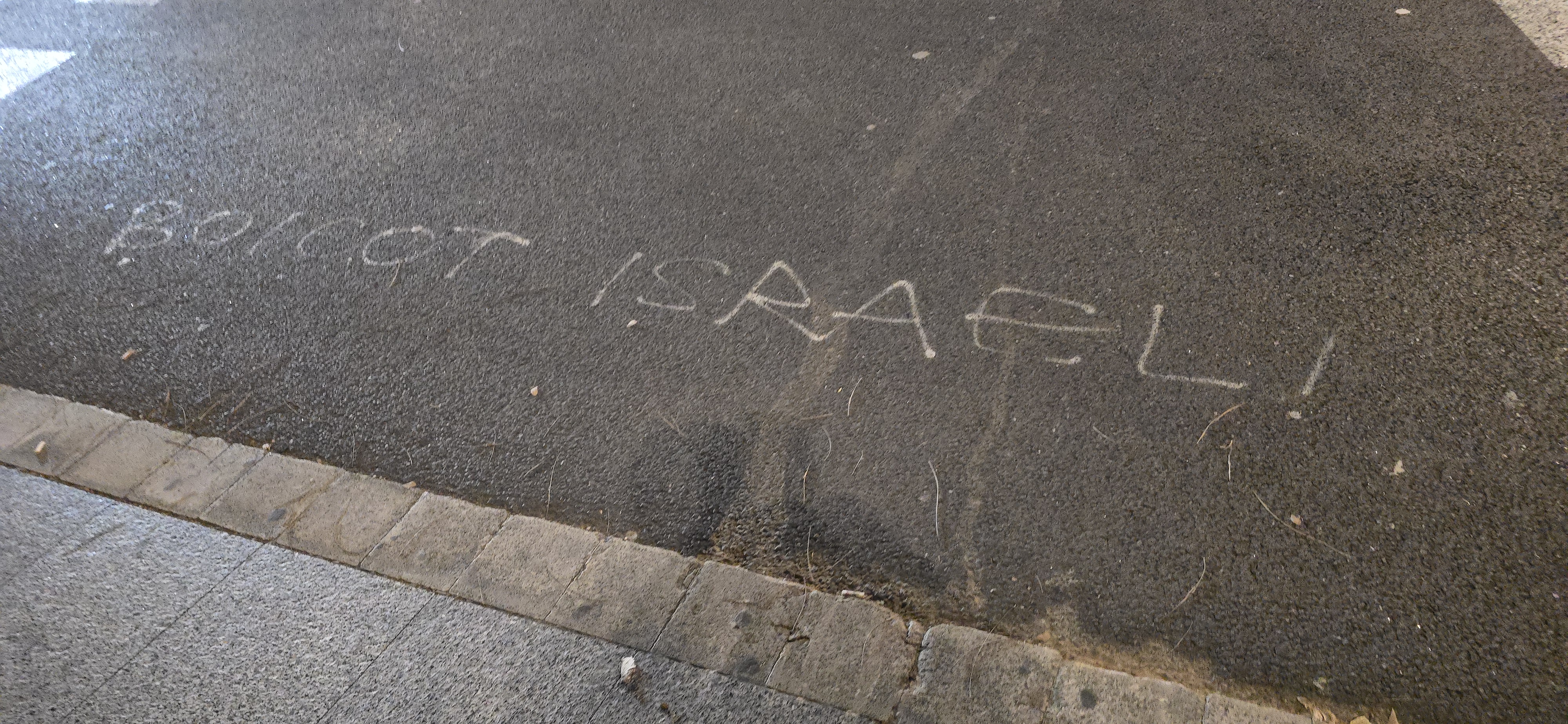
In Spain, large protests erupt over the Israeli-Stateless Arabs from Palestine (SAPs) conflict. Municipal councils pass symbolic measures aligned with boycotts. Parliament debates recognition of Palestine. Streets fill with Palestinian flags while graffiti targets Israel.
Anti-Israel graffiti on Barcelona street in March 2026 (photo: First One Through)
In Portugal, while public demonstrations are generally smaller, political and diplomatic critiques of Israeli policy align with broader European debates.
And yet.
There are no comparable national protest cultures around Sudan. No sustained marches over Somalia. No municipal votes over Afghanistan. Iran’s repression and mass slaughter of its citizens cannot find a sympathetic voice in Iberian plazas, and the Rohingya tragedy never became a regular mobilizing cause.
The difference is not just geopolitical proximity or media cycles. It is structural.
Germany, by contrast, carries the Holocaust in living memory. Its leaders speak of Israel’s security as part of state responsibility. Jewish life is visible, rebuilt, acknowledged. The past is recent enough to shape policy language. The moral vocabulary is immediate.
Spain does not carry that twentieth-century reckoning. Its rupture with Jewish life occurred in 1492, so there is no generational memory of deportation trains. The story of Jews is medieval, not modern.
When a society has lived five hundred years without Jews, when Jewish presence is primarily historical exhibit rather than daily reality, does Israel become easier to turn into abstraction? Does outrage attach more easily to a distant Jewish state when there is little lived Jewish experience at home?
Or is it even worse than detachment?
A peninsula that removed its Jews in the fifteenth century now hosts some of the smallest Jewish communities in Western Europe, public squares with the most intensely anti-Israel protests, and a government unwilling to mobilize in the slightest manner to defang the leading state sponsor of terror, especially against Jews.
Five centuries is not only long enough for history to fade; it is long enough for it to harden into culture.
Since October 7, diaspora Jews have met three types of Israelis: traumatized, empowered and lonely.
The traumatized arrive as witnesses. The empowered arrive as proof of resilience. The third variety is one of performance – asked to explain a country while still trying to understand their own experience.
In Jewish communities, the first narrative is familiar. Israelis describe rupture.
October 7. The hostages. Reserve duty. Funerals. The knowledge that Iran sits behind the horizon.
This is testimony. The Israeli leaves seen as wounded.
A second narrative follows.
Israel adapted. The army responded. The economy continues. Restaurants are full. Startups are built.
This story stabilizes the room. The Israeli leaves seen as resilient.
Between these narratives lives daily life.
Relief and dread coexist. Normal life returns without feeling normal. Laughter sits beside background tension.
Public conversation prefers clarity. Experience offers contradiction.
So Israelis adapt to the room.
They speak trauma when trauma is needed. They speak strength when reassurance is needed. They translate Israel in real time.
The performance is neither optimism nor trauma. But it is performance, a derivative removed from feelings.
Psychology defines loneliness as the gap between experience and recognition, not the number of relationships. This is emotional loneliness – social connection without feeling fully known.
A related idea is self-discrepancy, the distance between lived reality and presented identity. When that distance persists, people function well while feeling internally unseen.
Connection forms around the role while the person remains partially hidden.
Diaspora encounters intensify this.
Israelis become representatives of war, resilience, survival. Conversation pulls toward clarity. Ambiguity has little space.
So ambiguity moves inward.
This produces what researchers describe as invisible loneliness: being embedded in strong relationships yet recognized mainly through narrative.
Outwardly, this looks normal.
Travel resumes. Humor returns. Good news is shared. Life is described as continuing.
Much of this is regulation.
Many Israelis instinctively manage diaspora anxiety: softening uncertainty, emphasizing stability, offering reassurance before they fully feel it.
People compress their own ambiguity to protect others. Emotional labor strengthens connection while quietly increasing distance.
The loneliness that follows is subtle.
These Israelis are seen as strong and seen as wounded, but rarely seen as both at once. Explanation is recognized faster than contradiction.
Fluency becomes the demanded role.
But that fluency creates distance.
The most adaptive Israelis can tell every story correctly. They sense what the room needs and provide it. They move between testimony and reassurance without hesitation.
This is competence. And compression.
At home, without an audience, the unperformed experience lives: pride and exhaustion, relief and uncertainty, normal life alongside persistent tension.
Psychology frames this as the cost of sustained self-discrepancy: the larger the gap between experienced reality and presented reality, the greater the risk of loneliness inside connection.
Diaspora Jews are not doing something wrong and Israelis are not being inauthentic. This is what prolonged uncertainty does when communities need clarity.
The role of the Israeli has become easier to understand than the experience of being Israeli. Can diaspora Jewry enable them to feel truly connected simply by listening, or does the off-ramp from loneliness require sharing the barrage of antisemitism in their own daily lives.
















 First One Through