Shoftim Inside the Gates vs. Judges Outside The Hague

Parshat Shoftim begins with a straightforward command:

“Judges and officers you shall appoint in all your gates … and they shall judge the people with righteous judgment.” (Devarim 16:18)

Rashi explains that every town needed both judges to rule fairly and officers to enforce those rulings. Justice could not be a distant idea — it had to be rooted locally, available to every community. That is the Torah’s formula for a moral society: equal justice, applied where people live.

Justice Where You Live

The genius of Shoftim is its insistence that justice must be accessible and equal. Not some imperial tribunal deciding cases in faraway capitals, but local courts where every person could seek fairness and truth.

It is inside the gates where justice takes hold. That’s what builds trust, stability, and morality in a society.

The ICJ’s Distant Spectacle

Contrast this with the International Court of Justice in The Hague. It claims universal authority, yet its judgments fall unevenly. Brutal regimes that slaughter their own citizens often escape its scrutiny. But Israel, a country with one of the most independent and activist judiciaries in the world, is hauled before it repeatedly.

This is an inversion of the Bible’s call for justice: a court far removed from the people, applying rules unevenly, more performance than principle.

Israel hauled before ICJ

Israel’s Local Justice vs. International Bias

Inside Israel, anyone can petition the Supreme Court — Arabs, NGOs, critics of the army. Judges regularly check government policy and military decisions. That is exactly what the Torah envisioned: justice dispensed locally, equally, and consistently.

The ICJ, by contrast, applies law selectively and from a distance. It does not strengthen justice; it hollows it out.

Conclusion

The United Nations had the opportunity for courts in its gates — with its agency UNRWA on the ground in Gaza, running schools, hospital and providing loans. It could have confronted Hamas’ crimes. Instead, it chose silence. It abandoned justice, allowed Hamas to fester, and turned Gaza into a terrorist enclave for Israel to face.

Now the same UN condemns Israel in The Hague. A body that ignored justice locally dares to preach it globally.

But the Torah is clear: a land cannot be moral when evil is allowed to sit at its gates. Hamas must be expelled. And the UN — which empowered terror and continues to undermine justice — has no rightful place in the Holy Land either.

Parshat Re’eh and E1: Gathering the Nation Around Jerusalem Then and Now

Parshat Re’eh commands the Jewish people:

“Three times a year all your males shall appear before Hashem your God in the place He will choose—on the Festival of Matzot [Pesach], on the Festival of Weeks [Shavuot], and on the Festival of Booths. [Sukkot]” (Deuteronomy 16:16).

At a time when the tribes of Israel were destined to live across a wide and varied land—from the Galilee to the Negev, from the Mediterranean to the Jordan Valley and beyond—this commandment ensured that all Jews, regardless of tribe or geography, would remain bound to a single center: the place “He will choose:” Jerusalem.


Then: One City for One People

The pilgrimage festivals were not simply religious obligations; they were national glue.

  • Unity in Diversity: Each tribe had its own territory, customs, and leadership. But Jerusalem reminded them that they were not twelve separate entities—they were one nation.
  • Physical Connection: The journey itself—families traveling for days from north, south, east, and west, THREE TIMES A YEAR—kept every Jew intimately connected to the city at the nation’s core.
  • Spiritual Focus: No matter how far they lived, Jews oriented their lives toward Jerusalem.

Without this ritual of convergence, the tribes might have drifted apart, their shared purpose diluted by distance and difference.


Now: Re-Centering Around Jerusalem

Fast forward over three millennia. Jerusalem is once again the capital of a sovereign Jewish state. But the modern challenge is becoming increasingly less about tribal dispersion, with Jews in the holy land making up a plurality of Jews – it is geopolitical pressure and strategic vulnerability.

Recent government plans to develop the area known as E1, just east of Jerusalem, have sparked international controversy. Critics claim the project is “obstructive to peace.” It’s an absurd claim. Supporters see it differently: as an essential step to connect Jewish communities around the capital, ensuring that Jerusalem remains safe and accessible and central to Jews from north, south, east, and west.

The parallels to Re’eh are striking:

  • Geographic Cohesion: Just as ancient pilgrimage routes tied the tribes together, modern infrastructure links surrounding communities to Jerusalem.
  • National Identity: Building around Jerusalem reinforces its role not just as a city, but as the beating heart of Jewish life.
  • Defying Fragmentation: Where outside forces seek to carve up and isolate Jerusalem, development ensures continuity and connection.

Jerusalem: The Eternal Center

Parshat Re’eh’s vision was never merely about geography—it was about survival through unity. When Jews journeyed to Jerusalem three times a year, they reaffirmed their covenant and their peoplehood. One God, one people.

Today, as Israel strengthens the areas around Jerusalem, it is engaged in the same mission: to keep the Jewish people close to their capital, secure in their homeland, and united across generations.

Then as now, Jerusalem is not just a place—it is the center of a people.

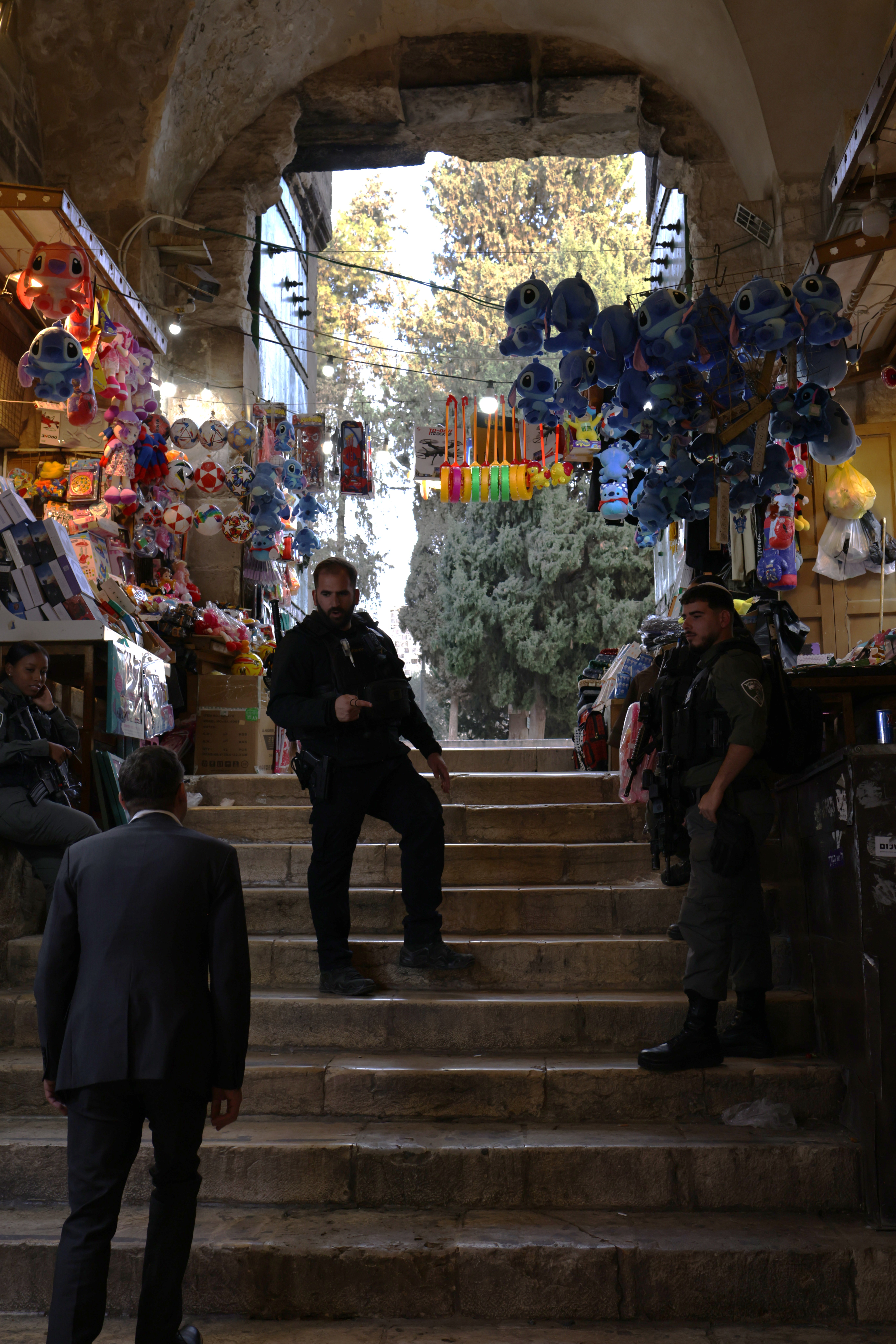
The Old City of Jerusalem including the Jewish Temple Mount on the holiday of Sukkot

Eikev, On Consequences

Parshat Eikev is about consequences. Love God and cherish the land, and there will be abundance. Turn away from them, and the blessings will vanish. It’s not just poetic scripture—it’s a binding principle embedded in Jewish destiny.

In 2005, Israel withdrew from Gaza, handing the Strip to the Palestinian Authority. The move was framed as a step toward peace, but Palestinians internalized a different lesson from the Second Intifada: violence works. Within two years, Hamas was elected to a majority of the Palestinian parliament, seized power in Gaza, and rockets became Gaza’s chief export.

The same pattern played out decades earlier. In 1967, Israel reclaimed eastern Jerusalem from Jordan in a defensive war and reunified the city. Yet, instead of asserting Jewish sovereignty on the Temple Mount—the holiest site in Judaism—Israel handed day-to-day control to the Islamic Waqf which banned Jewish prayer there. The Muslim world absorbed the message: Jews do not value their holy places as deeply as Muslims do.

These choices raise the uncomfortable question: do Jews truly love the land and God in the way Eikev commands? The Bible is not just a Jewish text. Billions of non-Jews around the globe read it. They know its covenantal clauses and its warnings. They understand—at least in their own terms—the consequences that befall Jews when we turn from God’s love and from the eternal heritage of the land. Some may even see themselves as agents in delivering divine justice.

God knows. The world knows.

It is time for Jews to internalize this truth. The Shema’s first line is often recited aloud with pride. But the second section (starting at Deuteronomy 11:13), with its stark outline of blessings for faithfulness and curses for betrayal, is whispered—if said at all. Perhaps it’s time to say it aloud, not just with our lips, but with our lives: affirming an unbreakable commitment to God and to the holiness of the land.

In Israel, that would be building homes in the area known as “E1,” cementing all of Jerusalem including the Temple Mount as integral to Israel. In the diaspora, it means putting mezuzahs on doorposts and wearing tefillin (11:18-20).

The Old City of Jerusalem including the Jewish Temple Mount/ Al Aqsa Compound

Consequences are not an abstraction in the Torah—they are the lived reality of Jewish history. Eikev’s message is as urgent now as it was on the plains of Moab.

To Stay In The Land: Investing In The Ten Commandments

When Moses addressed the Israelites in Parashat Vaetchanan, standing on the threshold of the Promised Land, his message was clear and urgent: Keep the commandments and you will live; abandon them and you will be driven from the land.

“You must observe His rules and His commandments that I am commanding you today, so that it may go well with you and your children after you, and so that you may endure in the land that God, your God, is giving to you forever.”

Deuteronomy 4:40

It wasn’t a political warning. It wasn’t about borders, treaties, or weapons. It was spiritual. Covenantal. National.

He reminded them: God didn’t choose you because you were many or mighty. He chose you because He loved you. And what does God ask in return? Not sacrifices, not empty rituals, but love expressed through loyalty. Loyalty shown in deeds—by keeping His commandments and walking in His ways.

That covenant stands today.

Amid a global spike in antisemitism, war in Israel, and growing divides between Jews in Israel and the Diaspora as well as secular and religious Jews in Israel, it’s time to return to the constitutional core of Jewish life: the Ten Commandments.

There are 613 commandments in the Torah, but these ten were spoken directly by God to the entire nation at Sinai. They were repeated again by Moses in Deuteronomy for a reason. They are not just laws—they are foundations.

If we want to stay in the Land we must invest in them.

Here are ten national action items for Israeli and Diaspora Jews alike to bring the Aseret HaDibrot back to life:

1. “I am the Lord your God” — Reclaim Faith

In Israel: Integrate emunah (faith) into national identity, not just religion. Teach the purpose of Jewish existence in the IDF, sherut leumi, and public schools.

In the Diaspora: Strengthen Jewish schools and programs that teach belief as something deeper than ethnicity or culture. Anchor identity in divine purpose.

The Shema prayer is in this parsha, a prayer to be read aloud with concentration. Let each session of the Knesset and Jewish  day schools begin with that first sentence.

2. No Other Gods — Confront Idolatry

In Israel: Take on modern idols—power, tech, money. Demand spiritual accountability from the startup- scaleup nation.

In the Diaspora: Counter the worship of celebrity and culture with Jewish meaning and humility. Lead with Jewish ethics, not trendiness.

Focus on Humble Faith to moderate the human tendency to exaggerate our worth and blind us to God’s gifts.

3. Do Not Take God’s Name in Vain — Elevate Speech

In Israel: Clean up public discourse. Hold politicians, rabbis, and influencers accountable for words that desecrate God’s name.

In the Diaspora: Promote reverence and honesty in all Jewish communication—online, in media, and in leadership.

We all carry a global megaphone with us at all times of the day. Beware of proclamations and defamations made in the name of Judaism.

4. Keep the Sabbath — Build National Unity

In Israel: The Haredi community must not sit out the war. They must serve through sherut leumi by helping others keep Shabbat—cooking meals, opening homes, dancing in the streets. Make Shabbat the shared joy of the nation.

In the Diaspora: Host Shabbat for unaffiliated Jews. Create communal spaces that let people taste sacred time—no judgment, just joy.

Jews have the special opportunity to show each other and the world the special nature of Shabbat. Make it holy for you and your family. From there, let it spread outward to the community, country and civilization.

5. Honor Your Father and Mother — Care for the Elderly

In Israel: Train Israeli youth in elder care. It’s a disgrace that our Holocaust survivors and parents are mostly cared for by foreign workers.

In the Diaspora: Create teen-elder programs that pass down memory and dignity. Jewish continuity depends on honoring the past.

Modern psychology has taught many of us to center our being on ourselves and blame parents for our situations. Even – or especially – if that’s true, spend time showing honor to parents and in-laws. It is a pathway for a healthy society.

6. Do Not Murder — Value All Life

In Israel: Try to end domestic violence and youth crime. Reclaim the sanctity of life as a national value, not just a slogan.

In the Diaspora: Jews must lead on mental health and abortion, the leading causes of preventable death.

Every life is a world. Whether one is in favor or opposed to abortion, treat life with the utmost respect and engage in debates that are centered on life.

7. Do Not Commit Adultery — Strengthen Families

In Israel: Fund pre-marriage education and family counseling. Healthy families are the front line of Jewish survival.

In the Diaspora: Promote Jewish relationships and marriage through values-based education—not just dating apps.

Reorient Friday night dinners away from invited company for two Sabbaths every month to focus on personal relationships.

8. Do Not Steal — Demand Integrity

In Israel: Tackle corruption. Ethical leadership is not optional in a holy land.

In the Diaspora: Teach financial and business ethics as part of Torah. Kiddush Hashem starts in the workplace.

At an early age, allow children to reserve certain toys for personal use as opposed to sharing with friends; it allows them to incorporate the idea of ownership and space both for themselves and others.

9. Do Not Bear False Witness — Seek Truth

In Israel: End the plague of slander and fake news in politics and media. Truth is a national security issue.

In the Diaspora: Speak with compassion and accuracy. Lashon hara is poison. Truth builds communities.

10. Do Not Covet — Practice Gratitude

In Israel: Reduce economic resentment by promoting gratitude and generosity. Envy destroys unity.

In the Diaspora: Celebrate others’ success. Give, volunteer, and stop keeping score.

Being truly grateful involves the public declaration of appreciation: to God in prayer, and fellow person in thanks. It centers the interplay between ourselves and the world in a healthy dynamic.

Conclusion: Choose Life

Moses didn’t say this for nothing. The land doesn’t tolerate injustice, idolatry, or apathy. If we want to remain in Eretz Yisrael, we must remember what kept us from here: the first tablets were shattered on diaspora rocks and we wandered in the desert for failing to believe in God’s gift.

We must also remember what brought us to the land: God’s love—and a call to respond in kind.

The Ten Commandments are not old laws. They are today’s mission.

The Old City of Jerusalem including the Jewish Temple Mount/ Al Aqsa Compound

From Devarim to Today: Firsthand Testimony as a Covenant Across Generations

In Parshat Devarim, Moses begins his final speech to the Israelites. He does not begin with the Creation of the world or the stories of the Jewish patriarchs and matriarchs. The Book of Genesis — with its grand universal themes and personal family journeys — is set aside. Instead, Moses focuses on the collective journey he himself witnessed: the liberation from Egypt, the giving of the Ten Commandments, the rebellions and reckonings in the wilderness. It is as though this is where the Jewish people’s national story truly begins.

Rabbi Jonathan Sacks observed that Deuteronomy is not just a repetition of laws — it is Moses’ personal testimony, his urgent effort to pass on memory, meaning, and mission. As the Israelites stand poised to enter the Land, Moses knows he will not go with them. What he offers instead is the one thing only he can give: the lived truth of experience.

This resonates today more than ever. We are witnessing the passing of another generation of eyewitnesses: the survivors of the Holocaust and the founders of the modern State of Israel. Like Moses, they saw the journey with their own eyes — from slavery and destruction to sovereignty and rebuilding. They walked from Auschwitz to Jerusalem. They built a state out of the ashes, defended it in war, and gave it the infrastructure of a living, breathing nation.

Their stories — of suffering and survival, of faith and fortitude — are not just history lessons. They are testaments. And they come with a charge: to remember, to be vigilant, to defend our people and our land, and to carry forward the values of Torah and the reality of Jewish nationhood.

Just as Moses recounted the past to prepare the people for the future, so too must we internalize the legacy of those who came before us. Their firsthand accounts are not simply about what was, but about what must be. A people grounded in memory is a people prepared for destiny.

If we listen to their voices — and not merely archive them — we gain strength to resist the deniers, the revisionists, and the haters. We reaffirm that we are not just a people with a past, but a people with a purpose — a covenantal mission that stretches from Sinai to today.

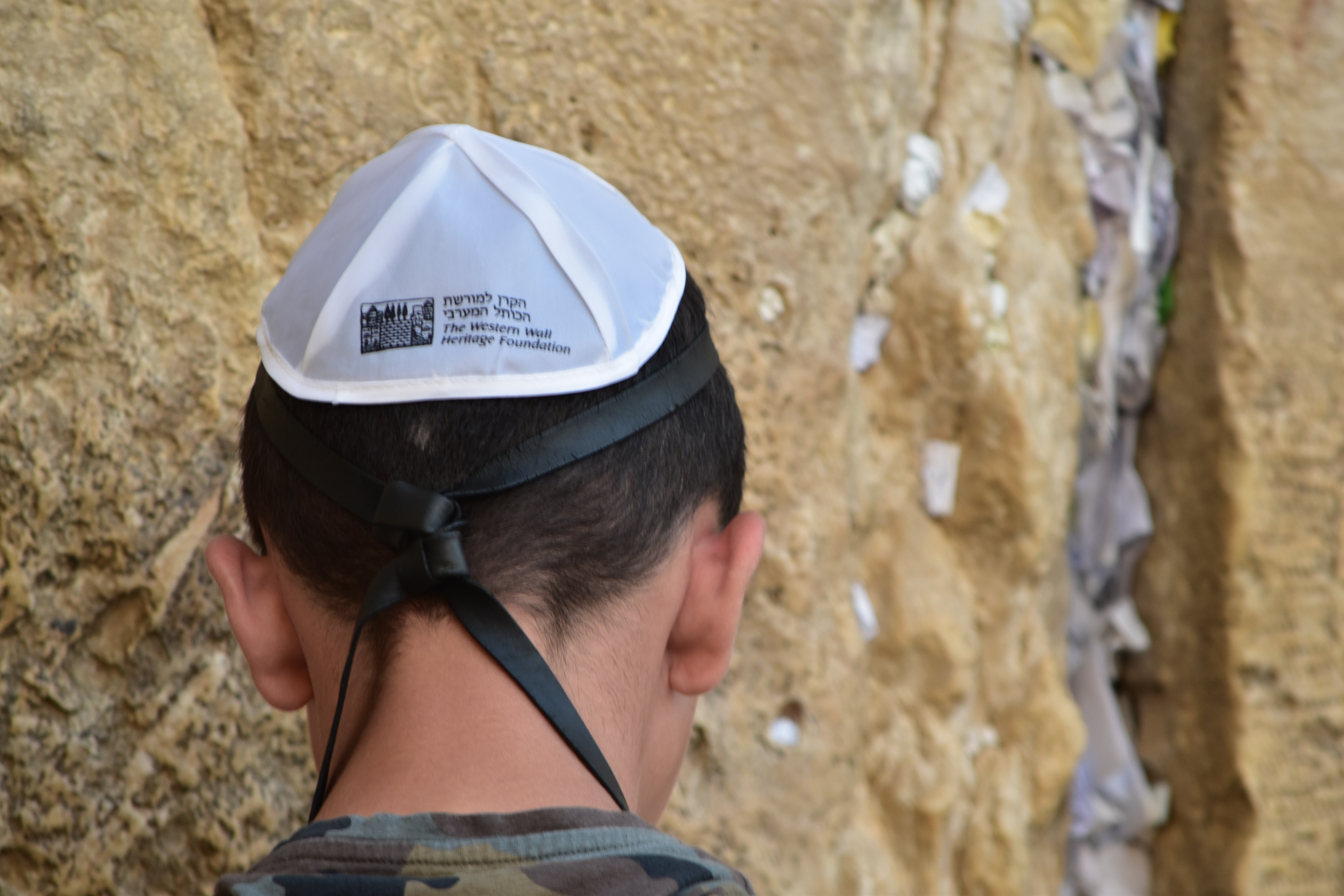
Kotel Plaza

Diaspora Jews and the Promised Land

In the Book of Numbers, chapters 32 and 34, we find a powerful and enduring lesson for Jews living outside the land of Israel. The tribes of Reuben and Gad, later joined by half of the tribe of Manasseh, approached Moses with a bold request. They asked to settle on the east side of the Jordan River, outside the boundaries of the Promised Land, because the land there was suitable for their abundant livestock. Moses was skeptical: was this another rebellion, like the spies who had refused to enter the land decades earlier?

But the tribes made a solemn vow. They would not only join the conquest of the Land of Israel—they would be on the front lines. Only after the land was secured for their brethren would they return to their homes across the Jordan. They could live outside the Promised Land, but they could not abandon their people or their mission.

Wallis’s New map of The Holy Land (1815)

Fast forward thousands of years, and the question still echoes: Do Jews living in the diaspora bear a similar responsibility toward Israel today?

The modern State of Israel, reborn in 1948, has been under near-constant threat. From surrounding Arab nations launching wars to terrorist regimes like Hamas slaughtering civilians, Israel’s security is never guaranteed. The battlefield has expanded beyond the physical: anti-Israelism masquerades as social justice in Western institutions, and Jewish students face intimidation on campuses from New York to London to Sydney.

And yet, many diaspora Jews seem detached from the fight. Some claim that Israel’s policies are the cause of antisemitism. Others go further, actively criticizing the Jewish State in public forums – leading with “AsAJew” credentials – hoping that distancing themselves will spare them from scorn.

The lesson of Reuben and Gad was clear: you can live outside the land, but not outside the mission.

Reuben and Gad did not ask to be exempt from the battle. In fact, they pledged to be the vanguard. Likewise, Jews living in the diaspora, particularly those in free and prosperous nations, must recognize their role. They may not carry rifles in the IDF, but they must arm themselves with truth, courage, and commitment.

They should defend Israel in public discourse. They must call out antisemitism cloaked as “anti-Zionism,” a calling card demanding the destruction of Israel. They ought to support accurate Israel education, advocate with elected officials, and give generously to causes that strengthen Israel’s security and society. It is the price of living across the river.

Moses demanded a commitment from the tribes outside the land. Jewish history demands one now.

From War To Heritage

As the Israelites were about to enter their Promised Land, the Bible relays stories of a series of conflicts.

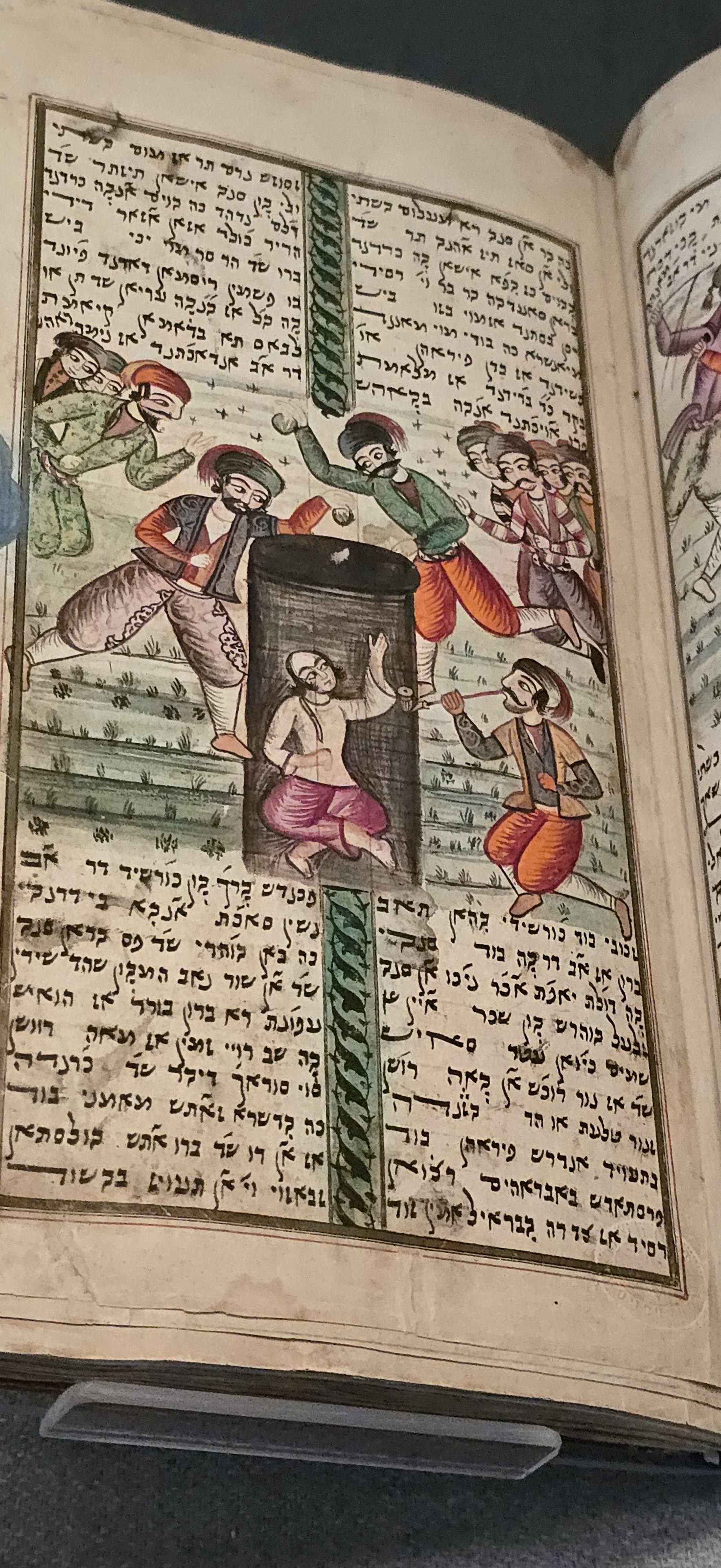
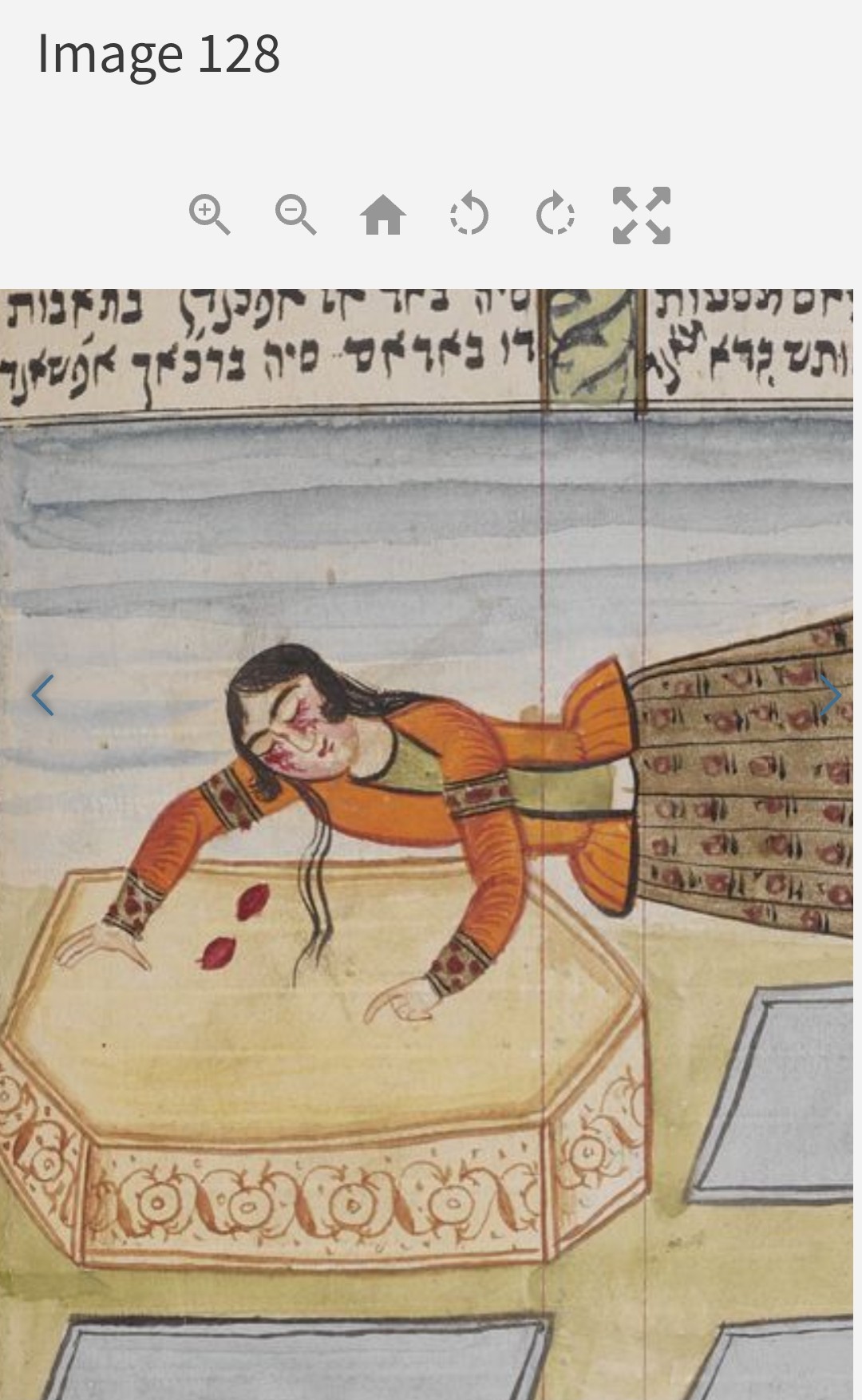
After the spies delivered a bad report on the land in Parshat Shlach, we read the story of Korach who tried to launch a mutiny against Moses and Aaron. Then Chukat describes a war with Amorites, and Balak shares the story of a prophet trying to curse the Jewish people. At the end of Balak (Numbers 25:1-9), we read about Moabite women engaged in profanities with Jewish men. Pinchas, son of Elazar son of Aaron, took a spear and impaled the couple having sex in front of the Ohel Mo’ed, the tent Moses used to communicate with God.

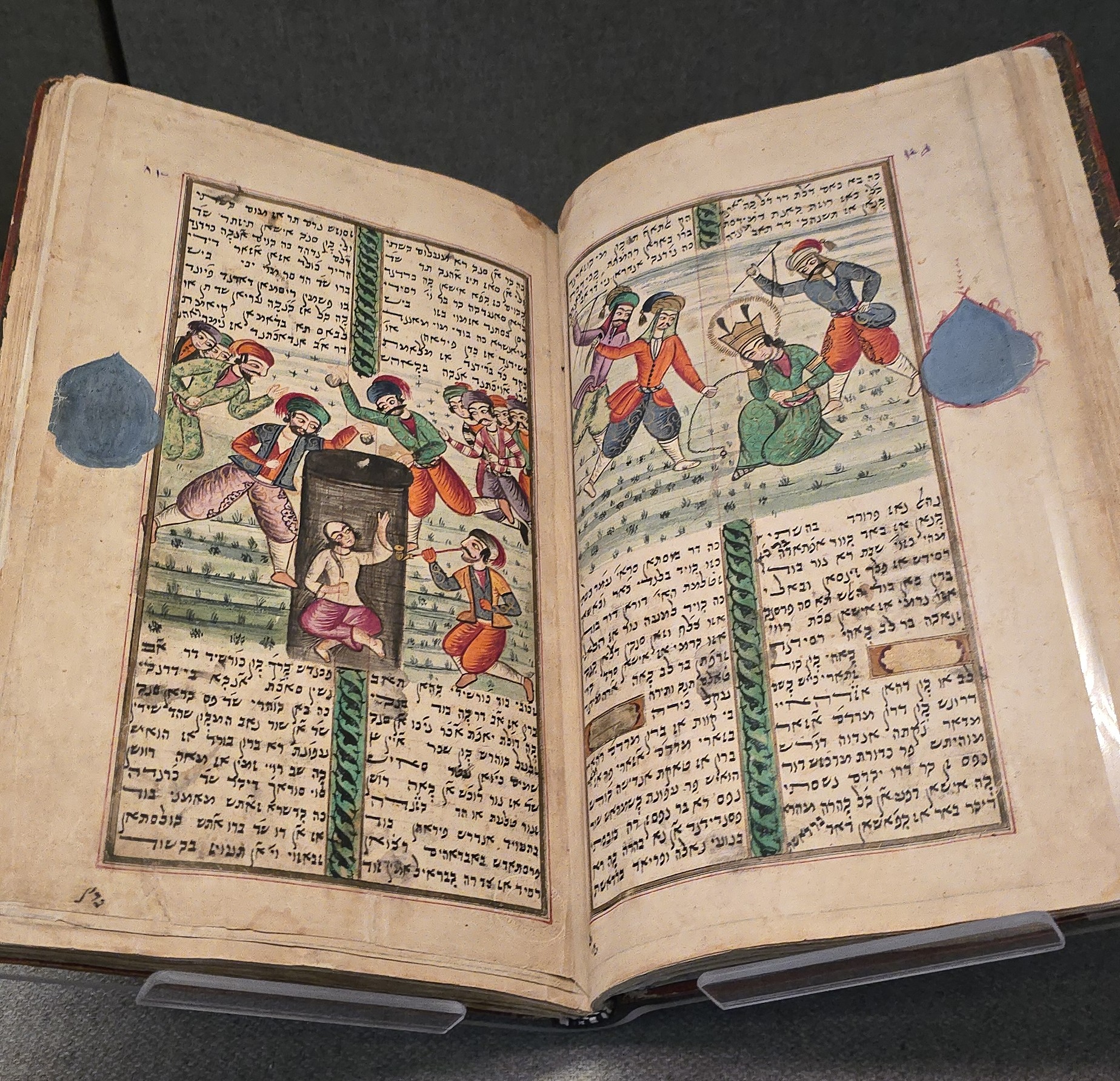
Illuminated manuscript miniature from the 15th-century Alba Bible

And that is where Parshat Balak and the story seemingly end. With the murder of the couple and 24,000 others engaged in similar acts.

But it doesn’t really.

Parshat Pinchas continues the story with a pivot. Rather than highlighting the sins and the deaths, Numbers 25:10 begins with God appreciating the defense of holiness and His blessing Pinchas and his descendants. While the story may appear as a single episode, the Torah divides the parshas – and the narrative – between the violent and the holy, even when the violence was in the name of the holy.

The theme of separation can similarly be seen immediately after this in chapter 26, where God calls for another census of the tribes. Here, God counts the tribes and their families to allocate land for their inheritance. This is in contrast to the census of Numbers chapter 1 in which God wanted to account for how people would assemble in their journey and combat enemy forces. In the case of the journey and battle-readiness, there was a single head of each tribe; when they entered the land, each tribe’s family was specified.

It is a metaphor for how Jews assemble and coordinate today: there are wars that are fought in Israel and the diaspora against those who want to harm Jews and the Jewish State. Global Jewry understands the us-versus-them dynamic and the role for every Jew in the battle. It is related yet distinct from the interaction amongst Jews regarding our common heritage. We each have a part to play living together as a community.

Individuals fight with a common purpose. Families live under a societal umbrella.

We have tribes and borders and homes. We coexist with each other while understanding our peaceful lines. The separations today may be between synagogues or religious denominations. Between schools and political affiliations. Each aspiring for peace and holiness.

Those lines are very different than the battle lines between us and “them,” those who mean to harm us physically, morally and spiritually.

Upon entry into the Jewish holy land, Jews migrated from an army with legions to a people with property. While there were still wars to be fought inside the Jewish Promised Land, the muscle memory of understanding who is within the holy communal tent and those outside forces, was taught over the trials in the desert.

It is a lesson for our time as well: to clearly identify our allies and foes, and wage war and peace accordingly.

Related:

The Blessing of Jewish Distinctiveness (July 2025)

The Zone Of Jew Hatred Interest (March 2024)

Judaism Is Uniquely Tied To The Land Of Israel (December 2023)

Unity – not Unanimity – in the Pro-Israel Tent (November 2017)

The Blessing of Jewish Distinctiveness

In the book of Numbers, the Moabite king Balak summons the non-Jewish prophet Bilaam to curse the Israelite nation which was traveling near Moab. What unfolds, is one of the most mysterious blessings in the Bible.

As Bilaam gazes upon the people of Israel, he declares:

“How can I damn whom God has not damned, How doom when God has not doomed? As I see them from the mountain tops, Gaze on them from the heights, There is a people that dwells apart, Not reckoned among the nations,” “הֶן־עָם֙ לְבָדָ֣ד יִשְׁכֹּ֔ן וּבַגּוֹיִ֖ם לֹ֥א יִתְחַשָּֽׁב“(Numbers 23:8–9)

The statement is peculiar – a nation which dwells alone – has befuddled rabbis for centuries. Is it a curse? A blessing? A prophecy?

At first glance, the idea of being alone evokes discomfort. In Genesis, God explicitly declares, “It is not good for man to be alone” “לֹא־ט֛וֹב הֱי֥וֹת הָֽאָדָ֖ם לְבַדּ֑וֹ” (Genesis 2:18). From this verse, Jewish tradition emphasizes the centrality of community, companionship, and connection. So why would Bilaam say something seemingly negative—and continue with a positive blessing in Numbers 23:10 “Who can count the dust of Jacob, Number the dust-cloud of Israel? May I die the death of the upright, May my fate be like theirs!”

Jan Jansson (1588-1664) map of the Holy Land (c. 1630) showing the life of Moses in vignettes and the organization and route of the Israelites through the desert and then Moab above the Dead Sea on the map on their way to the Promised Land

The answer may lie in context of the event and the deeper meaning of distinctiveness. Bilaam was not commenting on mere social isolation. He was marveling at the singularity of an entire people traveling together through the desert, in unison, yet set apart in character and destiny. He was struck by the sight of an entire nation—young and old, rich and poor—not scattered as refugees or as imperial conquerors, but moving as one, under a divine mission. This was a nation on a journey, and yet already a people. They were not defined by geography, wealth, or military might—but by a relationship with God.

close up of Jansson map

In Jewish tradition, blessings are tied to recognition and distinction. Consider the rules of berachot (blessings): when a person eats an apple, it receives the blessing “borei pri ha’etz”—a specific blessing for fruit of the tree. If the apple is altered, like mashed into applesauce or mixed with other foods, the blessing remains the same ONLY if the fruit can still be identified. But if the fruit is so blended or processed that its original form can no longer be distinguished, it receives the general blessing of “shehakol“. The highest form of blessing is given to that which is most clearly recognizable.

In this light, Bilaam’s words take on added meaning. The Jewish people, by dwelling alone, are not to be pitied but admired. They are not a mashed mixture indistinguishable from general society but a clearly defined people, worthy of the highest blessing. Their uniqueness—religiously, culturally, and morally—is their spiritual signature.

Moreover, Bilaam wasn’t simply remarking on ethnic isolation. He noted the nation’s relationship with the Divine. Even when they seemed to be isolated, they were never truly alone—they were accompanied by God. The camp of Israel may have appeared vulnerable in the wilderness, but it was surrounded by divine presence, protected by a covenant older and stronger than any human alliance. As a prophet, he could not help but shout “How can I damn whom God has not damned” and “May my fate be like theirs!”

close up of Jansson map

This point is emphasized by commentators like Rashi (1040-1105), who notes that Bilaam’s phrase can be read as prophetic: “They do not come under the same reckoning (לא יתחשב) with other nations. — Another explanation is: When they rejoice, no other nation rejoices with them.”

This is certainly the case today, as Israel defeats one enemy after another. Each – Hamas, Hezbollah, Iran – armed with both weaponry and genocidal intent, have been neutralized. The Jewish world is relieved and gives thanks, while the United Nations runs to condemn the Jewish State for its defensive war.

The aloneness feels like isolation but is it? Is the success – and “aloneness” – to be read as a glory to God? Bilaam’s blessing isn’t merely poetic—it is theological. He sees a people whose separation from other nations isn’t a curse but a connection to God – for those, like him, who can appreciate the holy tie.

For those who recognize this divine connection, the Jewish people become a source of blessing. As Bilaam says later, “Blessed are those who bless you, and cursed are those who curse you” (Numbers 24:9). But for those who fail to see the holiness of that distinction and connection to God—who seek to blend, suppress, or erase it—the reading is a curse. The uniqueness is condemned as outside societal standards.

In the end, Bilaam’s words are not a curse in disguise. They are a prophetic blessing that reveals a truth that many overlook: there is holiness in standing apart when one stands with God. The Jewish people, though often alone among the nations, are never alone in essence. They are accompanied by the Divine, distinguished by faith, memory, and mission.

Related:

Judaism’s Blessings and Curses (June 2021)

The Karma of the Children of Israel (January 2021)

Recite Psalms Of Victory

Since the horrific attacks on Israel on October 7, 2023, Jews around the world have recited Tehillim, Psalms. These were composed by King David as prayers to God which continue to be read by people around the world. People have recited them in WhatsApp groups on behalf of injured soldiers and civilians. They have said them in synagogues on behalf of the hostages.

King David Playing the Harp, ca. 1616 by Peter Paul Rubens

The WhatsApp groups tend to say all of the 150 psalms, with people volunteering to say one or a couple of chapters before another person steps in to read the next ones.

In synagogues, the congregations typically recite Psalm 121 and Psalm 130 which pray for salvation and redemption.

With the recent victories over Hezbollah in Lebanon, in Iran and soon over Hamas in Gaza, it is time for synagogues to recite songs of celebration during or at the end of services. Consider:

Psalm 129

שִׁ֗יר הַֽמַּ֫עֲל֥וֹת רַ֭בַּת צְרָר֣וּנִי מִנְּעוּרַ֑י יֹאמַר־נָ֝֗א יִשְׂרָאֵֽל׃

A song of ascents. Since my youth they have often assailed me, let Israel now declare,

רַ֭בַּת צְרָר֣וּנִי מִנְּעוּרָ֑י גַּ֝֗ם לֹא־יָ֥כְלוּ לִֽי׃

since my youth they have often assailed me, but they have never overcome me.

עַל־גַּ֭בִּי חָרְשׁ֣וּ חֹרְשִׁ֑ים הֶ֝אֱרִ֗יכוּ (למענותם) [לְמַעֲנִיתָֽם]׃

Plowmen plowed across my back; they made long furrows.

יְהֹוָ֥ה צַדִּ֑יק קִ֝צֵּ֗ץ עֲב֣וֹת רְשָׁעִֽים׃

The LORD, the righteous one, has snapped the cords of the wicked.

יֵ֭בֹשׁוּ וְיִסֹּ֣גוּ אָח֑וֹר כֹּ֝֗ל שֹׂנְאֵ֥י צִיּֽוֹן׃

Let all who hate Zion fall back in disgrace.

יִ֭הְיוּ כַּחֲצִ֣יר גַּגּ֑וֹת שֶׁקַּדְמַ֖ת שָׁלַ֣ף יָבֵֽשׁ׃

Let them be like grass on roofs that fades before it can be pulled up,

שֶׁלֹּ֤א מִלֵּ֖א כַפּ֥וֹ קוֹצֵ֗ר וְחִצְנ֥וֹ מְעַמֵּֽר׃

that affords no handful for the reaper, no armful for the gatherer of sheaves,

וְלֹ֤א אָמְר֨וּ ׀ הָעֹבְרִ֗ים בִּרְכַּֽת־יְהֹוָ֥ה אֲלֵיכֶ֑ם בֵּרַ֥כְנוּ אֶ֝תְכֶ֗ם בְּשֵׁ֣ם יְהֹוָֽה׃ {פ}

no exchange with passersby: “The blessing of the LORD be upon you.”
“We bless you by the name of the LORD.”


And then recite sections of Psalm 118: 5-21, which are well known as they feature prominently during Jewish festivals in Hallel and the Passover Haggadah:

מִֽן־הַ֭מֵּצַר קָרָ֣אתִי יָּ֑הּ עָנָ֖נִי בַמֶּרְחָ֣ב יָֽהּ׃

In distress I called on the LORD; the Lord answered me and brought me relief.

יְהֹוָ֣ה לִ֭י לֹ֣א אִירָ֑א מַה־יַּעֲשֶׂ֖ה לִ֣י אָדָֽם׃

The LORD is on my side, I have no fear; what can man do to me?

יְהֹוָ֣ה לִ֭י בְּעֹזְרָ֑י וַ֝אֲנִ֗י אֶרְאֶ֥ה בְשֹׂנְאָֽי׃

With the LORD on my side as my helper, I will see the downfall of my foes.

ט֗וֹב לַחֲס֥וֹת בַּיהֹוָ֑ה מִ֝בְּטֹ֗חַ בָּאָדָֽם׃

It is better to take refuge in the LORD than to trust in mortals;

ט֗וֹב לַחֲס֥וֹת בַּיהֹוָ֑ה מִ֝בְּטֹ֗חַ בִּנְדִיבִֽים׃

it is better to take refuge in the LORD than to trust in the great.

כׇּל־גּוֹיִ֥ם סְבָב֑וּנִי בְּשֵׁ֥ם יְ֝הֹוָ֗ה כִּ֣י אֲמִילַֽם׃

All nations have beset me; by the name of the LORD I will surely cut them down.

סַבּ֥וּנִי גַם־סְבָב֑וּנִי בְּשֵׁ֥ם יְ֝הֹוָ֗ה כִּ֣י אֲמִילַֽם׃

They beset me, they surround me; by the name of the LORD I will surely cut them down.

סַבּ֤וּנִי כִדְבוֹרִ֗ים דֹּ֭עֲכוּ כְּאֵ֣שׁ קוֹצִ֑ים בְּשֵׁ֥ם יְ֝הֹוָ֗ה כִּ֣י אֲמִילַֽם׃

They have beset me like bees; they shall be extinguished like burning thorns;
by the name of the LORD I will surely cut them down.

דַּחֹ֣ה דְחִיתַ֣נִי לִנְפֹּ֑ל וַ֖יהֹוָ֣ה עֲזָרָֽנִי׃

You pressed me hard, I nearly fell; but the LORD helped me.

עׇזִּ֣י וְזִמְרָ֣ת יָ֑הּ וַֽיְהִי־לִ֝֗י לִישׁוּעָֽה׃

The LORD is my strength and might; He has become my deliverance.

ק֤וֹל ׀ רִנָּ֬ה וִישׁוּעָ֗ה בְּאׇהֳלֵ֥י צַדִּיקִ֑ים יְמִ֥ין יְ֝הֹוָ֗ה עֹ֣שָׂה חָֽיִל׃

The tents of the victorious resound with joyous shouts of deliverance,
“The right hand of the LORD is triumphant!

יְמִ֣ין יְ֭הֹוָה רוֹמֵמָ֑ה יְמִ֥ין יְ֝הֹוָ֗ה עֹ֣שָׂה חָֽיִל׃

The right hand of the LORD is exalted! The right hand of the LORD is triumphant!”

לֹא־אָמ֥וּת כִּֽי־אֶחְיֶ֑ה וַ֝אֲסַפֵּ֗ר מַעֲשֵׂ֥י יָֽהּ׃

I shall not die but live and proclaim the works of the LORD.

יַסֹּ֣ר יִסְּרַ֣נִּי יָּ֑הּ וְ֝לַמָּ֗וֶת לֹ֣א נְתָנָֽנִי׃

The LORD punished me severely, but did not hand me over to death.

פִּתְחוּ־לִ֥י שַׁעֲרֵי־צֶ֑דֶק אָבֹא־בָ֝֗ם אוֹדֶ֥ה יָֽהּ׃

Open the gates of victory for me that I may enter them and praise the LORD.

זֶה־הַשַּׁ֥עַר לַיהֹוָ֑ה צַ֝דִּיקִ֗ים יָבֹ֥אוּ בֽוֹ׃

This is the gateway to the LORD— the victorious shall enter through it.

א֭וֹדְךָ כִּ֣י עֲנִיתָ֑נִי וַתְּהִי־לִ֝֗י לִישׁוּעָֽה׃

I praise You, for You have answered me, and have become my deliverance.


The Jewish people are securing great victories over genocidal antisemitic foes. The world should include Psalms of thanks alongside prayers for the hostages and injured.

The Symbol and Sanctification Of Words

In a time when smooth talking politicians win elections despite questionable morals and policies, it is an appropriate time to consider the greatest Jewish prophet, Moses, whose life was a constant struggle of public speaking.

At The Burning Bush: Fear of the Task

In Moses’ first encounter with God, Moses pushes back on taking the mission that God has commanded to lead the Israelites out of Egypt. His protest is not about the scale or danger of the mission but his own inadequacy – as a speaker:

“Please, my Lord, I have never been a man of words… I am slow of speech and slow of tongue.” (Exodus 4:10)

God responds with reassurance, promising divine assistance:

“Who gives man speech?… Now go, and I will be with your mouth and teach you what you shall say.” (Exodus 4:11-12)

Still, Moses persists in his reluctance, and God tells Moses that he should partner with his brother Aaron to be joint spokespeople before Pharaoh. From that moment on, Aaron is often the mouthpiece, and Moses leads more through presence. This foundational moment sets the reader considering the role of Moses for the rest of the Torah: if Aaron is doing the talking and God is providing the words, what exactly is Moses doing?

With The Spies: Adding Words, Shaping Minds

Years later, after the Jews receive the Ten Commandments on Mount Sinai, Moses gives instructions to twelve tribal leaders to inspect the land of Israel. God’s original command was simple:

“Send men to scout the land of Canaan, which I am giving to the Israelites.” (Numbers 13:2)

But when Moses relays the mission, he adds additional language which was not stated by God:

“See what the land is like. Are the people who dwell in it strong or weak? Few or many? Is the land good or bad?” (Numbers 13:18-19)

These added questions introduce the possibility of negative reports. Moses frames the land not as a divine gift to be received with confidence, but as an object of evaluation and skepticism. This subtle addition tilts the mission toward doubt. The spies return not with faith but fear, and the people’s panic results in a devastating punishment of forty years of wandering.

The Rock: Silence When Only Words are Needed

Fast forward to Parshat Chukat. The Israelites are again without water and God instructs Moses and Aaron:

“take the rod and assemble the community, and before their very eyes order the rock to yield its water.” (Numbers 20:8)

But Moses, perhaps frustrated and weary with his flock, or not understanding why he was tasked with talking to an inanimate object, or confused with the purpose of taking his staff, strikes the rock instead—twice. Crucially, he does not speak. He bypasses the command and replaces it with physical action:

“And Moses raised his hand and struck the rock twice with his rod.” (Numbers 20:11)

The water comes forth, but God is displeased and informs Moses that he will not get to go to the Promised Land:

“Because you did not trust Me enough to affirm My sanctity in the sight of the Israelite people, therefore you shall not lead this congregation into the land that I have given them.” (Numbers 20:12)

Moses Striking the Rock, Joachim Anthonisz Wtewael (1566 – 1638)

After years of faithful service, it is this moment of silence—a refusal to speak as commanded—that costs Moses entry into the Promised Land.

Symbols and Sanctity

At the rock, Moses used the staff as a TOOL in which he was the active agent in bringing forth the water. The Jews were thereby given the impression that Moses delivered the outcome they sought. Moses did not appreciate that the staff was a SYMBOL and that Moses was only a vehicle for God’s actions.

From the very beginning, God used Moses as his emissary, “I will be your mouth.” Ignoring the speech that God gave to Moses to bring forth water, denigrated words in favor of action. God created the world and separated water and land on the third day with words; He could certainly make water come from a rock with a few words.

The episode of Moses hitting the rock recalls when the Jews were trapped at the sea when Pharaoh’s chariots were descending upon them. Without prompting from God, Moses offered that God will battle the Egyptians:

“But Moses said to the people, “Have no fear! Stand by, and witness the deliverance which יהוה will work for you today; for the Egyptians whom you see today you will never see again. God will battle for you; you hold your peace!” (Exodus 14:12-13)

But God never told Moses to say any of those things. He is upset and tells Moses:

““Why do you cry out to Me? Tell the Israelites to go forward. And you lift up your rod and hold out your arm over the sea and split it, so that the Israelites may march into the sea on dry ground. And I will stiffen the hearts of the Egyptians so that they go in after them; and I will gain glory through Pharaoh and all his warriors, his chariots, and his riders. Let the Egyptians know that I am God, when I gain glory through Pharaoh, his chariots, and his riders.” (Exodus 14: 15-18)

The stories are a mirrored echo of each other:

  • In Exodus, God doesn’t instruct Moses to say anything, just to act; in Numbers, God asks Moses to speak and not act
  • In Exodus, God has Moses lift his staff and splits the sea to reveal dry land; in Numbers, God tasks Moses with lifting his rod to split the rock to deliver water
  • In Exodus, God gains glory through the obstinance of the defeated Egyptians; in Numbers, God seeks to attain sanctification in the sight of Jews
  • In Exodus, Moses listens, the Jewish people are saved, and the story of the splitting of the sea is recited daily by Jews to this very day; in Numbers, Moses doesn’t listen, he is condemned to never make it to the Promised Land and have a burial spot which remains unknown

The staff is a symbol, not a tool. It conveys that Moses is God’s conduit for words and action. Through them, God becomes sanctified and holy to Jews, while glorified by the world.

Understanding this, it is worth considering why Moses was chosen to lead the Jewish people: his lack of confidence in speaking would make him more likely to stay close to his brother and not speak extemporaneously. An overly confident person might not follow direction or the script God has for saving the Jewish people.

Moses’ speech journey is a case study of people’s personal struggles. At first, he doesn’t trust his voice. Then he misuses it. Then he avoids it entirely. People who are unsure of certain skills might go through a similar lifecycle. And that’s without God talking in your ear.

Conclusion: A Prophet’s Voice and a People’s Path

Moses’ fear of speech is central to his leadership story. It colors his interaction with God, with the people, and with destiny. His silence at the rock seals his fate just as his earlier distortions redirected Israel’s path.

God’s desire wasn’t just for obedience, but for faith expressed in words. The gift of speech—of prophecy, persuasion, prayer—was not to be avoided or altered. Moses’ story reminds us that voice is sacred. To lead is not just to act, but to speak with clarity, fidelity, and trust in the One who gives speech.

The Jewish people have succeeded when speech was measured and divinely inspired. It is a lesson in the power of words – that the right words – can have a longer and more sustainable impact than even repetitive actions.

Related:

Elevation From God’s Gifts (June 2025)

Bitter Waters and The Jerusalem Flag Parade (June 2021)