
When armies lose wars, the battlefield does not always disappear. It often moves to softer targets.
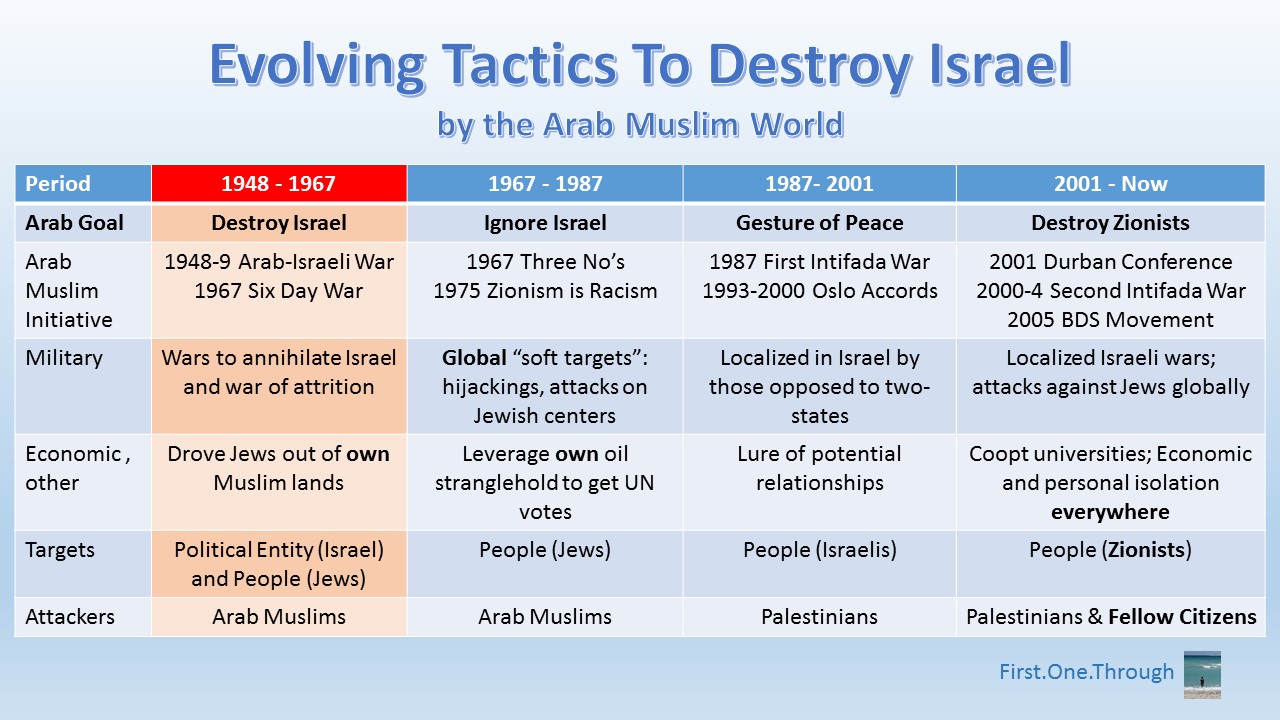
That is what happened after the Six-Day War, when Israel delivered a devastating defeat to the combined armies of Egypt, Jordan, and Syria. In six days, territories changed hands, military reputations collapsed, and the promise that Israel would soon be destroyed evaporated.
The defeat reverberated far beyond the battlefield. It humiliated governments across the Arab world and shattered the image of inevitable victory that had surrounded the campaign against Israel.
But the war did not end. It simply changed form.
In the years that followed, militant organizations such as the Popular Front for the Liberation of Palestine and the Black September Organization exported the conflict around the world.
The targets were no longer Israeli armies; they were civilians.
Airplanes became battlegrounds. Diplomats became targets. Jewish institutions across the diaspora suddenly found themselves on the front lines of a war being fought thousands of miles away.
The Munich massacre shocked the world when Israeli athletes were murdered at the Olympic Games by Palestinian Arab terrorists. It demonstrated that the battlefield could be moved to the most international stage imaginable.
Another defining moment came with the Entebbe hijacking, when Palestinian terrorists seized an Air France flight and diverted it to Uganda. There, Jewish and Israeli passengers were separated from the others and held hostage in an old airport terminal. The episode ended with a daring Israeli rescue, but the hijacking revealed something chilling: Jews anywhere could be turned into targets for a war militants could not win against Israel itself.
Synagogues and Jewish community centers were attacked in cities far removed from the Middle East battlefield. Rome. Athens. Istanbul. Hezbollah and Iran were often behind the atrocities.
These were not military targets. They were chosen precisely because they were vulnerable.
The message was unmistakable: if Israel could not be defeated in the Middle East, Jews everywhere would become targets.
Today there are worrying signs that the same pattern may be returning.
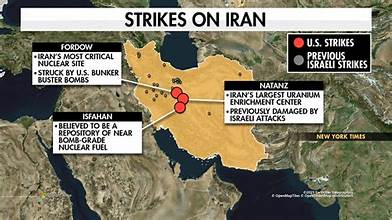
Iran and its regional network of militias face mounting military pressure from Israel and the United States. When regimes and movements cannot confront stronger armies directly, history shows they often search for targets they can reach more easily.
Recent intelligence chatter has suggested that Iran may have issued signals intended to activate sleeper operatives abroad. Western security services have increased monitoring of potential networks across North America, Europe, and Australia. Whether these warnings prove accurate or not, the concern reflects a familiar strategic logic: when the battlefield is lost in one region, pressure is applied elsewhere.
As the United States becomes the central military opponent of Iran, American Jews may face the threat most acutely.
Extremist movements have repeatedly treated Jewish communities abroad as symbolic stand ins for Israel and its allies. When Israel gains the upper hand militarily, Jews in distant cities have often become the targets that terrorists believe they can reach.
This time the danger may be compounded by a new environment.
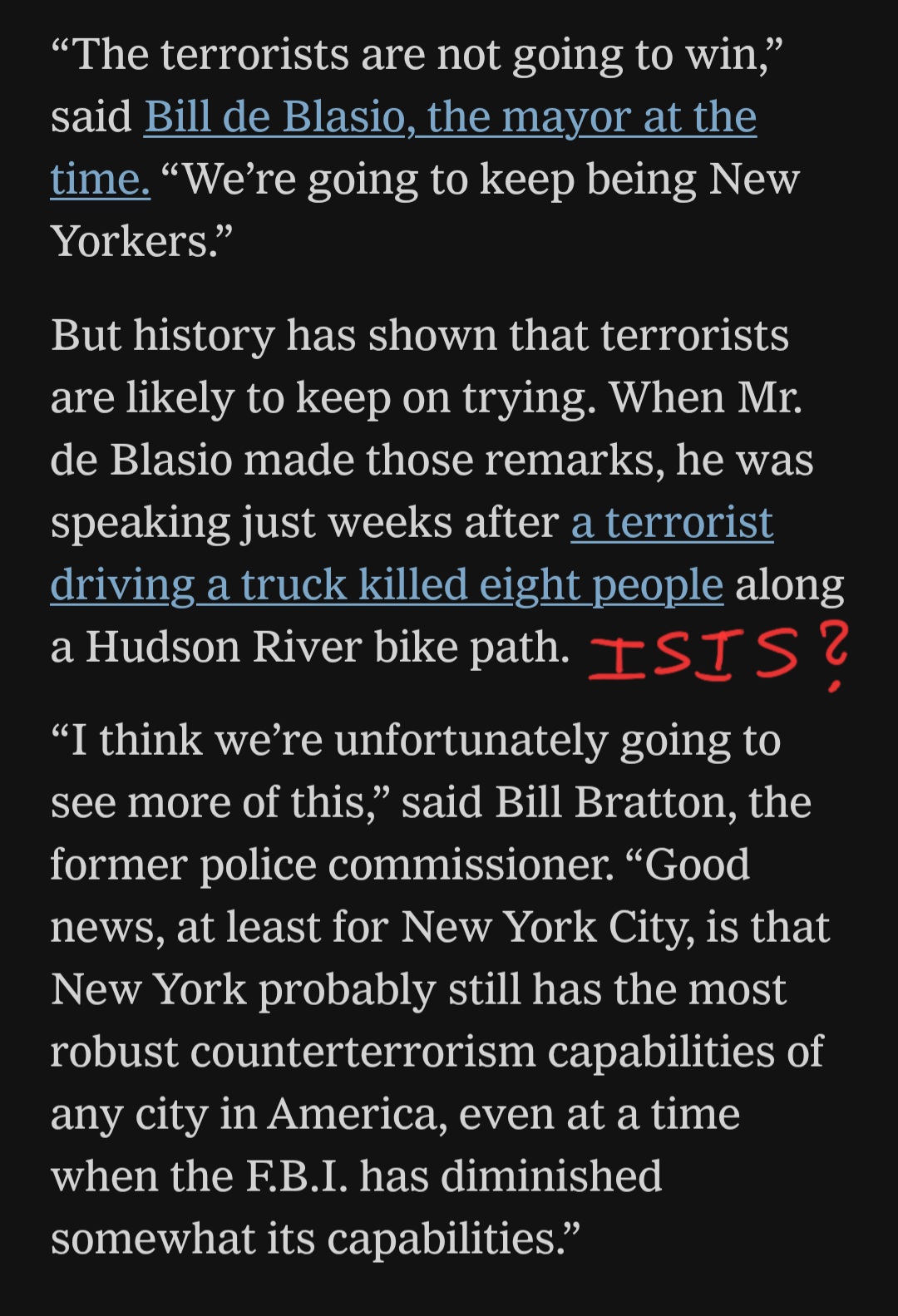
Terror no longer requires direct command structures. Groups such as Islamic State pioneered a model of “inspiration terrorism,” where individuals absorb propaganda online and act independently without formal membership or training, such as happened this week in New York City.
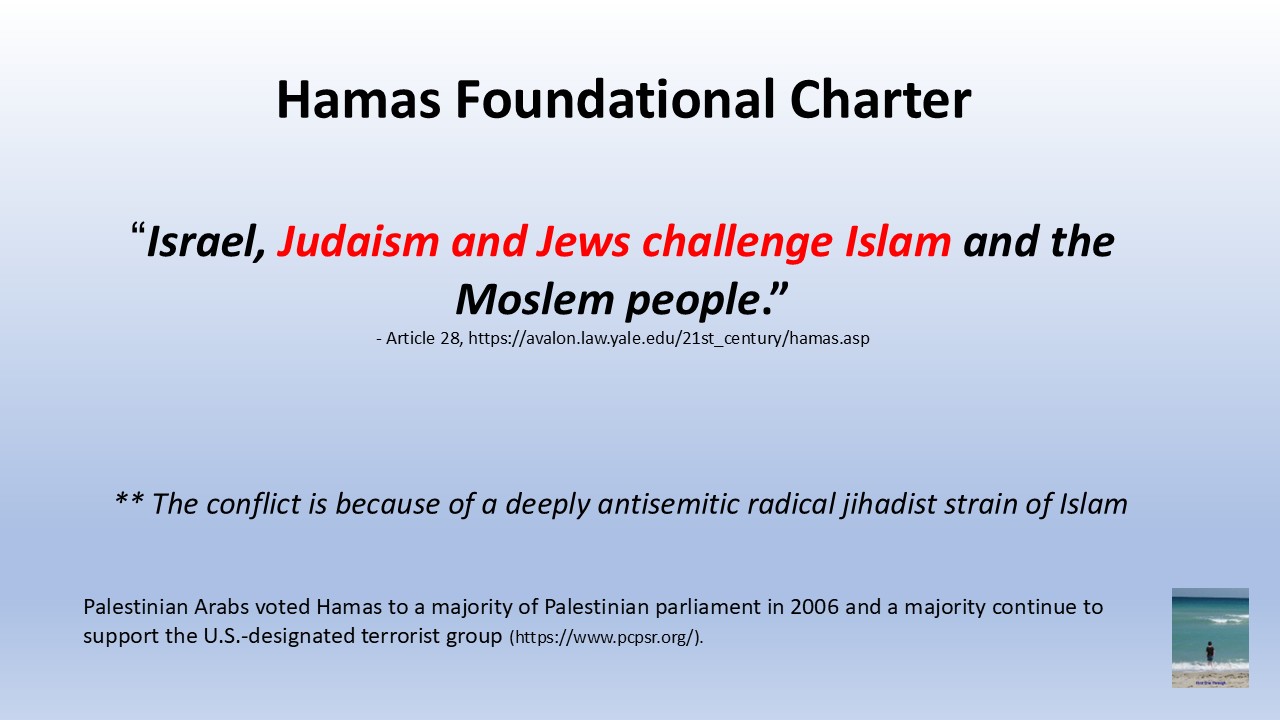
At the same time, a troubling ideological convergence has taken shape in parts of Western society. Radical Islamist movements and segments of the revolutionary left increasingly share a political vocabulary built around anti-imperialism, anti-colonialism, and the demonization of Israel. In that narrative, Israel becomes the embodiment of oppression. Jews are portrayed as agents of imperial power rather than a people with a three thousand year connection to their homeland.
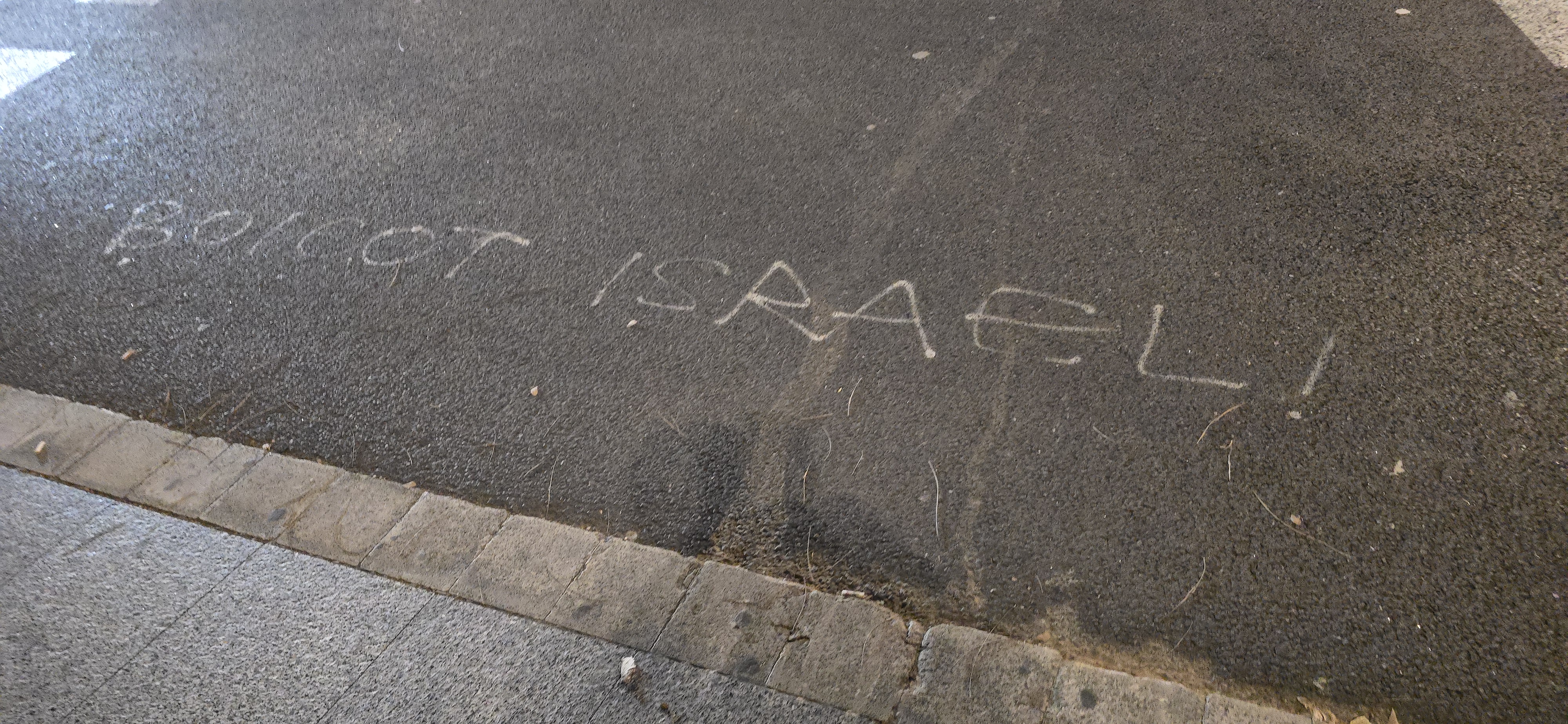
When those ideas spread through social media, activist networks, and even parts of the educational system, hostility toward Israel can easily spill over into hostility toward Jews themselves.
The result is combustible.
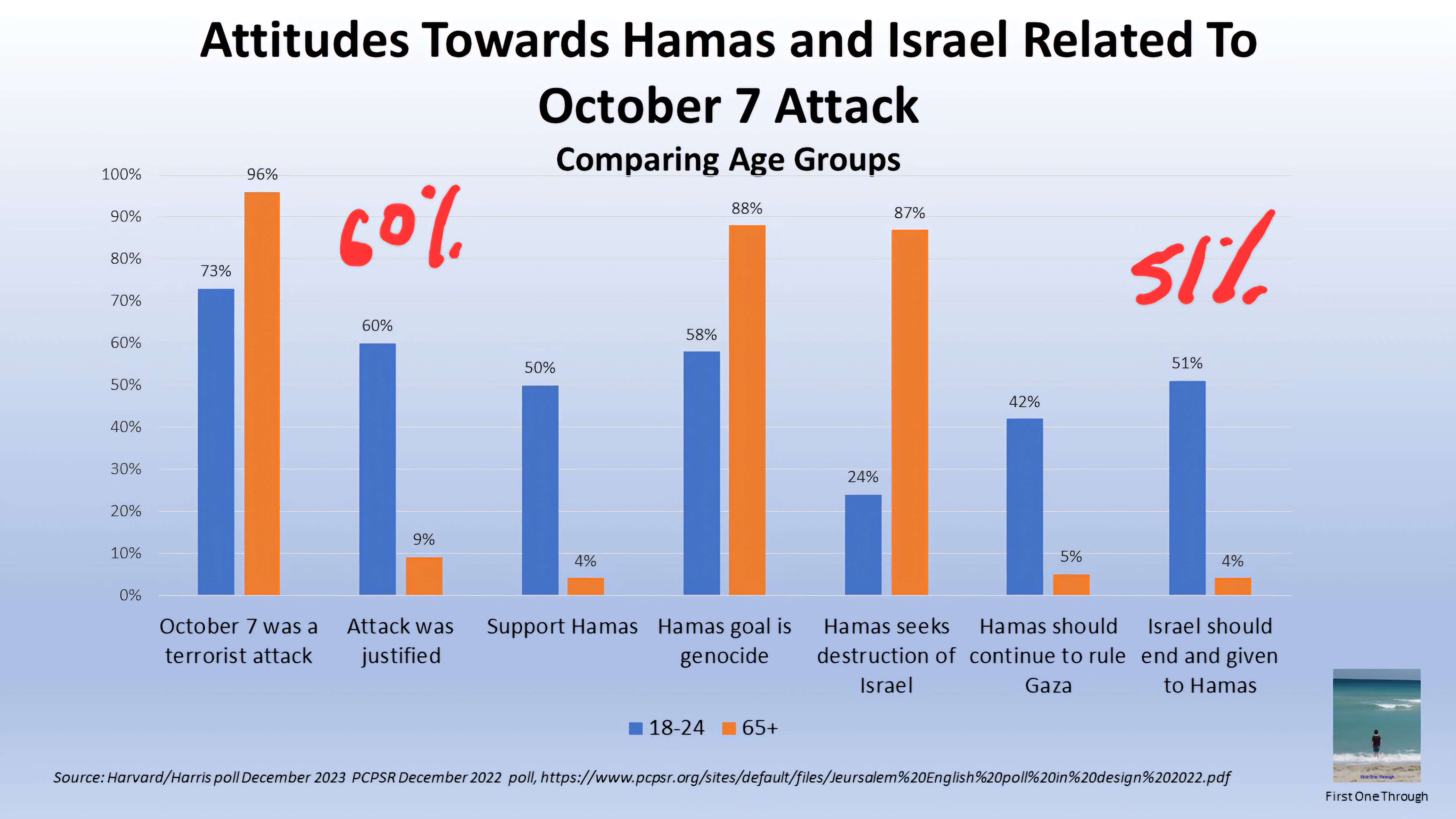
A generation is growing up hearing that violence against Israel is “resistance,” that Jews represent colonial domination, and that the conflict is part of a global struggle against oppression.
History shows where that logic can lead.
If history is echoing once again, the streets of Western cities may soon remind us of a grim truth: the losers of wars do not always accept defeat.
We are witnessing the next phase of the War on Zionists.
Related:
Genocidal Jihadists Come For ‘Soft Targets’ (September 2024)
Politicians In Their Own Words: Why We Don’t Support Defending Jews (January 2022)
















 First One Through