
The United Nations rarely changes. But sometimes the composition changes just enough that the temperature drops—even if the structure stays broken.
That is what January 1, 2026 quietly delivered at the United Nations Security Council.
Five countries rotated off. Five rotated on. No grand reform. No moral awakening. Just personnel. And yet, for Israel, the difference matters.
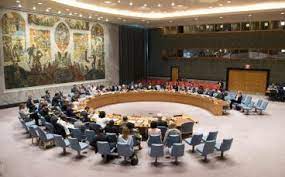
The Council Israel Had to Endure
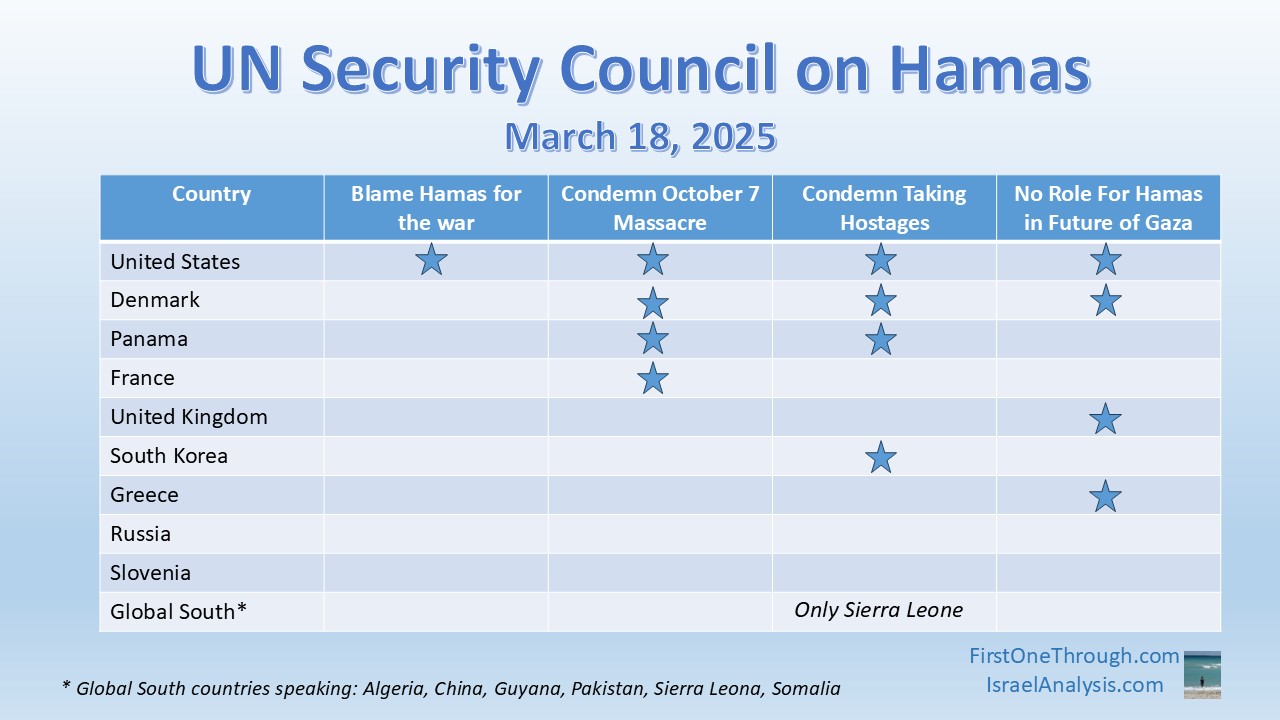
For much of 2024–2025, the Security Council was not merely critical of Israel. It was performative. Ideological. Repetitive. Certain members treated the Council less as a forum for conflict resolution and more as a theater for delegitimization.
None more so than Algeria.
Algeria did not argue policy. Israel, it insisted—again and again—was an illegitimate colonial outpost of Europe, no different from French rule in North Africa. History, geography, and Jewish continuity were irrelevant. This framing was injected into draft resolutions, press statements, and emergency sessions with missionary zeal. The goal was not peace. It was erasure.
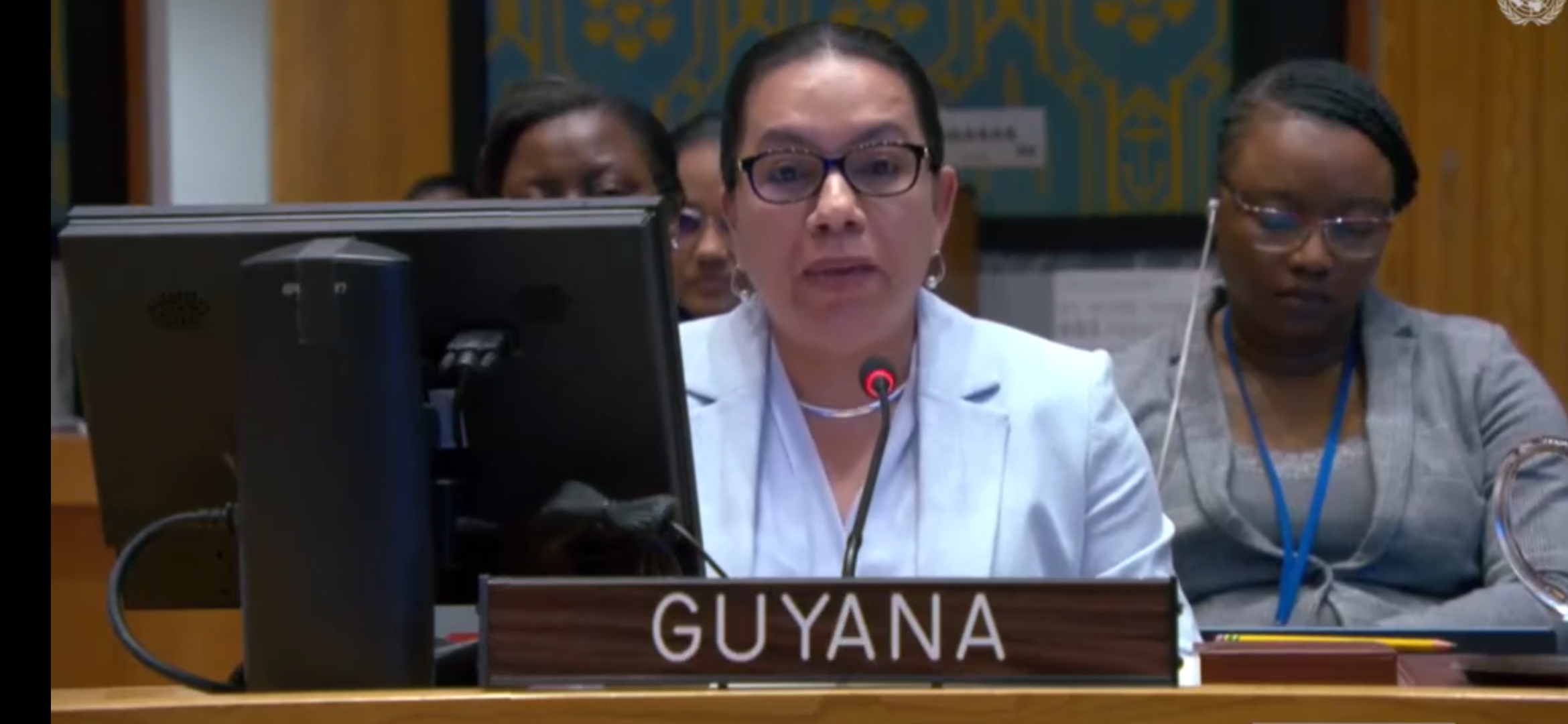
Then there was Guyana, a country which bonded with the terrorist Palestinian Liberation Organization in the 1970s, which spoke with confidence and without knowledge—accusing Israel, rather than Arab states, of rejecting partition since 1948. One did not need to agree with Israel to recognize the historical absurdity. But the UN often rewards certainty over accuracy.
And Slovenia—a country with no meaningful role in the conflict—seemed to relish its moment on the moral stage. During Israel’s defensive war, it never called out Hamas. Slovenia repeatedly accused Israel of genocide. The charge was not legal analysis; it was rhetoric. And rhetoric, once introduced, metastasizes.
These countries rotated off quietly. No ceremony. No reckoning. Just gone.
The Council Israel Is Getting Instead
Their replacements are not “pro-Israel.” That bar is too high. But they are something rarer: less ideological.
Bahrain now occupies Algeria’s Arab Muslim chair. Bahrain is a signatory to the Abraham Accords and has diplomatic relations with Israel. It understands that shouting “colonialism” does not feed people, build ports, or stabilize regions. Bahrain may not defend Israel loudly—but it will not poison the well reflexively.
Colombia replaces Guyana in South America. Colombia is a serious country with a serious economy. It trades. It fights insurgencies. It understands security dilemmas. Domestic politics fluctuate, but Colombia does not need Israel as a symbolic enemy to feel virtuous on the world stage.
Latvia replaces Slovenia. Latvia knows what occupation actually looks like. It is cautious with language. It aligns more naturally with Western security frameworks and is unlikely to indulge in genocide rhetoric as a form of diplomatic performance art.
Liberia and Democratic Republic of the Congo round out the new entrants. Neither is a champion of Israel. But neither is an ideological crusader. Silence, at the UN, is often an upgrade.
This is not a transformed Security Council. The structural bias remains intact. Russia and China still exploit Israel as a pressure point. France still oscillates. The General Assembly still manufactures moral majorities untethered from reality.
But something important does change: the agenda-setters.
Algeria’s absence means fewer resolutions laced with colonial mythology. Slovenia’s departure means fewer genocide accusations casually flung like slogans. Guyana’s exit means fewer history-free lectures delivered with confidence.
In their place are countries – hopefully – that calculate before they accuse. That lowers the volume. It slows the cycle and gives diplomacy—especially American diplomacy—more room to maneuver.
Conclusion
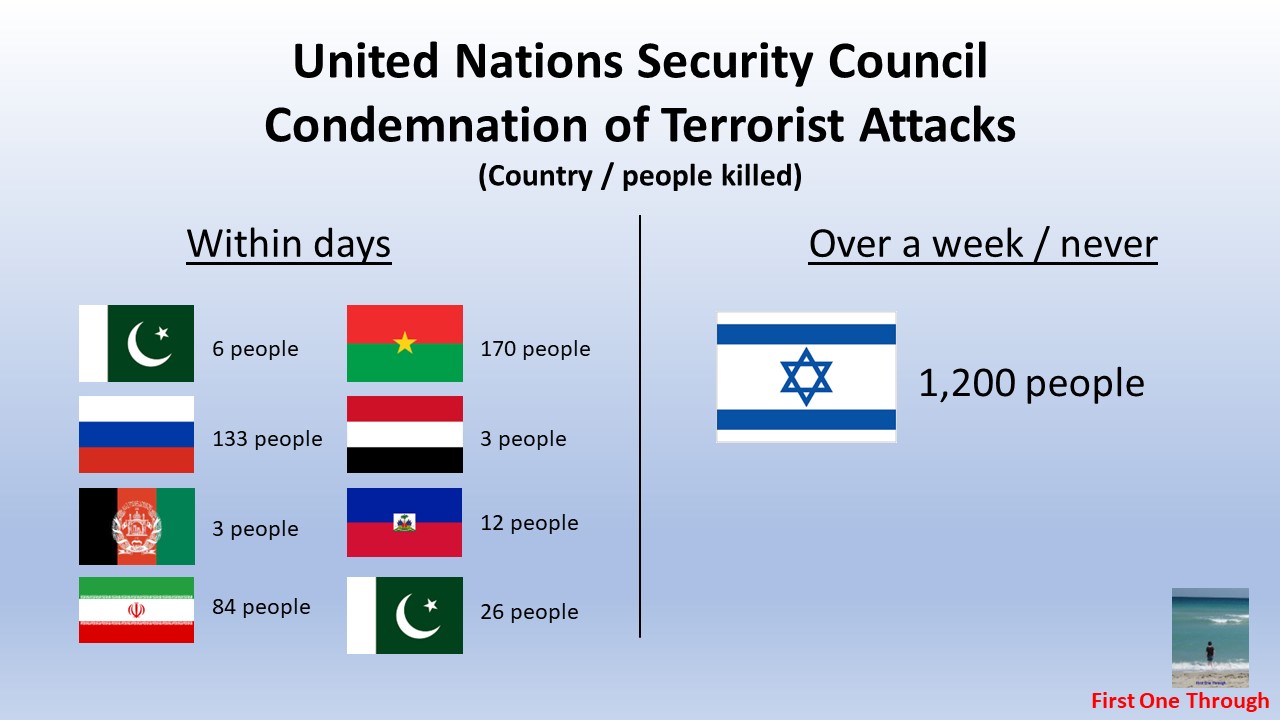
Israel does not need the UN to love it. It needs the UN to stop lying about it.
The 2026 Security Council will not be fair. But it may be less dishonest. Less theatrical. Less obsessed with turning a regional war into a morality play with a prewritten villain.

Sometimes history doesn’t turn with a speech or a vote—but with who quietly leaves the room.






 First One Through